 1500+ reviews

How to Catch a Rat: A Safety-First Guide for Homeowners

You hear it when the house finally goes quiet. A scratch in the wall. A quick scuttle over the garage ceiling. Maybe the dog keeps staring at the pantry baseboard, or you find a torn bag of pet food and realize this isn't your imagination. At that point, most homeowners do what everyone does. They buy one trap, put cheese on it, set it in the middle of the floor, and hope the problem solves itself. That usually doesn't work. Rats aren't casual pests. They test new objects, follow edges, learn fast, and keep using the same travel routes if food, water, and cover stay available. If you want to know how to catch a rat, you need more than a trap. You need a plan that matches rat behavior. This is the same way a technician approaches it in the field. First, confirm what animal you're dealing with. Then choose the right trap for the house, not just the cheapest one on the shelf. After that, focus on bait, placement, and safety. Disposal and cleanup matter too, because the job isn't finished when one rat is gone. And if the activity points to a bigger infestation, it's time to stop guessing and bring in a local rodent pro. Introduction A rat problem usually starts with a noise you can't quite place. It happens late, when the dishwasher is off, the TV is muted, and the house settles down enough for you to hear movement where there shouldn't be any. In North Houston homes, I've seen that first sign come from attic eaves, garage walls, under kitchen cabinets, and around HVAC penetrations where rats use the structure like a protected highway. The first mistake homeowners make is treating every rodent problem the same. They assume one trap will handle it, or they start dropping bait without thinking about pets, kids, or where the rat is traveling. That wastes time and usually teaches the rat to avoid the setup. A better approach is simple. Read the evidence, use the right trap, and set it where the rat already wants to go. That's what catches rats consistently. Practical rule: The trap matters less than the route. If the trap isn't on the rat's path, the rat doesn't care that it's there. A safety-first approach also matters. Rats contaminate surfaces, chew wiring, and leave behind droppings and urine in places people touch every day. You want the problem handled fast, but you also want it handled cleanly. That means no bare-hand cleanup, no sloppy trap placement, and no wishful thinking. Confirming the Intruder Key Signs of a Rat Problem Before you set anything, make sure you're dealing with rats. Homeowners often confuse rat activity with mice, squirrels, or even loose ductwork and assume the same fix applies. It doesn't. The signs tell you what you're up against and where to trap. That second part is what matters most. If the evidence is concentrated along one wall, behind one appliance, or near one utility run, you've just found your target zone. What to look for inside the house Start with the areas rats prefer because they can move unseen. Check behind the refrigerator, under sinks, inside the pantry, along garage walls, around water heaters, and where plumbing or cable lines enter the house. Look for these clues: Droppings near edges: Rats usually leave droppings along walls, behind stored items, and near food sources rather than out in the open. Grease or rub marks: Their fur leaves dark, oily smudges on baseboards, pipe chases, and tight openings they use repeatedly. Gnaw damage: Fresh chewing on wood, plastic, cardboard, or wiring is a serious warning sign. Tracks in dust: In attics, garages, and storage rooms, rats often leave tail drags and foot tracks in dusty areas. Noises at night: Scratching, short bursts of running, and chewing sounds after dark often point to active rodent movement. If you want a more detailed visual breakdown, this guide to common signs of rodents in and around the home is useful for narrowing down where activity is concentrated. Why sign intensity matters One or two droppings don't mean the same thing as repeated evidence in several rooms. Heavy signs in one location usually mean you've found a travel route or nesting area. Light signs scattered randomly can mean the rat is ranging wider and still testing the structure. A rat infestation is easier to solve when you stop thinking in terms of rooms and start thinking in terms of runways. That's also why placement matters so much later. According to UC Agriculture and Natural Resources guidance on snap-trap use, when pre-baiting is combined with traps spaced at roughly 15 feet along walls, field studies showed active rat populations could be reduced by 50 to 70% within several nights of intensive deployment. Rat signs that homeowners miss A lot of people only look at the floor. That's a mistake in Southeast Texas homes. Check attic insulation near eaves, the top of garage storage shelves, and the back corners of cabinets. Rats like protected lines of movement, and they'll often stay close to structure instead of crossing open space. Also pay attention to pet behavior. Cats and dogs often key in on one repeated point of activity long before the homeowner sees obvious evidence. Choosing the Right Trap for Your Home There isn't one perfect rat trap for every house. The right choice depends on where the rats are moving, how comfortable you are handling the catch, and whether kids or pets can reach the setup. What matters is choosing a trap you'll use correctly and in enough numbers to matter. The biggest DIY mistake here is relying on a single trap. Rats don't move like targets in a carnival game. They follow established runs, and multiple animals may be using the same structure. Public health guidance summarized in this trap-line overview recommends multiple traps in a linear configuration, with 10 to 15 snap traps in a moderate home infestation. That
Lawn Care Services Quotes: Your Guide to a Fair Price

You've probably seen the pattern already. One company texts a low number with almost no detail. Another sends a longer estimate with terms like pre-emergent, fertilization schedule, spot treatment, and weather reschedule. A third asks about lawn size, grass type, drainage, shade, and whether pets use the backyard. If you're a new homeowner in north Houston, that spread can feel less like shopping and more like guessing. That guess gets expensive fast in our climate. Lawns in Kingwood, Conroe, Porter, Humble, and nearby areas don't just need someone to make the grass look shorter. They need a provider who understands weeds, soil conditions, fungus pressure, humidity, runoff, pests, and the difference between a lawn that looks decent for a week and one that stays thick and healthy through a long Texas season. Your Lawn Care Quote Is More Than Just a Price Tag A lawn quote should answer one question clearly. What work is this company going to do on your property, and how often? That matters because the cheap number you get in a text message usually covers only the most basic surface-level idea of service. There may be no note about what weeds are being treated, no mention of follow-up timing, no explanation of disease monitoring, and no plan for the fertilization schedule that actually supports lawn health. In north Houston, a quote is really a lawn health blueprint. It tells you whether the company is thinking beyond one visit. That's why recurring service shows up so often in professional estimates. The lawn care services industry reached a market size of $188.8 billion in 2025, and recurring contracts are common in this competitive field because basic maintenance and chemical applications are offered by over 80% of professionals according to landscape industry statistics from the National Association of Landscape Professionals. What a homeowner usually misses A new homeowner often compares totals instead of scope. That's normal. But two quotes that look close on price can be miles apart in what they deliver. One may include: Weed prevention: Pre-emergent applications timed to reduce future weed growth Weed control: Post-emergent treatment for weeds already active in the turf Fertilization: Seasonal nutrient applications based on grass type and growth stage Disease monitoring: Service notes that flag fungus pressure, turf stress, or drainage-related issues Service notes: Observations about ant activity, irrigation concerns, or lawn health trends Another may just say “lawn service.” A vague quote usually hides one of two problems. Either the company hasn't thought the job through, or it doesn't want you comparing details. That's not unique to lawn care. Other home service trades deal with the same quoting problem. If you want to see how pricing structure works in another field, this pricing guide for plumbing companies is useful because it shows why serious service businesses build quotes around labor, overhead, and repeatability instead of guessing. Why recurring care makes sense here North Houston lawns don't live in a mild, low-pressure environment. Heat, rain swings, shade, insects, and long growing periods mean the yard changes fast. A one-time treatment may help temporarily. It doesn't create control. That's one reason many homeowners end up pairing turf work with pest planning, especially when outdoor comfort matters as much as appearance. If you're trying to think through both sides together, dual lawn care and pest control plans give you a clearer picture of how the two services overlap on real properties. The right goal isn't the lowest quote. It's the clearest one. How to Prepare for an Accurate Lawn Service Quote Good lawn care services quotes start before the company ever visits your house. If you hand three providers different information, you'll get three estimates that aren't really comparable. That's how homeowners end up thinking one company is cheaper when it's quoting less work. Gather the property basics first Professional quoting often starts with property size. One common workflow is to determine acreage from online tools or assessor records, then use a base formula such as price = 100 × acreage with a minimum charge, as described in ECHO's lawn mowing quote guide. If you know your square footage, dividing total square feet by 43,560 gives acreage, which helps a company start from measurements instead of rough guesses. Before you request quotes, pull together these basics: Lawn size: Total turf area if you know it, or at least lot size and a note about how much is grass Grass type: St. Augustine, Bermuda, Zoysia, or “not sure” if you don't know Access points: Gated yards, narrow access, drainage swales, or areas crews need to inspect Obstacles: Beds, tree roots, sprinkler heads, heavy shade, and areas with poor airflow Pets and children: Important for safety, product timing, and reentry guidance List the real problems, not just the service you think you need A lot of homeowners ask for “lawn service” when what they're really dealing with is a lawn health problem. If the grass is thinning near the foundation, if there are bare spots by the dog run, if weeds keep coming back, or if certain areas stay wet after rain, say that upfront. That changes the quote. It may shift the conversation from “how much is lawn service” to “what combination of weed control, fertilization, monitoring, and scheduling keeps this yard healthy.” A useful request packet should include: Photos from the street and backyardInclude close-ups of damaged, patchy, discolored, or weedy areas. Your main frustrationsWeeds, thin turf, fungus concerns, ant mounds, discoloration, poor drainage, or recurring problem spots. Your expectationsBetter curb appeal, thicker grass, fewer weeds, safer yard for kids, or lower-chemical options. Practical rule: If a company has to guess your scope, it will either overprice to protect itself or underprice and disappoint you later. Give every company the same information Homeowners can avoid much confusion. Send the same notes, photos, and measurements to every provider. That gives you an apples-to-apples comparison. If you want a fast way to organize the basics before reaching out, a simple lawn estimator can help
Are Moths Dangerous? a Texas Homeowner’s Guide

Most moths aren't dangerous to people, and adult moths don't bite or sting. A key risk for Texas homeowners is that a few moths can damage clothes and stored food, and some people can react to larvae, scales, or infestation debris. If you're reading this after spotting a moth in the pantry, closet, or flying around a lamp in Houston or Kingwood, take a breath. One moth near a porch light usually isn't a health emergency. In Southeast Texas, a lot of moth activity is just part of living with warm weather, bright outdoor lighting, and long humid seasons. Where homeowners get tripped up is the word dangerous. They think about bites, poison, or disease. Most of the time, that's not the issue. The more useful question is this: Is this moth just an outdoor visitor, or is it the kind that can infest my food or fabrics? That distinction matters a lot in our area. Gulf Coast humidity makes closets, laundry rooms, pantries, and pet-food storage more inviting when conditions are right. Add seasonal clothing, wool rugs, birdseed, dry goods, and a few overlooked corners, and a small moth problem can grow into a cleanup project. Answering the Question Are Moths Dangerous For most homeowners, the honest answer is no, moths aren't dangerous in the way people usually mean. Adult moths don't bite or sting, and most species aren't out to hurt you. According to WebMD's guide to household moths, most moths are not dangerous to humans, and adult moths do not bite or sting. That said, your concern isn't silly. If you've ever found one fluttering across the bedroom at night or drifting around a kitchen light, it's normal to wonder whether it can hurt your family or pets. The problem is that moth trouble often gets mistaken for the wrong thing. What people usually fear Many people assume a rash or itchy skin spot came from a moth bite. But adult moths aren't biting. The bigger health concern comes from larvae and their debris, not the adult moth flying around the room. WebMD notes that some larvae can cause systemic and skin reactions, which is one reason moth complaints sometimes get misread as bites. Practical rule: If you see a flying moth, don't focus only on the wings. Look for where it may have come from, such as wool items, stored dry goods, pet food, or dark corners of a closet. The Texas version of the problem In the Houston area, I tell homeowners to think about moths in two buckets. One bucket is harmless outdoor moths that wandered in through an open door or around a lighted entry. The other bucket is indoor pest moths that signal a problem in fabrics or food storage. That second group is where your attention belongs. A clothes moth can ruin a sweater, area rug, or upholstered item. A pantry moth can turn a shelf of dry goods into something you no longer want in your kitchen. So when someone asks, are moths dangerous, the best answer is: usually not to your body, but sometimes very much to your belongings and household comfort. Property Damage vs Health Risks From Moths When homeowners say a moth is "dangerous," they're usually talking about one of two things. Either it can damage property, or it can create a health irritation problem inside the home. Those are separate issues, and it's helpful to keep them separate. Property damage is usually the bigger problem In Texas homes, the most common practical damage comes from larvae, not the adult moth itself. Clothes moth larvae feed on natural fibers like wool, silk, fur, feathers, and sometimes fabric blends if those items have body oils, dust, or food residue on them. Pantry moth infestations spoil flour, cereal, grains, nuts, spices, baking mixes, and pet food. That's why a single moth in the air doesn't tell the whole story. The primary concern is whether eggs or larvae are already tucked into something you own. If you're sorting out damaged garments, professional delicate fabric cleaning can help with salvageable items after you've removed the source of infestation. If the damage seems focused on garments, rugs, or closet contents, it's also worth reviewing examples of pests that infest clothes so you don't blame every hole on moths alone. Health concerns are usually indirect The health side is more subtle. According to Responsible Pest Control's explanation of moth risks, the main technical health risk is indirect exposure through allergenic proteins in scales and waste, which can trigger reactions in sensitive people and contaminate food or fabrics during an infestation. That means the issue isn't venom or disease spread. It's exposure to the mess they leave behind. A homeowner might notice: Skin irritation after handling infested items Sneezing or respiratory discomfort when disturbing dusty closet or pantry areas Contaminated food that should be discarded Lingering irritation from scales, waste, or larval material in neglected storage spaces The moth you see is often just the messenger. The infestation is the real problem. Why this matters in Houston homes Humidity changes the conversation. In drier climates, stored items may sit with fewer issues. Around Houston, moisture in the air can make enclosed storage spaces feel less stable, especially in garages, utility rooms, and closets that don't get much airflow. That doesn't make moths aggressive. It makes your stored items more vulnerable if an infestation starts. Identifying Problem Moths in Your Texas Home Not every moth in your house deserves panic. In Southeast Texas, plenty of large moths drift indoors by accident, especially after dark. They bounce off windows, collect near porch lights, and die out without causing indoor damage. The moths you need to identify are the small, persistent ones tied to fabrics or stored food. The two indoor troublemakers Clothes moths are small and easy to miss. Homeowners often don't notice them until they find damage. They prefer dark, quiet places like closets, folded wool items, rug edges, stored blankets, and the underside
Retail Pest Control: A Guide for Southeast Texas Managers
You open the front door, do a quick floor walk, and spot the problem before the first customer does. A roach near the beverage station. Droppings behind a stock shelf. A gnawed corner on packaged goods in the back room. In retail, that moment hits fast because the pest itself is only part of the problem. The bigger risk is what follows. Staff get distracted. Customers notice things your team hoped to handle discreetly. Inventory gets pulled. Someone posts a photo. A routine store opening turns into damage control. That's why smart retail managers don't treat pests as a one-time emergency. They treat them as an operating risk that needs a system, documentation, and clear accountability. Protecting More Than Just Your Products A lot of managers still think pest control means calling someone after a sighting. That model is outdated. The U.S. pest control industry grew from an estimated $14.3 billion in 2012 to over $24 billion in 2023, according to Statista's pest control market overview. That kind of growth tells you something important. Pest management has become a routine business function, not just an emergency purchase. In retail, that shift matters because your exposure isn't limited to damaged goods. You're protecting shopper confidence, employee morale, sanitation standards, and the daily flow of the store. A single pest issue in the wrong place can affect all four. What a pest sighting really means If a mouse shows up on the sales floor, the underlying problem usually started somewhere else. It may have begun at the receiving door, near a leaking mop sink, inside a cluttered electrical room, or in a stock area where old corrugate sat too long. By the time a customer-facing sighting happens, the pest has already found food, water, shelter, or an entry route. That's why sanitation and pest control have to work together. If your store handles packaged food, beverages, breakroom waste, or any area where contamination matters, this practical guide on preventing salmonella in food facilities is worth reviewing with the people who oversee cleaning standards. Practical rule: If your pest plan starts after a customer complaint, you're already behind. Brand protection is an operations issue Managers usually feel pressure to solve the visible problem quickly. That makes sense. But quick treatment without inspection, exclusion, and monitoring often just pushes activity around the building. The pest disappears from one area and shows up in another. A better approach is to treat pest control the same way you treat slip hazards, refrigeration issues, or after-hours security. It needs a procedure, not a panic response. If you want a broader business view of what unchecked activity can cost, this breakdown of the business cost of an unchecked pest problem is a useful reference for store leadership. Common Pest Threats in Texas Retail Environments Southeast Texas retailers deal with year-round pest pressure, but not every pest creates the same kind of risk. Some damage product. Some trigger customer complaints. Some signal sanitation or moisture issues that are bigger than the pest itself. Houston managers should take that seriously. ConsumerAffairs identifies Houston, Texas, as the most cockroach-infested U.S. city in its pest control statistics report. For local retail operations, that means roach control can't be handled with casual service intervals and generic spray work. Rodents and roaches create the highest business risk Rodents are disruptive because they rarely stay contained to one zone. They move through receiving, stockrooms, wall voids, and employee areas. They chew packaging, foul hidden spaces, and create a credibility problem fast. If staff are finding droppings in the same area more than once, don't assume trapping alone will solve it. The building is giving them access. Cockroaches are different. They usually point to moisture, harborage, food residue, or all three. In retail, I'd pay special attention to floor drains, under-shelving voids, soda stations, mop closets, breakrooms, and any warm equipment area. Roaches also thrive where the store looks clean at eye level but stays neglected below counters, under fixtures, and behind equipment. A practical cleanup checklist helps, especially in utility areas. These WipesBlog insights on facility pests are useful for managers dealing with sink zones, drains, and hidden wet areas where roaches get established. The pests customers notice first Flies don't need a large infestation to hurt you. One or two in the wrong place can shape customer perception immediately. In many stores, flies point to drain buildup, trash handling problems, standing water, or exterior door management that's too loose. Stored product pests are quieter but expensive in a different way. They often arrive through inbound goods and spread before anyone catches them. If your store carries dry goods, pet food, grains, snacks, or packaged pantry items, train receiving staff to check seams, corners, and damaged packaging. This guide to pantry pests in stored goods is especially relevant for stockrooms and backroom inventory control. After you understand where these pests show up, it helps to see how professionals inspect those areas in practice. A clean sales floor can hide a dirty pest story in the stockroom, under shelving, or at the dock. Where Texas retail sites usually get exposed Watch these zones first: Receiving doors: Frequent openings, pallet movement, and cardboard buildup create easy access. Employee break areas: Food residue, crumbs, and overlooked trash keep pests fed after hours. Utility and mop sink rooms: Moisture problems often start here, then spread outward. Dumpster and compactor approaches: Exterior pressure builds here before it enters the store. Hybrid backrooms: Order staging, returns, and e-commerce packing create clutter and extended holding time. The IPM Framework A Modern Defense Strategy Good retail pest control works like a layered building defense. You don't rely on one product, one visit, or one device. You create multiple points where pests are denied entry, detected early, and removed before they build pressure inside. That's Integrated Pest Management, or IPM. For a retail manager, the practical meaning is simple. You combine inspection, exclusion, sanitation, monitoring, and targeted treatment into one repeatable process. Start
How Long Does Pest Control Last? a Texas Homeowner’s Guide
Most general pest control treatments last about 30 to 90 days. That's the standard answer, but in Southeast Texas it's only a starting point because the actual lifespan depends on the pest, the treatment method, weather exposure, and how much pressure your home has around it. If you're reading this right after a service, you're probably asking the same thing most homeowners ask: “How long will this hold?” That's a fair question, especially around Houston where heat, humidity, rain, dense landscaping, and long pest seasons put constant pressure on a home. A treatment isn't a force field. It's closer to a managed barrier. Some products keep working for a while, some pests take time to die out, and some properties invite reinfestation faster than others. A brick home in a tidy subdivision can behave very differently from a shaded property near standing water, woods, or a drainage area in Kingwood, Porter, Conroe, or Cleveland. What matters most is not just how long the product sits there. It's how long the pest pressure stays under control. The Real Answer to How Long Pest Control Lasts Most homeowners want one clean number. In the field, that number doesn't exist. For general pest control, professionally applied treatments are commonly reported to remain effective for about 30 to 90 days, which is why quarterly service is so common in the industry according to Barnes Exterminating's overview of treatment duration. That window is useful, but it doesn't tell you enough by itself. The better question is this: what are you trying to control, and what's working against the treatment? A light issue with occasional ants and a few perimeter spiders may stay quiet for a good stretch after a service. A heavier infestation, or a property with recurring entry points, moisture problems, or outdoor harborage, can need follow-up much sooner. In Southeast Texas, that's common. Homes stay pest-prone for long parts of the year because warm conditions don't give insects much of an off-season. What homeowners usually expect Many people expect pest control to work like weed killer. Spray once, pests disappear, and the problem is over. That's not how most residential pest work goes. A solid service does a few things at once: Knocks down active pests that are already moving through the home Leaves residual material in key areas so new activity is limited Reduces access points where pests are entering Sets up monitoring so you can tell whether pressure is fading or rebuilding Practical rule: The treatment duration that matters most is the period when your home stays stable, not the day the product was applied. Why this matters in Houston-area homes The Houston climate changes the conversation. Heat pushes insect activity. Rain shortens some outdoor protection. Irrigation, mulch, dense shrubs, and slab cracks all give pests a path back in. That's why homeowners get the most realistic results when they think in terms of management cycles, not one-and-done fixes. For some houses, quarterly maintenance is enough. For others, especially with recurring ants, roaches, mosquitoes, rodents, or severe interior activity, the schedule has to be tighter until pressure drops. Expected Treatment Lifespan for Common Texas Pests Different pests respond to different tools. That's why asking “how long does pest control last” without naming the pest usually leads to a vague answer. Here's the practical version for common Southeast Texas pest problems. Typical Pest Control Duration by Pest Type Pest Type Typical Treatment Lifespan General crawling pests 30 to 90 days for most professionally applied general pest treatments Ants Often repeated every 3 to 6 months in ongoing programs Roaches Full results may take 2 to 8 weeks depending on infestation extent Severe infestations May require monthly treatments for up to 6 months Mosquitoes and flying insects Around 30 days for many treatment programs Outdoor residual barriers in rainy conditions May shorten to about 60 days Rodents No fixed lifespan. Control lasts only as long as exclusion, sanitation, and trapping remain effective Termites No single universal duration. Protection depends on the specific system, monitoring, and follow-up plan Ants and roaches don't behave the same way Ant control often looks slower than homeowners expect. You may still see ants for a while because the goal isn't just to hit the foragers you see. The primary target is the colony structure behind them. Available guidance notes that ants may keep appearing for weeks, and roach treatments can take 2 to 8 weeks to show full results in some situations according to Smithereen's explanation of pest-control timelines. That delay doesn't automatically mean the treatment failed. It often means the process is still unfolding. If roaches are your main concern, this more focused look at how long after pest control do cockroaches die helps set expectations about what you may see in the days and weeks after service. Seeing a few pests after treatment can be normal. Seeing the same level of activity with no slowdown is a different story. Mosquitoes and outdoor pests usually fade faster Mosquito treatments don't last like indoor crack-and-crevice work. They're exposed to sun, irrigation, rain, and plant growth. In Southeast Texas yards with heavy foliage, shaded fence lines, and standing moisture, outdoor pressure returns faster than many homeowners expect. That's why mosquito control is typically treated as an ongoing exterior program, not a long-term single visit. Rodents and termites need a different mindset Rodent control isn't about residual life in the same way. If rats or mice still have access to food, shelter, and entry points, activity can return even after trapping succeeds. The service holds only when exclusion and sanitation hold. Termite work is similar in one sense. Homeowners often ask how long a termite treatment lasts, but the better issue is whether the system is being monitored, maintained, and inspected properly. With termites, the absence of visible damage doesn't mean the risk is gone. Key Factors That Influence Treatment Longevity Two homes on the same street can get the same service and have very different results. The difference
7 Signs of Rodent Infestation in the Woodlands Attic
That noise isn't just the house settling. You're lying in bed in your The Woodlands home, and you hear a light scratching over the ceiling, then a quick scurry that stops as soon as you listen for it. In neighborhoods around Spring, Conroe, and Kingwood, that's often how attic rodent problems first show up. You usually hear them before you see them, because rodents tend to be most active when the house is quiet and the attic is dark. The good news is that attic infestations usually leave a trail. Droppings, odor, gnaw marks, disturbed insulation, and entry gaps all tell a story about how long the problem has been going on and how urgent the next step should be. Some signs mean, "Schedule an inspection soon." Others mean, "Stop poking around and get a pest and electrical professional involved today." If you're trying to sort out whether you're dealing with a minor issue or an established attic problem, this guide will help. It covers the most important signs of rodent infestation in The Woodlands attic, assigns a practical severity level, and explains what you can check yourself before calling for help. If you're also comparing prevention options, it's worth reviewing Airtight Spray Foam rodent solutions alongside professional exclusion work so you understand what insulation can and can't do by itself. 1. Droppings and Fecal Matter A lot of attic calls in The Woodlands start with a homeowner spotting a few dark pellets near a box of holiday decorations or along the top of a ceiling joist. That find matters because droppings usually show where rodents are traveling, feeding, or bedding nearby. In local attics, I look for them along framing, near pipe and conduit penetrations, beside attic access openings, and at the perimeter where rooflines meet the structure. The size and shape help with early identification. The Centers for Disease Control and Prevention guide to cleaning up after rodents notes that mouse droppings are small and pointed, while rat droppings are larger. That distinction helps with triage. Smaller scattered droppings often point to mice. Larger droppings usually mean rats, and in attics around Spring, Kingwood, and The Woodlands, that often means more contamination and a harder exclusion job. Severity level and what it means I rate visible attic droppings as moderate to high severity. A few dry, dusty droppings in one corner can mean past activity. Fresh, dark droppings in multiple spots usually mean the problem is active right now. If you also notice odor, fresh tracks in insulation, or repeated nighttime noise, treat it as an active infestation until an inspection shows otherwise. This is also where context matters. During a WDI inspection for a home sale, a small amount of old droppings may only call for verification, cleanup, and a careful check for entry gaps. In an occupied home, fresh clusters near the attic hatch or around stored items usually justify a full rodent inspection, trapping plan, sanitation recommendations, and exclusion work. Practical rule: Do not sweep or vacuum droppings dry, and do not pick them up with bare hands. Photograph what you found, note the location, then limit attic traffic until the area can be assessed safely. Before you call, a few homeowner checks can help without turning a small contamination issue into a bigger one: Check high-traffic edges: Look along joists and the outer attic perimeter for repeated droppings in a line. Inspect around penetrations: Plumbing, electrical, and HVAC openings often collect droppings because rodents use them as travel lanes. Look for concentration, not just presence: A few pellets matter. Heavy buildup in one pocket usually points to a resting or nesting area nearby. Know when to stop: If you find widespread droppings, strong odor, or signs near wiring, get professional help rather than disturbing the area further. For homeowners trying to sort out whether they are dealing with mice, rats, or a broader indoor issue, FullScope's guide on how to eliminate mice and rats from your home gives a solid overview of what treatment and exclusion usually involve. If the droppings are fresh or widespread, that is the point to schedule an inspection, not keep guessing. 2. Gnaw Marks on Wood, Insulation, and Wiring Fresh gnawing changes the urgency fast. Rodents chew because they have to, and in an attic they don't care whether that's a beam corner, a duct edge, stored decorations, or electrical wiring. In real service calls around Conroe and The Woodlands, this is the point where a nuisance problem becomes a property-risk problem. A technical attic inspection source specifically identifies damage to infrastructure, especially chewed wiring and disturbed insulation, as a high-risk indicator that justifies immediate exclusion, sanitation, and repair rather than baiting alone in this attic rodent damage overview. That's exactly right. If wiring is involved, this stops being a wait-and-see situation. What fresh damage looks like Sharp, lighter-colored gnaw marks often suggest recent chewing. Older damage tends to look darker, worn, or dirty from attic dust. Parallel grooves on wood and torn insulation around the attic perimeter are common. Exposed wire is the one that gets immediate attention. A Conroe homeowner might go into the attic to check holiday storage and notice insulation pulled back with bite marks on the jacketed wire nearby. At that point, I wouldn't recommend setting a couple of store traps and hoping for the best. I would recommend a same-day pest inspection and an electrician if conductor damage is visible. Chewed wiring is a same-day follow-up issue. Don't assume the lights still working means the line is safe. Use this sign as a decision point: Wood only: Serious, but usually manageable through inspection and exclusion. Insulation and ducts: Strong sign of established movement and nesting behavior. Any wiring damage: Highest urgency. Bring in a professional immediately. For homeowners looking at next steps after damage is confirmed, FullScope explains practical control options in its guide on how to eliminate mice and rats from your home. 3. Urine Stains and Ammonia Odor A homeowner
Why Mosquitoes Are So Bad in the Woodlands During Summer

A lot of people in The Woodlands have the same summer routine. You step outside to grill, let the dog out, water a bed near the patio, or sit down for ten quiet minutes before dark, and the mosquitoes find you almost immediately. Then the next morning, you're getting tagged again in broad daylight near a shaded walkway or planter. That's why mosquitoes feel so relentless here. It isn't just that summer is hot. It's that The Woodlands combines heat, humidity, irrigation, stormwater infrastructure, shaded landscaping, and two different mosquito species with different feeding habits. One can bother you in the daytime. The other ramps up around evening and overnight. If you only think about “mosquitoes” as one single problem, the yard never seems to stay under control for long. There's a practical way to look at it. Some fixes help. Some are overrated. Some fail because they address adult mosquitoes while ignoring where the next wave is coming from. Summer in The Woodlands A Battle Against Mosquitoes You step out to grill at 7 p.m., slap your ankle before the lid is even open, then get bitten again the next morning while watering a shaded bed by the front walk. That pattern is common in The Woodlands, and it throws people off because it does not match the old idea that mosquitoes are only a dusk problem. What makes summer here feel relentless is that homeowners are often dealing with two different mosquito behaviors in the same yard. Day-biting Aedes stay active around shade, planters, entryways, and other tight, humid spots close to the house. Dusk-biting Culex build pressure later, especially near patios, fences, drains, and heavier vegetation. If you treat every bite as the same problem, the control plan usually misses half of what is happening. A clean-looking yard can still support heavy activity. In my experience, the worst properties are not always the ones with obvious standing water. They are the ones with scattered hiding and breeding spots that get overlooked for weeks. A gutter elbow holding water, a drain basin that never dries fully, a low spot along a fence, or containers tucked behind shrubs can keep mosquitoes coming. Homeowners who want to get ahead of that should start by checking the common mosquito breeding spots around Texas homes instead of only looking for one big puddle. Why the problem feels nonstop The pressure usually shows up in a few recognizable patterns: Bites in daylight near shaded walkways or landscaping often point to Aedes activity close to the home. A spike around dusk near patios and back doors is more consistent with Culex moving out to feed as air movement drops. Fast flare-ups after rain happen because summer heat shortens the timeline from standing water to new adults. Mosquitoes that persist between storms often mean irrigation, clogged drainage points, or water trapped in small containers is keeping the cycle going. Here is the practical takeaway. If you are getting bitten during the day and again around sunset, the yard probably has more than one active habitat and more than one feeding pattern in play. That is why mosquito season in The Woodlands wears people down. The issue is not just summer heat or one bad puddle in the neighborhood. It is a local mix of moisture, shade, drainage infrastructure, and two mosquito types that feed at different times, which makes the pressure feel constant even when the sources look minor. The Perfect Storm Why The Woodlands Is a Mosquito Haven Step outside in The Woodlands after a summer rain, and the yard can look fine by the next day. The problem is what stays wet where nobody checks. Water settles in drain structures, gutter debris, dense ground cover, planter trays, corrugated pipe, and shaded low spots. In summer heat, those small holding areas stay productive long enough to keep new mosquitoes coming off the property week after week. Water persistence matters more than people expect The Woodlands Township points to the same trouble spots technicians see every summer: storm drains, clogged gutters, yard low spots, and over-watered areas that hold water longer than homeowners realize, according to The Woodlands Township mosquito information page. That local pattern matters more than one large puddle. Aedes mosquitoes use small containers and tiny pockets of clean to lightly dirty water close to the house. Culex mosquitoes are more comfortable in catch basins, drains, and water with more organic material. In The Woodlands, both habitat types are common on the same block, and often in the same yard. That is one reason the pressure feels constant instead of occasional. I see this mistake all the time during inspections. A homeowner checks for a bucket or a birdbath, finds nothing obvious, and assumes the source must be a neighbor's property or nearby woods. Sometimes that is true. Just as often, the source is a half-clogged downspout extension, a French drain outlet that never dries fully, or mulch beds that stay damp under thick shrub cover. For a practical checklist of the spots that get missed most often, review these common mosquito breeding grounds around Texas homes. Why suburban landscaping can backfire The Woodlands was built with the features mosquitoes use well. Mature trees lower air movement. Dense shrubs and foundation plantings give adults cool resting cover through the day. Fences, beds, and drainage features break up airflow and help moisture linger near the ground. A neat yard can still be a mosquito yard. Three conditions usually make control harder on residential properties here: Heavy shade near outdoor living areas: Adults rest in protected foliage, then shift a short distance to feed when people walk out. Drainage that works on the surface but holds water below: Lawns can look dry while basin edges, pipe runs, and storm drain pockets stay wet. Irrigation schedules that keep marginal sites active: Sprinklers can extend wet time in spots that would otherwise dry out between rains. The trade-off is straightforward. The same trees and landscaping that
Cicada Killer Control: A Texas Homeowner’s Guide
You step into the backyard, hear a heavy buzz, and spot a wasp the size of your thumb carving a tunnel into the dirt. In Southeast Texas, that moment sends a lot of homeowners straight to the same conclusion: hornets, danger, and an afternoon nobody wanted. Most of the time, it's a cicada killer. It looks intimidating. It flies low, patrols hard, and kicks up little piles of soil that make the yard look active in all the wrong ways. But this isn't usually the kind of wasp problem that calls for panic or blanket spraying. The better question is simpler. Do you need cicada killer control at all? In many yards, the answer is no. In others, especially where burrows sit in play areas, along walkways, or in spots with constant foot traffic, control makes sense. The key is making that call before you start dumping product into the lawn. That Giant Wasp in Your Yard Friend or Foe A common Southeast Texas scene goes like this. Mid-summer heat. The St. Augustine has thinned out along a sunny edge of the yard. The clay soil has cracked where the sprinkler coverage is weak. Then a large wasp appears, hovering over one patch of bare ground like it owns the place. That insect is usually a cicada killer, and despite the name and the size, it's often more nuisance than threat. Why they alarm people so fast They don't move like paper wasps around an eave. They don't hide like yellow jackets. Cicada killers are out in the open, flying patrol routes over the lawn and digging visible burrows. That makes them feel more aggressive than they usually are. In practice, most homeowners are reacting to three things: Their size makes them look more dangerous than they are. Their flight pattern feels confrontational when they hover near people. Their digging creates fresh mounds that make the infestation look bigger than it is. What they're actually doing These wasps are solitary ground nesters. They aren't building a social nest under your roof, and they aren't looking for a fight with the family. They're using open soil to dig burrows and hunt cicadas. That's why I tell homeowners to slow down before they decide the whole yard needs treatment. A cicada killer in a back corner bed is one thing. A cluster of burrows beside the pool gate or in a ball-play area is something else. Practical rule: If the wasps are scary but not interfering with how you use the yard, tolerance is often a reasonable choice. That distinction matters. Good cicada killer control starts with deciding whether you're dealing with a real yard-use problem or just an unnerving insect. Identifying Cicada Killers and Assessing the Real Risk A lot of Southeast Texas homeowners call these “hornets” the first time they see one cruising low over the yard. That misidentification is where bad decisions start. Before treating anything, make sure you are looking at cicada killers and not a social wasp that brings a different level of risk. What to look for in the yard Cicada killers are large, ground-nesting wasps with yellow and black markings and a rusty cast on parts of the body. In the field, behavior usually confirms the ID faster than color does. You will see them working open, dry soil, dropping into a hole, backing out dirt, and flying short patrols a few feet above the ground. The soil gives them away too. Active burrows usually have a fresh, fan-shaped or crescent pile of loose dirt at the entrance. Around here, I see them most often in bare spots, thin turf, flower bed edges, and hard-packed areas that crack out in the summer heat. Males are often the ones homeowners notice first because they patrol aggressively around nesting zones. They may rush up to your face or hover in front of you. That behavior is intimidating, but it is different from a yellow jacket nest defending itself. If you are still sorting out what you saw, this Atlanta homeowner's guide to bee identification is a useful visual reference for comparing body shape, markings, and nesting habits. Checklist for assessing risk Correct identification matters, but location matters more. In many yards, cicada killers are a nuisance you can tolerate for a season. In other yards, they interfere with normal use enough that control makes sense. Use a simple decision check: Burrows in high-traffic areas. Front walk edges, pool gates, play zones, dog runs, patio approaches, and mailbox paths deserve more attention than a back fence line. Repeated activity in bare, compacted soil. In our clay soil, they often pick the same thin or dry areas year after year if the site stays open and undisturbed. A household sting concern. If someone has a known sting allergy, the threshold for action is lower even when the wasps are not especially aggressive. Visible soil displacement. A few holes are mostly cosmetic. A larger cluster can create a maintenance issue in beds, turf edges, or freshly improved lawn areas. Low-use corners. If the nesting area is out of the way and nobody has to pass through it, watching and correcting the habitat is often the better call. That last point is the one homeowners skip. I do not tell every customer to wipe them out on sight. If the burrows are tucked behind shrubs along the fence and the family never goes there, treatment may do less good than thickening the grass and reducing exposed soil. If the nest area is right where kids cut through the yard every afternoon, that is a different decision. For a broader comparison of species and nesting habits, this page on ground wasps and nesting behavior helps put cicada killers in the right category. A practical example helps. A few burrows in a dry side yard usually fall into the monitor-and-improve-the-site category. A cluster beside the AC unit, near the garbage cans, or along the path from the driveway to the door usually
Anti-DIY Guide: When It’s Time To Call In Pest Control Professionals
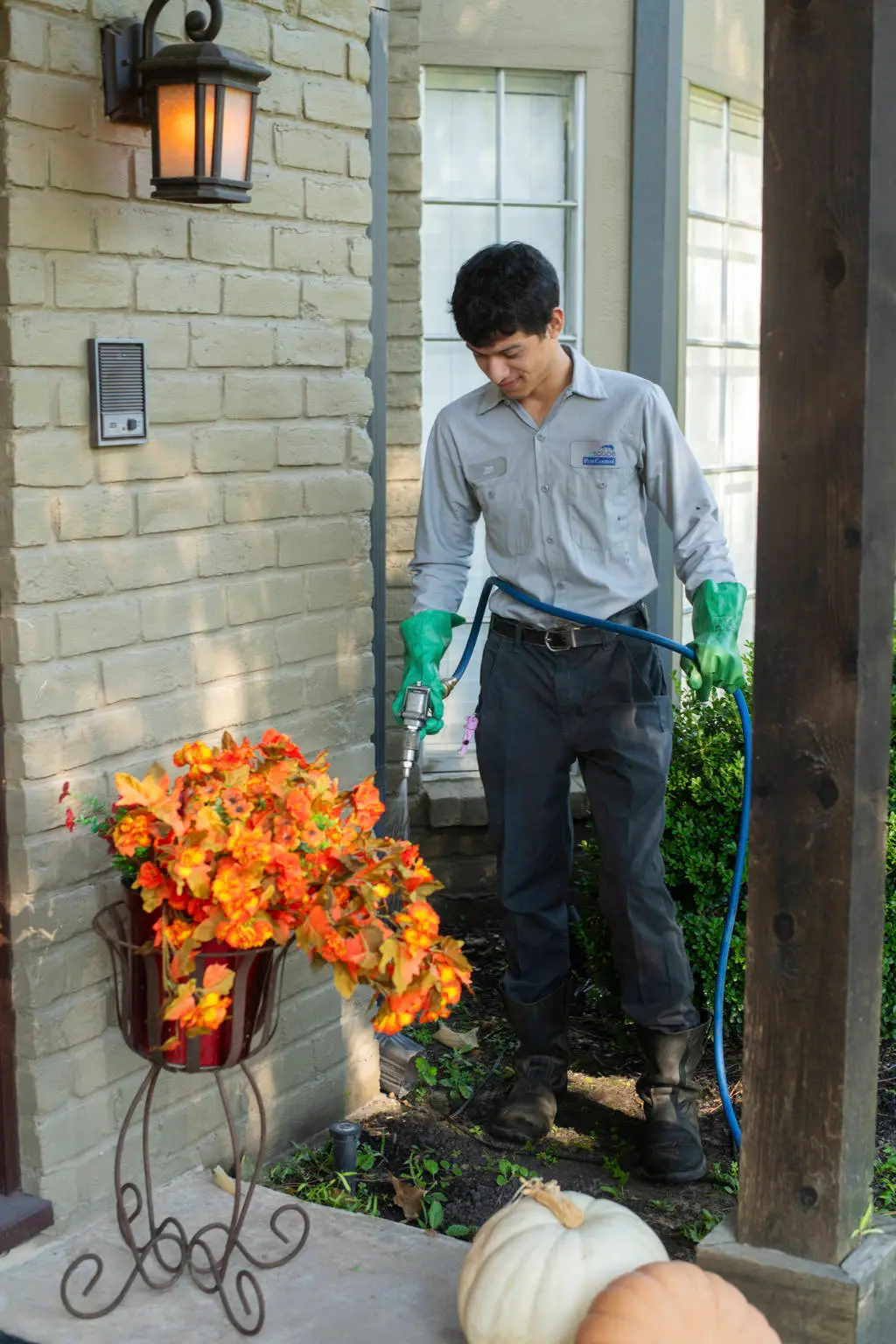
DIY treatments often feel reasonable at first. A trail of ants appears near the sink, roaches show up in a cabinet, mosquitoes take over the patio, or rodents leave signs in the garage. A quick product from the store may seem like enough, especially when the visible activity drops for a few days. The problem is that pests rarely start where they are first seen. Ants may be linked to a colony outside. Roaches may be hiding in wall voids, drains, or appliance gaps. Rodents may be entering through small exterior openings. Termites may be active before damage becomes obvious. Professional pest control becomes important when the issue needs identification, source tracking, and a long-term plan rather than a one-time surface response. When The Same Pest Keeps Coming Back Repeat activity is one of the clearest signs that DIY treatment is not reaching the source. If pests return to the same room, baseboard, exterior wall, pantry, attic, or yard area, something is still supporting them. That may be food, moisture, shelter, access, nesting space, or a hidden breeding area. Recurring signs may include: Repeated activity means the visible pest is probably only part of the problem. A professional inspection helps map where activity begins and what conditions allow it to continue. This matters in Houston-area properties because heat, humidity, vegetation, and moisture can keep several pests active across much of the year. When DIY Products Miss The Real Source Many DIY products are built for contact with visible pests. They may reduce what is seen, but they do not always reach harborage areas, entry points, breeding sites, or colonies. This is especially true when ants, mosquitoes, cockroaches, termites, rodents, spiders, fleas, ticks, bed bugs, wasps, or wildlife pressure is tied to hidden conditions. A helpful look at DIY pest failure explains why problems often continue after surface treatment. The issue is not always the product itself. It is the lack of inspection, species identification, and strategic placement. Professional service looks at the pattern. Technicians check pest type, activity level, interior and exterior pressure, moisture, access points, and hidden spaces. That allows treatment to be placed where it can interrupt the source instead of chasing isolated sightings. Source-related concerns may include: This is where professional judgment becomes more efficient than repeated guesswork. When Safety, Damage, Or Seasonal Pressure Increases Some pests call for professional attention because the risks are too serious to handle casually. Termites can damage structural wood while staying hidden. Rodents can contaminate storage areas, damage wiring, and keep entering through small openings. Wasps may become defensive when nests are disturbed. Bed bugs can spread through bedrooms, furniture, and travel items if handled unevenly. A guide on year-round protection shows why recurring service helps homes stay ahead of changing pest pressure. Regular inspections allow professionals to compare conditions over time and adjust service as the property changes. Safety-sensitive situations include: Long-term support is also important because pest pressure changes throughout the year. Mosquitoes surge during warm, wet conditions. Ants may move indoors for food or water. Roaches often thrive near moisture and shelter. Rodents may search for protected spaces. Termites can remain active quietly. A one-time response may reduce activity temporarily, but it cannot always account for seasonal changes. Professional pest control treats the property as a full system. Instead of reacting every time pests appear, the plan works to reduce access points, food sources, moisture, harborage areas, and recurring pest routes. That is the difference between short relief and a more stable, long-term strategy. Let The Source Be Found Before The Problem Spreads DIY treatments can seem convenient, but persistent pests usually need more than surface relief. When ants, roaches, mosquitoes, rodents, termites, spiders, fleas, ticks, bed bugs, wasps, or wildlife keep returning, professional inspection and targeted service provide a clearer path forward. For dependable pest control support, contact Fullscope Pest Control.
The Role of Foam Injection in Tackling Hidden Termite Galleries

Subterranean termites are among the most destructive pests affecting homes, and their ability to remain hidden makes them even more difficult to detect. These pests often travel through narrow tunnels and create concealed galleries inside walls, flooring, insulation, and structural voids. Because these areas are difficult to reach using standard liquid applications alone, advanced methods such as foam injection have become essential in termite control. Foam injection is designed to access cavities where termites hide, delivering treatment deep into spaces that traditional approaches struggle to penetrate. This method has become a valuable part of termite management, especially when galleries are located inside inaccessible voids. Below is a detailed look at how foam treatment works, why it is effective, and when it becomes necessary. Why Hidden Termite Galleries Require Specialized Treatment Termites rarely remain in open spaces. Instead, they create complex networks of galleries inside wood, behind drywall, beneath flooring, or within insulation. These enclosed areas protect the colony from exposure and allow it to feed undisturbed for long periods. As a result, homeowners often do not notice termite activity until damage becomes significant. Cold or mild seasonal temperatures can influence hidden activity, making infestations harder to detect. Insights from winter termite behavior show that termites remain active even when outdoor conditions seem unfavorable. Because these pests continue feeding internally, effective treatment must reach the concealed areas where they travel and establish colonies. Foam injection is ideal for these inaccessible locations. Unlike standard liquid termiticides that rely on gravity and surface penetration, foam expands into voids, filling irregular spaces and making contact with termites that would otherwise remain protected. How Foam Injection Works in Termite Control Foam injection begins by locating termite galleries inside walls, floors, or structural elements. After identifying these voids, small access points are created to allow the foam to reach hidden areas. Once applied, the foam expands, traveling through narrow spaces and coating surfaces with active ingredients. The process is effective because foam: The expanding nature of foam ensures that the termiticide spreads uniformly, creating a barrier throughout the gallery. This makes it an excellent solution for concealed infestations that cannot be controlled through soil treatments alone. When Foam Injection Becomes Necessary for Termite Management Foam injection is not always the first step in termite control, but it becomes essential when traditional methods are insufficient or when termite activity is deeply embedded. Understanding when foam is needed helps prevent ongoing damage. Foam injection is recommended when: This method complements other forms of termite control by addressing vertical and internal components of an infestation. In homes with long-standing termite issues or those built with complex structural layouts, foam provides essential added coverage. Supporting New Construction and Preventive Measures Foam injection is also beneficial during construction, renovation, or remodeling. Structural elements that remain open before walls are closed are ideal for foam applications, helping create early protection that reduces future termite pressure. This is especially valuable in new builds, where early preventive steps can significantly reduce long-term risks. Resources discussing proactive soil prep reinforce how combining foundational soil preparation with supplementary foam treatments provides a more complete defense system. Foam can reach elevated or enclosed structural areas that soil treatments cannot access during construction. By integrating foam into the larger termite control plan, both existing and newly built homes benefit from deeper coverage and enhanced long-term protection. Advantages of Foam Injection Compared to Traditional Methods Although liquid termiticides and bait systems remain core elements of termite management, foam offers advantages that make it indispensable for specific infestations. Its ability to reach concealed galleries makes foam a valuable companion treatment within a comprehensive plan. Key advantages include: Foam injection does not replace other methods but strengthens the overall treatment plan. Subterranean termites often require multiple layers of protection, and foam ensures that the internal components of the structure receive adequate coverage. Final Thoughts on the Importance of Foam Injection A termite infestation can continue unnoticed for long periods if activity remains hidden behind walls or beneath flooring. Foam injection offers a precise and reliable method to reach these concealed galleries, helping eliminate termites at the source and preventing further structural damage. By expanding into tight spaces and coating the interior of termite tunnels, foam greatly enhances the effectiveness of termite control. A Smarter Step Toward Hidden Termite Protection For expert termite solutions that target concealed galleries and inaccessible voids, contact Fullscope Pest Control for professional support tailored to your home’s needs.