1500+ reviews

DIY treatments often feel reasonable at first. A trail of ants appears near the sink, roaches show up in a cabinet, mosquitoes take over the patio, or rodents leave signs in the garage. A quick product from the store may seem like enough, especially when the visible activity drops for a few days.
The problem is that pests rarely start where they are first seen. Ants may be linked to a colony outside. Roaches may be hiding in wall voids, drains, or appliance gaps. Rodents may be entering through small exterior openings. Termites may be active before damage becomes obvious. Professional pest control becomes important when the issue needs identification, source tracking, and a long-term plan rather than a one-time surface response.
When The Same Pest Keeps Coming Back
Repeat activity is one of the clearest signs that DIY treatment is not reaching the source. If pests return to the same room, baseboard, exterior wall, pantry, attic, or yard area, something is still supporting them. That may be food, moisture, shelter, access, nesting space, or a hidden breeding area.
Recurring signs may include:
- Trails. Ants continue moving along counters, windows, or foundation edges.
- Droppings. Rodent or roach evidence appears again after cleaning.
- Noise. Scratching or movement returns in walls, ceilings, or attic spaces.
- Damage. Gnaw marks, chewed packaging, or termite-related wood changes keep appearing.
- Bites. Mosquitoes, fleas, ticks, or bed bugs continue to affect people or pets.
Repeated activity means the visible pest is probably only part of the problem. A professional inspection helps map where activity begins and what conditions allow it to continue. This matters in Houston-area properties because heat, humidity, vegetation, and moisture can keep several pests active across much of the year.
When DIY Products Miss The Real Source
Many DIY products are built for contact with visible pests. They may reduce what is seen, but they do not always reach harborage areas, entry points, breeding sites, or colonies. This is especially true when ants, mosquitoes, cockroaches, termites, rodents, spiders, fleas, ticks, bed bugs, wasps, or wildlife pressure is tied to hidden conditions.
A helpful look at DIY pest failure explains why problems often continue after surface treatment. The issue is not always the product itself. It is the lack of inspection, species identification, and strategic placement.
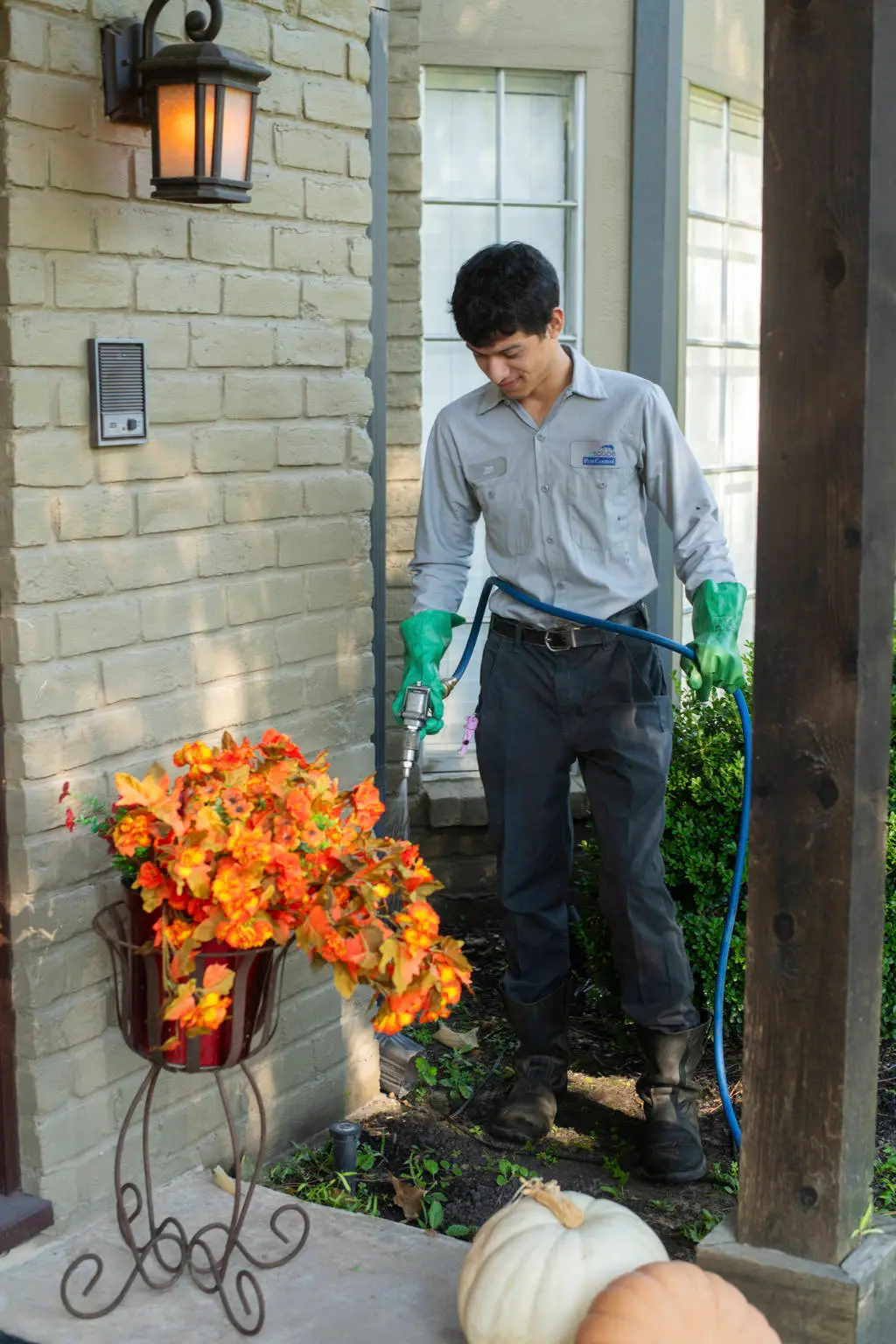
Professional service looks at the pattern. Technicians check pest type, activity level, interior and exterior pressure, moisture, access points, and hidden spaces. That allows treatment to be placed where it can interrupt the source instead of chasing isolated sightings.
Source-related concerns may include:
- Colonies. Ant or termite activity may continue away from the visible area.
- Moisture. Roaches, mosquitoes, termites, and other pests may thrive near damp spots.
- Access. Rodents and wildlife can use small openings that are easy to miss.
- Harborage. Stored items, mulch, appliances, and wall voids can protect pests.
- Misidentification. The wrong treatment choice can leave the main activity untouched.
This is where professional judgment becomes more efficient than repeated guesswork.
When Safety, Damage, Or Seasonal Pressure Increases
Some pests call for professional attention because the risks are too serious to handle casually. Termites can damage structural wood while staying hidden. Rodents can contaminate storage areas, damage wiring, and keep entering through small openings. Wasps may become defensive when nests are disturbed. Bed bugs can spread through bedrooms, furniture, and travel items if handled unevenly.
A guide on year-round protection shows why recurring service helps homes stay ahead of changing pest pressure. Regular inspections allow professionals to compare conditions over time and adjust service as the property changes.
Safety-sensitive situations include:
- Termites. Mud tubes, soft wood, or discarded wings may point to hidden activity.
- Rodents. Droppings, odors, chewing, and attic noise should be inspected quickly.
- Wasps. Nesting near doors, patios, rooflines, or play areas can create a sting risk.
- Bed bugs. Bites, stains, shed skins, or musty odors need careful confirmation.
- Wildlife. Animals in attics, crawlspaces, or walls require controlled handling.
Long-term support is also important because pest pressure changes throughout the year. Mosquitoes surge during warm, wet conditions. Ants may move indoors for food or water. Roaches often thrive near moisture and shelter. Rodents may search for protected spaces. Termites can remain active quietly. A one-time response may reduce activity temporarily, but it cannot always account for seasonal changes.
Professional pest control treats the property as a full system. Instead of reacting every time pests appear, the plan works to reduce access points, food sources, moisture, harborage areas, and recurring pest routes. That is the difference between short relief and a more stable, long-term strategy.
Let The Source Be Found Before The Problem Spreads
DIY treatments can seem convenient, but persistent pests usually need more than surface relief. When ants, roaches, mosquitoes, rodents, termites, spiders, fleas, ticks, bed bugs, wasps, or wildlife keep returning, professional inspection and targeted service provide a clearer path forward. For dependable pest control support, contact Fullscope Pest Control.