 1500+ reviews

Why Year-Round Pest Control Matters In Texas Homes
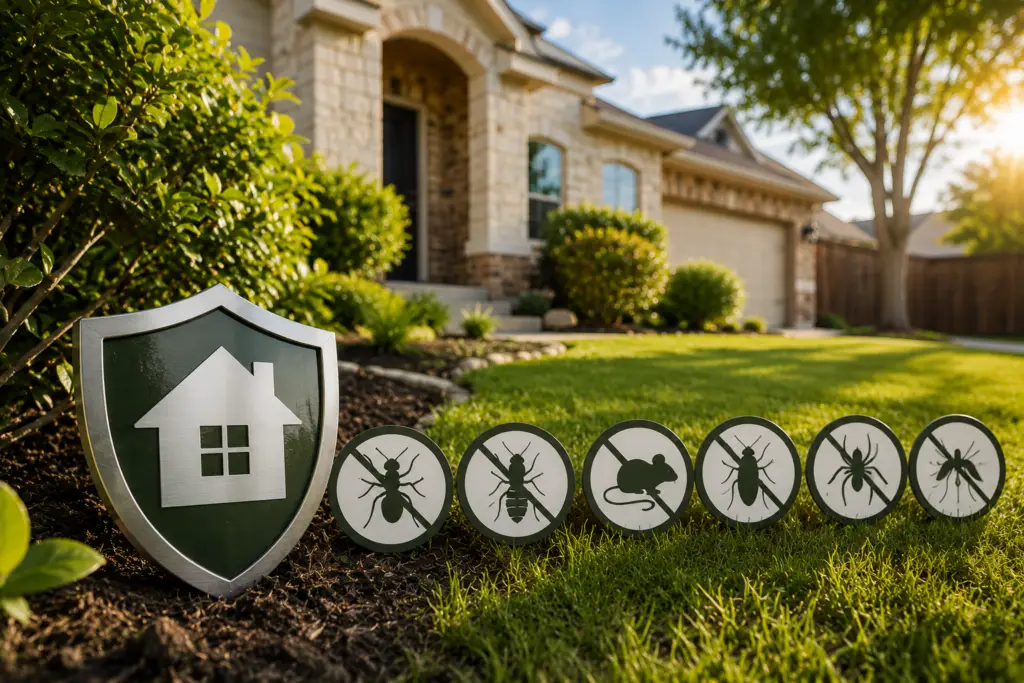
Texas homes face pest pressure in every season. Warm winters, humid springs, intense summer heat, heavy rainfall, and sudden temperature changes can keep insects and rodents active longer than homeowners expect. Ants, cockroaches, spiders, mosquitoes, fleas, ticks, termites, wasps, bed bugs, mice, and rats may become more noticeable at different times, but the conditions supporting them rarely disappear completely. Year-round pest control provides continuity. Instead of waiting for a visible infestation, professionals inspect changing conditions, reinforce exterior protection, monitor known hotspots, and adjust treatment as weather and pest behavior shift. This keeps service focused on prevention while allowing a faster response when new activity appears. Seasonal Changes Create Different Pest Pressures Texas weather changes how pests search for food, water, and shelter. Spring moisture may increase ants and termites. Summer heat can drive cockroaches and rodents toward cooler indoor areas while mosquitoes develop around standing water. Fall and winter often bring more rodent pressure around attics, garages, and utility openings. Seasonal warning signs include: A recurring plan allows technicians to compare these patterns across the year instead of treating each sighting as an unrelated event. Professional Service Reaches Beyond Visible Activity Many pests remain concealed in wall voids, attics, soil, drains, crawl spaces, furniture, or exterior harborages. Surface treatment may reduce what is visible without reaching colonies, nests, eggs, or entry routes. The limits of DIY pest control are especially clear when activity returns after a short period. Professionals inspect both indoor and outdoor conditions before deciding where treatment belongs. They may trace ant trails, evaluate moisture, check rodent access, inspect termite risk, identify mosquito breeding water, or review spider and wasp activity around the structure. This evidence-based process reduces unnecessary application and helps treatment match the pest’s biology. It also provides clearer preparation, drying, reentry, and pet-friendly guidance for the household. Exterior Prevention Reduces Indoor Infestations Most indoor pest problems begin outside. Cracks, door gaps, damaged screens, roofline openings, utility penetrations, landscaping, mulch, standing water, and stored materials can all support movement toward the home. Year-round service keeps these transition zones under regular review. A professional prevention plan may include: Exterior barriers are affected by heat, rain, irrigation, construction, and normal building wear. Scheduled visits allow technicians to reinforce protection where evidence shows it has weakened rather than applying the same response everywhere. Ongoing Monitoring Protects More Than Homes The same year-round principles used in residential service also apply to warehouse pest planning. Commercial properties rely on regular inspection because loading areas, stored goods, drains, waste zones, and frequently opened doors can create recurring access. Homes have their own versions of these risks through garages, deliveries, pet areas, attics, and storage rooms. Monitoring creates a service history. Technicians can record where activity occurred, which treatments were used, whether entry points were repaired, and how conditions changed between visits. This helps distinguish new pressure from an unresolved source. Follow-up may also identify termites, rodents, fleas, ticks, mosquitoes, bed bugs, or German cockroaches that require a more specialized plan than general household pest service. Early identification keeps the response focused before activity spreads. Consistent Care Supports Long-Term Protection One-time treatment can be appropriate for an isolated problem, but it cannot account for every seasonal change that follows. Rain may create new mosquito water, summer heat can increase cockroach and ant pressure, and cooler weather may send rodents toward shelter. Landscaping grows, seals deteriorate, and moisture problems can develop between visits. Long-term pest control may involve quarterly service, interior treatment when needed, exterior perimeter protection, web and accessible wasp-nest removal, flea-and-tick yard coverage, termite monitoring, or specialized mosquito and rodent programs. The exact plan should reflect the property, pest history, and current evidence. Consistent care also improves efficiency. Technicians already familiar with the home can recognize changes faster and adjust treatment without restarting the entire investigation. Free re-service between scheduled visits, where included in the plan, provides added support when covered pests return unexpectedly. Texas homes remain exposed to pest pressure throughout the year because weather, moisture, shelter, and surrounding landscapes continue to change. A professional program does not promise that pests will never approach the property. It creates a structured defense that identifies risks early, treats confirmed activity, and adapts before small concerns become larger infestations. Keep Every Season From Opening The Door To Pests Contact Fullscope Pest Control for professional inspection, customized pest control, exterior prevention, specialized services, and dependable year-round follow-up.
How Summer Rainfall Can Increase Pest Activity
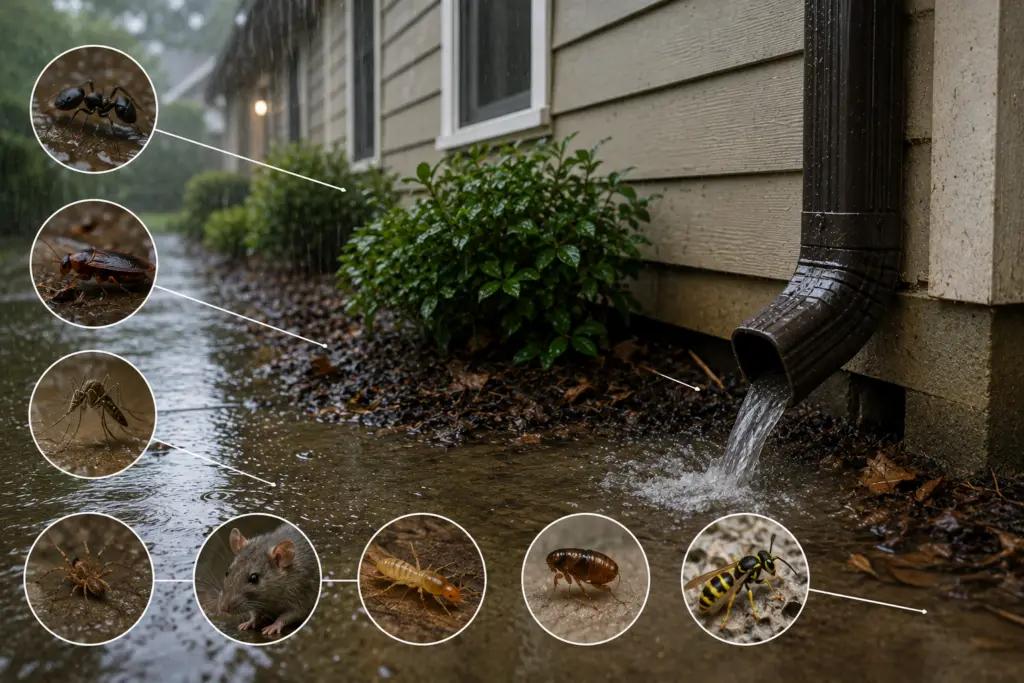
Summer rain can cool the air and revive dry landscapes, but it also changes pest behavior around Southeast Texas homes and businesses. Heavy downpours may flood nests, saturate soil, fill containers, increase humidity, and damage exterior barriers. Ants, cockroaches, mosquitoes, spiders, rodents, termites, fleas, ticks, flies, and wasps may respond by moving, reproducing, or seeking more stable shelter. Professional pest control considers rainfall as part of the larger property environment. Technicians inspect water-holding areas, foundation edges, vegetation, drains, storage spaces, and entry points before selecting treatment. This approach helps distinguish temporary post-storm movement from an infestation that is becoming established. Early assessment can also limit repeated indoor sightings by addressing storm-created access before pests settle into concealed spaces. Rain Can Flood Outdoor Nests And Drive Pests Inside Many pests live in soil, mulch, landscape beds, drains, or sheltered exterior areas. When rainfall saturates these locations, ants and cockroaches may move toward drier indoor spaces. Rodents can leave flooded burrows, while spiders may relocate when webs and prey populations shift. Post-rain warning signs may include: A sudden sighting does not always mean the pest originated indoors. Professionals trace movement back toward the exterior source and inspect the routes used to enter. Standing Water Supports Mosquito Development Rain can create breeding water in surprisingly small places. Buckets, plant saucers, toys, gutters, drains, tarps, low lawn areas, and discarded containers may hold water long after the storm passes. Warm summer temperatures can then speed mosquito development. The overview of Texas summer pests helps explain why rainfall, heat, humidity, and outdoor activity often overlap. Mosquitoes may increase near shaded vegetation and patios, while ants, cockroaches, fleas, ticks, and spiders respond to the same moisture-rich conditions in different ways. Source reduction is most effective when technicians identify why water keeps returning. Drainage, irrigation, debris, or container placement may need attention alongside targeted mosquito treatment. Moisture Can Strengthen Hidden Pest Conditions Summer rainfall does more than create puddles. It can raise humidity in crawl spaces, garages, wall-side areas, and storage rooms. Damp cardboard, wood, insulation, and organic debris may support cockroaches, termites, silverfish, ants, and other moisture-associated pests. Fleas and ticks may also remain active in shaded yards where hosts and vegetation provide protection. Professionals may inspect: Moisture correction supports long-term prevention, but it does not replace treatment when active pests are confirmed. A technician can separate ordinary storm dampness from evidence of nesting, feeding, or structural entry. Commercial Properties Face Added Post-Storm Pressure Warehouses, offices, restaurants, and other commercial buildings often have loading docks, floor drains, waste areas, stored goods, and frequently opened doors. Rain can push pests toward these protected spaces while deliveries and business activity create additional movement. The need for warehouse pest planning becomes especially clear after storms. Rodents may enter through damaged doors or utility gaps, cockroaches may gather near drains and moisture, and flies can increase around waste or organic buildup. Ants and spiders may also become more noticeable along walls, storage racks, and exterior lighting zones. A commercial response may include: Documentation helps property managers see whether activity is isolated or part of a repeated weather-related pattern. Follow-Up Keeps Treatment Effective After Weather Changes Rain can dilute or disturb some exterior treatments, move debris into drainage routes, and create new entry conditions. One visit before a storm may not account for the changes that appear afterward. Follow-up allows technicians to compare new findings with the original inspection and reinforce protection where evidence supports it. A long-term plan may include rechecking standing water, restoring exterior barriers, monitoring bait or trapping systems, removing accessible webs or nests, and recommending repairs around damaged seals or openings. Treatment should remain tied to the pest, weather, and property rather than repeated automatically across every area. Summer rainfall can increase pest activity by flooding shelter, creating breeding water, raising humidity, and pushing pests toward buildings. The strongest response combines inspection, source reduction, targeted treatment, exclusion, and monitoring. Professional oversight helps keep that process precise while weather and property conditions continue to change. Keep Storm-Driven Pest Pressure From Settling In Contact Fullscope Pest Control for professional inspection, targeted pest control, moisture-focused prevention, commercial service, and dependable post-storm follow-up.
Common Pests Found Around Texas Homes During Summer
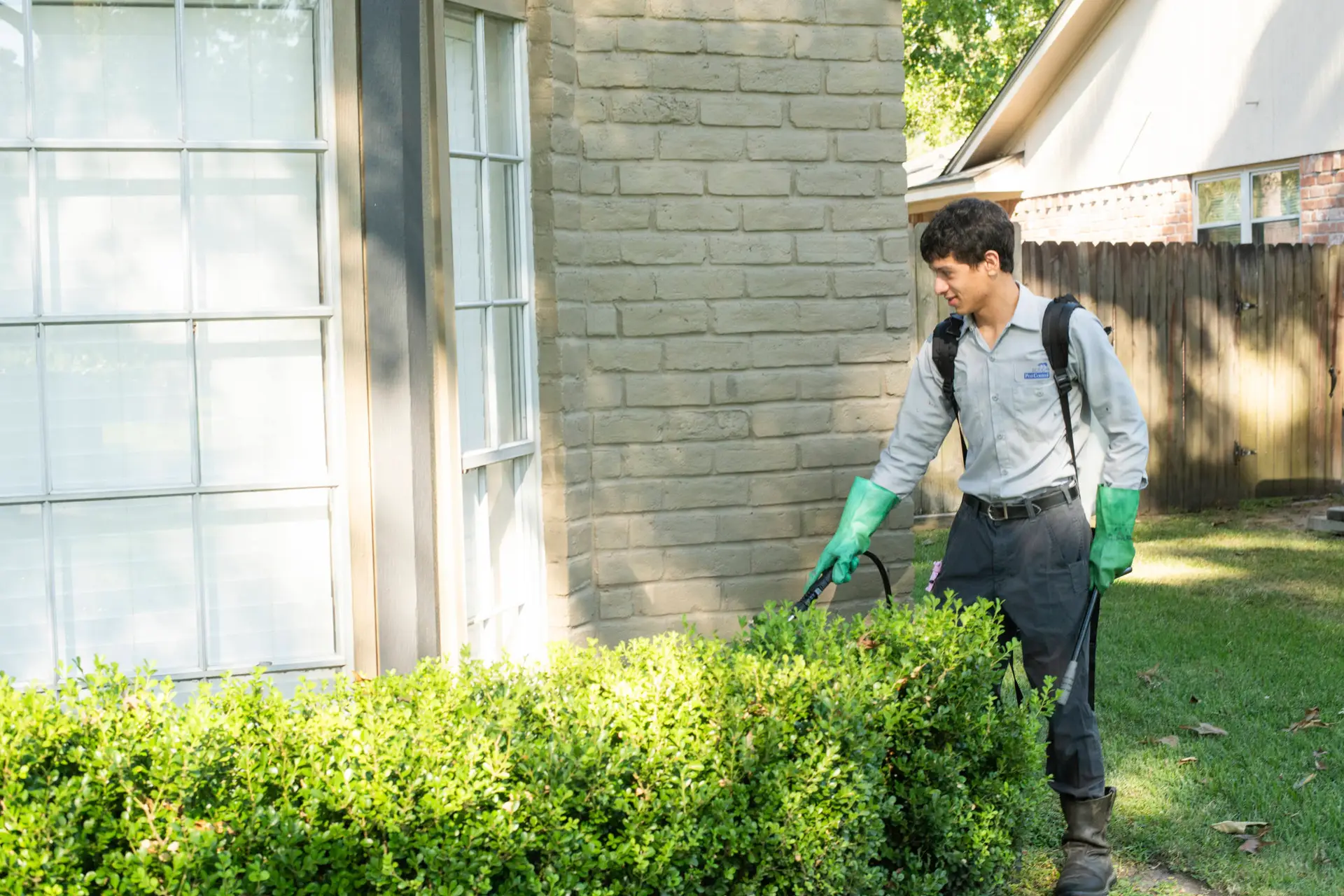
Texas summers bring heat, humidity, storms, and irrigation, creating favorable conditions for pests around homes, yards, garages, patios, and entry points. Some species become more active because warmer temperatures speed up feeding and reproduction, while others move closer to structures in search of water or shelter. Effective pest control is not only about removing what is visible. It also means identifying nesting areas, entry routes, moisture, food sources, and seasonal conditions that allow the problem to continue. Ants and Cockroaches Thrive in Warm Conditions Ants and cockroaches are among the pests Texas homeowners often encounter during hot weather. Heat can increase foraging activity, while rain may drive colonies or hidden populations toward drier areas near a structure. Common signs include: Correct identification matters because a treatment that works for one pest may not address another pest’s nesting site, food source, or breeding pattern. A closer look at common Texas pests shows how ants, cockroaches, spiders, rodents, mosquitoes, and termites create different concerns inside and around local homes. Mosquitoes and Fleas Can Increase Around Outdoor Areas Summer creates favorable conditions for mosquitoes and fleas, especially where warmth, moisture, shade, and hosts are available. Mosquitoes can develop in standing water around containers, gutters, low spots, and other areas where water collects. Fleas may persist where pets, wildlife, shaded soil, or sheltered resting areas support their life cycle. Mosquito breeding may continue in overlooked water sources, while flea eggs, larvae, and pupae can remain in protected areas. Professional pest control helps by evaluating the property as a whole. The focus may include breeding sites, shaded harborage, moisture, animal activity, and other conditions that keep pest populations active through the warmer months. Rodents and Spiders Use Shelter Close to Homes Rats, mice, and spiders may also become noticeable around Texas properties in summer. Rodents look for dependable food, water, and shelter, while spiders often follow areas with abundant insect prey. Potential warning signs include: These pests require different responses. Rodent control depends heavily on identifying access points and movement patterns, while spider management often includes reducing harborage and the insects that support them. A property-wide inspection can reveal connections that a single sighting may not show. Termites Can Stay Hidden While Summer Activity Continues Termites are particularly concerning because much of their activity occurs out of sight. Depending on the species involved, colonies may live in soil or within wood, and signs can include mud tubes, discarded wings, damaged wood, or hollow-sounding structural materials. Warm, humid conditions can support termite activity, but the extent of an infestation cannot be judged by one visible sign alone. A professional inspection may evaluate: Termite control should match the species and infestation pattern. Surface-level treatment may fail to reach colonies hidden inside wood or beneath the structure. Long-Term Pest Control Depends on Consistent Monitoring Texas summer pest pressure can change quickly. Rain may push ants indoors, heat can increase insect activity, standing water can support mosquitoes, and ongoing food or moisture sources may attract rodents and cockroaches. A consistent pest control plan may include: This is why recurring pest protection can be valuable throughout the year. Regular service helps identify changing risks, reinforce prevention, and catch developing activity before it becomes more difficult to manage. Summer does not create every pest problem, but it can intensify the conditions that support ants, cockroaches, mosquitoes, fleas, rodents, spiders, and termites. A thoughtful, inspection-based approach gives homeowners a clearer picture of what is happening and which steps are most appropriate. Stay Ahead of Summer Pest Pressure When summer pests become active around your home, early professional attention can help prevent a small issue from becoming a recurring problem. Contact Fullscope Pest Control for expert pest control focused on your property, seasonal conditions, and long-term protection.
Why DIY Pest Control Often Falls Short In Texas Homes
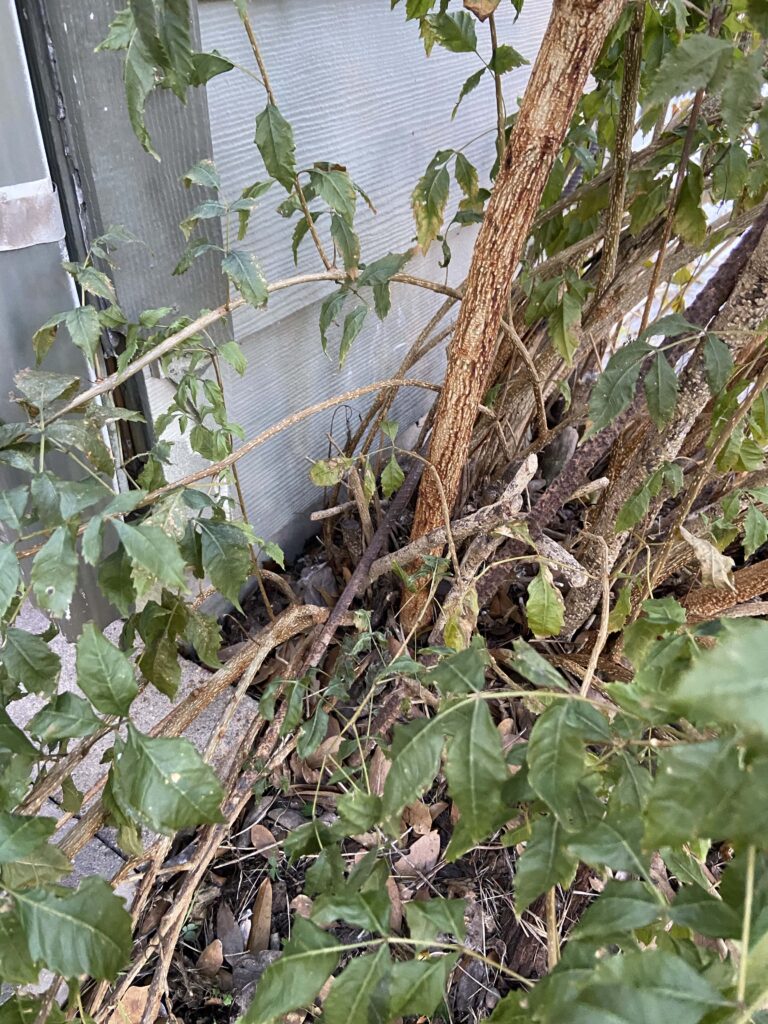
Texas homes face pest pressure for much of the year. Heat, humidity, rain, irrigation, dense landscaping, and mild winters can keep insects and rodents active across multiple seasons. When pests appear, a store-bought spray or trap may seem like a quick answer, but visible activity is often only part of the problem. Effective pest control looks beyond the pest in front of you. It considers nesting areas, entry points, moisture, food sources, and seasonal pressure. Without that broader view, a one-time response may reduce sightings while leaving the source untouched. Why Visible Pests Are Only Part of the Problem Many pests spend most of their time hidden. Ants can travel through wall voids, cockroaches may shelter behind appliances or inside cabinets, termites remain concealed within wood or soil, and rodents often move through attics, garages, or wall spaces. A surface-level response may miss important conditions, such as: Professional inspection helps connect visible evidence with the conditions supporting it. Removing a few pests does not necessarily mean the infestation has ended. Texas Weather Can Keep Pest Pressure High Southeast Texas conditions can work against short-term solutions. Heat can increase insect activity, humidity supports moisture-loving pests, and heavy rain may drive ants, cockroaches, and rodents toward drier shelter. Outdoor treatments can also wear down under the sun, irrigation, and repeated rainfall. This is one reason recurring pest protection can be valuable in a climate where pest pressure shifts instead of disappearing. Regular monitoring helps technicians respond to seasonal changes, new entry points, and developing activity early. A professional pest control plan may account for termites, mosquitoes, rodents, cockroaches, ants, and fleas. The goal is to match the method to the pest and source of activity. Why One Product Cannot Solve Every Pest Problem Different pests behave differently, so a single spray, bait, or trap cannot address every infestation in the same way. Ant colonies, termite activity, mosquito breeding, cockroach harborage, and rodent entry each require a different strategy. A more complete assessment may include: Professional knowledge matters here. The wrong product, placement, or treatment area may scatter pests, delay control, or create a false sense that the problem is solved. Why Short-Term Results Can Be Misleading Fewer sightings after treatment can feel like success, but the real question is whether the source has been controlled. Some pests remain hidden while a treatment takes effect, while others may return because entry points, moisture, or outdoor pressure remain unchanged. The expected duration of treatment also varies. This guide to treatment longevity explains that professional pest control may last about 30 to 90 days for many general pests, but weather, infestation size, pest type, and property conditions all influence the result. Long-term performance often depends on several factors: These variables show why pest control is better viewed as a management process than a one-time reaction to a single sighting. Professional Pest Control Addresses the Whole Property The strongest pest control plans consider the entire property instead of one room, one insect, or one visible trail. A technician can inspect interior and exterior conditions, identify likely harborage, locate entry points, and choose methods suited to the specific pest. A property-wide approach may involve: Texas homes can face termites, mosquitoes, rodents, cockroaches, ants, fleas, and other nuisance pests. Each problem has its own behavior, risks, and treatment requirements. Professional assessment can be more efficient than repeatedly trying products without knowing what is happening behind walls, below soil, or around the exterior. A good plan is not about using more treatment than necessary. It is about using the right method in the right place and correcting the conditions that allow pests to keep returning. Give Repeat Pest Problems a Smarter Ending When pest activity keeps returning, a more complete inspection can reveal what surface treatments miss. Contact Fullscope Pest Control for professional pest control built around your property, pest pressure, and long-term prevention.
How Eco-Friendly Pest Control Protects Families And Pets
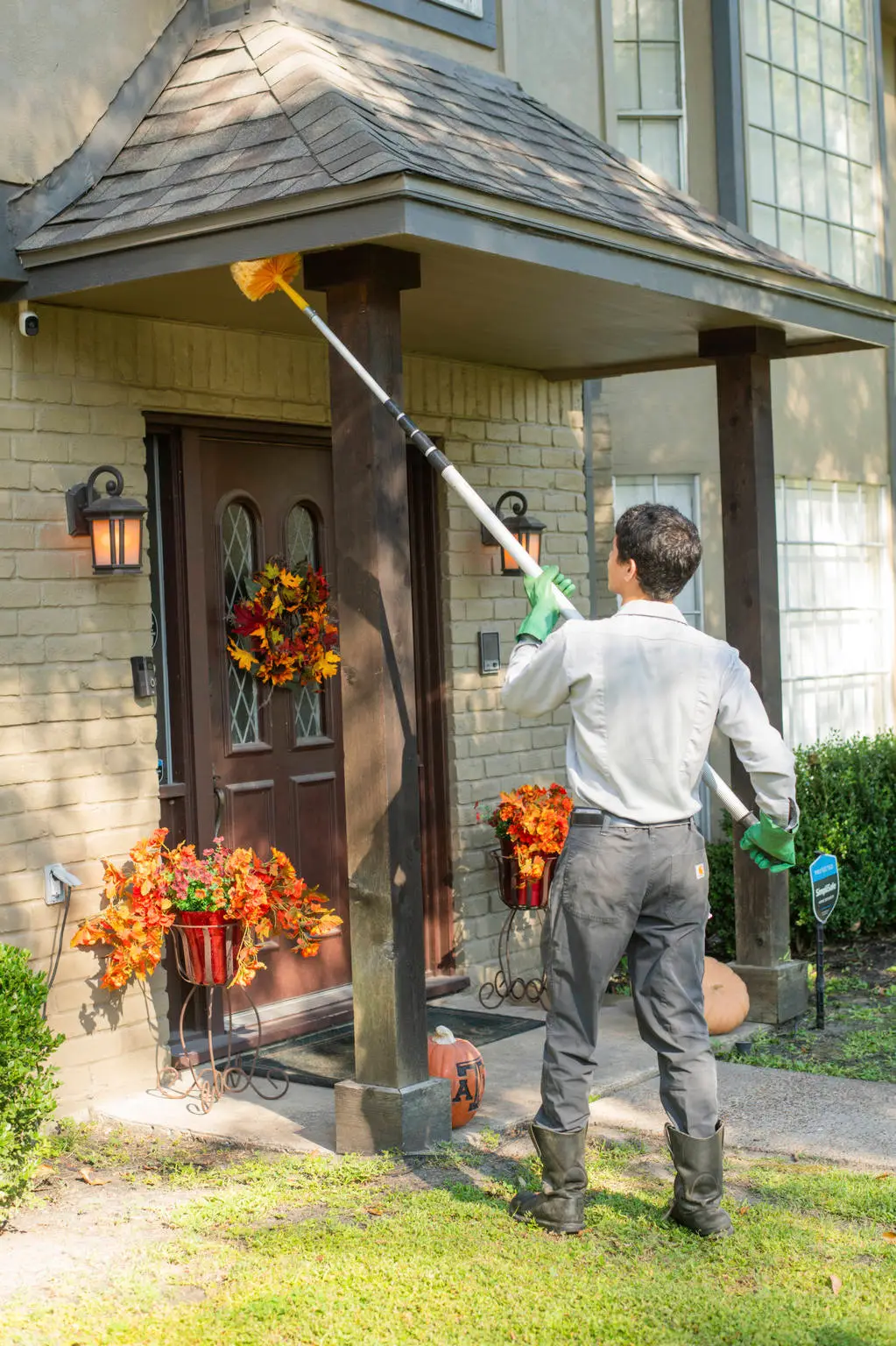
Families want pest problems handled without adding unnecessary worry to the spaces where children and pets live, sleep, eat, and play. That concern is valid, especially when pests such as ants, fire ants, termites, mosquitoes, cockroaches, wasps, spiders, fleas, rodents, and ticks can affect comfort, health, and property protection. Eco-friendly pest control is built around a careful idea: use inspection, prevention, and targeted treatment to manage pests while limiting avoidable disruption inside the home. A safer service plan starts by asking why pests are active. Moisture, food crumbs, pet bowls, shaded landscaping, wall gaps, standing water, clutter, and seasonal weather can all create pest pressure. When those conditions are identified first, treatment can be more precise. The goal is to place the right solution in the right area, based on the pest, the home, and the risk. Inspection Helps Limit Unnecessary Treatment Eco-conscious service begins with a complete look at the property. A technician checks where pests are entering, nesting, feeding, or resting before deciding how treatment should be placed. This is important in homes with young children, indoor pets, or outdoor play areas because every room and exterior zone may have different concerns. A family-focused inspection may include: This process helps reduce guesswork. Ants require a different plan from rodents. Termites need a different inspection than mosquitoes. Fleas and ticks may involve pet-use areas and shaded outdoor zones. When identification is clear, eco-friendly pest control becomes more controlled, practical, and suited to the household. Targeted Service Supports Safer Living Areas The safest pest plan is rarely the broadest one. Targeted service focuses on pest pathways, entry points, harborage areas, and breeding sites. Instead of treating every visible surface, professionals use the inspection findings to decide where service can be most effective. That may include exterior barriers, crack-and-crevice applications, bait placement, exclusion recommendations, or mosquito source reduction. This approach respects daily routines. Children may use playrooms, patios, and backyards. Pets may rest near doors, windows, shaded turf, or bedding. Treatment decisions should account for those patterns. Homeowners seeking a more pest-free home benefit from plans that combine professional service with prevention, rather than relying on one-time reactions after pests appear. Cockroaches may hide near warmth and water, rodents may use utility gaps, termites may remain hidden in wood, and mosquitoes may develop near standing water. When professionals connect these clues, the plan becomes more efficient and less disruptive. Prevention Reduces Repeat Pressure Eco-friendly service works best when prevention is part of the plan. Pests often return when access points, food sources, moisture, and shelter remain unchanged. Preventive recommendations help lower pest pressure between visits and can reduce the need for repeated interior service. For families and pets, that long-term focus is one of the biggest safety advantages. Prevention may focus on: Seasonal planning is important in Texas because warm, humid weather can increase pest movement and reproduction. A useful Texas prevention guide shows why timing matters when pests become more active near yards and structures. When conditions are managed early, service can stay focused and measured. Patios, kitchens, bedrooms, pet resting spots, and entryways can be evaluated as part of the same plan, not treated as separate problems. Professional Judgment Makes Safety Practical Eco-friendly does not mean casual, weak, or random. It means responsible choices backed by pest knowledge. Professionals understand pest biology, product placement, label directions, timing, and follow-up needs. They can decide when an exterior-focused plan is enough, when interior treatment is needed, or when termites, rodents, mosquitoes, fleas, or ticks require more specific attention. This judgment is what makes professional service safer than guesswork. A visible pest may be only one sign of a hidden source. A few ants can indicate a trail. A single rodent clue can point to an opening. Flea or tick activity can connect indoor pet spaces with shaded yard conditions. By identifying those links, professionals help protect families and pets with fewer unnecessary steps and better long-term control. Keep Protection Thoughtful And Family-Ready Homes with children and pets deserve pest service that is careful, targeted, and prevention-minded. For professional eco-friendly pest control for ants, fire ants, termites, mosquitoes, cockroaches, wasps, spiders, fleas, rodents, ticks, and related concerns, contact Fullscope Pest Control.
New World Screwworm in Texas: What North Houston Needs to Know
In June 2026, the New World screwworm reappeared in the United States for the first time in nearly four decades. Confirmed cases have now climbed to a dozen across South and Central Texas, and the news has North Houston pet owners asking the same question: are we at risk? Here is what the outbreak actually looks like right now, what it means for our area, and why awareness and reporting, not panic, are the real keys to keeping it contained. What Is the New World Screwworm? The New World screwworm (Cochliomyia hominivorax) is not your typical nuisance fly. The adult fly seeks out warm-blooded animals with an open wound, a scratch, a tick bite, even an umbilical site on a newborn calf, and lays her eggs there. Once the eggs hatch, the larvae do something most flies do not: they burrow into living tissue and feed on it. Left untreated, the damage can be severe enough to kill livestock, and in rare cases, it affects pets and people too. This is the same pest the United States eliminated in the 1960s and 70s using the sterile insect technique, releasing massive numbers of sterile male flies to collapse wild populations. That program worked so well that most Texans alive today have never had to think about screwworm, until now. Where Cases Have Actually Been Confirmed This is the most important part of the story, and the part that tends to get lost in the headlines: every confirmed U.S. case so far is in South and Central Texas, not North Houston. The current quarantine zone covers parts of Zavala, La Salle, Gillespie, Edwards, Sutton, Tom Green, Coke, Crockett, Kerr, Kimble, Schleicher, Uvalde, Val Verde, and Webb counties, along with a single case across the state line in Lea County, New Mexico. That detection zone sits well over 200 miles southwest of Houston, in Texas’s brush country cattle and ranching region. There have been no confirmed cases, in livestock, pets, or people, anywhere near Harris County or the greater Houston area. That distance matters. It does not mean North Houston should ignore the outbreak, but it does mean the conversation should be about awareness, not alarm. Why Awareness and Reporting Matter More Than Anything Else Here is the part that actually determines whether this stays a South Texas story or becomes a statewide one: early detection and reporting. The original eradication effort succeeded because the country built a system for catching cases fast and responding before populations could rebuild. The same principle is driving today’s response. USDA and the Texas Animal Health Commission are running daily surveillance, sterile fly releases, and movement restrictions in the infested zone, but all of that depends on people noticing something is wrong and saying so quickly. A wound that will not heal, a foul smell, visible larvae, these are the signals that get cases identified before flies have a chance to spread further. In other words, the single best thing a North Houston homeowner can do right now is not to fear screwworm specifically. It is to build the habit of noticing wounds on pets early and acting on anything unusual without delay, and to know who to call if something does not look right. Prevention Tips for North Houston Pet Owners and Homeowners A few simple habits go a long way, whether or not screwworm ever reaches our area: The Bigger Picture for North Houston Houston is not cattle country, but the region is not insulated from this story either. Montgomery, Liberty, and Waller counties have working ranches and acreage properties where livestock and pets are part of daily life, and local veterinary clinics across the greater Houston area have already fielded a noticeable increase in screwworm-related questions since the outbreak began. Even where the direct risk is low, the indirect effects, owner anxiety, vet visit volume, and demand for reliable information, are already being felt. There is also a broader pest-pressure angle worth understanding. Screwworm flies are drawn to the same conditions that draw most flies: standing water, exposed trash, and unmanaged yard debris. Reducing overall fly pressure around a property will not prevent screwworm specifically, but it is a meaningful part of a layered approach to protecting pets and family from fly-borne issues in general, and it is something every homeowner can act on today regardless of where the outbreak ultimately spreads. Staying Informed The situation is evolving, and the most reliable source of updates is USDA APHIS at screwworm.gov and the Texas Animal Health Commission at tahc.texas.gov. If you suspect a screwworm infestation in an animal, contact the Texas Animal Health Commission NWS line at (800) 550-8242 or your veterinarian immediately. Suspected human cases should be evaluated by a doctor right away. For North Houston homeowners, the takeaway is simple: stay informed, build the habit of checking pets and wounds early, and know that awareness and fast reporting, not panic, are what keep outbreaks like this one contained to where they started. Want help keeping fly pressure down around your property as part of a broader pest management plan? Reach out to FullScope Pest Control to talk through what’s right for your yard. The Bigger Picture for North Houston While no cases have been confirmed near Houston, homeowners can benefit from reducing pest pressure through proactive prevention. Learn more about our North Houston mosquito control services and how we help homeowners protect their outdoor spaces year-round. Homeowners may also benefit from implementing a comprehensive pest management plan to address multiple pest threats throughout the year. For additional education, read our blog
How the 2026 Super El Niño Could Change Pest and Mosquito Season in North Houston

If your yard already feels buggier than usual this year, you’re not imagining it. NOAA has confirmed El Niño conditions are active and strengthening, with forecasters now putting real odds on this becoming one of the strongest El Niño events on record heading into late 2026. For North Houston homeowners, that’s not just a weather story. It’s a pest story. Here’s what a super El Niño year actually means for the bugs in your backyard, and what to do about it before fall and winter rains turn a normal mosquito season into a much bigger one. What Is a Super El Niño, and Is 2026 Really One? El Niño is a natural Pacific Ocean warming pattern that reshapes weather across the globe. The World Meteorological Organization doesn’t officially use the term “super El Niño,” but forecasters use it informally to describe the strongest tier of events, the kind that bring outsized swings in rainfall and temperature. This year, the signals are pointing that direction. NOAA’s Climate Prediction Center has issued an El Niño Advisory, with El Niño conditions present and expected to strengthen into winter. Some forecasts give a 63% chance of a very strong El Niño developing between November 2026 and January 2027, putting it in range of the most powerful events ever recorded. For Texas, El Niño typically means one thing above all else: wetter conditions across the southern tier of the state, including the Gulf Coast and Greater Houston. Why Rain Is the Real Pest Driver in North Houston Houston already averages around 50 inches of rain a year, and the humidity rarely lets up from April through October. Add a strong El Niño pattern on top of that baseline, and you get more standing water, softer soil, and longer stretches of the exact conditions pests need to thrive. A few specific effects to watch for in a high El Niño year: Mosquitoes breed faster and live longer. Mosquitoes need standing water for nearly every stage of their life cycle. More rain means more puddles, clogged gutters, and water-logged low spots, which means more breeding sites. Warmer temperatures also speed up larval development, so populations can build up faster than residents expect. Mild winters mean fewer pests die off. One of the biggest factors behind a rough mosquito season isn’t just rain, it’s the lack of a hard freeze. Cold snaps are one of nature’s only checks on mosquito populations. When winters stay mild, mosquitoes simply don’t die off the way they would in a typical year, and that carries into the following season as a head start. Termites and ants follow the moisture. Subterranean termites and several common ant species are drawn to consistently damp soil. Extended wet periods can push termite colonies to expand foraging closer to structures, and can drive ants indoors looking for dry shelter. Rodents and cockroaches seek higher, drier ground. Heavy rain events and localized flooding, both more likely in a strong El Niño pattern, push rodents and roaches out of flooded burrows and drainage systems and toward the nearest dry structure. That structure is often a home. Why Harris County Is Especially Exposed North Houston sits in a part of the state entomologists describe as a near-ideal climate band for mosquitoes: consistent warmth, high humidity, and abundant standing water for most of the year. Harris County’s dense population, frequent flooding, and subtropical climate already make it a recognized hotspot for mosquito-borne disease risk, including West Nile virus, which has been detected in the county every year since 2002. A strong El Niño doesn’t introduce a new problem to Houston. It amplifies an existing one. Local entomologists have already pointed to last year’s mild winter and wetter pattern as a driver behind early, elevated mosquito activity this season, and a strengthening El Niño into fall and winter raises the odds that trend continues rather than resets. What This Means for Your Property Through Fall and Winter In a typical year, North Houston homeowners might see mosquito activity ease up with the first real cold front in November. In a high El Niño year, that relief can arrive later, or not show up at all if winter stays mild. That extended activity window matters for three reasons: None of this means your year is destined to be miserable. It means the margin for waiting on pest control gets a lot smaller. How to Get Ahead of It The properties that handle a high El Niño year well are the ones that treat proactively, not reactively. That looks like: Work With North Houston’s Pest Control Experts FullScope Pest Control has been tracking exactly these patterns across North Houston for years, and we know what a wet, warm stretch does to mosquito, termite, ant, and rodent activity in this specific climate. We’re not guessing based on national weather trends. We’re adjusting treatment plans based on what we’re already seeing on the ground in your neighborhood. If you want a property that’s protected no matter what this super El Niño year brings, FullScope Pest Control is the team North Houston homeowners trust to stay ahead of it. Ready to pest-proof your property before peak season hits? Contact FullScope Pest Control today for a North Houston mosquito control and pest assessment.
Anti-DIY Guide: When It’s Time To Call In Pest Control Professionals
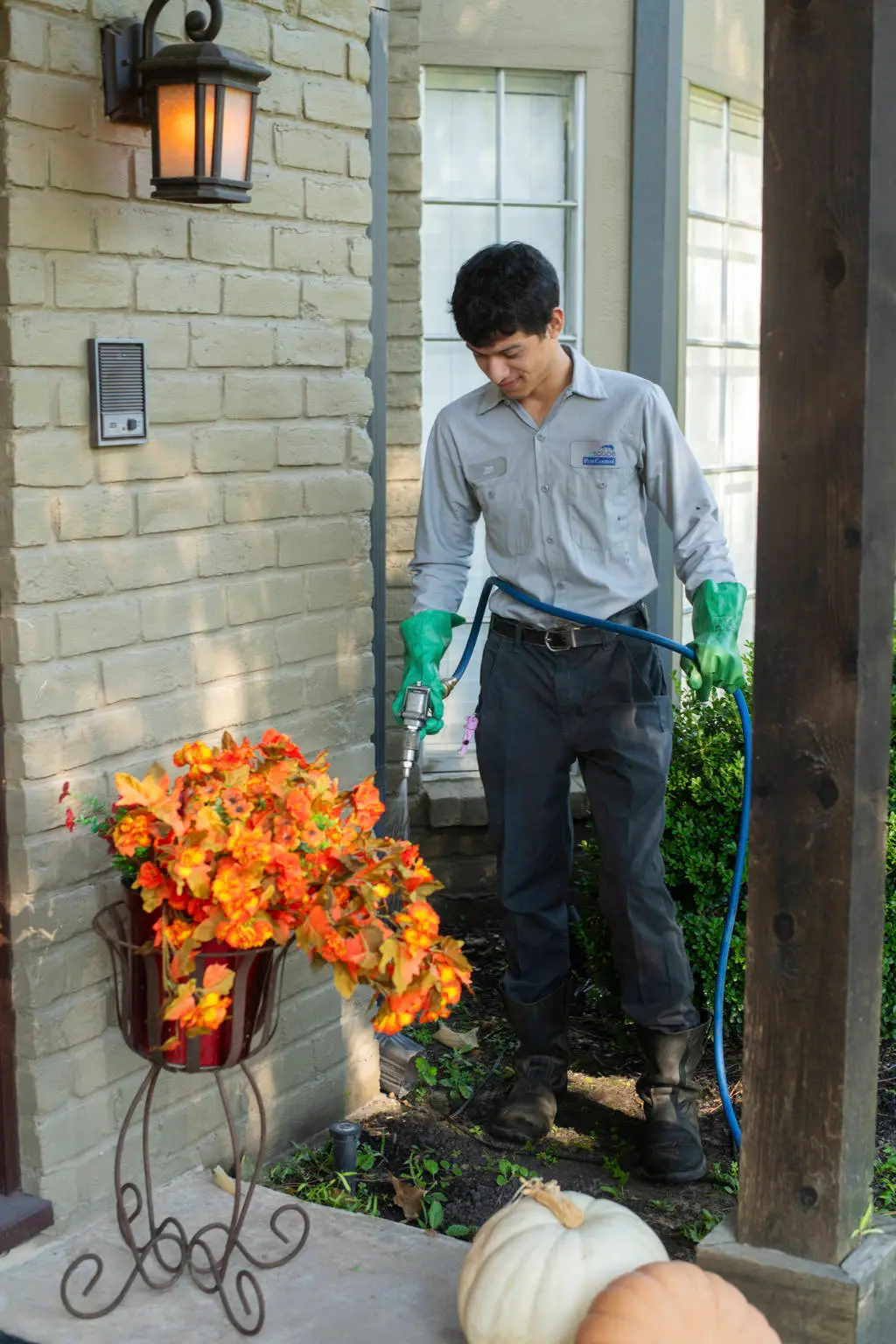
DIY treatments often feel reasonable at first. A trail of ants appears near the sink, roaches show up in a cabinet, mosquitoes take over the patio, or rodents leave signs in the garage. A quick product from the store may seem like enough, especially when the visible activity drops for a few days. The problem is that pests rarely start where they are first seen. Ants may be linked to a colony outside. Roaches may be hiding in wall voids, drains, or appliance gaps. Rodents may be entering through small exterior openings. Termites may be active before damage becomes obvious. Professional pest control becomes important when the issue needs identification, source tracking, and a long-term plan rather than a one-time surface response. When The Same Pest Keeps Coming Back Repeat activity is one of the clearest signs that DIY treatment is not reaching the source. If pests return to the same room, baseboard, exterior wall, pantry, attic, or yard area, something is still supporting them. That may be food, moisture, shelter, access, nesting space, or a hidden breeding area. Recurring signs may include: Repeated activity means the visible pest is probably only part of the problem. A professional inspection helps map where activity begins and what conditions allow it to continue. This matters in Houston-area properties because heat, humidity, vegetation, and moisture can keep several pests active across much of the year. When DIY Products Miss The Real Source Many DIY products are built for contact with visible pests. They may reduce what is seen, but they do not always reach harborage areas, entry points, breeding sites, or colonies. This is especially true when ants, mosquitoes, cockroaches, termites, rodents, spiders, fleas, ticks, bed bugs, wasps, or wildlife pressure is tied to hidden conditions. A helpful look at DIY pest failure explains why problems often continue after surface treatment. The issue is not always the product itself. It is the lack of inspection, species identification, and strategic placement. Professional service looks at the pattern. Technicians check pest type, activity level, interior and exterior pressure, moisture, access points, and hidden spaces. That allows treatment to be placed where it can interrupt the source instead of chasing isolated sightings. Source-related concerns may include: This is where professional judgment becomes more efficient than repeated guesswork. When Safety, Damage, Or Seasonal Pressure Increases Some pests call for professional attention because the risks are too serious to handle casually. Termites can damage structural wood while staying hidden. Rodents can contaminate storage areas, damage wiring, and keep entering through small openings. Wasps may become defensive when nests are disturbed. Bed bugs can spread through bedrooms, furniture, and travel items if handled unevenly. A guide on year-round protection shows why recurring service helps homes stay ahead of changing pest pressure. Regular inspections allow professionals to compare conditions over time and adjust service as the property changes. Safety-sensitive situations include: Long-term support is also important because pest pressure changes throughout the year. Mosquitoes surge during warm, wet conditions. Ants may move indoors for food or water. Roaches often thrive near moisture and shelter. Rodents may search for protected spaces. Termites can remain active quietly. A one-time response may reduce activity temporarily, but it cannot always account for seasonal changes. Professional pest control treats the property as a full system. Instead of reacting every time pests appear, the plan works to reduce access points, food sources, moisture, harborage areas, and recurring pest routes. That is the difference between short relief and a more stable, long-term strategy. Let The Source Be Found Before The Problem Spreads DIY treatments can seem convenient, but persistent pests usually need more than surface relief. When ants, roaches, mosquitoes, rodents, termites, spiders, fleas, ticks, bed bugs, wasps, or wildlife keep returning, professional inspection and targeted service provide a clearer path forward. For dependable pest control support, contact Fullscope Pest Control.
Why “One-Time” Treatments Rarely Solve Persistent Pest Issues
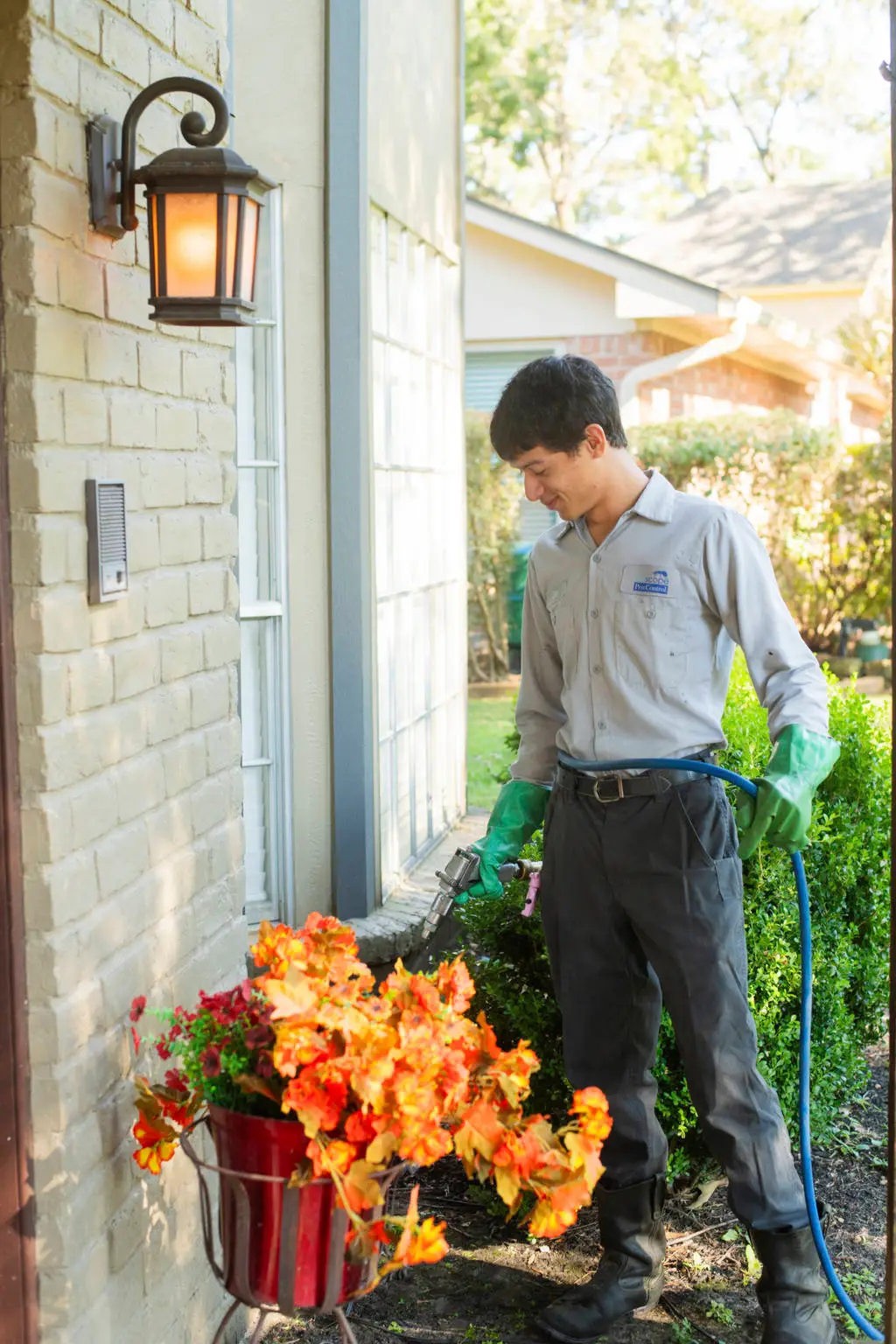
Many homeowners hope a single pest treatment will permanently eliminate ants, cockroaches, rodents, spiders, mosquitoes, termites, fleas, ticks, or other nuisance pests. While one-time services may reduce visible activity temporarily, persistent infestations often return when the underlying conditions supporting pests remain active around the property. Effective pest control involves more than reacting after pests become noticeable indoors. Long-term prevention focuses on identifying entry points, moisture sources, nesting areas, environmental conditions, and seasonal movement patterns that allow pests to survive and spread over time. Without addressing these factors, infestations often reappear even after initial treatments seem successful. Most Pests Continue Breeding Outside The Home One reason one-time treatments often fail is that many pests remain active outside the structure long after indoor sightings decrease. Exterior conditions frequently support breeding, nesting, and movement patterns that continue pushing pests toward the home. Treating only the visible indoor pests rarely eliminates the full infestation source. Outdoor harborage areas, moisture conditions, and structural vulnerabilities continue creating opportunities for pests to return later. Professional pest control inspections evaluate the entire property rather than focusing only on the room where activity was first noticed. This broader approach helps identify why infestations continue developing and which environmental factors require long-term attention. Seasonal Changes Affect Pest Activity Continuously Pest behavior changes throughout the year, especially in climates where warmer temperatures and seasonal moisture shifts influence breeding cycles and movement patterns. A treatment performed during one season may not fully address the pest pressures that emerge later. Because pest activity evolves seasonally, consistent monitoring becomes important for long-term prevention. Properties that appear pest-free during one period may still develop hidden activity later as environmental conditions shift. Preventive planning often provides stronger results than reacting only after infestations become severe. Homeowners can learn more about changing seasonal risks through these spring prevention strategies designed to support year-round pest management around residential properties. Long-term pest control plans help professionals adjust treatment focus as seasonal pressures change throughout the year. Hidden Infestations Often Remain Untouched Many pests spend most of their time hidden inside walls, attics, crawl spaces, insulation, or outdoor nesting zones where surface treatments may not fully reach them. Visible sightings often represent only a small portion of the overall infestation. One-time treatments may temporarily reduce surface activity while leaving hidden nesting sites active. Eggs, larvae, or protected colonies can eventually continue reproducing once treatment effects weaken over time. Professional inspections help identify these concealed infestation zones while evaluating how pests move throughout the property. Accurate species identification also matters because different pests require different treatment strategies and monitoring approaches. This is especially important for infestations involving recurring activity after previous treatment attempts appeared successful initially. Long-Term Prevention Focuses On Conditions, Not Just Pests Successful pest control depends heavily on correcting the environmental conditions pests rely on for survival. Moisture, food access, shelter, structural gaps, and landscaping conditions all influence whether infestations continue returning. Long-term prevention plans typically combine inspection, monitoring, targeted treatments, and environmental management rather than relying solely on one-time applications. This broader approach often helps reduce recurring infestations while protecting the property more consistently over time. Homeowners seeking stronger prevention results often benefit from understanding how daily habits and property conditions influence long-term pest pressure. These pest-free living habits provide additional guidance on reducing environmental conditions that attract pests indoors. Professional pest control programs also help identify early warning signs before infestations spread deeper into structural areas where treatment may become more difficult later. Build Stronger Long-Term Pest Protection One-time pest treatments may reduce visible activity temporarily, but persistent infestations often continue when hidden nesting areas and environmental conditions remain untreated. Long-term pest control focuses on identifying the source of activity, correcting vulnerabilities, and monitoring changing pest pressures throughout the year. Professional inspections help uncover hidden risks before recurring infestations become more difficult to manage. For professional pest control and long-term prevention support, contact Fullscope Pest Control.
Eco-Friendly Pest Control: Safe For Family, Pets, And The Planet
Modern pest control is no longer just about eliminating pests. It is about doing so in a way that protects the people living in the home, the pets that share the space, and the environment surrounding it. Eco-friendly pest control has emerged as a practical solution that balances effectiveness with responsibility. From an expert perspective, the goal is not to reduce effectiveness in favor of safety. It is to apply smarter strategies that target pests precisely while minimizing unnecessary exposure. When done correctly, eco-friendly pest control provides reliable results while maintaining a pet-safe and family-conscious environment. Understanding how these methods work helps homeowners make informed decisions that support both immediate pest control needs and long-term well-being. What Eco-Friendly Pest Control Really Means Eco-friendly pest control focuses on reducing environmental impact while maintaining strong results. It emphasizes precision, prevention, and thoughtful application rather than broad, reactive treatments. This approach ensures that pest control remains effective without creating unnecessary risks. It also aligns with the growing demand for solutions that are safe for both indoor and outdoor environments. Understanding how to maintain a pest-free environment is an important part of this approach. In our recent article on living pest-free, the role of prevention in maintaining control is explored further. Common Household Pests and Safe Control Methods Eco-friendly pest control is designed to address a wide range of pests commonly found in residential environments. Each pest requires a specific approach to ensure both effectiveness and safety. These pests respond to environmental changes and targeted interventions. By focusing on their behavior and habitat, eco-friendly pest control methods can reduce activity without relying on widespread chemical use. Why Pet Safe Pest Control Matters for Every Home Homes with pets require an added level of care when it comes to pest control. Animals interact with their surroundings differently, often coming into contact with surfaces and areas that require treatment. These factors highlight the importance of using pet-safe pest control methods. Safety is not just about product selection. It is about how and where treatments are applied, as well as how the environment is managed after application. A thoughtful approach ensures that pest control remains effective without compromising the safety of pets or family members. The Limitations of Basic or DIY Approaches While eco-friendly pest control emphasizes safety, it still requires precision and expertise. Basic or DIY approaches often lack the structure needed to deliver consistent results. These limitations can lead to ongoing issues that require repeated effort to manage. While the intention may be to use safer methods, the outcome may fall short without proper planning. In our blog post on DIY pest control limits, the challenges of unstructured pest control are discussed in more detail. Why Professional Eco-Friendly Pest Control Delivers Better Results Professional pest control services bring structure and expertise to eco-friendly methods. This ensures that safety and effectiveness are maintained together rather than treated as separate goals. The process begins with a detailed assessment of the property. This includes identifying pest activity, evaluating environmental conditions, and determining the most appropriate strategies. Based on this information, a customized plan is developed. Treatments are applied with precision, focusing on areas where pests are active. This reduces unnecessary exposure while increasing effectiveness. By targeting the source of the problem, professional pest control achieves more consistent results. Ongoing monitoring is another key advantage. Pest activity changes over time, especially with seasonal shifts. Regular evaluations ensure that any new developments are addressed promptly, maintaining control throughout the year. This structured approach allows eco-friendly pest control to perform at a high level. It ensures that safety does not come at the expense of effectiveness, creating a balanced solution that supports long-term results. Where Safety and Effectiveness Work Together Eco-friendly pest control offers a smarter way to manage pests without compromising safety. By focusing on precision, prevention, and professional application, it creates a balanced approach that protects both the home and the environment.For safe, reliable pest control solutions, contact Fullscope Pest Control and take the next step toward a cleaner, more comfortable living space.