1500+ reviews

Modern pest control is no longer just about eliminating pests. It is about doing so in a way that protects the people living in the home, the pets that share the space, and the environment surrounding it. Eco-friendly pest control has emerged as a practical solution that balances effectiveness with responsibility.
From an expert perspective, the goal is not to reduce effectiveness in favor of safety. It is to apply smarter strategies that target pests precisely while minimizing unnecessary exposure. When done correctly, eco-friendly pest control provides reliable results while maintaining a pet-safe and family-conscious environment.
Understanding how these methods work helps homeowners make informed decisions that support both immediate pest control needs and long-term well-being.

What Eco-Friendly Pest Control Really Means
Eco-friendly pest control focuses on reducing environmental impact while maintaining strong results. It emphasizes precision, prevention, and thoughtful application rather than broad, reactive treatments.
- Targeted applications. Treatments are applied only where pests are active
- Reduced toxicity. Lower-impact products are selected for controlled environments
- Integrated strategies. Combining multiple methods for better results
- Environmental awareness. Considering how treatments affect the surrounding areas
- Preventative focus. Addressing conditions that attract pests
This approach ensures that pest control remains effective without creating unnecessary risks. It also aligns with the growing demand for solutions that are safe for both indoor and outdoor environments.
Understanding how to maintain a pest-free environment is an important part of this approach. In our recent article on living pest-free, the role of prevention in maintaining control is explored further.
Common Household Pests and Safe Control Methods
Eco-friendly pest control is designed to address a wide range of pests commonly found in residential environments. Each pest requires a specific approach to ensure both effectiveness and safety.
- Ants. Managed through targeted baiting and entry point control
- Cockroaches. Addressed with precision treatments and sanitation improvements
- Spiders. Controlled by reducing insect activity and shelter areas
- Rodents. Managed through exclusion and habitat modification
- Mosquitoes. Reduced by eliminating breeding sites and applying targeted solutions
These pests respond to environmental changes and targeted interventions. By focusing on their behavior and habitat, eco-friendly pest control methods can reduce activity without relying on widespread chemical use.
Why Pet Safe Pest Control Matters for Every Home
Homes with pets require an added level of care when it comes to pest control. Animals interact with their surroundings differently, often coming into contact with surfaces and areas that require treatment.
- Floor-level exposure. Pets spend more time close to treated surfaces
- Exploratory behavior. Animals may investigate treated areas
- Sensitivity differences. Pets may react differently to certain substances
- Indoor and outdoor movement. Increased contact with multiple environments
- Shared living spaces. Treatments must be safe for all occupants
These factors highlight the importance of using pet-safe pest control methods. Safety is not just about product selection. It is about how and where treatments are applied, as well as how the environment is managed after application.
A thoughtful approach ensures that pest control remains effective without compromising the safety of pets or family members.
The Limitations of Basic or DIY Approaches
While eco-friendly pest control emphasizes safety, it still requires precision and expertise. Basic or DIY approaches often lack the structure needed to deliver consistent results.
- Incomplete coverage. Hidden pest activity may be missed
- Incorrect application. Products may not be used effectively
- Temporary results. Surface-level solutions do not address root causes
- Repeated infestations. Conditions that attract pests remain unchanged
- Lack of monitoring. No system to track changes in activity
These limitations can lead to ongoing issues that require repeated effort to manage. While the intention may be to use safer methods, the outcome may fall short without proper planning.
In our blog post on DIY pest control limits, the challenges of unstructured pest control are discussed in more detail.
Why Professional Eco-Friendly Pest Control Delivers Better Results
Professional pest control services bring structure and expertise to eco-friendly methods. This ensures that safety and effectiveness are maintained together rather than treated as separate goals.
The process begins with a detailed assessment of the property. This includes identifying pest activity, evaluating environmental conditions, and determining the most appropriate strategies. Based on this information, a customized plan is developed.
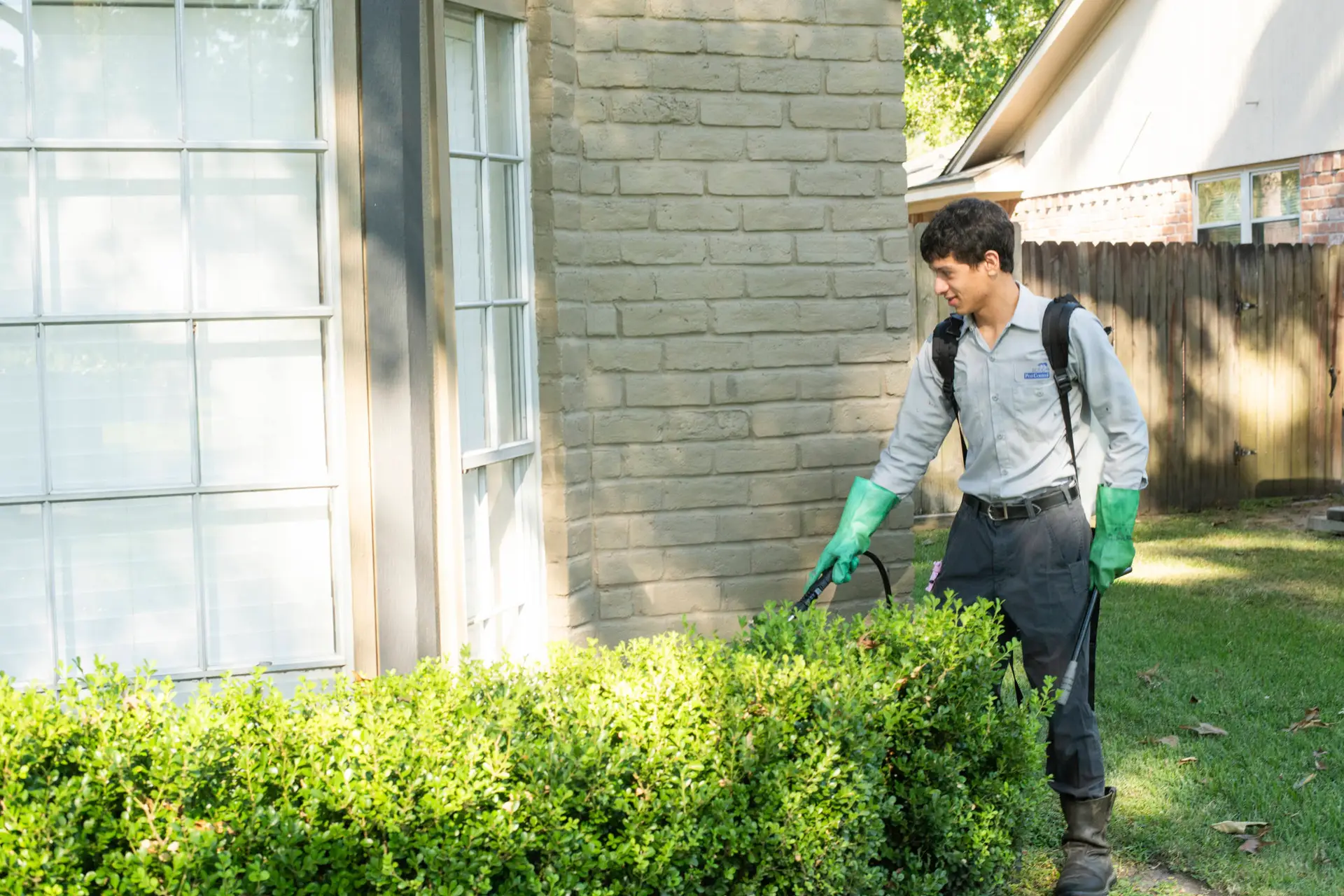
Treatments are applied with precision, focusing on areas where pests are active. This reduces unnecessary exposure while increasing effectiveness. By targeting the source of the problem, professional pest control achieves more consistent results.
Ongoing monitoring is another key advantage. Pest activity changes over time, especially with seasonal shifts. Regular evaluations ensure that any new developments are addressed promptly, maintaining control throughout the year.
This structured approach allows eco-friendly pest control to perform at a high level. It ensures that safety does not come at the expense of effectiveness, creating a balanced solution that supports long-term results.
Where Safety and Effectiveness Work Together
Eco-friendly pest control offers a smarter way to manage pests without compromising safety. By focusing on precision, prevention, and professional application, it creates a balanced approach that protects both the home and the environment.For safe, reliable pest control solutions, contact Fullscope Pest Control and take the next step toward a cleaner, more comfortable living space.