 1500+ reviews

What Pests to Watch Out for in Spring in Your Texas Property
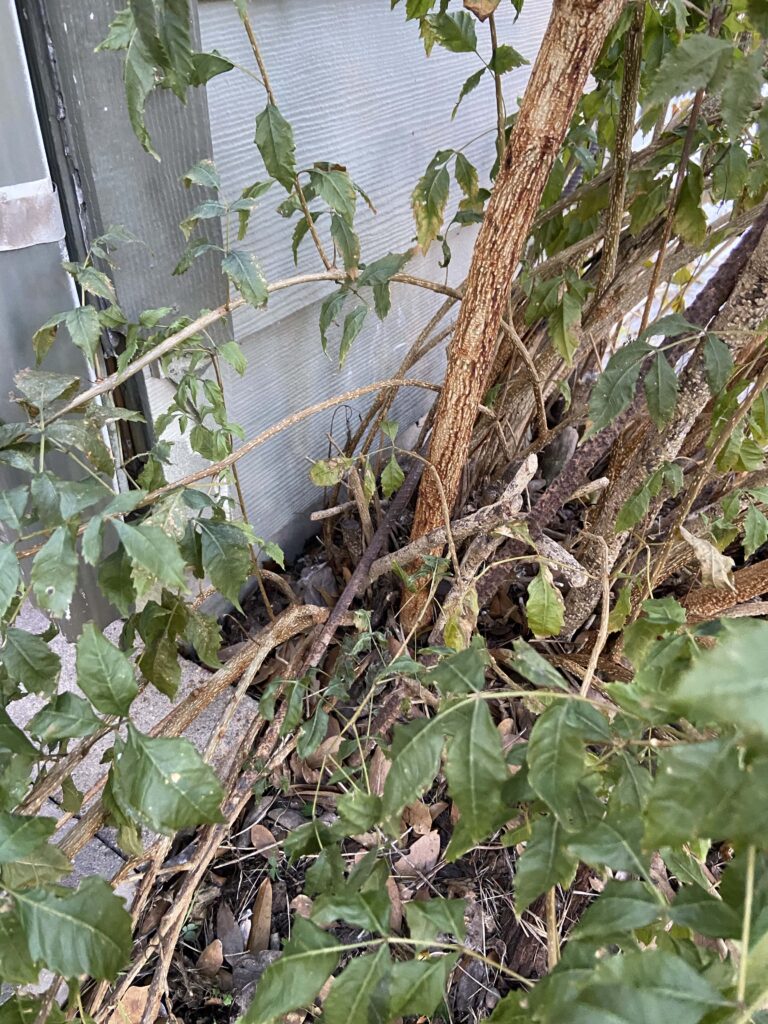
Spring in Texas brings warmer weather, increased moisture, and a noticeable rise in pest activity. As temperatures climb, many pests that remained hidden during cooler months begin to emerge, reproduce, and search for food. This seasonal shift makes Texas spring pest control an important consideration for both residential and commercial properties. The challenge is not just the number of pests, but how quickly their activity can escalate. Many infestations begin quietly, developing over time before becoming visible. Knowing what pests to expect in spring helps property owners take a more proactive approach to maintaining a comfortable and controlled environment. Why Spring Creates Ideal Conditions for Pests Spring provides the exact conditions many pests need to thrive. Increased rainfall, humidity, and plant growth all contribute to higher activity levels across a range of species. These conditions create a cycle where pests become more active, leading to higher chances of encountering them indoors and outdoors. Once activity begins, it often continues throughout the season unless addressed early. Because these changes happen quickly, early awareness plays an important role in effective texas spring pest control. Common Spring Pests Found in Texas Properties Several pests become more noticeable during spring, each presenting its own challenges. Many of these are commonly handled in professional pest control services due to their impact on homes and businesses. These pests often appear together because they are connected through environmental conditions. For example, an increase in insects can lead to higher spider activity, while moisture supports both mosquitoes and cockroaches. Understanding how these pests interact helps explain why addressing one issue often requires looking at the broader environment. Fire Ant Activity and Outdoor Risks Fire ants are a major concern during spring in Texas. Their colonies expand quickly, and their presence can affect both outdoor spaces and safety. Fire ants are particularly challenging because of how quickly they can rebuild their mounds. Even after initial disturbance, colonies often relocate and continue expanding. This pattern is explained further in these fire ant activity patterns, which highlight why spring conditions lead to rapid growth. Managing fire ants effectively requires more than surface-level treatment. Their colonies extend below ground, making targeted strategies essential. Why DIY Pest Control Often Falls Short Many property owners attempt to manage spring pests on their own, but results are often temporary. This is because visible pests are only part of the problem, and underlying conditions remain unchanged. DIY approaches often miss the root cause of infestations. Without addressing entry points, nesting areas, and environmental factors, pests are likely to return. This challenge is explored in these common DIY pest issues, which explain why many treatments fail to deliver long-term results. Effective pest control requires a more comprehensive approach that considers both immediate activity and future risk. How Early Action Supports Long-Term Pest Control The most effective way to manage spring pests is to act early. Addressing conditions before infestations become established helps reduce the need for more intensive treatment later. This approach focuses on stability rather than reaction. By maintaining control throughout the season, it becomes easier to manage pest activity and prevent recurring issues. Texas spring pest control is most effective when it is proactive. Waiting until pests become visible often means the problem has already developed beyond its early stages. Stay ahead of spring pest activity Spring brings a wide range of pest challenges, from ants and termites to mosquitoes and cockroaches. Understanding what to expect and acting early helps reduce the impact these pests can have on your property.For those looking for a more reliable solution, professional support offers a structured approach to managing seasonal pest activity. Contact Fullscope Pest Control to protect your space.
4 Reasons DIY Pest Control Often Fails In Houston Homes
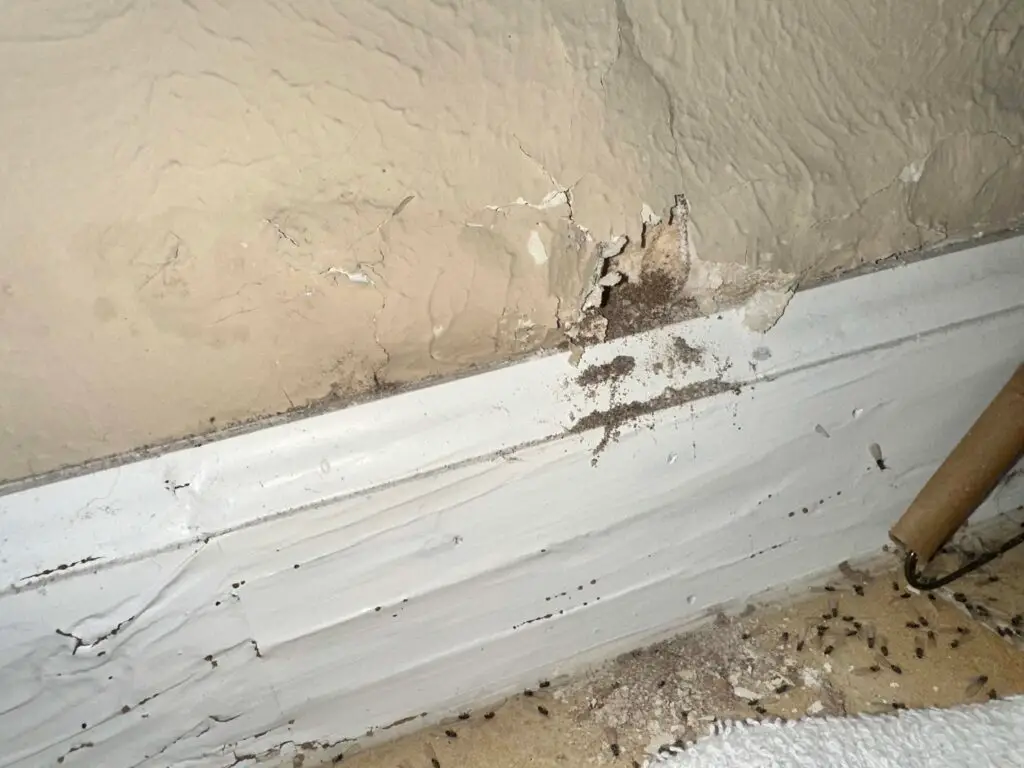
DIY pest control often seems like a practical first step when pests appear. A quick spray, a few traps, or a store-bought solution can feel like enough to solve the problem. In many cases, it even appears to work at first. The visible pests disappear, and the situation seems under control. However, this sense of success is often temporary. In Houston homes, pest activity is influenced by climate, moisture, and year-round conditions that support continuous pest presence. This creates an environment where surface-level solutions rarely hold for long. Understanding why DIY pest control tends to fail helps explain why infestations return and why a more structured approach is often needed to maintain lasting results. 1. DIY Methods Only Address Visible Pest Activity One of the main limitations of DIY pest control is its focus on what can be seen. Most products are designed to eliminate pests that are already visible, but they do not reach hidden areas where infestations begin and grow. This is why initial results from DIY pest control can be misleading. The underlying problem often remains untouched. 2. Houston’s Climate Supports Constant Pest Pressure Houston’s warm and humid conditions create an environment where pests can remain active throughout the year. Unlike regions with colder seasons that slow pest activity, this climate allows infestations to persist and grow. These conditions make it difficult for DIY pest control to keep up with ongoing activity. Understanding the types of pests commonly found in the area, such as those discussed in this overview of Texas home pest issues, provides insight into why infestations can persist. 3. Incorrect Product Use And Application DIY pest control often involves products that require precise application to be effective. Without proper knowledge, these products may be used incorrectly, reducing their effectiveness. Even when products are used as directed, they may not be sufficient for more complex pest problems. 4. Lack Of Long-Term Prevention Strategy DIY pest control is often reactive rather than preventative. It focuses on eliminating pests after they appear, rather than addressing the conditions that allow them to thrive. In contrast, effective pest management requires a long-term strategy that combines treatment, prevention, and monitoring. Why Some Infestations Require A More Advanced Approach Certain pests are particularly difficult to control without a comprehensive plan. Termites, for example, can cause significant structural damage while remaining hidden. Cockroaches and ants can spread quickly and adapt to changing conditions. In these situations, limited solutions often fall short. Understanding how more complex infestations are handled provides a valuable perspective. For example, this discussion of termite treatment challenges explores challenges related to severe infestations, where treatment depth and precision play a critical role. Addressing these problems requires planning and expertise beyond basic methods. Why Professional Insight Makes A Difference Pest control is not only about applying treatments. It involves understanding pest behavior, identifying hidden activity, and adapting strategies based on environmental conditions. Professional pest management focuses on: This approach creates a more reliable outcome by addressing both current infestations and future risks. DIY pest control may seem convenient, but it often lacks the depth required for long-term success. Without a comprehensive plan, infestations can return repeatedly, leading to ongoing frustration and potential damage. A More Effective Way To Handle Persistent Pest Problems Pest issues in Houston homes are rarely isolated. They are influenced by climate, structure, and environmental conditions that require a thoughtful and consistent approach.For a more dependable solution that addresses both immediate concerns and long-term prevention, contact Fullscope Pest Control and take the next step toward lasting pest protection.
What Are The Most Common Pests Found In Texas Homes?
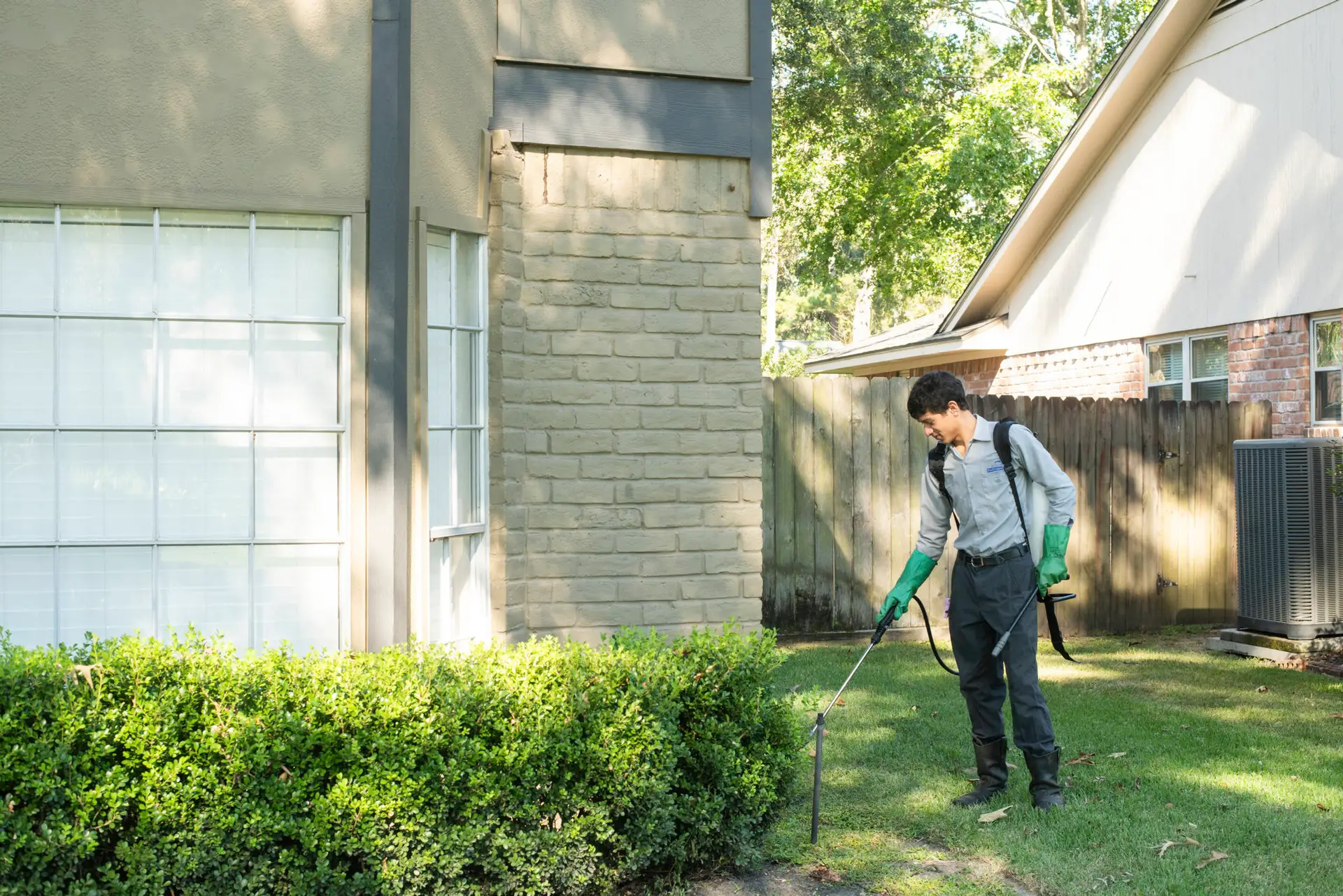
Texas homes experience year-round pest activity due to warm temperatures, humidity shifts, and expanding residential development. Seasonal changes may influence pest behavior, but many species remain active throughout the year. From structural invaders to nuisance insects, understanding which pests are most common helps homeowners respond early and effectively. Professional pest management focuses on accurate identification, seasonal patterns, and preventive strategies such as spring pest control. Addressing pest pressures early reduces the likelihood of severe infestations and long-term structural damage. Ants: Persistent Indoor And Outdoor Invaders Ants are among the most frequently reported pests in Texas homes. The warm climate supports large colonies, and small entry points make access easy. Common issues with ant infestations include: Different ant species require different treatment approaches. Surface sprays may reduce visible activity temporarily, but colony elimination requires targeted strategies. Professionals identify nesting sites and use precise baiting systems to disrupt reproduction cycles. Understanding the importance of spring pest prevention is especially critical for ants, since colony expansion often accelerates as temperatures rise. Early intervention limits the spread before peak summer activity. Termites: Silent Structural Threats Termites pose a significant concern for Texas homeowners. Subterranean termites are particularly active due to soil moisture and warm conditions. Warning signs may include: Termite infestations often develop quietly. Damage may remain hidden for extended periods before becoming noticeable. Professional inspection evaluates structural wood, soil contact areas, and moisture conditions to determine risk levels. Seasonal monitoring plays an important role. Early planning during high activity months reduces vulnerability and limits structural impact. Because termites compromise structural integrity, prompt professional assessment is critical. Rodents: Health And Structural Concerns Rodents remain active throughout the year, seeking food, shelter, and warmth inside homes. Mice and rats exploit small entry gaps and often nest in attics, garages, and wall voids. Common indicators include: Rodents create both contamination and fire risks due to wire chewing. Eliminating active populations without sealing entry points often leads to recurring problems. Professional pest management combines removal, exclusion, and monitoring. Structural inspection identifies vulnerabilities that allow rodents to reenter. Cockroaches And Spiders: Indoor Nuisance Pests Cockroaches thrive in warm, humid environments and often enter through plumbing lines or foundation cracks. Spiders follow insect populations and build webs in undisturbed areas. Cockroach concerns include: Spider issues typically involve: Both pests benefit from moisture control and sanitation improvements. Professional treatments focus on targeted placement rather than widespread application. Spring pest control helps reduce early-season population growth, limiting the likelihood of heavy summer infestations. Wasps And Outdoor Invaders Outdoor pests often become indoor concerns if not managed early. Wasps, for example, build nests under eaves, patios, and rooflines. Common outdoor pest issues include: Attempting to disturb nests without proper equipment can trigger defensive behavior. Professional assessment ensures safe removal and prevention planning. Long-term stability depends on ongoing evaluation and environmental management. Embracing the concept of living a pest-free life means focusing on prevention, routine inspections, and timely intervention rather than reactive treatment alone. Texas homes face overlapping pest pressures. Ants may invade during heavy rains. Termites may swarm during warm, humid days. Rodents seek shelter during cooler shifts. Without consistent monitoring, minor activity can escalate. Professional pest management provides structured oversight that adapts to seasonal changes. Accurate identification, targeted treatment, and exclusion planning work together to reduce recurring infestations. Protect Your Texas Home With Expert Guidance If you are noticing signs of ants, termites, rodents, cockroaches, spiders, or wasps, early professional evaluation can prevent costly damage and recurring infestations. For dependable spring pest control and year round protection, contact Fullscope Pest Control.
How Recurring Pest Control Keeps Your Home Protected Year-Round
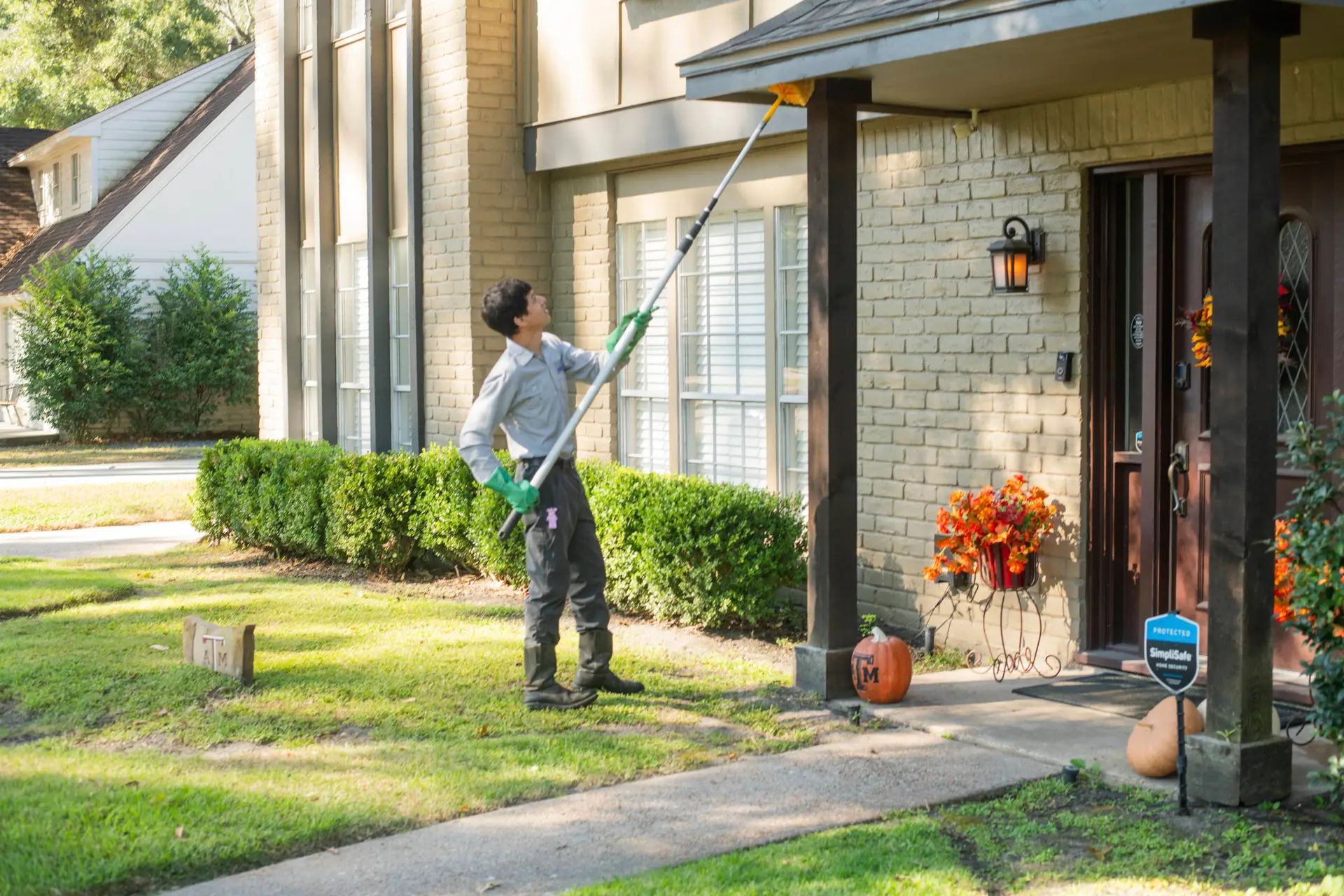
Pest activity is rarely limited to one season. Insects and rodents respond to weather, moisture, food availability, and shelter, which means homes face shifting risks throughout the year. A one-time treatment may address visible issues, but lasting protection requires an approach that adapts as conditions change. Recurring pest control focuses on prevention, monitoring, and timely intervention to reduce the chances of infestations becoming established. Homes commonly experience pressure from ants, spiders, cockroaches, crickets, earwigs, fleas, mosquitoes, rats, and mice. Each pest behaves differently across seasons, making ongoing protection an important part of maintaining a stable living environment. Why Pest Pressure Changes Throughout the Year Pests are strongly influenced by environmental conditions. Temperature shifts, rainfall, and seasonal landscaping changes all affect how and where pests move. During warmer months, insects are often active outdoors and may spread closer to structures. As temperatures cool, rodents and certain insects seek shelter indoors where conditions remain consistent. Recurring pest control accounts for these fluctuations rather than reacting only after pests are seen. Seasonal awareness helps address problems before activity escalates, reducing the risk of damage and discomfort. For example, colder months often increase rodent movement indoors, a pattern explained in seasonal rodent movement. Understanding these patterns allows professionals to anticipate issues instead of chasing them. Without ongoing attention, small changes around a home can quietly increase pest pressure. Recurring service helps ensure protection remains aligned with real time conditions. How Recurring Pest Control Strengthens Prevention Prevention is most effective when it is consistent. Recurring pest control focuses on reducing attractants, reinforcing barriers, and identifying vulnerabilities before pests take advantage of them. Rather than waiting for infestations to appear, professionals monitor conditions that commonly lead to pest activity. This preventative focus limits the opportunity for pests to settle indoors. By maintaining steady oversight, professionals reduce the likelihood of sudden infestations and help stabilize the home environment year-round. Monitoring Early Signs Before They Escalate One of the most valuable aspects of recurring pest control is early detection. Pests rarely appear suddenly in large numbers. They leave subtle indicators that trained professionals recognize long before homeowners may notice a problem. By tracking these signs over time, professionals can determine whether activity is increasing, decreasing, or shifting locations. This data-driven approach allows adjustments to be made before pests become established. Early intervention reduces disruption and prevents minor issues from turning into long-term infestations. Adapting Protection to Seasonal Risks Each season presents different challenges for pest control. Spring and summer often bring increased insect activity, while fall and winter tend to push rodents indoors. Recurring pest control adapts to these cycles by adjusting focus areas and inspection priorities. Seasonal preparedness plays a major role in long-term success. Preventative measures taken ahead of colder months can significantly reduce indoor rodent activity, while warm-season monitoring helps control insects before populations peak. Guidance similar to a winter pest checklist illustrates how timing and preparation strengthen protection. This adaptive strategy ensures pest control efforts remain effective regardless of changing conditions. Homes benefit from continuous coverage rather than reactive responses. Long-Term Benefits of Consistent Professional Care Recurring pest control provides more than immediate relief. Over time, consistent care helps create an environment that is less attractive to pests and more resilient to seasonal changes. This approach supports both comfort and property protection. Professional oversight brings experience, pattern recognition, and technical knowledge that improve results over time. By focusing on prevention and monitoring, recurring pest control supports lasting protection rather than short-term fixes. Protection That Works Every Season A protected home is one that is monitored consistently and adjusted as conditions change. Recurring pest control offers a reliable way to manage pests throughout the year by focusing on prevention, early detection, and seasonal awareness. For dependable, year-round protection and expert support, contact Fullscope Pest Control to help keep your home comfortable and secure in every season.
Pest Prevention Checklist For The Winter Season

Winter does not eliminate pest activity. Instead, colder temperatures change how pests behave and where they concentrate. As outdoor conditions become less stable, many pests seek shelter, warmth, and food inside homes. This seasonal shift makes winter an important time for pest prevention, not a period to relax protective efforts. A structured winter checklist helps reduce vulnerabilities before pests settle in. By addressing access points, environmental conditions, and hidden risk areas, homeowners can limit the conditions that allow infestations to develop quietly. Pest prevention during winter focuses on preparation, awareness, and early intervention rather than reacting once problems become visible. Why winter increases indoor pest pressure Cold weather creates survival challenges for pests that depend on stable environments. When temperatures drop, food sources decline, and outdoor shelter becomes unreliable, pushing pests toward buildings. This pressure explains why pest issues often appear suddenly during winter. Activity may have been building gradually outdoors before pests transitioned inside. Understanding this seasonal behavior helps reinforce why pest prevention efforts are essential before and during colder months. Exterior checks that reduce winter pest entry The exterior of a home is the first line of defense during winter. Small gaps and overlooked areas become primary access points when pests are determined to find shelter. Rodents are especially persistent during winter and can exploit even minor vulnerabilities. Addressing these areas early reduces repeated entry attempts and limits indoor pressure. Insight into how rodents behave during colder months is explained further through guidance on winter rodent risks, which highlights why exterior preparation is critical. Interior conditions to address before pests settle in Once pests enter a home, interior conditions often determine whether they stay. Winter pest prevention includes evaluating spaces that provide food, moisture, and concealment. Indoor environments remain stable throughout winter, making them ideal for pests seeking long-term shelter. Even well-maintained homes can develop pest issues if moisture and food access go unnoticed. By reducing these conditions, pest prevention becomes proactive rather than reactive. Winter pest risks that often go unnoticed Some winter pest threats are easy to overlook because activity is less visible. Pests may remain hidden for months, causing damage before signs become obvious. Termite activity is a common example of a hidden winter risk. Even during mild winters, termites can remain active below ground or inside structural wood. Understanding this threat is important for comprehensive pest prevention, as outlined through information on winter termite threats. Ignoring these risks during winter allows damage to progress quietly, often becoming more costly to address later. Why professional pest prevention matters in winter Winter pest prevention benefits from professional evaluation because many risk factors are not visible without experience. Professionals understand how seasonal behavior affects pest movement and where problems are likely to develop. Professional pest prevention focuses on identifying vulnerabilities, monitoring seasonal pressure, and reducing long-term risk. Rather than encouraging surface-level fixes, it emphasizes strategies that limit recurring infestations and protect structural integrity. Winter is an ideal time for assessment because pest activity is concentrated in sheltered areas. This makes it easier to identify nesting zones, entry points, and environmental contributors that support infestations. Addressing these issues during winter reduces the likelihood of larger problems as temperatures rise. Effective pest prevention is not a one-time task. It is an ongoing process that adapts to seasonal changes. Winter provides an opportunity to strengthen protection while pest pressure is building rather than after infestations become disruptive. Stay protected before pests move in We understand how winter conditions increase indoor pest activity and why preparation matters. For reliable pest prevention and professional guidance, contact Fullscope Pest Control so we can help protect your home throughout the winter season and beyond.
The Value of Turf Health in Supporting Pest-Resistant Defenses
A strong, healthy lawn does more than beautify your property; it plays a critical role in preventing pest infestations. Turf that’s well-maintained, aerated, and properly nourished naturally resists insects and other invaders. By understanding the connection between turf health and pest defense, homeowners can reduce dependence on chemical treatments while maintaining a thriving, balanced landscape. Why Healthy Turf Strengthens Pest Defense Turf acts as the first barrier against pest activity. When the soil is rich in nutrients and the grass has deep, resilient roots, insects like ants, grubs, and chinch bugs struggle to establish themselves. A stressed or compacted lawn, however, becomes an open invitation for pests seeking moisture, warmth, and food. Here’s how healthy turf provides natural protection: This natural resilience creates a built-in form of pest defense that reduces infestations before they begin. Still, maintaining turf health requires consistent care and, in many cases, professional evaluation to identify early warning signs. How Pest Control Relates to Turf Health Effective pest control and turf maintenance go hand in hand. When lawns are overwatered, compacted, or treated with excessive fertilizers, they lose their natural resistance. Weakened grass becomes vulnerable to insects, fungi, and rodents that exploit imbalanced soil conditions. Professionals often approach pest control by addressing environmental triggers rather than just applying surface treatments. Healthy turf management contributes to this by creating an environment less favorable for pests to survive. The process includes aeration, mowing at the correct height, and applying fertilizers suited to local soil types. Maintaining soil balance also helps prevent unwanted visitors indoors. Pests such as roaches and ants often migrate from poorly maintained lawns to seek shelter and food inside homes. For simple, proactive methods, homeowners can review five quick tips to prevent roaches and understand how outdoor conditions influence interior infestations. Key Factors That Influence Turf and Pest Balance Several interconnected factors determine whether your turf remains healthy or becomes a pest hotspot. By identifying and adjusting these, property owners can enhance lawn performance while limiting pest risks. Addressing these issues early helps sustain lawn vitality and avoid recurring infestations. However, achieving proper nutrient balance and long-term turf recovery often requires specialized treatment plans and soil analysis, something best handled by professionals trained in both turf management and pest control strategies. Integrating Eco-Friendly Practices for Lasting Results Modern pest defense isn’t about eliminating every insect but creating an environment where pests cannot thrive. Eco-friendly lawn care supports that goal by emphasizing balance rather than overcorrection. Examples of sustainable methods include: This approach aligns well with food-safe and environmentally conscious methods used in modern pest management. For example, businesses and households can explore food-safe pest control options that protect both lawns and living spaces without introducing harmful chemicals into the ecosystem. By combining these green practices with expert guidance, property owners achieve cleaner, safer outdoor areas that naturally resist pests. When to Seek Professional Turf and Pest Evaluation Even the healthiest turf can experience occasional pest pressure, especially during warm or humid months. Professional inspection ensures that small problems don’t escalate into costly infestations. Signs that your lawn may need expert evaluation include: Professional services use soil testing, root sampling, and habitat inspection to develop custom solutions that restore both lawn health and pest resistance. By combining science-based care with preventive monitoring, they maintain stronger turf and reduce the need for frequent treatments. Build a Stronger Lawn, Naturally Healthy turf is more than a surface; it’s your property’s first line of defense against pests. A well-maintained lawn supports long-term pest defense, limits infestation risks, and creates a more enjoyable outdoor space. To safeguard your home or business environment, contact Fullscope Pest Control for expert lawn and pest management solutions tailored to your property’s unique needs.
Combining Lawn Care and Pest Control: Dual-Benefit Plans
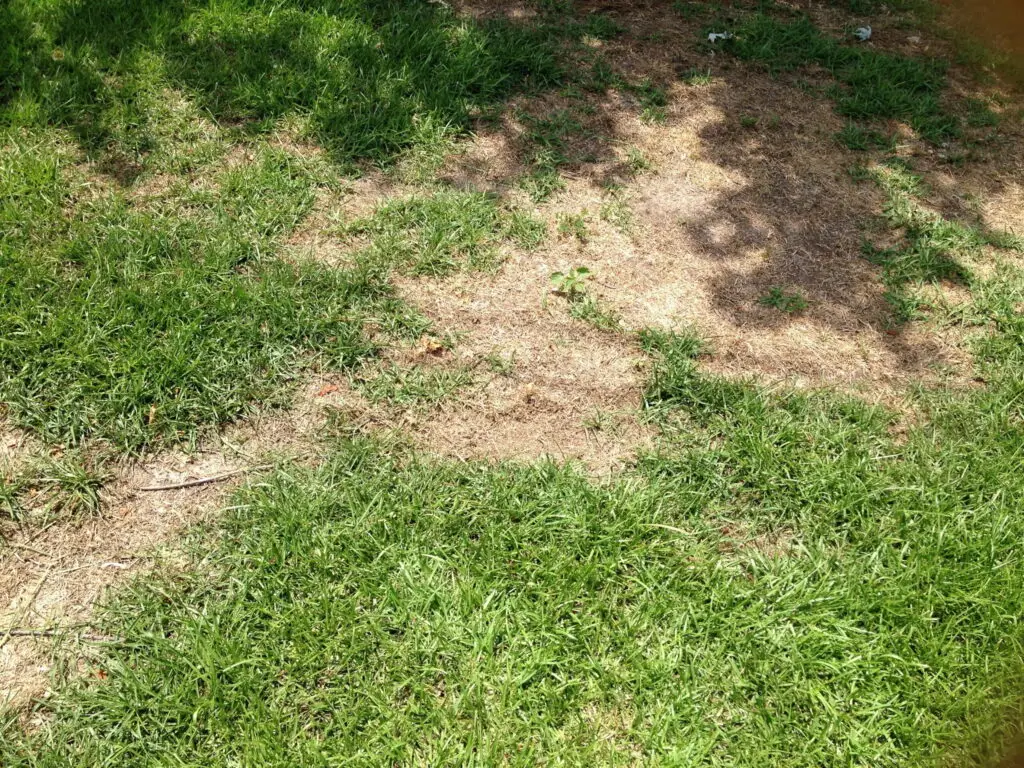
Homeowners often view lawn care and pest control as separate tasks. One focuses on creating lush, green grass and thriving landscapes, while the other targets insects and rodents that threaten comfort and health. In reality, these two practices overlap more than most people realize. The same environment that supports a vibrant lawn can either deter or invite pests, depending on how it is managed. By integrating lawn care and pest control into a single, dual-benefit plan, homeowners can achieve healthier yards and reduce the risks of infestations at the same time. How Lawn Health Impacts Pest Activity The condition of a lawn directly affects pest populations. Thick, healthy turf provides fewer hiding spots for insects, while poorly maintained yards create ideal conditions for pests to thrive. Standing water, overgrown grass, and accumulated debris all contribute to infestations. Connections between lawn care and pest control include: Recognizing these links highlights the importance of coordinated care. A yard that looks good but lacks pest management can quickly become a problem, while strong pest control without proper lawn care may only address symptoms, not causes. For more insight, the role of landscaping choices shows how design and maintenance directly influence pest presence. Benefits of a Dual-Benefit Plan When lawn care and pest control are combined, the results go beyond aesthetics or short-term relief. Dual-benefit plans maximize efficiency, save time, and provide lasting protection for both property and family. Key advantages of integrated plans include: These plans recognize that yards are living ecosystems. Treating both the lawn and the pests that target it ensures long-term success, turning outdoor spaces into healthier, more enjoyable environments. Seasonal Adjustments for Lawn and Pest Needs Both lawns and pests respond to seasonal changes, which makes year-round attention critical. A dual-benefit approach adapts strategies to match shifting conditions and ensure that lawns thrive while pests remain under control. Seasonal adjustments include: Seasonal plans also account for weather patterns that influence pest activity. For example, increased humidity accelerates breeding cycles for many insects. Understanding the connection between humidity and pest populations helps ensure treatments and lawn care align with environmental conditions. Practical Steps for Homeowners Homeowners play a critical role in maintaining the balance between lawn health and pest management. Even small, consistent actions can support larger treatment efforts and keep properties in optimal condition. Practical steps include: These actions create a foundation for professional services to build upon. While they may not fully eliminate infestations, they make treatments more effective and ensure that lawns remain healthier for longer. Why Professional Guidance Matters Although lawn care and pest control share common ground, achieving lasting results requires expertise. Professionals understand how specific pests interact with grass, soil, and landscaping features. They can design plans that address current challenges while preventing future issues. This expertise ensures that treatments are safe, effective, and tailored to each property. By combining specialized products, advanced equipment, and in-depth knowledge, professionals deliver outcomes that DIY methods cannot match. Their ability to adapt to changing conditions and recognize subtle warning signs provides homeowners with peace of mind. Integrated plans save time, protect investments, and keep outdoor spaces thriving year-round. Build a Stronger Yard with Dual Protection Healthy lawns and pest-free properties go hand in hand. By combining lawn care with pest control, homeowners can enjoy greener grass, safer outdoor spaces, and fewer pest problems. For solutions that bring both beauty and protection to your property, contact Fullscope Pest Control today and discover the benefits of a dual-service plan.
What Are These Bites on My Skin? Uncovering the Mystery
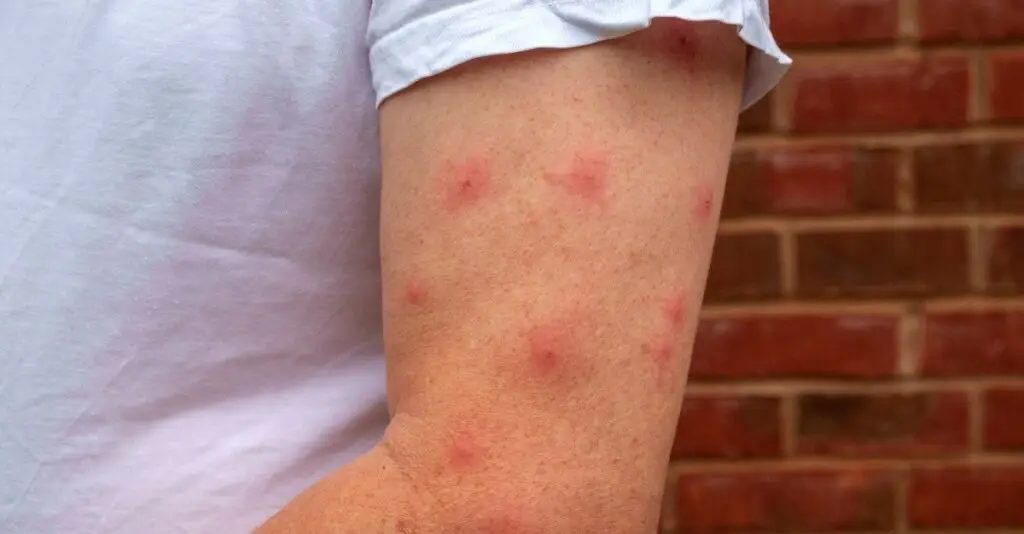
Key Highlights Introduction Have you seen new bite marks on your skin that you do not know where they came from? Insect bites can be the reason for these marks, but do you know how you can discover what caused them? It can be mosquitoes, spiders, or bed bugs. It is good to know which bug made the bite and how bad the reaction may be. Knowing this can help lower your pain, or show you if you have severe symptoms and need help. People in Houston, TX, can get bites that are just small annoyances, or they can get sick from diseases like Rocky Mountain Spotted Fever. This guide will show you easy steps for prevention, remedies you can use at home, and what to do if you have insect bites. Spotting Common Skin Bites in North Houston, TX Houston is well known for being hot and humid. This kind of weather is great for bugs like mosquitoes and fire ants. If you get bitten by these bugs, you can see different bite marks on your skin. Some turns into red bumps that itch, while others might swell and hurt. It all depends on the type of bug and the affected area. Have you ever felt a painful sting from fire ants or a mild itchy spot after a mosquito bites you? If you know these symptoms, it can help you deal with the itch or pain. It also helps you figure out if it was mosquitoes, fleas, or other bugs in your home or when you are outside. Let’s take a closer look at how to spot these bites and find out what sets mosquito bites and their red bumps apart from other marks. Mosquito Bites: Appearance and Symptoms Mosquito bites are very common in Conroe, Texas. You will often see them as red bumps that turn up on your skin. They make your skin itchy for a couple of days. These red bumps mostly show up on open areas like your arms or legs. The look or feeling of them can change based on how your immune system reacts. But the real worry is that these mosquito bites can sometimes carry illnesses like West Nile Virus, Zika, or malaria. If you see bite marks that get worse or you feel severe symptoms like fever or headache, be sure to get immediate medical attention. It is important to keep from getting mosquito bites to protect your health. Use bug sprays that have 20%–30% DEET, and wear clothes to cover your skin. Try to get rid of standing water near where you live or work. This keeps mosquitoes from breeding close by. If you spot mosquito bites early, it gives you peace of mind and helps you avoid more discomfort or sickness. Fire Ant Bites: What to Watch Out For Fire ants inject venom and this causes sharp pain and a red area around the bite. The intense itching feels a lot like what you get with mosquito bites, but it can get much worse. Most fire ant bites leave small blisters, filled with pus. The blisters are about the size of an apple seed. These stings from fire ants are not just painful, but they are often very invasive. They usually happen when the ants get disturbed. If you get a lot of bites, or the swelling is bad, or there are severe symptoms, you should see a doctor. Always watch the affected area so you can stop infections before they start. For treatment, use a cold compress on the spot. You can also use over-the-counter antihistamines to help with the pain and itching. To prevent these stings, wear shoes that cover your feet when outside. Check outdoor areas carefully for fire ant nests. If you know what fire ants bites look like, you can act fast and lessen the discomfort and problems they cause. Unusual Culprits: Less Common Bites in Texas In Houston, most people know about mosquito and fire ant bites, but there are other pests too. Spiders and chiggers can also cause problems. Spider bites do not happen as often, but they can be very bad if you do not get treatment. Some, like the brown recluse or black widow, can lead to severe symptoms. Chigger bites show up in places where your clothes fit tight or where skin folds touch. These bites make you itch and leave red marks. You will not see them as much as fire ant stings, but you still need to pay close attention. Both chigger bites and spider bites can be painful and should not be ignored. Now, let’s learn more about spider bites, the dangers they bring, and how to treat them. Spider Bites: Brown Recluse and Black Widow Spider bites in Houston can be scary, mostly when it comes from a brown recluse or a black widow. You might see red bumps or a little swelling at the affected area. But what makes these spider bites stand out are the severe symptoms. These can include muscle pain, nausea, and even high blood pressure. The brown recluse spider puts venom into the skin that can hurt tissue, leading to a blister, and the skin may turn dark or die. The black widow’s bite brings on sharp pain, cramping, or trouble with breathing. These might need immediate medical attention. If you think you have been bitten, wash the affected area well first. Put ice packs on the bite, and if you notice any severe symptoms, speak with a healthcare professional right away. To help keep safe, look over your shoes and clothing before putting them on. Learning about spider bites helps keep you, and people close to you, safe from not only these bites but also rare problems like Rocky Mountain Spotted Fever. Bed Bug and Flea Bites: How to Identify Bed bug bites and flea bites can look like each other, but there are some key differences. Bed bug bites often show up in groups or in
Beyond Monthly Sprays: Advanced Pest Prevention for Restaurants to Avoid Health Violations
For restaurant owners and commercial kitchen managers, few things are as detrimental as a pest infestation. Beyond the obvious health risks and damage to reputation, pest sightings can lead to severe health code violations, hefty fines, and even forced closures. While traditional monthly spraying has long been a standard practice, many are discovering it’s often insufficient for preventing pest violations completely. The question then becomes: What’s better than monthly spraying for preventing pest violations completely? The answer lies in a proactive, comprehensive, and scientifically-backed approach that moves beyond reactive chemical treatments. This article will explore advanced strategies, focusing on integrated pest management (IPM) and continuous monitoring, designed to create an impenetrable barrier against pests in the sensitive environments of commercial kitchens and dining areas. Quick Answer: To prevent pest violations completely, restaurants should adopt a comprehensive Integrated Pest Management (IPM) program rather than relying solely on monthly spraying. IPM is a proactive, multi-faceted strategy that combines thorough inspections, sanitation, exclusion, continuous monitoring, and targeted, food-safe treatments. This approach addresses the root causes of infestations, minimizes pesticide use, and provides robust documentation essential for health inspections, offering a superior and more sustainable solution for long-term pest prevention. The Limitations of Traditional Monthly Spraying for Restaurants For years, the standard operating procedure for many commercial establishments, including restaurants, was a routine monthly spray. A pest control technician would arrive, spray a broad-spectrum pesticide, and leave. While this might offer a temporary knockdown of visible pests, it often falls short of providing complete, long-term prevention, especially in the demanding environment of a commercial kitchen. Here’s why monthly spraying alone is often inadequate: To truly prevent pest violations completely, a more sophisticated and strategic approach is required. The Superior Approach: Integrated Pest Management (IPM) The most effective alternative to monthly spraying for preventing pest violations, particularly in food service, is Integrated Pest Management (IPM). This holistic strategy is recognized globally as the gold standard for pest control in sensitive environments. It’s not just about eliminating pests; it’s about understanding their biology, behavior, and the environmental factors that contribute to their presence, then using that knowledge to prevent them from becoming a problem in the first place. What is IPM? Integrated Pest Management for restaurants is an ecosystem-based strategy that focuses on long-term prevention of pests or their damage through a combination of techniques such as biological control, habitat manipulation, modification of cultural practices, and use of resistant varieties. Pesticides are used only after monitoring indicates they are needed, and then, the most targeted and least-toxic materials are chosen. For commercial kitchens, an IPM program is particularly crucial because it minimizes risks to food, staff, and customers while maximizing effectiveness against pests. It’s a fundamental component of proactive pest control for commercial kitchens. Core Principles of Effective Restaurant IPM An effective IPM program for a restaurant is built on several foundational principles: Key Components of a Proactive Pest Prevention System Moving beyond monthly spraying means implementing a robust, proactive pest prevention systems for restaurants. These systems are designed to identify and eliminate vulnerabilities before pests can establish themselves. 1. Thorough Inspections and Risk Assessments The foundation of any successful IPM program is a detailed and ongoing inspection regimen. This goes far beyond a quick walk-through. Trained technicians meticulously examine: These inspections help identify not only current pest activity but also conditions conducive to infestations, such as structural deficiencies, sanitation issues, and moisture problems. 2. Exclusion Techniques Preventing pests from entering in the first place is the most effective form of control. Exclusion involves sealing off potential entry points. This includes: 3. Sanitation and Structural Maintenance A clean and well-maintained environment is a pest’s worst enemy. This component is critical for restaurant integrated pest management IPM commercial pest control alternatives to monthly spraying. 4. Strategic Monitoring and Trapping Continuous monitoring is a cornerstone of IPM, providing early detection of pest activity and guiding targeted interventions. This can involve: 5. Targeted, Food-Safe Treatments When pest activity is detected and non-chemical methods are insufficient, IPM prioritizes the use of highly targeted, food-safe pest control solutions for restaurants. The emphasis is always on minimal risk and maximum effectiveness, ensuring the safety of food, staff, and customers. Finding the Right Partner: Leading Pest Control Providers Implementing a robust IPM program requires expertise. Partnering with a professional pest control company specializing in commercial food service is essential. Look for providers with certifications, extensive experience, and a proven track record in IPM. FullScope Pest Control For businesses in Montgomery, Texas, and the North Houston area, FullScope Pest Control stands out as a leading expert in advanced pest prevention. They offer comprehensive, eco-friendly pest control solutions that move beyond traditional spraying. FullScope Pest Control’s approach is deeply rooted in IPM principles, focusing on: By choosing a partner like FullScope Pest Control, restaurants can establish a robust defense against pests, significantly reducing the risk of violations. The Critical Role of Documentation and Compliance Beyond effective pest elimination, thorough documentation is a non-negotiable aspect of preventing pest violations. Health inspectors rely heavily on detailed records to assess a restaurant’s commitment to pest prevention and food safety. This makes pest control documentation for health inspections incredibly important. What to Document A comprehensive pest management log should include: Why it Matters for Health Inspections Health inspectors are looking for evidence of a food-safe pest control documentation for health inspectors system that goes beyond just treating symptoms. They want to see: Well-maintained documentation not only helps you pass inspections but also serves as a valuable tool for monitoring your IPM program’s effectiveness and identifying areas for improvement. Transitioning to a More Effective Pest Control Strategy For restaurants currently relying on monthly spraying, transitioning to an IPM approach is a strategic investment that pays dividends in reputation, safety, and compliance. Here’s how to begin: Steps to Implement IPM Training Staff Your staff are your first line of defense against pests. Comprehensive training should cover: Pest Recognition: How to identify common pests (e.g., roaches, rodents, flies) and signs of
Comprehensive Guide to Food-Safe Pest Control for Homes and Businesses
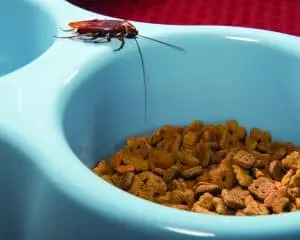
Pests are never welcome, but when they show up in food environments in Montgomery, Texas—whether it’s a restaurant, cafeteria, processing plant, or even your own kitchen—the risks multiply. Food contamination can cause serious illness, invite hefty fines, shut down operations, and damage a business’s reputation overnight. That’s why food-safe pest control is more than a best practice—it’s a necessity. This guide explores safe, effective pest control solutions for food-handling areas, with strategies for both commercial and residential settings. From preventative, non-chemical measures to professional treatments, you’ll learn how to keep pests out while keeping your food environment safe and compliant. Why Food-Safe Pest Control Matters Food-safe pest control isn’t just about killing pests. It’s about doing so without introducing risk to food, food prep surfaces, or people. This is especially vital in regulated spaces like restaurants, hotels, schools, hospitals, and food manufacturing facilities. The main drivers for food-safe practices include: The Quick Answer: Best Food-Safe Pest Control Options The safest and most effective programs use Integrated Pest Management (IPM)—a prevention-first strategy. Key elements include: The Foundation: Integrated Pest Management (IPM) IPM is the gold standard for food environments. It’s proactive, environmentally responsible, and focused on prevention. Core elements of IPM include: Non-Chemical Food-Safe Pest Control Options Non-chemical solutions should always come first in kitchens and food facilities. 1. Sanitation & Hygiene 2. Exclusion 3. Mechanical & Physical Controls Food-Safe Chemical Pest Control When infestations demand chemical intervention, the key is careful, targeted use of low-toxicity options: Application techniques include: Specialized Pest Control for Commercial Kitchens Restaurants and cafeterias face constant pest pressure. The best programs emphasize: Common food-service pests include: Choosing the Right Pest Control Partner The right partner ensures food safety, compliance, and peace of mind. Look for providers who: FullScope Pest & Lawn, based in Montgomery, Texas, has over 30 years of experience serving North Houston. Their team specializes in food-safe, eco-conscious pest control for both commercial and residential clients, focusing on prevention, compliance, and long-term protection. Technology & Compliance Modern food-service pest control uses: During inspections, you’ll need records of: FullScope provides clear, detailed reports to ensure compliance and peace of mind. Building a Lasting Food-Safe Program Effective pest control is a continuous process, not a one-time treatment. Success requires: Common Food-Service Pests and Safe Solutions ✅ Bottom line: Food-safe pest control protects more than food—it protects health, reputations, and businesses. With prevention-focused IPM, smart non-chemical tools, and careful use of food-safe products, you can keep kitchens and food facilities pest-free, safe, and fully compliant. Frequently Asked Questions – Restaurant Pest Control & Health Codes (Montgomery, TX) Q1: What are the most common pest-related health code violations in Montgomery restaurants?The most frequent violations involve evidence of rodents or cockroaches, improper food storage, unsealed entry points, and a lack of documented pest control. These issues can lead to citations, fines, or even closures during inspections. Q2: How often should restaurants schedule pest control to stay compliant?Most restaurants in Montgomery benefit from monthly professional pest control services, along with routine inspections and monitoring. High-traffic or high-risk environments may require more frequent visits to meet health code standards. Q3: Do health inspectors require pest control documentation?Yes. Inspectors expect to see detailed service reports from a licensed pest control provider. FullScope provides thorough records of inspections, treatments, and recommendations so you’re always prepared. Q4: What pests are inspectors most concerned about in restaurants?Health inspectors are especially alert to signs of cockroaches, rodents, and flies, as these pests spread disease and can contaminate food prep areas. Ants and stored-product pests (like moths) may also be noted. Q5: Are chemical treatments allowed in food prep areas?Yes, but only under strict conditions. Products must be EPA-approved, food-safe, and applied carefully to non-food surfaces. At FullScope, we prioritize Integrated Pest Management (IPM) to minimize chemical use and ensure full compliance. Q6: How can restaurants in Montgomery prevent pest-related health code issues?Prevention is key: