1500+ reviews

Texas homes face pest pressure for much of the year. Heat, humidity, rain, irrigation, dense landscaping, and mild winters can keep insects and rodents active across multiple seasons. When pests appear, a store-bought spray or trap may seem like a quick answer, but visible activity is often only part of the problem.
Effective pest control looks beyond the pest in front of you. It considers nesting areas, entry points, moisture, food sources, and seasonal pressure. Without that broader view, a one-time response may reduce sightings while leaving the source untouched.
Why Visible Pests Are Only Part of the Problem
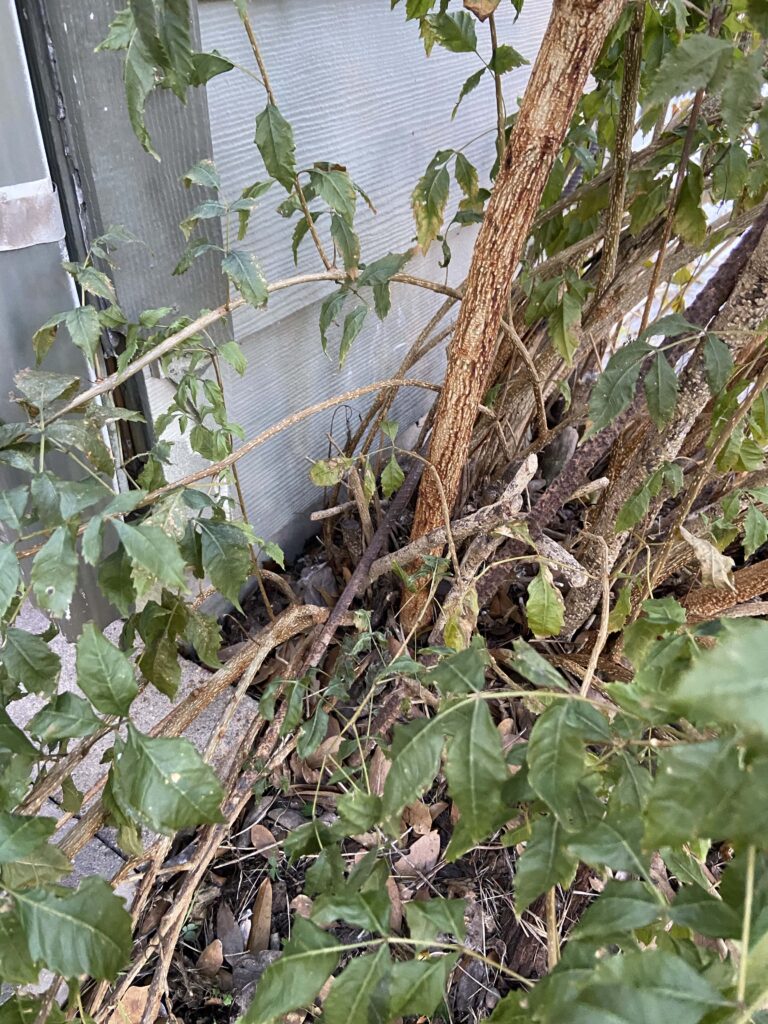
Many pests spend most of their time hidden. Ants can travel through wall voids, cockroaches may shelter behind appliances or inside cabinets, termites remain concealed within wood or soil, and rodents often move through attics, garages, or wall spaces.
A surface-level response may miss important conditions, such as:
- Hidden nests or breeding sites inside inaccessible areas.
- Moisture around plumbing, irrigation, or shaded foundation zones.
- Gaps around doors, vents, utility lines, and roof edges.
- Food residue, pet food, trash, or organic debris that supports activity.
- Outdoor harborage that continually sends new pests toward the structure.
Professional inspection helps connect visible evidence with the conditions supporting it. Removing a few pests does not necessarily mean the infestation has ended.
Texas Weather Can Keep Pest Pressure High
Southeast Texas conditions can work against short-term solutions. Heat can increase insect activity, humidity supports moisture-loving pests, and heavy rain may drive ants, cockroaches, and rodents toward drier shelter. Outdoor treatments can also wear down under the sun, irrigation, and repeated rainfall.
This is one reason recurring pest protection can be valuable in a climate where pest pressure shifts instead of disappearing. Regular monitoring helps technicians respond to seasonal changes, new entry points, and developing activity early.
A professional pest control plan may account for termites, mosquitoes, rodents, cockroaches, ants, and fleas. The goal is to match the method to the pest and source of activity.
Why One Product Cannot Solve Every Pest Problem
Different pests behave differently, so a single spray, bait, or trap cannot address every infestation in the same way. Ant colonies, termite activity, mosquito breeding, cockroach harborage, and rodent entry each require a different strategy.
A more complete assessment may include:
- Identifying the exact pest before choosing a treatment.
- Locating nesting, breeding, feeding, or entry areas.
- Selecting targeted applications based on pest behavior.
- Reducing moisture, shelter, and food sources that support activity.
- Monitoring results and adjusting treatment when conditions change.
Professional knowledge matters here. The wrong product, placement, or treatment area may scatter pests, delay control, or create a false sense that the problem is solved.
Why Short-Term Results Can Be Misleading
Fewer sightings after treatment can feel like success, but the real question is whether the source has been controlled. Some pests remain hidden while a treatment takes effect, while others may return because entry points, moisture, or outdoor pressure remain unchanged.
The expected duration of treatment also varies. This guide to treatment longevity explains that professional pest control may last about 30 to 90 days for many general pests, but weather, infestation size, pest type, and property conditions all influence the result.
Long-term performance often depends on several factors:
- Whether the treatment reached the active nesting or breeding area.
- Whether exterior conditions continue to support reinfestation.
- Whether structural gaps still provide easy indoor access.
- Whether follow-up service is needed for an established infestation.
- Whether seasonal weather reduces the life of exterior protection.
These variables show why pest control is better viewed as a management process than a one-time reaction to a single sighting.
Professional Pest Control Addresses the Whole Property
The strongest pest control plans consider the entire property instead of one room, one insect, or one visible trail. A technician can inspect interior and exterior conditions, identify likely harborage, locate entry points, and choose methods suited to the specific pest.
A property-wide approach may involve:
- Inspecting foundations, rooflines, garages, attics, landscaping, and utility penetrations.
- Treating active areas with methods matched to the pest involved.
- Addressing harborage, moisture, and access points that support repeat activity.
- Using a monitoring or follow-up service when ongoing pressure is likely.
- Adjusting the plan as the weather, seasons, and pest behavior change.
Texas homes can face termites, mosquitoes, rodents, cockroaches, ants, fleas, and other nuisance pests. Each problem has its own behavior, risks, and treatment requirements. Professional assessment can be more efficient than repeatedly trying products without knowing what is happening behind walls, below soil, or around the exterior.
A good plan is not about using more treatment than necessary. It is about using the right method in the right place and correcting the conditions that allow pests to keep returning.
Give Repeat Pest Problems a Smarter Ending
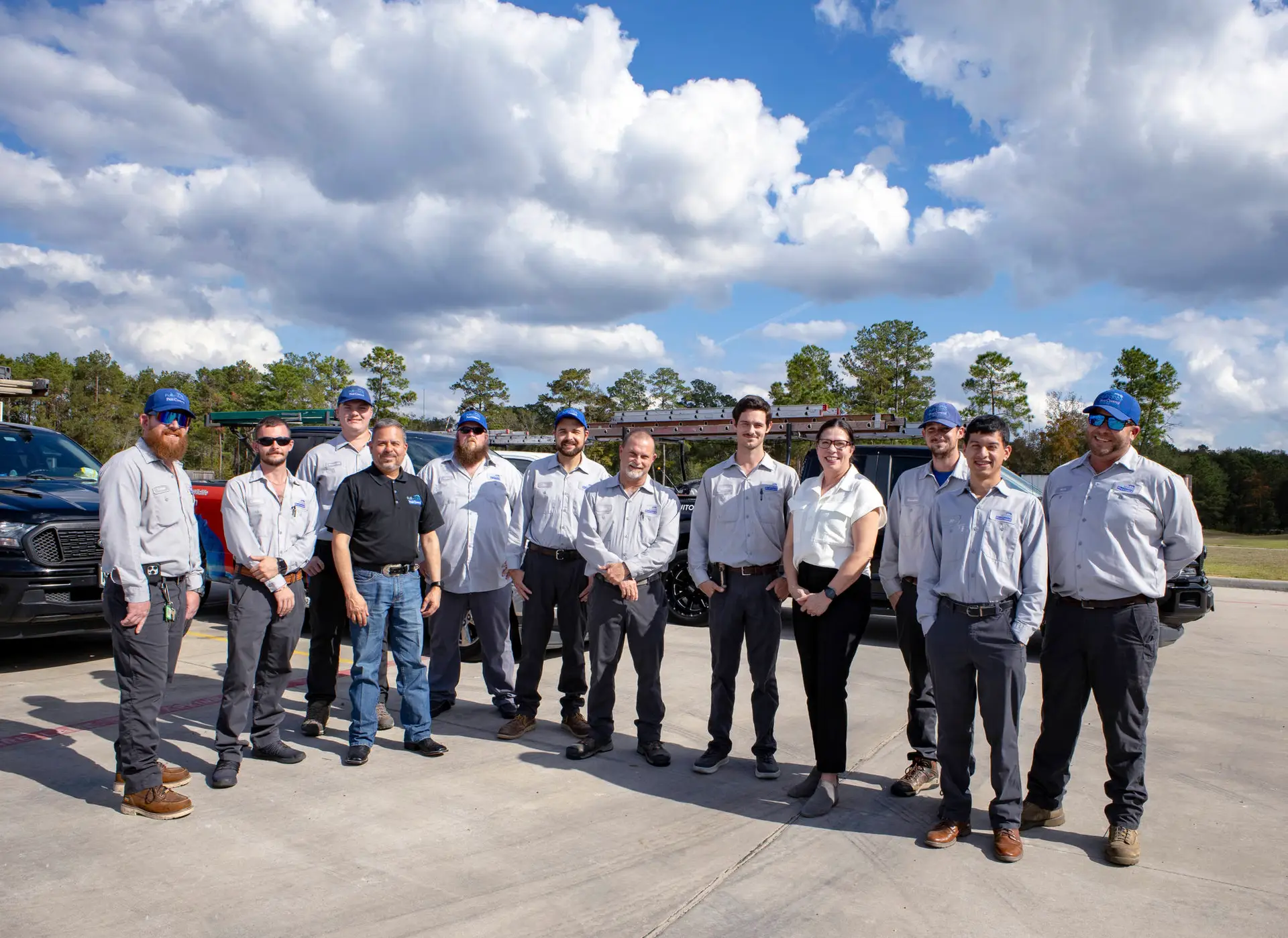
When pest activity keeps returning, a more complete inspection can reveal what surface treatments miss. Contact Fullscope Pest Control for professional pest control built around your property, pest pressure, and long-term prevention.