 1500+ reviews

How To Control Flies In The Restaurant
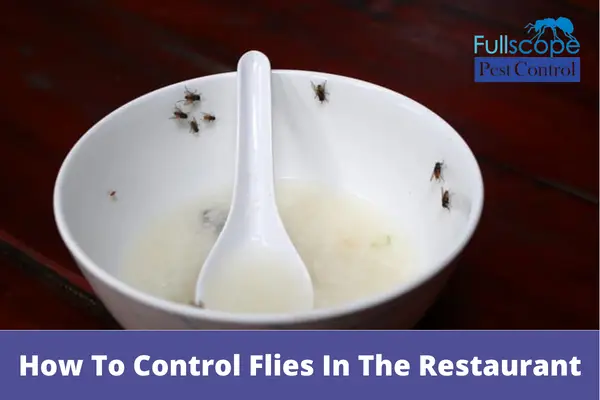
For people who work in the food service sector, flies are among the most annoying pests you might encounter. A fly infestation significantly compromises hygiene. Unfortunately, flies are drawn to settings found in restaurants, where they may do the most damage. When flies land on human food or surfaces used in food preparation, they can introduce harmful bacteria from their feet that they have picked up from decomposing organic waste. There is a risk that the tiny bugs will ruin a restaurant or bar’s reputation. Here’s how to keep flies away from a restaurant. Fruit Flies Garbage: Do not let the trashcan sit in for more than a day. Make sure the bins are emptied if there are any leaks or spills. As a result, fruit flies are less likely to breed rapidly in trash cans. Sink: A fruit fly’s best friend is water, so make sure your sink is always dry. This reduces the amount of water they can consume and prevents them from reproducing. Drains: Drains offer fruit flies water, food, and a safe place to breed. Run sanitizer or bleach into drains before bed. Use store-bought medicines to kill fruit flies. Bottles: Put a plug in the bottle’s opening to keep fruit flies out and preserve the quality of your wine. Common House Flies It is the responsibility of the staff to maintain clean garbage cans, sinks, and drains in the kitchen. Kitchen surfaces, including cutting boards, should be regularly washed off. Kitchen staff should close doors and windows as much as possible to keep flies out. Windows and doors might benefit from the installation of screens. Must Read Pest Control Can be done in restaurants Bar mats: Over the day, bar mats accumulate a great deal of waste matter. Wash them in warm, soapy water often to eliminate any residue. Drain Flies As drains are the most common breeding ground for these pests, they must be constantly and thoroughly scrubbed clean. Use a pipe brush to remove debris from the drain, then flush it with hot water. Next, add 1 cup vinegar and 1/2 cup baking soda after waiting an hour. Rinse the solution with more hot water by pouring it down the drain. One alternative to using vinegar is to flush a mixture of one bleach and ten water parts down the pipes. If you like, you may also try using drain treatments from your local hardware or home improvement store. If there are specific directions for using the product, adhere to them. General Solution For Flies Maintaining hygienic conditions are essential. Closely examine the fruit and vegetable shipments that come in. Using a fan to create significant air circulation will deter the flies from settling on the food. Flies spread diseases such as cholera, typhoid, and TB. Fullscope Pest Control is aware that managing a restaurant is a full-time commitment. We can reduce the number of flies by limiting their breeding grounds, which include water and damp areas. Your attention is better served by managing your personal and ensuring everything goes correctly, rather than worrying about pests. All flies, from fruit flies to house flies, may be a restaurant nuisance. Therefore, they must take preventative steps. Do not delay contacting us immediately if you are experiencing issues with pests. We can help you protect your business and your reputation!
How often should pest control be done in a restaurant?
Pests can cause severe damage to a restaurant, and no owner likes to talk about the bugs they’ve seen crawling across their food. To avoid that situation, you have to get your property treated regularly for pests. Determining how often your restaurant needs pest control depends on several factors. The first step is to talk with our pest control professional. It is essential to maintain a clean restaurant if you want to get rid of the bug problem that exists inside your establishment. Controlling Pests Inside The Restaurant Every day, the dining area should be thoroughly cleaned, and any traces of food dirt should be eliminated. It also applies to areas designated for the preparation and cleanup of food. In addition, no food should be allowed to be standing around in the kitchen, where food is prepared, or in the storage spaces. Read About the Elimination of Mice and Rats from home. Restaurant’s Exterior Consideration Lightning. UV light entices insects into glue traps and bug zappers as a pest control measure. These are fantastic for attracting flying pests away from your building or killing any that slip inside, but they also show why you should be careful with restaurant lighting. Install fixtures away from your building and direct light toward doorways. Passageways. Doors and windows should be closed wherever possible. However, reception rooms, drive-through windows, and main entrances will be open often and occasionally for long hours. Consider an air curtain to repel flying insects in these scenarios. A door sweep plugs gaps between the door and the floor/threshold to prevent dampness, drought, insects, and rats. Regularly inspect your facility’s exterior for unintended entry and seal gaps and crevices. Dumpsters. Unkempt dumpsters attract pests and are an eyesore if not properly managed. Invest in appropriately-sized trash to prevent overflow, and clean the area with a hose so water flows down a drain unless using a dumpster deodorizer, which should not be discharged into the environment. Dumpsters should be far from your structure and have tight-fitting lids. Pest Inspection Every restaurant owner’s best interest is to perform routine pest inspections to stay one step ahead of the insects. When it comes to pest inspections, one of the most common questions is, “How frequently should you have them?” Per our suggestions, the frequency of pest inspections should be increased to once per year. Pest Control Evaluation After inspecting your restaurant, our extermination expert will offer you an assessment of the existing state of affairs. You will acquire knowledge regarding any current vermin issues in your restaurant and prospective dangers. Our inspector will point out any cracks, holes, or tears that allow insects or rodents to enter the home. This examination is meant to assist you in gaining a better understanding of the state that your restaurant is now in. After you have gained a better experience of the infestation level at your restaurant, you can make the best choice regarding the available treatment solutions. Restaurants need regular pest management; it’s not a luxury. If your restaurant doesn’t have pest control, schedule an inspection immediately. Pests in your restaurant threaten client health and your business’s reputation. Fullscope Pest Control has worked with restaurants and would love to help you stay pest-free.
How To Eliminate Mice And Rats From Your Home
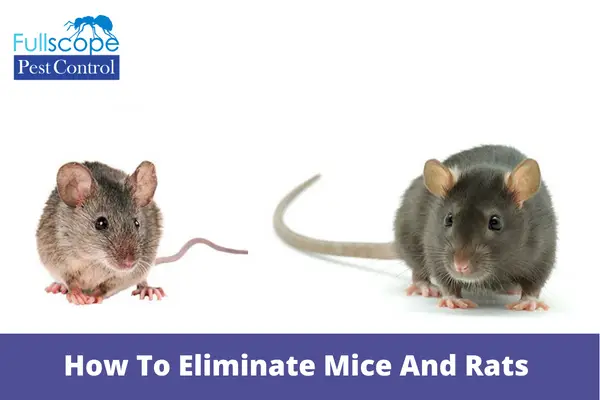
Infestations of rodents like mice and rats can risk your most valuable possession. Not only can they wreak severe damage to the furnishings and structure of your home, but they are also equipped to spread disease, which is a significant downside to having rodents in your home. The longer a rat infestation is allowed to take place, the greater the risk that permanent damage may occur. This is why it’s essential to evaluate the threat posed by rodents in the house and devise a strategy to eliminate them. The following are some ways to prevent the invasion of rats and mice into your homes. Get Rid Of All Food Sources Small amounts of food are sufficient for mice every day. Get rid of the foods they enjoy eating, and they will leave your home alone. Mice can’t chew through glass or metal; therefore, storing dry things like grains, pet food, and anything else is safe. Also, immediately clean up any leftovers or spills to keep mice away from your home. Try Having A Cat Getting a cat may be the least complicated option to eliminate mice from your home, provided no one there is allergic to the cat. Mice may leave if they detect the odor of cat pee. Or, you could buy some ammonia in its purest form. Mice will flee from ammonia because it smells like a cat’s urine. Put cotton balls drenched with ammonia in the areas where you think mice could gather. Use Live Traps The ideal method of trapping is humane trapping. In most cases, traps are used over poison bait because of the reduced risk to human and animal health. However, if the infestation is too large and endangers your household, you should use spring traps or contact a professional pest control service. They will be able to do the job for you quickly. Also, know about types of ants. Eliminate Their Access To Your Garbage Rodents, much like flies and cockroaches, are drawn to waste containers. To prevent mice or rats from getting in, use a garbage can with a sturdy cover or secure it with rubber cords; metal containers are ideal. Keep the cans regularly clean to eliminate odours that might attract rodents. Block Any Potential Points Of Entry Mice and rats will want to get inside when the weather becomes colder. Seal cracks or gaps in your home’s foundation, siding, or window frames using caulk or weatherstripping to prevent unwanted visitors. Duct tape any holes and insert steel wool into vents to deter invaders without limiting airflow. Mice will be naturally discouraged by steel wool due to the impossibility of chewing through it. Mice and rats easily transmit diseases. Thus quick action is required. Because of their rapid reproduction, an invasion becomes increasingly difficult to contain the longer it is left to continue. Eliminating them as soon as possible is necessary! Save the hassle and contact Fullscope Pest Control. We have a wide range of services for pest control, not just for rats and mice. Call us or visit our page to learn more about our services!
What Are the Different Types of Ants in Texas?
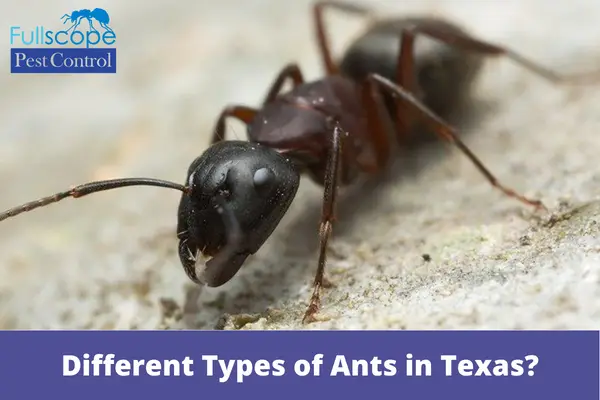
The type of ant invading your home might affect the severity of an infestation. Innocent ants exist. Other forms cause structural harm. This information can help you understand the different varieties of ants in Texas, but contacting a professional exterminator is the best approach to identify them. Fire Ants Or Red Fire Ants The red fire ant is one of the species found in the most significant numbers in east Texas and throughout the southeast United States. Workers of fire ants range in size from 1/16 to 3/16 inches and have a reddish-brown coloring. Fire ants have a double pedicel and can be recognized by their appearance. In addition, fire ants are known to construct recognizable mounds with no obvious entrance holes on the ridge itself. One of the most typical characteristics of the fire ant is its hostile reaction to the disturbance of its nest, which includes delivering a powerful and excruciating sting. Crazy Ants The frantic and unpredictable manner in which crazy ants run has earned them their name. In addition, they can be differentiated from other species of ants, such as the Argentine ant, by the large number of hairs covering their body, including four pairs of strands located on the top of their thorax. The natural crazy ant is a species of crazy ant that can be found frequently throughout East and South Texas. This ant is dark brown, has long legs and antennae, and moves quickly. Buildings are a typical target for its infestation, particularly in the state’s warmer and more humid regions. Also, read about the Top 5 Scorpions found in Texas. Carpenter Ants The length of a carpenter ant’s body ranges from one-quarter to one-half of an inch, and its color can vary from solid black to brown to a blend of black and red-orange. The workers can be any size, have a single pedicel, and have a smooth and curved thorax when viewed in profile. Carpenter ants are primarily nocturnal and only emerge from their nests at night to forage along paths that run along fences, tree limbs, water hoses, and other linear items. They can be found not just in the hollow trunks and branches of trees but also in hollowed doorways and boxes, as well as the ceilings and walls of buildings. The Little Black Ants In the summer, swarms of these dark brown to jet-black crawlers are abundant, and they can typically be found in regions with a dense canopy of trees. The little black ants conceal themselves in dark places such as behind walls, under rocks, beneath piles of logs, and other similar areas. They have stingers; however, because their bodies are so small and frail, you probably wouldn’t even feel the prick if they pricked you. Texas Leaf-Cutting Ants Leaf-cutting ants reside in two-million-strong nests. They were named because they tended to cut leaves and other plant parts. These ants destroy weeds, grasses, plum and peach trees, blackberry bushes, and numerous cereal and forage crops in Texas. Ants don’t eat leaf pieces; they use them to grow a fungal garden in their underground nest. As the fungus grows, the ants feed its larvae. They solely eat this fungus. These are some types of ants you’ll find in Texas. The best way to prevent an ant infestation is to keep your home clean, dry, and well-ventilated. If you notice ants in your home, contact Fullscope Pest Control! We are knowledgeable and experienced in treating ants and can help you get rid of them quickly.
Top 5 Types Of Scorpions Found In Texas
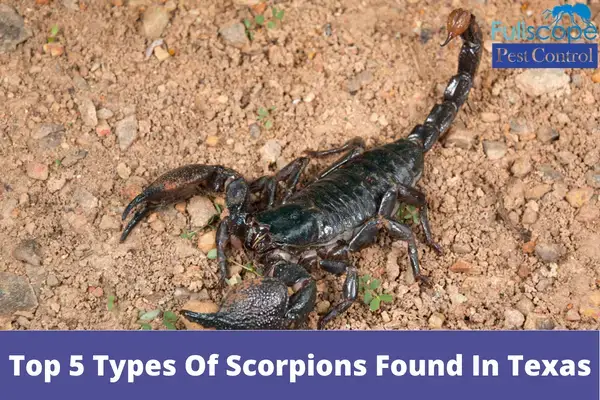
Scorpions are easily distinguished from other insects thanks to their curled stinger and enormous pincers; these characteristics are shared with spiders and other arachnids. Although they tend to stick to drier areas, many scorpions may be found in Texas. Thankfully, Texas is free of the poisonous scorpions that may cause paralysis, cardiac failure, and even death. However, these scorpions can inflict an agonizing sting that may cause a painful reaction. You should be aware of the various species of scorpions that might be seen in Texas, so we’ll go over a few of the most common ones below. 1. Texas Cave Scorpion As its name suggests, the Texas Cave Scorpion is typically found in or near caves. These pests prefer cave-like habitats and can occasionally be discovered in houses located near natural regions. However, they are most commonly seen nesting under wood piles. It has a dark color, and because of this, they can blend in better with their cave environments. Their lengths are between an inch and a half and two inches. Despite the scorpion’s poison, its bite is supposedly no worse than a bee sting and poses no danger. 2. Florida Bark Scorpion The Florida Bark Scorpion is a species that is invasive in Texas. Although it does have venom, it poses little real threat to humans. Even though it poses only a moderate risk to public safety because of its habit of congregating in residential areas, it is something to be concerned about. They preferred hiding places are homes, heaps of wood, and stones. Even if it is found, there is little cause for alarm if it is appropriately managed. These scorpions are famous aquarium inhabitants because of their long captive lifespan. Must Read About How To Remove Spiders and Other Pests 3. Striped Bark Scorpion When it comes to scorpions, the Striped Bark Scorpion is dominant in Texas. Although this scorpion is venomous, the venom only induces a mild reaction in humans. Like other nocturnal scorpions, the Striped Bark Scorpion avoids the heat of the day by hiding throughout the day. This scorpion possesses a waxy cuticle across its whole body to conserve moisture. 4. Lindo Scorpion Western Texas is home to the Lindo Scorpion, also known as the Digging Scorpion. This kind of scorpion lives in burrows in the sands of deserts. Although it takes up to 8 years for this species to achieve full maturity, it has a very long lifespan. The Lindo Scorpion’s diet includes not just insects but also beetles, crickets, and other invertebrates. This scorpion may survive for days without eating, but when it does, it devours its prey with ferocity. 5. Lesser Stripetail Scorpion Lesser Stripetail Scorpion can be found in northern Mexico and Texas. Because of its adaptability, it can make its home at altitudes of over 7,000 feet and in a wide range of environments. As a burrowing species, you’ll have the most luck locating them by shining a dark light under stones and other debris. A sting from a scorpion can cause discomfort, redness, and swelling. Though painful, scorpion stings rarely result in death. The elderly and young children are particularly prone to severe consequences. So don’t hesitate to contact Fullscope Pest Control if you see a scorpion in your home. We’ll help you get rid of the scorpions and prevent them from returning.
How To Remove Spiders And Other Pests From Your Home
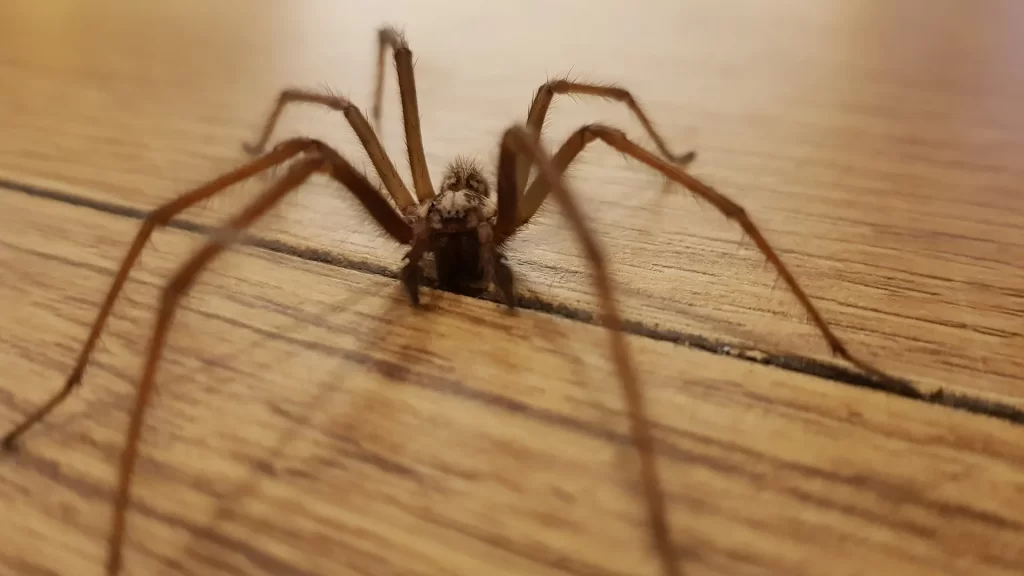
Just like you, bugs prefer a good home for a variety of useful reasons. They’re looking for necessities like food, drink, and a safe shelter. If they discover these in your home, they will likely move in. Ants, cockroaches, earwigs, mosquitoes, flies, house centipedes, and spiders are just a few examples of common household pests. Fleas and ticks are a typical problem for pet owners. Various regions of the country experience different levels of infestation from the same pests at different periods of the year. Getting rid of these pests, especially spiders, are tiresome and challenging. Some spiders are helpful in keeping pests away in your garden. However, they are not welcome in your house. They won’t be able to enter your home if you try these tips: Install Some Traps For The Insects Placing sticky glue traps that are meant to catch and kill spiders in common areas can be beneficial. Over-the-counter spider traps may be purchased at most hardware and gardening supply outlets. Keep them out of the reach of children and pets, and check and replace them frequently. Need to know: Effective Ways to Control Fire Ants Clean Up Your Home Spiders and other pests prefer dark, messy areas. You might try cleaning and vacuuming your storage facilities while you stack, organize, and seal your belongings. Remember to take out the recycling regularly and eliminate any accumulated empty boxes. Pileups of cardboard, boxes, plywood, and firewood are perfect places for spiders to make their homes. Make Use Of Vinegar Vinegar is a great natural spider repellant if you want to get rid of them without killing them or using pesticides. To keep spiders and other bugs away, fill a spray bottle with equal parts white vinegar and water and mist the mixture into the cracks of your home or bedroom. Use this insecticide again in a few days. Close All Openings And Cracks Eliminating spiders is best accomplished by preventing their entry in the first place. Prevent pests from making your house their own by ensuring good sealing. Make sure there is no way for them to get in by checking door and window frames. It could work if you caulked and weather-stripped all the holes and gaps you could find. Keep An Eye On Your Outdoor Leaves, grass, wood heaps, and other insect sanctuaries should be removed outside the house. Keep the shrubs pruned and the grass cut. If you can prevent spiders and other insects outside of your home in the first place, they will have a more challenging time finding their way inside. Remove Webs The spiders won’t be wounded or killed if you break up their webs, and they could choose to go for a new home. When you find a spider web on your porch or in your yard, use a broom or a gloved hand and gently break it apart. Spiders and other pests aren’t something you have to put up with forever. We can help you at Fullscope Pest Control. So, if you are dealing with a spider and bug infestation, don’t hesitate to contact us now for reliable extermination services.
The Most Effective Ways to Control Fire Ants in Your Home and Lawn
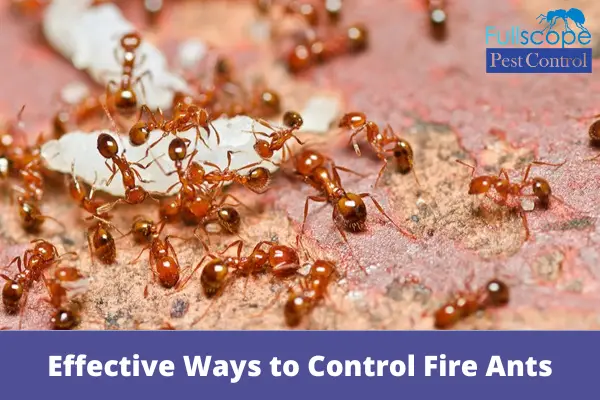
When fire ants colonize an area, they may damage by constructing massive mounds. These ants are not only a danger to property but also to people and animals. When their nest is disturbed, many fire ants emerge to swarm and attack the intruders. The blisters left behind by their stings and bites can be unpleasant and uncomfortable. Learn about methods available for getting rid of them so you can stop them from taking over. Protect your family and pets from dangerous fire ants by customizing your treatment to the specific situation. Treatments For Mounds Mound treatments can be either dry or liquid drench solutions. They are efficient killers and the quickest approach to getting rid of massive, annoying lumps in the wrong spot. When mounds’ pop up’ in between bait applications, it’s helpful to have a solution on hand, and mound treatments do just that. Dry mound treatments, often known as dry powders, are commonly sold to eliminate fire ants. Products used as liquid mound drenches are not often marketed for the sole purpose of controlling fire ants. Many household pesticides may be applied as a liquid drench to eliminate fire ants. Must Read About How To Get Rid Of Carpenter Ants Fire ant mounds can be eliminated quickly by the use of liquid drenches. Spraying an ant mound thoroughly with an efficient pesticide can kill all ants within a few hours. However, making and applying liquid drenches takes a considerable amount of time. Note: Do not disrupt mounds before treatment, regardless of technique. If that happens, the workers may relocate the queen to a more secure location. Fire Ant Baits Granular products called “fire ant baits” comprise food items that fire ants find attractive, with tiny doses of pesticides or insect growth regulators that have a gradual impact. There are various benefits of using baits. They are affordable, easy to apply, safe for pets and animals, and they work! The only drawback to using baits is their relatively slow effectiveness. One secret to the effectiveness of fire ant baits is their delayed release of active ingredients. Adult fire ants can’t consume solid food. For their young, they must return with the bait grains to the mound. The larvae turn this solid food into liquid, distributed from ant to ant throughout the colony. The slow-acting insecticides used in fire ant baits become distributed throughout the territory before they start killing ants. Granular baits eliminate the foraging workers before they can return the bait to the mound. Note: Some baits operate faster than others, but the slower-acting baits tend to give longer control. Broadcast Insecticide Treatments Granular solutions are the broadcast pesticide treatments that homeowners use the most frequently to control fire ants; nevertheless, don’t confuse them with baits. The ants do not gather the granules and return them to the mound since they do not contain food or an attractant. These items kill ants that come in touch with treated soil because they include long-lasting contact insecticides. Spread the granules over the area you wish to protect using the suitable spreader and the recommended amount. Broadcast insecticide treatments often have far higher rates than baits, and many may be sprayed using lawn fertilizer spreaders. Note: Young queens attempting to colonize the region will also be killed when they come into touch with the treated soil, but it will be the foraging workers who will be affected first. Avoid any hassle; Fullscope Pest Control can help you with these types of problems! Contact us now for a fire ant-free environment.
How To Get Rid Of Carpenter Ants?
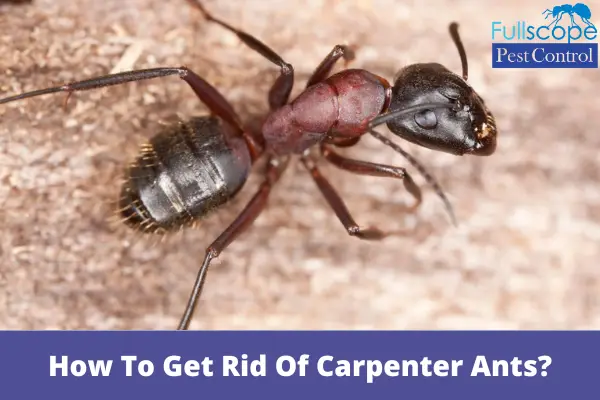
Over 12,000 species of ants exist. They can be in two groups: those that are only bothersome but not harmful and those that can cause severe damage. Both indoor and outdoor spaces may be home to these critters, but carpenter ants are one species in particular that you don’t want to live in your house or garden. Even though they hardly ever bite, carpenter ants are named for how they harm the wood that makes up your home and furniture. They are usually large, measuring between 1/2″ and 5/8″, red-black, all-red, all-black, or all-brown. Like all ant colonies, carpenter ants begin with ants that ransack your house in search of the best places to feed or stay. Once they’ve found a good food source, their mates (the “workers”) continue on the trail and begin building nests in your wall. If you’ve seen those wandering carpenter ants and begin spotting piles of what appear to be wood shavings, Congratulations! You’ve probably found these little explorers. Here’s what to do next if you’re wondering how to get rid of carpenter ants: 1.Create A Trap To Find The Nest Finding the nest and killing the queen are the best ways to eliminate carpenter ants. Carpenter ants commonly nest indoors close to sinks, tubs, and other areas with high moisture levels. In the outdoors, look around tree stumps, firewood piles, and wooden structures that have apparent moisture damage. Pest control professionals advise putting out a trap so you can find the nest simply by observing the ant carry it back to the nest. Since they enjoy sweets, a small amount of jelly or jam may be adequate. You can combine sugar and baking soda, then put the mixture in a bowl. Although the sugar attracts ants, baking soda naturally kills them. Also read about how to keep Honey Bees away form home. 2.Take The Nest Down Apply insecticide dust by drilling in the area where you think the nest maybe once you’ve located it by following the ants. Boric acid should then be “puffed” through the holes using a bulb duster. Additionally, non-toxic borax, boric acid, or diatomaceous earth are options. The procedure might need to be repeated several times. Spray some liquid insecticide on the nest if it is outside. 3.Reduce The Chance Of Nesting Trim dead branches off of trees and remove rotting stumps. Avoid letting tree branches touch the roof of your house. Repair any wood impacted by water on a structure, and store lumber or firewood far from it. 4.Takeout Food Sources And Standing Water By avoiding easily accessible food sources, you can eliminate anything pests need to survive. Many of the problems will be stopped by cleaning or storing food. Keep your gutters clean and in good condition, and level ground near fences or other structures where water may accumulate. Put moisture barriers under porches and other places that are prone to flooding. You can do a load of things to help control carpenter ants in your home, but if this can be too much work or a mess you don’t want to make, call Fullscope Pest Control right away! Our excellent and trustworthy experts are here to help you have a hassle-free home.
How To Keep Honey Bees Away From Your Home?
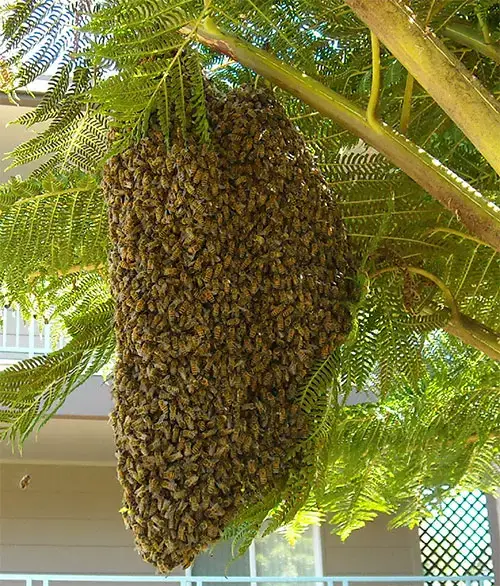
We love to spend time outside! Most of the time, we’re in our garden organizing fun outdoor dinner parties. Bees buzzing around you, however, can ruin the fresh air. Honey bees are undoubtedly some of the most essential insects because they pollinate plants, allowing food to keep growing. Who doesn’t enjoy honey, too? We wouldn’t have honey without honey bees. However, not everybody enjoys bees very much. Even those who enjoy them might still want to learn how to keep bees away. There’s still a widespread fear of bees, and even a tiny sting can be fatal for those allergic to them. There’s good news, though! Simple, natural methods that won’t ultimately harm bees or the environment can be used to keep bees away from your outdoor activities. To keep honey bees from visiting your home, use the following methods below! Avoid Bee-Attracting Flowers And Plants While it may make you sad to think about doing so, you don’t have to completely get rid of all those lovely plants and flowers! Honey bees are drawn to flowers, including honeysuckles, clovers, and herbs like thyme and oregano, so placing them close to potential nesting areas only furthers the attraction for a swarm. If they are in pots, just transfer them out of the way when you are enjoying the outdoors. Make Use Of Bee-Repelling Plants It might be questioning why we will use the bees’ favorite snack as a preventative measure. Bees look for plants that have nectar. So how would plants keep them away? In reality, few plants are effective at keeping bees away; you must know which plants to keep and which to eliminate. Bees can be eliminated by the acidic peels of cucumbers. Strong scents from citronella, eucalyptus and mint all deter bees. Also, learn the knowledge about the relationship between Pests and Old Homes. Spray Vinegar Solution Vinegar spray is an efficient natural method to drive honey bees out of the house. It’s simple to make if you don’t want to use chemical insecticides because of their potential side effects. In the areas of the yard where you frequently see bees, combine equal amounts of water and vinegar in a spray bottle, shake it, and spray the mixture around the nest. Smoke Smoke is the most efficient way to drive honey bees away from your home, where they will stay put and never return. Right beneath the hive, make a smoky fire out of cardboard and dead fuel wood. Stay away from the bees as they are being smoked out. Returning inside is best because they can become aggressive when agitated. Avoid Drawing Bees To Yourself Go outside without smelling or appearing like a flower. Bees might approach to probe if you wear brightly coloured clothing or solid floral scents. You absolutely do not want to do this. Be aware that this all-natural solution might not be as successful if the infestation is severe as other approaches. Although honey bees are beneficial to us, we should be mindful of the risks they pose to our living environments. Don’t freak out when you see a bee; just call Fullscope Pest Control. Our professionals have seen it all, and they have the expertise needed to keep honey bees away from your home. Security, restoration, and prevention are our top priorities
What Is The Established Relationship Between Pests and Older Homes
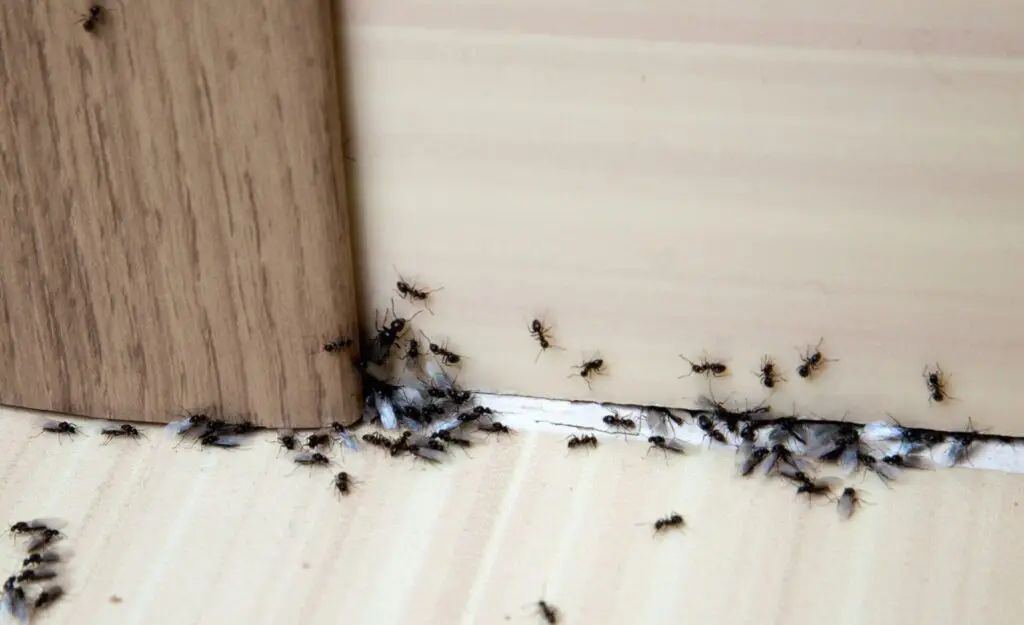
The passing of time has an impact on everyone. The same may be said of a house. Beyond simply external appearance, there are many differences between older homes and newer structures. Indeed, the inside features like floor layouts, plumbing, or electrical wiring are where the most significant distinctions are found. Even more, changes may be seen if you go deeper within. The likelihood of rats and pests infesting an older home is higher than that of a newer one for several reasons. Favorable Surroundings Insects and other pests invade homes, searching for three things: food, moisture, and a nurturing environment. Older homes often have less than optimum ventilation, worn-down barriers, and recently created cracks. As a result, pests can use them to gain access to your home and feast on your belongings. For example, if food is not stored correctly or if food leftovers are left out, these provide a veritable feast for bugs. Similarly, bugs will be attracted to an untidy storage area such as a closet or garage. Lastly, because bugs of all kinds require water, any leaks or excessive condensation will serve as an invitation for unwanted guests. Must read the tips for reducing ants. Building Style The rules for construction have evolved throughout time. The techniques for insulative properties and ventilation in your home have changed, and new materials have become available. These two main distinctions help to explain why an older house could have more bug issues. An older house was likely built differently, using materials that aren’t as sturdy or as energy efficient. Additionally, nothing is permanent. Your home will eventually fall apart no matter how well you make it. Therefore, pests may find easy entry to your property as a result of the aging process. Usage There is a lot of history in older houses. The houses have existed for many years, provided shelter for expanding families, and seen their fair share of renovations, expansions, and paintwork. The effects of all of these factors on a home may be considerable. The existence of an entrance is the most evident reason why pests can enter an older property. Holes or other gaps will allow insects or rodents to penetrate the building; a mouse may fit in an opening the size of a coin. Cracks can also provide access to pests. Aging causes wear and tear in a home. The wood begins to split and develops holes and cracks. There is a lack of a tight seal. Cobblestones crumble into dust as plaster cracks. All of these changes occur as they get older. So definitely, this also invites insects, rats, and other undesirables into your house. For this reason, preventative maintenance can have a significant impact on pest levels. Maintaining a home free of cracks, splits, and holes are the best way to protect against insect invasion. It is good to take precautions to safeguard your older house from pests if you own one. We at Fullscope Pest Control advise a yearly pest treatment to keep out any unwelcome guests. Simply contact us, and we’ll protect your home against pest invasion.