 1500+ reviews

What Do Exterminators Use To Kill Roaches
Roaches have a high level of pesticide tolerance, making them particularly challenging to eradicate. The likelihood that you won’t be able to eliminate them if you try to do it yourself is great, so they’ll reappear within a brief period. If you employ a reputable pest control business, they’ll be sure to use various techniques to carry out a comprehensive elimination. Exterminators often spray roach-killing chemicals, install bait stations, and conduct periodic inspections until the roaches are entirely eradicated. Below are the different methods used by exterminators to remove cockroach infestations. Tent Fumigation Tent fumigation is frequently utilized as a last option when roach infestations become intolerable. Due to their strength and ability to penetrate all surfaces, including cracks and crevices, the chemicals employed in fumigation are effective against cockroaches and their eggs. Also read this blog about How To Stop Flies In Restaurants. Although it can harm people and animals, fumigation is frequently employed as a last resort to combat severe cockroach infestations. You should give yourself a minimum of one to seven days after fumigation before reentering the house. Gel Luring Cockroaches can be successfully eradicated using gel baits. This is why pest control professionals frequently employ them. These gels are supplied in a convenient syringe and utilize several pesticides. Small quantities of the gel may be applied with this syringe any place roaches hide throughout your houses, such as in cracks and crevices. The cockroaches will consume the gel bait and quickly perish. Chemicals Used By Pest Control Companies For Cockroach Elimination Pyrethrin/Pyrethroids Exterminators use Pyrethrin and pyrethroids. They are active chemicals used by licensed pest exterminators for cockroach treatments. This chemical insecticide paralyzes and kills roaches. Chrysanthemum flowers produce pest-repelling Pyrethrin and pyrethroids. Most insecticides include these compounds. They’re harmless, so spraying them on your property won’t hurt anyone. It does not cause asthma or allergies. However, Pyrethrin and pyrethroids are dangerous for pets like fish in the water. Piperonyl Butoxide Exterminators also employ piperonyl butoxide. It is a well-known pesticide compound. Piperonyl butoxide works better with Pyrethrin and other compounds. High exposure to the chemical may damage people and animals. Exterminators take safety steps in your house to avoid harming you. Fipronil Liquid or powder fipronil is a common roach pesticide. It kills or repels bugs by disrupting their nervous systems. Pest control professionals should only use fipronil, a minimally hazardous spray. They must notify you and your family of impacted regions while using it. Boric acid Boric acid is a famous roach killer. As dust, it is spread over the house and puffed into cockroach hiding places. Roaches crawl over these surfaces and get powdered. They’ll eat it while preening. As long as it stays dry, boric acid kills roaches indefinitely. Indoxacarb Indoxacarb kills cockroaches. It is used in gel baits and by pest control experts to kill roaches. It also poisons living roaches when they touch poisoned bug dung and corpses, just like baits. Thus, this pesticide kills three generations of cockroaches. Reach Out to Our Exterminators Now! If roaches are becoming a problem at home, call Fullscope Pest Control for effective and fast services. We promise to keep you and your family secure while working on your home.
How To Stop Flies In The Restaurant
One of the most unwanted visitors in the food service sector is flies. The little pests may ruin a brand’s reputation and give the bar owners and restaurants tremendous issues. A severe hygiene concern arises from a fly infestation. Flies can cause the most harm in restaurants because of the conditions there, which is unfortunate. Numerous illnesses, including cholera, typhoid, and tuberculosis, are known to be spread by flies. Flies consume decomposing organic garbage, then spread diseases from their feet to surfaces used for preparing and consuming human food. Sanitize Your Space Keeping your facility clean is vital to preventing flies. Store foods in airtight containers. New raw food should be refrigerated. Food and sugar attract flies. Thus, food spills must be cleaned up. Trash must be removed regularly. Fly-attracting trash cans should be covered and properly disposed of. Regular washing of the utensils, floors, surfaces, machines, and equipment will ensure extra sanitation around the institution. Dispose of the food that has already expired and keep away all empty bottles that contain sugary drinks. Clean and inspect food preparation and production locations to prevent breeding and feeding. Flies will be drawn even to the smallest amount of liquid or food, so it’s crucial to avoid this by checking for signs of infestation in distribution and storage areas, where spills can occur. Keep Garbage Cans and Drains Clean Controlling and identifying food facility flies like drain and fruit flies requires knowledge of pest categories. Sewage, drains, tanks, and wet compost attract drain flies. Fermented fruit and bread yeast attract fruit flies. Also Know About Does Pest Control Get Rid Of Bees. Cleaning and flushing the drain using drain cleaner prevents slime buildup and fly breeding. Keep containers empty, lids closed and cleaned periodically. It’s essential to bag dumpster contents to reduce dampness. Maintain The Facility Seal major cracks, holes, and pipelines. Keep doors closed and install screens on windows and vents. They circulate air without inviting intruders. Check exterior mortar joints, weather stripping, screens, and sealants—schedule repair maintenance. Flies may infiltrate even the smallest spaces. Flies enter through HVAC systems, drains, water pipelines, electrical conduits, and ventilation gaps. To avoid this, fill gaps and holes around the building with weather-resistant sealant. Cracks and fissures on the floor can gather food, drinks, and other organic debris that attract bugs. Consider Installing A Fan Some flies have less powerful wings. Strong air movement provided by a fan will keep those flies from settling on vegetables, other exposed food items, or surfaces where they could lay eggs or spread contamination. Pay Attention To Moisture Sinks, ice chests, cleaning buckets, floors, and sewers are not only important places for water to collect but also for flies to breed. Keeping moisture and water sources to a minimum reduces fly infestation. Why Is Fly Control Necessary In Restaurants? Fly infestations are common, invasive, and prone to fly feeding on trash and animal feces. They are also very drawn to many different food items and food odors. Collaborate with our skilled pest management team to eliminate the unique threats facing your food processing plant. Here at Fullscope Pest Control, we deliver the most effective pest control service with a plan designed specifically for your requirements and budget. We strictly adhere to established procedures and employ only non-hazardous chemicals.
Does Pest Control Get Rid Of Bees?
It can be very concerning when bees establish a colony on your property. They are incredibly protective of their territory and will aggressively repel intruders if they feel threatened. Before things get out of hand, it might be time to bring in the experts if you see more bee activity in your yard than usual. Tips on Bee Prevention Foraging bees seek out nourishment, which is typically pollen. For instance, honey bees may journey several miles each day in quest of food from the hive. Bees are attracted to sweet foods, although pollen is their main meal. Ice cream, soda, fruit, and juice fall within this category. One strategy to lessen their presence close to your home is to take away these food sources. Removing trash more frequently, keeping trash cans tidy, and avoiding having open food containers outside can all help with this. Also read about How to Control Ticks in a Yard Ensuring all outside wood surfaces are painted or treated is another choice for carpenter bees. Carpenter bees are less likely to tunnel through other materials and prefer unpainted wood. How do Pest Control Services handle Bees? Relying on the nature and intensity of the bee infestation, pest control firms will employ various techniques to eliminate bees from your property. It would benefit if you operated with an expert with bee management experience because not all pest control businesses specialize in this area. Among the techniques used are: Using Pesticides to Spray Spraying pesticides is the next best alternative if there are no practical means to remove the bees from their hive or if it is inaccessible. These substances are sprayed directly onto bee nests, where they rapidly kill the bees. Unfortunately, herbicides hurt other insects like ladybugs and butterflies. Because of this, they were using this strategy as a last resort. Using Smoke Method Experts use this technique to excite the bees and compel them to abandon their colony. The resulting smoke is non-toxic but has a fragrance reminiscent of an onslaught bee hive. Without harming the bees, this method effectively gets rid of them. Dismantling with Fire Pest control companies will set inaccessible bee hives or nests on fire. To effectively extinguish the bees without hurting the pack or igniting anything else, you should employ professionals with the necessary knowledge and experience. Scare Method In contrast to the smoke agitation technique, which uses pheromones as a natural defense, the scare method uses loud noises and bright lights to frighten bees away. Why Is It Necessary To Avoid Bees If you’re allergic, avoid bees. Bees strike when they feel threatened, so getting near a beehive might be dangerous. Bee stings are painful, but they usually heal within a few days. Bee allergies make the problem worse. Anaphylaxis, caused by allergies, can be lethal. Bumblebees and honeybees sting severely. Their poison causes painful, enlarging stings. Even though bees can only sting once, their vast numbers can result in several stings. They might become aggressive when there are no blooms or when it is hot. Immediately contact Fullscope Pest Control if you suspect a bee infestation on your property. Bee removal from your house or property may be done safely because of our experience, expertise, and equipment.
How To Control Ticks In The Yard
Many people experience an immediate, immediate reaction to the sight of a tick. These tiny, bloodsucking pests can be found all over Texas, and many species will gladly make your yard their home. Removing ticks on your property is likely your priority if you’ve discovered them there. Ticks are not only unpleasant to look at, but they can spread diseases such as Lyme disease, Rocky Mountain spotted fever, tularemia, and others. Fortunately, you can effectively eliminate fleas and ticks without turning your lawn into a battleground. Our best advice is collected here in this blog. Landscape Your Way To A Tick-Free Zone You can assist control the tick population by implementing some immediate landscaping changes: Trim the overgrown grass and bushes from the perimeters of your lawns and homes. Wood chips or gravel should be spread in a 3-foot-wide strip around patios and playground equipment. You must keep the grass short and regularly rake the leaves. Be sure to store the wood in a dry, well-organized pile (which discourages rodents that ticks feed on). As much as possible, put decks, patios, and playground equipment in full sun and far from the yard’s edges and trees. Get rid of anything that could provide a hiding spot for ticks, such as old mattresses, furniture, or garbage. Conventional Ways Of Eliminating Ticks Make Use Of A Fogger An instant solution to tick control is a yard fogger. Those approved by the EPA will eliminate fleas, flea eggs, ticks, lice, and mites. For optimal results, search for a fogger with an insecticide explicitly made for ticks since this will work fastest and most efficiently. Also, learn about the Cost of Getting Rid of Pesky Fleas Yard Spray Containing Permethrin Regarding eliminating ticks, permethrin is among the most effective pesticides on the market. Before using, one must familiarize oneself with the product’s label and don appropriate protective gear. The Use Of Acaricides The CDC recommends using acaricides, a class of tick pesticides, to lessen the prevalence of ticks in your yard. While they won’t work alone, they can be helpful in conjunction with other tick control measures. Natural Remedies For Eliminating Ticks Eucalyptus Oil You can eliminate ticks with a single application of eucalyptus oil. Essential oils can be used to repel ticks by combining 30 drops of an oil of your choice with 4 ounces of distilled water in a spray bottle. Shake well before using to spray an area for tick control. Cedar Oil Essential cedar oil can effectively deter ticks without causing any harm. Hikers can apply the spray to their skin or clothing before heading into the wilderness. Diatomaceous Earth It is a powder produced from fossil diatoms and is one of the most efficient ways to get rid of pests organically. DE is harmless to people and animals but can be fatal to insects. Ticks that come into contact with DE will quickly become dehydrated and die. Contact Our Tick Control Experts Now! Call Fullscope Pest Control are knowledgeable about the routines that ticks follow in their natural environments. With this information, we can work to stop infestations before they even start. We also focus on avoiding pests altogether rather than just eliminating them. We Relax and let us handle the awful situation. Get rid of bugs early on to protect your health and happiness!
Flea Extermination: The Cost of Getting Rid of Those Pesky Fleas
Fleas are one of the most annoying pests that a homeowner can deal with. Not only are they a nuisance, but they can also carry diseases and make your pets uncomfortable. If you’re dealing with a flea infestation, you may be wondering how much it will cost to get rid of them. The cost of flea extermination depends on the size of the home or office as well as yard size. Article Outline: – Fleas are a nuisance and can carry diseases – The cost of flea extermination depends on the size of the home or office as well as yard size – Flea extermination can be an unexpected expense, but it is worth it to get rid of the pests – There are a few things you can do to prevent fleas from coming into your yard or home Fleas are not only a nuisance, but they can also carry diseases. They’re small, hard to see, and can jump long distances, making them difficult to get rid of. If you have a flea infestation, you may be wondering how much it will cost to get rid of them. The Cost of Flea Extermination The cost of flea extermination depends on the size of the home or office as well as yard size. Flea extermination can be expensive, but it is worth it to get rid of the pests. Waiting should not be an option, they will not go away on their own. Must Read Flea Extermination: The FullScope Way Flea Extermination cost can be a difficult thing to estimate. The size of the area to be treated, type of flea, and product used all play a role in the price. On average, it will cost between $100 and $500 to have a professional exterminator treat your home for fleas. For smaller areas, such residential yards, the cost is more in line with $145.00, verses acreage. Over the years we have forgotten about fleas because of new flea medication, we may have thought they disappeared, but the facts are that we need to get back to performing regular flea prevention in the spring. Fleas are having a huge resurgence, which is caused not only from our pets but rodents and wildlife that move about in your yards, and in some cases in your attics. There are a few things you can do to prevent fleas from coming into your yard or home: Keep your yard moved and managed, tall grassy areas can be difficult to eliminate fleas Spring preventative treatments are effective for preventing fleas that are introduced from wildlife Keep you pets on flea medication Rodent proof you home and yard Here are a few steps that will help make your flea extermination more successful and help eliminate them from your home and yard quicker: Vacuum all floor service areas prior to treatment and after treatment Prior to lawn treatment mow your lawn Activate sprinklers the morning of treatment Be able to remove pets from yard and home Pick up toys, water/food bowls from home and yard Remove objects that prevent treatment Pick up interior to allow floor surface treatment Conclusion: Flea extermination can be a surprise expense this year, but it is worth it to get rid of the pests. Waiting should not be an option, they will not go away on their own. Be proactive and take measures to prevent fleas from entering your yard or home in the first place. Call your local experts for more information on treating for fleas and also preventative options. Want To Learn More About Fleas? Check Out Our Other Posts Flea Extermination Options for Your Home Flea Extermination: The FullScope Pest Control Way
Flea Extermination: The FullScope Pest Control Way
Fleas are small, dark brown insects that live off the blood of mammals and birds. Fleas are a common nuisance for pet owners and can often be found in homes with pets. Fleas can cause health problems for both humans and animals, so it is important to get rid of them as soon as possible. Fleas go through four stages in their life cycle: egg, larva, pupa, and adult. The entire cycle can take place in as little as two weeks, which makes flea infestations difficult to control. Extermination efforts must target all stages of the flea. Typically, the adults you are seeing are only about 5% of the actual flea population, the rest of the 95% are in the other stages, and these are not affected directly by chemical application. Table of Content: What are fleas? The flea life cycle Why flea extermination is important What is the FullScope Pest Control approach to flea extermination FAQs about flea extermination What are fleas? Fleas are small, wingless insects that feed on the blood of animals. They are a common nuisance pest, and can be found in homes with pets. Fleas can bite humans and transmit diseases, so it is important to get rid of them as soon as possible. Read About Does Pest Control Includes Termites The flea life cycle Fleas go through four stages in their life cycle: egg, larva, pupa, and adult. The entire cycle can take place in as little as two weeks, which makes flea infestations difficult to control. Extermination efforts must target all stages of the flea Why flea extermination is important Flea extermination is important because fleas are not only annoying, but they can also pose a serious health risk to you and your family. Keep yourself healthy and happy by eliminating pests from the get-go. How FullScope Pest Control can help At FullScope Pest Control, we take a personalized approach to each of our clients’ needs. So even if you are searching for residential or commercial flea pest control services, we will tailor our flea extermination methods to fit your specific situation. We understand fleas and their habits, which allows us to not only control the current flea population, but also prevent future flea problems. Don’t wait until it’s too late – call FullScope Pest Control FAQs about flea extermination – What do fleas look like? Adult fleas are small (about 1/8th of an inch long), dark brown insects with flattened bodies. They have long hind legs that they use for jumping, and their bodies are covered in tiny hairs. – Where do fleas live? Fleas typically live in cracks and crevices around the home, such as in baseboards, under furniture, or on pet bedding. In warm weather, they may also live outdoors in grassy areas. – Do fleas bite humans? While fleas can bite humans, they are more likely to bite pets. However, some people may be allergic to flea bites and can Fleas can pose a serious health risk to you and your family. Keep yourself healthy and happy by eliminating pests from the get-go. FullScope Pest Control will quickly and effectively get rid of your flea problem. We understand fleas and their habits, which allows us to not only control the current flea population, but also prevent future flea problems. Contact FullScope Pest Control today for all your flea extermination needs!
Does Pest Control Include Termites?
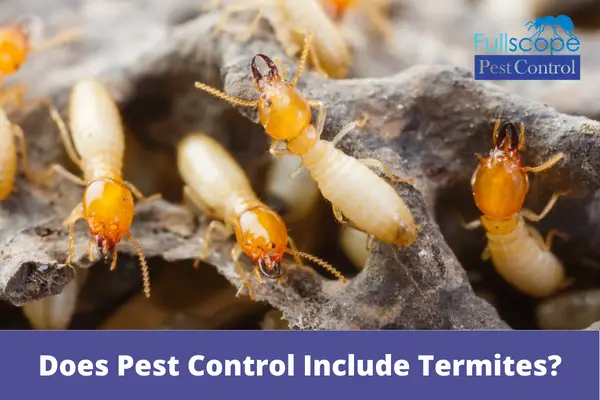
Do you have concerns about termite damage? In such a case, you’re not alone. Property owners pay over $2 billion annually on termite control. Termites wreak billions of dollars in damage to buildings each year. This post will educate you, as a customer, on how to recognize termite damage and what you need to do to keep these pests out of your house. If I Have Termites, How Can I Tell? Keeping an eye out for termites is the first line of defense. Termites seldom emerge from their tunnels in the ground, mud, or food sources. It is not until a swarm appears or damage is discovered during building that most individuals realize they have termites. Following are a few of the methods you may check for termites: Use a flathead screwdriver or similar instrument to poke the exposed wood for hollow places. Recognizing a swarm of ants from a swarm of termites is critical. Ants The wingspan is significantly wider at the front than at the back. The antennas are bent at a 90-degree angle. Termites The span of both wings is nearly equivalent. Its antennae are straight and may droop. Pest Management vs. Termite Treatment Termite control is very different from standard pest control. Most termites are too well protected underground or in mud tubes to be eradicated by conventional pest management methods. Specialized chemicals developed to eliminate an entire termite colony, as opposed to just a few, are necessary for effective termite management. Subterranean termites, for example, construct mud tubes underground and reside in them. Subterranean termites build “mud tubes” out of their excrement to reach their food source because furniture and walls are crafted from wood. Professional solutions must be put to the ground surrounding the foundation to eradicate these Termites properly. When you hire us for termite control, they will dig trenches around the perimeter of your home and drill into the soil under any concrete slabs to eradicate any lingering colonies. Pest Control In most cases, pest control treatments are used externally. They are most effective against insects that can move freely, such as crickets, desert roaches, spiders, ants, earwigs, centipedes, etc. Flying pests that land in treated areas may also be eliminated. Also read How to control the Spider webs in home However, Subterranean Termites in their fortified mud tubes and underground colonies are impenetrable to standard pest management methods. While termite treatment is a separate service, our technicians check for the little buggers throughout every visit. Let’s Stop Termite Infestation Now! There are occasions when pest treatment on your own isn’t possible. A professional certified pest control operator is the one to call for jobs like these. If you need pest control, hire someone who has the appropriate license. That’s when Fullscope Pest Control got your back. When working with us, you’ll always know what’s happening with termites and how to handle the situation effectively. Our blog on recognizing and eliminating termites is provided with the hope that it will be helpful to the reader. With 30 years and more in the business, we are the go-to exterminators in this region. Just dial 832-898-0190 now! Schedule your termite inspection now!
How To Control Spider Webs In Home
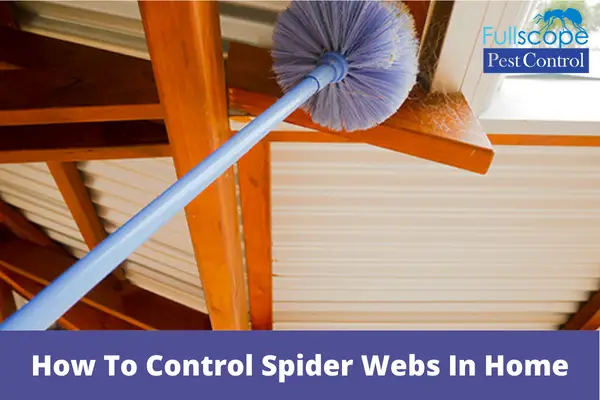
Spiders are often known as “arachnids” and have developed a negative reputation over time. They are connected to spooky places, dangerous bites, and other unpleasant things. However, most spiders are not harmful to humans, except species like brown recluses and black widows. Some are just interesting, like the jumping spider. However, spiders are a natural part of life and help control garden pests. But, they are not permitted in your house. They can stay out with the help of these advice and home treatments! How To Keep Spiders And Webs Out Of Your House? 1.Seal wall cracks Spiders can be avoided by preventing their entry. To do this, you must know how bugs come in. Spiders enter your homes through cracks in doors and windows. Caulk windows and door cracks to keep spiders out. Caulk outdoor wires and cables. Wire mesh vents and chimneys. Most likely, they’ll stay outside. 2. De-clutter When cleaning spider webs, cleanliness is crucial. Like plants and leaves outside, clutter inside helps spiders hide. Keep tidying newspapers, unwashed clothes, and other clutter-prone items. They can’t hide. When seen, spiders can be evicted. 3. Lights out Spiders typically invade your home on purpose in search of food. Other bugs are their preferred meal. Since these insects are most drawn to lights, be careful to turn out all outdoor lights at a decent hour. Use yellow-colored sodium vapor bulbs or opaque filters for indoor lighting. This will deter most insects, which will also prevent spiders. Must Read Can Pest Control Get Rid of Roaches 4. Regularly dust The traditional method is the finest when considering how to get rid of spider webs. Regularly vacuum and tidy your house. This prevents a spider from weaving a web. As a result, their hunting methods are reduced, which prevents them from remaining in your home. If you remove their capacity to capture and kill their prey, they will seek new hunting grounds. Regular dusting not only keeps spiderwebs away but also ensures that your home is free of other things that attract insects, keeping the prey away. 5. Maintain Cleaning Schedule Always stick to a predetermined cleaning plan. If you dust or vacuum your home regularly, whether or not you are aware of it, you will eliminate spiders. The importance of vacuuming cannot be overstated because it removes ugly spider webs and eliminates spider eggs and young spiders. 6. Hire A Professional Pests Exterminator It is sometimes best to seek expert assistance. It might be time to engage an exterminator to hunt out and eliminate all of the creepy crawlies in your home if the infestation grows to be more than two or three spiders. Although spiders cannot harm you, it is usually accepted that only a few species, such as the tarantula or black widow spider, are generally harmful. Because they pursue and destroy other bugs that are carriers of deadly diseases, spiders, like lizards, occasionally become a blessing in disguise. If the spiders are not fatal, or if there are few, think about using a non-lethal method to eliminate them in your home. If you are taking measures to prevent spider webs but still have to get rid of arachnids more often than you would like, it is time to contact Fullscope Pest Control. Our trained personnel can assist you in developing an individual preventative strategy.
Can Pest Control Get Rid Of Roaches?
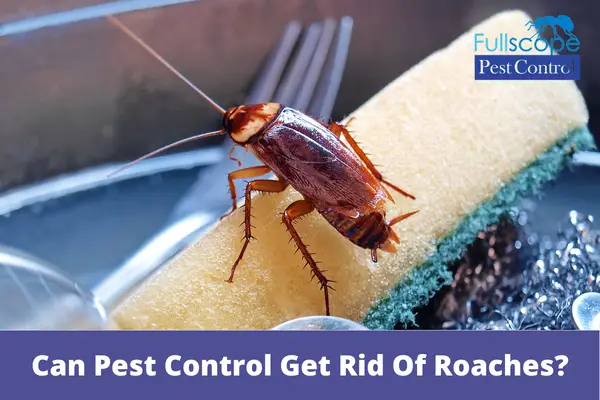
Cockroaches are indeed one of the world’s most common household pests. They are also one of the most robust insects and can colonize almost any place. Understanding roaches’ fundamentals will make assisting in their eradication easier. To make matters worse, roaches have been found to contain diseases that cause food poisoning and diarrhea, as well as induce asthma, allergies, and skin rashes. Cockroaches can emit a nasty odor in huge quantities—all the more incentive to get rid of cockroaches before they become an infestation. Fullscope Pest Control can safely and effectively control the infestation and keep the pests from returning. We employ the most recent and advanced pest control treatment solutions available. These include bait and poison solutions that attract and kill the roaches that are already in your home. What Draws Cockroaches To My House? Many people are astonished to see cockroaches in their tidy homes. In actuality, your home does not need to be filthy to attract these pests. Cockroaches may be enticed to your home for a number of reasons, including: Cockroaches are attracted to moisture, which can be provided via dripping faucets and other open water sources. Cockroaches will find nourishment in your house. It’s not even necessary to place food out in the open. These bugs can feast on wallpaper, cardboard, leather, and soap in addition to what you have in your pantry. Cockroaches are attracted to all types of refuse. Standing water, compost, woodpiles, and garbage cans near your home may be a homing beacon for hungry and thirsty cockroaches. Even if you follow all precautions, cockroaches may enter your home via your neighbors’ property, especially if you share an adjoining wall, as in an apartment complex, condo, or row home. German cockroaches are commonly introduced into standalone homes with other products such as groceries, new clothing, furniture, or other stuff. That is why professional pest control is always your best bet for cockroach management. Cockroach Prevention Tips Although you can help reduce the likelihood of a cockroach infestation by implementing appropriate cleaning measures, simple cleaning and keeping a watchful eye cannot guarantee that cockroaches will not infest. Here are some approaches to help you avoid roaches: Keep the house clean and free of food scraps. Store food properly in airtight containers to prevent them from attracting cockroaches. Remove all items from under sinks, behind appliances, and in cabinets to eliminate potential hiding spots for roaches. Routinely check for cracks around doors and windows, as well as any other signs of water leaks that may be contributing to a cockroach infestation. Get rid of standing water around the house and keep gutters clean. Must Read About: Cost Of Pest Control for Ants What’s Next? If you cannot control your roaches on your own, contact a pest control professional. At Fullscope Pest Control, we offer a proven and effective approach to getting rid of cockroaches that provides you with peace of mind. We offer a personalized approach to eradicating the cockroaches in your home. Contact us for more information!
How Much Does Pest Control Cost For Ants
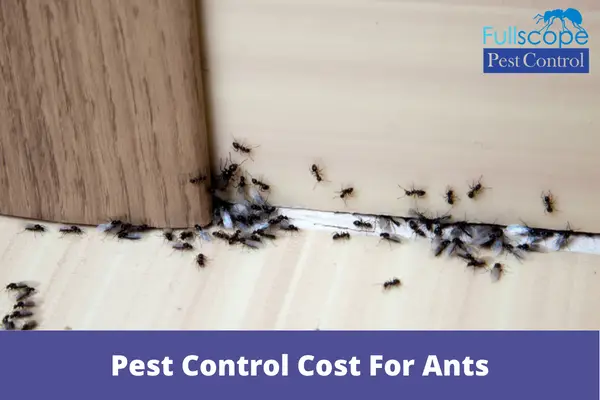
At some time, every homeowner has the uncomfortable feeling of seeing a little ant crawl over their kitchen or bathroom surfaces. The presence of a single ant isn’t usually a cause for concern, but when there are dozens or even hundreds, it’s time to call in the experts. An ant exterminator may use various techniques to eradicate your ant problem from the nest to the colony. So the question is, how much does it cost you to get those pesky ants removed? The cost of hiring an ant exterminator can vary greatly depending on multiple factors. Ant Classification When it comes to ant control, one is not the same at all. It may cost more to eliminate fire ant mounds around your home than it would remove carpenter ants that invade their way inside your walls. See the cost breakdown to eradicate some ant species below. Carpenter Ants ($250–$500) Carpenter ants burrow through the wood for their nests, as their common name may imply. Carpenter ants, in contrast to termites, do not eat wood; instead, they spit it out of their tunnels as sawdust. Fire Ants ($100–$300) Fire ants, with their distinctive reddish-brown coloring and severe sting, are typical in backyards, parks, and playgrounds. These unwanted guests are drawn to your home by the warm temperatures and the food or garbage scraps you’ve left lying around. Pharaoh Ants ($200–$250) Pharaoh ants can be anything from tan to brown and are notorious for eating almost anything. These pests invade your house in search of any food source, from sugary snacks to leftover meat. The Size Of Your House Pricing for ant extermination may vary depending on your property’s square footage and the pest control company you work with. An undeniable fact is that the value of a property will increase proportionally with its size. One-time treatment charges for a 2,000-square-foot home may be $160, while a 3,500-square-foot property would cost $200. Infestation Severity The quantity and intensity of the infestation is another aspect that might increase or decrease your costs. The price will be lower if the ant problem is contained to a limited area of your property. The expense of pest management may rise if you have a big ant problem that requires many visits. Also, know about how to take control of flies in restaurant Quantity Of Treatments One treatment may not be enough to eliminate your ant infestation. Plan on repeated ant eradication treatments if the infestation is extensive and if the tiny pests keep coming back. It costs between $800 and $1,400 for four treatments each year to deter returning ants. General Cost If you need a one-time treatment for your ant problem, you may expect to pay around $150 to employ an exterminator. The price of an ant treatment can range from $80 up to $500. Various variables, like the square footage of your property and the number of treatments necessary, will determine the final cost. Ants are distinguished by their extensive underground anthills and widespread colonies. It’s easy to get rid of an ant or two from your kitchen counter or window sill, but if you have an infestation, you might want to get help. Here at Fullscope Pest Control, we will determine what kind of ant infestation you have in or around your house before developing a pest management strategy to eliminate them. Call us to get rid of ants professionally so they won’t return.