 1500+ reviews

The Southern Chinch Bug is a Yard Pest You Need to Know About
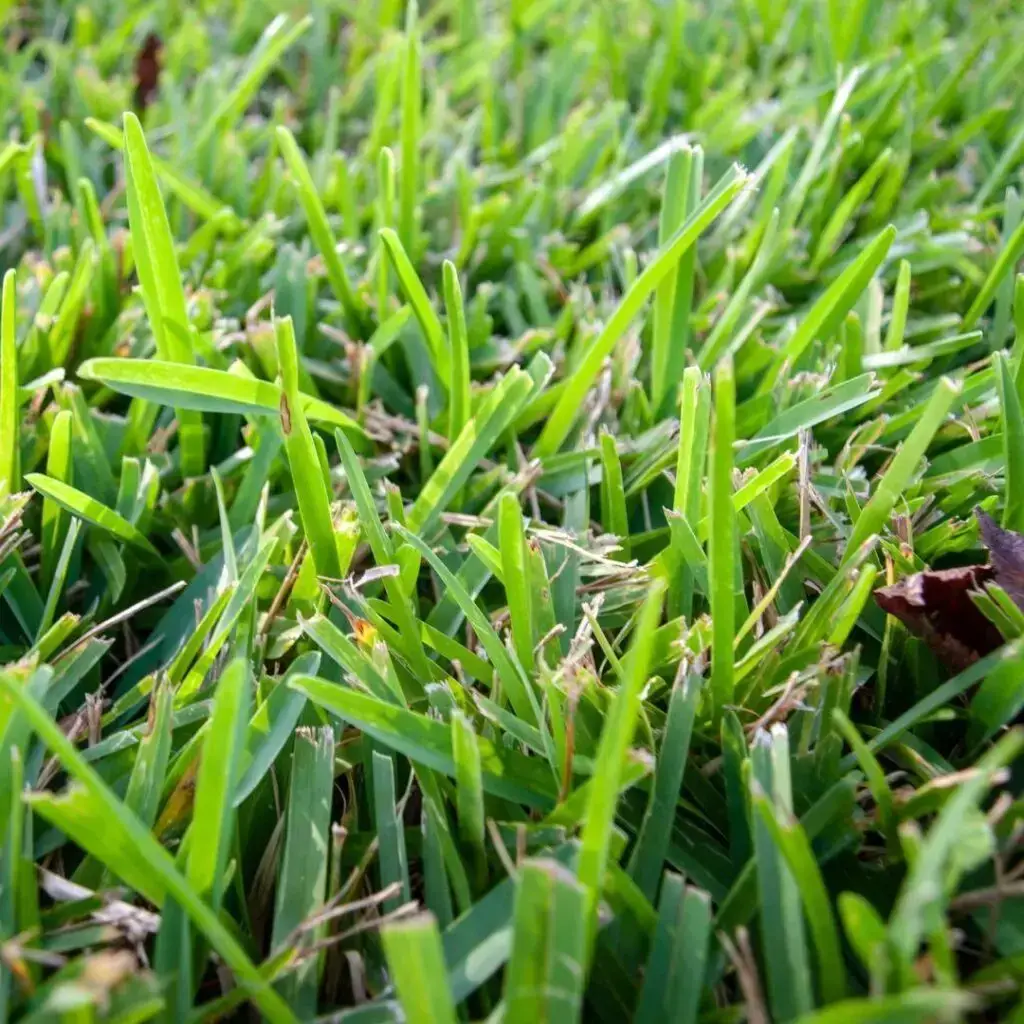
♫ “You’re a mean one … Mr. Chinch …” ♫ Most Southerners have most likely heard of the dreaded Chinch bug (Blissus insularis Barbar). This insect pest thrives in turfgrass, especially St. Augustine grass. Bermuda grass, Centipede grass, and Zoysia grass are also attacked by southern Chinch bugs. They feed on and harm the grass using their piercing and sucking mouthparts. This tiny yard pest is responsible for killing more than a million lawns and causing millions of dollars of damage each year. Keep reading to learn more about these troublesome pests and what you can do to get rid of them. What Do Chinch Bugs Look Like? Chinch bugs are very tiny, and difficult-to-spot insects that cause lawn damage (the damage they cause is often confused with the stress caused by drought). When young, these lawn bugs are red in color, but later turn black in color with a white spot on their backs and white wings as they mature into adults (the white spot on their backs is in the shape of a distinguishable “X”) Adult Chinch bugs can grow to be up to a quarter-inch in length. They love to feast on the leaves of grass, which can quickly kill a whole lawn. What Attracts Chinch Bugs? If you’re curious to know what attracts Chinch bugs, well . . . if you have a lawn, that is probably enough! Chinch bugs are particularly attracted to lawns that are dry, that receive plenty of sunlight, and that have a lot of thatch (thatch is a layer of dead grass and roots that can build up on a lawn over time). It’s critical to keep your lawn free from thatch as much as possible so that Chinch bugs don’t have places to hide. Sunny areas of your lawn or usually those most affected by Chinch bugs, which is one of the reasons that drought is often blamed for Chinch bug damage to lawns. Watering your lawn deeply and evenly is also a good preventive measure to help keep your lawn free of Chinch bugs. Irrigate and fertilize your lawn as needed to help keep it healthy and happy. How Serious a Problem Are Chinch Bugs? Most lawns, especially those in southern U.S. states, see some degree or other of Chinch bug activity–small Chinch bug populations are no cause for alarm. However, in large populations, these pests can destroy significant, healthy patches of lawn. Chinch bug feeding activity causes grass to turn yellow and to die. Chinch bugs can even damage plants and trees in severe enough infestations. Must Read: WHAT DO SPIDERS EAT AND WHY SHOULD YOU CARE? How Do Chinch Bugs Damage Plants? As these bugs feed, they inject a toxin that blocks the plant’s ability to extract moisture and nutrients from the soil. Wilting and plant tissue damage are the result, which eventually leads to the death of patches of lawn. What Is The Most Destructive Type of Chinch Bug? The most destructive Chinch bug is the species known as Blissus. In addition to damaging various kinds of turf grasses, these Chinch bugs may damage crops like corn, wheat, and oats. How Do I Get Rid of Chinch Bugs? If you already have Chinch bugs in your yard, there are a few things you can do to get rid of them. First: treat your lawn with an insecticide. Be sure to follow the instructions on the label carefully so that you don’t harm your lawn or any other helpful insects in your yard. You may need to treat your lawn multiple times before the Chinch bugs are completely gone. Another thing you can do is to change the way you mow your lawn. Instead of mowing at the setting lowest to the ground, try raising the height of your mower blade. This can help prevent Chinch bugs from laying their eggs in your grass. Though Chinch bugs can be a huge pain, there are things you can do to help prevent and get rid of them. Treat your lawn regularly, keep it watered and mowed at a setting higher up from the ground to help prevent these bugs from taking over your yard! Calling a professional lawn service is always much more cost effective and a timesaver in the long run if you feel you are overwhelmed with bugs and other pests that might be damaging your beautiful lawn. This can help you deter expensive damage by getting a handle on things early on. Call our Texas FullScope lawn pest control experts today at 832-898-0190 for a consultation. Or email us at info@fullscopepestcontrol.com. We can quickly help you get your lawn pest problem under control, as well as other expensive problems in your home or business.
What Do Spiders Eat and Why Should You Care?
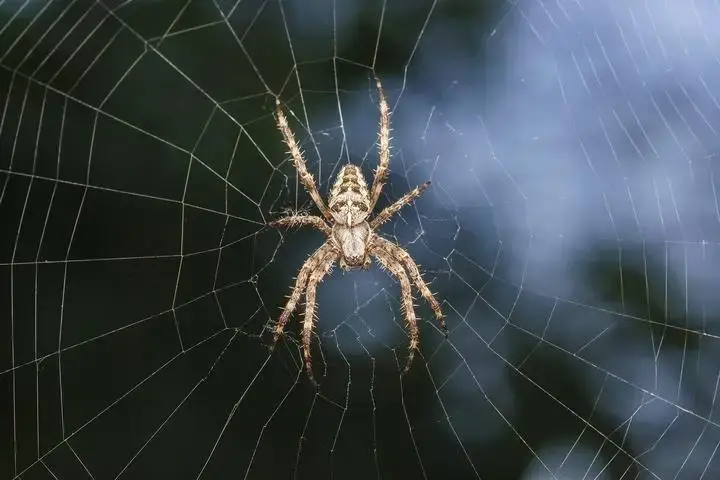
Most people think of spiders as scary, creepy critters that are best left alone. While it’s true that some spiders can be dangerous, the vast majority of them are actually harmless to humans. In fact, spiders can be beneficial to have around because they help control the population of other pests in your home, like flies and mosquitoes. So, what do these helpful little creatures eat? Spiders are predators and most of them feast on insects and other small arthropods. Some spiders, however, are known to eat larger prey, including lizards, frogs, birds, and bats. In fact, the Goliath birdeater spider, which is native to parts of South America, is the largest spider in the world and is capable of eating animals as large as rabbits! Most spiders build webs to help them capture their meals, these spiders will commonly consume flying insects. Couple of examples: mosquitoes, flies, moths and even butterflies. The web serves as a sort of net that catches the prey while it’s struggling to escape. Once the prey is ensnared, the spider will quickly move in to deliver a fatal bite with its venomous fangs. This venom paralyzes the prey so that it can’t struggle or fight back while the spider drinks its fill. After the spider is done feeding, it will discard the empty husk of its meal. Recommended Read: 5 Tips to Pest Proof Your Backyard While most people are grossed out by the idea of spiders drinking the blood of their prey, it’s important to remember that these creatures play an important role in our ecosystem. Spiders help keep populations of harmful insects in check, which in turn helps to protect our food sources from being destroyed by pests. You might not want them inside your home, but they are beneficial out in our landscape. Conclusion Spiders might not be everyone’s favorite creature but there’s no denying that they play an important role in our ecosystem. These eight-legged predators help keep populations of harmful insects in check, which protects our food sources from being destroyed by pests. So next time you see a spider in your home, try to appreciate it for the hard work it’s doing—even if it is a little creepy!
Don’t Let Cutworms Ruin Your Perfect Lawn!
Cutworm season is upon us! A cutworm is a type of caterpillar that feeds on plants. Cutworms are destructive pests that can ruin your perfect lawn in just a few short days. The best way to prevent cutworms is to be proactive and treat your lawn with an insecticide before they have a chance to take hold. Here’s what you need to know about cutworms and how to keep them away from your beautiful lawn. What are Cutworms? As we mentioned, cutworms are the caterpillars of several different types of moths, and among them are the black cutworm, army cutworm, greasy cutworm, and clay-backed cutworm, to name a few. Various species of cutworm are found in various areas throughout North America. These caterpillars vary in color, but most are some shade of brown or black. While the adult moths don’t do any damage to plants themselves, their larvae can wreak havoc on your lawn and cause extensive damage. They get their name from their habit of cutting off young plants at the base of the stem, which ultimately kills the plant. Cutworms typically emerge from the soil in late spring or early summer when temperatures start to rise. They spend the next few weeks feeding on grasses and other plants before pupating into adults. A single moth can lay up to 500 eggs at a time, so as you can probably imagine, it doesn’t take long for a small cutworm problem to become a huge one! Symptoms of Cutworm Damage The first sign of cutworm damage usually comes in the form of patches of dead or dying grass in areas of your lawn. Have you seen brown patches that seem to have appeared overnight? Chances are that you have a cutworm problem. You may also notice holes in the ground where the cutworms have burrowed underground to pupate. To confirm that cutworms are responsible for the damage, look for caterpillars on the affected plants or in the area around the dead patches. Must Read:DO IT YOURSELF RODENT CONTROL Preventing and Treating Cutworms The best way to deal with a cutworm infestation is to prevent it from happening in the first place. Keep your lawn healthy by mowing regularly and watering deeply but not too frequently. A thick, healthy lawn is less susceptible to damage from pests like cutworms. You can also reduce the risk of infestation by removing debris and weeds from your property where moths might lay their eggs. If you already have a problem with cutworms, treating your lawn with an insecticide is the best way to get rid of them. Be sure to choose an insecticide that is specifically labeled for use against caterpillars like cutworms. Apply the product according to the instructions on the label, taking care not to exceed the recommended quantity or frequency of application. With proper treatment, you can get rid of cutworms and go back to enjoying your beautiful, healthy lawn all through grilling season! Despite your best lawn care efforts, at times, pests and lawn diseases may just become overwhelming. Calling a professional lawn service is always much more cost effective and a timesaver in the long run if you feel you are overwhelmed with cutworms and other pests that might be damaging your beautiful yard. This can help you deter expensive damage by getting a handle on things early on. Call our Texas FullScope lawn pest control experts today at 832-898-0190 for a consultation. Or email us at info@fullscopepestcontrol.com. We can quickly help you get your lawn pest problem under control, as well as other expensive pest problems in your home or business.
Do It Yourself Rodent Control
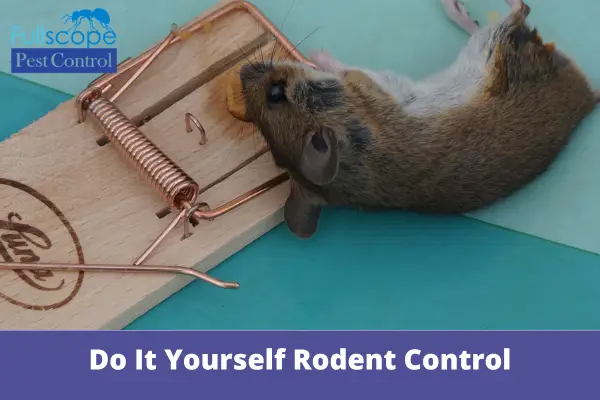
Household rodents are a significant nuisance because of the damage they may do, the infections they can spread, and the messes they leave behind. While there are pest control companies offering rodent control services, many people also want to take the initiative themselves, especially when dealing with minor issues. Here, we’ll delve into the topic of do-it-yourself rat management and arm you with the information you need to rid your home of its unwanted visitors. Understanding the Enemy Before diving into rodent control, it’s essential to understand the nature of your intruders: Life Cycle & Habits: Knowing rats’ life cycles can help target them more effectively. For example, a rat’s life span is around one year, and can produce multiple litters. Diet: Rodents, especially rats, are opportunistic feeders. They’ll munch on whatever’s available, from food scraps to your home’s insulation. Must Read: TAKE-ALL ROOT ROT IN LAWNS: WHAT YOU NEED TO KNOW Preventive Measures Before you resort to more aggressive measures, consider these preventive actions: Seal Entry Points: Identify and seal any cracks or holes in your home’s foundation, walls, and roofing. Sanitation: Regularly clean your home, ensuring no food is left exposed. Use sealed containers for storage and discard trash properly. DIY Rodent Control Techniques There are various methods you can employ to address the problem: Traps Traps are a time-tested method of rat and mouse control. You can catch them with a glue trap, a snap trap, or even a live trap. Place them around walls and entryways where you’ve seen signs of rodent activity. Check traps frequently and properly dispose of any rodents caught. Also read about getting rid of Rats Natural Deterrents Rodents have sensitive noses and avoid a wide variety of odors. Used cat litter, peppermint oil, and ammonia are all effective deterrents. Put sachets or cotton balls soaked in the repellents in a visible location close to doors and windows. Ultrasonic Devices These gadgets make high-pitched noises that are annoying to rats. Some homes have reported success with these gadgets. However, the extent of that achievement is debatable. It’s important to remember that they might only sometimes be applicable. Pet Predators Animal predators like cats and dogs can help keep rodent populations in check. The sheer presence of these animals’ scents may deter rodents. Homemade Baits If appropriately utilized, DIY rodent baits can be successful. You can lure rats and mice into traps with peanut butter, cheese, or dried fruits. However, it would help if you took care when using poison baits to ensure that pets or children do not accidentally ingest them. When to Seek Rodents Control Services Sometimes, the infestation can get too large or challenging for DIY methods. If you feel overwhelmed or if the infestation persists, feel free to seek professional rodent control services to ensure they thoroughly address the problem.At Fullscope Pest Control, we pride ourselves on being the go-to experts for rodent problems. With a team of trained professionals, state-of-the-art equipment, and a deep understanding of rodent behavior, we ensure a rodent-free environment for your home. Combining our knowledge with your initial DIY efforts, we promise comprehensive solutions tailored to your needs. Remember, your family’s safety is paramount, and sometimes, DIY just won’t cut it—trust Fullscope, where expertise meets dedication. Let us help you reclaim your home today!
Take-all Root Rot in Lawns: What You Need to Know
If you’ve noticed patches of yellowing or browning grass in your lawn, it could be caused by a plant disease known as Take-all Root Rot. This fungal disease affects the roots of grasses, causing them to rot and die. In this blog post, we’ll explain what Take-all Root Rot is, how it hurts your lawn, and what you can do to prevent and treat it. What is Take-All Root Rot? Take-all Root Rot is a fungal disease that attacks the roots of grasses, causing them to rot and die. The fungus spreads through the soil and can survive dormant for years without any host plants. Take-all Root Rot is most active in cool, wet weather and cannot tolerate direct sunlight. This fungus is common for areas with high rainfall or irrigation levels. The disease is most frequently found in yards, golf courses, and parks. Symptoms of Take-All Root Rot The most obvious symptom of Take-all Root Rot would be patches of yellow grass blades which will ultimately go brown and wilt. These patches will appear wet and oily as caused by the presence of the fungus. The result is thinning turf, leaving behind brown, irregular looking patches of lawn that range in size between one foot to as much as 20 feet in diameter. The patches will gradually grow until it completely kills off the affected area. Take-all Root Rot can also affect the crowns and stems of grasses, causing them to turn brown and collapse. Once established, Take-all Root Rot is difficult to control and manage, as it can remain dormant for several years with no host plants. Must Read: DON’T LET SOD WEBWORMS RUIN YOUR LAWN THIS SUMMER! Preventing & Treating Take-All Root Rot There are some things you can do to help prevent Take-all Root Rot from invading your lawn. First, make sure that your lawn is properly drained at the surface and below the surface so that water does not have the chance to pool for too long. Second, avoid overwatering your lawn–water on a schedule, ideally early every morning so your lawn has a chance to dry out during the day. You may want to take a few days off from watering to allow your lawn to dry out. Practice good cultural management practices such as mowing your lawn at the proper height and fertilizing regularly (follow the fertilizer container’s directions). Finally, if you do notice patches of yellowing or browning grass, remove affected areas immediately to prevent the spread of the disease. Take-all Root Rot is aptly named, as the fungal disease can cause extensive damage to your lawn if left untreated. By following the tips outlined in this blog post, you can help keep your lawn healthy and free of Take-all Root Rot all season long! Despite your best lawn care efforts, at times, pests and lawn diseases may just become overwhelming. Calling a professional lawn service is always much more cost effective and a timesaver in the long run if you feel you are overwhelmed with Take-all Root Rot and other lawn diseases and pests that might be damaging your beautiful yard. This can help you deter expensive damage by getting a handle on things early on. Call our Texas FullScope lawn pest control experts today at 832-898-0190 for a consultation. Or email us at info@fullscopepestcontrol.com. We can quickly help you get your Take-all Root Rot problem under control, as well as other expensive pest problems in your home or business.
Don’t Let Sod Webworms Ruin Your Lawn This Summer!
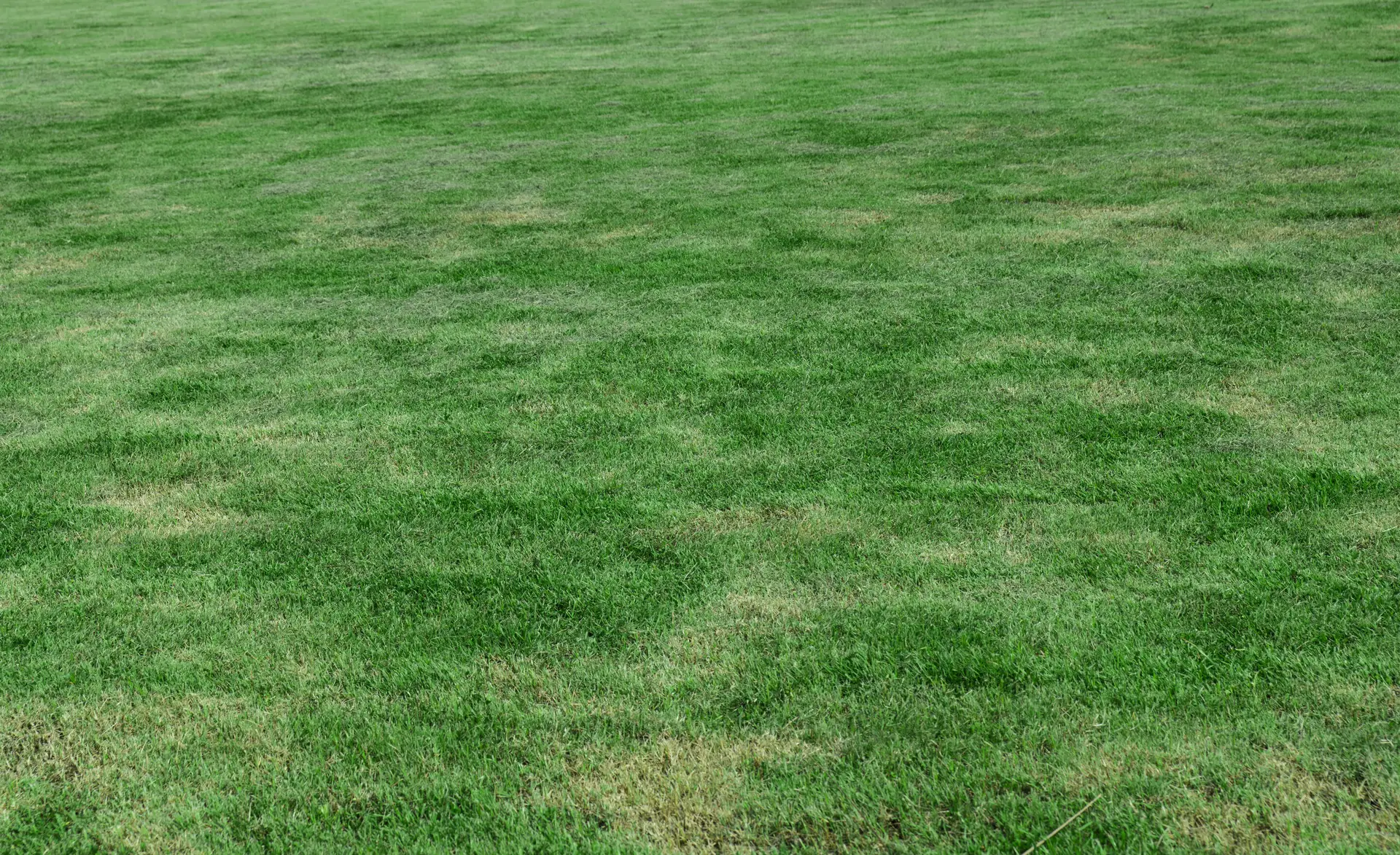
Hot summer days are the perfect time to relax on the lawn with a good book or have a picnic with family and friends. But if you notice your lawn starting to turn brown and patchy, it may be due to sod webworms. These pests can kill an entire lawn in a matter of days, especially when the weather turns hot. In this blog post, we’ll tell you everything you need to know about sod webworms, what to watch for, and how to get rid of them. What are Sod Webworms? Sod webworms are small caterpillars that feast on grass, causing damage to lawns. The larvae are dark colored and have stripes running down their backs. They range in size from 1/2 inch to 1 inch long. Sod webworms are native to the United States and have a lifespan of about one year. These pests are known for being a nuisance on home lawns as well as cemeteries, golf course greens, and other areas exposed to plentiful sunlight. Sod webworms are named for the web-lined tunnels in which they hide during the daytime. Adult moths (grass moths or lawn moths) are white or tan with snout-like projections coming out of their heads and wings that wrap around their bodies. If you ever see moths flying just above the grass on your lawn in the evenings, there’s a good chance that you have (or will have) webworms feeding on and damaging your lawn. Must Read: THE TAWNY CRAZY ANT IS TAKING OVER TEXAS LAWNS – WHAT YOU NEED TO KNOW Are There Benefits to Having Sod Webworms on Your Lawn? Interestingly enough, sod webworms can actually be beneficial for your lawn! The larvae that feed on blades of your grass fertilize the lawn and help aerate the soil. This can actually result in a lusher, healthier lawn overall, though the brown, dead patches are something you’ll likely want to address. In other words, these probably aren’t pests you’ll want to keep around! How Do You Get Rid of Sod Webworms? Before a sod webworm infestation kills off your lawn entirely, there are a few things you can do to get rid of them. You can manually remove them by picking them off the grass or using a garden hose to blast them away. You can also try using natural predators like nematodes or ladybugs. Another option is to use an organic insecticide like neem oil or diatomaceous earth. Just remember, you don’t have to put up with sod webworms ruining your lawn this summer! Despite your best lawn care efforts, at times, pests and lawn diseases may just become overwhelming. Calling a professional lawn service is always much more cost effective and a timesaver in the long run if you feel you are overwhelmed with sod webworms and other pests that might be damaging your beautiful yard. This can help you deter expensive damage by getting a handle on things early on. Call our Texas FullScope lawn pest control experts today at 832-898-0190 for a consultation. Or email us at info@fullscopepestcontrol.com. We can quickly help you get your lawn pest problem under control, as well as other expensive pest problems in your home or business.
The Tawny Crazy Ant is Taking Over Texas Lawns – What You Need to Know
If you live in Texas, there’s a good chance you’ve heard of the Tawny Crazy ant. Also known as the Hairy Crazy ant, this invasive species has become a major problem for homeowners across the state. Why? Because they’re taking over lawns! In this blog post, we’ll explain what you need to know about Tawny Crazy ants and how to get rid of them. What are Tawny Crazy Ants? Tawny Crazy ants are small, reddish-brown ants that are native to South America. They get their name from their erratic, jerky, “crazy” movement patterns. These ants were first discovered in the United States in 2002, and they’ve been wreaking havoc on Texas lawns ever since. How Do Tawny Crazy Ants Invade Lawns? Tawny Crazy ants typically invade lawns in one of two ways: By hitching a ride on potted plants or landscaping materials that have been shipped from infested areas. By entering homes through cracks and crevices in the foundation. Once inside, they spread to other parts of the property, including your yard. Must Read: BROWN PATCH IN LAWNS – CAUSES, TREATMENTS, AND PREVENTION What Do Tawny Crazy Ants Eat? Tawny Crazy ants are opportunistic feeders, which means they’ll eat just about anything they can find. In lawns, they’re attracted to soft-bodied insects like aphids and white grubs. However, in large enough groups, they will also eat other small creatures like lizards and young birds. Plus, they have a sweet tooth! These ants are drawn to sugary substances like honeydew (a type of sap produced by aphids) and fruits that have fallen from trees. Are Tawny Crazy Ants Harmful? Yes, Tawny Crazy ants can be harmful – both to your lawn and to your family. These ants are known for causing extensive damage to landscapes due to their foraging habits. Plus, their bites are painful and can cause discomfort and irritation for humans and pets alike. If you have young children or pets who play in your yard, it’s especially important to get rid of Tawny Crazy ants as quickly as possible. How Can I Get Rid Of Tawny Crazy Ants? Tawny Crazy ants are a major problem for homeowners all over Texas – but there is hope! In smaller numbers, you can apply an insecticide designed to kill Tawny Crazy ants. The key is to find the nest/mound and thoroughly apply insecticide. For infestations, the best way to get rid of Tawny Crazy ants is to contact a pest control professional who specializes in these types of pests. At FullScope Pest Control, we have years of experience dealing with these pesky critters! We’ll work with you to develop a customized treatment plan that will effectively eliminate Tawny Crazy ants from your property – we’ll get your yard back to normal in no time. Guaranteed! Despite your best lawn care efforts, at times, pests and lawn diseases may just become overwhelming. Calling a professional lawn service is always much more cost effective and a timesaver in the long run if you feel you are overwhelmed with Tawny Crazy ants and other pests that might be damaging your beautiful yard. This can help you deter expensive damage by getting a handle on things early on. Call our Texas FullScope lawn pest control experts today at 832-898-0190 for a consultation. Or email us at info@fullscopepestcontrol.com. We can quickly help you get your lawn’s Tawny Crazy ant problem under control, as well as other expensive pest problems in your home or business.
Brown Patch in Lawns – Causes, Treatments, and Prevention
There is a specific fungus known as “Brown Patch” fungus, which is also known as “large patch disease.” is a lawn disease caused by a single species of fungus, Rhizoctonia. Most often this disease occurs in mid-to-late summer during hot and humid stretches, and these conditions make things perfect for this fungus to thrive. Generally speaking, brown patches in your lawn can be caused by a variety of factors, including insects, disease, fungi, and even stress. In order to get rid of brown patches in your lawn, you first need to identify the cause. Once you know the cause, you can then treat the brown patches and take steps to prevent them from returning in the future. But let’s get back to Brown Patch (Rhizoctonia). Causes of Brown Patch in Lawns There are a number of different things that can cause brown patches in your lawn. One of the most common causes is a fungal disease known as “Brown Patch.” Brown Patch specifically is caused by stretches of high heat and humidity, and this fungus can harm both cool-season and warm-season grasses. Other common causes of brown patches in lawns include insects, compaction, drought stress, and mowing too close to the ground. Treating Brown Patch in Lawns The best way to treat brown patches in your lawn will vary depending on the underlying cause. If the brown patches are caused by Brown Patch fungus, for example, you’ll need to apply a fungicide specifically designed to kill that particular fungus. If drought stress is the cause of brown patches in your lawn, you’ll need to water deeply and regularly until the grass has recovered. You may also need to apply a nitrogen fertilizer if the grass is particularly stressed. Must Read: DON’T LET THE TAWNY MOLE CRICKET RUIN YOUR LAWN! Preventing Brown Patch in Lawns There are a number of things you can do to prevent brown patches from forming in your lawn in the first place. Not mowing the lawn too close to the ground, and regular watering early in the mornings along with a fertilizer treatment are a perfect place to start. For more specific, systematic steps for preventing and treating the Brown Patch fungus, do the following: Brown patches in your lawn are unappealing to look at and can be frustrating to deal with. But by taking the time to identify the underlying causes and taking steps to treat and prevent Brown Patch (and other types of brown patches), you can keep your lawn looking its best all season long! Despite your best lawn care efforts, at times, pests and lawn diseases may just become overwhelming. Calling a professional lawn service is always much more cost effective and a timesaver in the long run if you feel you are overwhelmed with Brown Patch, and other lawn diseases and pests that might be damaging your beautiful yard. This can help you deter expensive damage by getting a handle on things early on. Call our Texas FullScope lawn pest control experts today at 832-898-0190 for a consultation. Or email us at info@fullscopepestcontrol.com. We can quickly help you get your Brown Patch problem under control, as well as other expensive pest problems in your home or business.
Don’t Let the Tawny Mole Cricket Ruin Your Lawn!
Tawny Mole crickets are odd, almost prehistoric-looking underground pests that can undo all the hard work you’ve put into your lawn. These insects feature clawed front legs which are perfect for digging underneath your lawn and tearing up your turfgrass, while also feeding on the roots. Read on for some easy ways to make them feel unwelcome on your property–to get rid of them for good, there’s a good chance you’ll need the help of a professional pest control company. What Are Tawny Mole Crickets? Tawny Mole crickets are small, burrowing insect that is native to the southeastern United States. These pesty critters are most active during the late spring and early summer months. Female Tawny Mole crickets lay their eggs in underground burrows, and the nymphs that hatch from these eggs look like miniature adults. Tawny Mole cricket nymphs go through 7 phases of molting before they reach adulthood. Adult Tawny Mole crickets are light brown in color and have wings that they use to fly short distances. Can Tawny Mole Crickets Damage My Lawn? While they may look harmless, Tawny Mole crickets can cause serious damage to your lawn. Tawny Mole Crickets tunnel through the ground underneath your lawn in search of food, and their tunnels weaken and kill grass plants. In addition, these pests are known to feed on young turfgrass plants, which can stunt the growth of your lawn. If you have a Tawny Mole cricket problem, you may notice small mounds of dirt in your lawn or damaged grass leaves. You may also hear a high-pitched chirping noise coming from underground—this is the sound of the male Tawny Mole cricket’s mating call to nearby females. You probably don’t want these pests reproducing! Must Read:IS WILDLIFE REMOVAL FREE Tawny Mole Cricket Damage As we mentioned, Tawny Mole crickets cause damage to lawns in two ways: by tunneling through the ground and by feeding on turfgrass plants. As they tunnel through the soil in search of food, Tawny Mole crickets loosen and break up soil clods, uproot small plants, and damage plant roots. This tunneling activity can reduce the ability of grass plants to absorb water and nutrients from the soil, which weakens the plants and makes them more susceptible to disease. And then there’s the feeding on your grass part. Tawny Mole crickets often feed on young turfgrass plants (especially the roots), which can stunt the growth of your lawn. How Do I Get Rid of Tawny Mole Crickets? The best way to control Tawny Mole crickets is to prevent them from infesting your lawn in the first place. To do this, you need to regularly inspect your property for signs of these pests and take action immediately if you start noticing them. Start by removing any organic debris—leaves, mulch, tree branches, etc.—from your yard as this can provide shelter for tawny mole crickets. In addition, keep an eye out for adult Tawny Mole crickets flying into your yard from adjacent properties; if you see any, take measures to prevent them from entering your yard. Finally, make sure that all gaps and cracks around doors, windows, and other potential entry points into your home are sealed so that these pests cannot set up camp indoors. If you already have a Tawny Mole cricket problem in your lawn, there are several steps you can take to get rid of these pests. One option is to use a bait that contains cyanide or strychnine; however, these baits are extremely poisonous and should only be used as a last resort. A safer option is to use a bait that contains certain insecticides; these baits can effectively kill off Tawny cricket nymphs before they have a chance to mature into adults that will damage your lawn. Another option is to use a Nematode-based biological control agent; Nematodes are tiny worms that parasitize and kill insects such as grubs (the larval stage of beetles) and caterpillars. Some Nematode species will also attack Tawny nymphs. You can purchase Nematodes at most garden stores or online retailers. So, remember: don’t let the Tawny Mole cricket ruin your beautiful lawn and your summer! These pests can cause extensive damage by tunneling through soil and feeding on turfgrass plants. Take preventive measures by regularly inspecting your property and removing any organic debris that could provide shelter for these critters. In addition, be sure to seal up any gaps or cracks around doors, windows, and other potential entry points into your home so that Tawny Mole crickets cannot get inside. If you already have a Tawny problem in your yard, there are several options for getting rid of these pests – including using bait or a Nematode-based biological control agent. Take action now so that you can enjoy a gorgeous lawn all summer long! Despite your best lawn care efforts, at times, pests and lawn diseases may just become overwhelming. Calling a professional lawn service is always much more cost effective and a timesaver in the long run if you feel you are overwhelmed with Tawny Mole crickets and other pests that might be damaging your beautiful yard. This can help you deter expensive damage by getting a handle on things early on. Call our Texas FullScope lawn pest control experts today at 832-898-0190 for a consultation. Or email us at info@fullscopepestcontrol.com. We can quickly help you get your lawn Tawny Mole cricket problem under control, as well as other expensive pest problems in your home or business.
Is Wildlife Removal Free
Wildlife is crucial to the delicate balance of ecosystems in the vast tapestry of our natural environment. However, disputes emerge when these wild critters close up on human settlements, necessitating wildlife removal services. What about the cost of wildlife removal control? The eradication of wildlife can be a complicated process, and in this article, we’ll look at the many expenses and the significance of careful management. The True Cost of Wildlife Encounters Although we appreciate wildlife, there are times when our contact with them can put us or our property in danger. Wildlife removal is required when raccoons raid garbage cans, squirrels build nests in attics, and snakes seek safety in gardens. Professional Wildlife Removal Services Despite the widespread misconception that trapping and removing wildlife is a free service, many situations call for the expertise of a professional wildlife removal agency. Professional wildlife control services have the knowledge and equipment to compassionately and securely remove wildlife from private premises. A fee associated with using their services depends on variables like the nature of the animal, its location, and how complicated the removal is. Must Read:HOW MUCH FOR SPIDER PEST CONTROL Assessing Property Damage Wild animals often tear up homes, attics, roofs, and gardens to find safety. The price of wildlife experiences may rise to compensate for these repairs. Further proving that “free” animal removal is a myth, homeowners may need to repair insulation, seal entry points, and restore damaged sections. Preventive Measures Avoiding future interactions with wildlife is crucial for everyone’s well-being. It will cost you money to put up barriers, seal up potential entrance sites, and otherwise make your property less appealing to wildlife. These precautions aren’t strictly necessary for eradication, but they’ll greatly help in the long run. The Ethical Aspect There are moral questions that must be answered while dealing with wildlife. Human actions threaten the homes of many animal species. Disruption of local ecosystems and threat to already vulnerable populations might result from encounters leading to removal without regard to the animal’s wellbeing or contribution to conservation efforts. Balancing Conservation and Coexistence Instead of considering animal removal as a monetary transaction, a more holistic viewpoint stresses the need to balance conservation efforts and human security. Conflicts and the need for removal can be reduced by encouraging cohabitation whenever possible, such as by using compassionate means to dissuade animals or developing wildlife-friendly environments. Final Thoughts Managing human interactions and other forms of life is not a simple or free task. Professional assistance is needed for all aspects of the procedure, including removal, property repair, and the implementation of preventative measures. When it comes to protecting your house from pests and maintaining a healthy ecosystem, Fullscope Pest Control has your back. Our team of experts is truly dedicated to meeting your wildlife control and prevention needs with kindness and professionalism. Put your faith in us to safeguard your property and help wildlife coexist peacefully with humans. Contact us today, and let’s be your partner in responsible wildlife management.