 1500+ reviews

Pest Control Basics: How to Remove Ants From Your Home
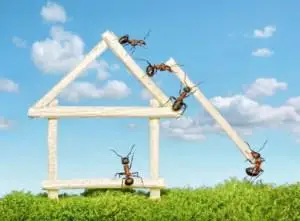
Ants are one of the most common pests found in homes across the country. During summer months, they can quickly become a nuisance, making their way into your pantry and kitchen seeking food. Fortunately, there are several steps you can take to get rid of these pesky visitors and return your home to its ant-free state. Identify the Type of Ants You Have The first step in removing ants from your home is identifying which type you have. There are over 12,000 species of ants worldwide and it’s important to know what kind you’re dealing with so that you can choose the right pest control method for them. Carpenter ants and fire ants, for example, require different treatments than other types of ants such as odorous house ants or pavement ants. Once you’ve identified the type of ant infesting your home, it’s time to start looking for solutions. Recommended Read: Different Types of Ants Find Entry Points In order to effectively remove any pest from your home, it’s essential to identify how they’re getting inside in the first place. Search around areas like window sills and door frames where gaps may exist that allow insects access indoors. Pay special attention to places where utility lines enter the home—ants may be using these entry points as well as cracks or crevices around pipes or wires. It’s also important to keep an eye out for ant trails leading into your home—these indicate that there may be a nest nearby providing easy access for new generations of hungry visitors! Must Read: WHY TERMITE BAITING REQUIRES MORE THAN A DIY YOUTUBE TUTORIAL Choose Your Method of Pest Control Once you’ve identified how the ants are entering your property and established what type they are, it’s time to select an appropriate method of pest control. Chemical pesticides are often used but it is important that you are applying the correct product for ants, some chemicals will cause repellency and can lock them inside a structure. Other options are ant baits, placed in and around the home, as well as ant granules to prevent entry into your yard. Conclusion: Ant infestations can be frustrating but with a little bit of research and knowledge about pest control methods, you can eliminate them from your home quickly and effectively! Identifying which type of ant has invaded will help ensure that you use an appropriate treatment plan while finding entry points will give you insight into where future invaders might come from so that preventative measures can be taken before another problem arises. With this information at hand, it should be easy enough for any homeowner to remove their unwanted guests and reclaim their space Our unique approach to pest control will keep your home happy and healthy.
Why Termite Baiting Requires More Than a DIY YouTube Tutorial
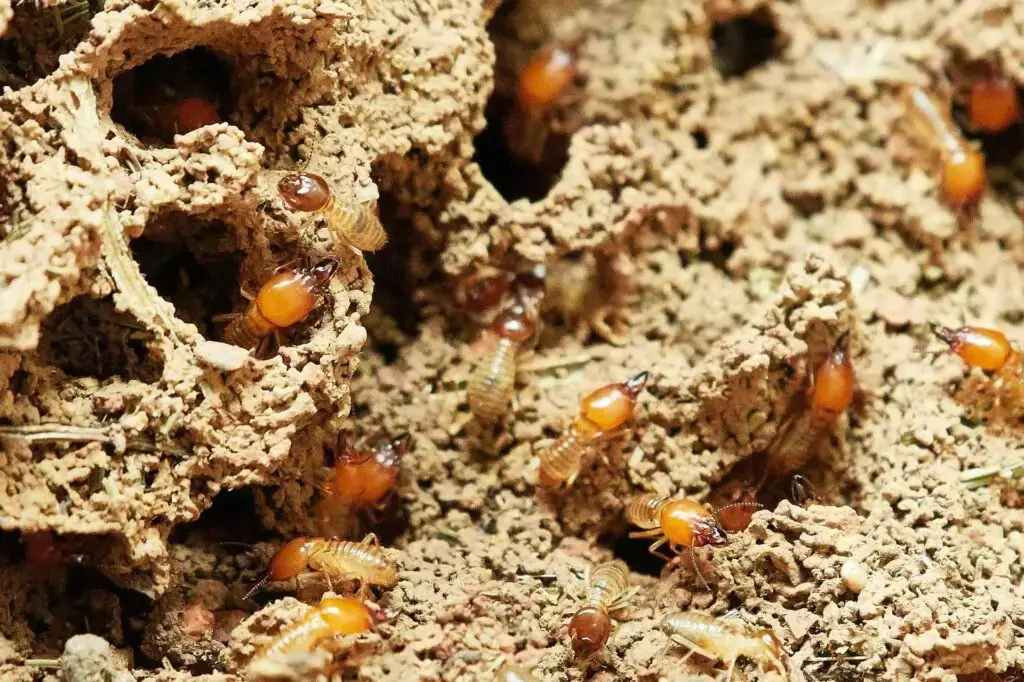
Termites, if left unchecked and untreated, can unleash significant havoc on your home. In fact, a substantial portion of the damage wrought by these insect invaders often occurs beneath the radar, well before any signs of infestation surface. That’s precisely why an annual termite inspection is so important for Texas homeowners. While the internet, particularly platforms like YouTube, offers an array of DIY methods and termite control products for dealing with these critters, the best thing you can do for your peace of mind and safety of your home and family is to enlist the services of a professional termite control company. Following are some viable reasons why you shouldn’t make YouTube your first solution when it comes to getting rid of your termite infestation. Termite control professionals have extensive experience and specialized knowledge to draw from, and they possess access to professional-grade products not available to the general public; they also possess the know-how to apply these products effectively for optimal results. Moreover, these experts possess an in-depth understanding of the biology and behaviors of common pests, empowering them to craft tailored treatment strategies that cater to the unique requirements of each infestation. While confronting a termite problem may tempt you to tackle it on your own, there are definitely compelling reasons to opt for professional termite control services instead. Foremost among these is sheer convenience. Managing termites and other pests can be a time-consuming and vexing endeavor, and achieving complete elimination of a termite colony by yourself is often an uphill battle. By enlisting professional assistance, you eliminate the need to interrupt your busy schedule for termite treatment – instead, you can entrust the task to seasoned experts. Though DIY termite control methods found on YouTube and other online resources might appear cost-effective and straightforward, safety should always take precedence when dealing with these pests. Professionals are equipped with the training and experience necessary for the safe and effective handling of potentially hazardous substances. They are well-versed in the proper application techniques to exterminate termites while minimizing risks to humans, children, and pets. Conversely, many DIY enthusiasts attempting termite control on their own may remain unaware of the potential dangers involved, which can lead to accidental poisonings, fires, and other mishaps. By contracting a professional termite control service, you can enjoy peace of mind, knowing your family’s safety is paramount. While an array of DIY termite control products saturates the market, the reality is that these solutions often offer only fleeting relief. In contrast, professional termite control services yield superior and longer-lasting results. This stems from the expertise of these professionals who can pinpoint the root cause of infestations and implement lasting solutions. Additionally, they have access to more potent pest control products that are inaccessible to everyday consumers. So, if your aim is to permanently eliminate termites, hiring a professional pest control service is the smartest approach. Cost and time efficiency are important things to consider when deciding whether to use professional pest control services or just do it yourself. Professional termite control firms possess the experience and proficiency to swiftly and effectively resolve your specific issue. They are also armed with cutting-edge products and technology, translating into potential long-term savings in both time and money. While DIY methods may seem cheaper upfront, they often demand more time and effort to yield similar, but not necessarily reliable, results. Professional termite control services offer the most cost-effective solution for the long run. Must Read: WHAT HOMEOWNERS SHOULD KNOW ABOUT SPRINGTAILS So, Why Hire a Professional for My Termite Problem? While it’s possible to purchase some termite baits on YouTube and elsewhere online, the baiting itself is a process that demands unwavering diligence. In instances where termites don’t readily locate and consume the bait, you may need to consider adding extra stations to increase the odds of success. In cases of persistent infestations, the application of an additional liquid barrier termiticide might also become necessary. Once the infestation is successfully eradicated, it’s important to remain vigilant. Foraging termites from neighboring colonies can potentially reinvade the treated area, making periodic monitoring and maintenance of bait stations a necessity. Continuous surveillance of both the stations and the structure itself is paramount to ensure ongoing protection. Given the intricacies and persistence required, termite baiting is generally a task best entrusted to skilled professionals who possess the expertise and resources to manage the process effectively. Despite all the preventive measures you can take, termites and other pests can just become overwhelming. Not to mention the fact that, termites can cause dangerous (and VERY costly) damage to your home’s infrastructure. Calling a professional termite control service is always much more cost-effective and a timesaver in the long run if you feel you are overwhelmed with termites and/or other pests in your home or yard. Deter expensive damage by getting a handle on things early on. Call our North Houston area (e.g., (primarily Cleveland, Kingwood, Atascosita, New Caney, Humble, Porter, Conroe, Splendora, and other communities in the North Houston area) FullScope termite and pest control experts today at 832-898-0190 for a consultation. Or email us at info@fullscopepestcontrol.com. We can quickly help you get your termite problems under control, as well as other expensive pest problems in your home, yard, or business. We use Sentricon Termite Baiting Stations as a long-term solution to help home and business owners like you get rid of their termite problems fast.
What Homeowners Should Know About Springtails

Key Highlights Springtails are tiny, wingless insects often found in moist environments. Seeking professional pest control help is advisable for persistent springtail problems. Springtails are tiny bugs that you may have never heard of before. But, if you’ve seen them in your home, you know the damage they can cause. Here’s what homeowners should know about springtails and how to keep them out of your home. Introduction Springtails are small, quick insects that many people confuse with fleas. They are usually not harmful, but when there are large numbers of them, they can become a nuisance for homeowners. This guide will help you understand springtails better. It will show you how to identify and manage springtail infestations using good pest control methods and preventive actions. What Are Springtails? Springtails are tiny bugs that measure only a few millimeters long. They are usually white or gray but can also be brown or black. They have pretty long antennae. These bugs get their name from the forked tail-like appendage on the back of their body that is used for jumping. Though small in size, these bugs can cause big problems in your home if not addressed quickly. What Causes Springtail Infestations? Springtail infestations occur when moisture levels are too high inside your home. The excess moisture creates a damp environment in which springtails thrive. These tiny pests also feed on decaying organic matter, so any area with an abundance of dead leaves or other organic debris will become attractive to them as well. Recommended Read: What You Should Know About Occasional Invaders How to Keep Springtails Out of Your Home? The best way to keep springtails out is to reduce moisture levels inside your home. Make sure all areas are well ventilated and that any water leaks are promptly fixed. You should also periodically inspect areas where organic matter may accumulate such as behind furniture, around windows and door frames, and at the base of walls for signs of springtail activity which includes frass (tiny piles of feces) and silken threads (webbing). Preventing springtail infestations is about keeping your home dry and removing things that draw these water-loving bugs. This way, you can avoid big infestations and have a healthier home. Simple actions can help a lot. Fixing leaks, making sure there is good airflow, and lowering humidity will keep springtails away. If you keep doing these steps, you will lower the chances of getting an infestation and stay protected for a long time. If you do find evidence of an infestation, contact a professional pest control company for assistance in eradicating it quickly and safely. Tips for Moisture Control and Mold Prevention Controlling moisture is very important to stop springtail infestations. Begin by quickly fixing any water leaks from plumbing, roofs, or windows. Keeping basements and crawl spaces dry is key. Dampness in these areas can provide a great home for springtails. Make sure your home has good ventilation. Use exhaust fans in kitchens and bathrooms, and open windows to let in fresh air. You might also want to use dehumidifiers if you live in a humid area or one that easily gets moisture. Also, pay attention to any signs of mold. Mold loves moist places and is a food source for springtails. Clean up mold quickly and fix any moisture issues. This will help to remove both mold and springtails effectively. Landscaping and Outdoor Maintenance to Deter Springtails Effective landscaping and outdoor maintenance contribute significantly to preventing springtail infestations. Implement these practices to deter these insects from entering your home: Action Benefit Extend downspouts away from the foundation. Prevents water from pooling near the house. Trim vegetation and shrubs away from the house. Improves air circulation and reduces moisture buildup. Use a moderate amount of mulch in landscaping. Excessive mulch retains moisture, attracting springtails. Furthermore, avoid overwatering your lawn and garden, as this creates favorable conditions for springtails. Inspect your property regularly for drainage issues and address them promptly to prevent water accumulation near the foundation. Recommended Read: Earwigs in Your Porter Home Conclusion: Springtail infestations can be frustrating for homeowners but there is no need to panic; with proper preventative measures and quick action if needed, getting rid of these tiny pests is relatively easy. Keeping humidity levels low and cleaning up any decaying organic matter is key to preventing an infestation in the first place while timely intervention from a professional pest control service will help eradicate any existing problem quickly and efficiently. So don’t let those pesky little springtails take over – take control now! Frequently Asked Questions What Attracts Springtails to Homes? Springtails are drawn to homes that have moist soil. They also like organic materials, like decaying leaves and wood. Their favorite food is mold and mildew. Are springtails harmful to humans or pets? Springtails do not bite, spread diseases, or hurt people or pets. They are usually seen as a nuisance, but some people may have mild allergic reactions to them.
Home Protection Against Texas Pests: Scorpions, Snakes, and Spiders
It’s no secret that Texas is home to all kinds of creepy crawlers. From scorpions to snakes and spiders, our state is full of pests that can wreak havoc on your home if you don’t take the necessary precautions. In this blog post, we’ll share some tips for keeping these critters out of your house so you can keep it a safe and comfortable place for you and your family. Identify the Problem Areas The first step to keeping pests out of your house is identifying where they are coming from. Make sure to inspect around windows and doors for any cracks or damage that could be providing an easy entry point for bugs, as well as the foundation and any other areas that offer access to the outside. If you can identify potential problem areas, you can work on sealing those entry points up with caulk or weatherstripping. With all the new construction and the clearing of land and timber areas to build we are seeing a huge increase in calls about scorpions in our clients homes. Best solution is a really thorough exterior pest control service, with the target pest scorpions, treating deep under the mulch and a bigger perimeter ban will help. Dusting of weep holes and placement of sticky insect traps for monitoring the population. Recommended Read: 3 Easy Steps to Get Rid of Scorpions Maintain Your Yard Keeping up with lawn maintenance is one of the most important things you can do when it comes to pest control. Make sure to keep grass cut low, trim any overgrown bushes or trees away from your home’s exterior walls, and clear away any debris in your yard (this includes piles of leaves or wood chips). Regularly spraying pesticides in areas like gardens or flower beds will also help keep pests at bay. Must Read: HOW TERMITE BAITING DISRUPTS ENTIRE COLONIES Clean Up Inside Your Home The next step is cleaning up inside your house; this includes vacuuming regularly (especially under furniture) and dusting surfaces like window sills or baseboards where pests might hide. Sometimes updating your exterior lights to reduce nighttime flying insects will help reduce spiders. Keep clutter in garages and inside the home to a minimum, if you cannot see around the rooms, that is the ideal situation for scorpions, spiders and snakes. Recommended Read: Pest Proofing Your Home You should also make sure food is properly sealed up so it doesn’t attract unwanted guests! Additionally, try not to leave dishes lying around after meals; this could make your kitchen more inviting for pests like cockroaches or ants which often come looking for food scraps or water sources. Finally, be sure to change air filters regularly; dirty air filters can provide an ideal environment for dust mites which may trigger allergies in some people. Conclusion: As a homeowner in Texas, it’s important to stay on top of pest control both inside and outside of your house. Identifying potential problem areas outdoors such as cracks around windows and doors will help reduce the likelihood of pests getting inside while regular cleaning indoors will help eliminate places where insects could hide or find food sources. With these simple steps in mind, you’ll be able to protect yourself from common Texas critters like scorpions, snakes, spiders…and whatever else might be lurking around!
How Termite Baiting Disrupts Entire Colonies
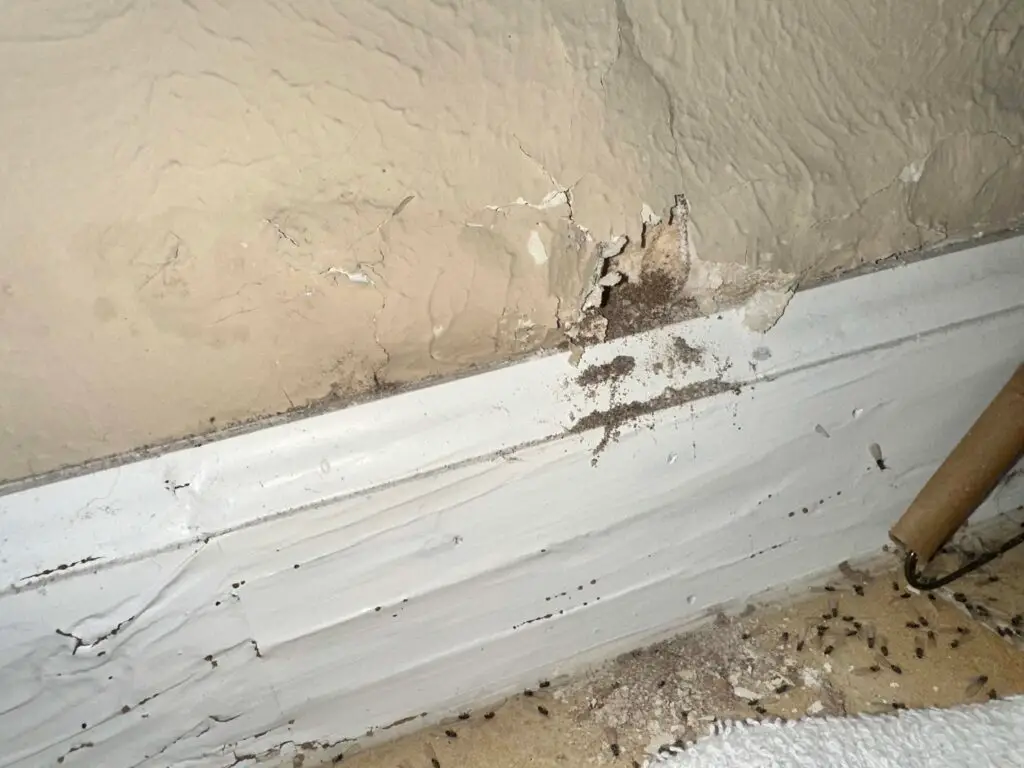
Termite bait stations play a pivotal role in strategically combating and defending against termites, particularly subterranean termites, the most prevalent species not only in Texas, but also throughout the United States. These dangerous pests, which construct intricate networks of underground tunnels while foraging for sustenance, are notorious for their 24/7 feeding habits, posing a persistent threat to your home. Traditionally, termiticide can be sprayed on and around a home to kill termites and create a barrier to keep the rest away, but this method has its limitations. Termite baiting has become increasingly popular among professional termite control experts, and with good reason. Let’s discuss how termite baiting works and how it can disrupt and eliminate an entire termite colony. Advantages of Termite Baiting Termite bait stations offer several benefits, including: By having termite bait stations deployed strategically, you can ensure your defense against these persistent pests will safeguard your home and family effectively. The Mechanics of Termite Bait Stations What makes termite bait stations so effective against termites? Also termed as “termite traps,” bait stations are strategically positioned either in or above the ground surrounding your property. The stations don’t trap termites, per se, but they house bait, often consisting of laced wood, paper, or cellulose, which termites feast upon and subsequently transmit to other members of their colony, leading to its eradication. Worker termites, during their search for food sources near the colony, encounter this bait, ingest it, and disseminate it to their fellow colony members. Most baits act gradually, permitting termites to return to the colony and extend the contagion to others. Many baits also contain insect growth regulators (IGRs) which disrupt the termites’ ability to breed and reproduce. The resulting domino effect disrupts the entire colony and eventually leads to its end. Outdoor termite bait stations typically find placement in areas heavily frequented by termites. In-ground bait stations exclusively target subterranean termites, pinpointing their habitat. Must Read:8 FACTS ABOUT RACCOONS IN YOUR HOME Effectiveness of Termite Bait Stations Bait stations can serve as a potent, long-term solution for termite woes. While their bait operates on a slow-release principle, it facilitates the annihilation of all termite castes, including reproductives, soldiers, and workers. Nonetheless, several factors can influence the efficacy of these stations. Placement is paramount. Bait stations should be positioned roughly 2–4 feet away from a structure’s foundation, spaced at intervals of 10–20 feet from one another. Their placement should align with areas of termite activity or suspicion, encompassing locations near woodpiles, tree stumps, and damp areas. DIY vs. Professional Pest Control Bait Monitoring Systems In cases where termites are visible or their presence is detectable within your home, the temptation to handle the issue personally may arise. However, even if you manage to deal with the termites you can see, concealed structural damage may persist unnoticed. There is way too much at stake for inexperienced homeowners to take chances with the safety of their home and family. While certain store-bought termite bait stations bear resemblance to the bait utilized in some pest control professionals’ bait monitoring systems, DIY termite treatments frequently fall short due to improper use. Identifying diverse termite species, understanding their behaviors, and discerning areas of high termite activity are skills most homeowners lack. Professional pest control companies not only possess the appropriate equipment but also offer effective solutions, continuous monitoring and maintenance, and expert knowledge to address termite problems competently. They will know how to determine the appropriate termite treatment required for your specific situation. Stuck with a termite problem? Despite all the preventive measures you can take, termites and other pests can just become overwhelming. Not to mention the fact that, termites can cause dangerous (and VERY costly) damage to your home’s infrastructure. Calling a professional termite control service is always much more cost-effective and a timesaver in the long run if you feel you are overwhelmed with termites and/or other pests in your home or yard. Call our North Houston area (e.g., (primarily Cleveland, Kingwood, Atascosita, New Caney, Humble, Porter, Conroe, Splendora, and other communities in the North Houston area) FullScope termite and pest control experts today at 832-898-0190 for a consultation. Or email us at info@fullscopepestcontrol.com. We can quickly help you get your termite problems under control, as well as other expensive pest problems in your home, yard, or business. We use Sentricon Termite Baiting Stations as a long-term solution to help home and business owners like you get rid of their termite problems fast.
8 Facts About Raccoons in Your Home

When most people think of raccoons, they think of the cute animal that lives in the woods. However, there is more to these creatures than meets the eye. Raccoons can be quite destructive and are known for causing a lot of damage. If you have a raccoon problem, it is important to learn as much as you can about them so that you can take the necessary steps to get rid of them. Here are 8 facts about raccoons that every homeowner should know. 1. How do I know if I have a raccoon in my home? One of the most telltale signs is raccoon droppings, which look like large dark pellets. Raccoons also often leave behind footprints or smudge marks, which can be helpful in identifying them. If you hear strange noises coming from your attic or see raccoon tracks in the mud near your house, it’s a good indication that you have a raccoon on your property. Raccoons are technically classified as pests, so if you suspect you have one in your home, it’s best to contact a pest control specialist to safely remove the animal. 2. What are the dangers of having a raccoon in my home? Raccoons are clever and curious creatures, and they often find their way into homes in search of food or shelter. If you think you may have a raccoon in your home, there are a few tell-tale signs to look for. Raccoons are nocturnal animals, so if you hear strange noises coming from your attic or crawl space at night, it’s a good indication that you have a furry intruder. Raccoons are also known for making messes, so be on the lookout for torn insulation, damaged ductwork, or piles of trash outside your home. If you suspect you have a raccoon in your house, the best course of action is to contact a wildlife control expert who can safely remove the animal. 4. Why should I hire a professional to remove a raccoon? Raccoons in the wild are interesting creatures to watch. They are often seen rummaging through trash cans, looking for a meal. However, when a raccoon takes up residence in your home, it’s no longer funny. Raccoons can cause serious damage to your property and pose a health risk to you and your family. That’s why it’s important to hire a professional to remove a raccoon from your home. A professional will have the experience and equipment to safely and effectively remove the raccoon from your property. In addition, a professional will be able to identify and seal any entry points that the raccoon used to get into your home. This will help to prevent another raccoon from taking up residence in your home in the future. 5. How much does raccoon removal cost? Raccoons are intelligent and crafty animals that can easily find their way into attics, crawlspaces, and even homes. Once inside, they can cause a great deal of damage, urinating and defecating on insulation and framing, and tearing up ductwork and wiring. Raccoon removal is a complicated and potentially dangerous process, and it is best left to a professional. The cost of raccoon removal will vary depending on the size of the animal and the extent of the damage, but it is typically between $185 and $385. In some cases, the damage caused by raccoons can be extensive enough to require repairs that can cost thousands of dollars. As a result, it is important to be aware of the potential cost of raccoon removal before attempting to remove one from your home. 6. What is the best way to keep raccoons away from my home? Raccoons are one of the most common animals to invade our homes. They’re intelligent, curious creatures that will take advantage of any opportunity to get inside. Once they’re in, they can cause all sorts of damage and create a real mess. So, how can you keep raccoons away from your home? First, it’s important to make sure that your trash cans are sealed tight. Raccoons are attracted to the smell of food, so if your garbage is easily accessible, they’ll be more likely to try and get into it. Second, you should trim tree branches that hang over your roof or close to your windows. Raccoons are good climbers, so they’ll take advantage of any opportunity to get into your home. Lock up your pet food and keep garage doors closed, they can easily enter a home from breezeways. Must Read:EVERYTHING YOU NEED TO KNOW ABOUT MOSQUITO MISTING SYSTEMS What are some of the diseases that raccoons can carry? Raccoons are well-known for their intelligence and mischievous nature, but they can also be carriers of disease. Raccoons are common hosts for a range of parasites, including fleas, ticks, and mites. They can also carry rabies, which is a viral disease that attacks the nervous system. Raccoons are also known to carry a strain of infectious bacteria called leptospirosis, which can cause fever, muscle pain, and vomiting in humans. While the risk of contracting a disease from a raccoon is relatively low, it is important to take precautions when interacting with these animals. If you see a raccoon, do not approach it or try to pet it. If you must handle a raccoon, be sure to wear gloves and wash your hands thoroughly afterwards 8. Should I be worried about rabies if I have a raccoon in my home? Raccoons are one of the most common carriers of rabies in the United States. In fact, according to the Centers for Disease Control and Prevention (CDC), raccoons are responsible for more than half of all reported animal rabies cases in the country. Rabies is a serious and deadly disease that can cause severe neurological damage in humans. If you have a raccoon in your home, it is important to be aware of the risks and take steps to protect yourself and your family. The best way to protect yourself from rabies is
Everything You Need to Know About Mosquito Misting Systems
With summer comes mosquito season. These blood-sucking pests not only ruin outdoor gatherings, but they can also transmit dangerous diseases like Zika virus, West Nile virus, and malaria. If you’re looking for a way to keep your family safe from mosquitoes this summer, you may be considering a mosquito misting system. But do these systems really work? Let’s take a look. How Mosquito Misting Systems Work Mosquito misting systems are automated spraying systems that release a fine mist of insecticide into the air at regular intervals, typically once or twice a day. The insecticide used in these systems is typically pyrethrin- or pyrethroid-based, which are EPA-registered pesticides that are safe for use around humans and pets when used as directed. Mist is typically set to release during the times when mosquitoes are most active, dawn and dusk. When the mist is released, it slowly mist downward coming in contact with flying mosquitoes, and kills them almost instantly. Must Read: TERMITE BAITING ECONOMICS: Do Mosquito Misting Systems Really Work? There’s no doubt that mosquito misting systems can be effective at reducing the number of mosquitoes in your yard. In fact, one study found that after just four weeks of treatment, populations of container-breeding mosquitoes were reduced by 98%. However, it’s important to note that these systems are not 100% effective—they will not completely eliminate all mosquitoes from your property. But over time, some repellency is built up and mosquitoes will avoid your yard. Additionally, mosquito misting systems require ongoing maintenance to be effective. The reservoirs of insecticide need to be refilled regularly, hoses and nozzles need to be checked for clogs and leaks, and typically every 90 days. But overall they are very low maintenance. How Do Mosquito Misting Work? Placement of nozzles and tubing is important; the goal is to create an entire enclosure of misting potential. So they are typically placed on the eaves of the home and around the fence lines and garage areas. Larger yard area would be perfect for riser systems that allow attractive placement in landscaping. Do these Systems Control Other Insects? Yes, they do work on other smaller insects that are in flight at the same times as mosquitoes. These same systems are used as spider control for homes and boat docks that are located close to water. The placement of the nozzles are different as the desired effect is to keep spiders and webs off of the home, so they are usually placed around the home and interior of patio areas. What is the Typical Charge for These Systems? Mosquito and spider systems are an investment that will continue to offer effective insect control year after year. The most expensive part of the install is the unit itself which can run about $2,400 to $2,800, then the number of nozzles will change the price. Most new installations will start at the $3,200 investment. Quarterly maintenance and fill runs around $225.00 to $250.00 depending on the product used in the system. The good news is that these units, MistAway, are systems that are still running 15 years after install. Recommended Read: 7 Tips to Reduce Mosquitoes How Many Nozzles Can You Have? A typical home size in a neighborhood such as Kingwood, would have about 27 to 35 nozzles installed. The system itself can handle 60 and a zone kit can be added to install an additional 60 nozzles. It will be programmed similar to a sprinkler system and initiate the zones. It is also very easy to increase the number of nozzles over time, so you decide to have more coverage in a particular area of your yard. Conclusion: If you’re looking for a way to reduce the mosquito population in your yard this summer, a mosquito misting system may be worth considering. These automated spraying systems release a fine mist of insecticide into the air at regular intervals, typically once or twice a day. And while they’re not 100% effective at eliminating all mosquitoes from your property, they can certainly make a huge dent. Helping you and your family start enjoying your backyard again.
Termite Baiting Economics:

Saving Money and Preventing Costly Damage You might underestimate the impact of termites, but as a Texas homeowner, their presence can spell significant trouble. Termites don’t discriminate; they wreak havoc on both residential and commercial properties, often resulting in substantial, expensive damage. Often much of this damage is incurred before the termites are even detected. If left unchecked, this damage can lead to repair costs totaling in the hundreds or thousands–termites do cause over $5 billion dollars in property damage in the United States every year. Baiting has evolved as a widely spread effective method of termite control, even more so than traditional termiticide applications. Let’s discuss some of the ways remaining vigilant over potential termite outbreaks can save you money in the long run and prevent damage to your home. Wooden Structures Are Very Vulnerable Termites have an insatiable appetite for wood, making homes and businesses constructed primarily of this material prime targets for these tiny yet destructive pests. While their initial damage may seem cosmetic, it can escalate, posing risks to the structural integrity of the building. Additionally, termite-infested structures are more susceptible to rot, which can significantly depreciate your property’s value. Acting early can save not only your home, but also save you plenty of costly repair expenses. Must Read: WASP EXTERMINATION: A COMPREHENSIVE GUIDE Take Proactive Measures If you reside in a termite-prone area (and yes, Texas is a termite-friendly environment), investing in preventative services can prove invaluable. Early-stage termite treatment eradicates these pests before they inflict damage and it also deters their return, potentially saving you substantial repair expenses down the road. Enlisting the expertise of professional termite control experts can also spare you from enduring immense stress. Also, as a preventive maintenance issue, it’s not a bad idea to have your home inspected for termites at least once every year. You should definitely have a home inspected for termites before purchasing it. Speaking of being proactive, if you’re building new, you might want to look into using termite-resistant wood or at least pressure-treated wood treated with copper boron azole (CBA) or alkaline copper quaternary (ACQ). Using wood treated to fend off termites doesn’t 100% guarantee protection, but it sure reduces the chances of a termite infestation. Woods known to be naturally resistant to termites include teak, redwood, Alaskan Yellow Cedar, Honduran Mahogany, and Peruvian Walnut). Treatment for an Effective Solution Two common methods of termite treatment exist. The first involves spraying termiticides, which promptly eliminate termites and prevent their resurgence. Many experts will tell you that a bait system works even better. Baits, devoid of chemicals, offer an alternative for certain structures. Although bait solutions work more gradually than termiticides, they ultimately eliminate entire termite colonies, increasing the chances of the termites never making a resurgence. A Warmer Climate Haven Termites flourish in warm climates abundant in wood, making them a frequent concern in regions like Texas and the rest of the American Southeast. If you reside in a termite-prone area, don’t procrastinate termite treatment for your property. This investment will safeguard your home, saving you invaluable sums of money and shielding you from years of stress. Stuck with a termite problem? Despite all the preventive measures you can take, termites and other pests can just become overwhelming. Not to mention the fact that, termites can cause dangerous (and VERY costly) damage to your home’s infrastructure. Calling a professional termite control service is always much more cost-effective and a timesaver in the long run if you feel you are overwhelmed with termites and/or other pests in your home or yard. Call our North Houston area (e.g., (primarily Cleveland, Kingwood, Atascosita, New Caney, Humble, Porter, Conroe, Splendora, and other communities in the North Houston area) FullScope termite and pest control experts today at 832-898-0190 for a consultation. Or email us at info@fullscopepestcontrol.com. We can quickly help you get your termite problems under control, as well as other expensive pest problems in your home, yard, or business. We use Sentricon Termite Baiting Stations as a long-term solution to help home and business owners like you get rid of their termite problems fast.
Wasp Extermination: A Comprehensive Guide
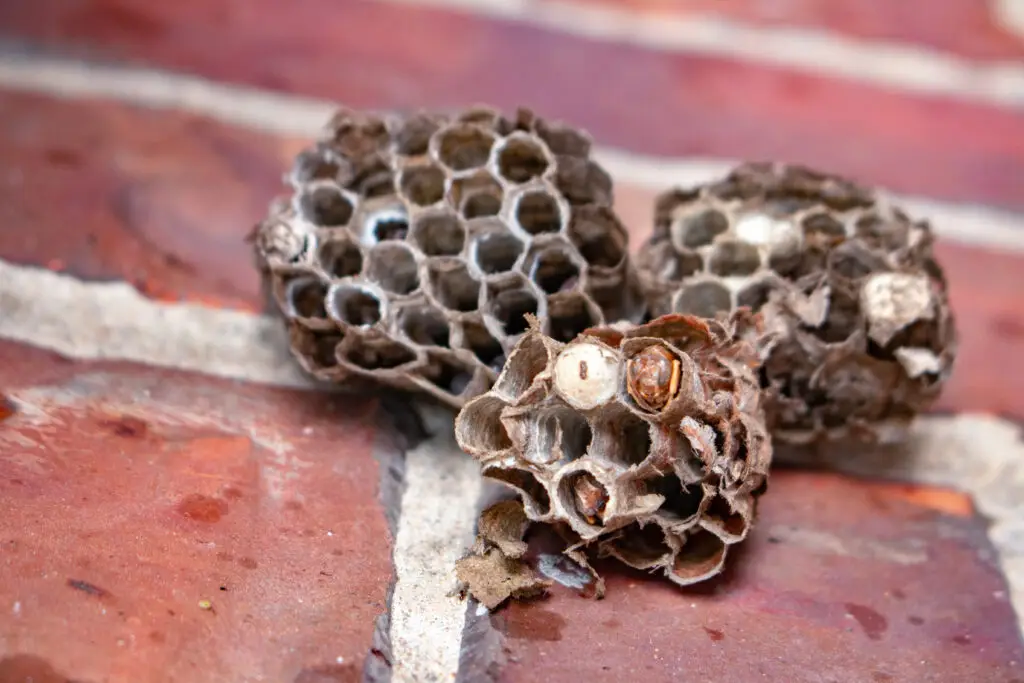
Wasps are one of the most common pests around the home, and they can be a huge nuisance. Not only do wasps sting, but they also nest in and around homes which can cause damage. If you want to get rid of wasps, you need to understand how to go about it in the right way. In this blog post, we’ll provide a comprehensive guide on how to exterminate wasps in your home. Identifying Wasps The first step in getting rid of wasps is properly identifying them. There are many different types of wasps, including yellow jackets and bald-faced hornets. Yellow jackets have black and yellow stripes, while bald-faced hornets have white markings on their bodies. Identifying the type of wasp that has invaded your home will help you choose the appropriate extermination method. DIY Wasp Control Options If you want to handle a wasp infestation yourself, there are some DIY methods that can help control the population. For example, using a vacuum cleaner with an extension hose can be effective for removing nests from hard-to-reach places like attics or high ceilings. You can also try using soapy water or insecticides to kill individual wasps or entire colonies. Be sure to wear protective clothing when spraying insecticides and use caution when handling nests as they may contain venomous insects! Professional Wasp Extermination Services If DIY methods don’t work or if you’re not comfortable dealing with potentially dangerous insects, then it’s best to call a professional pest control company for assistance. Professional exterminators will identify the species of wasp and devise an extermination plan tailored to your specific needs. This may include using chemical treatments or baits designed specifically for eliminating wasps from your property safely and effectively. The cost of professional extermination services varies depending on the size of your property and the severity of the infestation but it’s typically much cheaper than replacing structural damage caused by an unchecked infestation! Wasps nest around the home are included in our general pest control service, so recurring services annually will help eliminate and exterminate your wasps issue all year long. Our technicians will also identify entry points and help with exclusion recommendations to prevent entry of these stinging pests. Recommended Read: Are Hornets a Type of Wasps? Conclusion: Wasp extermination is important for keeping your home safe from stings and structural damage caused by these pests. Identifying what kind of wasp has invaded your home is crucial for choosing an appropriate method for getting rid of them – DIY options like vacuuming up nests or using insecticides can be effective but they come with risks; professional extermination services offer more safety guarantees as well as tailored solutions that address specific needs more efficiently than DIY methods often can’t achieve alone. Whichever route you decide to take, make sure you do it soon before any potential stings or larger issues happen. Different by design – FullScope Pest Control
Can Pest Control Get Rid Of Ticks
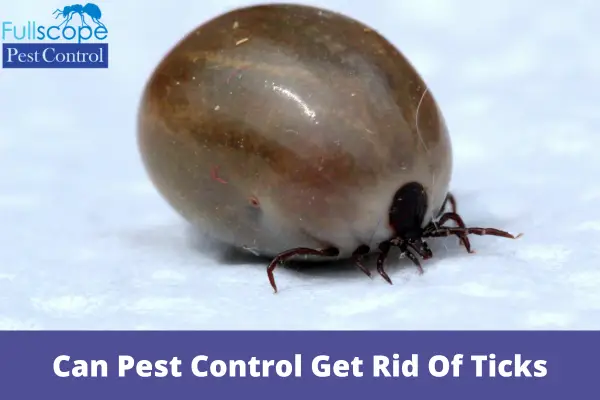
Ticks are well-known blood-sucking bugs that can harm humans and dogs. Whether pest control services can effectively eradicate ticks emerges as individuals become more aware of pest management. This blog will explore the world of tick control services and their ability to clear your home of these little but venomous parasites. Recognizing The Tick Problem Ticks are ectoparasites that spread Lyme disease, and Rocky Mountain spotted fever. Ticks can cause pain and pose health hazards to humans and animals alike. These challenging organisms require specific eradication procedures to address the issues they cause. Tick Pest Control Methods Pest control involves a wide range of methods for managing and removing pests. When dealing with ticks, people often employ numerous methods: Chemical Management Chemical pesticides are commonly employed in pest control and be effective against ticks. However, because chemicals pose environmental and health risks, people should prudently use them. Choosing the correct chemicals and utilizing them is critical. Must Read:THE SOUTHERN CHINCH BUG IS A YARD PEST YOU NEED TO KNOW ABOUT Biological Containment Biological control options include the introduction of natural predators or tick-specific diseases. While this procedure is environmentally friendly, it may only sometimes produce immediate effects and may necessitate a longer-term tick management strategy. IPM (Integrated Pest Management) IPM, or Integrated Pest Management, is a complete tick management method. It incorporates several strategies, including chemical and non-chemical treatments, to effectively decrease tick populations while causing the most minor environmental damage. IPM approaches tick control holistically, taking into account issues such as habitat alteration and the use of insecticides as a last option. Tick Control Service Efficacy You may wonder if professional tick control services can eliminate ticks from your area. These services aim to offer specialized knowledge and access to tick-removal instruments. However, the efficiency of these treatments can vary depending on the procedures utilized and the degree of the tick infestation. Environmentally Friendly Tick Control Many respectable pest control companies provide ecologically friendly tick control services that put your family, pets, and the environment first. These services frequently use IPM strategies and environmentally appropriate solutions to efficiently target ticks while causing the least harm to non-target species and ecosystems. The Role Of Professionals Tick infestations may be accurately diagnosed and treated by experienced pest control experts with the knowledge and tools. They can develop a customized plan that considers the specific conditions of your home and yard, boosting the likelihood of tick eradication success. Their knowledge ensures they use the most effective and least dangerous measures to keep ticks out of your home. Summary Pest management services, exceptionally eco-friendly and integrated approaches, can help reduce tick populations and protect your family from tick-borne diseases. When looking for tick control services, it’s vital to go with a reputable company that cares about your health and the environment. At Fullscope Pest Control, we recognize the importance of tick management and the need to combine it with environmental responsibility. We design our tick control services to remove ticks effectively from your area while minimizing the impact on vital species and ecosystems. Contact us now to learn more about our tick-control alternatives and take the first step toward tick-free life.