 1500+ reviews

Termite Control vs. Termite Prevention: What’s the Difference?

Termites, those tiny but tenacious wood-munchers, can wreak havoc on your property. Dealing with termites involves two main approaches: termite control and termite prevention. In this article, we’ll explore the differences between these two strategies so you can make informed decisions to safeguard your home and family. Understanding Termite Control What is Termite Control? Termite control is a reactive approach to tackling termite infestations. It involves various methods and techniques aimed at eradicating existing termite colonies, such as: Liquid Termiticides: These chemicals create a protective barrier around your property, either through trenching or drilling. When termites come into contact with the termiticide, they are either repelled or killed. Baiting Systems: Termite bait stations contain cellulose material laced with slow-acting insecticides and insect growth regulators (IGRs). Termites feed on this bait and share it with their colony members, gradually leading to colony elimination. We at FullScope Pest Control use Sentricon Termite Baiting Stations as a long-term solution to help home and business owners like you get rid of their termite problems for good. Sentricon Always Active Termite Baiting System is considered the most Eco-Friendly, green termite control system on the planet. Fumigation: In extreme infestations, fumigation is used. It involves tenting the entire structure and introducing lethal gasses to kill the termites. The Role of Professionals Professionals play a crucial role in termite control, as they are equipped with the knowledge and tools necessary to address termite issues effectively. While termite control can eliminate existing infestations, it may not prevent future ones. It’s also important to note that some methods, like fumigation, can be expensive and invasive. Recomended Read :WHY TERMITE BAITING REQUIRES MORE THAN A DIY YOUTUBE TUTORIA Understanding Termite Prevention What is Termite Prevention? Termite prevention, on the other hand, is a proactive strategy aimed at keeping termites at bay by creating an environment that is unattractive to them. Proactive Measures Termite prevention involves: Moisture Control: Termites thrive in moist environments. Keeping your property dry and well-ventilated helps deter them. Removing Wood-to-Soil Contact: Termites can access your home through direct contact with soil. Elevating wooden structures or using termite barriers can prevent this. Regular Inspections: Routine inspections by professionals help detect termite activity before it becomes a full-blown infestation. Termite-Resistant Building Materials: Constructing or renovating with termite-resistant materials can significantly reduce the risk of infestations. Key Differences Between Termite Control and Termite Prevention Timing: Control is reactive, addressing existing infestations, while prevention is proactive, aiming to stop termites before they get a foothold. Cost Considerations: Prevention is often more cost-effective in the long run, as it avoids the expenses associated with controlling established colonies. Environmental Impact: Prevention methods are generally less environmentally intrusive compared to some termite control methods that involve chemicals. Level of Property Protection: Termite Prevention offers ongoing protection, while termite control may not prevent future infestations. Ongoing Maintenance: Prevention requires consistent vigilance and maintenance, whereas termite control primarily deals with specific infestations. When to Choose Termite Control Understanding the process of termite control is essential if you’re facing an infestation. You should look into termite control seriously: Effective termite control involves hiring a professional termite control expert (you don’t want to “DIY” it for this)! When to Invest in Termite Prevention You should ALWAYS be ready to invest time and resources into termite protection, especially when you live in Texas! Termite prevention can be kept going all year round, in addition to an annual home (or business) termite inspection. Look to preventive termite maintenance: Whether you’re dealing with an existing infestation or taking proactive measures to prevent one, it’s essential to choose the strategy that best suits your needs and budget. Ultimately, safeguarding your property against these silent destroyers is an investment in the longevity and value of your home. Stuck with a termite problem? Despite all the preventive measures you can take, termites and other pests can just become overwhelming. Not to mention the fact that termites can cause dangerous (and VERY costly) damage to your home’s infrastructure. Calling a professional termite control service is always much more cost-effective and a timesaver in the long run if you feel you are overwhelmed with termites and/or other pests in your home or yard. Call our North Houston area (e.g., (primarily Cleveland, Kingwood, Atascosita, New Caney, Humble, Porter, Conroe, Splendora, and other communities in the North Houston area) FullScope termite and pest control experts today at 832-898-0190 for a consultation. Or email us at info@fullscopepestcontrol.com. We can quickly help you get your termite problems under control, as well as other expensive pest problems in your home, yard, or business. We use Sentricon Termite Baiting Stations as a long-term solution to help home and business owners like you get rid of their termite problems for good.
Why Termite Baiting Requires More Than a DIY YouTube Tutorial
Termites, if left unchecked and untreated, can unleash significant havoc on your home. In fact, a substantial portion of the damage wrought by these insect invaders often occurs beneath the radar, well before any signs of infestation surface. That’s precisely why an annual termite inspection is so important for Texas homeowners. While the internet, particularly platforms like YouTube, offers an array of DIY methods and termite control products for dealing with these critters, the best thing you can do for your peace of mind and safety of your home and family is to enlist the services of a professional termite control company. Following are some viable reasons why you shouldn’t make YouTube your first solution when it comes to getting rid of your termite infestation. Termite control professionals have extensive experience and specialized knowledge to draw from, and they possess access to professional-grade products not available to the general public; they also possess the know-how to apply these products effectively for optimal results. Moreover, these experts possess an in-depth understanding of the biology and behaviors of common pests, empowering them to craft tailored treatment strategies that cater to the unique requirements of each infestation. While confronting a termite problem may tempt you to tackle it on your own, there are definitely compelling reasons to opt for professional termite control services instead. Foremost among these is sheer convenience. Managing termites and other pests can be a time-consuming and vexing endeavor, and achieving complete elimination of a termite colony by yourself is often an uphill battle. By enlisting professional assistance, you eliminate the need to interrupt your busy schedule for termite treatment – instead, you can entrust the task to seasoned experts. Though DIY termite control methods found on YouTube and other online resources might appear cost-effective and straightforward, safety should always take precedence when dealing with these pests. Professionals are equipped with the training and experience necessary for the safe and effective handling of potentially hazardous substances. They are well-versed in the proper application techniques to exterminate termites while minimizing risks to humans, children, and pets. Conversely, many DIY enthusiasts attempting termite control on their own may remain unaware of the potential dangers involved, which can lead to accidental poisonings, fires, and other mishaps. By contracting a professional termite control service, you can enjoy peace of mind, knowing your family’s safety is paramount. While an array of DIY termite control products saturates the market, the reality is that these solutions often offer only fleeting relief. In contrast, professional termite control services yield superior and longer-lasting results. This stems from the expertise of these professionals who can pinpoint the root cause of infestations and implement lasting solutions. Additionally, they have access to more potent pest control products that are inaccessible to everyday consumers. So, if your aim is to permanently eliminate termites, hiring a professional pest control service is the smartest approach. Cost and time efficiency are important things to consider when deciding whether to use professional pest control services or just do it yourself. Professional termite control firms possess the experience and proficiency to swiftly and effectively resolve your specific issue. They are also armed with cutting-edge products and technology, translating into potential long-term savings in both time and money. While DIY methods may seem cheaper upfront, they often demand more time and effort to yield similar, but not necessarily reliable, results. Professional termite control services offer the most cost-effective solution for the long run. Recomended Read :IMPORTANCE OF PRE-PURCHASE TERMITE INSPECTIONS IN TEXAS So, Why Hire a Professional for My Termite Problem? While it’s possible to purchase some termite baits on YouTube and elsewhere online, the baiting itself is a process that demands unwavering diligence. In instances where termites don’t readily locate and consume the bait, you may need to consider adding extra stations to increase the odds of success. In cases of persistent infestations, the application of an additional liquid barrier termiticide might also become necessary. Once the infestation is successfully eradicated, it’s important to remain vigilant. Foraging termites from neighboring colonies can potentially reinvade the treated area, making periodic monitoring and maintenance of bait stations a necessity. Continuous surveillance of both the stations and the structure itself is paramount to ensure ongoing protection. Given the intricacies and persistence required, termite baiting is generally a task best entrusted to skilled professionals who possess the expertise and resources to manage the process effectively. Despite all the preventive measures you can take, termites and other pests can just become overwhelming. Not to mention the fact that, termites can cause dangerous (and VERY costly) damage to your home’s infrastructure. Calling a professional termite control service is always much more cost-effective and a timesaver in the long run if you feel you are overwhelmed with termites and/or other pests in your home or yard. Deter expensive damage by getting a handle on things early on. Call our North Houston area (e.g., (primarily Cleveland, Kingwood, Atascosita, New Caney, Humble, Porter, Conroe, Splendora, and other communities in the North Houston area) FullScope termite and pest control experts today at 832-898-0190 for a consultation. Or email us at info@fullscopepestcontrol.com. We can quickly help you get your termite problems under control, as well as other expensive pest problems in your home, yard, or business. We use Sentricon Termite Baiting Stations as a long-term solution to help home and business owners like you get rid of their termite problems fast.
Importance of Pre-Purchase Termite Inspections in Texas
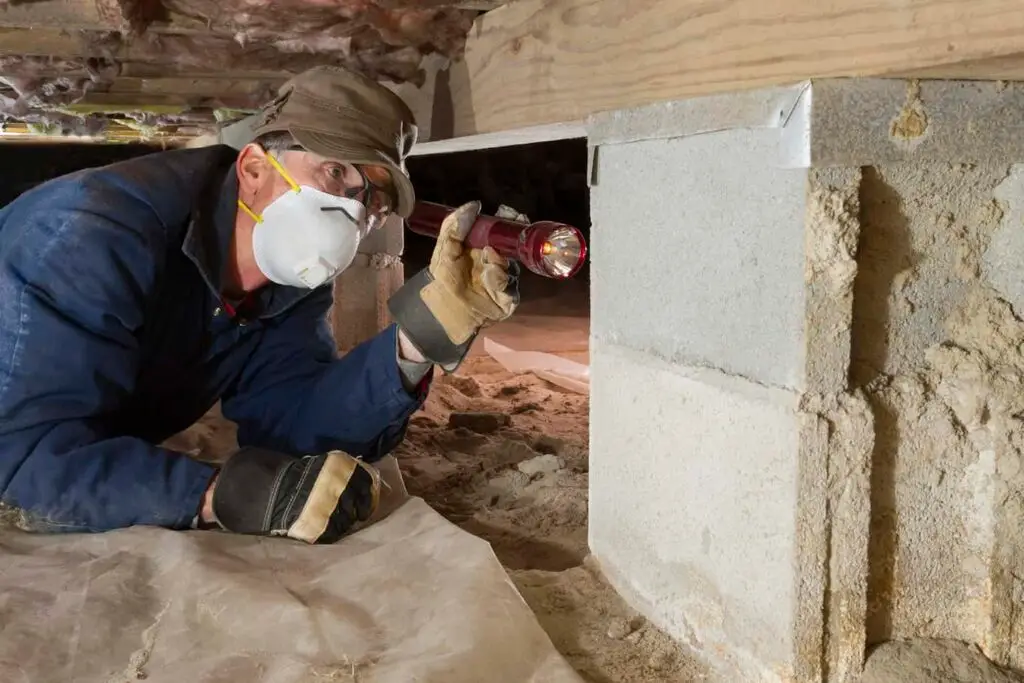
Termites are very tiny insect pests that carry huge implications with them wherever they go. They’re not just a minor nuisance; they’re a colossal headache. According to the National Pest Management Association (NPMA), these minuscule marauders rack up a jaw-dropping $5 billion in damages (at least!) in the United States every single year. It’s a good idea to have your home inspected for termites at least once per year to help you stay ahead of the curve when it comes to possible termite damage, but when buying a home in Texas, you should definitely have the home in question inspected for termites. Will Homeowners Insurance Cover Termite Damage? One main reason to have a home inspected for termites before buying it, is because homeowners’ insurance almost never covers damage incurred by pests. Termites aren’t content with just nibbling on your wood floors . . . they’re on a mission to chomp through walls, ceilings, doors, cabinets, trim, and even your beloved furniture – and worst of all, your home’s infrastructure. You often don’t even realize these “silent destroyers” have invaded until it’s too late. Don’t count on your homeowners insurance to bail you out – termite damage is usually left out in the cold when it comes to coverage. The House Hunt: Termite Inspections and Your Mortgage Another reason to have a home in Texas inspected for termites has to do with lender requirements. If you’re on the house-hunting adventure, here’s a twist you might not have anticipated: lenders often require a termite inspection before they’ll give the green light to your mortgage – it’s a tiny price to pay for peace of mind. Now, here’s where it gets interesting: the inspection requirements can be as diverse as house styles. They depend on the type of mortgage you’re chasing and the location of your soon-to-be home sweet home. In those balmy regions where termites are a common menace, lenders may insist on an inspection as part of the package. The Price of Termite Troubles: How Much to Fix the Damage? Once those sneaky critters have started chewing through a home’s wood framework and supports, it can be costly to repair. The bill can soar into the stratosphere. According to the folks at Home Advisor, homeowners often fork out anywhere from $200 to a whopping $900 for the privilege of having a pro tackle their termite problem. If your termite predicament is so dire that your entire home needs “tenting,” brace yourself for even more costs. Tenting your entire abode could set you back anywhere from $1,200 to $2,500. As mentioned, homeowners’ insurance won’t help out, but if you discover termite issues with the house, you can make your purchase contingent on the current owner fixing the existing damage. Buying a Home? Make The Purchase Contingent Homeowners should know that when it’s time to pick up the tab for those professional termite and home inspections, make sure your purchase agreement is contingent on the results. We recommend this because you don’t want to unlock the front door to your new abode only to discover a nasty termite surprise lurking within the walls after you’ve signed off on the sale. Fortunately, if termite trouble is uncovered, the cost of patching up the damage usually falls on the seller’s shoulders. Call In the Professionals You definitely want to hire a professional termite control expert to perform your inspection right. Hire someone with the right tools, strategies, and experience to get your home inspected thoroughly and correctly. It should go without saying that anytime you notice termite activity in or near your home, you should immediately call in a professional rather than try to DIY it! DIY solutions are almost always for the short-term and even if you succeed in getting rid of the termites, unless the job is done right, there is a huge chance that they’ll return with a vengeance. Despite all the preventive measures you can take, termites and other pests can just become overwhelming. Not to mention the fact that, termites can cause dangerous (and VERY costly) damage to your home’s infrastructure. Calling a professional termite control service is always much more cost-effective and a timesaver in the long run if you feel you are overwhelmed with termites and/or other pests in your home or yard. Deter expensive damage by getting a handle on things early on. Call our North Houston area (e.g., (primarily Cleveland, Kingwood, Atascosita, New Caney, Humble, Porter, Conroe, Splendora, and other communities in the North Houston area) FullScope termite and pest control experts today at 832-898-0190 for a consultation. Or email us at info@fullscopepestcontrol.com. We can quickly help you get your termite problems under control, as well as other expensive pest problems in your home, yard, or business. We use Sentricon Termite Baiting Stations as a long-term solution to help home and business owners like you get rid of their termite problems fast.
Do-It-Yourself Pest Control Fire Ants

Effective fire ants control is critical when dealing with annoying fire ants attacking your property. These small, aggressive insects may quickly turn your backyard into a dangerous minefield. However, professional pest control services are not always necessary. In this blog, we’ll walk you through some efficient do-it-yourself (DIY) pest control solutions to help you recover your yard from fire ants. Identifying Fire Ants Before delving into management strategies, it’s critical to identify fire ants. These ants, ranging from 1/8 to 1/4 inch in size, exhibit a reddish-brown to black coloration. They gain notoriety for their venomous stings, and their nests are identifiable by loose, crumbly earth mounds. Do-It-Yourself Fire Ant Control Techniques Boiling Water The simple technique of pouring boiling water into the fire ant mound can effectively tackle these aggressive insects. The scalding water causes tremendous damage, resulting in the extinction of a large percentage of the ant colony. Diatomaceous Earth When sprayed strategically around the fire ant mound, food-grade diatomaceous earth can trigger a deadly process upon contact with the ants. This natural ingredient successfully desiccates and then kills the pests. Ant Baits Using commercially available ant baits proves to be a practical fire ant control approach. Ants that consume these bait stations return deadly poisons to their nest, eventually destroying the colony. Orange Oil Orange oil and water create a smothering solution that you can apply directly to the fire ant mound. This combination impairs the ants’ respiration, eventually killing them. Vinegar and Baking Soda Creating a blend of vinegar and baking soda and pouring it onto the ant mound initiates a chemical reaction. Because it upsets the ant colony’s habitat, this reaction can help eliminate it. Mowing and Maintenance Adopting a regular lawn maintenance routine, such as frequent mowing and general vigilant upkeep, can repel fire ants. These pests like undisturbed areas, and a well-kept lawn offers an atmosphere that is less conducive to their spread. Preventing Future Infestations Maintain a tidy yard and be watchful to avoid future fires and problems. Remove food leftovers, close garbage cans, and check for new mounds regularly. Protecting Your Garden Fire ants can wreak havoc on your yard and injure your plants. Here are some steps you can take to protect your garden: – Raise garden beds to discourage ant nesting. – Mulch helps to keep ants away from plant roots. – Surround your garden with ant-repelling plants such as mint and basil. Safety Considerations Wear protective clothes and take measures when adopting Do-It-Yourself fire ant control methods, as specific approaches may contain potentially toxic compounds. Recomended Read : TERMITE TALES: MEET DIFFERENT TYPES OF COMMON TERMITES Conclusion You can achieve Fire Ants Control through practical do-it-yourself approaches without requiring professional pest control services. You can protect your property against fire ants by identifying them, utilizing the necessary control methods, and keeping your yard clean. Contact Fullscope Pest Control for comprehensive pest control solutions and professional support. We are here to assist you in keeping your home and yard pest-free. Enjoy your outside places without being concerned about fire and infestations!
Termite Tales: Meet Different Types of Common Termites
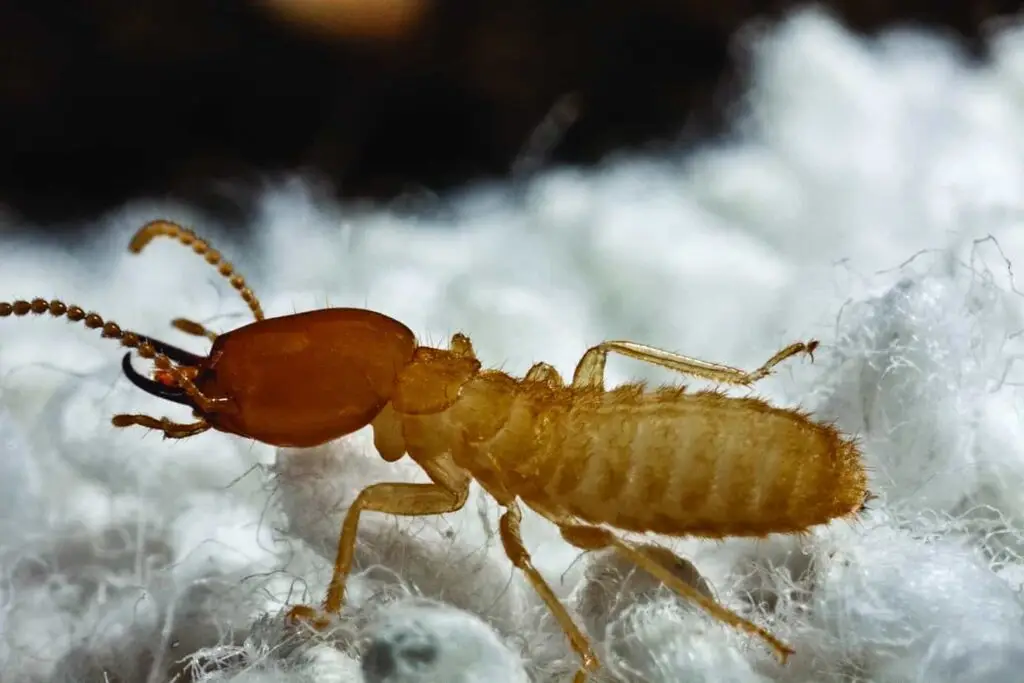
Most people, if they were to observe a single termite, would probably not think of this insect as any kind of threat. However, when these insects gather as a colony, they possess the potential to inflict substantial structural harm to a residence within a relatively brief timeframe. Termites have earned themselves the nickname “silent destroyers,” due to their impressive capacity to consume wood, flooring, and even wallpaper virtually undetected. These stealthy insect pests cause over $5 billion in property damage (over 600,000 homes) in the United States every year (that’s more damage than all windstorms, tornadoes, and hurricanes combined). Often there is much expensive damage caused even before the termites are detected. There are roughly 2,000 documented termite species worldwide (The two most common termites to the Houston area are Eastern Subterranean termites and Drywood termites), but following are common termite types that pose the largest threat to homeowners, not only in Texas, but also across the U.S. Recomended Read : SILENT DESTROYERS AMONG US: SIGNS YOU HAVE TERMITES Eastern Subterranean Termites Subterranean termites can be located in all states across the U.S. (except Alaska). These particular termites establish their colonies underground or in damp, concealed locations above the ground, which can accommodate as many as 2 million colony members. These termites usually start outside your home and work their way inside, near the foundation. They construct unique “mud tubes” to access food sources and shield themselves from threats out in the open environment. Undoubtedly, Subterranean termites stand out as the most damaging species in the United States. Drywood Termites Drywood termites are known for infesting dry wood without the need for contact with soil, which distinguishes them from Subterranean and Formosan termites. Drywood termites’ favorite thing to eat through is any type of wood. They’ll enjoy eating the wood in your walls as well as any wooden furniture you have. This termite variety frequently creates nests within roofing materials and wooden structural supports of walls, and they can also take up residence in deceased wood found near homes. While they don’t demand as much moisture for survival as other species, they can still be located in wood near water sources, such as a leaking pipe or a water heater. Drywood termites are predominantly found in the southern-tier states, spanning from North Carolina along the Gulf Coast to the coastal regions of California. Formosan Termites Hailing originally from China, Formosan termites rank as the most ravenous, assertive, and cunning among the over 2,000 termite species documented by science. Formosan termites form massive subterranean colonies and construct elaborate mud nests within the walls of buildings. Due to their highly aggressive tendencies, effectively managing an infestation of Formosan termites can prove to be quite challenging. These tenacious termites are distributed in Hawaii, North Carolina, South Carolina, Georgia, Virginia, Texas, Louisiana, Alabama, Florida, Tennessee, South Carolina, and California. Dampwood Termites Dampwood termites, as their name implies, typically infest wood with elevated moisture levels (i.e., dead trees, rotting wood). These termites are generally larger in size compared to other termite species. Typically, they do not invade structures due to the relatively low moisture content in building materials. Nevertheless, precautions should be exercised to prevent the attraction of Dampwood termites to a property. These termites are primarily distributed in states along the Pacific coast and nearby regions, the arid to semi-arid southwestern areas, as well as southern Florida. Conehead Termites Conehead termites, originally hailing from the Caribbean, represent an aggressive and invasive species that officially surfaced in the U.S. in 2001. They used to be referred to as “tree termites,” but were later renamed Conehead termites to do away with the mistaken idea that they only inhabit trees. Unlike most other types of termites, Conehead termites don’t rely on subterranean tunneling for their movement. Instead, they forage on the surface of the ground, much like ants, which facilitates their rapid spread. Despite all the preventive measures you can take, termites and other pests can just become overwhelming. Not to mention the fact that, termites can cause dangerous (and VERY costly) damage to your home’s infrastructure. Calling a professional termite control service is always much more cost-effective and a timesaver in the long run if you feel you are overwhelmed with termites and/or other pests in your home or yard. Deter expensive damage by getting a handle on things early on. Call our North Houston area (i.e., primarily Cleveland, Kingwood, Atascosita, New Caney, Humble, Porter, Conroe, Splendora, and other communities in the North Houston area) FullScope termite and pest control experts today at 832-898-0190 for a consultation. Or email us at info@fullscopepestcontrol.com. We can quickly help you get your termite problems under control, as well as other expensive pest problems in your home, yard, or business. We use Sentricon Termite Baiting Stations as a long-term solution to help home and business owners like you get rid of their termite problems fast.
Silent Destroyers Among Us: Signs You Have Termites
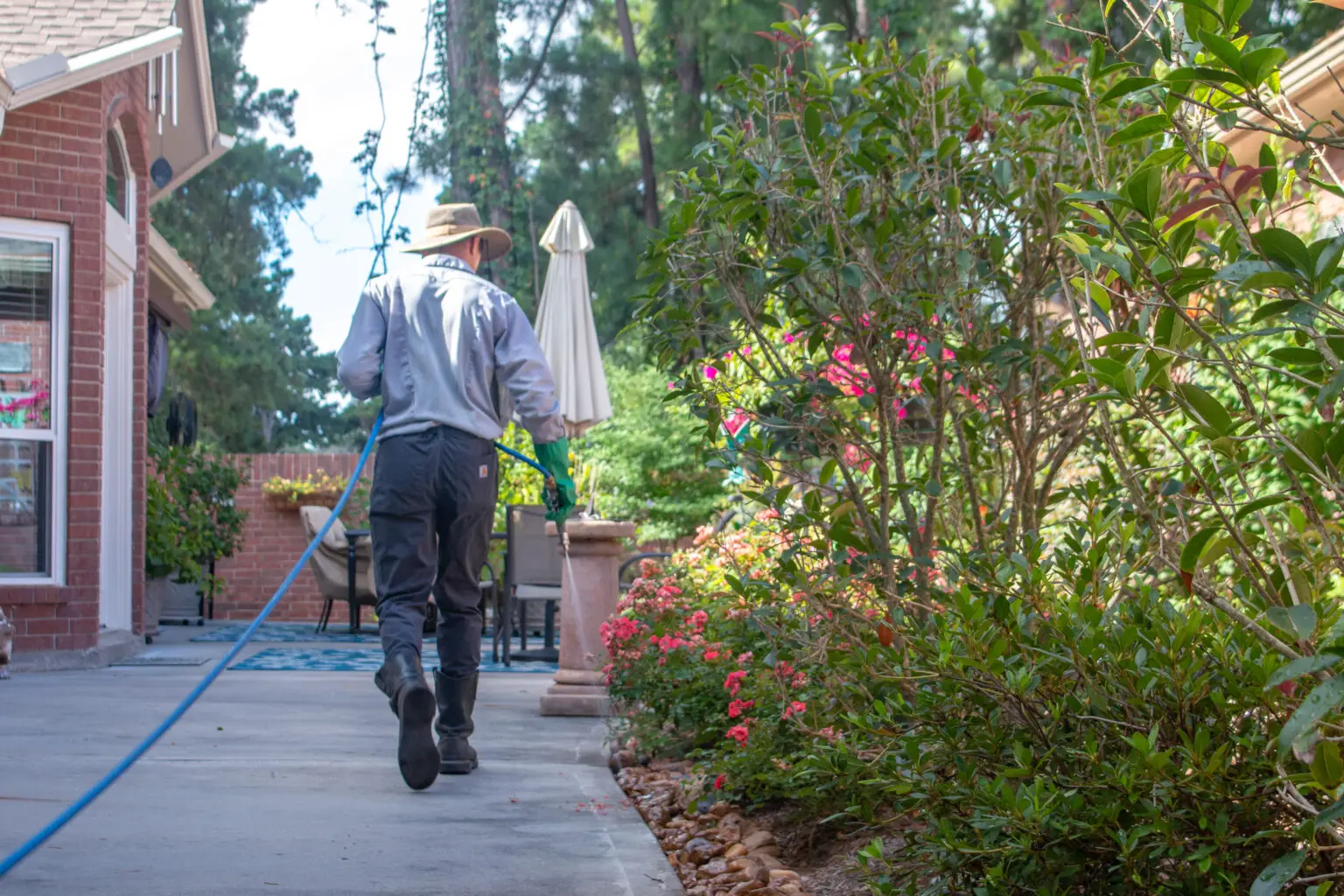
Termite colonies have the potential to inflict significant harm to a home’s foundation/infrastructure in a short time. These intrusive insect pests have earned themselves the nickname “silent destroyers,” due to their ability and appetite to consume wood, flooring, and even wallpaper practically undetected. Termites cause over $5 billion in property damage (over 600,000 homes) in the United States every year (that’s more damage than all windstorms, tornadoes, and hurricanes combined). Much of the damage caused is caused even before the termites are detected. The two most common termites to the Houston area are Eastern Subterranean termites and Drywood termites, but how do you know if you have a termite problem? Below are some signs you can (and should) be watching for as a homeowner in Texas. Telltale Signs of Termites Detecting evidence of termites isn’t always a straightforward task for untrained homeowners. However, you can sometimes spot potential signs of a termite issue by being watchful in and around your home. If you notice any of the following termite signs, we strongly recommend that you reach out to a termite control professional as quickly as possible, as they can assess the extent of the problem and provide recommendations for appropriate treatment: Recomended Read :RUST DISEASE IN LAWNS – IDENTIFICATION AND TREATMENT Being vigilant for these signs can help you identify potential termite issues in time to take immediate action as needed. If you discover a termite problem, the best thing you can do for the safety of your home and family is to call a professional termite control expert immediately. How Often Should I Have My Home Inspected for Termites? Termites pose a continuous threat throughout the year, underscoring the importance of being proactive when it comes to protecting your home. It’s not a bad idea to have your home thoroughly inspected at least once per year by trained professionals. While the best time of year to have your home inspected for termites really depends on where you live in the country, spring is usually the best time in most parts of the U.S. Of course, ANYTIME you notice signs of possible termite activity, you should have your home inspected before a small problem becomes a big, expensive one. Despite all the preventive measures you can take, termites and other pests can just become overwhelming. Not to mention the fact that, termites can cause dangerous (and VERY costly) damage to your home’s infrastructure. Calling a professional termite control service is always much more cost-effective and a timesaver in the long run if you feel you are overwhelmed with termites and/or other pests in your home or yard. Deter expensive damage by getting a handle on things early on. Call our North Houston area (i.e., Cleveland, Kingwood, Atascosita, New Caney, Humble, Porter, Conroe, Splendora, and other communities in the North Houston area) FullScope termite and pest control experts today at 832-898-0190 for a consultation. Or email us at info@fullscopepestcontrol.com. We can quickly help you get your termite problems under control, as well as other expensive pest problems in your home, yard, or business. We use Sentricon Termite Baiting Stations as a long-term solution to help home and business owners like you get rid of their termite problems fast.
Rust Disease in Lawns – Identification and Treatment
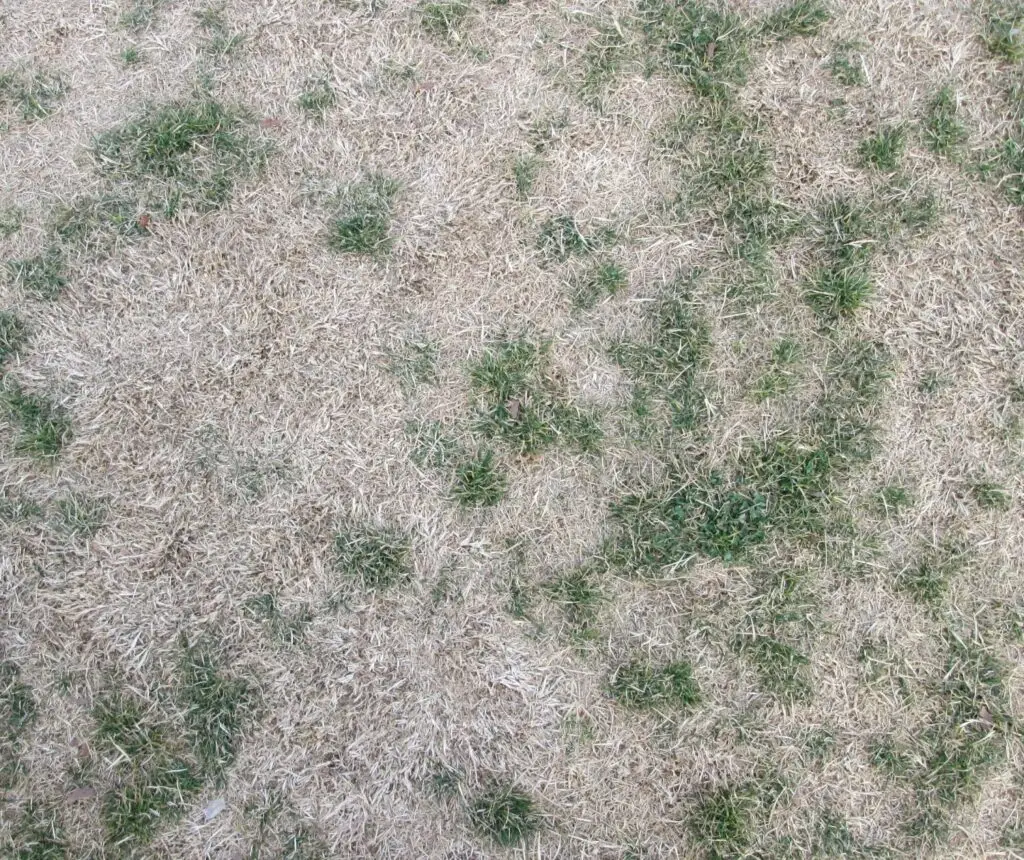
The “rusts” are a group type of fungal disease affecting the open-air parts of plants, including grasses. Rust affects the plant’s leaves most commonly, but the fungus can sometimes also be found on stems, flowers, and even the fruit. Rust disease causes red, orange, or brown patches on grass leaves (the spore pustules produced by rust disease varies in color, according to the rust fungus species and the type of spore being produced.). The spores of the fungus are spread by wind and water (rust spores are very lightweight and easily spread around), and the disease is most prevalent in humid or wet conditions. Rust disease is most common in the spring and fall, but can occur at any time during the growing season. Rust disease appears frequently during dry spells. Treatment of rust disease includes removal of infected leaves, and application of an effective fungicide. What Does Rust Disease Look Like? The common name for the disease, “rust,” comes from the rust-like appearance of the various spores that are often rust-colored, yellow, and/or orange. The fungus appears as red, orange, or brown patches on the grass leaves. These brightly colored symptoms can help you distinguish rust diseases from other lawn diseases. The spots develop into orange or brown pustules that, when touched, rupture easily and spread a powdery substance that’s a rusty orange in color. The patches may be small or large, and will often be surrounded by a yellow halo. If left untreated, rust disease can kill the grass entirely. Recomended Read : HOW TO GET RID OF A MOSQUITO IN YOUR ROOM How Do You Treat Rust Disease? As mentioned, treatment of rust disease involves removal of infected leaves, and the application of an effective fungicide. Fortunately, grass rust is probably the easiest lawn disease to get rid of. Apply a high-nitrogen, quick-release fertilizer, as nitrogen triggers leaf growth. The fungicide should be applied early in the morning or evening, when the temperatures are cooler and there is less bright sunlight. Rust disease needs moisture to develop, so be careful not to overwater your lawn. Watering the lawn deeply and infrequently will also help to prevent rust disease. Mowing the lawn at the proper height for the grass type will also help to prevent rust disease. Cutting the grass too short can stress out the grass and make it more susceptible to lawn diseases like rust. Does Lawn Rust Go Away on Its Own? Minimizing shady areas around your lawn can help kill rust diseases and help keep it from recurring. Fungicides should only be applied to grass with lawn rust infestations in the most severe cases and before the fungus goes dormant for the winter. Lawn rust may go away on its own if it is properly fertilized with a high-nitrogen, quick-release fertilizer. There’s plenty you can do to keep your lawn looking great, but sometimes pest problems become too much and undo all your hard work. Calling a professional lawn service is always much more cost effective and a timesaver in the long run if you feel your lawn is being overwhelmed with fungi and other pests that might be damaging the lawn’s natural beauty. Finding the right lawn service can help you deter expensive damage by getting a handle on things early on. Call our Texas FullScope lawn pest control experts today at 832-898-0190 for a free consultation. Or email us at info@fullscopepestcontrol.com. We can quickly help you get your lawn problem under control, as well as other expensive problems in your home or business.
How to Get Rid of a Mosquito in Your Room
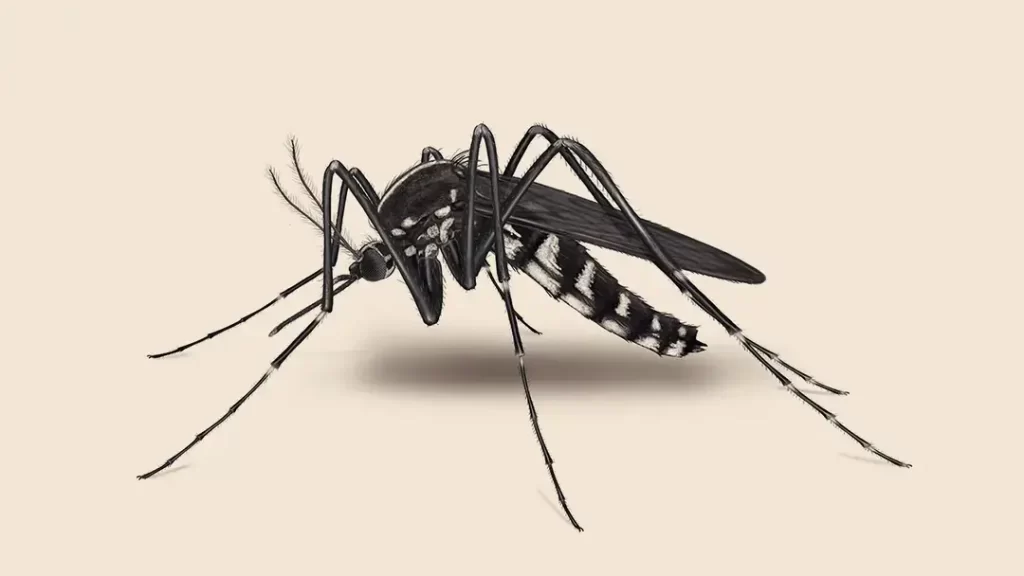
A mosquito’s buzzing can be annoying, especially if you’re trying to get some rest or unwind in your home. These itty-bitty bugs can convert any tranquil setting into a bloody battlefield. If you’re sick of swatting and scratching, it’s time to do something. In this article, we’ll review some practical mosquito control methods for eventually getting rid of those pesky mosquitos so you can relax again. Keep Doors and Windows Closed Doors and windows should be kept closed, especially during the morning and evening when mosquitoes are most active. The best way to keep mosquitoes out of your room is to maintain functional window screens. Must read about In2 Care Mosquitos Station Use Mosquito Repellents Mosquito repellents are a great tool to have on hand. Sprays, lotions, and essential oils like citronella, lemon eucalyptus, and lavender are all effective mosquito repellents. You can use these oils as a natural mosquito repellent by diffusing or combining them with water in a spray bottle. Install Mosquito Nets Installing mosquito nets over your bed can help you get a good night’s rest. These nets are a physical barrier that keeps mosquitoes away from you. Ensure the net is securely tucked at the corners to keep out pesky mosquitoes. Must Read: SPRING DEAD SPOT IN LAWNS AND HOW TO DEAL WITH IT Eliminate Standing Water Eliminating mosquito breeding grounds is crucial since the insects thrive in stagnant water. Frequently check rooms for leaky pipes, overflowing plant saucers, and other sources of standing water. You can minimize the number of mosquitoes in your room by getting rid of these things. Use Fans As poor fliers, mosquitoes are readily blown off course by even moderate winds. Having a consistent breeze in your room from a fan makes it more challenging for mosquitoes to fly in and land on you. This will not only help keep the mosquitoes out of your room, but it will also assist in keeping the air circulating and make the space more pleasant. Try Mosquito Traps Attracting and capturing mosquitoes is the purpose of mosquito traps. Mosquitoes are lured into these traps by the light, heat, and carbon dioxide emissions designed to simulate human and animal hosts. These traps have some potential, but they are most valuable when used with other forms of protection. Natural Predators Reducing the mosquito population without negatively impacting the environment is possible by releasing natural predators. Put some Venus flytraps or pitcher plants in your room to keep the bugs at bay. You can release dragonflies, which prey on mosquitoes, into the environment as an example of beneficial insects. Conclusion Mosquitoes might be tiny but can significantly impact your comfort and well-being. With the multiple methods outlined above, you can proactively take control of your indoor environment. But sometimes, despite your best efforts, the problem might persist or feel overwhelming. That’s where we come in. At Fullscope Pest Control, we provide tailored solutions based on your unique needs. Our team has been trained to identify, treat, and prevent mosquito infestations using both tried-and-true methods and innovative techniques. Don’t let these pesky invaders ruin your peace of mind or disrupt your nightly rest. Trust the experts. Trust Fullscope Pest Control. Contact us today and take the first step toward a mosquito-free home.
Spring Dead Spot in Lawns and How to Deal With It
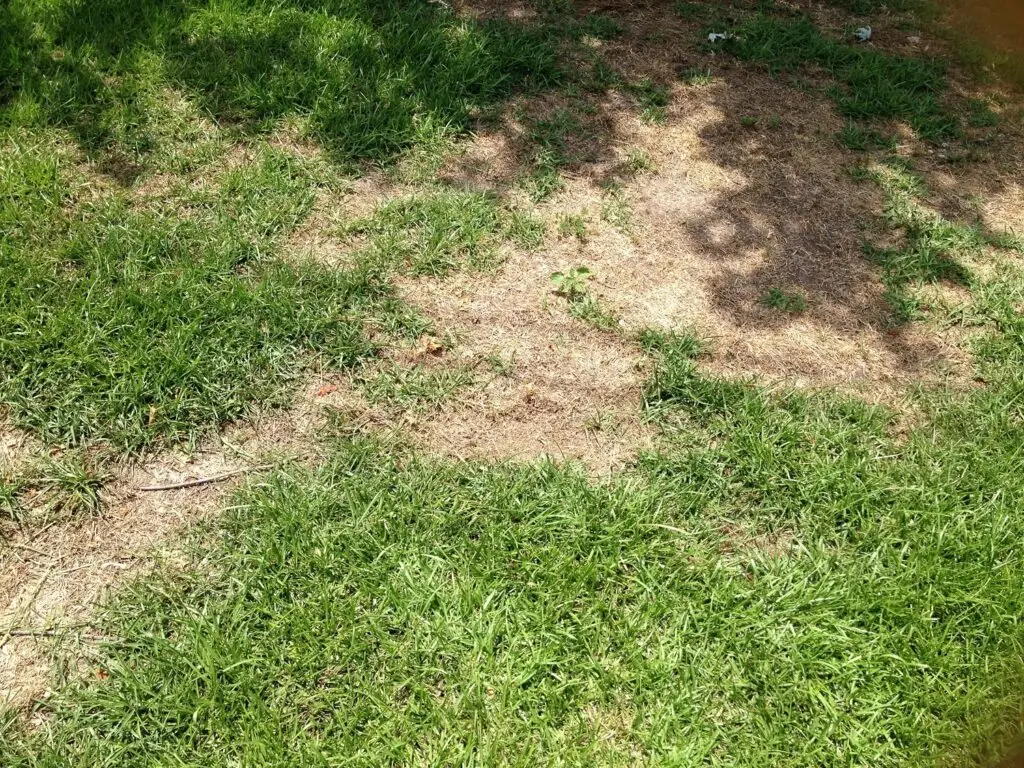
Do you have a spot in your lawn that just won’t seem to green up, no matter what you do? If so, you may be dealing with a phenomenon known as Spring Dead Spot (SDS). The disease is at its most active infecting your turf grass during moist fall conditions when the soil temperatures go below 70° F. The disease will continue doing damage until the soil tempers drop below 50° F. Infections will resume the following spring when soil warms up again. SDS is one of the most harmful diseases of Bermuda grass. Read on to learn more about what you need to know regarding this common lawn problem and how to fix it. What is Spring Dead Spot? Spring Dead Spot is a fungal disease that affects turf grasses, particularly Bermuda grass and St. Augustine grass. The disease gets its name from the fact that it is most noticeable in the spring, when affected patches of grass remain brown and dormant even as the rest of the lawn greens up. The disease is caused by infection by one or more species of the Ophiosphaerella fungus. These soil-based fungi damage the roots, rhizomes, and stolons by completely rotting out these parts of your lawn’s grass leaves. While the disease is most commonly found on golf courses and in other commercial landscapes, it can also affect residential lawns. If you have noticed large, dead patches in your Bermuda or St. Augustine grass during the spring months, there’s a good chance you’re dealing with Spring Dead Spot. What Does Spring Dead Spot Look Like? The symptoms of Spring Dead Spot (SDS) are well-defined and bleached-out, ashy-looking dead patches on your lawn while the rest of your lawn is greening, especially during the springtime. Oddly, the infection itself doesn’t cause symptoms of SDS, but rather it makes the infected grass more prone to winter damage. Symptoms are notably worse following longer cold, wet winters. On the other hand, after a warmer and dryer winter, damage to the lawn will be noticeably less prominent. Untreated, the diseased patches of your lawn can get larger and larger each year. Weeds may also thrive in these weakened, damaged patches of lawn. How to Treat Spring Dead Spot The best way to deal with SDS is to prevent it from occurring in the first place. The fungus that causes the disease thrives in moist conditions, so watering your lawn only as necessary (and not over-watering) can help make your turf less susceptible. In addition, aerating your lawn regularly will promote good drainage and help reduce compaction, which can also make your turf more resistant to the fungus. If you already have SDS in your lawn, there are a few things you can do to try to control it. First, increase the frequency of mowing until the affected areas have recovered; this will help remove infected tissue and prevent the spread of the fungus. You can also treat affected areas with a fungicide specifically designed for use against SDS; just be sure to follow all directions carefully when using any type of pesticide or herbicide on your lawn. Must Read:ECO-FRIENDLY TERMITE CONTROL: THE SUSTAINABLE BENEFITS OF BAITING There’s plenty you can do to keep your lawn looking great, but sometimes pest problems become too much and undo all your hard work. Calling a professional lawn service is always much more cost effective and a timesaver in the long run if you feel your lawn is being overwhelmed with lawn diseases and other pests that might be damaging your turf’s natural beauty. Finding the right lawn service can help you deter expensive damage by getting a handle on things early on. Call our Texas FullScope lawn pest control experts today at 832-898-0190 for a free consultation. Or email us at info@fullscopepestcontrol.com. We can quickly help you get your lawn problem under control, as well as other expensive problems in your home or business.
Eco-Friendly Termite Control: The Sustainable Benefits of Baiting
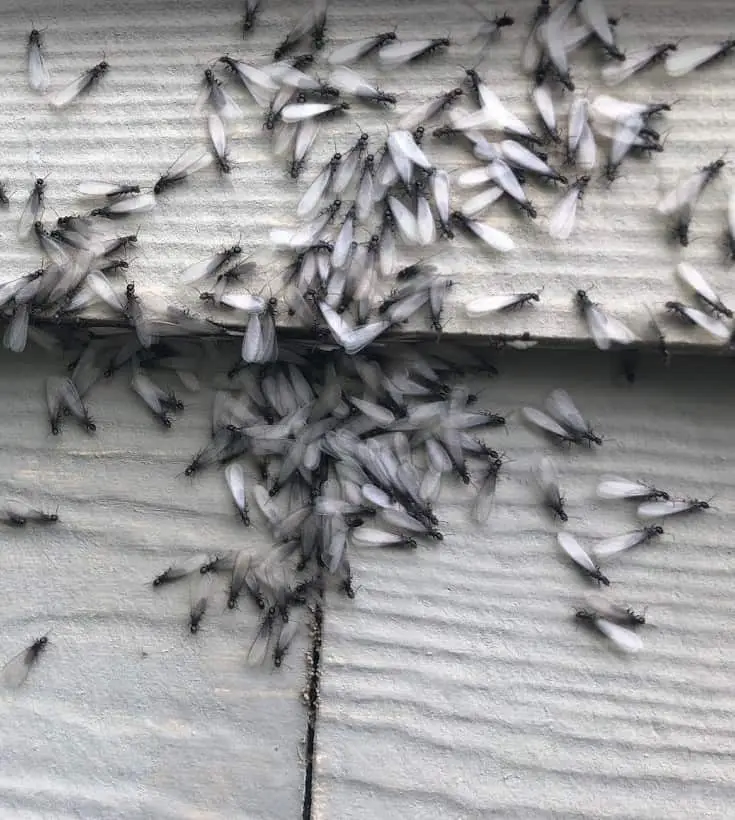
Termite infestations are every Texas homeowner’s nightmare. Termites can cause dangerous (and very expensive) damage to a home’s infrastructure if left untreated. In fact, nationwide, termites cause over $5 billion dollars in property damage every year. There’s a potent, long-term solution that comes in the form of termite “baiting.” This method not only controls active termite populations but also helps prevent future infestations. Termites are perpetually vigilant for new sources of sustenance, underscoring the constant need for proactive termite control measures. Baiting takes advantage of the innate feeding habits of subterranean termites. These termite colonies make their homes within the soil and live exclusively off of wood or cellulose-rich materials. As termite colonies flourish, they produce more worker termites, enabling the colony to extend its quest for sustenance. In their relentless search for nourishment, termites consider any wooden material fair game. Whether it’s bark mulch, timbers, stumps, or similar substances, termites readily incorporate them into their diet. In fact, termites find bait even more attractive than wood for consumption. Let’s discuss five of the primary benefits of baiting termites as opposed to more traditional termite control methods. Termite baiting is a green, sustainable pest control solution that works much like ant baiting, though with a different type of bait that termites are attracted to. To bait these destructive pests, bait is strategically placed in stations around your property, to ensure that it’s readily accessible to the termites (we use Sentricon termite bait stations, one of the very best baiting options available). The bait in question is reliable and durable, designed to withstand the test of time in the soil. Termites are drawn to this tempting treat and readily feast upon it. More importantly, they share it with their nestmates, unwittingly sealing the doom of all in the colony who consume it. As the colony consumes the bait, it is gradually wiped out. To exterminate a termite colony, you must first locate its hiding place. Our Sentricon termite protection excels in this regard. It provides indicators of termite activity, enabling the system to adapt and maximize its effectiveness. By pinpointing termite hotspots, our termite bait stations ensure precise targeting for unparalleled results. As mentioned, termites find termite bait more enticing than wood. When they dine on the bait, thereby killing off their ability to molt. If termites can’t molt, it means the end for the queen of the colony. And her death means doom for any remaining members of the termite nest. Unlike some other treatments that require extensive digging or chemical injections, the Sentricon termite stations we use are friendly to the environment. They form a protective barrier around your property without disrupting your lawn or landscaping. No deep digging or chemical injections are needed; our bait systems are simply inserted into areas conducive to termites, such as damp soil or spots near trees and shrubs. Sentricon termite protection is so effective that one installation treatment is all it takes to establish a formidable barrier around your North Houston area property, eradicating the termite colony. Our comprehensive step-by-step process ensures that your home remains safeguarded from future termite threats without the need for subsequent booster treatments. Must Read: PEST CONTROL BASICS: HOW TO REMOVE ANTS FROM YOUR HOME Why Sentricon Termite Baiting? Sentricon termite protection provides a sustainable shield for your North Houston area property. Sentricon termite bait stations are a sustainable solution that extends its protective mantle not only to your cherished home and yard, but also to your valuable business property. Its efficacy has been substantiated by over 60 rigorous scientific studies, making it a trusted choice in the battle against termites. Furthermore, Sentricon is a safe and environmentally responsible option, minimizing harm to the ecosystem. Despite all the preventive measures you can take, termites and other pests can just become overwhelming. Not to mention the fact that, termites can cause dangerous (and VERY costly) damage to your home’s infrastructure. Calling a professional termite control service is always much more cost-effective and a timesaver in the long run if you feel you are overwhelmed with termites and/or other pests in your home or yard. Deter expensive damage by getting a handle on things early on. Call our North Houston area (e.g., (primarily Cleveland, Kingwood, Atascosita, New Caney, Humble, Porter, Conroe, Splendora, and other communities in the North Houston area) FullScope termite and pest control experts today at 832-898-0190 for a consultation. Or email us at info@fullscopepestcontrol.com. We can quickly help you get your termite problems under control, as well as other expensive pest problems in your home, yard, or business. We use Sentricon Termite Baiting Stations as a long-term solution to help home and business owners like you get rid of their termite problems fast.