 1500+ reviews

Should I Clean The House After Pest Control
Most homeowners are still determining what to do after the treatment is finished. However, let us warn you that cleaning your home after a pest control treatment is essential, especially if you have kids or pets. Because toddlers can crawl, they might discover and eat the chemicals that remain on the floor after treatment. This could endanger their life, so thorough cleaning of your home is imperative following treatment. The methods listed below are the most thorough and effective ways to clean your home after a pest control treatment. Choose A Starting Point Pick a place to begin to ensure that you go through each room. We advise starting at one of the house’s far ends and working toward the center. Consider carrying a checklist and checking off each room as you finish cleaning it. The most important tool you can use to make the cleaning process go more quickly and effectively is organization. Begin At The Top And Work Your Way Down After treatment, always clean from the top down, floors, and ceilings. After cleaning the ceiling fans, wipe the walls down with a disinfectant. It kills any bacteria that pests might have brought in and gives the house a fresh scent. Keep a stack of clothes nearby when cleaning windows and walls so you can switch out when one becomes too dirty. Remember to wipe the baseboards, sweep the floor, and then give the walls and windows a thorough mopping after you’re finished. So that you don’t oversaturate the floor with water, squeeze out any extra water from the mop. Always Be Patient You ought to take your time cleaning up after the treatment. Sometimes you must wait a week before cleaning your house so the pesticides can affect the intended pests. While some pests emerge immediately after spraying, others emerge from their hiding places. Additionally, if pesticides are being sprayed, you should ask the exterminator about the best time to enter to protect yourself from hazards. Wash Utensils In The Kitchen Since the kitchen is the ideal place for an infestation, utensils, countertops, dishes, and it will inevitably spray other items. It will add pesticides to pots, pans, and other items. To remove all chemicals during cleaning, you must thoroughly wash every item, including pots and utensils, because you might ingest the toxins. For safety reasons, ensure the kitchen has been thoroughly cleaned, wiped down, and mopped. Must Read: ARE WASPS AND HORNETS THE SAME Conclusion Cleaning your home after the treatment is necessary, but make sure the pest control professionals allow you to do so and that the treatment is already dry to avoid destroying the pesticides’ effects. If your home requires pest control, get in touch with us. Fullscope Pest Control is well-regarded, and our pest technicians are also highly skilled, qualified, and experienced. We not only help you eliminate pests, but we also provide you with advice and tips on how to avoid future infestations. We can solve any pest-related problem you may have in your home or office. Give us a call right away! Give us a call right away!
Where Does Pest Control Spray In Apartments?
Pest control is essential to apartment living, as pests can be a nuisance and health hazard. Pest control spray is one method that is commonly used to control pests in apartments. However, it’s essential to know where and how to properly use pest control spray to ensure the safety of yourself and your neighbors. Follow these steps to learn and help keep your apartment free of pests and maintain a safe and healthy environment. Identify The Type Of Pest Present Identifying the pest species at hand is the initial step in eliminating them. Using the wrong spray to eradicate a particular bug could be counterproductive or dangerous. Ants, cockroaches, and bed bugs are typical apartment pests. Researching the habits and expected locations of the problems is essential before initiating treatment, as each insect has its unique profile. Locate Areas Of Activity Once you have identified the pests, it’s vital to locate the areas where they are most active. In the case of ants and cockroaches, this may include kitchens and bathrooms, as these are often where food and water sources are located. On the other hand, bed bugs are usually found in bedrooms, as they feed on the blood of sleeping humans. Target Specific Areas When applying pest control spray, targeting specific areas rather than spraying indiscriminately is essential. This includes spraying around entry points such as doors, windows, holes, drainage systems, and other places where the pests are known to congregate. It’s also important to be mindful of neighbors and to avoid spraying in common areas such as hallways or shared spaces. Avoid spraying in areas where people are present and wait for at least a few hours before returning indoors after having sprayed outside the home. Follow Labeled Instructions When using pest control spray, it’s essential to follow the instructions on the label and use caution. Pest control sprays can harm humans and pets if not used properly, so it is vital to wear gloves and personal protective clothing when applying the chemical and to keep pets and children away from the area until the spray has dried. Must Read:WHAT IS THE BEST MOSQUITO CONTROL FOR A YARD? Conclusion Pest control spray can be an effective method of controlling pests in apartments. Still, it’s essential to use it properly to ensure the safety of yourself and your neighbors. Begin by identifying the type of pest you’re dealing with, locate the areas where they are most active and target specific areas, follow the instructions on the label, and use caution when applying the spray.It’s also important to note that while pest control spray can effectively control pests, it’s only sometimes a one-time solution. Problems can often return and require ongoing treatment to keep them under control. In some cases, it may be the best option to bring in a professional pest control service to help identify and eliminate the pests. Hire professionals in Fullscope Pest Control to do the job for you. Our well-trained team is friendly and knowledgeable and can help you reclaim your space and restore normalcy in your life.
5 Easy Tips To Get Rid Of Scorpions In Your Home
🦂 Key Highlights: How to Get Rid of Scorpions Concerns over infestations brought on by scorpions are a common source of stress for Conroe, Texas homeowners. It is well known that their stings are excruciating and can even cause death in some cases. In addition, it is well documented that they are responsible for transmitting diseases such as encephalitis and malaria. The best part is that you can eliminate them with a few simple measures. Boric Acid It is a slow yet sure way to kill scorpions. Boric acid is a naturally occurring component that can be found in fruits and can also be found in a wide range of other goods. Consuming it poses no risk to human health, even though scorpions die quickly after doing so. You can spray boric acid all over the scorpion’s body and then wait to see what kind of reaction it causes. Because scorpions clean themselves, they will likely consume boric acid if it gets on them and stays there. Diatomaceous Earth Another option for getting rid of scorpions is to use diatomaceous earth. It’s placed in warm places like your home’s border, under appliances, in cupboards and closets, and elsewhere. It dries up the insects’ exoskeletons, making them more vulnerable. It is ideal to use food-grade diatomaceous earth in areas where children and animals do not congregate, and you should only apply it in regions where it is safe. Before beginning the application, wear gloves, goggles, and a face mask. Essential Oils The essential oils lavender, cinnamon, peppermint, and cedar are all considered to repel scorpions. You can spray these around your home’s borders and along scorpion-issue areas and entry points, such as baseboards, windowsills, and doorways, after diluting them with the carrier oil of your choice. Aim for about 10% essential oil, and don’t spray plants or surfaces that can get stained, as both can be damaged by essential oil mixes made at home. Check out our services in Pest Control Humble TX Bleach Bleach is an option when the scorpions are out of control and present. It is recommended to spray it in areas where they are known to hide most of the time. When things are tight, you can apply bleach immediately to the scorpions to kill them. They will perish in an instant as a result. Vinegar Vinegar cleans the outside of baths, sinks, shower stalls, and toilets and kills scorpions. Fill a spray bottle with vinegar and treat the affected area. As a repellant, white vinegar is used. Sprinkle it on scorpions to cause them to sting—the acidic chemical damages the scorpion’s bodily sensors, producing disorientation. As a result, vinegar can be employed as an efficient repellent for scorpions. Must Read: HOW TO PREVENT AMERICAN COCKROACHES IN YOUR HOME But when all else fails and you continue to find these unwanted guest in our home, it is time to call in the experts at FullScope Pest Control. because scorpions are located under rocks and leaf litter, have a powerful application system helps with elimination. Knowledge is power when it comes to eliminating and preventing scorpions, and FullScope has entomologist on staff, with our technicians are the best trained team in the industry. Conclusion Therefore, getting rid of them as soon as possible is better than taking risks. These tips are made to help you relieve your stress because of those pests. But if you need professional assistance in dealing with scorpions in your home, contact Fullscope Pest Control. We guarantee that we will deliver the best service for your pest problems. Call us now! 🦂 FAQs: How to Get Rid of Scorpions Q1: What attracts scorpions into my home?A: Scorpions are drawn to moisture, shelter, and food sources like insects. They often enter through cracks, drains, or poorly sealed windows and doors. Q2: What is the fastest way to get rid of scorpions?A: The quickest way is to apply a direct spray of bleach or use a professional-grade insecticide. For long-term results, combine this with sealing entry points and reducing moisture. Q3: Do natural remedies really work for scorpion control?A: Yes, natural remedies like diatomaceous earth, essential oils (lavender, peppermint), and vinegar can repel or kill scorpions when applied correctly and consistently. Q4: Where do scorpions usually hide in a house?A: Scorpions prefer dark, undisturbed areas like closets, under appliances, basements, garages, and behind baseboards or furniture. Q5: Is it safe to use boric acid or diatomaceous earth around pets?A: Food-grade diatomaceous earth is generally safe for pets when used as directed. Boric acid should be applied carefully and kept away from pet areas. Q6: How do I prevent scorpions from returning?A: Seal all cracks and entry points, eliminate standing water, reduce indoor insect populations, and keep outdoor vegetation trimmed away from the home. Q7: When should I call a professional exterminator for scorpions?A: If DIY methods don’t work or you spot multiple scorpions inside your home, it’s best to contact a licensed pest control professional for a full inspection and treatment plan.
How to Keep Boxelder Bugs Out Your Home this Winter
If you’re a homeowner, then it’s likely that you’ve had to deal with pests at some point or another. In the fall, one of the most common pests that tends to invade homes is the boxelder bug. While they may not pose a serious threat to your health, they can be quite a nuisance. If you’re looking for information on how to get rid of boxelder bugs, then read on. We’ll provide tips on how to get rid of them and keep them from coming back. What are boxelder bugs and where do they come from? Boxelder bugs are small, black insects with red markings on their wings. They are often found on boxelder trees, hence their name. While they are not dangerous to humans, boxelder bugs can be a nuisance. They often enter homes in search of warmth during the winter months, and their excrement can stain walls and furniture. Must Read About: Best Rodent Control Near Me While boxelder bugs are not harmful to humans, they can be destructive to boxelder trees. The bugs feed on the tree’s leaves, buds, and seeds, causing extensive damage. In severe infestations, boxelder trees can be killed. Thankfully, there are several ways to control boxelder bug populations. Pesticides can be used to kill the bugs, and barriers can be placed around trees to prevent them from accessing the leaves and branches. With proper management, boxelder bugs can be controlled, and the damage they cause can be minimized. What do boxelder bugs look like and what are their distinguishing features? Boxelder bugs are small, black and red insects that are often found on boxelder trees. They get their name from the fact that they are often found on these trees. They are also known to feed on the sap of these trees. Boxelder bugs can be a nuisance to homeowners because they often congregate in large numbers on the outside of homes in the autumn, looking for a place to overwinter. They can also sometimes find their way into homes through cracks and crevices. Boxelder bugs are not known to cause any damage to homes or humans, but their presence can be a nuisance nonetheless. How do you get rid of boxelder bugs if they invade your home in the fall? Boxelder bugs are attracted to the warmth of homes in the fall, looking for a place to overwinter. These overwintering pests are not capable of biting or stinging, but their presence can be a nuisance. They do not cause structural damage to homes, but they can stain surfaces with their excrement. While boxelder bugs are not harmful, many people want to get rid of them if they invade their home. The best way to get rid of boxelder bugs is to vacuum them up and dispose of them outside. You can also seal up any cracks or crevices where they might be entering your home. Taking these measures should help to keep boxelder bugs out of your home. Are there any natural ways to repel boxelder bugs without using chemicals or pesticides? Fortunately, there are some natural methods that can be used to repel boxelder bugs. One of the most effective is to plant boxelder trees around the perimeter of your property. These trees produce a sap that boxelder bugs find repulsive, and they will avoid areas where the sap is present. You can also try placing bundles of dried Lavender around your home, as the scent of Lavender is known to repel boxelder bugs. Finally, keep your yard clean and free of debris, as boxelder bugs are attracted to cluttered areas. How can you prevent boxelder bugs from invading your home in the first place? Another thing you can do to prevent boxelder bugs from invading your home is to seal any cracks or openings around your home where they might be able to get inside. Take a walk around your home and look for any cracks in the foundation or openings around windows and doors. Once you’ve found these areas, seal them up with caulk or another suitable material. This will help to keep box elder bugs out of your home and prevent them from becoming a nuisance. Recommended Read: How to Pest Proof Your Home What should you do if you see a boxelder bug inside your home? If you spot a boxelder bug inside your home, there’s no need to panic. While they can be pesky pests, they generally don’t cause any harm. The best course of action is to simply remove them from your home and release them back into the wild. Here’s how to do it: 1. Carefully scoop up the bug using a piece of paper or a small container. 2. Carry the bug outside and release it into a safe area away from your home. 3. Vacuum them up 4. If you have boxelder bugs regularly entering your home, you may need to take measures to seal up any cracks or openings where they’re getting in. This could include caulking cracks around windows and doors, or installing weatherstripping around entry points. By following these simple steps, you can get rid of boxelder bugs without causing any harm. 1. Seal Up Cracks and Gaps Another way to prevent boxelder bugs from getting into your home is to seal up any cracks or gaps in your home’s exterior. These pests can squeeze through very small spaces, so it’s important to make sure there are no openings that they can exploit. Caulk any cracks in your foundation or around windows and doors. 2. Remove Boxelder Trees If you have boxelder trees on your property, you’re more likely to have problems with these pests. Boxelder bugs are attracted to these trees and will often lay their eggs on them. If possible, remove any boxelder trees from your property to help reduce the population of these pests. 3. Prevention is the Best Policy If you have dealt with them before, the best way to prevent them from entering
Pest Proofing Your Home: A Comprehensive Guide
No one wants pests in their home. Not only are they unsightly, but they can also pose a serious threat to your health and the structural integrity of your home. The good news is that there are a number of things you can do to prevent pests from taking up residence in your home in the first place. In this comprehensive guide, we’ll show you how to pest-proof your home so you can rest easy knowing that both you and your house are safe from harm. Seal Cracks and Gaps One of the most effective ways to keep pests out of your home is to make it as difficult as possible for them to get inside in the first place. Take a walk around your home and look for any cracks or gaps in the foundation, windows, and doors. These are all potential entry points for pests, so it’s important to seal them up with caulk or weatherstripping. Not only will this help keep pests out, but it will also improve the energy efficiency of your home. Also, read about Autumn’s Unwanted Guests Pest Pest-proof your Porch and decks These areas can be great harborage areas for insects, rodents and wildlife. Make sure that you try to limit access to rodents and wildlife. Keep the decking clean of leaf litter, and sweep those leaves away. Window Pest Proofing Make this step an annual event, take a step back and inspect for damaged screening and any gaps and openings that need to be addressed. These are ideal entry points for mosquitoes, ladybugs and stink bugs that overwinter. Related Article: How to Keep Boxelder Bugs Out of Your Home This Winter Must Read:AUTUMN’S UNWANTED GUESTS: THE ASIAN LADY BEETLE Keep Your Home Clean Another way to deter pests is to keep your house clean. Many pests, such as cockroaches, are attracted to food sources, so it’s important to keep your counters and floors free of crumbs and spills. Put away food in airtight containers, and take out the trash regularly. You should also sweep and mop regularly to remove any food sources that might be attracting pests. Keep your floors clean and vacuum often. If you think you have fleas, vacuuming will not eliminate them, you will need to call in the big guns, your local pest experts. Eliminate Moisture Sources Moisture is another attracting factor for many types of pests, so it’s important to eliminate any sources of moisture in your home. Repair leaks in plumbing fixtures and appliances, and make sure that drains are clear so they don’t overflow. In addition, use a dehumidifier in areas of your home that tend to be moist, such as the basement or laundry room. By eliminating moisture sources, you can make your home less attractive to pests. Pest-proof Your Roof Check for gaps or holes in facia boards, soffits, roofline, roof pitches, gables and roof vents. Remember that rats can enter a home through an opening as small as a quarter. Larger openings can allow squirrels, and even raccoons to take up residency. Think you have a problem, call your local pest professionals, to come out and inspect and offer you an exclusion plan. Check Your Doors Even the smallest gap on the side or underneath of your door can allow insects, and even snakes to enter. Make sure your door sweeps and thresholds at the base of exterior doors are in good condition. Trash and Recycling Bins Don’t let your trash and recycling pile up, keep them covered and sealed. Regularly clean all trash receptacles to prevent insect invasions. Pest Proof Down Low Make sure to check areas at the base of the home home, look for large weep holes, seal up electrical line openings as well as plumbing penetration and A/C lines. Inspect for mortar cracks and repair accordingly. Conclusion: Pests are more than just a nuisance; they can also pose a serious threat to your health and the structural integrity of your home. Luckily, there are a number of things you can do to prevent pests from taking up residence in your house. By sealing cracks and gaps, keeping your home clean, and eliminating moisture sources, you can make your house much less attractive to pests—and much safer for yourself and your family. If you are wanting to keep unwanted pests from entering your home, talk with your local pest experts. We can help you to identify the pest, locate the likely points of entry and eliminate the potential from invasion.
Autumn’s Unwanted Guests: The Asian Lady Beetle
If you live in the United States, you may have noticed some little red and black bugs crawling around your house as autumn approaches. These are called Asian lady beetles, and while they’re not harmful to humans, they can be quite a nuisance. Here’s everything you need to know about these pests—and how to get rid of them. Where Do Asian Lady Beetles Come From? As their name suggests, Asian lady beetles are not native to the United States. They were first introduced into California in 1916 in an effort to control aphids and other crop-destroying pests. However, the beetles quickly adapted and spread to other parts of the country, where they have become a major nuisance in homes and businesses. What Do Asian Lady Beetles Look Like? Asian lady beetles are small—usually around 1/4 of an inch long—and oval-shaped. They have six legs, two antennae, and wings that they can use to fly. Most importantly, they have a distinctive red or orange “M”-shaped marking on their heads. Some lady beetles also have spots on their wing covers, but not all do. Are Asian Lady Beetles Harmful? Luckily, Asian lady beetles are not harmful to humans or animals. However, they can be a real pain if they decide to make your home their winter abode. Once inside, they can emit a foul odor and cause allergies in some people. In large numbers, they can also stain walls and furniture with their yellowish secretion. Must Read Are Hornets A Type Of Wasps In the autumn months the adult beetles will leave their summer sites in yards, fields and forests to head into protected areas for the winter. It is not uncommon to have swarms of ladybugs during the October, November months in Texas. They will seek out cracks and crevices to inter and congregate in the attics, wall cavities and other protected interior areas of the home or business. Once temperatures start to warm up they will become active again in early spring, then the beetle will try to escape the structure to the outdoors, in some cases inadvertently wandering into the interior. They are attracted to light and will be found around light fixtures and windows. Recommended Read: 4 Things to Prevent Fall Pests How Can I Get Rid Of Them? The best way to get rid of Asian lady beetles is to prevent them from entering your home in the first place. To do this, caulk up any cracks or crevices around doors and windows where they might be able to sneak in. You should also make sure that your doors and windows have tight-fitting screens. If you already have lady beetles in your home, vacuuming them up is usually the most effective way to get rid of them. Just be sure to dispose of the vacuum bag immediately so that the lady beetles don’t escape and come back again. You can also try using a solution of soap and water to attract and trap them. Do not try to swat them as they will leave a stain, better to simply vacuum them up. Finally, if you want a more permanent solution, you can always call an exterminator. We can offer prevention solutions for the Asian lady beetle invasion. Conclusion: As temperatures start to cool down in autumn, you may notice some unwanted guests making their way into your home: Asian lady beetles. These little critters are not harmful to humans or animals, but they can be quite a nuisance if they decide to take up residence in your house, Call FullScope Pest Control if you want to prevent these pests from coming inside or get rid of them if they’ve already made themselves at home.
How often should pest control be done in a restaurant?
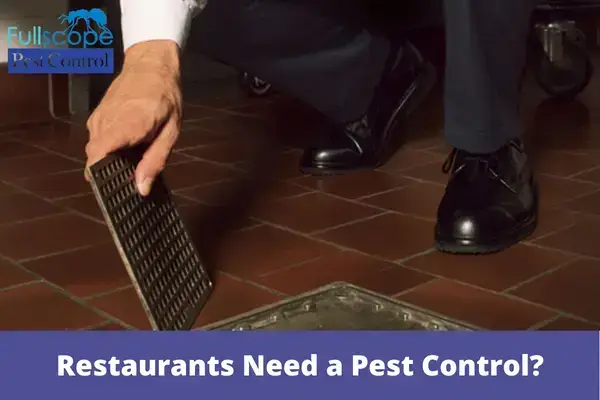
Pests can cause severe damage to a restaurant, and no owner likes to talk about the bugs they’ve seen crawling across their food. To avoid that situation, you have to get your property treated regularly for pests. Determining how often your restaurant needs pest control depends on several factors. The first step is to talk with our pest control professional. It is essential to maintain a clean restaurant if you want to get rid of the bug problem that exists inside your establishment. Controlling Pests Inside The Restaurant Every day, the dining area should be thoroughly cleaned, and any traces of food dirt should be eliminated. It also applies to areas designated for the preparation and cleanup of food. In addition, no food should be allowed to be standing around in the kitchen, where food is prepared, or in the storage spaces. Read About the Elimination of Mice and Rats from home. Restaurant’s Exterior Consideration Lightning. UV light entices insects into glue traps and bug zappers as a pest control measure. These are fantastic for attracting flying pests away from your building or killing any that slip inside, but they also show why you should be careful with restaurant lighting. Install fixtures away from your building and direct light toward doorways. Passageways. Doors and windows should be closed wherever possible. However, reception rooms, drive-through windows, and main entrances will be open often and occasionally for long hours. Consider an air curtain to repel flying insects in these scenarios. A door sweep plugs gaps between the door and the floor/threshold to prevent dampness, drought, insects, and rats. Regularly inspect your facility’s exterior for unintended entry and seal gaps and crevices. Dumpsters. Unkempt dumpsters attract pests and are an eyesore if not properly managed. Invest in appropriately-sized trash to prevent overflow, and clean the area with a hose so water flows down a drain unless using a dumpster deodorizer, which should not be discharged into the environment. Dumpsters should be far from your structure and have tight-fitting lids. Pest Inspection Every restaurant owner’s best interest is to perform routine pest inspections to stay one step ahead of the insects. When it comes to pest inspections, one of the most common questions is, “How frequently should you have them?” Per our suggestions, the frequency of pest inspections should be increased to once per year. Pest Control Evaluation After inspecting your restaurant, our extermination expert will offer you an assessment of the existing state of affairs. You will acquire knowledge regarding any current vermin issues in your restaurant and prospective dangers. Our inspector will point out any cracks, holes, or tears that allow insects or rodents to enter the home. This examination is meant to assist you in gaining a better understanding of the state that your restaurant is now in. After you have gained a better experience of the infestation level at your restaurant, you can make the best choice regarding the available treatment solutions. Restaurants need regular pest management; it’s not a luxury. If your restaurant doesn’t have pest control, schedule an inspection immediately. Pests in your restaurant threaten client health and your business’s reputation. Fullscope Pest Control has worked with restaurants and would love to help you stay pest-free.
Top 5 Types Of Scorpions Found In Texas
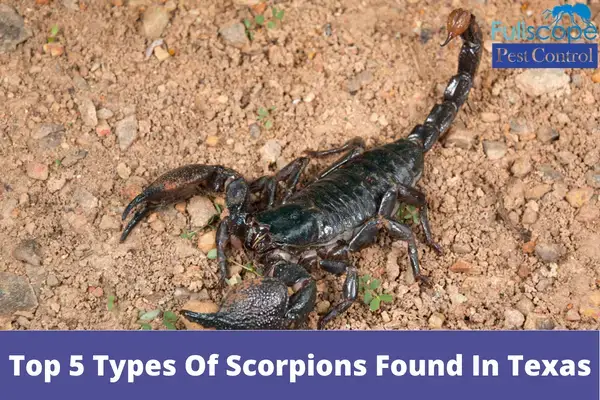
Scorpions are easily distinguished from other insects thanks to their curled stinger and enormous pincers; these characteristics are shared with spiders and other arachnids. Although they tend to stick to drier areas, many scorpions may be found in Texas. Thankfully, Texas is free of the poisonous scorpions that may cause paralysis, cardiac failure, and even death. However, these scorpions can inflict an agonizing sting that may cause a painful reaction. You should be aware of the various species of scorpions that might be seen in Texas, so we’ll go over a few of the most common ones below. 1. Texas Cave Scorpion As its name suggests, the Texas Cave Scorpion is typically found in or near caves. These pests prefer cave-like habitats and can occasionally be discovered in houses located near natural regions. However, they are most commonly seen nesting under wood piles. It has a dark color, and because of this, they can blend in better with their cave environments. Their lengths are between an inch and a half and two inches. Despite the scorpion’s poison, its bite is supposedly no worse than a bee sting and poses no danger. 2. Florida Bark Scorpion The Florida Bark Scorpion is a species that is invasive in Texas. Although it does have venom, it poses little real threat to humans. Even though it poses only a moderate risk to public safety because of its habit of congregating in residential areas, it is something to be concerned about. They preferred hiding places are homes, heaps of wood, and stones. Even if it is found, there is little cause for alarm if it is appropriately managed. These scorpions are famous aquarium inhabitants because of their long captive lifespan. Must Read About How To Remove Spiders and Other Pests 3. Striped Bark Scorpion When it comes to scorpions, the Striped Bark Scorpion is dominant in Texas. Although this scorpion is venomous, the venom only induces a mild reaction in humans. Like other nocturnal scorpions, the Striped Bark Scorpion avoids the heat of the day by hiding throughout the day. This scorpion possesses a waxy cuticle across its whole body to conserve moisture. 4. Lindo Scorpion Western Texas is home to the Lindo Scorpion, also known as the Digging Scorpion. This kind of scorpion lives in burrows in the sands of deserts. Although it takes up to 8 years for this species to achieve full maturity, it has a very long lifespan. The Lindo Scorpion’s diet includes not just insects but also beetles, crickets, and other invertebrates. This scorpion may survive for days without eating, but when it does, it devours its prey with ferocity. 5. Lesser Stripetail Scorpion Lesser Stripetail Scorpion can be found in northern Mexico and Texas. Because of its adaptability, it can make its home at altitudes of over 7,000 feet and in a wide range of environments. As a burrowing species, you’ll have the most luck locating them by shining a dark light under stones and other debris. A sting from a scorpion can cause discomfort, redness, and swelling. Though painful, scorpion stings rarely result in death. The elderly and young children are particularly prone to severe consequences. So don’t hesitate to contact Fullscope Pest Control if you see a scorpion in your home. We’ll help you get rid of the scorpions and prevent them from returning.
How To Keep Honey Bees Away From Your Home?
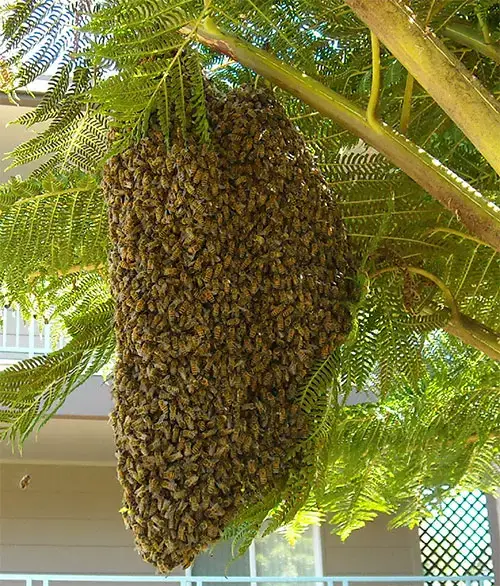
We love to spend time outside! Most of the time, we’re in our garden organizing fun outdoor dinner parties. Bees buzzing around you, however, can ruin the fresh air. Honey bees are undoubtedly some of the most essential insects because they pollinate plants, allowing food to keep growing. Who doesn’t enjoy honey, too? We wouldn’t have honey without honey bees. However, not everybody enjoys bees very much. Even those who enjoy them might still want to learn how to keep bees away. There’s still a widespread fear of bees, and even a tiny sting can be fatal for those allergic to them. There’s good news, though! Simple, natural methods that won’t ultimately harm bees or the environment can be used to keep bees away from your outdoor activities. To keep honey bees from visiting your home, use the following methods below! Avoid Bee-Attracting Flowers And Plants While it may make you sad to think about doing so, you don’t have to completely get rid of all those lovely plants and flowers! Honey bees are drawn to flowers, including honeysuckles, clovers, and herbs like thyme and oregano, so placing them close to potential nesting areas only furthers the attraction for a swarm. If they are in pots, just transfer them out of the way when you are enjoying the outdoors. Make Use Of Bee-Repelling Plants It might be questioning why we will use the bees’ favorite snack as a preventative measure. Bees look for plants that have nectar. So how would plants keep them away? In reality, few plants are effective at keeping bees away; you must know which plants to keep and which to eliminate. Bees can be eliminated by the acidic peels of cucumbers. Strong scents from citronella, eucalyptus and mint all deter bees. Also, learn the knowledge about the relationship between Pests and Old Homes. Spray Vinegar Solution Vinegar spray is an efficient natural method to drive honey bees out of the house. It’s simple to make if you don’t want to use chemical insecticides because of their potential side effects. In the areas of the yard where you frequently see bees, combine equal amounts of water and vinegar in a spray bottle, shake it, and spray the mixture around the nest. Smoke Smoke is the most efficient way to drive honey bees away from your home, where they will stay put and never return. Right beneath the hive, make a smoky fire out of cardboard and dead fuel wood. Stay away from the bees as they are being smoked out. Returning inside is best because they can become aggressive when agitated. Avoid Drawing Bees To Yourself Go outside without smelling or appearing like a flower. Bees might approach to probe if you wear brightly coloured clothing or solid floral scents. You absolutely do not want to do this. Be aware that this all-natural solution might not be as successful if the infestation is severe as other approaches. Although honey bees are beneficial to us, we should be mindful of the risks they pose to our living environments. Don’t freak out when you see a bee; just call Fullscope Pest Control. Our professionals have seen it all, and they have the expertise needed to keep honey bees away from your home. Security, restoration, and prevention are our top priorities
What Is The Established Relationship Between Pests and Older Homes
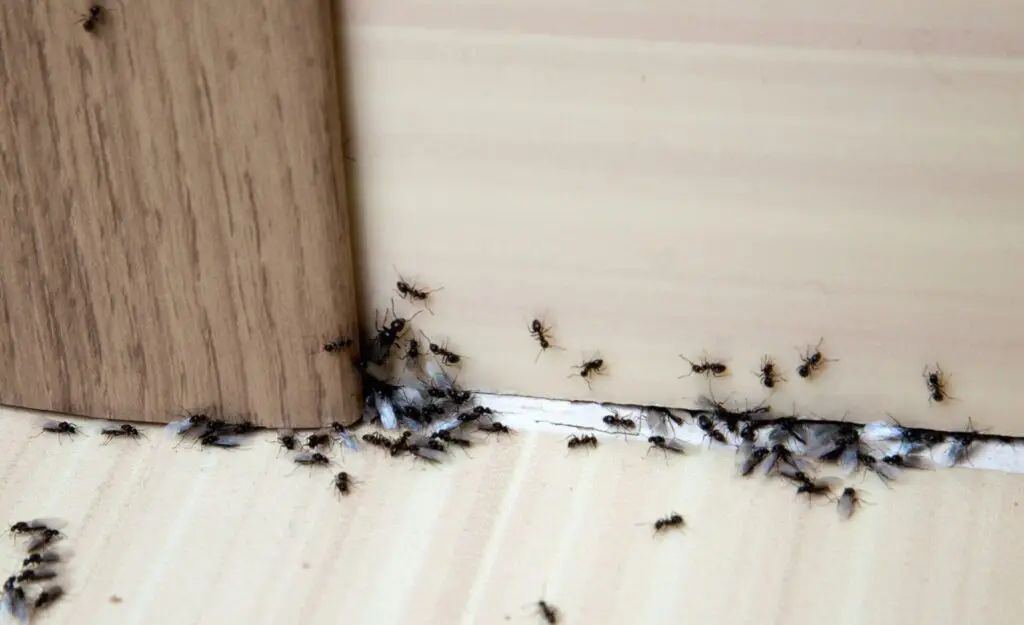
The passing of time has an impact on everyone. The same may be said of a house. Beyond simply external appearance, there are many differences between older homes and newer structures. Indeed, the inside features like floor layouts, plumbing, or electrical wiring are where the most significant distinctions are found. Even more, changes may be seen if you go deeper within. The likelihood of rats and pests infesting an older home is higher than that of a newer one for several reasons. Favorable Surroundings Insects and other pests invade homes, searching for three things: food, moisture, and a nurturing environment. Older homes often have less than optimum ventilation, worn-down barriers, and recently created cracks. As a result, pests can use them to gain access to your home and feast on your belongings. For example, if food is not stored correctly or if food leftovers are left out, these provide a veritable feast for bugs. Similarly, bugs will be attracted to an untidy storage area such as a closet or garage. Lastly, because bugs of all kinds require water, any leaks or excessive condensation will serve as an invitation for unwanted guests. Must read the tips for reducing ants. Building Style The rules for construction have evolved throughout time. The techniques for insulative properties and ventilation in your home have changed, and new materials have become available. These two main distinctions help to explain why an older house could have more bug issues. An older house was likely built differently, using materials that aren’t as sturdy or as energy efficient. Additionally, nothing is permanent. Your home will eventually fall apart no matter how well you make it. Therefore, pests may find easy entry to your property as a result of the aging process. Usage There is a lot of history in older houses. The houses have existed for many years, provided shelter for expanding families, and seen their fair share of renovations, expansions, and paintwork. The effects of all of these factors on a home may be considerable. The existence of an entrance is the most evident reason why pests can enter an older property. Holes or other gaps will allow insects or rodents to penetrate the building; a mouse may fit in an opening the size of a coin. Cracks can also provide access to pests. Aging causes wear and tear in a home. The wood begins to split and develops holes and cracks. There is a lack of a tight seal. Cobblestones crumble into dust as plaster cracks. All of these changes occur as they get older. So definitely, this also invites insects, rats, and other undesirables into your house. For this reason, preventative maintenance can have a significant impact on pest levels. Maintaining a home free of cracks, splits, and holes are the best way to protect against insect invasion. It is good to take precautions to safeguard your older house from pests if you own one. We at Fullscope Pest Control advise a yearly pest treatment to keep out any unwelcome guests. Simply contact us, and we’ll protect your home against pest invasion.