 1500+ reviews

Premium Pest Management Services at Your Doorstep
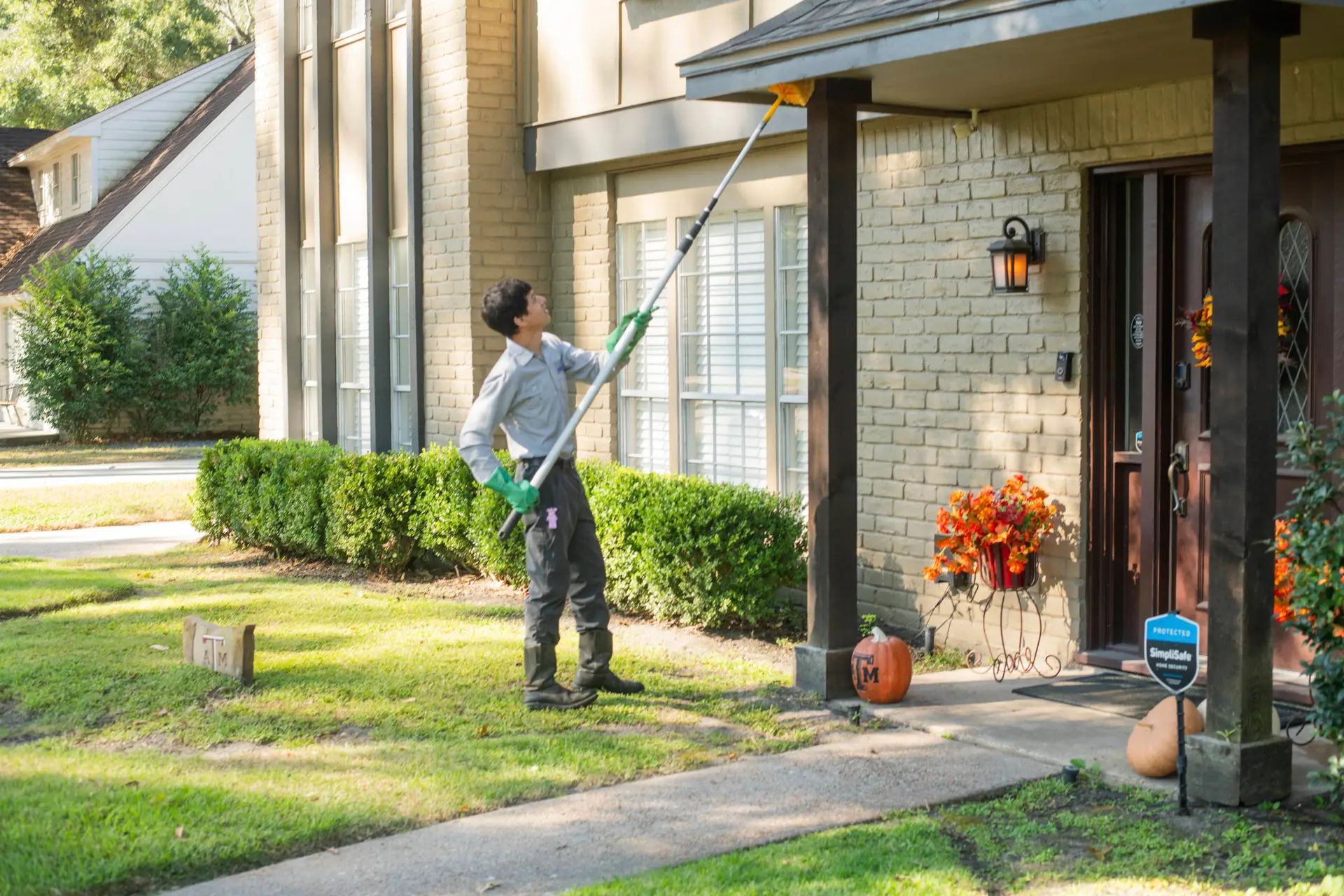
Key Highlights Introduction Welcome to Premium Pest Management Services at Your Doorstep! Dealing with pest infestations can be a stressful and frustrating experience. From annoying ants and roaches to harmful rodents and termites, pests can cause damage to your property and pose health risks to you and your family. That’s where professional pest management services come in. FullScope is a trusted name in the industry, offering premium pest control services for both residential and commercial properties. With over 40 years of experience, FullScope has established itself as a leader in the field, providing effective and long-term solutions for all types of pest problems. Understanding Professional Pest Management Professional pest management, also known as pest control, is the process of identifying, preventing, and eliminating pests from homes and businesses. It involves the use of effective and safe treatments to tackle common pests such as ants, spiders, roaches, rodents, and termites. Integrated Pest Management (IPM) is a comprehensive approach that combines various methods to achieve long-term pest control solutions. This includes identifying the root cause of the infestation, implementing preventative measures, and using targeted treatments to eliminate pests while minimizing the impact on the environment. The Importance of Professional Pest Control Hiring a professional pest control company is crucial for several reasons. Firstly, experienced technicians have the knowledge and expertise to identify and effectively treat different types of infestations. They understand the behavior, habits, and lifecycle of common pests, allowing them to devise targeted treatment plans. Secondly, professional pest control services offer long-term solutions by not only treating the existing infestation but also implementing preventive measures to avoid future problems. Lastly, a pest control service can provide peace of mind, knowing that your home or business is protected from harmful and destructive pests. How FullScope Services Stand Out in Pest Management FullScope Services stands out in the field of pest management due to its years of experience and commitment to providing the right treatment for each customer’s specific needs. With a team of certified technicians, they have the knowledge and expertise to tackle even the most challenging pest infestations. Their comprehensive approach includes conducting a thorough inspection, identifying the pests and their entry points, and devising a personalized treatment plan. FullScope Services also offers a free estimate, allowing customers to understand the scope of the problem and make an informed decision about the services they need. Comprehensive Pest Management Solutions When it comes to pest management, FullScope Services offers comprehensive solutions to address a wide range of pest problems. They specialize in termite control, using advanced techniques and treatments to eliminate these destructive pests and protect your property. Additionally, FullScope Services provides effective pest control treatments for common pests such as ants, spiders, roaches, and rodents. Their services include thorough pest inspections to identify the extent of the infestation and create a tailored treatment plan. With their expertise and attention to detail, FullScope Services ensures that your home or business is pest-free. Residential Pest Control: Safeguarding Your Home Residential pest control is essential for safeguarding your home from common pests that can cause damage and pose health risks. FullScope Services offers specialized treatments for residential properties, addressing various pest issues, including: With their expertise and comprehensive services, FullScope Services ensures that your home remains pest-free and comfortable for you and your family. Commercial Pest Control: Protecting Your Business Commercial pest control is crucial for businesses to maintain a clean and safe environment for employees and customers. FullScope Services understands the unique challenges faced by commercial properties and provides tailored pest management solutions, including: With their expertise in commercial pest control, FullScope Services helps businesses maintain a pest-free environment and protect their reputation. Our Pest Management Process At FullScope Services, our pest management process is designed to deliver effective and long-term solutions for our customers. We utilize a comprehensive approach that incorporates the principles of integrated pest management (IPM) to address pest problems. Our process includes: By following this process, we ensure that our pest control and termite control services are tailored to each customer’s unique needs, providing effective and long-lasting results. Initial Inspection and Assessment The initial inspection and assessment are crucial steps in our pest management process. Our certified technicians conduct a thorough inspection of your property to identify the pests present and assess the extent of the infestation. During this inspection, we look for signs of common pests such as ants, spiders, roaches, and rodents. We also examine potential entry points and areas of vulnerability that may contribute to the infestation. This inspection allows us to develop a comprehensive understanding of your pest problem and provide you with a free estimate for our services. By conducting this initial assessment, we can tailor our treatments to address your specific pest issues effectively. Customized Treatment Plans for Effective Results At FullScope Services, we understand that each pest problem is unique, which is why we develop customized treatment plans for every customer. Our certified technicians use their expertise to identify the right treatment methods and products to effectively eliminate pests from your property. Whether it’s ants, spiders, roaches, or rodents, we have the knowledge and resources to address your specific pest issues. Our treatment plans may include a combination of chemical treatments, baits, traps, and exclusion techniques to provide long-lasting results. We also emphasize ongoing pest management to prevent future infestations. By tailoring our treatment plans, we ensure that you receive the most effective solutions for your pest problems. Post-Treatment Monitoring and Follow-Up At FullScope Services, our commitment to customer satisfaction extends beyond the initial treatment. We believe in the importance of post-treatment monitoring and follow-up visits to ensure the effectiveness of our pest control services. Our technicians will schedule follow-up visits to assess the results of the treatment and address any concerns or issues that may arise. We want to ensure that you are completely satisfied with our services and that your pest problem has been effectively resolved. Our dedication to customer satisfaction sets us apart from other pest control companies,
How You Can Live Pest-Free
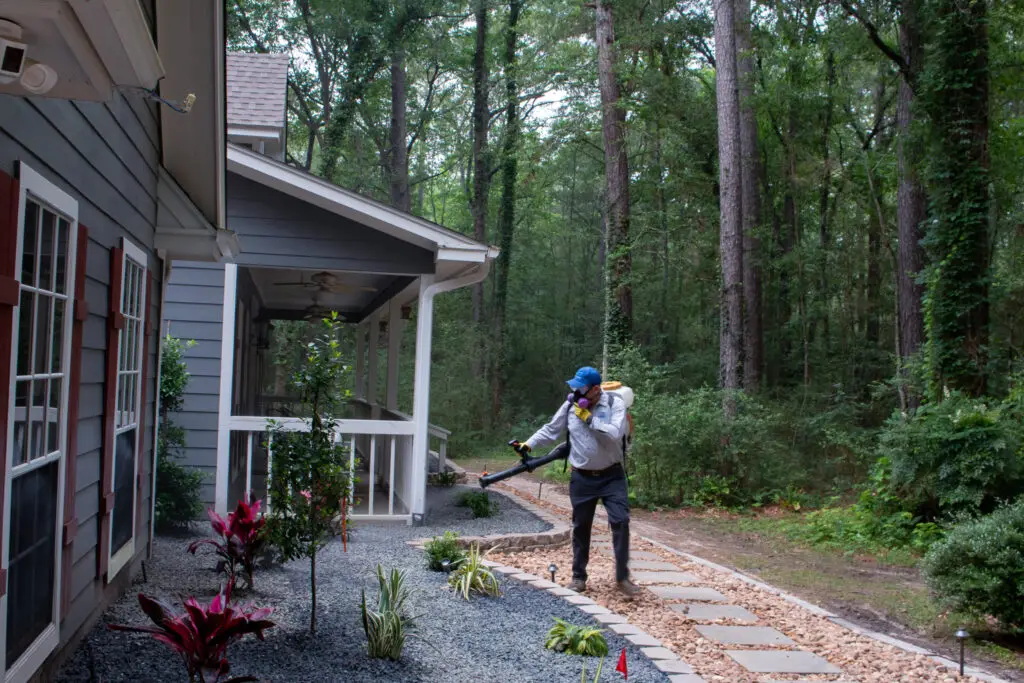
Pests are much more than a nuisance; they expose people to significant health hazards and can damage your entire home. Safe and comfortable living must be free of pests. This post touches on common household pests, the importance of effectively controlling pests, some handy tips to keep pests off, and the benefits of professional pest control services. Understanding Common Household Pests Identifying common household pests is the very first step towards effective pest control. Some commonly known household pests include: Why Pest Control is Important Pest control is vital to prevent health risks. Pests can easily be the source of different types of diseases. Moreover, it is crucial to save homeowners money by preventing massive faults due to termites and rodents and paying little for home repairs. It leads to a peaceful home since it averts discomfort due to pests. Tips for Living Pest-Free Maintain Cleanliness A tidy home is less inviting to pests. Regularly clean and declutter your home, particularly in the kitchen and rooms with typical food crumbs and spills. Keep food in containers with lids to keep bugs away. Seal Entry Points Inspect your house and use caulk to seal every crack and gap in the walls, doors, and windows. Additionally, ensure your screen porches are securely sealed and utilize weather stripping and door sweeps to block pests from entering. Proper Waste Management Please dispose of the garbage regularly and seal it in trash cans so that pests stay away from your house. Ensure that the garbage areas outside are clean and far from your home to prevent pests from getting in. Regular Inspections Make sure you check your home often for signs of pests so you can fix the problem right away. This will not allow minor problems to worsen and become severe issues. Take professional help for pest control services to make the tasks effective and thorough. Benefits of Professional Pest Control Services Professional pest control services are very beneficial. Pest control professionals use methods and tools to control and prevent infestations suitably. A professional pest control business will also offer solutions tailored to your pests and the infestation size to ensure the outcome will last. Conclusion You want your house to be pest-free, so it is critical to embrace cleanliness, adopt preventative ways, and call for professional help. Knowing the common pests you might encounter and how to control them effectively will keep you healthy, your property safe, and your life much more comfortable. At Fullscope Pest Control, we are dedicated to providing you with a pest-free home by offering comprehensive and customized pest control solutions. Do not let the pests be a source of annoyance to your peace of mind. Take control today with Fullscope Pest Control for the peace of mind of knowing your home is a safe, pest-free sanctuary.
10 Essential Steps to Finding a Pest Exterminator Near Me
Key Highlights Introduction Are you dealing with a pest problem in your home and looking for a pest exterminator near you? Finding the right pest control service is crucial to effectively address and eliminate your pest infestation. Whether you have common pests like roaches, ants, or spiders, or specific pests like bed bugs or termites, a professional pest exterminator can provide you with the best solutions to get rid of them. In this blog, we will discuss the 10 essential steps to finding a pest exterminator near you, including how to effectively exterminate common pests like cockroaches, ensuring that you choose the right service for your needs. 10 Critical Steps to Locate Your Nearby Pest Exterminator When it comes to finding a pest exterminator near you, there are several critical steps you should follow. First, identify the type of pest infestation you are dealing with. This will help you narrow down the search for local exterminators who specialize in handling that specific pest. Next, research your local exterminator options and consider factors such as their experience, reputation, and pricing. It’s also important to check for licenses and certifications to ensure that you are hiring a reputable and qualified professional. Additionally, read customer reviews and testimonials to gauge the level of customer service provided by the bug exterminator. Asking about their pest control methods, warranty, and follow-up services is crucial before making a decision. Finally, compare pricing and service packages to ensure you are getting the best value for your money. 1. Identify the Type of Pest Infestation You Are Dealing With Before you start searching for a pest exterminator near you, it’s important to identify the type of pest infestation you are dealing with. This will help you find an exterminator who specializes in handling that specific pest. Here are a few steps to help you identify the type of pest infestation: By identifying the type of pest infestation, you can narrow down your search for a local exterminator who has experience in dealing with that particular pest. 2. Research Local Exterminator Options Once you have identified the type of pest infestation you are dealing with, it’s time to research your local exterminator options. Start by asking for recommendations from friends, family, or neighbors who have recently used pest control services. You can also search online for local exterminators in your area. Look for reputable companies that have been in business for a while and have positive customer reviews. Consider factors such as their experience, expertise, and the range of services they offer. It’s also important to check if they specialize in handling the specific pest you are dealing with. By doing thorough research, you can find the best pest control service near you. 3. Check for Licenses and Certifications When hiring a pest exterminator, it’s crucial to check for licenses and certifications. A reputable exterminator will have the necessary licenses and certifications to provide pest control services in your area. These licenses ensure that the exterminator has the required knowledge and training to handle pest infestations safely and effectively. It’s also a good idea to check if the exterminator is a member of any professional associations or organizations related to pest control. This not only demonstrates their commitment to the industry but also indicates that they stay updated with the latest pest control techniques and best practices. By choosing a licensed and certified exterminator, you can have peace of mind knowing that you are hiring a professional who will provide quality service. 4. Read Customer Reviews and Testimonials Reading customer reviews and testimonials is an essential step in finding a pest exterminator near you. These reviews provide valuable insights into the level of customer service provided by the exterminator. Look for exterminators with positive reviews and high ratings from satisfied customers. Pay attention to comments about their professionalism, punctuality, and effectiveness in eliminating pests. A reputable exterminator will have a track record of providing great customer service and delivering results. Additionally, you can ask the exterminator for references from previous customers to get a firsthand account of their experience. By reading customer reviews and testimonials, you can make an informed decision and choose an exterminator who will provide the best service for your pest problem. 5. Ask About Their Pest Control Methods When considering a pest exterminator, it’s important to ask about their pest control methods. Inquire about the techniques and products they use to eliminate pests, including fumigation. Consider opting for an exterminator who offers eco-friendly pest control methods that minimize the use of chemical pesticides and prioritize the safety of your family and pets. Ask about their approach to pest management and ongoing monitoring to ensure that the infestation is completely eradicated and doesn’t reoccur. A reputable exterminator will be transparent about their pest control methods and provide you with the information you need to make an informed decision. By choosing an exterminator with effective and environmentally friendly pest control methods, such as fumigation, you can address your pest problem while minimizing the impact on the environment. 6. Inquire About Warranty and Follow-Up Services When hiring a pest exterminator, it’s important to inquire about their warranty and follow-up services. A reputable exterminator will offer a warranty that guarantees their work, making it a valuable option for pest control customers. This means that if the pests come back between treatments, they will return to address the issue at no additional cost to you. Additionally, ask about their follow-up services to ensure that the pest problem is effectively resolved in the long term. Some exterminators offer pest control plans that include regular inspections and treatments to prevent future infestations. By choosing an exterminator with a warranty and follow-up services, you can have peace of mind knowing that you are getting the best value for your money and that your pest problem will be effectively addressed. 7. Compare Pricing and Service Packages When looking for a pest exterminator near you, it’s important to compare pricing and service packages. Get
FullScope Termite Treatment, Pest Control & Exterminator Service | FullScope
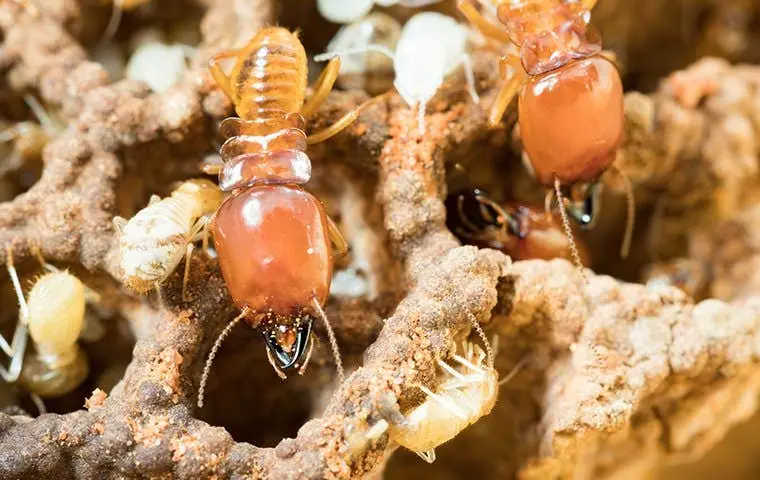
Key Highlights Introduction Welcome to FullScope Termite Treatment, Pest Control & Exterminator Service, your one-stop solution for all your pest control needs. We are a professional pest management company with years of experience in the industry, providing top-notch service to residential and commercial properties. Our team of certified exterminators is dedicated to delivering effective and customized pest control solutions to help you get rid of pests and keep your property pest-free. At FullScope, we understand the importance of a pest-free environment for the health and safety of your home or business. That’s why we offer comprehensive pest management solutions that target a wide range of pests, including ants, fire ants, termites, mosquitoes, cockroaches, wasps, spiders, fleas, rodents, and ticks. Our goal is to provide you with peace of mind by eliminating pests and preventing future infestations. Discover the FullScope Difference: Why Choose Our Termite Treatment, Pest Control & Exterminator Services When it comes to termite treatment, pest control, and exterminator services, FullScope stands out from the competition. We pride ourselves on offering comprehensive pest management solutions that address all your pest control needs. One of the key factors that sets us apart is our commitment to using advanced termite treatment techniques. Termites can cause significant damage to your property if left untreated, which is why we employ innovative and effective methods to eliminate termite infestations. Our certified exterminators are trained in the latest termite treatment technologies and can develop a customized treatment plan tailored to your specific needs. In addition to our advanced termite treatment techniques, we also prioritize eco-friendly and safe pest control measures. We understand the importance of protecting the environment and the health and safety of our customers. That’s why we use eco-friendly products and practices that are safe for your family and pets, while still effectively eliminating pests. Our team of certified exterminators is another reason to choose FullScope for your pest control needs. With years of experience in the industry, our exterminators have the knowledge and expertise to handle all types of pest infestations. They undergo regular training and stay up-to-date with the latest pest control techniques to ensure the best possible service for our customers. At FullScope, we believe in providing personalized service to our customers. We understand that every pest problem is unique, and that’s why we offer customized pest control plans to fit your specific needs. Whether you need a one-time treatment or ongoing pest control services, we can develop a plan that works for you. Our goal is to ensure your satisfaction with our service and provide you with long-term pest control solutions. 1. Comprehensive Pest Management Solutions FullScope Termite Treatment, Pest Control & Exterminator Service offers comprehensive pest management solutions for a wide range of pests. No matter what type of pest you’re dealing with, our team of certified exterminators has the expertise to effectively eliminate the infestation and prevent future problems. Our pest management solutions are tailored to address the specific needs of each customer. Whether you’re dealing with ants, termites, mosquitoes, cockroaches, wasps, spiders, fleas, rodents, or ticks, we have the knowledge and tools to handle the situation. We conduct a thorough inspection of your property to identify the type of pest and the extent of the infestation. Based on our findings, we develop a customized treatment plan that targets the pest and eliminates it from your property, including comprehensive coverage for millipedes. Our comprehensive pest management solutions not only eliminate pests but also focus on preventing future infestations. We take proactive measures to identify and address any potential pest entry points to ensure that your property remains pest-free in the long run. With FullScope, you can trust that your pest problem will be taken care of effectively and efficiently. 2. Advanced Termite Treatment Techniques Termites can cause significant damage to your property if left unchecked. At FullScope Termite Treatment, Pest Control & Exterminator Service, we specialize in advanced termite treatment techniques to eliminate termites and protect your home or business. Our certified exterminators are trained in the latest termite treatment technologies and stay up-to-date with industry best practices. We conduct a thorough inspection of your property to identify any signs of termite infestation and determine the best course of action. Based on our findings, we develop a customized treatment plan that targets the termites and eliminates them from your property. Our advanced termite treatment techniques are designed to be highly effective and efficient. We use a combination of liquid termiticides, baiting systems, and barrier treatments to ensure thorough termite control. Our goal is to not only eliminate the existing termite infestation but also prevent future infestations from occurring. With FullScope’s advanced termite treatment techniques, you can trust that your property will be protected from the damaging effects of termites. Our team of certified exterminators is dedicated to providing you with the highest level of service and ensuring your satisfaction with our termite treatment solutions. 3. Eco-Friendly and Safe Pest Control Measures At FullScope Termite Treatment, Pest Control & Exterminator Service, we prioritize eco-friendly and safe pest control measures. We understand the importance of protecting the environment and the health and safety of our customers. When it comes to pest control, we believe that it’s possible to effectively eliminate pests without compromising the well-being of your family or pets. That’s why we use eco-friendly products and practices that are safe for your home and the environment. Our certified exterminators are trained in the proper use of these eco-friendly products to ensure maximum effectiveness and safety. When searching for pest removal services, it’s important to ask about treatment methods and IPM practices. The best companies use EPA-approved Integrated Pest Management (IPM) practices, ensuring a safe and effective solution for your pest problems. Our eco-friendly pest control measures include the use of non-toxic baits, natural repellents, and targeted treatments that minimize the impact on the environment. We also focus on preventive measures to reduce the need for chemical treatments. By implementing integrated pest management strategies, homeowners can effectively control
Local Pest Control Companies: Fullscope Stands Out
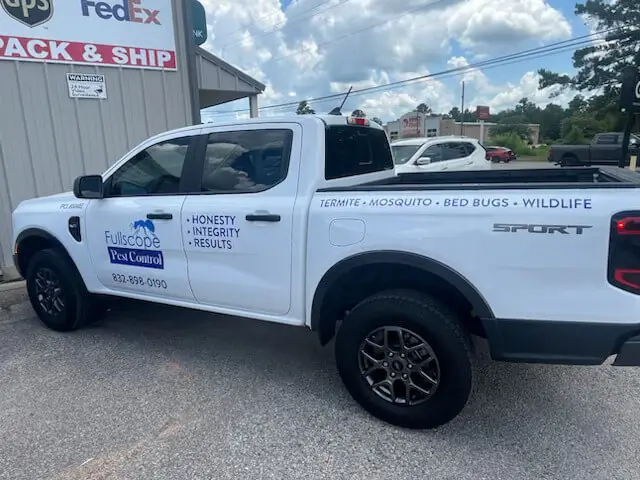
Key Highlights Introduction When it comes to pest control, it’s important to choose a company that can provide effective solutions tailored to your specific needs. Fullscope Pest Control is one such company that stands out among the local pest control companies. With their commitment to pest management and their dedication to providing peace of mind to their customers, Fullscope has built a strong reputation in the industry. With years of experience in the pest control business, Fullscope understands the importance of providing quality service. They have a team of highly trained and knowledgeable professionals who are equipped with the latest tools and techniques in pest management. Whether you are dealing with ants, rodents, cockroaches, mosquitoes, or any other pests, Fullscope has the expertise to handle it. One of the key factors that set Fullscope apart from other local pest control companies is their focus on customization. They understand that each pest problem is unique and requires a tailored approach. That’s why they offer customized pest control plans that take into account the specific needs and challenges of each customer. This ensures that the solutions they provide are not only effective but also long-lasting. Experience and Training Matters Why Choose Fullscope for Your Pest Control Needs When it comes to choosing a pest control company, there are several reasons why Fullscope should be at the top of your list. One of their competitive advantages is their years of experience in the pest control industry. With their extensive knowledge and expertise, they have a deep understanding of different pests and their behaviors, allowing them to provide effective and targeted solutions. Fullscope’s commitment to providing customized plans is another reason why they are a preferred choice for pest control needs. They recognize that every pest problem is unique and requires a tailored approach. Their team of experts takes the time to assess the situation, identify the underlying causes of the infestation, and develop a customized plan to address the specific needs of each customer, including online scheduling and purchasing options for added convenience. When it comes to pest control, quality work is of utmost importance. Fullscope takes pride in delivering high-quality service to their customers. They use the latest tools, techniques, and products in the industry to ensure effective and long-lasting results. Their team of professionals is well-trained and equipped to handle any pest control job, big or small, with utmost professionalism and attention to detail. Choosing Fullscope for your pest control needs means choosing a company that prioritizes customer satisfaction and delivers exceptional results. With their competitive advantage, years of experience, customized plans, and commitment to quality work, Fullscope is the go-to option for all your pest control needs. Comprehensive Services Offered by Fullscope Fullscope Pest Control offers a comprehensive range of services to address various pest problems. They have expertise in dealing with a wide range of pests, including ants, rodents, cockroaches, mosquitoes, bed bugs, termites, and more. Whether you are dealing with a minor infestation or a full-blown pest problem, Fullscope has the knowledge and tools to handle it, including protection against 36 of the most common pests through their PestFree365+ plan. Their services begin with a thorough inspection of the premises to identify the type of pest and the extent of the infestation. This allows them to develop a targeted treatment plan to eliminate the pests effectively. They use the best techniques and products available in the industry for extermination to ensure the most efficient and safe pest control. Fullscope understands that prevention is key to long-term pest control. In addition to their treatment services, they also provide recommendations on how to prevent future infestations. They identify the entry points and potential breeding grounds for pests and provide guidance on sealing off these areas to minimize the risk of future infestations. By offering a comprehensive range of services, Fullscope ensures that their customers can rely on them for all their pest control needs. From inspection and treatment to prevention and ongoing maintenance, Fullscope is dedicated to providing effective and lasting pest control solutions. Cutting-Edge Techniques in Pest Management Fullscope Pest Control prides itself on staying at the forefront of the pest control industry by employing cutting-edge techniques and tools. They understand that pests can evolve and adapt, making it essential to stay ahead of the curve in pest management. One of the ways Fullscope achieves this is by having a team of pest management professionals who are trained and knowledgeable about the latest techniques and products in the industry. They continuously update their skills and knowledge to ensure they can effectively address the ever-changing pest control challenges. Fullscope also invests in state-of-the-art equipment and tools that enable them to provide efficient and precise pest control services. From advanced inspection tools to targeted treatment methods, they use the best technology available to deliver optimal results. By combining their expertise with cutting-edge techniques and tools, Fullscope Pest Control ensures that their customers receive the highest level of service and effective pest management solutions. Understanding Pest Control Pest control is an essential aspect of maintaining a clean and healthy living or working environment. It involves the management and elimination of pests that can cause damage to property, spread diseases, and create a nuisance. Effective pest control, also known as pest removal, requires a thorough understanding of the pests and their behaviors, as well as the most appropriate methods for control. Fullscope Pest Control has a deep understanding of pests and their habits, allowing them to develop targeted and effective pest control strategies. Their expertise and commitment to quality work make them a trusted choice for all pest control needs. Common Signs of Pest Infestation Recognizing the signs of a pest infestation is crucial for taking timely action. Here are some common signs to watch out for: It’s important to identify and seal off possible entry points for pests, such as cracks or gaps in walls, windows, or doors. Regular inspections by pest control professionals like Fullscope can help identify and address
Expert Exterminators: Your Ultimate Pest Control Solution

Key Highlights Introduction Welcome to our blog on expert exterminators and how they can provide the ultimate pest control solution for your home or business. Dealing with pests can be a frustrating and challenging experience, but with the help of professional pest control services, you can eliminate these unwelcome visitors and ensure a pest-free environment. Pest control is crucial for maintaining a clean and healthy living space. Whether you’re dealing with common pests like ants and roaches, or more destructive pests like termites, it’s essential to address the issue as soon as possible. Professional exterminators have the knowledge, experience, and resources to effectively eliminate pests and prevent future infestations. Termite control is another critical aspect of pest management. Termites can cause significant damage to your property, including structural damage that can be costly to repair. By hiring expert exterminators, you can protect your home or business from these destructive pests and ensure the longevity of your property. Rodents, such as mice and rats, can also pose a threat to your health and property. They can contaminate food, spread diseases, and cause damage to wiring and insulation. Professional rodent control services can help you eliminate these pests and prevent them from returning to your home or business. At FullScope Pest Services, we understand the importance of effective pest control. We offer a comprehensive approach to pest extermination, tailored to meet the unique needs of each customer. With our professional exterminators and advanced treatment methods, we can provide you with peace of mind and a pest-free environment. Understanding the Need for Professional Pest Control Effective pest management is essential for maintaining a safe and healthy living environment. While there are DIY pest control methods available, they often have limitations in terms of effectiveness and long-term results. Professional pest control services offer a more comprehensive approach, including initial assessments, customized treatment plans, and ongoing support to ensure the complete eradication of pests. By relying on expert exterminators, you can address pest infestations more effectively and prevent potential health risks and property damage associated with pests. The risks pests pose to health and property Pests can pose significant risks to both health and property. Some pests, like cockroaches and rodents, can carry and spread diseases, putting you and your family at risk. They can contaminate food, surfaces, and air with their droppings and saliva, leading to allergic reactions and respiratory problems. Additionally, pests like termites can cause extensive damage to structures, including wooden furniture, flooring, and even the foundation of your home. This can result in costly repairs and compromise the structural integrity of your property. By addressing and eliminating pests through professional pest control services, you can mitigate these risks and ensure a safe and healthy living environment. The limitations of DIY pest control methods While DIY pest control methods may seem like a cost-effective solution, they often have limitations when it comes to effectively eliminating pests. Many common pests, such as ants, roaches, and bed bugs, require specialized treatment plans and products that may not be readily available to homeowners. DIY methods often provide temporary relief but fail to address the root cause of the infestation. Moreover, misapplication of pesticides or improper handling of infested materials can lead to health hazards and further exacerbate the pest problem. Professional exterminators have the knowledge, experience, and tools to accurately identify and treat the infestation, ensuring a more comprehensive and long-lasting solution. By opting for professional pest control services, you can avoid the limitations of DIY methods and achieve a pest-free environment. The FullScope Approach to Pest Extermination At FullScope Pest Services, we take a comprehensive approach to pest extermination. Our process begins with an initial service that includes a thorough assessment of your property to identify the type and extent of the infestation. Based on our findings, we develop a customized treatment plan tailored to your specific needs. Our exterminators use effective and safe treatment methods to eliminate pests and prevent future infestations. We also provide guidance on preventive measures to help you maintain a pest-free environment in the long term. With our FullScope approach, you can trust that your pest problem will be addressed efficiently and effectively, giving you peace of mind. Initial assessment and customized plan During the initial assessment, our professional exterminators will thoroughly inspect your property to identify the type and extent of the pest infestation. This assessment is crucial in developing a customized plan that targets the specific pest problem you are facing. We take into account factors such as the type of pest, the severity of the infestation, and any unique conditions that may contribute to the pest problem. Based on our assessment, we will design a treatment plan that addresses the infestation and provides long-term prevention. Our goal is to provide you with a tailored solution that effectively eliminates pests and minimizes the risk of future infestations. With our initial assessment and customized plan, you can trust that your pest problem will be handled with expertise and precision. Pest Control At FullScope Pest Services, we offer the best pest control solutions to address a wide range of common pests. Whether you are dealing with ants, roaches, spiders, or bed bugs, our professional exterminators have the knowledge and experience to eliminate the pest problem effectively. We use industry-leading products and advanced treatment methods to ensure the complete eradication of pests from your property. Our goal is to provide you with a pest-free environment and peace of mind. Don’t let pests take over your home or business. Trust FullScope Pest Services for all your pest control needs. Termite Control Termites are highly destructive pests that can cause significant damage to your property if left untreated. At FullScope Pest Services, we specialize in termite control, offering comprehensive solutions to protect your home or business. Our professional exterminators are trained to identify termite infestations and implement the most effective treatment methods. We use advanced technology and proven techniques to eliminate termites and prevent further damage. With our termite control services,
Choosing the Best: A Comprehensive Guide to Professional Pest Control Services
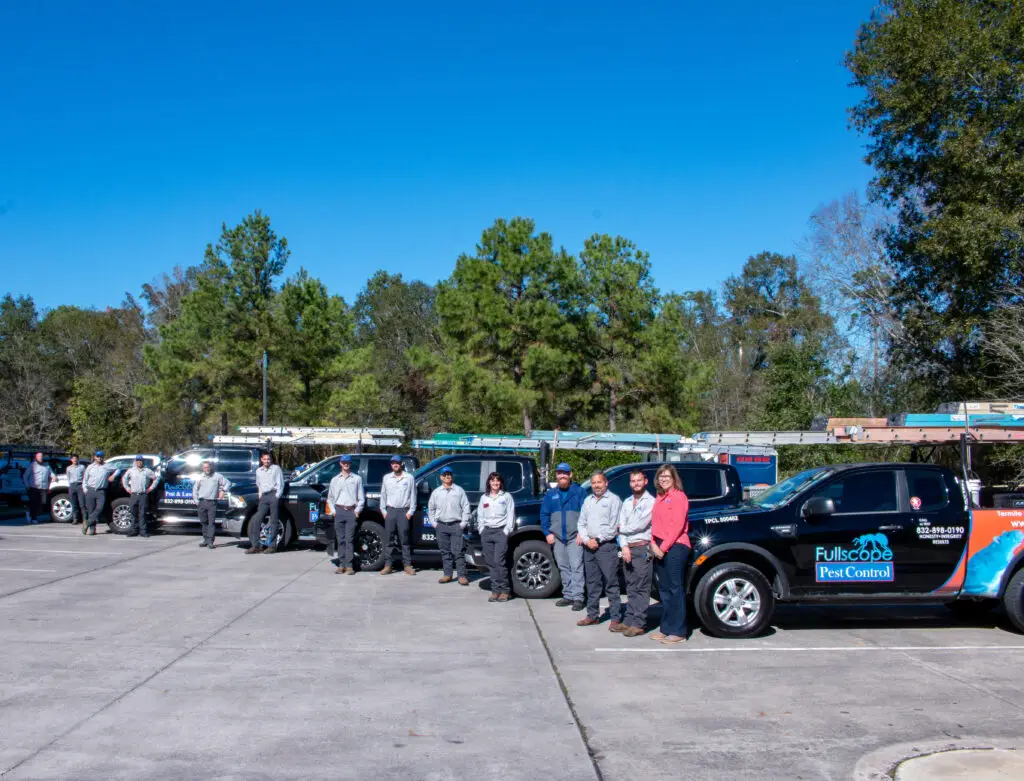
Introduction: When unwanted pests invade your home or business, it’s crucial to seek professional help to ensure a swift and effective solution. Professional pest control services offer expertise, experience, and specialized techniques to tackle pest infestations. In this guide, we will explore the key factors that make a pest control service truly professional and provide insights into choosing the best one for your needs. Licensed and Certified Experts: Professional pest control services employ licensed and certified technicians who have undergone rigorous training. These experts are equipped with the knowledge to identify different types of pests, understand their behavior, and implement targeted treatment plans. Comprehensive Inspection: A reputable pest control service company, sucj as FullScope Pest Control begins with a thorough inspection of your property. Professionals assess the extent of the infestation, identify entry points, and determine the specific pests involved. This detailed inspection informs the development of a customized pest control strategy. Tailored Treatment Plans: No two pest infestations are the same, and professional services recognize this. They develop tailored treatment plans based on the unique characteristics of each infestation. Whether it’s termites, rodents, ants, or bedbugs, a professional pest control service will employ the most effective methods for eradication. Environmentally Friendly Practices: In the era of sustainability, professional pest control services are adopting environmentally friendly practices. Look for services that prioritize the use of eco-friendly products and methods to minimize the impact on the environment while ensuring the safety of your family, pets, and property. Transparent Pricing and Contracts: FullScope pest control services provide transparent pricing and clear contracts. Before committing to a service, ensure you understand the costs involved, including any recurring fees for ongoing pest prevention. A reputable company will explain their pricing structure and discuss any potential additional charges. Timely and Responsive: Time is of the essence when dealing with a pest infestation. Professional services understand the urgency and provide timely responses. Whether it’s scheduling an inspection or implementing a treatment plan, a reliable pest control service values your time and acts promptly. Customer Reviews and Testimonials: One of the best ways to gauge the effectiveness of a pest control service is by checking customer reviews and testimonials. Look for feedback from clients who have faced similar pest issues. Positive reviews are a strong indicator of a professional and trustworthy service. Guarantees and Warranties: Professional pest control services stand by the quality of their work. They often provide guarantees or warranties on their services, ensuring that if the pests return within a specified period, they will re-treat the affected areas at no additional cost. Conclusion: Investing in professional pest control services is an essential step toward reclaiming your home or business from unwanted intruders. By considering factors such as licensed experts, comprehensive inspections, tailored treatment plans, environmentally friendly practices, transparent pricing, responsiveness, customer reviews, and guarantees, you can make an informed decision and choose the best professional pest control service for your specific needs. Call for a free consulation today with FullScope Pest Control or use our chat system located on the bottom right of the page.
Find Local Exterminators: Pest Control Near Me
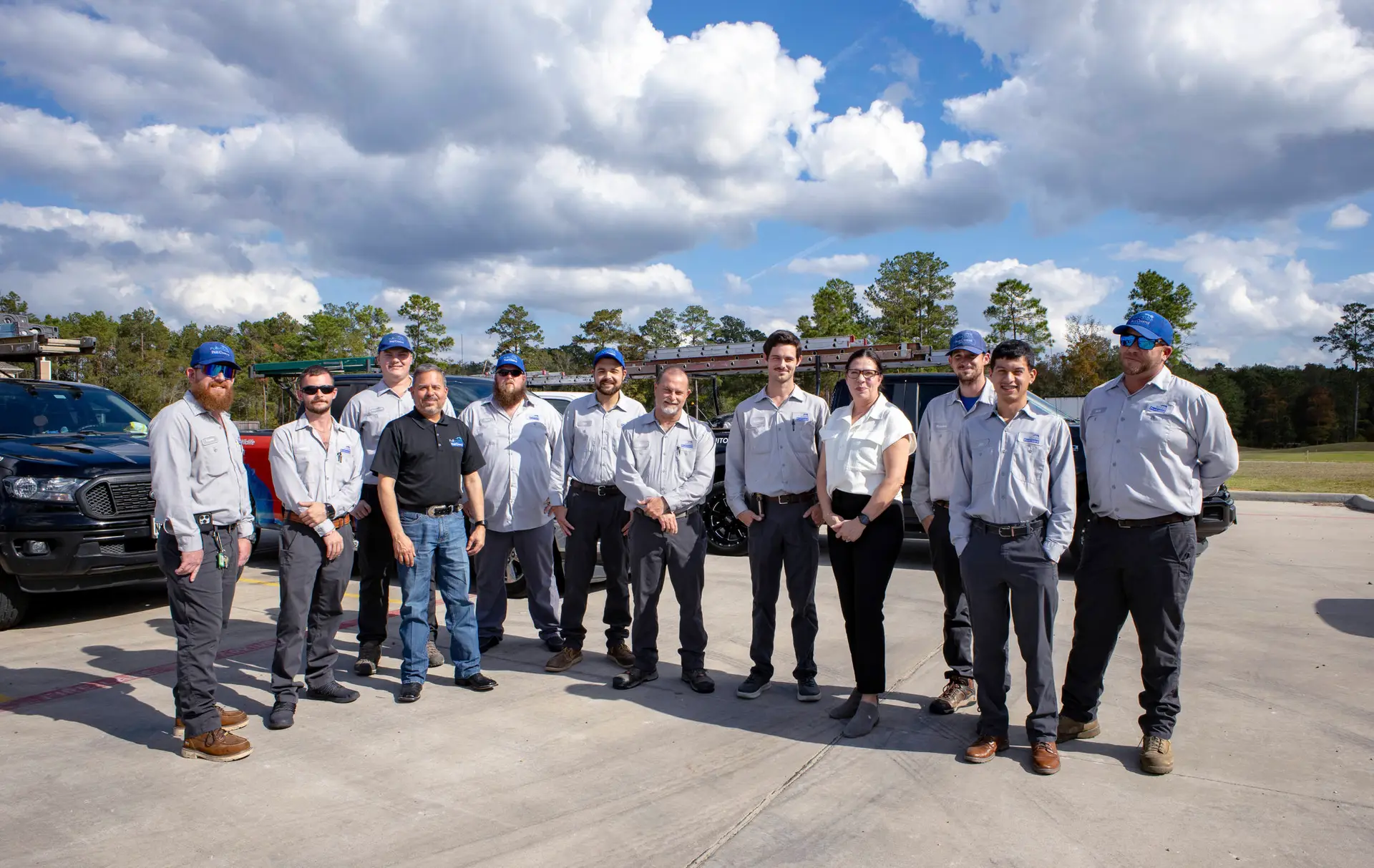
Key Highlights Introduction When it comes to dealing with pests in your home or business, it’s essential to hire the right professionals. Pest infestations can cause significant damage to your property, pose health risks, and be a source of stress and discomfort. That’s where a local pest control company comes in. These pest control experts have the knowledge, experience, and resources to effectively manage and eliminate pests from your property. Local exterminators offer a range of pest control services tailored to address various pest problems, from common pests like ants, spiders, and cockroaches, to more serious issues such as termite infestations. They understand the unique challenges of pest control in your area and are equipped with the tools and techniques necessary to provide you with the best pest control solutions. When you hire local exterminators near your home, you can have peace of mind knowing that your pest problem will be handled professionally and efficiently. These experts have undergone extensive training and have the expertise to identify, treat, and prevent pest infestations as well as live in your area. Whether you’re dealing with a current pest problem or want to take preventive measures to avoid future infestations, staying local can provide you with a customized treatment plan to suit your needs. With their commitment to customer service, local exterminators prioritize your satisfaction and ensure that your pest control experience is hassle-free. They will work closely with you to address any concerns or questions you may have and provide ongoing support to ensure that your property remains pest-free. In this blog, we will explore the top companies for pest control and termite treatment, discuss common pests and signs of termite infestation, learn about eco-friendly pest control solutions and seasonal pest control tips, compare DIY pest control with professional extermination, understand the process of professional termite treatment, discover how exterminators determine the best treatment method, learn about safety measures and precautions during extermination, explore post-treatment care and maintenance, and provide tips for choosing the right exterminator. Let’s dive in! Top Local Exterminators for Pest Control & Termite Treatment When it comes to pest control and termite treatment, it’s crucial to choose the right professionals for the job. Here are some of the top reasons to hire a local pest professional. When it comes to hiring a local pest control company for termite treatment is essential for ensuring a thorough and effective solution to your pest issues. These experts have the knowledge and experience to accurately identify the type of pests infesting your property and implement targeted treatments to eradicate them safely. Moreover, local exterminators are familiar with the specific pest challenges in your area, allowing them to provide customized solutions tailored to your unique needs. By opting for professional pest control services, you can rest assured that your home or business will be protected from potential pest threats in the long run. Local companies such as FullScope Pest Control, have proven track records in providing top-notch pest control services. By choosing any of these professionals, you can trust that your pest problem will be effectively addressed, giving you peace of mind. 1. Identifying Common Pests in Your Area Identifying common pests in your area is the first step in effective pest control. Here are some of the most common pests you may encounter: By knowing the common pests in your area, you can take proactive measures to prevent infestations and seek professional pest control services when needed. 2. Signs of Termite Infestation to Watch Out For 3. Eco-Friendly Pest Control Solutions 4. Seasonal Pest Control Tips 5. DIY Pest Control vs. Professional Extermination Understanding Pest Control Services When you seach for a pest exterminator near me Pest control services offer comprehensive solutions for eliminating and preventing pest infestations. Professionals assess the extent of the infestation, develop a customized treatment plan, and implement targeted measures to address the specific pest problem. Safety measures are prioritized to protect the health and well-being of residents and pets. Regular pest control services provide ongoing protection and peace of mind, ensuring that homes and businesses remain pest-free. Trusting expert exterminators with pest control needs guarantees effective results and a safer living environment for everyone. 1. The Process of Professional Termite Treatment 2. How Exterminators / Pest Professionals Determine the Best Treatment Method 3. Safety Measures and Precautions During Extermination 4. Post-Treatment Care and Maintenance Choosing the Right Exterminator Selecting the right exterminator is crucial for effective pest control and peace of mind. Consider the credentials and qualifications of local exterminators, such as their certifications and training. Evaluate their customer service and responsiveness to ensure a smooth and satisfactory experience. Reading reviews and testimonials from satisfied customers can provide insights into the quality of service provided. Trusting a reputable exterminator with a proven track record ensures that your pest control needs will be addressed professionally and efficiently. 1. Credentials and Certifications to Look For 2. Questions to Ask Before Hiring a Pest Control Service 3. Understanding the Cost of Pest Control Services 4. Reading Reviews and Testimonials About Bug Exterminators Near Me Preventative Measures Against Future Infestations: Common Pest Control in My Area Preventative Measures Against Future Infestations Taking proactive measures to prevent future pest infestations is essential for maintaining a pest-free environment. Regular home inspections, natural remedies, landscaping tips, and ongoing pest control maintenance can help deter pests and reduce the risk of future infestations. By implementing these preventative measures and practicing ongoing maintenance, homeowners can enjoy peace of mind knowing that their properties are protected from pests. 1. Regular Home Inspections for Early Detection 2. Natural Remedies to Keep Pests at Bay 3. Landscaping Tips to Discourage Pest Nesting 4. Importance of Ongoing Pest Control Maintenance Conclusion In conclusion, effective pest control and termite treatment are crucial for maintaining a healthy living environment. By understanding the signs of infestation, choosing the right local exterminator, such as Fullscopepe Pest Control, and implementing preventative measures, you can protect your home and loved ones from potential harm. Regular
Your Go-To Guide for Pest Control Exterminator Near Me
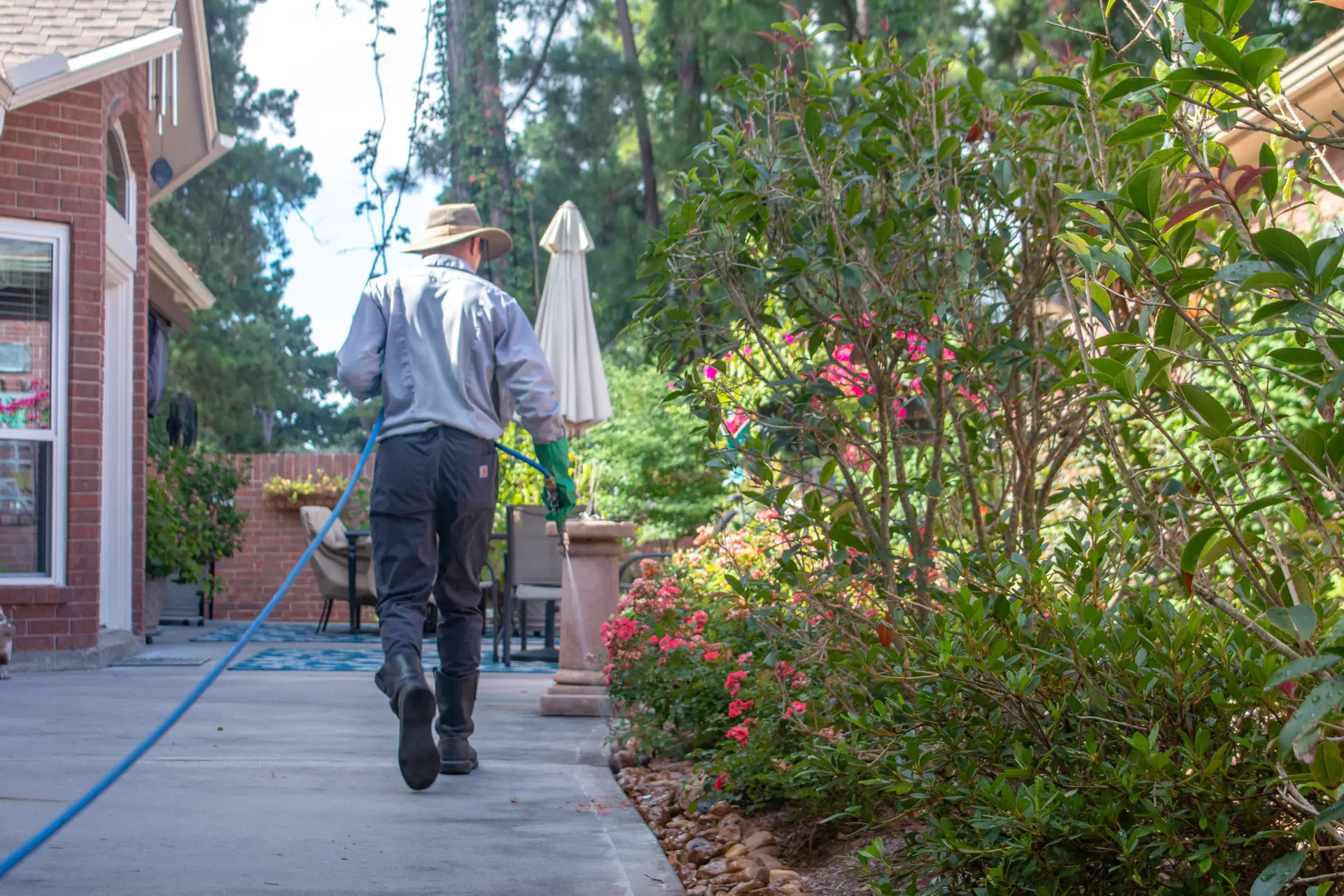
How can I find a reliable pest control exterminator near me? To find a reliable pest control exterminator near you, start by researching local companies online, checking reviews on platforms like Google or Yelp, asking for recommendations from friends or neighbors, and ensuring the exterminator is licensed and experienced in dealing with your specific pest issue. Key Highlights Introduction Welcome to our quick guide on choosing a pest control exterminator near you. Dealing with a pest infestation in your home or business can be a stressful and frustrating experience. Whether you’re facing a bed bug problem, rodent infestation, or ant invasion, finding the right pest control professional is crucial for effective pest management. In this guide, we will provide you with valuable tips and insights to help you choose the best pest control exterminator near you. Your Comprehensive Guide to Finding the Best Pest Control Exterminator Nearby When it comes to pest control services, choosing a local company is often the best way to go. Local exterminators have a deep understanding of the local pest problems and can provide tailored solutions accordingly. Look for a pest control company that has been serving your area for several years, as their experience will ensure effective pest control. By choosing a local pest control company, you can have peace of mind knowing that the exterminators are well-versed in handling the specific pest issues in your area. 1. Identifying Common Pests in Your Area: What You Need to Know Before choosing a pest control exterminator, it is crucial to identify the common pests in your area. Different pests require different treatment methods, so understanding the type of pest infestation you’re dealing with can help you find the right exterminator. Here are some common pests to look out for: 2. The Importance of Local Expertise in Pest Extermination Local expertise is crucial when it comes to pest extermination. Local exterminators have a deep understanding of the pest management challenges specific to your area, including the types of pests that are prevalent and the most effective methods for eliminating them. They are familiar with the local environment, climate, and conditions that contribute to pest infestations, allowing them to provide targeted and customized solutions. By choosing a local pest control company, you can benefit from their expertise in dealing with the specific pest problems in your area. 3. Evaluating Pest Control Methods: Chemical vs. Natural Solutions When choosing a pest control exterminator, it is essential to consider the pest control methods they use. Exterminators should provide you with a treatment plan that outlines the methods they will employ to eliminate pests. It is important to discuss your preferences for eco-friendly solutions, such as natural or organic pest control methods, if that is a priority for you. Some pest control companies offer both chemical and natural solutions, allowing you to choose the method that aligns with your values and concerns. 4. Understanding Licensing and Certifications for Exterminators Before hiring a pest control exterminator, it is essential to ensure that they are licensed and certified. Professional pest control services should have the necessary licenses and certifications required by your state or locality. These certifications ensure that the exterminators have undergone proper training and adhere to industry standards and regulations. Additionally, check if the pest control company is affiliated with reputable organizations or has certifications from recognized bodies like the Environmental Protection Agency (EPA). This will give you confidence in their expertise and commitment to providing quality pest control services. 5. Reading Reviews and Testimonials: A Window into Customer Satisfaction One of the best ways to gauge the quality of a pest control exterminator is by reading reviews and testimonials from other customers. Take the time to research and read reviews on reliable platforms like the Better Business Bureau (BBB) and trustworthy review sites. Pay attention to the overall customer satisfaction ratings and the specific feedback mentioned in the reviews. Positive reviews highlighting excellent customer service, prompt response times, and effective pest control treatments are indicators of a reliable exterminator. Additionally, you can also check if the pest control company has any testimonials on their website or social media pages, as these can provide further insights into their reputation and the experiences of previous customers. 6. The Role of Experience: Why It Matters in Pest Control Experience plays a significant role in pest control. When choosing a pest control exterminator, consider their years of experience in the industry. Experienced exterminators have encountered a wide range of pest problems and have developed effective strategies and techniques to address them. They have the expertise and knowledge to identify the root causes of pest infestations, determine the best treatment methods, and implement long-term solutions. By choosing an experienced pest control company, you can trust that they have the skills and resources to handle your pest problem effectively. 7. Getting a Quote: What Costs to Expect When choosing a pest control exterminator, it is important to get a clear understanding of the costs involved. Contact different pest control companies and request quotes for your specific pest problem. A reputable exterminator will provide a detailed breakdown of the costs, including any initial treatment fees and ongoing maintenance costs if applicable. Keep in mind that the actual cost may vary depending on factors such as the severity of the infestation, the size of your property, and the type of pest control methods required. It is also a good idea to inquire about any warranties or guarantees offered by the exterminator, ensuring that you are covered in case the pests return. Avoid choosing a pest control company solely based on price, as quality and effectiveness should be the primary considerations. 8. Preparing Your Home for Pest Control Treatment Preparing your home for pest control treatment is essential to ensure the effectiveness of the extermination process. The exterminator will provide specific instructions on what needs to be done before the treatment. This may include cleaning and decluttering areas where pests are commonly found, such as kitchens, bathrooms,
Your Solution: Pest Control Professional Near Me
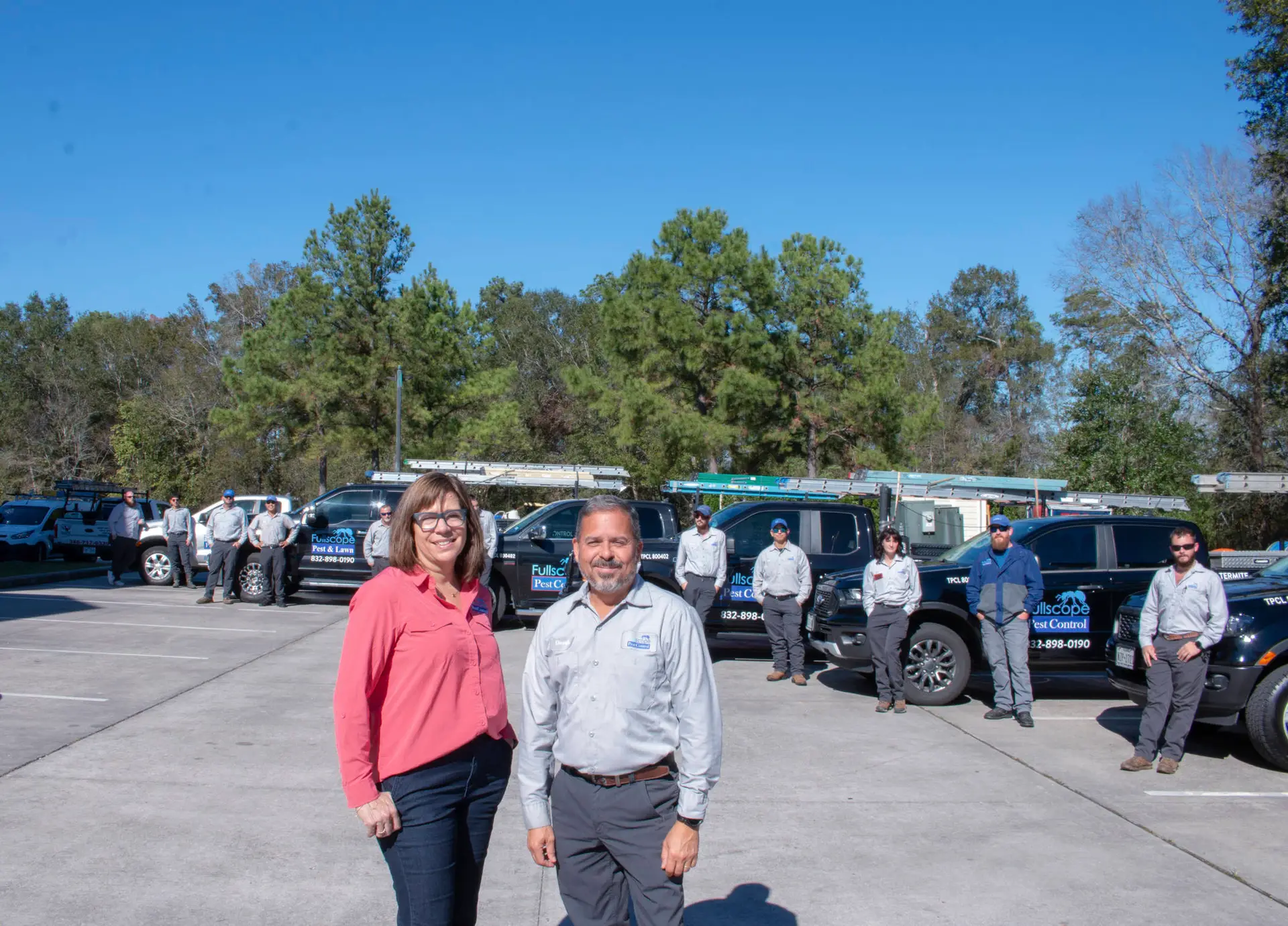
Find pest control services & exterminators near you Find pest control services & exterminators near you with the help of professional exterminators. Whether you are dealing with ants, bed bugs, termites, or any other pests, it is essential to address the issue promptly and efficiently to prevent further damage to your property. By hiring a pest control professional near you, you can ensure that the infestation is properly handled using safe and effective methods tailored to your specific needs. Don’t let pests take over your home – contact an exterminator today for reliable and expert pest control services. When to hire a professional exterminator When facing a pest infestation that seems beyond your control, it’s time to hire a professional exterminator. While DIY methods can be effective for minor pest problems, larger infestations or recurring issues require the expertise of a trained exterminator. Professional exterminators have the knowledge, experience, and tools to effectively eliminate pests from your home or business. Don’t let pests take over – call a professional exterminator when you need reliable and long-lasting pest control solutions. Key Highlights Introduction Welcome to our blog on finding reliable pest control professionals near you. Dealing with a pest problem can be a frustrating and challenging experience, but with the right help, you can find a solution and regain control of your space. Whether you’re dealing with ants, termites, roaches, rodents, or spiders, professional pest control services can provide the expertise and experience needed to eliminate the infestation and prevent future problems. When it comes to choosing a pest control professional, it’s important to find someone who is not only knowledgeable and skilled but also local to your area. Local exterminators have a deep understanding of the specific pest issues that are common in your region, allowing them to provide targeted and effective treatments. They are also familiar with local regulations and can ensure that the pest control methods used are safe and environmentally friendly. In this blog, we will explore the key considerations when choosing a pest control professional, the services they offer for common household pests, the pricing models for pest control services, as well as tips for preparing your home for treatment. We will also discuss how to navigate pest control solutions, including the choice between DIY and professional services, innovative technologies and methods, and seasonal pest control tips. Additionally, we will explore the importance of building a long-term relationship with your pest control provider and how ongoing support and guarantees can contribute to a pest-free environment. Top Reliable Pest Control Professionals in Your Area When it comes to finding reliable pest control professionals near you, it’s important to choose a company that has a proven track record of delivering quality service. Look for local pest control companies that have been serving your area for several years. These companies have the experience and expertise to handle a wide range of pest problems effectively. Additionally, consider their customer service reputation. Reading reviews and testimonials from previous customers can give you valuable insights into the level of service you can expect. 1. Evaluating Local Pest Control Expertise When evaluating local pest control expertise, it’s important to consider the qualifications and experience of the pest management professionals. Look for companies that employ licensed and certified technicians who have undergone proper training and education in pest control. They should be knowledgeable about the latest pest control techniques and have experience in handling various pest problems. Additionally, consider the number of years the company has been in business. A company with a long history of providing pest control services is likely to have extensive experience and a proven track record of successfully eliminating pests. 2. Identifying Services for Common Household Pests Pest control professionals offer a range of services to address common household pests. For instance, if you’re dealing with an ant infestation, the exterminator will identify the ant species and develop a treatment plan to eliminate the colony. They will also provide recommendations to prevent future infestations. In the case of termites, professionals use specialized techniques such as baiting or liquid treatments to eliminate the entire termite colony. They will also conduct regular inspections to ensure ongoing protection. Roach infestations can be challenging to eliminate due to their rapid reproduction rate. Pest control professionals will use a combination of baits, sprays, and dusts to target roaches and their nesting areas, ensuring effective eradication. Rodents like mice and rats are not only a nuisance but also a health hazard. Pest control experts will identify entry points, set up traps, and implement exclusion methods to prevent future infestations. When it comes to spiders, pest control professionals will identify the species and provide targeted treatments. They may also recommend sealing cracks and crevices to prevent spiders from entering your home. 3. Understanding Pricing Models for Pest Control Services Pricing for pest control services can vary based on several factors, including the type of pest, the severity of the infestation, the size of the property, and the methods used for treatment. Most pest control companies offer a free estimate, where a technician will assess the situation and provide a detailed quote for the recommended services. Some companies may offer a one-time treatment option, while others may provide ongoing pest control services with regular inspections and treatments. The pricing models can include one-time fees, monthly or quarterly service contracts, or pay-as-you-go options. When comparing prices, it’s important to consider the value you are getting for your money. Look for companies that offer a competitive advantage, such as guarantees for their services or additional benefits like free re-treatments if the pest problem persists. 4. Recognizing Signs of a Trustworthy Pest Control Company To ensure that you are hiring a trustworthy pest control company, there are a few signs to look out for. First, check if the company Google Reviews, read the comments from past and current customers. Second, consider the company’s reputation in the industry. Look for local companies that can adjust treatment based on your home’s