 1500+ reviews

Why Mosquitoes Are In Your Home
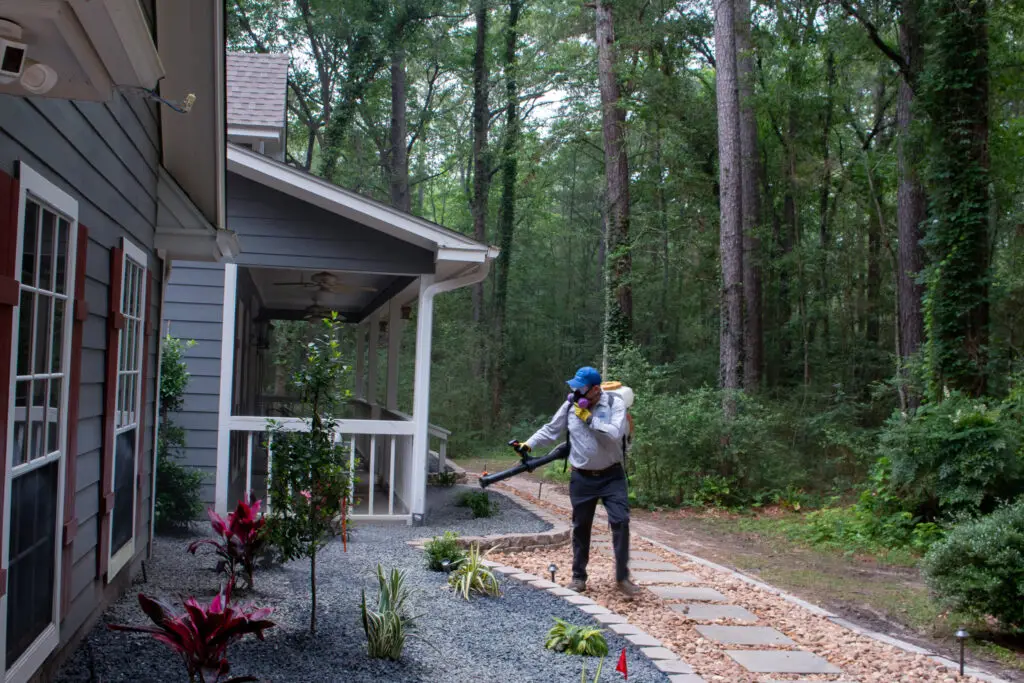
Mosquitoes can be a nuisance, especially in warm-weather sites like Texas, where they grow. If you’re tired of fighting off these annoying biters and need effective mosquito control, it’s time to take action! But first, have you ever wondered why they’re so attracted to your living space? Let’s understand the reasons behind the unwanted visits and, most importantly, how to show them the way out. Reasons Mosquitoes Love Your House They Need Your Blood Female mosquitoes bite humans and use blood meal to produce eggs. You, your family, and your pets are an easy food source for mosquitoes, which are attracted by the carbon dioxide we breathe, body heat, and certain chemicals in our sweat. Your Home is a Mosquito Nursery Mosquitoes need water to breed. They lay their eggs in stagnant water; your house may provide the perfect nursery. Common breeding places include: They Want Shelter from the Weather Mosquitoes are fragile to turbulent weather conditions. They find your house a very comfortable shelter from rain, wind, and extreme temperatures. More or less, they rest in cool, damp, and dark places, under sinks, in closets, and behind furniture. How to Keep Mosquitoes Out Here’s how to make your house less inviting to those pesky pests: Seal Entry Points Now is the time to repair or replace your windows and door screens if you find any holes or tears. Also, check for gaps around your windows and doors and seal them tight with weatherstripping or caulk. Eliminate Standing Water Remove, scrub, invert, cover, or discard items that store water, such as tires, buckets, flowerpots and saucers, bird baths, swimming pools, wading pools, hot tubs, trash cans, and cisterns. Check for proper flow and no leaf blockage in gutters and drains. Use Natural Repellents Some plants are naturally mosquito-repellant. Plant citronella, lavender, marigolds, catnip, rosemary, or basil around your house to help keep mosquitoes away. You can also light citronella candles or torches outdoors, but never leave candles burning unattended. Hire a Professional Pest Control Service If a mosquito infestation persists or is severe, it may be a good idea to seek the help of a professional pest control service that can locate all breeding sites and effectively treat indoors and outdoors for longer-term control. More importantly, a professional can advise you on the best strategies for mosquito control in Texas regarding your area’s species and climate conditions. Conclusion Mosquitoes aren’t always a minor annoyance; they pose real risks to human health. Take control of the situation and enjoy your home while protecting your family by eliminating breeding sites, securing your home, and using repellents. However, for a truly mosquito-free setting, consider professional services. At Fullscope Pest Control, we will provide you with the best mosquito control based on your needs and preferences for a home you are safe and comfortable living in. Contact us today for your free quote!
Top 10 Mosquito Control Services Near Me | FullScope
Key Highlights Pest control services play a crucial role in managing mosquito populations and reducing the risk of dangerous diseases. Professional mosquito control services can effectively identify and eliminate mosquito breeding grounds in outdoor spaces. Introduction Mosquitoes can turn a pleasant outdoor experience into a nightmare. Their bites not only cause irritating itching but also pose a significant threat to our health. Mosquitoes are known carriers of dangerous diseases such as West Nile virus, Zika virus, and Malaria. That’s why it’s crucial to find effective mosquito control services near you to protect yourself, your family, and your outdoor space. When it comes to mosquito control, professional services are the best option. They have the knowledge, experience, and tools to effectively identify and eliminate mosquito breeding grounds, reducing mosquito populations and the risk of diseases. Mosquito control services use various techniques, including barrier sprays, larvicides, and mosquito trapping, to provide comprehensive protection. In this blog, we will discuss the key highlights of mosquito control services, the importance of understanding mosquito threats in your area, how to recognize signs of mosquito infestations, and the benefits of choosing FullScope Mosquito Solutions. We will also explore innovative mosquito control techniques, such as the latest technologies and eco-friendly solutions. Additionally, we will provide insights on preparing your home for mosquito treatment, the cost analysis of mosquito control services, and share customer experiences and frequently asked questions. With this information, you will be equipped to make an informed decision when selecting a mosquito control service and ensure a mosquito-free environment for your outdoor space. Let’s dive into the world of mosquito control and explore the top 10 mosquito control services near you. Understanding Mosquito Threats in Your Area Understanding the mosquito threats in your area is essential to effectively manage and control mosquito populations. Mosquitoes are not only annoying pests, but they can also transmit dangerous diseases through their bites. Diseases such as West Nile virus, Zika virus, and Dengue disease can be transmitted to humans through mosquito bites. By knowing the prevalent mosquito-borne diseases in your area, you can take proactive measures to protect yourself and your loved ones. Mosquito control services can provide valuable insights into the specific threats in your region and offer targeted solutions to minimize the risk of mosquito-borne diseases. Identifying Common Mosquito Species To effectively control mosquito populations, it is crucial to identify the common mosquito species in your area. Different species have varying behaviors and breeding preferences. Some species are more likely to transmit diseases, such as the Aedes mosquitoes responsible for spreading Zika virus. Identifying the mosquito species allows mosquito control services to tailor their approach and target the specific species that pose the greatest threat. Mosquito control professionals are trained to recognize different mosquito species and understand their biology and breeding habits. This knowledge helps them develop effective strategies to reduce mosquito populations and protect your outdoor space from disease-carrying mosquitoes. Recognizing Signs of Mosquito Infestations Recognizing the signs of a mosquito infestation is crucial for taking timely action and preventing the spread of dangerous diseases. Some common signs of a mosquito infestation include a high mosquito population in your outdoor space, frequent mosquito bites, and the presence of mosquito breeding grounds such as stagnant water sources. Mosquitoes can reproduce rapidly, with females laying up to 100 eggs at a time, and even a small mosquito population can be a nuisance and a potential health hazard. If you notice these signs, it is recommended to contact a professional mosquito control service to assess the situation and develop a customized treatment plan. Effective mosquito control measures can help reduce the mosquito population and minimize the risk of diseases spread by mosquitoes. Comparing Professional Mosquito Control Options When it comes to mosquito control, there are various professional options available. It is essential to compare these options to choose the one that best suits your needs. Factors to consider include the range of services offered, the effectiveness of their mosquito control products, and the satisfaction guarantee provided. Reputable mosquito control services often offer a range of products and treatments tailored to your specific needs. They should also provide a satisfaction guarantee, ensuring that they will take additional measures if the mosquito problem persists. By comparing different professional mosquito control options, you can make an informed decision and choose the service that will effectively rid your outdoor space of mosquitoes. Evaluating Local Mosquito Control Services When evaluating local mosquito control services, it is important to consider their reputation, experience, and customer service. Look for authority brands in the industry, such as Mosquito Squad, that have established themselves as leaders in mosquito control. These brands often have a proven track record of providing effective mosquito control solutions. Additionally, consider the level of customer service provided by the mosquito control service. A reliable service will prioritize customer satisfaction and address any concerns or issues promptly. Reading customer reviews and testimonials can also provide valuable insights into the quality of service provided. By evaluating local mosquito control services based on these factors, you can select a service that will effectively eliminate mosquitoes and provide a positive customer experience. The Benefits of FullScope Mosquito Solutions FullScope Mosquito Solutions offers a range of benefits that make them an excellent choice for mosquito control. One key benefit is their satisfaction guarantee, ensuring that you are fully satisfied with the results of their mosquito control treatment. FullScope Mosquito Solutions also understands the importance of protecting your outdoor space from dangerous diseases transmitted by mosquitoes. They have the expertise and experience to effectively reduce mosquito populations and minimize the risk of mosquito-borne diseases. Additionally, FullScope Mosquito Solutions offers free estimates, allowing you to understand the cost and scope of the mosquito control services they provide. By choosing FullScope Mosquito Solutions, you can enjoy peace of mind knowing that your outdoor space is protected from mosquitoes and the diseases they carry. Innovative Mosquito Control Techniques Innovation in mosquito control techniques has led to the development of new and effective
10 Warning Signs of Termites Without Wings

Key Highlights Introduction Termites are one of the most destructive pests that can infest your home. While most people are familiar with the winged termites, known as termite swarmers, it’s important to note that these pests can also cause significant damage without wings. Termites without wings, also known as worker termites, are responsible for the majority of the damage caused by termite infestations. They work tirelessly, feeding on wood and creating tunnels and galleries within the structure of your home. Identifying the warning signs of termites without wings is crucial in detecting and addressing termite infestations early on. By recognizing these signs, you can take appropriate action and prevent further damage to your property. In this blog, we will discuss the top 10 warning signs of termites without wings and provide insights into understanding wingless termites, preventing termite infestations, professional termite treatment options, and repairing termite damage. It’s important to note that if you suspect a termite infestation, it’s best to consult with a professional pest control service. They have the expertise to accurately identify and treat termite infestations, ensuring the safety and structural integrity of your home. Now let’s dive into the warning signs of termites without wings and how to identify them. 10 Key Warning Signs of Termites Without Wings Termites can be sneaky and destructive pests, and it’s important to be vigilant in detecting the warning signs of a termite infestation. Here are the top 10 key warning signs of termites without wings: 1. Mud Tubes on Exterior Walls One of the most common signs of a termite infestation is the presence of mud tubes on exterior walls. Subterranean termites, which are the most common type of termites in the United States, build these tubes to protect themselves while they travel between their nest and a food source. These tubes are made of soil, wood particles, and saliva, and they serve as a shelter for the termites. If you notice mud tubes on your exterior walls, it’s a clear indication that termites are present and actively feeding on the wood in your home. It’s important to address this issue promptly to prevent further structural damage. 2. Hollow Sounding Wood Structures Another warning sign of a termite infestation is hollow-sounding wood structures. Termites feed on the cellulose in wood, hollowing it out from the inside. When you tap or knock on a wooden structure that is infested with termites, it may produce a hollow sound due to the tunnels and galleries created by the termites. This is a clear indication that the wood has been damaged by termites and needs to be addressed immediately. If left untreated, the structural integrity of the wood can be compromised, leading to costly repairs. 3. Frass: Termite Droppings Near Wood Surfaces Termite droppings, also known as frass, are another sign of a termite infestation. Drywood termites, a type of termite that does not require contact with soil, produce pellet-like droppings as they feed on wood. These droppings are usually small, elongated, and have a granular appearance. If you notice piles of frass near wooden surfaces, it’s a strong indication that termites are present and actively feeding on the wood. Removing the frass and addressing the termite infestation promptly is crucial to prevent further damage to your property. 4. Discolored or Drooping Drywall Discolored or drooping drywall can be a sign of both termite infestation and moisture issues. Termites require moisture to survive, and their presence can lead to excess moisture in the affected areas. This can cause the drywall to become discolored, swollen, or droop. If you notice any changes in the appearance or texture of your drywall, it’s important to investigate the cause. A termite infestation can cause significant damage to the structure of your home, and addressing it promptly is crucial to prevent further issues. 5. Peeling Paint That Resembles Water Damage Peeling paint that resembles water damage can be a sign of termite damage. Termites create moisture as they feed on wood, and this moisture can cause paint to bubble, peel, or appear discolored. If you notice peeling paint that resembles water damage, it’s important to investigate the cause. While it could be due to a water source, such as a leak, it could also be a sign of a termite infestation. Addressing the underlying issue, whether it’s a water source or termites, is crucial to prevent further damage to your home. 6. Wood That Crumbles Under Slight Pressure Wood that crumbles under slight pressure is a clear sign of termite damage. Termites feed on the cellulose in wood, weakening its structure and causing it to become brittle. If you notice that wood in your home crumbles easily or appears damaged, it’s likely that termites are present. Crumbling wood can be found in areas such as window frames, door frames, and wooden furniture. Addressing the termite infestation promptly is essential to prevent further damage and protect the structural integrity of your home. 7. Tight Fitting Doors and Hard-to-Open Windows Tight fitting doors and hard-to-open windows can be a sign of structural damage caused by termites. As termites feed on wooden structures, they can cause them to warp, swell, or become misshapen. This can result in doors and windows that no longer fit properly and are difficult to open or close. If you notice that your doors and windows are becoming increasingly difficult to operate, it’s important to investigate the cause. A termite infestation may be the underlying issue, and addressing it promptly is crucial to prevent further damage and ensure the security of your home. 8. Visible Mazes Within Walls or Furniture Visible mazes within walls or furniture are clear signs of termite damage. As termites create tunnels and galleries within wooden structures, they can leave behind visible mazes or patterns. These mazes may be visible in walls, furniture, or other wooden surfaces. If you notice these intricate patterns, it’s a strong indication that termites are present and actively feeding on the wood. Addressing the termite infestation promptly
How Fast Do Termite Infestations Spread?
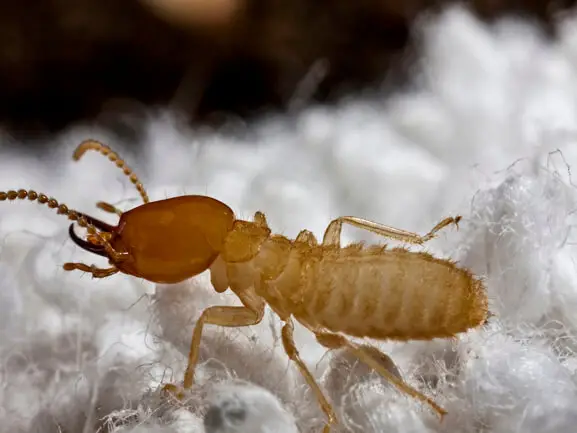
Termites are the ultimate nightmare of any homeowner; they can silently eat your property out. The actual speed at which the infestation of termites spreads may be different, but knowledge is vital in saving your home from grave damage. If you’re a homeowner and need termite control in Kingwood, Texas, there’s a good chance you can avoid severe damage if you act sooner rather than later. In this blog, we’ll explain how termite infestation spreads, what accelerates their growth, and through which way it is best to prevent them. H2: How Fast Do Termite Infestations Spread? H3: Termites Can Spread Within Months Once the termites find a food source, they can immediately establish the foundation of a colony. They spread in most parts of your house in only a few months. For example, subterranean termites dig pervasive tunnel systems that allow them to move freely and rapidly increase their colonies’ size. H3: Environmental Factors Can Accelerate Spread Environmental factors are among the most determining factors in the speed at which termites will infest a home. These termites thrive in temperate and damp weather conditions. Homes in humid climates, or those suffering from leaks or poor ventilation, are naturally more at risk. The presence of moisture favors the expansion of the termite because it presents it with the proper conditions to survive. H3: A Growing Colony Causes Faster Damage The size of termite colonies increases over time, and with increased age, worker termites are produced in more significant numbers. These workers would feed the colony on wood, leading to accelerated damage in your home. This is why homeowners should consider professional termite control in Kingwood, Texas, along with regular inspections, as one sure way to stay ahead of the problem. H3: Wood Type Affects Infestation Speed The type of wood in your home may affect how quickly termites increase their population. Softwoods, such as pine, invite termites in more readily, and the infestation will progress faster. Hardwoods slow the process, and their wood does not necessarily escape the damage. H3: Infestations Can Spread Between Properties Termites do not restrict themselves to a single home. If your neighbors have a termite problem, there’s a possibility that it might affect your property, too. Termites move from one place to another through underground tunnels or wood structures that may connect their original infestation site to another. H2: Next Steps: How to Stop a Termite Infestation Quickly When termites invade your home, immediate action is required to prevent widespread destruction. The best and most effective solution is to hire a professional pest control service. Fullscope Pest Control specializes in termite control in Kingwood, Texas, and will perform a comprehensive inspection and treatments to destroy termites and prevent future infestations. Our team of experts deploys the latest tools and knowledge to trace and eradicate termites, protecting your home inside and out. Don’t wait until the damage becomes critical. Call us today for a thorough inspection and a comprehensive treatment plan.
Top Bat Removal Company Near Me: Say Goodbye to Pests
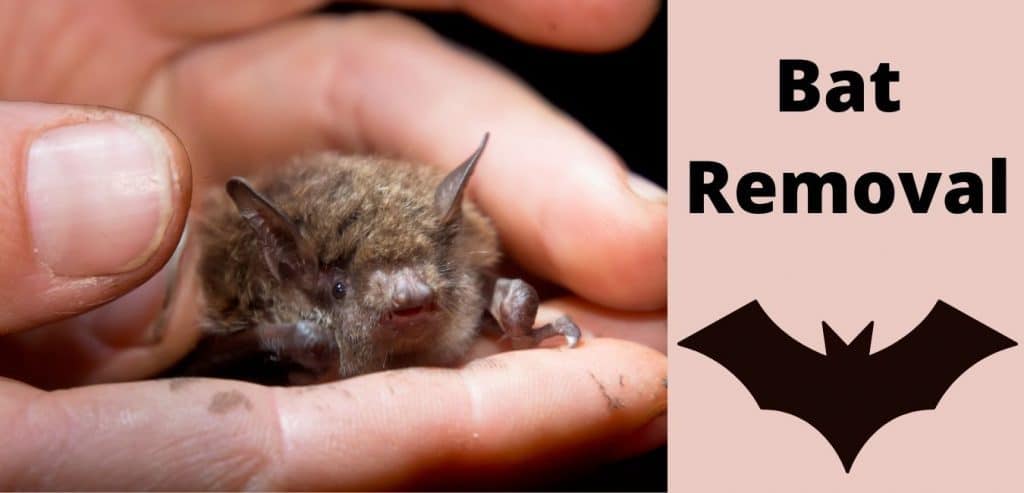
Key Highlights Professional bat removal services provide safe and humane solutions tailored to your specific needs. Effective bat removal involves a comprehensive approach, including exclusion techniques to stop them from re-entering your home. Introduction Dealing with a bat infestation in your home requires professional bat removal services that specialize in effective pest control and wildlife removal. Bats can pose health risks and cause damage to your property if not addressed promptly. This comprehensive guide will explore expert solutions for bat removal, helping you understand the process and safeguard your home from these nocturnal creatures. Expert Bat Removal Solutions Near You Finding reliable and experienced bat removal services near you is crucial for efficient and safe removal. When facing a bat problem, it’s essential to contact qualified professionals who specialize in wildlife control and have a proven track record. These experts possess the necessary knowledge, skills, and equipment to handle bat infestations safely and humanely. By enlisting the help of experts, you can trust that the problem will be solved effectively, ensuring the well-being of both your family and the bats. Identifying Signs of a Bat Infestation in Your Home Recognizing the signs of a bat infestation early is essential for implementing timely and effective removal strategies. One of the most noticeable signs is the presence of bat droppings, also known as bat guano. These droppings often resemble small, dark pellets and can accumulate in areas where bats roost, such as attics, eaves, and chimneys. Besides droppings, you might also notice an unusual, ammonia-like odor emanating from hidden areas. This pungent smell results from the accumulation of bat urine and guano. If you detect this distinctive smell, it’s crucial to investigate further. Other signs of a bat infestation include hearing scratching or squeaking noises coming from the walls or attic, especially during the night when bats are most active. Seeing bats flying around your property at dusk or dawn is another clear indication that they might have taken up residence in your home. Immediate Steps to Take When You Discover Bats in the Attic Discovering bats in your attic can be alarming, but it’s essential to remain calm and take immediate steps to address the situation. First and foremost, avoid disturbing the bats or attempting to handle them yourself. Bats are more likely to bite if they feel threatened. Instead, contact a professional wildlife removal company specializing in bat exclusion. They have the experience and equipment to remove the bats safely and humanely. Explain the situation, including any signs of an infestation you’ve noticed. While waiting for the professionals, you can take some precautionary measures. Seal any potential entry points you can find, like gaps around vents, pipes, or cracks in walls, using caulk or steel wool. However, do not completely seal the attic, as this may trap bats inside. Professional Bat Removal vs. DIY Methods: Pros and Cons When faced with a bat problem, it’s tempting to consider DIY methods for removal. However, it’s essential to weigh the pros and cons of professional bat removal services versus attempting to address the issue yourself. While DIY methods might seem cost-effective, they often come with significant drawbacks. Professional bat removal specialists have the knowledge, experience, and specialized equipment to handle the situation safely and efficiently. They understand bat behavior, can identify all entry and exit points, and employ humane removal techniques compliant with local regulations. Attempting to remove bats yourself can be dangerous and potentially illegal, depending on your location. The Importance of Timely Bat Removal in North Houston, Texas In North Houston, Texas, timely bat removal is paramount due to the prevalence of certain bat species, such as Mexican free-tailed bats, known for forming large colonies. These colonies can quickly escalate into significant infestations, posing increased health and property risks. The humid subtropical climate of North Houston provides bats with ample food and water sources, making the region particularly attractive for these flying mammals. The presence of numerous older structures with potential entry points further exacerbates the risk of bat infestations. Addressing bat infestations promptly is crucial to protect the health and safety of your family and pets. Bat droppings can accumulate in large quantities, creating a hazardous environment. Moreover, bats are known carriers of rabies, emphasizing the importance of professional and timely removal. Comprehensive Guide to Safe Bat Exclusion Techniques Safe and humane bat exclusion techniques are essential for effectively removing bats from your property while ensuring their well-being. This involves a strategic approach that combines identifying and sealing entry points with implementing one-way doors to prevent re-entry. Professionals employ various exclusion devices like tubes or nets, allowing bats to exit but not return. These methods are crucial for encouraging bats to relocate naturally without causing harm, preventing future infestations. The Role of Exclusion Devices in Bat Removal Exclusion devices are instrumental in bat removal as they provide a safe and humane way to encourage bats to leave a structure and prevent their return. These devices work on the principle of a one-way door, allowing bats to exit the roost but blocking their re-entry. One common type of exclusion device is a bat valve, which is a one-way door installed over the primary entry/exit point. When bats attempt to leave, they push through the one-way door but cannot re-enter. Other exclusion devices include netting and tubes. Netting is typically installed over larger openings, creating a barrier that bats cannot penetrate while still allowing them to fly out. On the other hand, tubes provide a guided exit path for bats, funneling them out of the structure. Sealing Entry Points: A Permanent Solution to Bat Problems Sealing entry points is crucial for providing a permanent solution to bat problems. Once bats are excluded from your home, it’s essential to prevent their return. Bats are incredibly adept at finding their way back into structures, even through tiny crevices. Thoroughly inspect your home’s exterior, paying close attention to areas where bats are likely to enter, such as roofs, chimneys, vents, eaves, and siding.
Termites with Wings: Signs of Trouble in Your Home
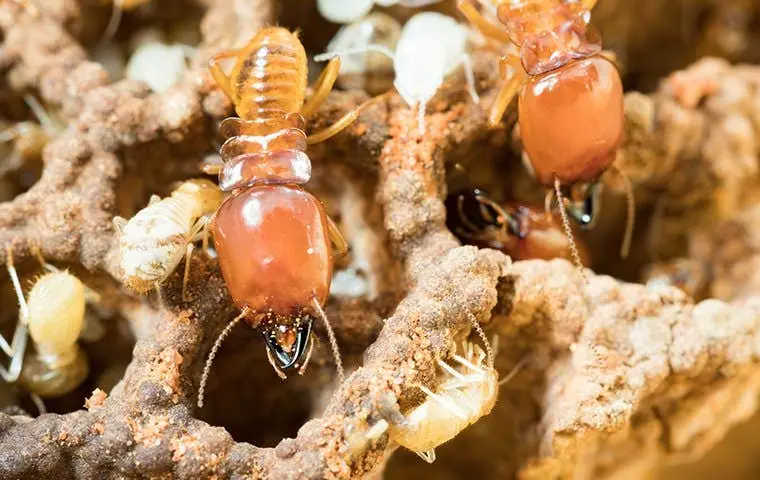
Key Highlights Introduction Termites are a common pest that can cause significant damage to homes and buildings. While all termites are problematic, termites with wings, also known as swarmers or alates, are especially concerning. These winged termites are the reproductive members of a termite colony and their primary role is to start new colonies. Seeing flying termites in your home or property can be a sign of a significant termite problem and potential structural damage. Understanding winged termites and being able to identify them is crucial in taking the necessary steps to protect your home. By recognizing the physical characteristics of flying termites and knowing the difference between termites and other flying insects like ants, you can be proactive in preventing termite infestations and minimizing damage to your property. In this blog, we will explore the lifecycle of a termite, why termites grow wings and fly, how to identify winged termites in your home, the significance of seeing flying termites, immediate steps to take upon sighting, inspecting your home for termite damage, professional vs. DIY termite control, and preventative measures against termite infestations. By the end of this blog, you will have a better understanding of winged termites and the signs of trouble in your home, allowing you to take the necessary actions to protect your property. Understanding Winged Termites Recommended Read: 10 Warning Signs of Termites To understand winged termites, it is important to first understand the termite life cycle. Termites go through several stages in their lifecycle, including the reproductive stage where they develop wings and become winged termites, also known as alates or swarmers. Winged termites are the reproductive members of a termite colony and their primary role is to start new colonies. They are larger than worker termites and are equipped with wings, allowing them to fly. These winged termites are responsible for leaving their colony during a phenomenon known as nuptial flight, where they mate and establish new colonies. Identifying winged termites in your home is a warning sign of a termite problem. Their presence indicates the potential for significant damage to your property. By understanding the behavior and characteristics of winged termites, you can take the necessary steps to protect your home from infestation and minimize the risk of structural damage. The Lifecycle of a Termite The termite life cycle consists of several stages, starting with the egg stage, followed by the nymph stage, and ending with the adult stage. During the reproductive stage, some termites develop wings and become winged termites, also known as alates or swarmers. The reproductive termites, or swarmers, are larger than worker termites and are equipped with wings. They are responsible for leaving their colony during a phenomenon known as nuptial flight. During this flight, the male and female swarmers mate, after which the male dies and the female becomes the queen of a new colony. In the new colony, the queen lays eggs, which hatch into nymphs. The nymphs develop into different castes, including workers, soldiers, and more reproductive termites. The workers are responsible for foraging for food, building and repairing the nest, and taking care of the other termites in the colony. Understanding the lifecycle of a termite is essential in identifying and controlling termite infestations. By knowing when and how termites develop wings and become winged termites, you can take the necessary steps to address the problem and protect your home from further damage. Why Termites Grow Wings and Fly Termites grow wings and fly as part of their reproductive process. The flight, known as nuptial flight, occurs when the conditions are right for the termite colony to expand and establish new colonies. During nuptial flight, winged termites emerge from their nest in large swarms, usually after a heavy rain when the weather begins to warm. These swarms are a common sign of a nearby termite infestation. The winged termites, or swarmers, are the reproductive members of the colony and their primary role is to mate and start new colonies. The swarmers search for a suitable location to establish their new colony, and if they successfully mate and find the right conditions, they will shed their wings, become the king and queen of their new termite kingdom, and begin the process of building a new colony. Understanding why termites grow wings and fly can help homeowners recognize the signs of a termite infestation and take immediate action to prevent further damage. By addressing the problem early, you can protect your home from the destructive effects of termites and minimize the risk of a full-blown termite infestation. Identifying Winged Termites in Your Home Identifying winged termites in your home is an important step in recognizing a potential termite problem and taking immediate action to address it. Winged termites, also known as termite swarmers or alates, can often be seen flying around windows, doors, vents, or light fixtures. The physical characteristics of winged termites include straight antennae, a thicker waist, and a pair of wings that are all the same length. These winged termites are attracted to light and are often found near sources of light in your home. The presence of winged termites in your home is a warning sign of a potential termite infestation and structural damage. If you notice winged termites or discarded wings in your home, it is important to contact a professional pest control service to assess the situation and take appropriate measures to eliminate the termites and protect your home. Physical Characteristics of Flying Termites Flying termites, or winged termites, can be identified by their specific physical characteristics. These characteristics include: These physical characteristics can help distinguish flying termites from other flying insects, particularly flying ants. By recognizing these characteristics, homeowners can be proactive in identifying and addressing termite infestations to protect their homes from structural damage. Difference between fly ants and flying termites Common Mistakes: Termites vs. Ants It is common for people to mistake flying termites for flying ants. However, there are distinct differences between the two: Termites Ants
Local Bat Exterminator – FullScope Pest Control Specialists
Key Highlights Introduction Dealing with a bat infestation can be unnerving. FullScope Pest Control specializes in safe and humane bat removal services in North Houston. Our expert team will effectively address your bat problem while prioritizing the well-being of these beneficial creatures. We focus on sealing potential entry points to prevent future infestations. Expert Bat Extermination Services by FullScope Pest Control FullScope Pest Control offers comprehensive bat removal and exclusion services to residents of North Houston. Our team of experienced professionals understands the unique challenges posed by bat infestations and utilizes safe, humane, and effective methods to eliminate bats from your property while prioritizing the safety of your family and pets. As a locally owned and operated company, we take pride in delivering exceptional customer service and exceeding client expectations. We understand that every bat infestation is different, which is why we create customized treatment plans tailored to each client’s specific situation. 1. Identifying Signs of a Bat Infestation in North Houston Knowing whether you have a bat problem is the first step in resolving the issue. Bats are typically nocturnal, meaning they are most active at night. Therefore, homeowners often do not realize they have a potential infestation until more obvious signs appear. One of the most common signs is the accumulation of bat droppings, or bat feces also known as guano. Guano often appears as small, dark pellets and may be found near entry points, in attics, or around other potential roosting areas. Another sign of infestation could be unusual noises, such as scratching or squeaking, coming from your attic or walls. Because bats are small and can fit through openings as small as a ¼ inch in diameter, a visual inspection may not be enough to determine if bats are the cause of the noises. If you suspect you have a bat problem, it’s best to call a professional wildlife control and wildlife removal company to confirm your suspicions. 2. Comprehensive Bat Removal Techniques for Homes and Businesses At FullScope Pest Control, our certified wildlife control technicians are trained in the latest bat control techniques to safely and effectively remove bats from your property. Our services include: 3. Preventive Measures to Keep Bats Away from Your Property After successfully removing bats, it’s essential to take steps to prevent future infestations. Bats are persistent creatures and may try to return to their former roosting sites if given the opportunity. Sealing entry points is crucial in preventing bats from returning to your home. Bats can squeeze through incredibly small openings, so carefully check your attic and roofline for any potential entry points. Seal any cracks or gaps with a sealant, caulk, or wire mesh. Additionally, consider installing chimney caps and screening vents to further deter bats. Employing bat houses away from your house may provide an alternative roosting spot. Regular inspections and preventative maintenance will significantly reduce the likelihood of recurring infestations. Understanding Bat Behavior and Effective Exclusion Methods Bats, often misunderstood creatures, play a vital role in our ecosystem, aiding pollination and insect control; however, their presence in our homes can be unwanted and potentially dangerous. Their guano poses health risks, and their presence can attract other pests. To properly address a bat problem, it is valuable to understand their behavior and employ exclusion methods. Sealing entry points is crucial, considering their ability to squeeze through spaces as small as a ¼ inch. Netting or one-way doors allow them to exit their roosts at dusk but prevent re-entry. 4. The Lifecycle of Bats in Texas and Their Impact on the Ecosystem Texas boasts a diverse bat population, with over 30 different species. Bats generally mate during fall and winter, with females storing sperm until spring, when fertilization occurs. Pregnant females then congregate in maternity colonies, typically chosen for their warmth and protection, to give birth and raise their pups. In Texas, it is illegal to kill or harm most bat species due to their protected status. State laws prohibit the exclusion of bats during maternity season, typically from May to August, to protect the pups that rely on their mothers for survival. Bats play a vital role in the Texas ecosystem, feeding on insects like moths, beetles, and mosquitoes, thereby providing natural pest control. Their consumption of insects helps control agricultural pests and reduces the spread of mosquito-borne diseases. Additionally, bats contribute to plant pollination, especially for night-blooming cacti and agave plants. 5. Safe and Humane Bat Exclusion Practices to Protect Wildlife Our commitment to humane bat removal ensures the bats are safely removed without harming them. We understand the importance of protecting these beneficial creatures and utilize ethical exclusion techniques that prioritize their well-being. Our methods adhere to all state laws and regulations regarding bat control, providing our clients peace of mind knowing the job is done right. We utilize exclusion devices like bat valves or one-way doors, strategically placed at entry points, allowing bats to leave but preventing them from getting back inside. These exclusion devices are left in place for several days to ensure all bats have safely exited. Once empty, we thoroughly repair and seal any remaining holes or gaps, preventing future infestations while ensuring no bats are trapped inside. Why Choose FullScope Pest Control for Your Bat Removal Needs Choosing the right pest control company for bat removal is crucial to ensure the safe and effective resolution of your infestation. At FullScope Pest Control, we understand the importance of prompt, professional, and humane service. Our certified and experienced technicians are equipped with the latest knowledge and tools to handle any bat-related problem effectively. We prioritize customer satisfaction and strive to exceed expectations by providing exceptional service, open communication, and long-term solutions to prevent future infestations. Our commitment to quality, safety, and customer satisfaction sets us apart in the pest control industry. Contact us today to schedule an inspection and experience the FullScope difference! 6. Our Experience with Bat Infestations in Conroe, Willis, and Montgomery With years of experience serving Conroe, Willis, and
2024 Pest Control Prices | Termites, Bed Bugs, Mice & More

Key Highlights Introduction Pest infestations are a common problem that many homeowners face. Whether it’s termites causing structural damage, bed bugs infesting your mattress, or mice running rampant in your home, dealing with pests can be a frustrating and costly experience. In 2024, the cost of hiring an exterminator to tackle these pest problems varies depending on the type of infestation and the services required. Understanding the average costs associated with extermination can help you budget for pest control services and make informed decisions when it comes to protecting your home. In this blog, we will provide a detailed breakdown of exterminator costs in 2024 for various pests, factors that affect pricing, a comparison between DIY pest control and professional extermination, tips for selecting the right pest control company, and the true value of professional extermination services. Detailed Breakdown of Exterminator Costs in 2024 Pest control prices can vary significantly depending on the type of pest infestation and the services required. On average, you can expect to spend between $135 and $250 for an initial visit from an exterminator. However, the cost can range from as low as $49 for mosquito treatment to as high as $500 for cockroach extermination. It’s important to note that these are just average costs, and the actual price you pay may be higher or lower depending on factors such as the severity of the infestation, the size of your property, and the type of pest control company you choose to hire. 1. Cost of Termite Extermination Termite infestations can be particularly damaging to your home’s structure, making termite control a top priority for homeowners. The average cost of termite extermination in 2024 ranges from $185 to $1,530, depending on factors such as the size of your home and the severity of the infestation. More severe infestations may require total fumigation, which can cost over $2,000. Additionally, a termite inspection, which is recommended before treatment, can cost around $150. It’s important to address termite infestations as soon as possible, and a professional pest control company that specializes in termite treatment can provide a thorough pest inspection for effective and long-lasting results. 2. Extermination Costs for Bed Bugs Bed bugs are another common pest that can cause significant distress for homeowners. The cost of bed bug extermination in 2024 can range from $350 to $1,200. The price will depend on the size of your home and the extent of the infestation. Treating bed bugs can be a complex process that often requires multiple visits and treatments. DIY methods are generally not recommended for bed bug control due to the difficulty of completely eradicating these pests. Professional pest control companies have access to specialized equipment and treatments that are more effective in eliminating bed bugs and preventing future infestations. 3. Mice and Rat Extermination Pricing Dealing with a mice or rat infestation can be a nuisance and a health hazard. The cost of mice and rat extermination in 2024 can range from $200 to $2,500, depending on the size of the infestation and the treatment methods used. Humane treatments for mice and rats are available, but they may be less effective and more costly. Rat exterminators typically charge an average of $350 for their services. It’s important to address rodent infestations promptly, as they can cause damage to your property and spread diseases. Hiring a professional pest control service that specializes in rodent extermination can ensure effective and long-lasting results. 4. Cockroach Extermination Fees Cockroaches are resilient pests that can quickly multiply and infest your home. The cost of cockroach extermination in 2024 can range from $100 to $8,000, depending on the severity of the infestation. Most homeowners spend around $250 to tackle cockroach infestations. However, serious problems that require whole-home fumigation can cost up to $8,000. Cockroach infestations can pose health risks and cause property damage, so it’s important to address them promptly. Hiring a professional pest control company that specializes in cockroach extermination can help ensure effective treatment and prevention strategies. 5. Mosquito Control Expenses Mosquitoes are not only annoying pests, but they can also transmit diseases such as West Nile virus and Zika virus. The cost of mosquito control in 2024 can range from $100 to $500. Mosquito treatments typically require regular visits to keep them from returning, especially if you cannot modify your landscaping to make it less attractive to mosquitoes. Hiring one of the best mosquito control companies can ensure that your home and outdoor spaces are protected from these disease-carrying pests. The overall cost of mosquito control will depend on factors such as the size of your property and the frequency of treatments required. 6. Cost for Ant Removal Services Ant infestations are a common problem for homeowners. The cost of ant removal services in 2024 can range from $75 to $400, depending on the size of the infestation and the treatment methods used. Hiring a professional pest control company to address ant infestations is recommended, as they have access to specialized treatments and techniques that are more effective in eliminating ants and preventing future infestations. The average cost for ant removal services is around $200 to $1,100, depending on the severity of the infestation and the size of your home. It’s important to address ant infestations promptly, as they can contaminate food sources and cause structural damage to your property. 7. Flea Extermination Charges Fleas can be a persistent problem, especially if you have pets. The cost of flea extermination in 2024 can range from $75 to $400, depending on the size of the infestation. While you can try to rid your home of fleas yourself, larger infestations often require the expertise of a professional pest control company. Flea treatment costs can vary depending on factors such as the size of your home and the severity of the infestation. Professional pest control companies have access to specialized products and treatments that are more effective in eliminating fleas and preventing future infestations. If you have pets, it’s important to treat
Types of Pests That Could Infest Your Lawn
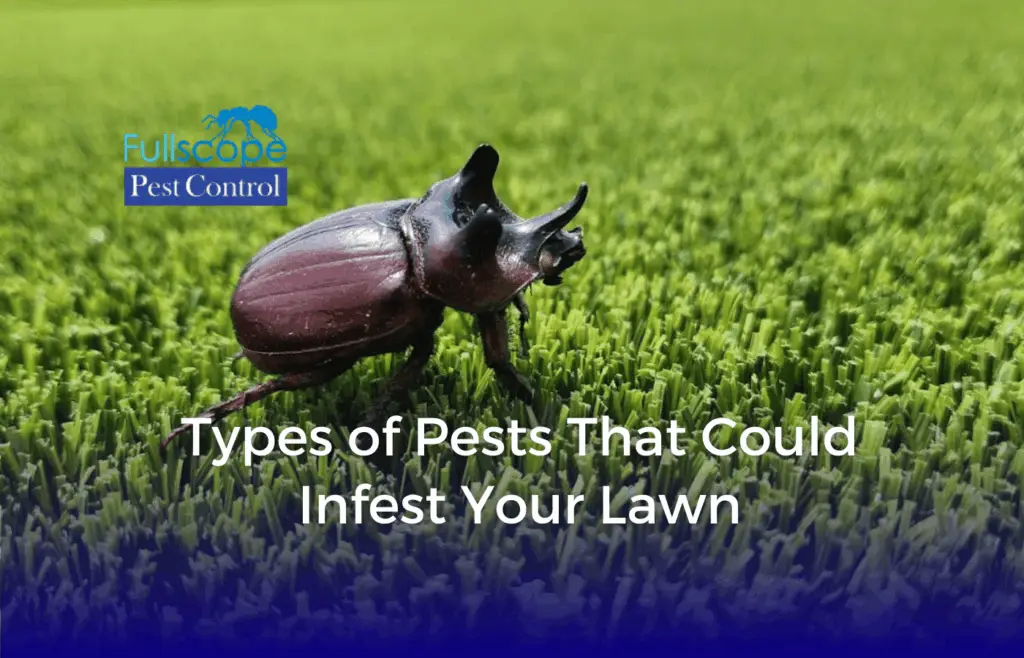
Keeping a lawn healthy and lush takes excellent work, but sometimes, no matter how much care you give it, pests can find the tiniest opportunity to sneak in and wreak havoc. Homeowners concerned with lawn care in Kingwood Texas, want to know what kind of pests popped up and infested your lawn. This blog will look at what types of pests can infest your lawn and how to spot them before they cause too much damage to your beautiful landscape. Common Pests That Could Infest Your Lawn There is a wide variety of lawn pests, each with its unique manner of wreaking havoc on homeowners. Following are some of the most common lawn invaders: Grubs Grubs are the larvae of beetles; Japanese beetles and June bugs are examples. These insects burrow beneath your lawn’s surface and feed on your grass’s roots. Grubs can cause dead patches in your lawn and weaken its overall structure. Proper lawn care in Kingwood Texas will help you avoid and treat grub infestation early on. Chinch Bugs Chinch bugs are small but mighty. They feed by sucking the sap from grass blades, causing yellow or brown patches. Because the solution might be mistakenly attributed to drought damage, chinch bug infestations are often difficult to locate without close inspections. Armyworms These caterpillars march in destructive waves across your lawn, simply munching on the grass blades and leaving enormous bare spots behind them. Armyworms can do serious damage in record time, especially when left unchecked. Sod Webworms Sod webworms are the larvae of tiny moths. These insects feed on the grass at night, leaving small, irregular brown patches. This pest spends the daytime hours concealed in silk-lined tunnels within the thatch layer of your lawn. Billbugs Billbug adults deposit their eggs in grass stems, and their larvae consume the grass blade’s interior tissue for food. Grass infested with this insect usually develops thinned pasture, wilts, and large brown patches that generally look like drought or disease damage. How to Identify Lawn Pest Infestations Lawn pests can be somewhat problematic to detect in the early stage, but there are some definite signs one can look out for: The earlier it’s identified, the less general damage will occur. So, it is crucial to check your lawn periodically for these signs. Conclusion Lawn pests can cause severe damage if left unaddressed, causing your once beautiful lawn to turn into an unhealthy pile of dead grass. FullScope Pest Control values a great lawn and prides itself on expert pest control services tailored to your needs. Our lawn care in Kingwood Texas services enable you to protect your lawn from the bloodstream of hazardous pests, allowing it to stay thick and green. Let FullScope Pest Control take care of lawn pests by making precise treatments. Call us today for consultation service and to maintain a healthy lawn!
Quick & Effective Bat Removal Near Me
Key Highlights Professional bat removal ensures safe and humane eviction. Introduction Dealing with a bat infestation in your attic or home can be unsettling. These nuisance wildlife often find their way into our living spaces, creating a potentially hazardous environment. Bat removal and pest control are essential for protecting your home and family. This comprehensive guide offers insights into quick and effective bat removal solutions, emphasizing the significance of professional help. Top Methods for Quick & Effective Bat Removal Effective bat removal hinges on understanding their habits and utilizing humane methods. Bats are nocturnal creatures, spending their days roosting in dark, secluded areas like attics. One of the most effective removal methods involves installing one-way doors, allowing bats to exit at night but preventing their return. This approach, combined with sealing potential entry points, provides a lasting solution. Remember that many states have regulations preventing bat control during maternity season. Identifying Signs of a Bat Infestation in Your Home Suspecting a bat infestation? Look out for these telling signs of a bat problem in your home: One of the most evident signs of a bat infestation is bat droppings, also known as bat guano. You might find these droppings accumulated near entry points or in your attic. Guano resembles dark, rice-sized pellets and often leaves stains on surfaces. Another indicator is the pungent smell of ammonia, which emanates from their urine. You might also hear strange scratching or squeaking noises coming from your attic, especially during the nighttime when bats are most active. If any of these signs are present, taking immediate action is vital. Essential First Steps to Take for Safe Bat Removal Discovering bats in your home can be alarming. However, homeowners should remember that these creatures are more scared of you than you are of them. The first step is to remain calm and avoid direct contact with the bats. Contact a professional pest management company specializing in bat exclusion. They have the expertise to assess the situation, develop a safe and humane removal plan, and implement effective preventive measures. Before you call, there are a few things you can do: The Importance of Professional Bat Removal Services While DIY methods may seem tempting, professional bat removal services are essential for several reasons. Professionals understand bat behavior and employ humane methods to ensure safe and effective removal without harming the animals. Moreover, attempting DIY bat removal might expose you to diseases. Professionals have the necessary protective gear and knowledge to mitigate these risks. Why DIY Bat Removal Methods Often Fail DIY bat removal methods often prove ineffective and can sometimes exacerbate the infestation. Nuisance wildlife, like bats, can display unpredictable behavior, making it difficult to remove them without proper knowledge. Professional bat control services encompass various techniques tailored to the specific situation. Exclusion, a humane and effective method, involves installing one-way doors, allowing bats to exit but blocking their return. Bats are persistent creatures, and sealing a single entry point might not suffice. Their small size allows them to squeeze through tiny gaps that are often overlooked. Employing professional prevention services helps identify and address these vulnerabilities. How Professional Exclusion Ensure a Bat-Free Environment Bat removal services provided by wildlife control experts ensure a bat-free environment through a systematic approach. This includes a thorough inspection of your property to identify entry points and assess the extent of the infestation. Professionals utilize proven techniques like exclusion services to effectively and humanely evict bats. This involves installing one-way doors, also known as bat valves, allowing the bats to leave their roost at night but preventing re-entry. Once the bats are gone, professionals seal all entry points, preventing future infestations. Remember that removing bats goes beyond simply evicting them. It involves understanding their habits and implementing long-term solutions. Trusting experts provides peace of mind knowing your home is protected. Residential services consistently usually help find the issues before the problem actually starts. Having a professional inspecting your home every 3 months is ideal for stopping bat and other wildlife before they start. Conclusion In conclusion, prompt action is crucial when dealing with a potential bat infestation in your home. Understanding the signs of their presence and the risks they pose emphasizes the importance of swift and effective removal methods. While DIY approaches may seem cost-effective, the expertise and safety provided by professional bat removal services are unmatched. Ensuring a bat-free environment requires proper assessment and measures that only trained professionals can deliver. Protect your home and loved ones by prioritizing quick and efficient bat removal to maintain a safe living space. Frequently Asked Questions What are the signs that I have bats in my attic? Key signs of a bat infestation: bat guano (droppings) resembling dark, rice-sized pellets; a pungent ammonia-like smell; and hearing scratching or squeaking noises from your attic. You may even catch a glimpse of their furry bodies, particularly at dusk when certain bat species emerge to feed. Can bats cause damage to my property? Yes, bat guano can stain and damage insulation, wood, and other materials. Accumulated guano may require attic restoration. While their appetite for mosquitos is beneficial, having a colony of bats nesting in your home necessitates professional removal and cleanup. Is it safe to remove bats on my own? Safe bat removal is best left to trained pest control professionals. Bats can carry rabies and other diseases transmissible through bat bites. Attempting removal yourself poses health risks.. Professionals have the expertise and equipment to ensure safe and humane removal.