 1500+ reviews

Wasp Exterminator | How To Identify & Get Rid Of Wasps | FullScope Pest
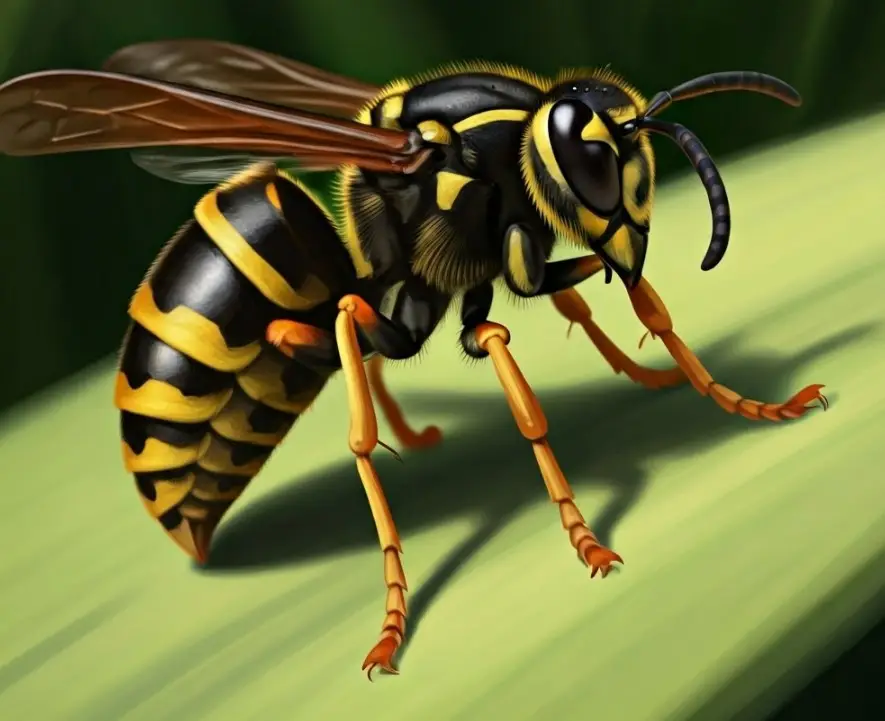
Key Highlights Introduction Dealing with a wasp infestation can be an unnerving experience. Understanding the different types of wasps, their behavior, and the best ways to eliminate them is crucial for maintaining a safe and enjoyable outdoor environment. This comprehensive guide will provide you with valuable information about wasp species commonly found in Texas and effective strategies for wasp control. If you’re facing a wasp problem, it’s important to remember that professional wasp exterminators are equipped to handle these situations safely and efficiently. Identifying and Eliminating Wasps: A Comprehensive Guide Dealing with wasps goes beyond merely eradicating them. A multi-pronged approach involving accurate identification, understanding their behavioral patterns, and implementing safe removal techniques is necessary. This comprehensive guide focuses on providing homeowners with practical knowledge and actionable steps to combat wasp infestations. We’ll cover everything from identifying common wasp species to employing preventive measures for long-term relief. Whether you’re dealing with a minor nuisance or a full-blown infestation, this guide will equip you with the necessary information to handle the situation confidently. How to Spot Different Wasps Species in Texas Texas, known for its diverse ecosystem, is home to numerous wasp species. Among the most common are paper wasps, yellow jackets, and mud daubers. Each type exhibits unique traits, making identification crucial for effective control. Paper wasps, identifiable by their slender bodies and brownish color with yellow markings, are known for their paper-like nests, often found hanging from eaves or tree branches. Yellow Jackets, smaller and more aggressive, display a distinctive black and yellow pattern and typically nest underground. Mud daubers, easily recognized by their long, thread-like waists and fuzzy bodies, construct mud cells in secluded spots like sheds or garages. Recognizing these distinctive characteristics aids in implementing targeted treatments, focusing on each species’ specific nesting and behavioral patterns. Knowing your enemy is the first step towards effective wasp control. Decoding Wasp Behavior: What Attracts Them? Understanding wasp behavior is paramount when confronting a wasp problem. These insects are highly active during warmer months, relentlessly searching for food, water, and nesting sites. One significant aspect of their behavior is their attraction to sweet foods. As temperatures rise and food sources become abundant, wasp activity increases significantly. They are particularly drawn to sugary substances, like soda cans, making outdoor gatherings, picnics, and even uncovered trash cans susceptible to wasp visits. This attraction to sweet foods often brings them into conflict with humans, especially during late summer when their colonies are at their peak. To mitigate potential wasp problems, it’s essential to be mindful of their dietary habits. Practice proper food storage, keeping sugary drinks covered, promptly cleaning up spills, and ensuring trash cans are tightly sealed. These preventative measures can significantly reduce wasp activity around your property. Step-by-Step Process to Safely Get Rid of Wasps Eradicating a wasp infestation involves a systematic approach that prioritizes safety and effectiveness. Before attempting any removal methods, carefully assess the situation, considering factors such as the wasp species, nest location, and the severity of the infestation. Once you’ve adequately assessed the risks, you can explore different wasp control options, including DIY methods or professional extermination. Remember, dealing with wasps can be dangerous, and seeking professional help is always recommended, especially for large, established nests or individuals with allergies to stings. Assessing the Situation: Types of Wasp Nests The first step in tackling a wasp infestation involves identifying the type of wasp nest present. Different species exhibit unique nesting preferences and construction techniques, understanding these differences is crucial for appropriate action. Paper wasps, as their name suggests, construct their nests from a papery material composed of chewed wood fibers mixed with saliva. These nests, shaped like inverted cones, are usually found hanging from tree branches, eaves of buildings, or under decks, housing dozens of wasps and their larvae. Mud daubers, on the other hand, prefer crafting solitary nests from mud. These nests, typically smaller and cylindrical, are often spotted in sheltered places like sheds, attics, or under porch ceilings. Identifying the type of nest not only provides clues about the wasp species but also helps determine the appropriate removal method. For instance, while a small, solitary mud dauber nest might be manageable with DIY solutions, larger paper wasp nests often necessitate professional intervention. DIY vs. Professional Extermination Methods When faced with a wasp infestation, choosing between DIY and professional extermination methods depends on several factors. While DIY solutions might seem appealing for their perceived cost-effectiveness, they often come with inherent risks and may not always offer a permanent solution. Professional wasp exterminators, equipped with the expertise, protective gear, and specialized tools, ensure safe and efficient nest removal. They can also accurately identify the type of wasp, assess the severity of the infestation, and employ the most effective treatment targeted treatments for lasting results. Many pest control companies offer a free consultation, allowing homeowners to discuss their concerns and understand the available options before making an informed decision. Weighing the pros and cons of each approach is crucial. For minor infestations or easily accessible nests, DIY methods might suffice. However, for large, well-established colonies, nests located in precarious areas, or if dealing with allergy concerns, opting for professional wasp control services is always the safer and more effective solution, especially when considering the importance of native bees in pollination. Essential Safety Tips for Handling Wasps Tackling a wasp nest without proper precautions can lead to painful, and sometimes dangerous, consequences. These stinging insects will aggressively defend their homes, making safety paramount, even when dealing with seemingly small nests. First and foremost, never attempt bee removal or wasp nest removal without the right safety equipment. Always wear protective clothing, including thick gloves, long sleeves, pants, and a beekeeper’s veil to shield your face and neck. Approaching a nest during the day, when wasps are most active, increases the risk of being stung. Early morning or late evening, when wasps are less active, are safer times for any removal attempts. Remember, wasp stings can be painful and, in
Are Wasps and Hornets Common In The Fall?
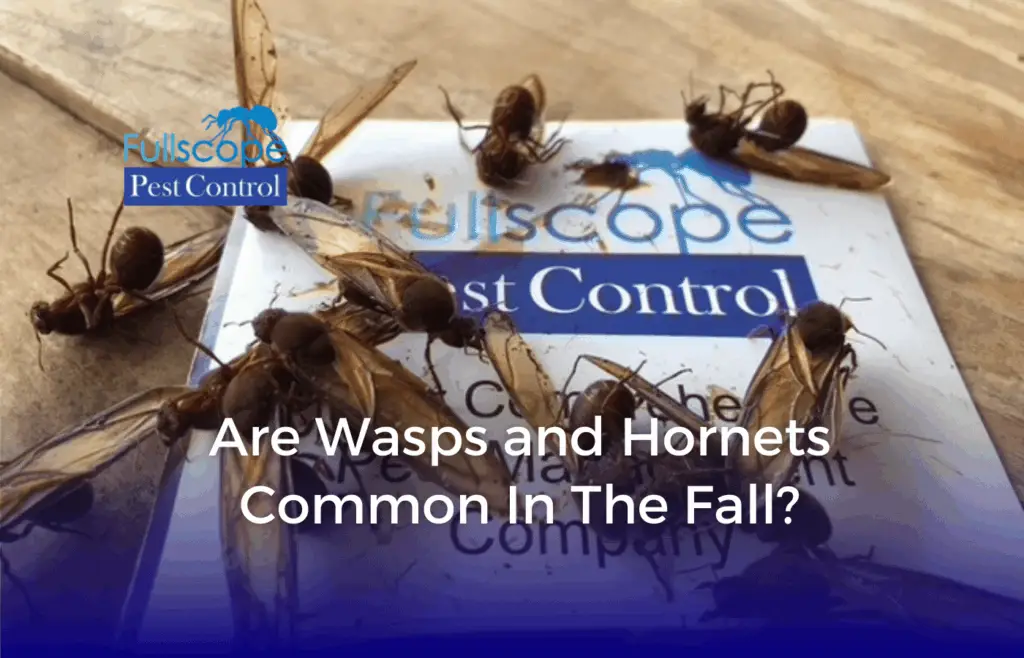
Once the weather begins to cool off during autumn, it may seem that the wasps and hornets around your home or outside are everywhere. While many people believe these insects are strictly those of summer, the truth is that autumn is an integral part of their life cycle. Knowing why wasps and hornets are so prominent during the fall will help you prepare for and protect yourself against their hostile behavior. In this blog, we’ll learn why wasps and hornets become more active in the fall and how you can effectively deal with them. Why Do Wasps and Hornets Become More Active In The Fall? Wasps and hornets have a life cycle, and when fall is in sight, these colonies are at the tail end of their peak season. During this time of the year, they shift from nest building and reproduction to scavenging for food as most of the organic substances become inadequate. Wasps and hornets are also more aggressive in the fall. The queen prepares for winter, and the colony starts to die off. Thus, workers begin to fend for themselves, becoming more territorial and apt to sting. Professional wasp and hornet control in Texas can help prevent dangerous encounters if you’re dealing with this issue. Types of Wasps and Hornets You Might Encounter During Fall How to Manage Wasps and Hornets in the Fall Reduce Attractants One of the best remedies for wasps and hornets is reducing what would attract these insects in the first place. Ensure that food is covered, garbage is well disposed of, and sweet drinks are left open outdoors. Seal Entry Points As the temperatures begin cooling, wasps and hornets start to seek ways to enter your house. Go around the house to see if there are any crept-in cracks or openings in any of the windows, doors, or walls, and seal them to avoid these insects’ entry. Professional Pest Control If wasps or hornets are nesting near your house or if you have too many bothering you, contact professional pest control. They will safely remove them and prevent future issues. When dealing with large infestations, proper wasp and hornet control in Texas ensures you and your family stay safe during peak fall activity. Conclusion The cool air of fall brings seasonal changes to your home and garden, and it also brings an increase in wasps and hornets. During this period, these pests may get a little more aggressive, but you do not need to face them on your own. Fullscope Pest Control has professional solutions for keeping unwanted guests off your premises. Whether it’s sealing entry points or the safe removal of nests, our employees ensure that your house remains protected, allowing you to enjoy those days of fall fully without thoughts of stinging insects.
What Attracts Spiders To Your Home?
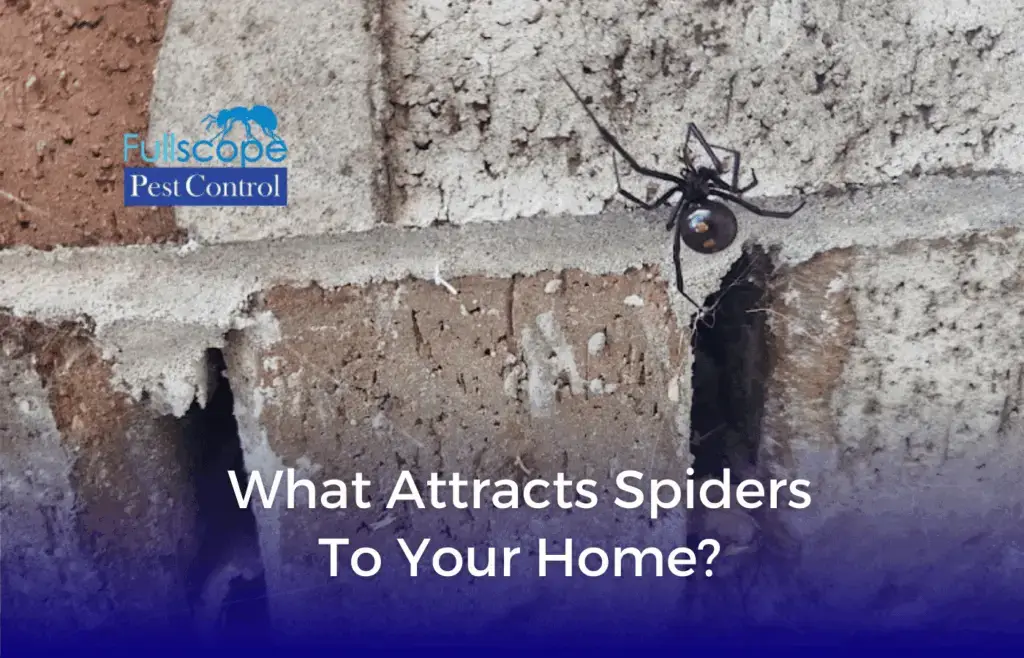
Spiders can be common in homes, but what attracts them? While most are harmless and can help deter other pests, having too many can be unsettling. Understanding why they come into your living spaces is the first step to keeping them out. If you’re dealing with this problem, seeking spider control in Texas might be a wise solution. In this blog, we will discuss why spiders invade homes and provide effective tips to keep them out. Factors That Attract Spiders To Your Home Presence of Other Insects Most spiders are natural predators, feeding on other insects. If you have a bug-infested population in your home, you can almost surely have spiders, too. Spiders follow their food, so homes with flies, ants, or other insects are often places a spider may consider prime hunting territory. Humidity and Moisture Spiders are attracted a lot of the time to areas where moisture may be present. Basements, bathrooms, and kitchens are usually more humid than other rooms in the house, which makes them ideal environments for spiders. The dampness also attracts other insects to these areas. Clutter and Hiding Places Spiders adore dark and undisturbed spots, usually with opportunities to spin webs or hide. Rooms filled with clutter, storage boxes, piled-up laundry, or other used items are a haven for spiders. Poor Sealing on Windows and Doors Gaps, cracks, and ill-sealed windows and doors grant easy access to spiders entering your home. These little entry points facilitate spiders moving indoors, especially when cold outside, in search of warmth. Outdoor Lighting You might think outdoor lighting would help keep bugs away, but the opposite is true. Bright lights attract flying insects, and spiders quickly follow where there are insects. Switching to yellow “bug lights” or motion-activated lighting will reduce this issue. How to Prevent Spiders From Entering Your Home Now that you know what attracts spiders, it’s time to act. Here are some practical steps against spiders making your home their den: Conclusion Spiders may be nature’s pest control, but that doesn’t mean you want them to reside in your house. Stay proactive entry points, reduce clutter, manage moisture, and create a less appealing environment for spiders. But if you constantly hold off these eight-legged visitors, now may be the time to consider a more comprehensive solution. At FullScope Pest Control, we do much more than eradicate pests; indeed, we facilitate the means for regaining your living space. Beyond simply removing spiders, our team in spider control in Texas will address the root causes of their entry. Call FullScope Pest Control today, and let’s work together to make your home yours again!
Do’s and Don’ts After A Scorpion Sting
Scorpion stings are foreboding and may be challenging, especially if one does not know about them. While most scorpion stings are not life-threatening, learning to act soon enough and regressively will make a massive difference in your case. In this blog, we will walk you through the primary dos and don’ts after being stung by a scorpion and ensure that you make the right moves toward preserving your health. Common Symptoms of a Scorpion Sting Scorpion sting symptoms might be moderate or severe, depending on the stinger. Common reactions include localized pain, swelling, redness, and tingling around the sting site. Sometimes, you might experience unusual muscle twitching, breathing difficulties, or nausea. Recognizing these symptoms early is key to determining the appropriate treatment, and taking prompt action can also help prevent further complications, especially when considering scorpion control in Texas as a proactive measure to avoid future stings. H2: Do’s After A Scorpion Sting: Do Wash the Sting Area Thoroughly First aid after a sting involves washing with soap and water to decrease the likelihood of infection and remove any residual venom on the skin. Do Elevate the Affected Limb to Reduce Swelling Elevating the area of the sting can help reduce swelling and pain. This should mainly be done if the sting involves a limb. Do Monitor for Severe Symptoms Monitor your condition for the next few hours after the sting. Seek medical help immediately if you experience situations that deteriorate into muscle spasms, pain, or vomiting. Don’ts After A Scorpion Sting: Don’t Ignore Signs of an Allergic Reaction If breathing is problematic, face and throat swelling occurs, or rapid heartbeat occurs, seek immediate medical help. These symptoms could be signs of a serious allergic reaction that needs to be addressed quickly by a medical professional. Don’t Panic or Rush to Suck Out Venom Feeling panicked after being stung is natural, but remaining calm is essential. Attempting to suck out the venom is not only ineffective but can also cause additional harm. Don’t Apply a Tourniquet Tourniquet application to a scorpion sting may be much more destructive than good. It could impede blood flow and hence has the potential to cause tissue damage. How to Keep Your Home Scorpion-Free Scorpion-proof your house to reduce future incidents of scorpion stings. Seal your house to prevent entry, reduce clutter, keep your home clean so as not to offer hiding places, and remove food for scorpions. If you wish to be well-protected, professional scorpion control in Texas provides an operator-trained university, including the possibility of an intensive home inspection and treatments around the home—especially those that prevent scorpion entry. Conclusion It is a stressful moment when a scorpion stings, yet with these do’s and don’ts, you can make a safer, more informed response. Regardless, the best form of protection for you and your loved ones against scorpions is to try your best to ensure they never enter your home. Call Fullscope Pest Control today for our comprehensive scorpion control in Texas and protect your home from these unwanted intruders. Please don’t wait for a sting; call Fullscope Pest Control today and let our experts help you create a scorpion-free environment for your family.
Are Roaches More Common in the Summer?
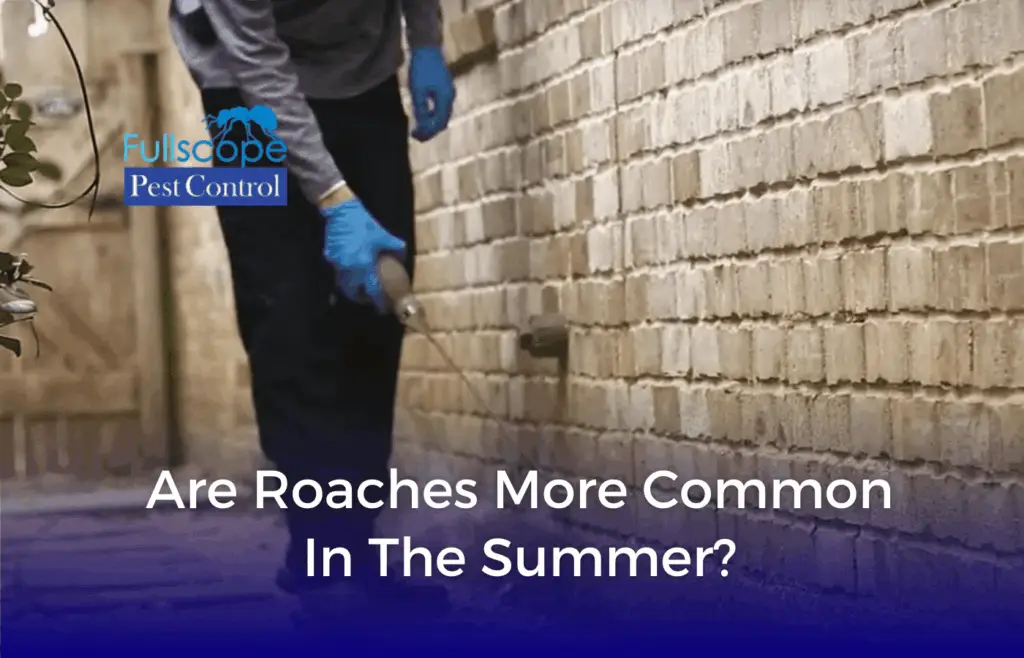
With increasing temperatures comes the possibility of an infestation of specific pests, especially roaches. Being one of the insects that thrive well in a warm environment and tend to be quite agile during this summer season, they find their way to our homes. Understanding why they are a common problem this time of the year will go a long way in keeping them at bay. For effective roach control in Texas, staying proactive during the summer is crucial. Why Are Roaches More Active During Summer? Yes, cockroaches are more common in the summer. Here’s why: Ideal Breeding Conditions Summertime creates excellent breeding conditions for roaches. Warm, moist weather will accelerate their reproductive cycle, making them multiply rapidly. The roach numbers will explode if more food sources become available in highly suitable living conditions. Increased Access to Food and Water Roaches constantly search for food and water and find plenty of both in the summer. Outdoor activities, barbequing, and open windows allow roaches to score the required sustenance. Leaky pipes, air conditioner condensation, and standing water provide the moisture they dig. Easy Entry into Homes Additionally, the warmer conditions facilitate opening doors and windows, allowing much more access to and from the house. All these factors make it easy for roaches to get into your home, looking for any available food, water, and harborage sources. Cockroaches and other pests can enter buildings through any openings, including foundations, walls, and windows. Effective roach control in Texas often starts with sealing such entry points. How Do You Get Rid of Roaches in the Summer? Maintain a Clean Environment First of all, getting rid of food sources is essential for the termination of roach activity. Clean your home, sweep the floors, wipe off counters, and clean up spills. Keep food tightly covered or stored, and remove garbage frequently. Fix Leaks and Reduce Moisture Attraction occurs with the roaches through moisture, so leakage fixation and reduction of humidity levels become two very critical actions. Fix leaking pipes and faucets; run a dehumidifier in your basement or bathroom to keep them dry. Seal Entry Points Inspect your house thoroughly for any holes or crevices that roaches could squeeze into. Caulk and seal any cracks and crevices with caulk or weatherstripping; carefully check under doors, windows, and utility lines. Use Baits and Traps Baits and traps may help reduce the roach populations when strategically placed. Please place them in areas where you have previously had roach activity: the kitchen, bathrooms, and, in particular, your basement. For severe cases of infestation, call a professional pest control service. Conclusion Roaches are more common in summer due to ideal breeding conditions, ample food and water, and home access. Educate yourself and take proactive measures to prevent them from infesting your home during this peak. If your roach problem is getting worse or keeps coming back, then you indeed have a reason to take the help of professionals. At Fullscope Pest Control, we provide comprehensive roach control in Texas. Get set up for an inspection today with us, and we’ll handle the rest—all while you enjoy your summer free from pests.
Can Fleas Live On Your Bed?

Fleas are an annoying issue for pet owners, and even those without pets may find themselves fighting an infestation of the tiny bitters. A frequent question is whether fleas can actually live on beds and how to identify, heal, and prevent such an infestation. In this article, we will look into the truth about having fleas in your bed, how damaging it can be, and what measures one could take to keep the bed space free of unsolicited guests. Can Fleas Really Live On Your Bed? Here’s What You Need to Know What Attracts Fleas to Your Bed? Fleas are attracted to warmth and moisture; your bed becomes ideal if you let your pets jump on it frequently. The presence of a warm-blooded host, either you or your pet, provides all the right conditions needed for flea feeding, survival, and breeding. For effective flea control in Texas, it’s essential to keep your pets and bed clean. Can Fleas Survive in Bedding? Yes, fleas can definitely survive in bedding. Warmth and darkness are key habitat elements favored by fleas; beds can offer these to them. They live in the gaps in your mattress, sheets, or any fabric retaining heat. The fleas can jump into your bed and make matters worse, so it’s time to take action if you suspect an infestation. Regular flea control in Texas can help prevent these pests from taking over your bed. How Can I Tell If There Are Fleas in My Bed? Some signs that there might be fleas in your bed include: Can Fleas Lay Eggs in My Bed? Yes, and this is one of the reasons flea infestations can get out of hand so quickly. Female fleas can deposit 50 eggs every day and fall into your bed from the host. After entering the bed, flea eggs hatch fast, continuing the life cycle. How Long Can Fleas Survive Without a Host in Your Bed? Fleas can survive for days to weeks without a host. Treating an infestation promptly is essential to prevent it from spreading in your home. Preventing Flea Infestations in Your Home Regularly comb and use veterinarian-approved flea treatments to keep fleas off your pets and out of your bed. Keep a clean house by vacuuming, washing pet bedding, and using flea sprays or diatomaceous earth. Regular maintenance helps to keep your pets and home free from fleas. Conclusion More than a nuisance, fleas disturb your home and peace of mind. While keeping your pets flea-free and maintaining a clean environment are crucial steps, sometimes the best methods of prevention just aren’t enough. If you suspect your bed or your home has become invaded by fleas, don’t wait until the problem spirals out of hand. At Fullscope Pest Control, we provide comprehensive flea treatments designed to eradicate your infestation issue while preventing future outbreaks. Need help? Call in to schedule a consultation with one of our pros to help take back your home from these unwanted visitors.
Can Bed Bugs Carry Disease?
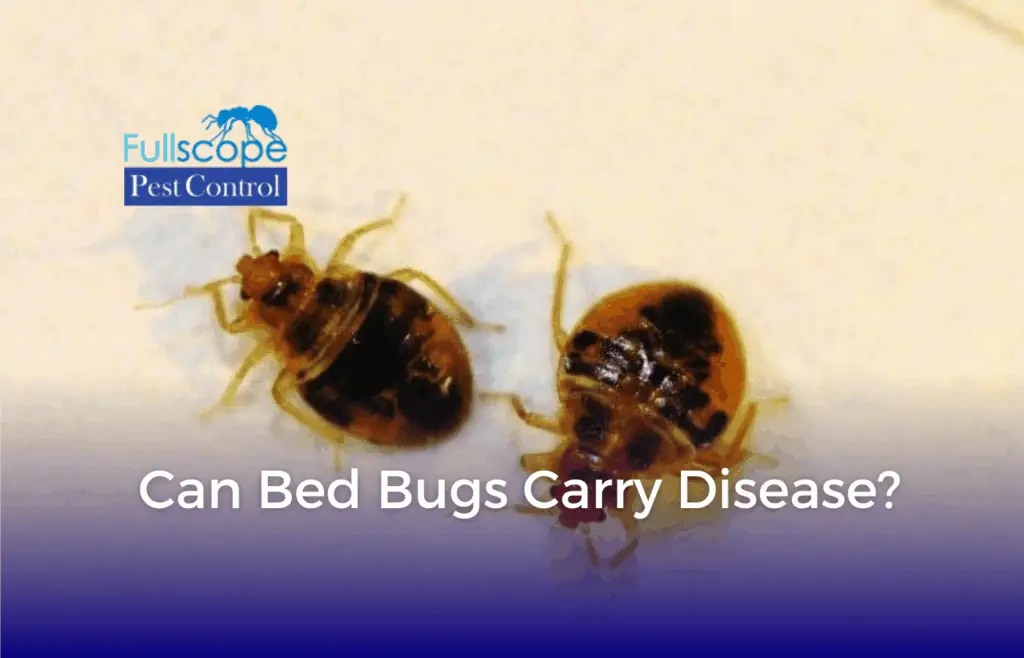
Bed bugs aren’t just a nuisance; they’re persistent blood feeders and cause immense discomfort. They are spread all over homes, hotels, and public transportation due to their ability to hide very well and be hard to kill. One common question that always pops up is if a bed bug spreads diseases. One needs to understand the effects they present when knowing that creating a bed bug infestation affects the health of individuals, more so in places like Texas where the climate may worsen the situation. Let’s explore what you need to know about these pests and how professional bed bug control in Texas is essential for a healthy environment. What Are Bed Bugs? Bed bugs are tiny, flat, parasitic insects with oval shapes and reddish-brown color. Their notable resistance includes their hiding ability in fine crevices of any visible size. Bed bugs go through many different life stages until they reach full adult stage. They mainly inhabit mattresses, bed frames, and upholstered furniture. Can Bed Bugs Carry Disease? While bed bugs are known to contain pathogens, they do not transmit diseases to humans. Several studies indicate that they can infect the parasite that causes Chagas disease. However, transmitting it to a human being is rare in typical situations. Some claims link bed bugs with spreading leprosy, Q-fever, oriental sores, and brucellosis, but these cases are poorly documented. Many people believe that bed bugs, like mosquitoes and ticks, can transmit diseases. However, this is a myth. The main health risks associated with bed bugs are allergic reactions and secondary infections caused by scratching the bites. How to Identify Bed Bug Infestations? Preventing Bed Bug Infestations Conclusion Understanding bed bugs’ health effects is preliminary to any healthy living environment. They might not spread diseases, but they can trigger allergic reactions and create a breeding ground for secondary infections. The good news is that regular check-ins and a pinch of professional expertise can keep things under control. If one thinks they have bed bugs, never hesitate to call Fullscope Pest Control. Our team of professionals provides complete bed bug control in Texas so that your house is always safe and pest-free. Give us a call today for a consultation and take the first step towards a healthier, bug-free home.
What Commercial Spaces Are Most Vulnerable to Ant Infestations?
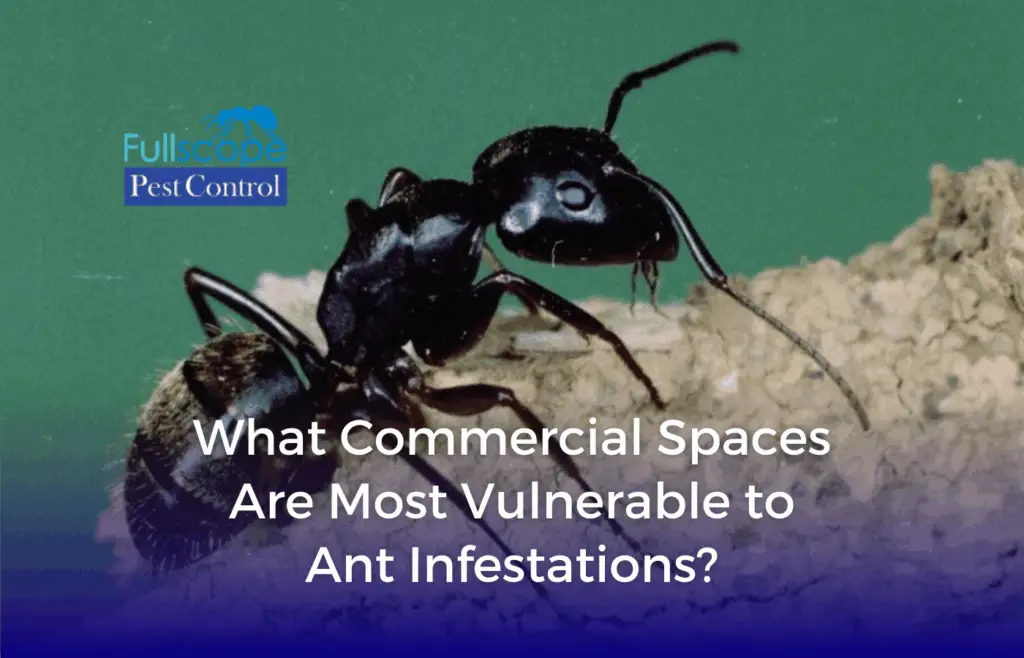
Ant infestations are one of the most persistent issues many commercial spaces face. Knowing which areas are most vulnerable can help businesses be more proactive in their prevention measures against unwelcome visitors. This blog discusses the types of commercial spaces most prone to ant pressures and provides practical advice for businesses needing ant control in Texas. Commercial Spaces Most Vulnerable to Ant Infestations Restaurants and Food Establishments Ants are especially fond of restaurants and food establishments because of food and water sources. They’re eventually drawn to these pests in kitchen and dining areas by crumbs, spills, or poor food storage. Effective waste management, regular cleaning, and proper food storage will help prevent ants from entering such establishments. Office Buildings Ants can even infest office buildings, particularly those with pantry areas and break rooms. Unemptied garbage cans or dirty dishes that are not regularly disposed of or cleaned eternally increase the chances of this happening. Businesses looking for ant control in Texas should focus on these areas to minimize infestations. Grocery Stores and Supermarkets It is particularly in grocery stores and supermarkets that peculiar challenges exist in the prevention of ant infestation. Food products and the constant movement of goods create numerous opportunities for ants to get established. Periodic inspections, fast scrubbing of spills, and tight sealing of foodstuffs will avert the risk of invasion by pests. Hospitals and Healthcare Facilities Hospitals or other healthcare institutions are no exception when an ant invasion strikes. Anything can become a haven for ants if some parameters are poorly managed. If ants invade healthcare facilities, they quickly become grave health concerns; hence, stringent preventive measures should be taken and provisions for regular pest control made. Warehouses and Storage Facilities Ants quickly attack warehouses or storage facilities that stockpile food products or packaging materials. Large areas provide an ideal refuge for ants. Contamination of goods and disruptions to the supply chain may occur. Incipient attacks in such places must be subject to periodic regular inspections, following good storage practices, and acting upon the first signs of attack. Importance of Professional Pest Control Services Professional pest control services have the following advantages: Conclusion Ant infestations mean great nuisance and health risks in commercial spaces. Still, they can be managed and prevented by being proactive. When dealing with businesses that require ant control in Texas, the importance of partnering up with a reliable pest control service must be stressed more. At Fullscope Pest Control, we offer expert services to accommodate specific needs in different commercial spaces. We’ll keep the place healthy and clean for employees and customers. Contact us today to explore comprehensive solutions to any form of ant infestation.
Top 6 Commercial Spaces That Need Professional Pest Control

Effective pest control in commercial spaces is more than just an aesthetic concern; it affects health, safety, and the business’s reputation. With pests on the loose, companies are prone to costly misfortunes, and in the worst-case scenario, they may shut down entirely. Discover which commercial hotspots need pest control pros on speed dial – and why they can’t afford to let critters crash the party. Why Professional Pest Control is Essential for Commercial Spaces In commercial space, professional pest control is not an option but a necessity simply because of the size and complexity of issues related to pests. There are numerous ways in which this kind of infestation can pose health risks, cause structural damages, and even legal liabilities if not curbed on time. For a clean slate, trusted pest control services swoop in to eliminate pest problems head-on, keeping the well-being of employees and customers top of mind. What Commercial Spaces Need Pest Control the Most? Restaurants and Food Service Establishments Restaurants combine the ideal environment with adequate food and high humidity, thus creating an ideal breeding ground for many pests. Rodents, cockroaches, and flies top the charts of known restaurant unwanted visitors. Contamination by such pests—food breaks health codes, ruining an establishment’s reputation, possibly resulting in closure or fines. Hotels and Hospitality Industry Hotels have become thriving environments for bed bugs, ants, and rodents. Pests in your hotel will outshine your good comments with bad remarks and lost bookings, hurting your brand name. Retaining a pest-free environment is most important to maintain high guest satisfaction and efficient operation. Office Buildings and Corporate Spaces Pests in office buildings can spread diseases, trigger allergies, and reduce employee morale. Rodents, cockroaches, and ants are common pests that can disrupt business operations and damage property. Retail Stores and Shopping Centers The retail environment should make every customer feel safe and welcome. Rodents, insects, and birds can damage the products, scare away customers, and prejudice the good name of the store. Warehouses and Storage Facilities Many infestations by rodents and insects occur in warehouses, further damaging stored goods and contaminating products. Effective pest management is key to inventory protection and operational effectiveness. Healthcare Facilities and Hospitals This can be very serious because pesky healthcare facility infestations can potentially trigger severe bacterial contamination. Common pests include ants, rodents, and bed bugs, which put patients at risk and mar the facility’s reputation. Conclusion Keeping commercial spaces free of pests is a consideration of health and safety and the business’s reputation. Investing in professional pest control services will ensure that your business complies with health regulations, protects your property, and provides a safe environment for all people involved. Take proactive steps today to protect your business before there is an infestation. At Fullscope Pest Control, we take pride in being in a position to deliver end-to-end pest control services in various commercial spaces. With our licensed professionals, we ensure that your business remains pest-free and secures a good image built over the years. Reach out today and reserve your consultation so that we can help you realize a tomorrow without pests.
What Kinds of Disease Do Mosquitoes Carry?
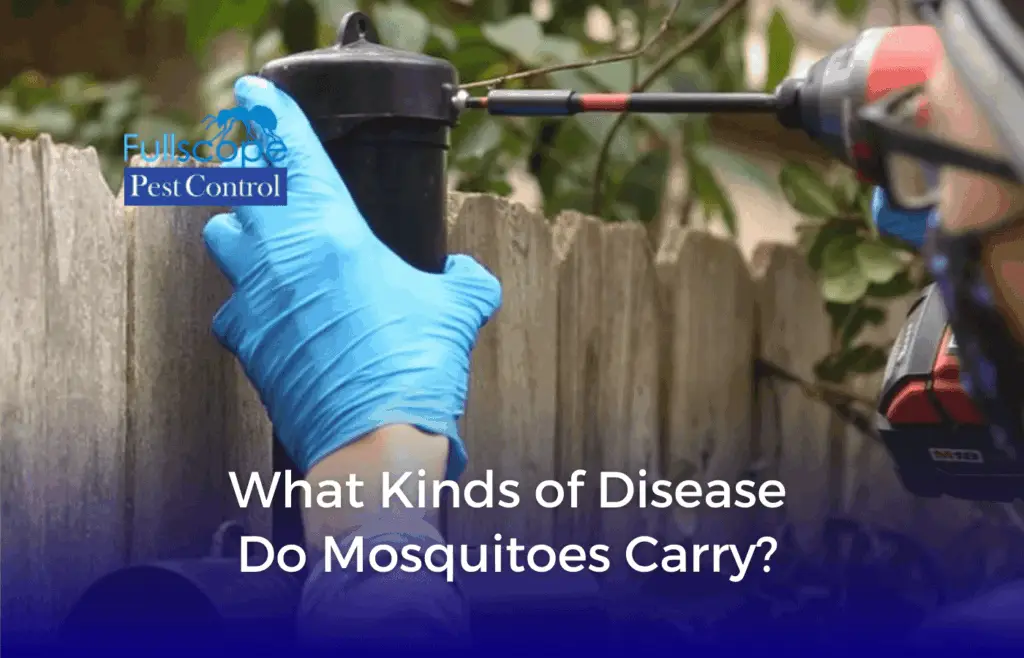
Are you tired of mosquitoes’ annoying buzz at night and the itchy red welts they leave behind? Though these bites are annoying, they pale compared to the severe health risks these insects cause. Being world-known as the most life-taking creatures, they provoke the death of over 700,000 people globally each year with their transferred diseases. In this blog, we will explore the various diseases mosquitoes carry, how they spread, and what mosquito control you can do to protect your home and family from these dangerous pests. Common Diseases Transmitted by Mosquitoes Mosquitoes transmit diseases through their bites, injecting viruses or parasites into the bloodstream of their hosts. These diseases typically affect millions, resulting in a considerable health burden. West Nile Virus Culex species mosquito is a known vector for the West Nile Virus, which may lead to illnesses like fever, headache, body aches, severe joint pains, vomiting, diarrhea, or rash. Acute cases cause neurological diseases involving encephalitis or meningitis. How soon any person improves from a severe illness can take several weeks or months; some effects could be permanent. Zika Virus The Zika virus is generally caused by Aedes mosquitoes, which cause mild symptoms such as fever, rash, and joint pain. If pregnant, however, it can raise the risk of severe congenital disabilities. Modes of transmission include through sexual contact, blood transfusion, and from mother to child during pregnancy. Dengue Fever Also carried by Aedes mosquitoes, dengue fever is characterized by high fever, severe headache, pain behind the eyes, and pains in joints and muscles. In grave instances, it is succeeded by dengue hemorrhagic fever, which means bleeding, blood plasma leakage, and even dengue shock syndrome, which may lead to death. Chikungunya Chikungunya, transmitted through the Aedes mosquito, is an infection that leads to severe fever, arthralgia, myalgia, headache, nausea, asthenia, and rash. The joint pains are very excruciating and rather incapacitating and, at times, last for several months or years. While the disease is not fatal, long-lasting arthralgias affect the quality of life. Malaria This is a parasitic infection caused by members of the genus Plasmodium; it spreads due to bites from infected Anopheles mosquitoes. Characteristic features are fever, chills, and flu. Then, serious ones manifest in the form of organ failures, coma, and death. Malaria is generally endemic to almost every tropical and subtropical extent. Preventive measures include antimalarial drugs and mosquito control strategies. Preventive Measures Against Mosquito-Borne Diseases To prevent mosquito-borne diseases: – Apply insect repellent – Wear long-sleeved shirts and pants – Avoid high mosquito activity areas – Use bed nets in risky areas – Eliminate standing water – Use larvicides or traps – Install window and door screens For comprehensive mosquito controls, professionals offer target treatments, regular monitoring, and advice on reducing mosquito habitats close to your home. Conclusion Understanding the severe health risks mosquitoes pose and the diseases they carry highlights the importance of effective mosquito control. You can protect your home and family from these dangerous pests by implementing preventive measures and staying informed about mosquito-borne diseases. At Fullscope Pest Control, we safeguard your home against mosquito infestations and other pests. Our expert team uses proven strategies to eliminate breeding sites, reduce mosquito populations, and provide ongoing protection for your property. Contact Fullscope Pest Control today for comprehensive pest management solutions tailored to your needs.