 1500+ reviews

Top 5 Factors Bringing Termites Into Your Property
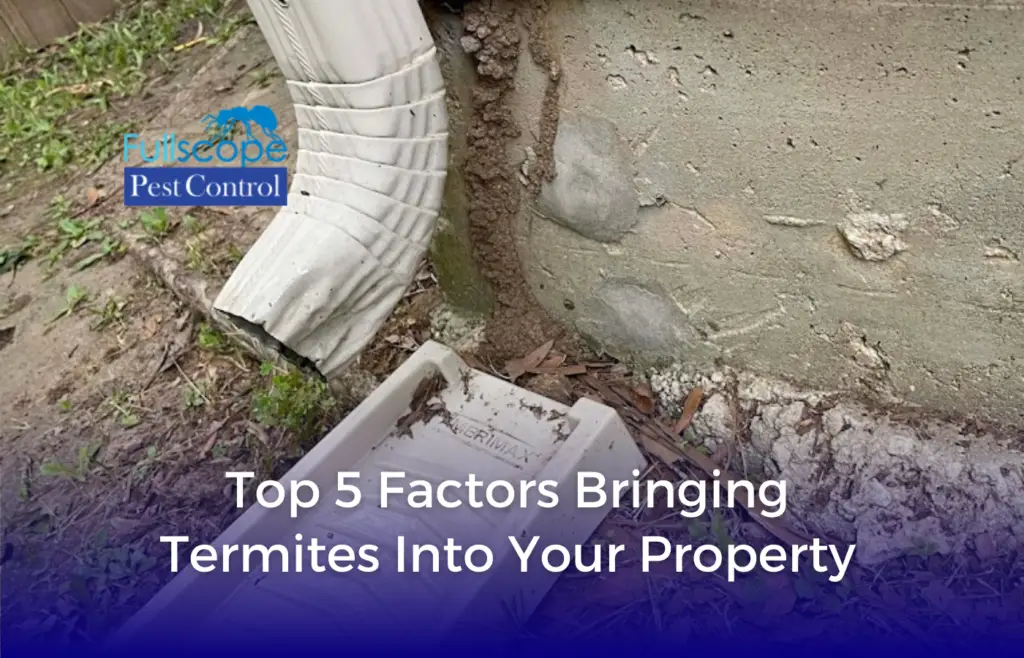
Termites can be a homeowner’s worst nightmare because they burrow in and do a lot of damage to the home. Knowing precisely what attracts this worst pest into your home can help ensure proper measures are put in place in due time to avoid it. Following are the top-five things attracting termites, together with some tips for controlling them to keep them at bay: What Attracts Termites to Your Property? Trees & Foliage Trees and foliage can be beautiful, but they also can be a portal for termites. The roots of trees may intrude into your home’s foundation and open an accessible entryway for termites to get into a structure without being noticed. To minimize this risk: Firewood or Storing Wood Too Close to the Home Firewood against the house or in the garage is like an open invitation for termites. The pests thrive on cellulose found in wood. At this point, avoid this: Crawlspaces and Basements Crawlspaces and basements are typically humid and dark and experience little everyday activity—all ideal termite living environments. They will quickly infest through numerous cracks and crevices in these spaces. To discourage them from doing so: Cracks in Foundation and Missing Mortar Termites can take advantage of a crack as small as a fissure in your foundation or a gap in your brickwork to make their way into your home. The following are some of the ways to protect against this: Constant Moisture Termites are attracted to moisture, which is a requisite for survival. Other sources of moisture in your house include pipe leaks, poorly drained areas, and low humidity. The following are some of the ways that will keep the moisture levels down: Additional Tips for Termite Prevention Preventing termites requires a proactive approach. Here are some extra termite control tips: Conclusion It will help ensure that your home is safe and structural by assuring termite control. Knowing the behavior of termites can be instrumental in saving property from these very damaging pests. Professionals need to be contacted for complete and thorough inspections with effective treatment. With Fullscope Pest Control, we’re ready to provide comprehensive termite control and prevention services. Our advanced Sentricon System offers an ideal solution for eliminating and preventing termite infestations. Backed by our expert team and leading technology, your home will be secure—free from termites.
5 Risks of Rodent Infestations
A rodent infestation is beyond an annoyance; it severely threatens your health, property, and well-being. If not taken care of, these rodents wreak diseases and cause structural damage, among other things. This blog helps you understand the five significant risks accompanying an infestation and how best to protect your home and health. Common Signs of a Rodent Infestation Early recognition is essential for reducing the potential hazard from a rodent infestation. Obvious signs are droppings, gnawing marks, nests, or noises in walls and ceilings. Alternatively, you may notice the musky smell often associated with a rodent infestation or come face-to-face with the rodents. All these signs alert you to take prompt action. Significant Risks of Rodent Infestations Disease Transmission Rodents are responsible for transmitting numerous diseases. However, most of the anthrophobic diseases that are of concern are Hantavirus, leptospirosis, and salmonellosis. The listed diseases are from the droppings, urine, and saliva of the rodents and can even cause very severe complications or, in some incidents, fatality. Allergies and Asthma The infestation of rodents enhances allergic reactions and asthma. In fact, to a good percentage of people, granules of hairs, urine, and feces of rodents are allergenic markers that trigger asthma, more so in children and the aged with acute respiratory distress. Frequent interventions in eradicating rodents in the house are very salient for such categories of people. Structural Damage The rats have a continuously gnawing urge, which might materialize in substantial structural damage. They do this by destroying insulation, wires, and wood, leading to electric fires and damage to the house’s structural integrity. Fixing such damages is quite an expensive and timely affair, which underlines the importance of early intervention. Food Contamination Contamination of food supplies with rodent droppings, urine, and hair can cause foodborne illness, another serious risk. Economic losses from this activity result from food spoilage rather than directly from its putative threat to health. It is adverse only because unhealthy organisms cause it. Proper food storage and cleanliness in the environment could control the risk. Psychological Effects The presence of rodents in a house can have substantial psychological effects. Rodent sightings or the noises that they make can cause stress, anxiety, and sleep deprivation—all factors that would mess up mental health. Such an invasion can mean that one lives in high levels of unease, making it difficult to relax and feel safe. Why You Need Professional Rodent Control Professional rodent control in Texas is crucial due to the unique challenges of the local environment and climate. Experts can effectively identify and eliminate rodent infestations when contacted using safe and efficient method. Eventually, getting professional help keeps your time, health problems, and substantial monetary losses in check because of the bit-by-bit ruin caused by rodents. Conclusion Rodent infestations pose a variety of risks, from health hazards to structural damage and psychological effects. When you’re aware of the risks and take steps to avoid or deal with infestations, you can safeguard your home and family. For all of your pest control and preventive needs, call Fullscope Pest Control. Your home will be safe and rodent-free thanks to our professional team’s ability to address any infestation. Contact us immediately for more information on how we can help you eliminate pests.
Why Professional Pest Control Is More Effective Long-Term Than DIY Strategies
Pest control is essential for a healthy and comfortable living environment. It does not matter whether you have an invasion of ants in the kitchen or if termites are about to pose a structurally destructive problem for your home—effectively managing these pests is necessary. With all that self-help DIY pest control currently trending, professional extermination has long-term effectiveness and peace of mind. This blog explores why professional pest control is superior to other DIY strategies and why investing in expert services is worth it. Why Is Professional Pest Control Important? Expertise and Experience Professional pest control experts undergo extensive training to know most pests and their behaviors. Their expertise will help them to: With professionals, you will benefit from years of experience and specialized knowledge for complete, lasting pest control. Advanced Techniques and Equipment Professional exterminators are qualified, equipped, and trained in the latest technology to handle any pest problem effectively. This covers: These are usually advanced tools and techniques unavailable to the public, which makes professional services more effective. Comprehensive and Customized Solutions Professional pest management service providers offer solutions tailor-fitted for any unique need. This includes: Such comprehensive care will ensure that the pests are eliminated and kept at bay in the long term. Health and Safety Considerations The safety of their clients in terms of professional pest control is of top priority. The experts ensure: This adds a professional approach, avoiding various health risks associated with the wrong product usage, exemplifying pest control. Cost-Effectiveness Over Time Although most of the time, DIY pest control may be less expensive, professional services are cheaper in the long run. Consider as such: In the long run, you eliminate money and hassle by investing in professional pest control. What kind of pests are treated by professional pest control services? Most professional pest control companies can treat insects such as ants, termites, rodents, bed bugs, cockroaches, and spiders. They have specialized techniques and treatments for different types of infestations. How often should I get my home treated for pests? The treatment frequency depends on several factors: the kind of pest, the level of infestations experienced, and one’s place of residence. A general recommendation is to treat about every quarter, but professional pest control will be specific to your needs. Conclusion Professional pest control has advantages over independent methods in knowledge, newer techniques, holistic solutions, and long-term cost-effectiveness. With professional help, house owners and business proprietors can ensure a pest-free environment and protection from property damage and health risks. For reliable and quick pest control, trust Fullscope Pest Control. Our expert team tailors every exceptional service so you can have long-term peace of mind regarding pest management. Professional services are worth an investment for efficient and lasting management.
Best Ways to Keep Mosquitoes Away This Summer
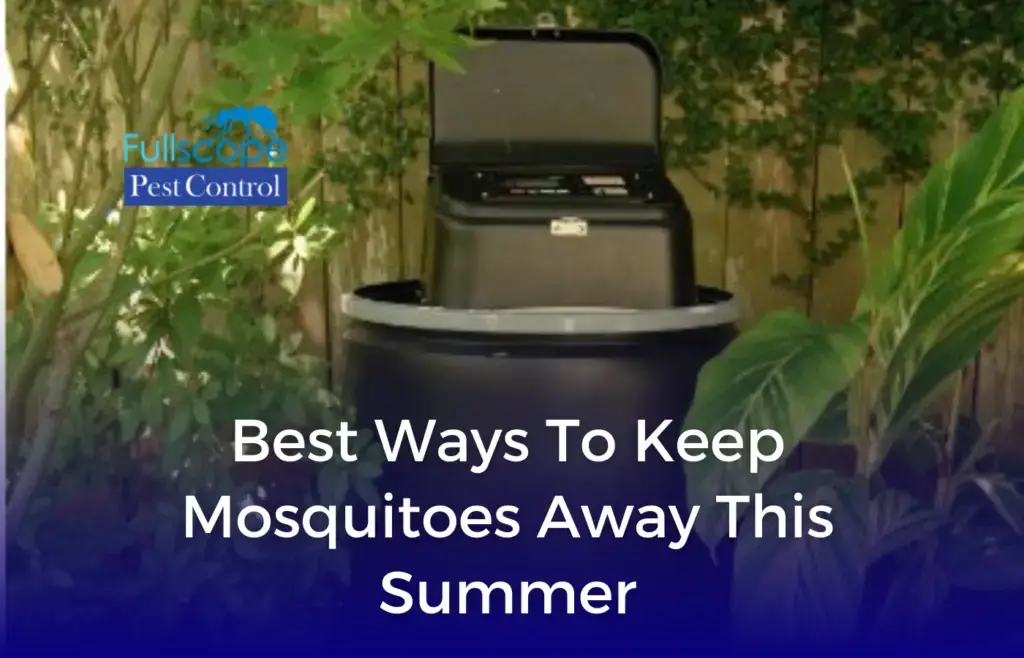
Summer is the time for warmth, long days, and the real pain of mosquitoes. These insects not only trouble outdoor activities but also pose health risks due to disease transmission. In this blog, we have accounted for several ways to reduce their population efficiently so that you may spend your summers without fuss. Understanding Mosquito Attraction and Behavior Things mosquitoes are attracted to include body temperature, carbon dioxide, and somebody’s smells. It is well documented that they are usually at their peak activity during the two twilight periods; however, this depends on the species. These behaviors are essential to learning how to deter them best. Proven Methods to Repel Mosquitoes Remove Standing Water Among the most prudent control measures against mosquitoes is eliminating standing water sources from the environment, as they like to breed in standing water. That means draining standing water from flowerpots, bird baths, and clogged gutters and frequently changing the water in outdoor pet bowls. Use Mosquito Repellents Mosquito repellents containing DEET, picaridin, or lemon eucalyptus oil are highly efficient. Plant oils and biopesticides—such as citronella and geraniol—are also effective in protecting plants but may require more frequent applications. Install Screens and Netting Installing screens on windows and doors and mosquito nets, particularly in areas with many, are significant barriers against mosquitoes. Plant Mosquito-Repelling Plants This will involve planting citronella, lavender, and marigolds in your garden. Plants of these types, through their unappealing scent, have a natural way of keeping mosquitoes away. Professional Mosquito Control Services Fullscope Pest Control understands the hassle mosquitoes can have during the summer. We provide dedicated mosquito control solutions that address all your needs. Our services include the following: Mosquito Misting Systems Our fully automated systems mist an acceptable botanical insecticide around the perimeter of your outdoor living areas, creating a protective barrier against mosquitoes. We engineer our systems to be efficient and safe, minimizing their impact on the environment and non-target species too. The best part is that you can program the misting systems to spray at the time of day that best suits you for complete protection without daily maintenance. Residual Barrier Sprays We zero in on the mosquito daytime resting spots—under decks, in shrubs, and other vegetative area—with residual barrier sprays to drastically reduce their population. Not only are adult mosquitoes controlled thereby, but it also helps break the breeding cycle, hence long-term control of populations. Our sprays are safe around pets and children; therefore, one dependable solution for areas heavy with mosquitoes. Mosquito Fogging Our fogging service is ideal for immediate relief from mosquitoes. This service reduces mosquito numbers during peak activity times by applying the product directly onto areas where mosquitoes rest. Fogging is perfect for preparing for outdoor events or responding to sudden spikes in the mosquito population. Conclusion As summer draws nearer and nearer, so is the need to enjoy your outdoor spaces without mosquitoes. We at Fullscope Pest Control take great pride in our capability to design custom controls that work toward keeping mosquitoes away. With state-of-the-art misting systems, barrier sprays, and precisely applied fogging treatments, we ensure you have comfortable and safe summers ahead of you. Contact us today for more information about our services and how we can help you enjoy a pleasant, mosquito-free summer.
Protect your home with pest control and removal services.
Key Highlights Introduction Pests can be a major nuisance and pose serious threats to your home and health. From rodents to insects, they can cause damage to your property, contaminate your food, and even spread diseases. That’s why it is important to protect your home with pest control and removal services. Whether you are dealing with a current infestation or want to prevent future problems, professional pest control services can provide effective solutions. Pest control services are designed to identify and eliminate pests in and around your home. They use advanced technology, specialized equipment, and proven methods to ensure that your property is free from pests. By hiring experts in pest control, you can have peace of mind knowing that your home is protected and your family is safe from the health risks associated with pests. In this blog, we will explore the importance of pest control, common household pests, the science behind effective pest control, DIY vs. professional pest control services, and how to select the right pest control service for your home. We will also discuss the process of professional pest elimination and how to ensure long-term protection from pests. By the end of this blog, you will have a better understanding of why pest control and removal services are crucial for maintaining a pest-free home. Understanding the Importance of Pest Control Pest control is not just about eliminating pests from your home; it is about ensuring peace of mind and protecting your property. Pests like termites can cause significant damage to the structure of your home, leading to costly repairs. Additionally, pests can carry diseases and contaminate your food, posing health risks to you and your family. By investing in regular pest control services, you can be proactive in preventing infestations and addressing any existing pest problems to maintain a safe and healthy living environment. The dangers pests pose to your home and health Pests can pose various dangers to your home and health. Rodents like mice and rats can chew through wires, causing electrical problems and fire hazards. They can also contaminate your food with their droppings, leading to foodborne illnesses. Insects like cockroaches and ants can damage your property and spread bacteria. Bed bugs can cause itchy bites and disrupt your sleep. Termites can silently destroy the structure of your home, leading to costly repairs. Residential pest control services are essential for identifying and eliminating these pests, reducing the risks they pose to your home and health. By addressing pest problems early on, you can prevent further damage and ensure a safe living environment for you and your family. How regular pest control offers peace of mind Regular pest control services provide peace of mind by offering proactive protection against pests. With a treatment plan tailored to your specific needs, professional pest control technicians will conduct regular inspections and treatments to prevent infestations. They will identify potential problem areas and take preventive measures to keep pests out of your home. Knowing that your property is being regularly monitored and treated for pests can give you peace of mind and the assurance that your home is protected. By investing in regular pest control, you can minimize the risk of infestations and the potential damage and health risks associated with pests. Elevate your spring cleaning with Pest Control Services Spring cleaning is the perfect opportunity to elevate your pest control efforts. As you deep clean your home and declutter, you can also address any pest-related issues. Clean out your pantry and discard expired food to eliminate potential food sources for pests. Seal any cracks and crevices to prevent pests from entering your home. Clear out clutter in your yard to reduce hiding spots for pests. By incorporating preventative pest control measures into your spring cleaning routine, you can proactively prevent infestations and maintain a pest-free home throughout the year. Consider scheduling a professional pest control service as part of your spring cleaning to ensure comprehensive protection against pests. Pest Control Treatment: Effective pest control treatment is essential in maintaining a pest-free environment. Professional pest control technicians use safe and targeted treatments to eliminate existing pests and prevent future infestations. By identifying the specific pest species and their entry points, technicians can apply appropriate treatments that are both effective and environmentally friendly. Regular follow-ups and monitoring ensure long-term protection against pests, giving you peace of mind knowing that your home is secure. Investing in professional pest control treatment is a proactive step towards safeguarding your property and ensuring a healthy living space for you and your family. Why Eco-Friendly Solutions are Important in Termite Control Home Pest Control: Ensuring a pest-free home is crucial for a healthy living environment. Implementing proper home pest control measures can help prevent infestations and protect your property from damage. Start by practicing good sanitation, such as keeping food sealed and disposing of garbage regularly. Sealing entry points like cracks and crevices can also deter pests from entering your home. Consider using natural remedies like essential oils or traps for minor infestations. For more severe issues, professional pest control services can provide tailored solutions to effectively eliminate pests. Regular maintenance and inspections are key in maintaining a pest-free home year Identifying Common Household Pests Pests can invade any home, regardless of its cleanliness or location. It’s important to be able to identify common household pests so that you can take appropriate action to eliminate them. By familiarizing yourself with the signs of infestation, you can catch the problem early and prevent it from spreading. Some common household pests include bed bugs, cockroaches, ants, spiders, rodents, and termites. Each of these pests has unique characteristics and behaviors that can help with identification. For example, bed bugs are small reddish-brown insects that hide in mattresses and feed on human blood. They leave behind small bite marks on the skin and dark stains on bedding. Cockroaches are resilient insects that can thrive in various environments. They are typically brown or black in color and have
Why Eco-Friendly Solutions Are Important In Termite Control
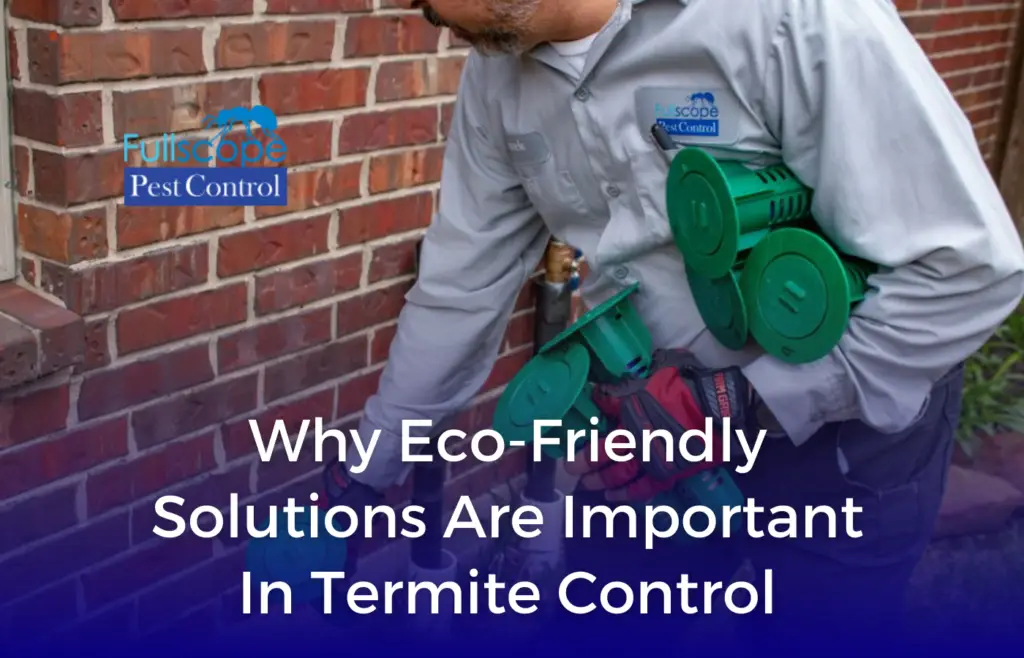
Home sweet home – that’s what we all want, right? But when termites move in, it’s a different story. These silent destroyers can do that to our properties, which could be worth thousands of dollars, and to our peace of mind. Thankfully, there are far more effective ways to do so and eco-conscious termite control options that seek to balance our health, planet, and bank account. This blog will discuss why we need to go green with termite control and how we can achieve it. Benefits of Eco-Friendly Termite Control Solutions Health Benefits for Humans and Pets Eco-friendly methods of termite control will eliminate the health risks of chemical pesticides. Due to their toxic nature, respiratory complications, skin irritations, and other health problems are common among people treated traditionally with chemical methods in various termite cases. Unlike such solutions, natural treatments include botanical oils and biological agents, which pose no threat to people and pets. This ecologically solid solution makes dwelling significantly less harmful and clear of hazardous side effects of synthetic chemicals. Positive Impact on the Environment Fending off termites without polluting the planet is a major environmental win. The downsides of traditional chemical pesticides are clear: polluted soil and water, followed by devastating effects on wildlife. Green solutions point the way forward, shielding our natural world from these poisonous byproducts. Here’s the upside: by taking this route, we eliminate many ecological fallouts, and animals that shouldn’t be involved get spared from the incidental damage. Effectiveness of Eco-Friendly Methods Environmentally friendly termite control does work well against the misconceptions that may abound. Green technology has developed powerful treatments against termites that are ecologically safe. These include beneficial nematode techniques, orange oil, and borate wood treatments for effective and sustainable control efforts against termites. We can confidently go after termite invasions without fear of harming the ecosystem. How to Implement Eco-Friendly Termite Control in Your Home Steps to Identify Termite Infestation Early detection is crucial for the effective control of termites. Mud tubes shed wings and wood damage. Regular professional inspections are another method of monitoring infestations. Selecting the Right Eco-Friendly Solution for Your Needs This point will determine the most suitable eco-friendly approach depending on the level of infestation and the kind of termites. A professional in pest control can better consult you on this aspect. Professional vs. DIY Eco-Friendly Termite Control Even minor cases of infestation may be managed with some basic methods. Still, in severe cases, professional services should be sought. Professionals have access to advanced treatments and assuredly thorough eradication, assuaging worries and protecting effectively over the long term. Conclusion Adopting green termite control methods will protect your health and the environment, as well as your property. Fullscope Pest Control is dedicated to bringing you the best environmentally safe termite control that perfectly matches your situation. Our green methods capture a level of termite treatment that is complete yet sustainable. Contact Fullscope Pest Control today to set an appointment for inspection to make your first step toward having a termite-free, environment-friendly home.
Premium Pest Management Services at Your Doorstep
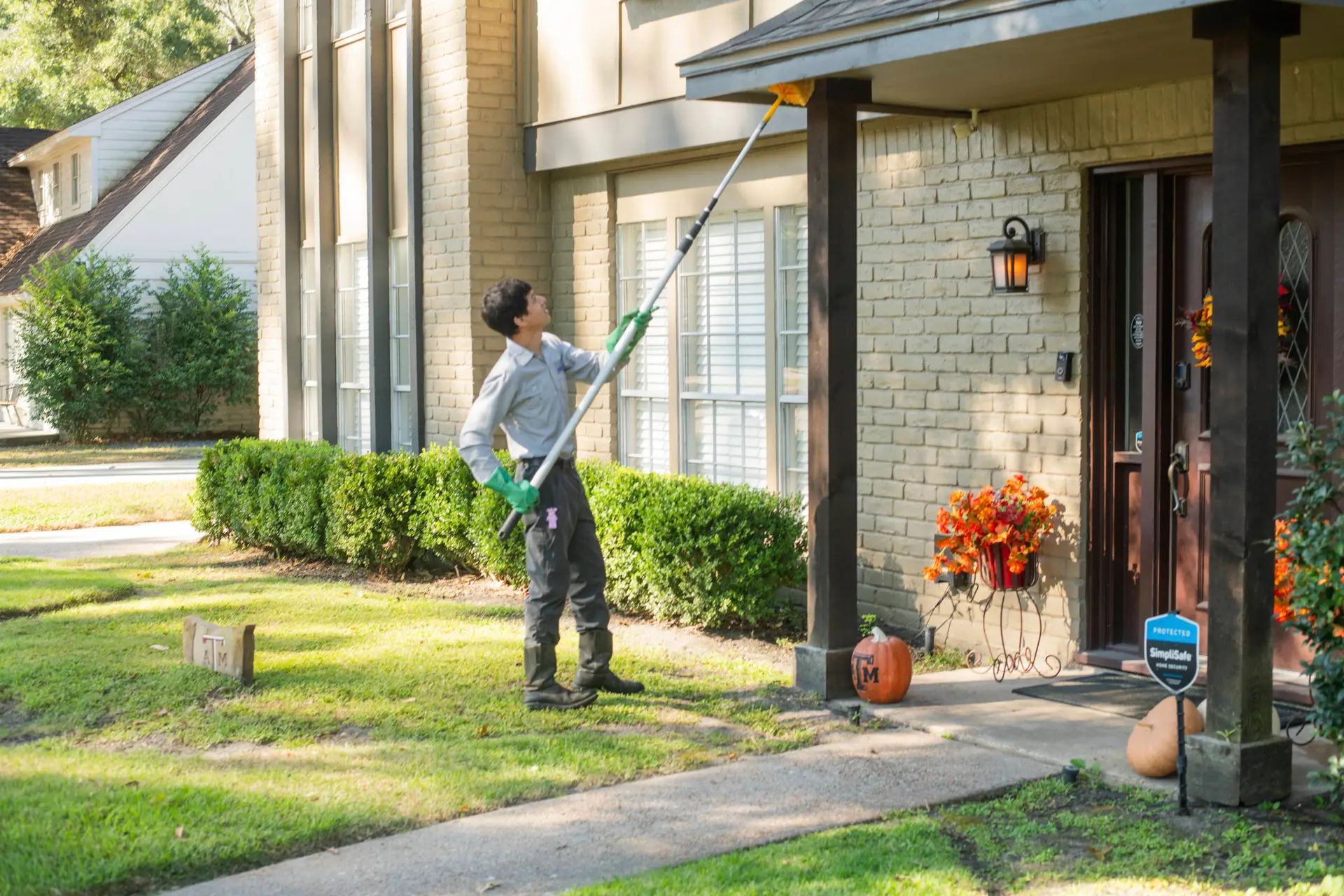
Key Highlights Introduction Welcome to Premium Pest Management Services at Your Doorstep! Dealing with pest infestations can be a stressful and frustrating experience. From annoying ants and roaches to harmful rodents and termites, pests can cause damage to your property and pose health risks to you and your family. That’s where professional pest management services come in. FullScope is a trusted name in the industry, offering premium pest control services for both residential and commercial properties. With over 40 years of experience, FullScope has established itself as a leader in the field, providing effective and long-term solutions for all types of pest problems. Understanding Professional Pest Management Professional pest management, also known as pest control, is the process of identifying, preventing, and eliminating pests from homes and businesses. It involves the use of effective and safe treatments to tackle common pests such as ants, spiders, roaches, rodents, and termites. Integrated Pest Management (IPM) is a comprehensive approach that combines various methods to achieve long-term pest control solutions. This includes identifying the root cause of the infestation, implementing preventative measures, and using targeted treatments to eliminate pests while minimizing the impact on the environment. The Importance of Professional Pest Control Hiring a professional pest control company is crucial for several reasons. Firstly, experienced technicians have the knowledge and expertise to identify and effectively treat different types of infestations. They understand the behavior, habits, and lifecycle of common pests, allowing them to devise targeted treatment plans. Secondly, professional pest control services offer long-term solutions by not only treating the existing infestation but also implementing preventive measures to avoid future problems. Lastly, a pest control service can provide peace of mind, knowing that your home or business is protected from harmful and destructive pests. How FullScope Services Stand Out in Pest Management FullScope Services stands out in the field of pest management due to its years of experience and commitment to providing the right treatment for each customer’s specific needs. With a team of certified technicians, they have the knowledge and expertise to tackle even the most challenging pest infestations. Their comprehensive approach includes conducting a thorough inspection, identifying the pests and their entry points, and devising a personalized treatment plan. FullScope Services also offers a free estimate, allowing customers to understand the scope of the problem and make an informed decision about the services they need. Comprehensive Pest Management Solutions When it comes to pest management, FullScope Services offers comprehensive solutions to address a wide range of pest problems. They specialize in termite control, using advanced techniques and treatments to eliminate these destructive pests and protect your property. Additionally, FullScope Services provides effective pest control treatments for common pests such as ants, spiders, roaches, and rodents. Their services include thorough pest inspections to identify the extent of the infestation and create a tailored treatment plan. With their expertise and attention to detail, FullScope Services ensures that your home or business is pest-free. Residential Pest Control: Safeguarding Your Home Residential pest control is essential for safeguarding your home from common pests that can cause damage and pose health risks. FullScope Services offers specialized treatments for residential properties, addressing various pest issues, including: With their expertise and comprehensive services, FullScope Services ensures that your home remains pest-free and comfortable for you and your family. Commercial Pest Control: Protecting Your Business Commercial pest control is crucial for businesses to maintain a clean and safe environment for employees and customers. FullScope Services understands the unique challenges faced by commercial properties and provides tailored pest management solutions, including: With their expertise in commercial pest control, FullScope Services helps businesses maintain a pest-free environment and protect their reputation. Our Pest Management Process At FullScope Services, our pest management process is designed to deliver effective and long-term solutions for our customers. We utilize a comprehensive approach that incorporates the principles of integrated pest management (IPM) to address pest problems. Our process includes: By following this process, we ensure that our pest control and termite control services are tailored to each customer’s unique needs, providing effective and long-lasting results. Initial Inspection and Assessment The initial inspection and assessment are crucial steps in our pest management process. Our certified technicians conduct a thorough inspection of your property to identify the pests present and assess the extent of the infestation. During this inspection, we look for signs of common pests such as ants, spiders, roaches, and rodents. We also examine potential entry points and areas of vulnerability that may contribute to the infestation. This inspection allows us to develop a comprehensive understanding of your pest problem and provide you with a free estimate for our services. By conducting this initial assessment, we can tailor our treatments to address your specific pest issues effectively. Customized Treatment Plans for Effective Results At FullScope Services, we understand that each pest problem is unique, which is why we develop customized treatment plans for every customer. Our certified technicians use their expertise to identify the right treatment methods and products to effectively eliminate pests from your property. Whether it’s ants, spiders, roaches, or rodents, we have the knowledge and resources to address your specific pest issues. Our treatment plans may include a combination of chemical treatments, baits, traps, and exclusion techniques to provide long-lasting results. We also emphasize ongoing pest management to prevent future infestations. By tailoring our treatment plans, we ensure that you receive the most effective solutions for your pest problems. Post-Treatment Monitoring and Follow-Up At FullScope Services, our commitment to customer satisfaction extends beyond the initial treatment. We believe in the importance of post-treatment monitoring and follow-up visits to ensure the effectiveness of our pest control services. Our technicians will schedule follow-up visits to assess the results of the treatment and address any concerns or issues that may arise. We want to ensure that you are completely satisfied with our services and that your pest problem has been effectively resolved. Our dedication to customer satisfaction sets us apart from other pest control companies,
Top Tips for Scorpion Pest Control: Eliminate Scorpions
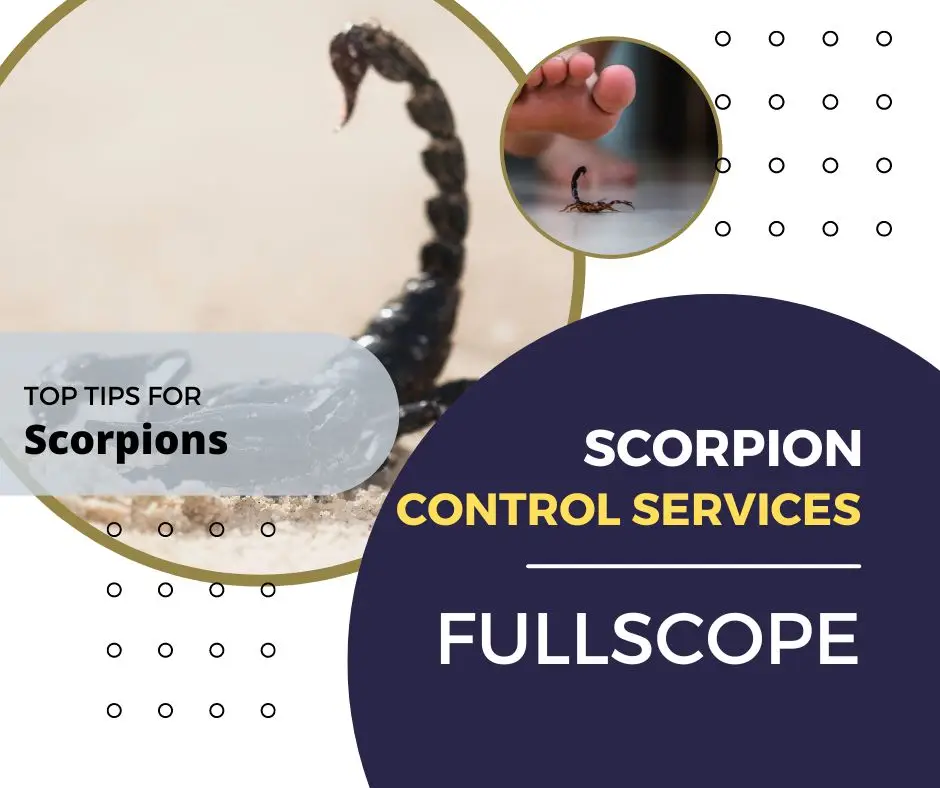
Key Highlights Introduction Welcome to FullScope’s comprehensive guide on scorpion extermination. Scorpions are venomous pests that can be found in various parts of the world, excluding Antarctica. While most scorpion stings are not fatal, it is important to identify and eliminate them from your home to ensure the safety and peace of mind of your family. This guide will also cover other common household pests such as cockroaches, mice, rats, silverfish, “house” ants, clothes moths, spiders, centipedes, millipedes, earwigs, house crickets, and paper wasps. Scorpion control is a critical aspect of pest management, as these arachnids can pose a threat to humans and pets alike. Their stings can be painful and may cause allergic reactions in some individuals. Therefore, it is crucial to understand how to identify and get rid of scorpions. In this guide, we will delve into the identification and behavior of scorpions, explore key features for identifying common scorpion species, discuss their habits and habitats, and provide tips on making your home inhospitable to scorpions. We will also cover professional scorpion extermination techniques, the latest advancements in scorpion extermination technology, and the health risks associated with scorpion stings. With lengths ranging from less than half an inch to as large as 9 inches, it is important to accurately identify and exterminate scorpions in order to keep your home safe. Whether you’re dealing with a scorpion infestation or simply want to protect your home from potential invasions, this guide will provide you with the knowledge and tools you need to effectively identify and get rid of scorpions. Understanding Scorpions: Identification and Behavior Scorpions belong to the arachnid family and can be found in various species across the globe. One common species is the bark scorpion, known for its potent sting. Scorpions have distinctive features, including a pair of pincers, four pairs of legs, a segmented tail, and a stinger at the end. They rely on their sense of smell and touch rather than their limited vision, making them similar to their close relatives, spiders, mites, and ticks. Understanding their behavior is essential for effective scorpion control. Key Features for Identifying Common Scorpions Identifying common scorpions is crucial for effective pest control. The bark scorpion, striped bark scorpion, and Arizona bark scorpion are among the most prevalent species of scorpions found in the United States. The bark scorpion is typically yellow without stripes or patterns and has a very thin tail. The striped bark scorpion, as the name suggests, has stripes on top of its pale yellow body. The Arizona bark scorpion, one of the most dangerous species of scorpions, is known for its potent venom and is found in the southwestern states of Arizona, California, Nevada, and New Mexico. By familiarizing yourself with these key features, you can accurately identify the species of scorpions in your area and implement appropriate control measures. Habits and Habitats: Where Scorpions Thrive Scorpions have specific habits and habitats that allow them to thrive in various environments. While they are commonly associated with dry and desert areas, scorpions can also be found in grasslands, forests, and even caves. In the United States, scorpions are prevalent in states like Arizona, New Mexico, and Texas. They prefer dark and cool areas, such as under rocks, wood, or debris piles. Leaf litter and piles of rocks also provide suitable hiding spots for scorpions, as well as nooks and crannies in and around homes. By understanding their preferred habitats, you can take proactive measures to eliminate these favorable conditions and reduce the risk of scorpion infestations. Pre-Extermination Preparation: Making Your Home Inhospitable to Scorpions Before embarking on scorpion extermination, it is essential to prepare your home to make it inhospitable to these pests. Pest control experts recommend securing potential entry points, such as cracks in window frames and doors, to prevent scorpions from entering. Removing surface debris, such as leaf litter and piles of rocks, as well as firewood, can also eliminate hiding spots for scorpions. By taking these pre-extermination measures, you create a less inviting environment for scorpions and increase the effectiveness of subsequent control methods. Natural Deterrents and DIY Solutions In addition to pre-extermination preparation, implementing natural deterrents and DIY solutions can help repel scorpions. Eliminating their food source, such as small insects and crickets, can reduce scorpion activity in your home. Removing excessive vegetation around your property can also discourage scorpions from taking up residence. Natural solutions like essential oils, such as drops of lavender and cedarwood in a spray bottle filled with water, can be sprayed around areas where scorpions might enter, such as window frames and doorways. While these natural deterrents may not completely eliminate scorpions, they can complement professional pest control methods and provide an added layer of protection. Securing Entry Points: A Step-by-Step Guide Securing entry points is a crucial aspect of scorpion control. By sealing cracks, gaps, and crevices, you can prevent scorpions from entering your home. Start by inspecting window frames, doors, and other potential entry points for any openings. Use caulk to seal gaps and crevices, ensuring a tight seal. For larger openings or gaps, consider using weatherstripping or other appropriate sealing materials. Glue boards can also be placed near entry points to trap scorpions. By following these steps, you can effectively secure entry points and reduce the risk of scorpion infestations. Professional Scorpion Extermination Techniques When dealing with scorpion infestations, it is often best to rely on professional scorpion extermination techniques in your local area. Pest control experts have the knowledge and experience to effectively eliminate scorpions from your home. They utilize various methods, including the use of insecticides and treatment plans tailored to your specific situation. An exterminator will assess the severity of the infestation and develop a comprehensive treatment plan to eradicate scorpions and prevent future infestations. By entrusting the task to professionals, you can ensure the safety and effectiveness of the extermination process. The Latest in Scorpion Extermination Technology The field of pest management is constantly evolving, and advancements in technology have
Most Common Rodents Found in Houston
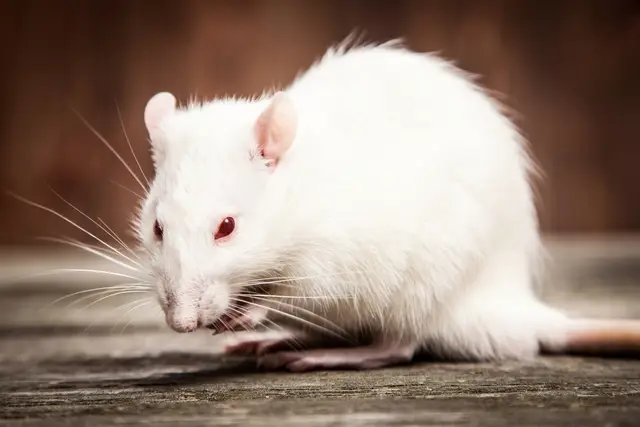
Rodent infestations are a considerable concern, and knowing what to look for will help you take measures to prevent and control the problem. The following blog identifies the most common rodents in Houston, explains how to identify infestations, the health risks associated with them, and tips for rodent control. Most Common Rodents in Houston Norway Rats The Norway rat, also known as the brown rat, is a common inhabitant of Houston. These giant rats measure up to 10 inches long and add another 8 inches with their tails. This species exhibits coarse brown or gray fur and has a blunt nose. Norway rats strongly prefer burrowing and are found in basements, crawl spaces, and building foundations. They are nocturnal and prefer unsanitary conditions. Roof Rats Roof and black rats are the other most common rodents in Houston. They have a thin body, large ears, and long tails. In color, they are either black or dark brown, and this discrimination itself is a mark of difference from the Norway rats. Roof rats love high places and are often found in attics, trees, and upper parts of buildings. They have an agile climbing lifestyle and are more common in the coastal and warmer regions, making Houston an ideal habitat. House Mice House mice are small rodents commonly found in homes and businesses in Houston. They have a small body, about 2-4 inches long, large ears, small eyes, and a pointed nose. The fur is either light brown or gray. Along with rapid reproduction, these beings have the danger factor of making infestations hard to handle. Squirrels Houston is also typical for gray squirrels and bushy-tailed fox squirrels. The fur color varies from gray to reddish-brown. They usually inhabit attics, chimneys, and wall voids, constructing their nests from insulation and other materials. What Are the Signs of a Rodent Infestation? The most common signs you have a rodent infestation include: Rodent Prevention Tips for Homeowners The best approach is to prevent rodents from entering your house. Conclusion Rodents carry diseases and chew through everything once they gain access. Look for infestation warning signs and call Fullscope Pest Control for an appointment for our professional treatment today. Our experienced team will help you prepare a rodent control program that best meets your unique needs. Schedule an inspection for a safer, healthier space today
How to Get Rid of Fleas in House: 8 Essential Steps to Eliminate Fleas in House
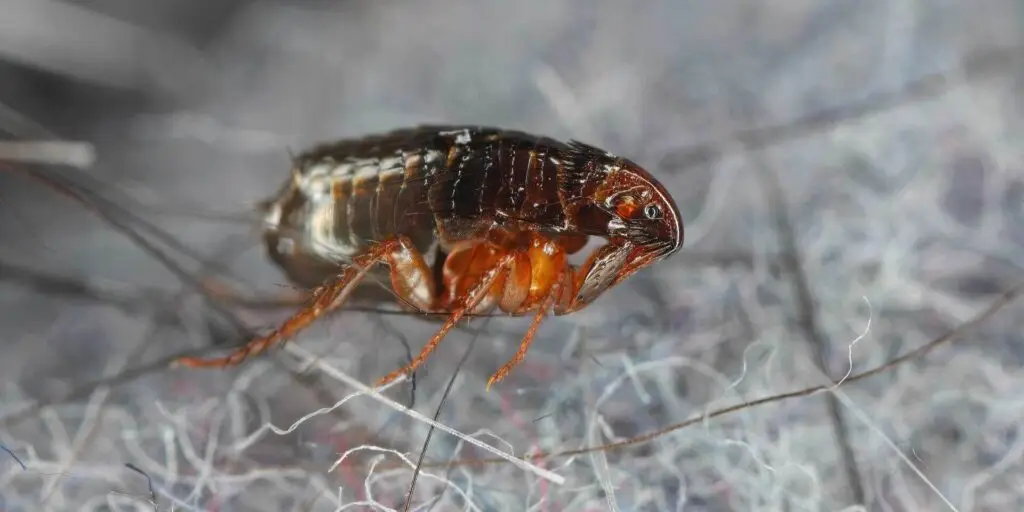
Key Highlights Introduction Fleas are a common problem faced by pet owners. These tiny parasites can quickly infest your home and cause discomfort to your pets. Apart from being annoying, fleas can also transmit diseases and cause allergic reactions. Getting rid of fleas in your house requires a comprehensive approach that targets both the source of the infestation and the environment in which they thrive. In this blog, we will provide you with 8 essential steps to eliminate fleas in your house. These steps will help you identify and treat a flea infestation, prevent future infestations, and ensure the well-being of your pets. From early identification to regular vacuuming and the use of chemical treatments, we will cover all the necessary measures you need to take to create a flea-free environment. By following these steps, you can effectively eliminate fleas from your house and keep your pets and family safe from the discomfort and health risks associated with flea infestations. Let’s dive into the details of each step and learn how to get rid of fleas in your house once and for all. 8 Key Steps on How to Get Rid of Fleas in House If you’re dealing with a flea infestation in your home, it’s important to take immediate action to eliminate these pests. Here are 8 key steps to rid your home of fleas: 1. Identify the Infestation Early Identifying a flea infestation early is crucial in preventing it from spreading throughout your home. Look out for signs such as adult fleas on your pets or in your home, flea eggs in your pet’s fur or bedding, and flea dirt (small black specks resembling pepper) on your pet’s skin or in their favorite resting areas. If you suspect a flea infestation, take immediate action to treat your pets and begin the process of eliminating fleas from your home. 2. Treat Your Pets Immediately Treating your pets is an important step in getting rid of fleas in your house. Start by using a flea comb to remove adult fleas from your pet’s fur. Be sure to focus on areas such as the neck and tail, as these are prime spots for fleas to hide. After combing, drop any fleas you’ve removed into a container of hot, soapy water to kill them. Next, consult your veterinarian to determine the best flea treatment for your pets. They can recommend topical or oral treatments that will effectively kill fleas and prevent future infestations. 3. Vacuum Floors, Furniture, and Pet Areas Regularly Regular vacuuming is essential in removing fleas and their eggs from your home. Use a vacuum cleaner with strong suction power and a HEPA filter to effectively capture fleas, eggs, and larvae. Pay special attention to areas where your pets spend a lot of time, such as their bedding, carpets, rugs, and furniture. Be thorough in your vacuuming, making sure to reach all corners and crevices. Don’t forget to vacuum wood floors as well, as fleas can hide in the cracks and crevices. Empty the vacuum bag or canister outside immediately after vacuuming to prevent fleas from reinfesting your home. 4. Wash Beddings and Soft Furnishings in Hot Water Wash all beddings and soft furnishings in hot water to eliminate fleas effectively. Hot water helps kill adult fleas, flea eggs, and larvae present in the fabric. Use a high temperature setting for washing and drying to ensure thorough elimination. Pay close attention to pet bedding, cushions, carpeting, and upholstery as these areas are preferred spots for flea infestation. Regular washing with hot water disrupts the flea life cycle and prevents reinfestation, maintaining a clean and pest-free environment in your home. 5. Apply Chemical Treatments When tackling a flea infestation, it’s crucial to apply chemical treatments with caution. Always follow product instructions meticulously and consider consulting with a pest control expert for guidance. Be mindful of where you apply the treatments, focusing on pet resting areas, carpets, and furniture. Keep pets and children away from treated areas until it is safe. Regularly monitor the effectiveness of the chemical treatments and reapply as needed. Safety is paramount when dealing with pest control solutions. Remember, prevention is better than cure. 6. Use Natural Remedies as Preventative Measures Consider incorporating natural remedies like soapy water or flea spray to prevent fleas. These solutions are effective as preventative measures and are safe for your pets and the environment. Regularly cleaning areas where your pets spend time, like pet bedding or living room carpets, can deter flea infestations naturally. By using natural remedies proactively, you can maintain a flea-free environment without resorting to harsh chemicals. Consulting with experts for advice on natural flea control methods can help you combat fleas effectively. 7. Consider Professional Pest Control Services Consider engaging professional pest control services to efficiently tackle a persistent flea infestation. Expert advice and specialized treatments can effectively eliminate fleas from your home, ensuring a comprehensive approach to flea control. Professionals use targeted methods to address the root cause of the issue, safeguarding your family and pets from potential health risks associated with fleas. Their experience and knowledge in flea treatment can provide a lasting solution for a flea-free environment. 8. Maintain a Flea-Free Environment Regular maintenance is key to keeping your home free of fleas. To maintain a flea-free environment, continue to vacuum floors and furniture frequently, wash pet bedding in hot water weekly, and use flea treatments on pets as recommended. Pay attention to the pet’s bedding and living areas, applying preventive measures consistently. Consider consulting pest control services periodically for expert advice and additional interventions to ensure a pest-free environment. By following these steps diligently, you can effectively prevent flea reinfestation and maintain a clean living space. Understanding Fleas: Lifecycle and Habits To effectively eliminate fleas in your house, it is important to understand their lifecycle and habits. The flea lifecycle consists of four stages: egg, larva, pupa, and adult. Understanding the flea lifecycle helps in targeting all stages of the infestation. It is