 1500+ reviews

How to Keep Ants Out of Your Pets Food Bowl Like a Pro
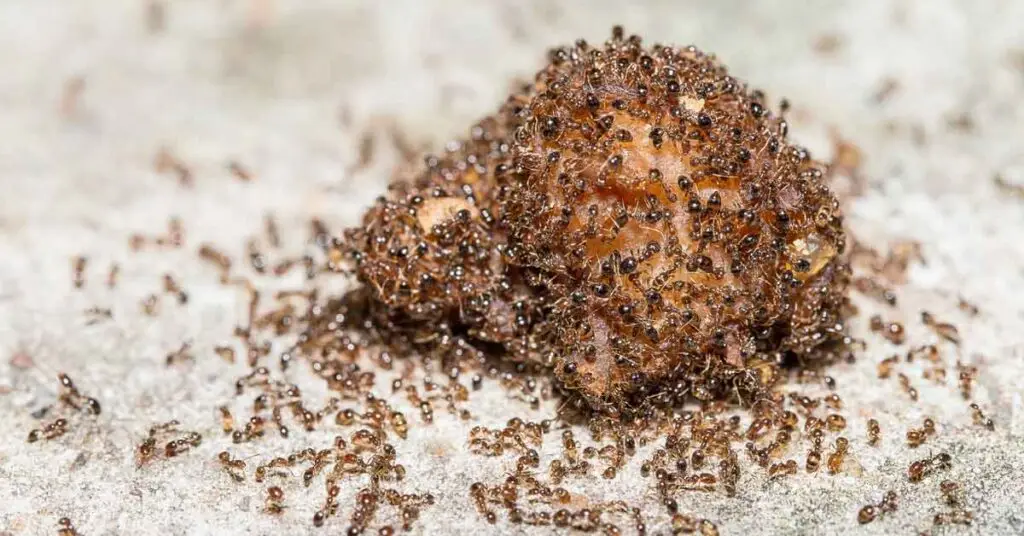
Key Highlights Introduction Finding ants on your dog food bowl or your cat’s food can be really annoying. These small pests show up fast. They take over the pet’s meal and turn it into their own feast. When this happens, it can make meal time hard for both you and your pet. The ants can even turn into a bigger nuisance by getting all over your home. But you do not have to just put up with this. Stopping ants from getting into your pet’s food bowl is not as hard as it may seem. With a few easy steps, you can keep ants away from your dog food or cat’s food and make sure they do not bother your pet. Here, we look at simple ways to keep ants away from your pet’s food and stop these pests from coming back. Why Ants Are Attracted to Your Pet’s Food Bowl Ants do not stop looking for something to eat. If you have a food bowl with pet food like kibble or wet food, it will pull ants in fast. They love high-protein kibble and wet food, and all the smells from your pet’s food. If crumbs or any little spills are left behind, it will make things worse. These things can bring ants into your home and turn them into a real nuisance. When scout ants find the food bowl, they set chemical trails for other ants to follow. Soon, there are a lot of ants moving in a line to the bowl. They will keep coming unless you do something to stop it. Knowing what brings ants to pet food gives you a good start on how to deal with this problem. Common Reasons for Ant Infestations in Pet Feeding Areas Keeping ants away from your pets’ food dishes starts with knowing why the ants come in. Crumbs on the floor near pet food draw ants in. These pests are fast to find even tiny bits of food. If kibble or dry food is left out and not covered, the smell brings ants into your house. Ants are drawn to strong scents, so your cat’s food is easy for them to find. If your pets make a mess when they eat, it gets worse. Wet food spills make sticky spots on the floor and around feeding areas. This brings ants in as well. If you leave scraps or do not clean the dishes right, ants will keep coming. The best way to keep out ants is to keep pet food spots clean and neat. Risks of Ants in Your Pet’s Food for Pets and Humans Ants in your pet’s food bowl are not just annoying. They can be a risk for your pet’s health and for your home. The ants by themselves may seem harmless, but they can bring in germs and pests. This can lead to your pet’s food getting dirty. Some ants are more aggressive, like fire ants. They can bite or sting your furry friend while your pet eats. This can hurt their nose or lips and make them not want to eat. It can be stressful for your pet and for you. It’s not just pets that can have trouble. When there are infestations near the food bowl, ants may move around your house. They can carry allergens and germs with them. If you take care of ants right away, your pet can have safe meals in the food bowl. It also helps keep your home clean for your family and furry friend. Essential Supplies to Prevent Ants in Your Pet’s Food Bowl Having the right tools is the best way to keep ants away from where your pet eats. You need to choose pet food bowls that have special features like moats or stands that raise the bowl. These make it hard for ants to get in. You should also keep your pet food in airtight containers. This keeps the smell in and stops ants from being attracted to the food. When you use these things, you help stop ant problems before they start. This way, your furry friend’s meals stay clean and safe from pests. Now, let’s see how to pick the right bowl and trays for them. Recommended Read: Why Spring is the Worst Season for Ants Choosing the Right Bowls and Trays Buying special pet bowls and trays can change the way you feed your pets. Some bowls come with moats or are a bit higher off the ground. These things help keep ants away from your dog food bowl or your cat’s food. Some of these bowls, like ones you can find on Amazon, have a little water moat or smooth sides. The water makes it hard for ants to get to the food, and the smooth sides stop them from climbing up. Bowl Type Key Feature Example Stores Moat Bowls Water barriers deter ants Amazon, Chewy Elevated Bowls Lifts dishes off the ground Chewy, PetSmart Slippery-Leg Bowls Smooth legs that ants can’t climb Walmart, Target You need to follow the instructions from the company to get the most out of food bowl for your pet. When you use these bowls and keep the area clean, there will be less ants or pests near your dog food or cat’s food. This keeps their eating place nice and safe. Pet-Safe Cleaning Products and Barriers Using safe cleaning products and good barriers near your pet’s food dish can help keep ants away and protect your pet’s health. You can use natural and pet-safe things like a baking soda mix or cinnamon to stop ants. These options will not harm your pet. Try these tips: You can also use barriers to help. Rub some Vaseline on the bottom of your pet’s food dish so ants cannot climb up. Always use ways that are safe for pets. Clean the area often to get the most out of these tips. Step-by-Step Guide: How to Keep Ants Out of Your Pet’s Food Bowl Following
Rodent Hotspots Inside & Out
How to Make Your Home Uninviting to Rats and Mice Introduction If you’re spotting signs of rats or mice in your home—scratching noises in the attic, droppings in the pantry, or chewed wires—you’re not alone. Rodents are resourceful, and once they find a cozy spot with food and shelter, they tend to stick around. At FullScope Pest Control, we help homeowners not only remove rodents but also prevent them from returning. In this post, we’ll walk you through the most common rodent hotspots and what you can do to make your home less inviting. 🏠 Indoor Rodent Hotspots 1. Attics and Crawl Spaces Warm, quiet, and often undisturbed—these areas are prime nesting spots. Look for shredded insulation, droppings, or gnaw marks around beams and entry points. Prevention Tip: Seal gaps around roof vents, install metal mesh behind attic fans, and avoid storing open bags of pet food or seed. 2. Pantries and Kitchens Food access is a major draw. Rodents can squeeze into cabinets, behind appliances, and even through wall gaps to reach dry goods. Prevention Tip: Store all food in sealed containers and clean up crumbs and spills promptly. Regularly inspect under sinks and stoves for droppings or signs of chewing. 3. Garages and Utility Rooms These areas often have open boxes, clutter, and entry points near doors or pipes. Prevention Tip: Keep items off the floor, seal around utility lines, and use rodent-proof storage bins. 🌳 Outdoor Rodent Hotspots 4. Overgrown Vegetation & Wood Piles Rodents love hiding in dense bushes, tall grass, and stacks of firewood. Prevention Tip: Keep vegetation trimmed at least 2–3 feet from the foundation. Store firewood 20 feet from the house and at least 12 inches off the ground. 5. Unsealed Crawl Space Vents or Foundation Gaps Mice can squeeze through holes as small as a dime. Prevention Tip: Inspect and seal cracks around the home’s base, use hardware cloth over vents, and ensure doors and weather stripping fit tightly. 6. Pet Food Bowls and Bird Feeders Food left out—even outdoors—can invite rats and mice to linger nearby. Prevention Tip: Feed pets indoors when possible, and bring food bowls in at night. Use squirrel-proof bird feeders and clean up spilled seed regularly. Recommended Read: 5 Signs You Need Effective Rodent Control Right Now 🛠️ What to Do If You Suspect Rodent Activity If you’re seeing or hearing signs of rodents, it’s important to act quickly. Rodents reproduce rapidly and can cause serious damage to insulation, wiring, and even HVAC systems. At FullScope Pest Control, we offer: ✅ Final Thoughts Rodent control isn’t just about traps—it’s about making your home unwelcoming to pests in the first place. If you’re unsure where to start, let our team at FullScope help you build a custom prevention plan that works for your space. Contact us today for a free inspection or rodent consultation. 📞 832-898-0190 | 🌐 fullscopepestcontrol.pestcontrolseos.co/
Fungus Gnats: The Dirty Secret in Your House Plants
If you’ve noticed tiny black flies hovering around your houseplants, chances are you’ve stumbled upon one of the most annoying — and often overlooked — indoor pests: fungus gnats. While they may seem harmless at first glance, these soil-loving pests can quickly become a frustrating nuisance and a sign of deeper issues with your plant care routine. At FullScope Pest Control, we understand how important your home environment is — right down to your potted plants. Let’s dig into the dirty details behind fungus gnats and how to keep them out of your space. 🪰 What Are Fungus Gnats? Fungus gnats are small, dark-colored flying insects, typically about 1/8 inch long, that resemble tiny mosquitoes. They’re often mistaken for fruit flies but are actually members of a different family altogether. Unlike fruit flies, which are drawn to sugary food and drains, fungus gnats breed in moist soil, especially in houseplants. They’re more than just a flying annoyance — their larvae live in the top few inches of your potting mix, feeding on organic matter, roots, and fungi. In large numbers, they can damage root systems and stunt plant growth. 🌱 How Did They Get in My House? Fungus gnats usually find their way into your home through:– Overwatered indoor plants– Bags of potting soil containing organic material and moisture– Plants brought in from outside– New nursery plants already carrying larvae in the soil They thrive in environments where the soil stays damp, especially in pots that don’t drain properly or where organic matter is rich and decomposing. 🚨 Why They’re a Bigger Problem Than You Think While adult fungus gnats don’t bite or spread disease, their presence can still create real issues:– Constant buzzing around your face and home– Root damage in seedlings and delicate plants– Population explosions if conditions are ideal– They can spread plant diseases via their larvae and contaminated soil Recommended Read: Summer Pest Control Tips for Texas Homes ✅ How to Get Rid of Fungus Gnats At FullScope, we recommend a combination of prevention, treatment, and long-term care: 1. Let Soil Dry OutFungus gnat larvae need moist conditions to survive. Letting the top few inches of soil dry out between waterings is your first defense. 2. Bottom-Watering Your PlantsInstead of watering from the top (which encourages gnat breeding), use a saucer so plants absorb moisture from the bottom — keeping the surface drier. 3. Use Sticky TrapsYellow sticky traps are great for catching adult gnats and monitoring infestations. 4. Repot or Refresh SoilIf an infestation is heavy, consider removing the top layer of soil or repotting with a sterile, well-draining mix. 5. Call in the ProsSometimes DIY just doesn’t cut it. Our team at FullScope Pest Control offers safe, effective indoor pest solutions — including treatments that target gnats without harming your plants, pets, or people. Checked all your plants and still have an issue? Could they be coming from your kitchen or bathroom drains? These areas build up organic matter in the drains, so these areas can be another source of the problem. 🏠 FullScope’s Gnat-Free Guarantee If fungus gnats are driving you crazy, you’re not alone — and you don’t have to fight them on your own. Whether you’re a houseplant lover, apartment dweller, or run a commercial space full of greenery, FullScope Pest Control has the tools and expertise to help you take back your space. 📞 Call us today at (832) 346-7269🌐 Or request a free quote at fullscopepestcontrol.pestcontrolseos.co/
The Importance of Pest Control in Property Management

Managing residential or commercial properties requires more than just upkeep and tenant satisfaction; it also involves proactive protection from unwanted intruders. Pest control plays a critical role in safeguarding a property’s structure, reputation, and overall safety. Whether it’s termites compromising the foundation, ants invading kitchens, or mosquitoes breeding in standing water, property managers must stay ahead of potential infestations to prevent long-term issues. With ongoing tenant turnover, seasonal weather changes, and varying occupancy patterns, pests often find opportunities to thrive undetected. Left unmanaged, even minor infestations can spiral into expensive, health-threatening problems. Implementing a structured pest management program is not just a preventative measure; it’s a core responsibility of effective property stewardship. Why Property Managers Must Prioritize Pest Control Neglecting pest control in any type of property can quickly lead to reputational harm and financial losses. Tenants expect a clean, safe living or working environment, and visible pests break that trust immediately. Here’s why pest control is non-negotiable in property management: Properties that use scheduled treatment services enjoy smoother operations and better tenant retention. Common Pest Threats in Rental and Commercial Properties In managed properties, pest activity often goes unnoticed until the problem has escalated. Certain pests are especially common in rental homes, apartments, and commercial buildings, each with unique risks to health, safety, and structure. Each pest requires a targeted response, making consistent monitoring and professional intervention a wise long-term approach. Benefits of Scheduled Pest Maintenance Routine pest control programs offer more than just extermination; they focus on long-term prevention. For landlords and managers, investing in ongoing service is often more cost-effective than reacting to emergencies. Here’s what proactive maintenance typically includes: By reviewing these pest control plans, property managers can choose a schedule that fits their occupancy levels and seasonal concerns. How Pest Issues Can Affect Property Value Infestations don’t just inconvenience tenants, they threaten a property’s marketability. Termite damage, visible cockroach activity, or signs of rodents can reduce resale or rental value significantly. Worse, unaddressed issues may require large-scale remediation such as structural repairs, electrical rewiring, or health compliance fines. To protect an asset’s long-term value, pest management should be treated like HVAC or plumbing, a critical infrastructure requiring regular attention. Even the presence of insect droppings in a vacant unit can delay leasing and lower the impression during showings. A review of the benefits of regular pest control highlights how planned maintenance is a wise investment for long-term ROI. Professional Partnerships vs. DIY Attempts Some property managers may consider handling minor pest problems themselves or assigning the task to maintenance staff. While this might seem cost-effective in the short term, DIY methods rarely deliver lasting results. Most over-the-counter treatments only address visible pests, leaving colonies or nests untouched. Professional services offer: Ultimately, professional pest control provides peace of mind and demonstrates a commitment to quality for tenants and investors alike. Your Property Deserves Expert Protection Consistent, strategic pest control is one of the most valuable investments a property manager can make. Don’t wait for tenant complaints or structural damage to take action. To develop a comprehensive plan that safeguards your property and reputation, reach out to Fullscope Pest Control.
Identifying and Sealing Common Entry Points for Rodents
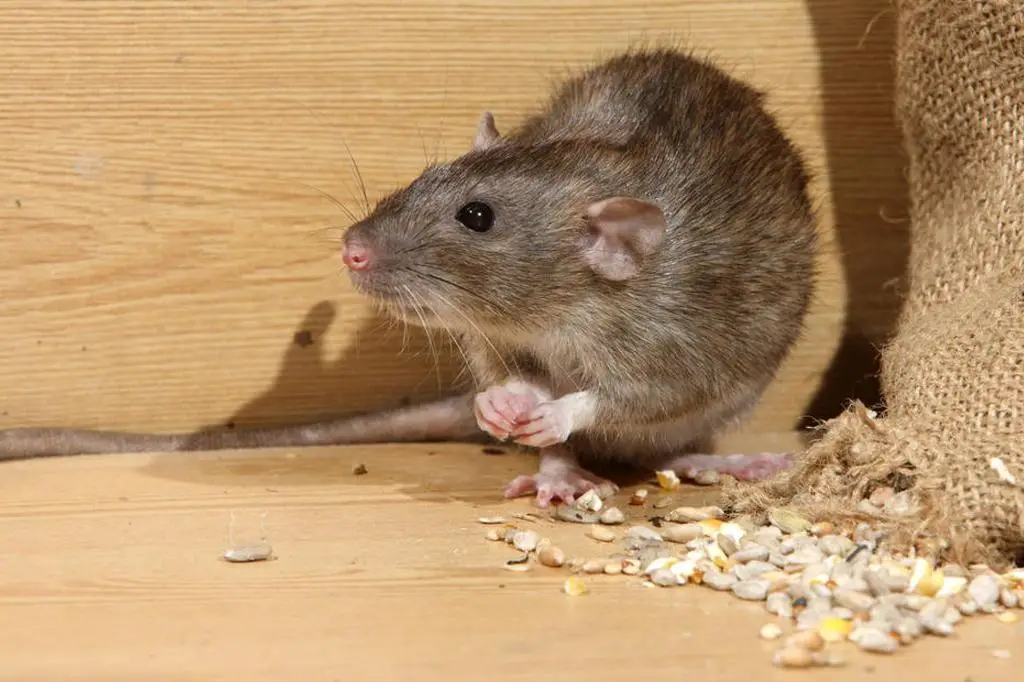
Rodents are resourceful creatures capable of squeezing through tiny openings to find warmth, food, and shelter indoors. In areas like Texas, where urban development continues to expand and disrupt natural habitats, sightings of mice and rats in homes and businesses have become increasingly common. Addressing rodent problems starts with understanding how they get inside in the first place. Identifying and sealing their entry points is a key strategy in long-term prevention and can significantly reduce the risk of infestation. This article explores where to look, what to seal, and how exclusion works as a foundational step in rodent control. How Rodents Find Their Way Inside Rodents possess remarkable agility and adaptability, allowing them to exploit even the smallest structural weaknesses in a building. Mice can enter through holes as small as a dime, and rats can compress their bodies to fit through openings the size of a quarter. They are also excellent climbers and jumpers, which means they’re not limited to ground-level access. These pests are often drawn by smells from food waste, pet food, or warm indoor air escaping through cracks and vents. Once inside, they can quickly establish nests and reproduce, making early intervention essential. As discussed in the context of urban development impact, habitat disruption frequently pushes rodents closer to human dwellings, increasing the importance of physical barriers. Most Common Entry Points to Check When conducting a rodent-proofing inspection, it’s important to think like a pest. Rodents are naturally curious and persistent, so they will test multiple spots around your property. Focus on areas that connect indoor and outdoor environments or where utility lines enter the home. Inspecting these areas thoroughly during daylight and again at dusk is a smart practice. Rodents tend to be more active at night, and you may spot signs of activity such as droppings, gnawed materials, or rub marks near openings. How to Properly Seal Entry Points Sealing entry points, also known as exclusion, is one of the most effective long-term solutions for preventing rodents. This process focuses on making the home as physically impenetrable as possible while maintaining necessary ventilation and utility functions. Materials should be chosen for durability and resistance to gnawing. Be cautious with soft materials like plastic or wood, as rodents can easily chew through these. Ensure all materials are rated for pest exclusion and installed securely. Why Sealing Is More Effective With Prevention Sealing alone can reduce entry, but pairing exclusion with ongoing prevention makes the strategy more effective. Reducing attractants is just as critical as blocking access. Rodents are less likely to test your home if there’s no incentive for them to do so. Even if you’ve sealed known points of entry, ongoing vigilance is important. Periodic reinspection ensures that new vulnerabilities aren’t being created over time. Know When It’s Time to Call a Professional While homeowners can manage basic sealing tasks, more complex rodent problems may require expert support. Rodents often nest in areas that are difficult to access, such as crawl spaces or attics, and a single missed opening can render exclusion efforts ineffective. In addition, tracking and trapping rodents inside the home often demands a strategic plan. If signs of rodent activity persist even after exclusion efforts, it may be time for a professional inspection. As emphasized in the article on why professional rodent control matters, trained technicians can identify hidden access points, apply commercial-grade sealing materials, and implement comprehensive treatment plans. The result is faster control, reduced property damage, and a much lower risk of recurrence. Seal the Problem at Its Source Rodents only need a small gap to cause big problems. By identifying and sealing common entry points, you can take control of your space before an infestation begins. Long-term success starts with physical barriers, regular maintenance, and the right professional insight.For expert rodent exclusion and year-round protection, contact Fullscope Pest Control and secure your home against unwanted invaders.
The Benefits of Regular Pest Control Maintenance Plans
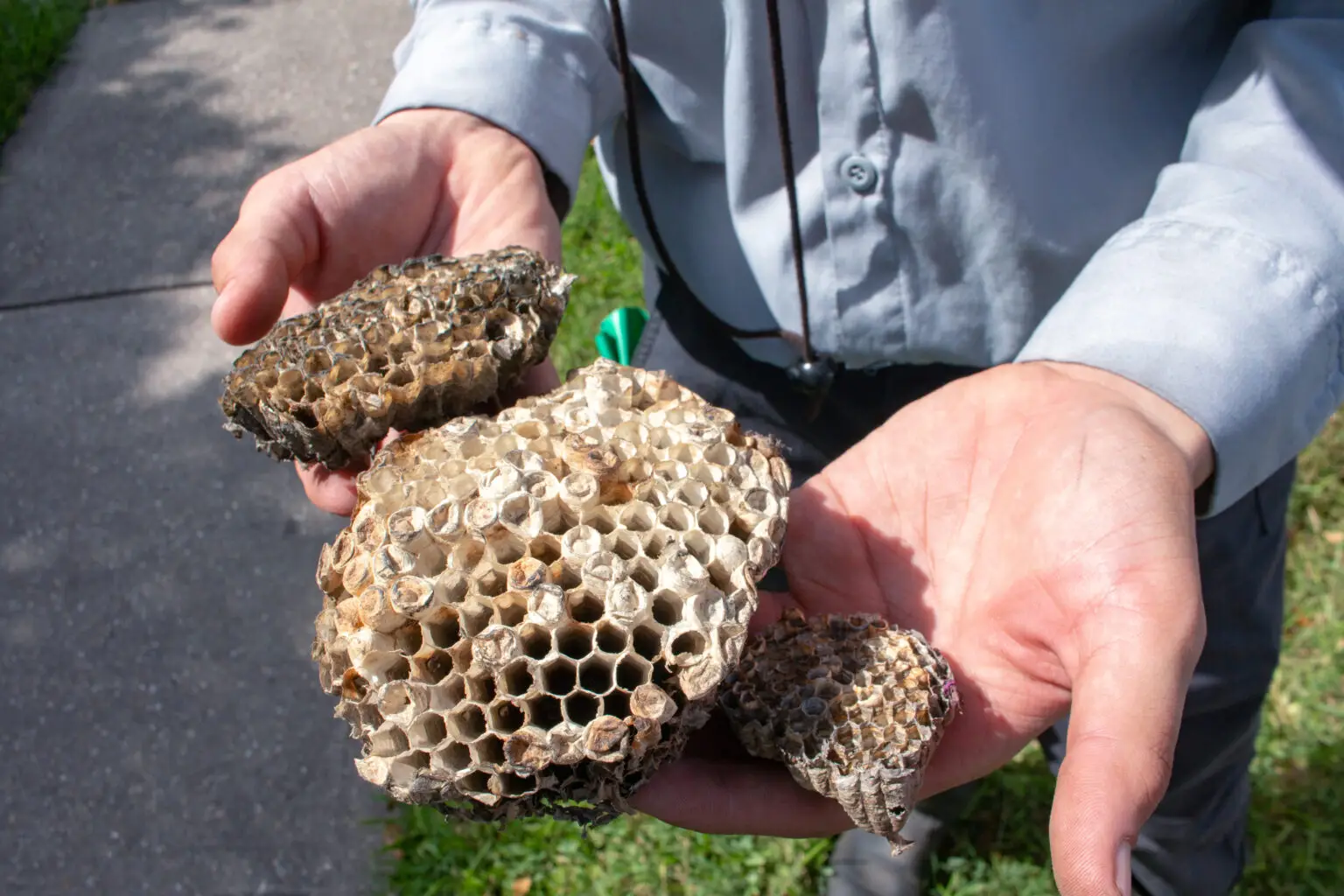
Pests are not just a seasonal nuisance. In Texas, where the warm climate invites year-round pest activity, keeping your property protected means staying ahead of infestations. While one-time treatments may offer temporary relief, a consistent pest control plan is a more effective way to achieve lasting results. Regular maintenance allows for prevention, early detection, and targeted intervention before pests become a widespread problem. In this article, we explore how structured pest control plans benefit homeowners and businesses alike. Ongoing Protection Against Multiple Pests Different pests become active at different times of the year. For example, mosquitoes may be more common during the summer, while rodents might seek shelter indoors in cooler months. A pest control plan ensures that protection evolves with seasonal changes and emerging threats. Common pests targeted through routine plans include: Instead of reacting to infestations after they happen, regular maintenance takes a proactive approach that stops pest issues before they escalate. As highlighted in essential summer pest control tips, timing treatments for the season helps maintain consistent protection when it’s needed most. Early Detection Saves Time and Cost One of the most overlooked benefits of a pest control plan is early detection. Pests like termites or rodents can go unnoticed for months, causing significant damage before any signs are visible. Regular service visits allow trained professionals to inspect your property for subtle changes, warning signs, or pest patterns that the average homeowner might miss. Detecting these problems early can prevent more costly repairs down the line. Routine inspections are also a valuable tool in maintaining clean, healthy environments, especially in kitchens, garages, and basements where pests often start. Customization for Your Property’s Needs A pest control plan is not one-size-fits-all. Each property has its own vulnerabilities based on its size, structure, usage, and surroundings. Whether you live near water, back up to wooded areas, or run a business with food storage, your pest control needs may differ from your neighbors’. With a customized plan, professionals tailor the strategy to fit the unique layout and risks associated with your property. This means: Customized protection makes the difference between short-term fixes and long-term peace of mind. For a deeper understanding of how this works, the pest control plans page outlines several plan types and benefits based on property needs. Reduced Risk of Reinfestation Pests are persistent. Without consistent barriers in place, infestations often return, especially if previous access points or attractants are still present. Regular maintenance plans provide continuity, ensuring your property is always being monitored and defended. This layered approach keeps defenses strong and prevents pests from re-establishing themselves over time. It also reduces the need for reactive emergency services, which can be more disruptive and expensive. Health and Safety Benefits A pest-free home isn’t just more comfortable, it’s also healthier. Cockroaches, rodents, and flies are known to carry bacteria that affect food and surfaces. Spider bites, wasp stings, or flea infestations can also pose risks, especially to children and pets. A well-managed pest control plan significantly lowers these risks. Professional treatments are applied safely and responsibly, with consideration for household members and the environment. When paired with good sanitation and household habits, this results in a safer and more hygienic space for everyone. Keeping pests at bay also reduces stress, minimizes the spread of allergens, and supports overall home wellness. Invest in Peace of Mind Year-Round Pest problems rarely disappear on their own. Instead of waiting for pests to invade, take a proactive approach that keeps your home or business protected all year.To learn how a tailored pest control plan can work for your specific needs, contact Fullscope Pest Control and take the first step toward dependable, long-lasting pest prevention.
How to Safely Store Food to Deter Common Household Pests

Food storage may seem like a simple task, but when it’s not done properly, it invites some of the most persistent invaders into your home. Common household pests such as ants, cockroaches, rodents, and even pantry beetles are all driven by access to food. Once they find a steady supply, infestations can quickly grow and become difficult to control. Safe, strategic food storage is one of the most effective ways to prevent this. In this guide, we’ll cover how to store food the right way, why it matters, and how these methods help deter pests that thrive in residential settings. Why Pests Target Food Sources Pests don’t randomly appear as they’re driven by scent, moisture, and access. Kitchens, pantries, and even pet feeding stations offer a variety of attractants that appeal to different species. Ants will follow a single breadcrumb, cockroaches thrive in greasy or sugary residue, and mice are quick to chew through poorly sealed bags and cardboard boxes. If food is accessible, pests will come back repeatedly. Common household pests are opportunistic by nature. Rodents, for instance, can smell food through thin packaging and will gnaw through plastic or paper to reach it. Cockroaches are especially difficult to eliminate once they discover food and water in the same space, such as under sinks or behind appliances. Even stored dry goods, if not sealed properly, can attract grain beetles or weevils. Effective food storage doesn’t just limit what pests can access; it disrupts their entire survival process. Deny access to food, and you reduce the likelihood of an infestation taking hold. Proper Pantry Organization Techniques One of the most overlooked aspects of pest prevention is how pantries are organized. A well-structured pantry helps with food rotation, visibility, and sanitation, all of which discourage pest activity. The goal is to make it hard for pests to find food and easy for you to detect early warning signs. These steps may seem simple, but they serve as a powerful deterrent against ants, cockroaches, and stored-product pests. Keep in mind that a single infested bag of rice can spread larvae or beetles to other containers if left unchecked. Refrigerator and Freezer Habits That Matter The refrigerator and freezer are essential tools in the battle against common household pests. However, even cold storage areas can contribute to pest issues if not maintained correctly. Leaks, spills, and spoiled leftovers are all pest attractants if not handled quickly. Moisture control plays a critical role in keeping pests away, especially species like cockroaches, which are drawn to high-humidity environments. Reducing clutter in these appliances also helps improve air circulation and cleanliness. Sanitation and Waste Control Even with proper storage, pests can still be drawn to the kitchen if sanitation falls short. Crumbs under appliances, overflowing garbage bins, and unwashed dishes all contribute to an inviting pest environment. Sanitation should be viewed as a daily habit rather than a reactionary task. Good sanitation practices align closely with the principles explained in the role of sanitation, which outlines how cleanliness can significantly reduce pest risks indoors and out. Additional Measures for Comprehensive Control Safe food storage is a crucial piece of the puzzle, but comprehensive pest prevention should also involve broader awareness and environmental management. That includes securing pet food, cleaning outdoor eating areas, and eliminating potential breeding sites like standing water. When combined with proper food storage and sanitation, these actions create a home environment that is far less attractive to pests. If issues persist, a professional evaluation may reveal hidden attractants or access points that need to be addressed. Put Pests on a Permanent Diet Creating a pest-free home starts with the food supply. When you cut off access to nutrition, you interrupt the survival cycle of common household pests. Thoughtful food storage, consistent cleaning habits, and environmental awareness are all powerful tools for prevention.For expert guidance and long-term solutions, contact Fullscope Pest Control and protect your pantry and property with proven strategies that work.
The Role of Sanitation in Preventing Pest Infestations
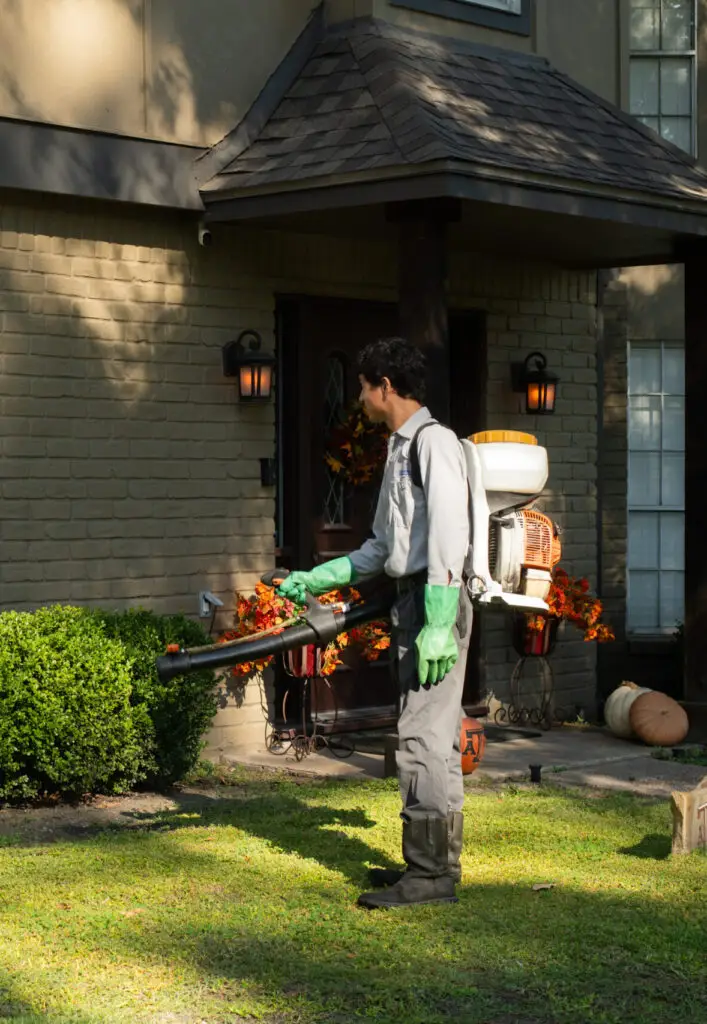
Pest infestations don’t happen randomly. In most cases, they are a response to environmental conditions that favor pest survival and reproduction. Among the most critical of those conditions is sanitation. Whether in residential homes, commercial kitchens, warehouses, or office buildings, poor sanitation is one of the leading contributors to pest problems. Rodents, cockroaches, flies, ants, and other pests are drawn to areas with accessible food, moisture, and shelter, all of which can be unintentionally provided through neglect or inconsistency in cleaning practices. This article explores the vital role sanitation plays in pest prevention. We’ll examine how unsanitary environments encourage infestations, what areas are most commonly affected, and how structured sanitation routines can help protect both residential and commercial spaces. How Sanitation Directly Affects Pest Activity Pests are opportunistic. They follow scent trails, moisture sources, and hidden entry points into structures. Dirty, cluttered, or food-laden environments provide the resources pests need to thrive, making sanitation a frontline defense in pest prevention. Poor sanitation leads to: By removing or reducing these resources, sanitation not only makes the environment less attractive to pests but also interrupts their survival cycles, reducing breeding and foraging opportunities. Key Areas Where Cleanliness Counts Most Certain zones within homes or businesses are more prone to attracting pests due to how frequently they are used or how easily grime accumulates. Focusing sanitation efforts on these spaces is essential for effective pest prevention. Pay close attention to the following: Maintaining sanitation in these zones also makes it easier to detect early signs of a pest infestation, such as droppings, chew marks, or shed insect skins. Cleaning Habits That Support Pest Prevention Establishing consistent, structured cleaning habits helps eliminate the attractants that pests depend on. Simple tasks performed routinely can make a significant difference in long-term pest control. Best practices include: When sanitation routines are consistent, pest attractants are minimized, making it more difficult for pests to establish themselves indoors. Why Sanitation Alone Isn’t Always Enough While good hygiene is critical for pest prevention, it doesn’t always guarantee full protection. Some pests, like termites or hidden rodent colonies, may already be established within wall voids, crawl spaces, or attics, regardless of surface cleanliness. Others may be introduced through shipments, neighboring infestations, or seasonal changes. In these situations, sanitation must work in conjunction with integrated pest management. A professional inspection can help identify vulnerabilities that go beyond what cleaning can address. For instance, sealing cracks, applying barrier treatments, or implementing bait stations may be necessary for long-term success. This approach aligns with the principles outlined in the discussion of eco-friendly termite solutions, which emphasize both safety and sustainability in treatment plans. Sanitation as a Long-Term Investment Think of sanitation not just as a chore but as a proactive pest management tool. Cleanliness creates an environment that is less inviting to pests and more conducive to early detection and intervention. Businesses, especially in food service or storage industries, should view sanitation as part of their risk management. Homeowners should integrate it into weekly maintenance routines that include cleaning, moisture control, and regular inspections. Sanitation also improves indoor air quality, reduces allergens, and creates a more comfortable living or working environment. Combined with seasonal pest evaluations and structural maintenance, it forms the foundation of a strong, year-round pest prevention strategy. Additionally, relying solely on home remedies or off-the-shelf sprays without addressing root causes can allow infestations to worsen. As explained in this guide on why professional pest control is more effective than DIY strategies, expert knowledge and equipment make a significant difference in long-term outcomes. Keep It Clean, Keep Pests Out Whether you’re maintaining a home or a commercial property, good sanitation is one of the simplest yet most powerful tools in pest control. If you’ve taken the right cleaning steps but still see signs of activity, it’s time to bring in professional insight. Reach out to us at Fullscope Pest Control for an expert inspection and a customized plan that reinforces your sanitation efforts with reliable pest solutions.
FullScope’s Ultra Shield Pest Control Plans: Which One Is Right for You?

At FullScope Pest Control, we know every home—and every pest problem—is different. That’s why we created our Ultra Shield series of residential pest protection packages: Basic, Plus, and Premium. Whether you’re looking for affordable peace of mind or total home defense—including termite protection—there’s an Ultra Shield plan for you. Here’s how they compare: 🔍 Ultra Shield Plan Comparison Feature / Service Ultra Shield Basic Ultra Shield Plus Ultra Shield Premium Monthly Price $36/month $46/month $85/month Initial Fee $145 + tax $155 + tax $800 + tax Agreement Term 12 Months 12 Months 24 Months General Pest Control ✔️ Every 90 Days ✔️ Every 90 Days ✔️ Every 90 Days Interior & Exterior Treatments ✔️ On Request ✔️ On Request ✔️ Always Available Cobweb & Wasp Nest Removal ✔️ ✔️ ✔️ Free Re-Services If Pests Return ✔️ ✔️ ✔️ Flea & Tick Yard Treatments ❌ ✔️ ✔️ Sentricon® Termite Monitoring System ❌ ❌ ✔️ Full Installation + Annual Care 🏠 Why Choose an Ultra Shield Plan? No matter which Ultra Shield package you choose, you’re getting: 🧰 Ultra Shield Basic – $36/month Our most affordable option, perfect for homeowners who want routine protection from common invaders like: Best For: Budget-conscious homeowners who want basic, reliable protection. 🐾 Ultra Shield Plus – $46/month Everything in Basic, plus yard treatments for fleas and ticks. A great choice for families with pets or active outdoor spaces. Best For: Families with kids and pets, or anyone who wants protection beyond the walls. 🏡 Ultra Shield Premium – $85/month Our most comprehensive plan—this one includes it all: monthly service, flea and tick control, and Sentricon® Termite Baiting & Monitoring, a powerful system used by the White House and trusted nationwide. Best For: Homeowners who want true all-in-one protection, including defense against costly termite damage. 💬 Still Not Sure Which Plan Is Right for You? We’d be happy to help! Our team can walk you through the options, assess your home’s needs, and help you pick the plan that gives you the protection you need at a price you can afford. Call or Text : 832-898-0190
Understanding the Behavior of Nocturnal Pests and How to Manage Them

When your home seems quiet at night, it may actually be the busiest time for pests. Many insects and rodents are nocturnal, meaning they are most active during the nighttime hours. These nocturnal pests often go unnoticed until their activity leads to property damage, health risks, or signs of infestation. Understanding how these pests behave, why they prefer the cover of darkness, and what you can do to manage them is essential for maintaining a safe and pest-free home. In this article, we will explore which pests are most active at night, the reasons behind their nocturnal habits, the signs to watch for, and practical steps to prevent or manage their activity. If you’ve heard scratching in the walls or seen unexplained droppings or insect trails in the morning, it may be time to consider the hidden threats that come out after dark. What Makes a Pest Nocturnal? Nocturnal pests are those that conduct most of their activity at night. This behavior is not random; it is often a result of evolutionary survival strategies. Operating in darkness allows pests to avoid predators, reduce competition, and exploit quiet environments like homes that settle into stillness after residents go to sleep. Common behavioral traits of nocturnal pests include: Their ability to hide in plain sight makes these pests especially tricky to detect without knowing exactly what to look for. Most Common Nocturnal Pests in Homes Several pest species are primarily active at night, and each poses a different set of challenges. Understanding which pests are likely to be causing problems is the first step in effective management. The most common nocturnal pests include: While crickets may seem harmless, they can pose unexpected issues. To understand their true risk, check this overview on whether or not crickets are dangerous and how they impact indoor environments. Signs of Nighttime Pest Activity You may not catch a nocturnal pest in the act, but they often leave clear signs of their presence behind. These indicators can alert homeowners to a developing problem. Look for the following clues: If you suspect a problem but aren’t sure what you’re dealing with, a professional inspection can help pinpoint the specific pest and the severity of the infestation. Effective Management Techniques for Nocturnal Pests Controlling nocturnal pests requires strategies that focus on both prevention and direct intervention. Because these pests operate when most people are asleep, their control methods must target nesting sites and cut off access to food and water. Practical steps include: Since many nocturnal pests are hard to eliminate with DIY methods alone, professional treatments offer targeted solutions. For example, bed bugs are among the most persistent nighttime pests and often require advanced, multi-step treatment plans. Learn more about effective bed bug solutions and why expert intervention is key to resolving infestations safely. Why Professional Help Makes a Difference Nocturnal pests are challenging to control because they hide well and reproduce quickly. Homeowners often overlook their presence until damage or health risks arise. While basic prevention helps, long-term control requires accurate identification, targeted treatments, and follow-up inspections to ensure pests have not returned. Pest control professionals are trained to recognize the signs of nocturnal activity, identify hidden nests or burrows, and apply low-toxicity treatments safely and efficiently. They also know how to adapt strategies based on the pest species, home layout, and environmental conditions; something that over-the-counter products cannot match. In addition, professional pest control plans often include monitoring and seasonal prevention, which further reduces the likelihood of future infestations. With night-active pests, this kind of vigilance makes all the difference in maintaining peace of mind and a healthy home. When the Pests Come Out, Be Ready Nocturnal pests don’t rest, but you should be able to. If you’re hearing strange sounds at night or noticing signs of hidden pest activity, it’s time to act. Schedule a thorough inspection with Fullscope Pest Control and discover expert solutions designed to protect your home around the clock.