 1500+ reviews

The Best Treatment for Bedbugs: Effective Solutions Explained
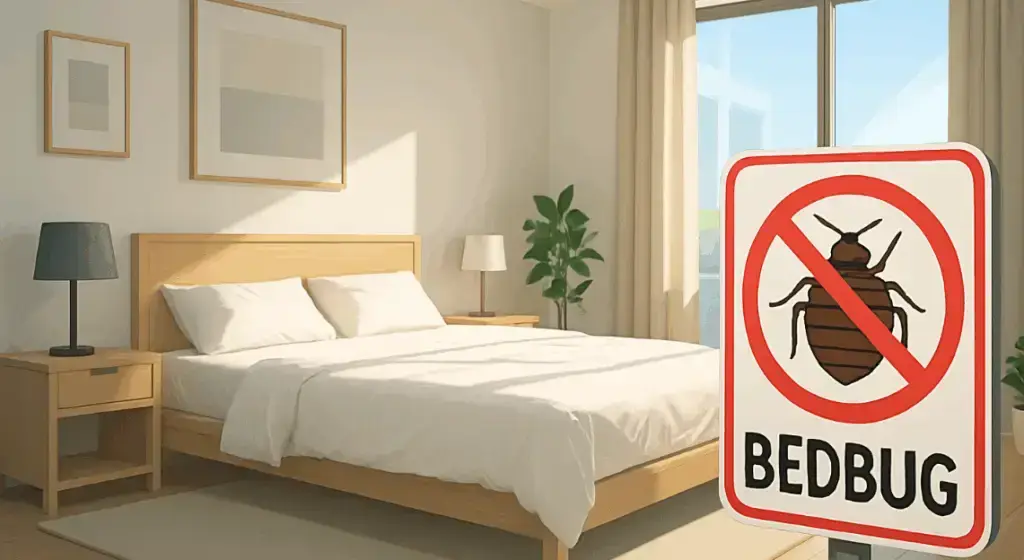
Key Highlights Read on to explore solutions for control and prevention of bedbugs in detail. Introduction Bedbugs are tough pests. You need strong pest control steps to get rid of them. They like to hide in places you can not see easily. Because of this, bedbugs can ruin the comfort of your home. Bed bug control includes doing careful checks and using both chemical and non-chemical treatments. You can try some methods by yourself or you can pick a professional exterminator for help. To remove bedbugs, it takes time and a steady plan. Spring, Texas homeowners can follow some clear steps for a good answer to this pest problem. Understanding Bedbugs: What Spring, Texas Residents Need to Know Bed bugs are small bugs that you can find in the home. These pests have a reddish-brown color and are about the size of an apple seed when they grow up. Bed bugs, both adults and their young called nymphs, live by biting and drinking blood from people and animals. You will often find them hiding in and around the places where you sleep, so they can be hard to spot. Bed bugs go through a few stages: eggs, nymphs, and adults. Females can lay hundreds of eggs during their life. That’s why it is so important to use pest control right away. If you live in Spring or surrounding areas and see signs of these pests, act fast to stop them from taking over your home. Common Signs of a Bedbug Infestation How can you tell if you have bedbugs in your home? There are some clear signs of bedbugs that show if this pest is around. Try to look for reddish spots on your bedding, box springs, or mattress. These may be stains where bedbugs were crushed. It is hard to miss these. There can also be small dark spots left by bedbugs. These often look like dirt and you may see them in the seams or crevices of your bedding, mattresses, and furniture. These dark droppings are one sign that there could be a bedbug problem. Look out for bedbug eggs and the old skins that they shed. The eggs are tiny and pale yellow. You can also find their empty skins, which means the number of bedbugs may be going up. It helps to use a flashlight to check well around your bedding and furniture, especially in the seams and crevices. It is good to do this often, as it can help you spot infestations early and take action before things get worse. How Bedbugs Spread in Spring, Texas Homes Bedbugs are very good at hiding and spreading without getting noticed. They often live in luggage and linens, so travel is a common reason why there are infestations in many homes in Texas. These bugs like to hide in places such as cracks, seams, and any clutter you may have. This makes it easy for them to stay unnoticed and spread out. Bedbugs can also go into places like electrical outlets. Because they are small, they can get into small spots that you do not often check when you look around for them. So, it is easy for them to move from one room to another or even through shared walls in apartments. To keep bedbug infestations from growing, you need to keep clutter down and make sure storage is organised. Taking simple steps while you travel can help protect your home. Always inspect your luggage and wash your linens when you come back from a trip. Watch out for places where bugs can get inside so you can keep your home free of bedbugs. Health Risks and Impacts of Bedbug Infestations Bedbug bites might look small, but they can be risky. The bites often make the skin itch and, for some people, cause an allergic reaction. Other than the rash or marks, bedbug bites also lead to stress and worry. Bedbugs are good at hiding in bedding and around where people sleep. Because of this, many people who have infestations feel anxious and like there is not much they can do. Dealing with these bugs can make people extra watchful about where they sleep and sit, especially on bedding and any soft furniture. Getting full treatment for bedbug problems not only helps get rid of the bugs, but also lets homeowners relax and get back to their life. Physical Effects of Bedbug Bites Bedbug bites are small marks that make your skin itch. They happen when the bedbug uses its protective outer coating to break your skin and feed. These bites are usually only a few millimeters wide. Itching and swelling are common. If you scratch at them, the spot can get worse or become infected. Bedbug bites tend to show up together or in lines. They happen at night on areas like your arms, legs, or neck. Bedbugs do not go deep into your skin like some pests. Still, they can keep you up at night and bother you during the day. If you see bite marks and think that you have a pest problem, start pest control right away. Moving fast will help stop more issues with infestations from bedbugs. You may want to use skin creams or other safe treatments for relief. Do not forget to use pest control steps so that the bites do not come back. Emotional and Psychological Stress Caused by Bedbugs Bedbugs can do more than make your skin itch. They can also make you feel stressed in your mind and your emotions. When you see repeated bites or pest activity in your condominium, it can hurt your mental health. Having bedbugs in your home may feel like it is not safe or not yours anymore. This can bring on feelings of worry and anger. If you rent a space from a landlord, you might feel people will look down on you or think it is your fault, even when pest infestations might come from nearby homes. Infestations like
Essential Summer Pest Control Tips for Texas Homes
Key Highlights Introduction Summer in Texas can get very hot, and this hot weather brings more pest problems to Texas homeowners. The heat and the high humidity make many Texas homes a good place for various pests. You might see unwanted guests like pesky mosquitoes or even rodents. To keep your house safe and comfortable, it helps to use pest control and good preventative measures. You can try DIY ways to keep pests away, or you can get professional support. Taking care of summer pest control will help protect the health of your family and give you peace of mind as a Texas homeowner. Common Summer Pests in Humble, Texas Texas’s hot summer brings the right kind of weather for a lot of pest activity. In this heat, a variety of pests, like mosquitoes, ants, cockroaches, spiders, and rodents, can get into homes in Humble. These types of pests like to be out when the warm temperatures of summer come. If you see pests often, you should act fast. This helps stop an infestation before it gets worse. Knowing how pests behave can help you with pest management. For example, many pests go after food that people leave out or they like to hide in a pile of things. Some pests do well where there is still water or damp spots in the house. Identifying Mosquitoes, Ants, and Cockroaches Mosquitoes are some of the most common unwanted guests during Texas summers. You may know they are around when you hear buzzing sounds, see red and itchy bites on your skin, or spot them hanging out near standing water. Standing water is a big breeding ground for these pests. If you fix water problems like puddles outdoors, it can help keep them away. Ants, and especially fire ants, come into homes in the summer months in Texas. They look for food that gets left out and little crumbs. You may see ant trails in your kitchen, pantry, or even coming in through breaks in a wall. These mean you have an ant problem. Seal up cracks in your house and keep things clean to stop these ants from getting in. Cockroaches can bother people and also bring health risks. You might see small, dark waste that looks like coffee grounds or pepper, spot roaches in dark corners, or find droppings on counters. To handle cockroach control, keep your food in closed containers and clean often. Risks Associated with Spiders, Wasps, and Rodents Spiders in Humble, Texas homes can be both helpful and risky. Some are harmless and help keep pests away. But others, like Black Widows, can be dangerous and bring health risks. If you see webs in corners, on ceilings, or in dark spots, this means there are spiders. The friendly types are good for your home. But if you spot risky ones, it is best to get them out right away. During the warm summer months, you may notice more wasps around your Texas home. They often build nests up high, near rooflines or in trees. Wasps may turn aggressive if you get too close or bother them. Their stings hurt and could cause allergic problems for some people. Using professional help to remove nests is the safest way. Rodents are destructive pests that will come into your home for food and to stay warm. They can do significant damage by chewing on things and leaving droppings. If you hear scratching in your walls or find chewed furniture, these are signs of rodent activity. Rodents are also carriers of diseases, so getting rid of them fast is important to keep your health and your property safe. Where Pests Enter Your Texas Home Entry points can make it easy for pests to get into Texas homes. The main trouble spots are the gaps in windows, loose door frames, and small cracks in the foundation. Attics, basements, and crawlspaces also give pests a way to come inside. To deal with these pest issues, you have to find the problem early. Sealing all potential entry points helps as well. Regular checks for weak spots and cracks in the house structure can go a long way to keep pests out, especially in the summer months when they are most active. Inspecting Doors, Windows, and Foundation Cracks Doors and windows are the main entry points for pests. When screens are worn-out, or there are gaps near frames, pests like ants and flies find it easy to get in. Loose weather-stripping can also let them come inside. Small openings like foundation cracks can also let rats and other pests come in. Early detection of these small openings by checking your home often can stop bigger problems later. When you seal cracks and gaps on a regular basis, it is a good way to stop pest issues. To help stop pest issues, try these tips: Checking for small openings and using early detection can keep pests out and your home safe. Recognizing Signs of Pest Activity Indoors and Outdoors Spotting pest activity early can stop a lot of damage. Inside your home, some signs to look for are droppings, chewed-up furniture, or greasy marks left by rodents. You might also see cockroach waste that looks like coffee grounds. Look for webbing or bits of nest to help you know if pests are there. Outside, pest activity can show up as hurt plants or grass, mud tubes that mean termites are around, and standing water. If you hear strange sounds coming from under the house or in the walls, this could mean there are hidden ants, mice, or other pests living there. If you see pests, like a line of ants outside or dead roaches by the trash, you know for sure there is pest activity. Keep checking for signs like bite marks, your pet scratching more than usual, or bad smells getting stronger. These can all hint at infestation problems. Effective Indoor Prevention Strategies Keeping pests out starts with strong indoor preventative measures. When you
How Do I Know If I Have Bed Bugs? Signs to Look For

Key Highlights Introduction Are itchy red bumps making it hard for you to sleep at night? You could have a bed bug problem. These tiny parasites feed on your blood and like to hide in your home. Knowing the signs of bedbugs early, like bug bites, red bumps, bad smells, and other clues, helps you stop a bigger infestation before it starts. If you feel itching or see stains on your bedding, it’s important to act fast. Check your home right away for these pests, so you can get rid of them before they spread. Understanding Bed Bugs: Basics You Should Know Bed bugs are well-known pests. They live near people and often stay where you sleep. These small parasites need blood to eat, so your bed is one of their favorite spots. Many people think these bugs like dirty places, but they can be in clean homes too if they get the chance. If even one infestation starts, it can get worse very fast. This is because bed bugs have many babies. When you know where they live and what they eat, you can start to deal with them in your home. Next, we will talk about where they come from. What are bed bugs and where do they come from? To understand bed bugs, you first need to know where these bugs come from. Bed bugs are tough. They spread when they hitchhike on your things. For example, they may be on your luggage or inside used items like secondhand furniture. Even if you stay at a five-star hotel, you still can run into bed bugs there. About one in five people living in the United States has had a bed bug infestation or knows someone who has had it. The Environmental Protection Agency says these small parasites hide in cracks and crevices. They wait for people to be close so they can feed on blood, which is how they stay alive. Bed bugs mostly come out at night. They do this so people do not see or catch them easily. No matter if you are traveling or buying used goods, you should always check for signs of bedbugs. Make sure to look at your mattress, anything with soft covering, and box springs. By knowing where bed bugs hide and what to look for, you can take the right steps to stop an infestation before it starts in your home. What do bed bugs look like at different life stages? Bed bugs have different life stages, and each one looks different. Adult bedbugs are flat and reddish-brown. They are about the size of an apple seed. The young ones are called nymphs. They look yellow and see-through unless they eat. After feeding, they get darker. Bed bug eggs look white like tiny pins. Take a look at this quick table to help you know what to look for: Life Stage Appearance Adult Flat, reddish-brown, apple seed-sized (5-7 mm) Nymph Yellow-translucent; darker after feeding Eggs Pearly white, marked with black dots after 5 days A female bedbug will lay many eggs. This makes an infestation worse fast. To get rid of these parasites, spotting adults or their left-behind exoskeletons is very important. Now, let’s find out about usual places where they may be hiding. Typical Places Bed Bugs Hide in Conroe, Texas Homes Your home gives many hiding places to these pests, especially near where you sleep. Bed bugs like beds, couches, and chairs the most. They use crevices and hidden spots for shelter in the day. You should check seams of mattresses, cushions, and wall corners often. You will often find their hiding spots there. If you take care of these hiding places quickly, you can control infestations and stop them from spreading. Now, let’s go over some of the most common places where bed bugs gather. Most common hiding spots for bed bugs Bed bugs like to stay hidden in small spots close to where people sleep. Here are the places where bed bugs hide the most: These bugs also get into bed frames. They do this so they will not be seen during the day. If you check these hiding places, you can cut down on a bed bug infestation. Up next, we look at why homes in Texas are more likely to have this problem. Why bed bugs thrive in Conroe, Texas homes Texas has the right mix of things for bed bugs, such as high heat and a lot of moisture in the air. This warm and wet weather gives bed bugs a good place to grow. It helps these pests be in more homes. These favorable conditions make it easy for infestation to spread quickly. Also, many people in Texas travel a lot and live close together in cities. This can help the bugs travel, too. Bed bugs often come into homes with people’s luggage, or when people bring in secondhand furniture. The bugs are tough because they can go months without eating. This makes it even harder for people to get rid of them. So, if you are in Texas, you have to stay aware. Make sure to always check your home and look into any possible hiding spots for these pests. Soon, we will talk about the signs that show if you have an infestation. Early Signs of a Bed Bug Infestation Spotting early signs of bed bugs can help you stop an infestation before it gets worse. You need to look for tiny dark spots and streaks of blood on the bedding or furniture. These dark spots could come from bug droppings or squashed bugs. You may also find shed exoskeletons, or smell something sweet and musty in the room. These are big clues that bed bugs might be around. If you find these signs early, you can fix the problem faster and have less pain from bites. Let’s talk about other signs to look for on your things and the strange smells that tell you if there could
The Impact of Urban Development on Local Pest Populations

Urban growth brings new homes, roads, and infrastructure to previously undeveloped areas. While this progress benefits communities, it also has a lasting impact on the environment, especially when it comes to pest behavior. As natural habitats are cleared and replaced with concrete, lawns, and buildings, local pest populations are forced to adapt, often resulting in increased contact with people and property. This article explores how urban development influences pest migration and reproduction, the risks that follow these changes, and why modern pest control strategies must evolve alongside the landscape. By understanding these patterns, property owners can better protect their homes and businesses from persistent pest threats. How Construction Disrupts Pest Habitats When natural areas are disturbed by land clearing or construction, insects and rodents that once thrived in forests, fields, or wetlands must relocate to survive. This disruption increases the likelihood of infestations in nearby neighborhoods or commercial zones. Common consequences of habitat disruption include: Pests don’t simply disappear when their environment is altered; they adjust, adapt, and often move closer to people. This shift means that even newly constructed homes and commercial buildings are at risk shortly after completion. Pests That Thrive in Urban Areas Some pests are more adaptable than others and flourish in urbanized environments. These species tend to reproduce quickly, find food in human waste, and take advantage of structural weaknesses to establish nests. The most common urban pests include: In commercial areas, the concentration of waste and climate-controlled interiors offers year-round survival advantages to pests. For more information on how this plays out in industrial settings, refer to this guide on pest damage in warehouses, which details the costly risks pests pose to inventory and operations. Environmental Factors That Influence Infestation Risk Urban development alters not just the location of pests, but the environmental conditions that support them. Pavement, landscaping, and building materials can unintentionally provide everything pests need to survive. Key urban influences include: These environmental factors not only support pest activity but also make it harder to control once infestations are established. Even green spaces like parks or community gardens can host pests if not properly managed. Why Proactive Pest Control Is Necessary With increased pest pressure due to urban development, reactive solutions are rarely enough. Waiting until signs of infestation appear can result in structural damage, health risks, and higher treatment costs. A more effective approach is to integrate pest prevention into routine property care: These steps help reduce attractants and reinforce your property’s resistance to pests. Urban dwellers, especially in fast-growing areas, benefit from timely evaluations that catch problems before they spread. To understand what steps are ideal during seasonal transitions, check out this spring pest prevention guide designed specifically for Texas homeowners. The Role of Local Expertise in Pest Management Pest behavior varies depending on geography, construction trends, and environmental conditions. Local pest control professionals understand the patterns specific to newly developed areas and apply customized solutions based on years of field experience. Professional teams are equipped to: While store-bought solutions may offer temporary relief, expert intervention provides a more comprehensive and long-lasting impact. Properties near ongoing construction sites or rapidly expanding neighborhoods especially benefit from this proactive, informed approach. Build Smart, Defend Smarter Urban development is an unavoidable part of community growth, but it comes with unintended consequences for pest activity. The sooner you address those risks, the safer your home or business becomes. If you’re living in a newly developed area or noticing increased pest presence, it’s time to act. Reach out to Fullscope Pest Control for expert inspection, prevention, and treatment services that keep local pest populations in check.
5 Effective Bed Bug Solutions for Your Home
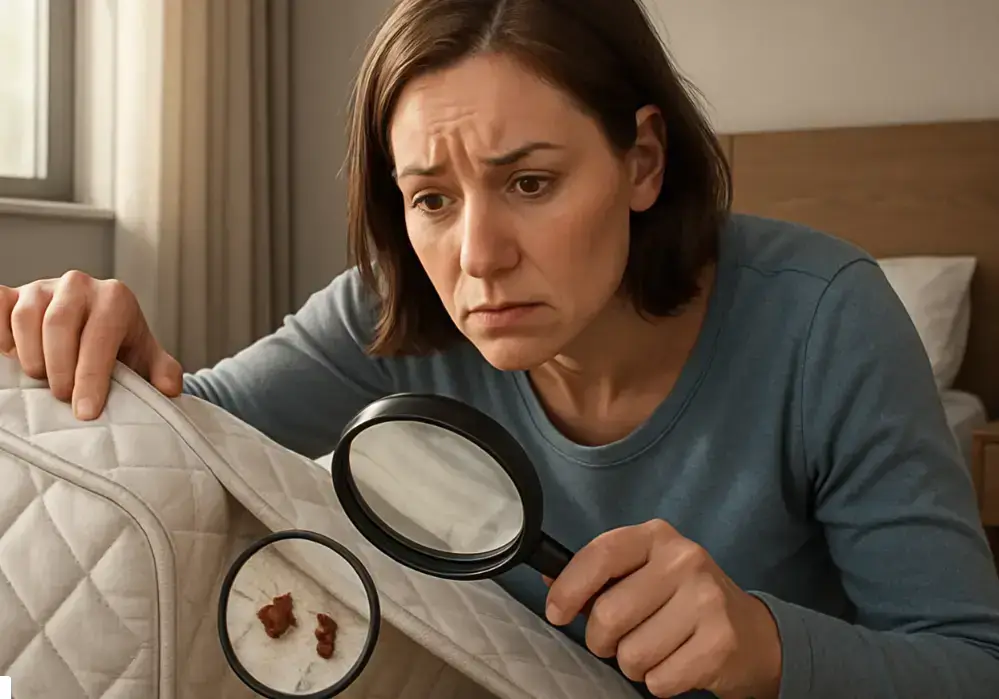
Key Highlights Introduction Bed bug infestations make it hard for people in homes and cities to deal with pest control. Bed bugs, or Cimex lectularius, feed on human blood. They hide well, which makes them tough to find. Good bed bug control can use heat, insecticide, or other treatments to get rid of them. To be sure you remove all the bugs, you need early detection, careful inspections, and good pest management steps. If you want to get your home or place free from these pests, it is a good idea to learn about bed bugs and how to control them. Understanding Bed Bugs in Kingwood, TX Kingwood, TX, like other big cities, has trouble with bed bug populations. These tiny insects, called Cimex lectularius, feed on human blood. They can be found in homes, hotels, and other places where people live. Bed bugs like to stay near people in human dwellings. It is important to know about how these bugs build nests and their life cycle. This can help to stop them from spreading. Bed bugs do well where there are people and many hiding places. They like to hide in mattress seams, inside furniture cracks, and behind baseboards during the day. If you want to keep these bed bugs away, you have to watch out for them. You also need to take steps in your home to stop a large outbreak. Common Signs of Bed Bug Infestations Detecting bed bugs early is important so you can take action quickly. Some signs to look for include blood stains that may appear on your bed sheets or your mattress from crushed bugs or their bites. You may also see small brown or black spots, which are bed bug excrement, on your fabrics. If you wake up with visible bed bug bites on your skin, especially if they are in rows or in groups, and these cause irritation or swelling, it could point to a problem. Bed bug eggs, pieces of shed skins, and groups of bed bugs hiding in mattress seams or cracks are other clear clues that there is an infestation. Check your space carefully, focusing on places like bed sheets, box springs, and joints in your furniture to spot bed bugs. Getting a professional to inspect your place helps you know the full extent of infestation. With this, you can use the right pest management steps to solve the issue. How Bed Bugs Spread in Urban Environments The dispersal of bed bugs often starts without people knowing. In urban places, bed bugs move easily by hiding in household items. They like to feed on human blood and need a blood meal again and again to live. In busy cities like Kingwood, TX, bed bugs can spread fast. Many human dwellings are close together there. The pests get into homes through clothes, furniture, and luggage. This makes the extent of infestation grow in many homes and areas. Bed bugs can stay hidden and not move for a long time. So, to stop their spread in urban places, it is important to use strong pest control methods, do early detection, and run public awareness campaigns. These actions help lower the risk of infestation. Health Risks and Impact of Bed Bugs Living with bed bugs can cause both body and mind problems. People often get many bed bug bites. It is not rare for these bites to bring allergic reactions. These may make it hard to sleep well at night. If someone scratches the bites a lot, the skin can get bad and sometimes turns into an infection. A bed bug problem in the house can also put a lot of stress on people. It can make people feel more anxious and uneasy at home. Some may feel there is no safe or good place to rest there. While bed bugs do not carry or spread any sickness, the stress they bring is real. Their bite and the thought of them in your bed gets into your mind. Good pest control should be used to handle both body problems and help people feel better in their own home again. This can give people back their peace from all the pain and worry of bed bugs. Allergic Reactions and Skin Irritation Bed bug bites can cause allergic reactions. The symptoms can be mild or very bad. You may feel itching, see redness, swelling, or even blisters on your skin. These reactions happen because bed bugs put saliva into you when they bite. If you scratch the bites a lot, your skin can get sore. This may lead to painful spots and a higher chance of infection. People who react more to the saliva can have worse problems. In some cases, they may need to see a doctor. It is important to know about the life stages of these bugs. Keeping track of this helps with disease control and pest management. All stages of the bed bug will take blood, so you need to get rid of all of them to solve the problem. By treating bed bug bites in the right way, you can lower the risk of lasting allergic reactions. Psychological and Emotional Effects The psychological effects of bed bug infestations can be very strong, sometimes even more than the physical ones. When these pests get into human dwellings, they make people feel uneasy, worried, and annoyed. People have to deal with big emotional effects like not being able to sleep, feeling very nervous, or even embarrassed. The fact that bed bugs are known to cause a stigma can make these emotional problems even worse and make it hard to relax or feel happy at home. It is important to know how much bed bug infestations can change everyday life. Pest control should work fast to get rid of these pests. This is not just about making the bugs go away, but also about helping people feel better and safe again. When you reduce their significant effect, you help make
Professional Bed Bug Treatment Services
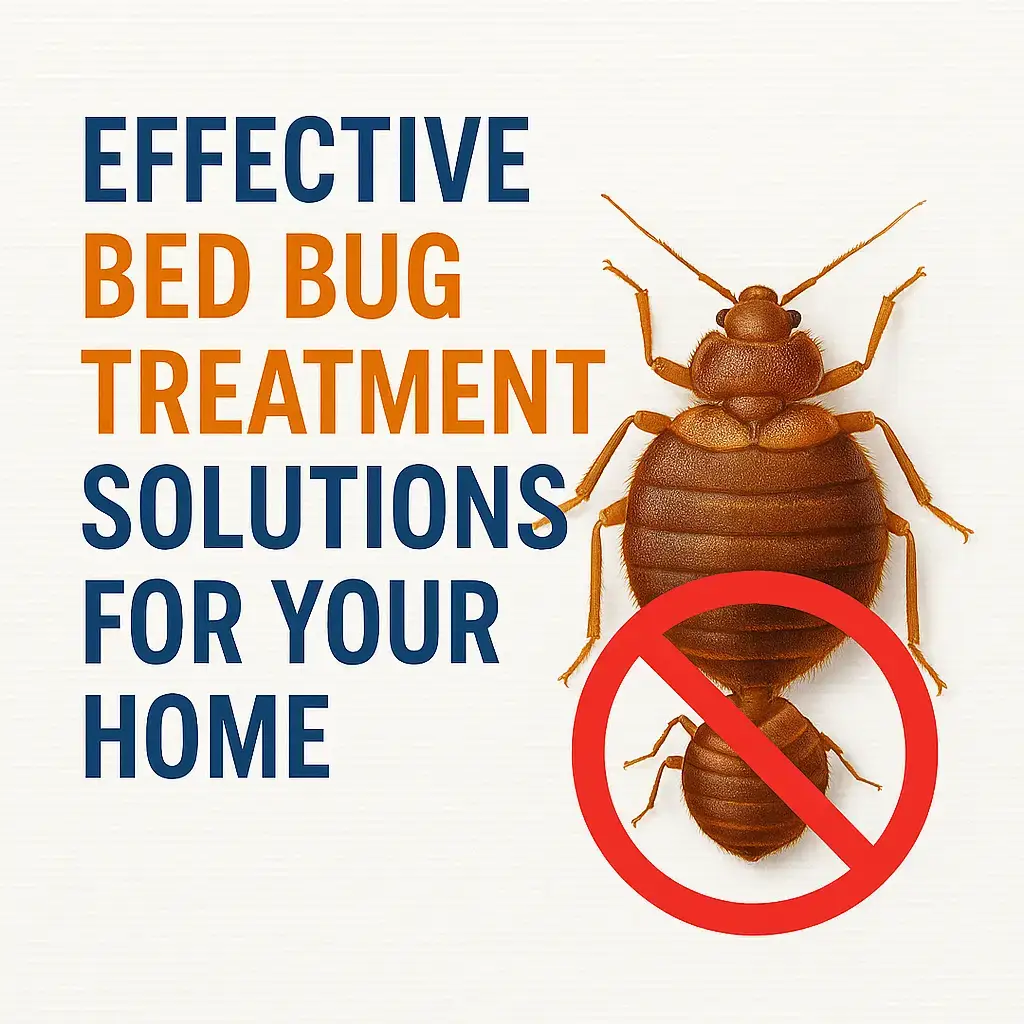
Key Highlights Professional bed bug treatment services offer effective solutions for eradicating bed bug infestations. Understanding the signs of bed bug infestations and the importance of early detection. Introduction Bed bug infestations can cause serious trouble for people who own homes. They create stress and discomfort. In Conroe, TX, many residents deal with these pests often. To control them well, it is important to understand how bed bugs behave and grow. Knowing where they live and spotting them early can help stop a severe infestation. This guide will look at signs of an infestation and professional treatment options. It will share the best ways to manage bed bugs in your home. Stay informed and ready to fight off these annoying pests effectively. Understanding Bed Bugs in Conroe, TX Conroe, Texas, is like many big cities, dealing with tough bed bug problems. These small bugs love warm weather and can spread very fast if not taken care of. In Houston, bed bugs can be found in homes, hotels, and even on public transportation. To fight these pests, it’s important to know how they behave and where they live. Finding and identifying them early is vital in stopping bad infestations and reducing the need for heavy treatments. Identifying Bed Bugs and Their Habitats Bed bugs are pests that come out mostly at night. During the day, they hide in tiny spaces, like cracks and seams. You should check your mattress, box spring, and upholstered furniture for clues, such as dark stains or shed skin. They can also be found in electrical outlets, behind peeling wallpaper, and in messy areas. Always vacuum often and seal cracks to cut down on hiding places. Bed bugs love body heat and carbon dioxide, so they like bedrooms and living rooms the most. Early detection is important to stop a severe infestation. The Life Cycle of Bed Bugs: From Eggs to Adults Bed bugs go through a clear life cycle. They start as eggs, change into nymphs, and then become adults. After mating, female bed bugs lay small white eggs in hidden places, such as cracks or crevices. The eggs hatch into nymphs. These nymphs need blood meals to grow and shed their outer skin five times as they mature. Once they reach adulthood, they can reproduce, which helps the infestation continue. Knowing this life cycle is important for good pest management and treatment strategies. Initial Steps in Bed Bug Detection Remember, early detection is very important for successfully treating bed bugs. Signs You Might Have a Bed Bug Infestation Waking up with unexplained itchy bites in a row or cluster, especially on your skin, could mean you have bed bugs. You might also notice small blood spots on your sheets or dark spots of waste on your bedding. These are also signs of bed bug activity. A musty smell in rooms can be another warning sign. Look for shed bed bug skins or rust-colored stains on your mattresses and furniture. These may show a bed bug infestation. DIY Inspection Tips: Where to Look Inspect your bed bug treatment area very carefully. Look at your mattresses, box springs, and bed frames for signs of bed bugs. This includes dark stains or tiny eggs. Check upholstered furniture, seams, and electrical outlets where they might be hiding. Don’t forget to check behind peeling wallpaper or in messy places. Bed bugs can hide in cracks, crevices, and behind wall decor. Use a flashlight to see into dark spots and a magnifying glass for a closer look. Be thorough in your search to find bed bugs effectively. DIY Versus Professional Bed Bug Treatments While DIY bed bug treatments, like vacuuming and steam cleaning, are good first steps, they might not solve a big problem. DIY ways often don’t work as well as expert pest control services. These professionals use special treatment methods and pesticides. They know how to check the size of the infestation. They can find hiding places for the bed bugs and use targeted treatments to get rid of them completely. If you have a severe infestation, it’s smart to contact a pest control company for help. Evaluating DIY Bed Bug Removal Methods When looking at DIY ways to remove bed bugs, it’s important to check how well they work. Some common DIY methods are using diatomaceous earth, vacuuming the infested areas, and washing items in hot water. These methods might help with small bug problems, but they might not get rid of bed bugs in big cases. It’s essential to understand the limits of DIY methods and know when you need to call a professional. If the bug problem is severe or if you keep trying but cannot fix it, you may need help from a pest control expert for safe and lasting bed bug removal. When to Call Professional Pest Control Services If you think you have a serious bed bug problem or if home methods did not work, it is smart to call a pest control service. These experts are trained in bed bug inspection and treatment. If you see signs of bed bugs in different rooms, have ongoing bedbug bites, or notice clear signs of a bedbug infestation, you should get professional help. Skilled pest control companies use different treatment methods and have special tools to fully get rid of bed bugs, especially if the infestation is severe. Keeping their contact details close can be a good idea. Preparing Your Home for Bed Bug Treatment Before your bed bug treatment, follow these steps: Steps to Take Before Treatment Begins Ensuring Effective Treatment and Cooperation During professional bed bug treatment, it is very important for the homeowner and pest control experts to work together. By following the preparation guidelines from the pest control company, the treatment will be more effective. Helping out by decluttering, vacuuming, and washing infested items can really help get rid of the bed bugs. It’s also important to clearly share any concerns or things you notice with the exterminator. When both
Pet Safe Solutions for Fire Ant Control
Key Highlights Pet-safe fire ant control methods prioritize your pet’s well-being while effectively eliminating infestations. Introduction Fire ants can be a big problem for pets, especially in areas where they are common. These imported fire ants are known for being aggressive and can deliver painful stings. This can seriously harm our pets. It’s important to learn how to manage fire ant populations in a way that is safe and effective. Doing so helps keep our pets healthy and happy. This guide will look at different pet-safe options for fire ant control. It will help you keep your area free from these pests, creating a better environment for everyone. Understanding Fire Ants and Their Threat to Pets Fire ants are known for being very aggressive, and their stings hurt. These stings can cause allergic reactions in people and pets. Fire ants can work together to sting many times. One sting may cause a little pain, but many stings can lead to serious problems. Pets are at risk, especially those that cannot move well or are curious. Their playful behavior and habit of sniffing around make them easy targets for these fierce ants. The Biology of Fire Ants in North Houston Red imported fire ants came to the United States by mistake through the port of Mobile in the 1930s. They are now common in North Houston and southeastern states. Unlike some other ant species, fire ants have more than one queen in their colonies. This helps them breed quickly and form large networks of mounds. These mounds can be dangerous for pets roaming in lawns and gardens. As the weather gets warmer, fire ant activity increases. Worker ants leave the mounds to find food and water. Why Fire Ants Pose a Risk to Pets Fire ants sting and inject venom. This causes a burning feeling, which is why they have that name. For most pets, a few stings can cause pain, swelling, and redness in one area. But many stings can quickly become a serious problem, especially for small animals or those with other health issues. In bad cases, pets might have allergic reactions. This can cause vomiting, diarrhea, trouble breathing, and even anaphylactic shock. Puppies and kittens are at more risk because their immune systems are still growing. Fire ants also like protein, so they might get into pet food left outside. Eating fire ants can cause stomach problems and other issues. If you think your pet has been stung, it is important to talk to a veterinarian for the right care. Natural and Pet-Friendly Fire Ant Control Methods Many pet owners are looking for natural and safe ways to control fire ants. They care about their pets and the environment. These methods are often less harmful and do not disturb nature much. They also work well to fix fire ant problems. You can use common household items or go for organic solutions. There are many good options that serve as effective choices instead of chemical treatments for fire ant control. Home Remedies for Fire Ant Infestations Several home remedies can help with fire ant infestations without using strong chemicals: While these methods are a good start, they may not get rid of large or stubborn colonies completely. It is usually best to apply them regularly and use different ways for the best results. Always choose methods that are safe for your pets and the environment. Choosing Pet-Safe Commercial Ant Control Products When natural methods prove insufficient, several pet-safe commercial ant control products on the market effectively eliminate infestations without posing significant risks to your companions. These products utilize various mechanisms, such as baiting systems or contact insecticides, to target and control ant colonies. When selecting a commercial ant control product, always opt for those specifically labeled as pet-safe and follow the instructions meticulously. Pay close attention to the “active ingredient” listed on the product label, as this determines the product’s mode of action and potential toxicity. Ingredients like spinosad and boric acid are generally considered safer for pets when used appropriately. Active Ingredient Action Pet Safety Spinosad Disrupts the nervous system Low toxicity when dry Boric Acid Disrupts metabolic processes Low toxicity when ingested Hydramethylnon Inhibits cellular respiration Low toxicity to mammals Conclusion In conclusion, keeping your pet safe from fire ants is really important. You should know the dangers they bring and use natural ways to control them that are safe for pets. Always check your pets for signs of ant bites and act quickly if you see any. If you want more personal advice or help, just contact us. Together, we can make a safer place for your pets and help keep them happy and healthy. Frequently Asked Questions What Are the Signs My Pet Has Been Bitten by Fire Ants? If your pet suddenly yelps, scratches at their face or body, or shows they are uncomfortable near fire ant mounds, they might have been bitten. Check for redness, swelling, and bumps that usually come with fire ant stings. If you think your pet has been bitten by fire ants or shows signs of an allergic reaction, see a vet. What are safe methods for controlling fire ants around pets? To control fire ants safely around pets, use pet-friendly products such as fire ant bait, requires very little application and is consumed by foraging fire ants very quickly. Eliminates the mounds and control is effective when consistent application is made.
Integrating Lawn Care and Pest Control: A Holistic Approach to Home Maintenance

Maintaining a healthy home goes beyond cleaning interiors and fixing broken fixtures. It extends to your outdoor spaces, where your lawn can either support or undermine your pest control efforts. A well-maintained yard isn’t just about curb appeal, it’s a frontline defense against invasive pests like mosquitoes, ants, termites, and rodents. When lawn care and pest control are integrated into a single maintenance strategy, homeowners benefit from a more effective and sustainable approach to protecting their property. Many of the pests that infiltrate homes begin their journey outdoors. Weeds, unmanaged grass, and excess moisture create ideal breeding conditions. By treating your lawn and your home environment as one connected system, you gain better control over pest activity and reduce the chance of infestations that damage property or threaten health. The Overlap Between Lawn Health and Pest Habitats Healthy lawns are often the first barrier against pests. Conversely, neglected yards can become sanctuaries for insects and rodents. Overgrown vegetation, standing water, and organic debris all provide food, moisture, and shelter that many pests require to thrive. Recognizing how pest behavior is influenced by your lawn conditions allows for more targeted and successful interventions. Common yard issues that contribute to pest infestations include: Regular lawn care routines such as mowing, dethatching, aeration, and pruning not only enhance the appearance of your yard but also make it less inviting for unwanted guests. Benefits of a Unified Treatment Strategy When pest control and lawn care are treated as separate tasks, gaps in coverage often arise. For example, spraying indoors for ants may not be effective if the colony is nesting near the lawn’s perimeter. An integrated approach ensures continuity in prevention from the outer edge of your property all the way to your home’s foundation. A unified lawn care and pest control plan provides: Not only does this reduce the likelihood of major infestations, but it also improves the overall health of your home’s ecosystem. Your lawn becomes a buffer zone, disrupting pest travel patterns before they reach indoor living spaces. Key Practices That Support Both Goals Some tasks traditionally considered part of lawn maintenance also serve as effective pest prevention tools. By understanding their dual benefit, homeowners can be more strategic with their time and resources. Here are a few essential actions that serve both lawn health and pest control: Applying mulch sparingly and maintaining a safe gap between soil and foundation can also help keep termites and other soil-borne pests at bay. These routines may seem basic but are foundational to sustainable pest prevention and landscape health. Timing Is Everything: Seasonal Considerations Different pests become active during different times of the year, and your lawn care schedule should reflect that. For example, spring brings higher activity among ants and termites due to warming temperatures and increased rainfall. Summer may see mosquito populations surge, especially after storms or prolonged heat spells. Incorporating seasonal strategies helps address pests during their most vulnerable life stages. This guide on spring pest prevention outlines the key actions Texas homeowners can take to reduce warm-weather pest surges. Likewise, ongoing maintenance in fall and winter, such as raking leaves and trimming branches, prevents overwintering pests from finding refuge in your yard or attic. Each season presents opportunities to enhance both your lawn and pest management strategy. Following a year-round maintenance calendar can make the difference between minor upkeep and a costly infestation. Why Professional Integration Delivers Stronger Results Managing your lawn and protecting your home from pests both require time, knowledge, and consistency. While it’s tempting to tackle issues as they arise, this reactive approach often leads to short-term fixes and overlooked vulnerabilities. Coordinated efforts from trained professionals can provide far more lasting results. Professionals assess not just individual pest problems but the broader environment that supports them. They offer comprehensive plans that align lawn care needs with pest control best practices, reducing redundant work and improving overall effectiveness. With expert guidance, you can finally live pest-free and maintain a yard that functions as more than just a backdrop, it becomes a barrier. Strengthen Your Home’s Defense System A thriving lawn and a pest-free home go hand in hand. By integrating care for your landscape with a targeted pest management plan, you can improve comfort, reduce health risks, and protect your property investment. For expert help in combining these strategies into one seamless program, contact Fullscope Pest Control and start building a home that defends itself from the outside in.
When to Call a Professional Against Wasps
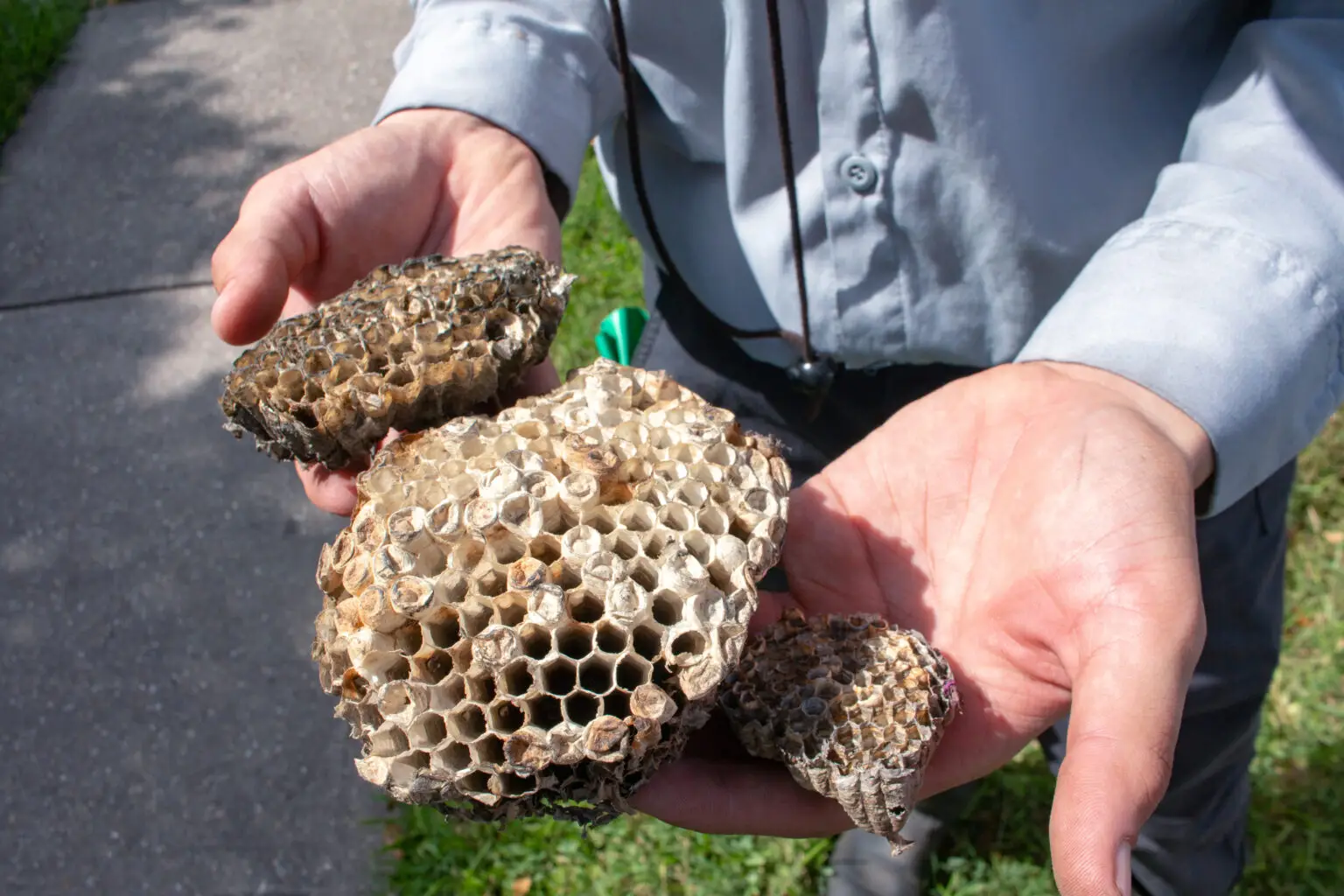
Spotting a wasp or two outside might not seem like a big deal at first, but when nests start appearing on your property or wasps become more aggressive, the risks escalate quickly. Wasps are territorial, fast-moving, and capable of stinging multiple times, traits that make them dangerous when nests are built too close to your home, outdoor seating areas, or children’s play spaces. For homeowners in regions where wasp activity is common, knowing when to contact a professional pest control provider can prevent serious stings and ensure complete, long-term removal. This article breaks down the signs of wasp infestation, what dangers they pose, and the situations that warrant expert wasp control solutions. Signs You’re Dealing with a Nest Occasional wasp sightings during the warmer months are normal, but when activity increases or multiple wasps are seen in a concentrated area, a nest may be nearby. It’s important to know where to look and what to recognize before the situation escalates. If any of these signs appear, there’s likely an established nest either on or near your property. Leaving it undisturbed may seem safer, but nests grow over time and can become significantly harder to remove once the colony matures. The Risks of DIY Wasp Removal It may be tempting to take down a wasp nest with over-the-counter sprays or knock it down with a broom, but this often makes the situation more dangerous. Wasps defend their nests aggressively and can sting repeatedly if threatened. Many homeowners underestimate just how fast a swarm can respond to perceived danger. Even a single sting can lead to intense pain or allergic reactions, and multiple stings may require emergency care, especially for children, pets, or individuals with known allergies. Some nests are also built in difficult-to-access places like wall voids, chimneys, or under siding, making proper removal nearly impossible without special equipment. For those unsure of the nest’s size or wasp type, DIY removal poses too many unpredictable variables. To better understand which species you might be dealing with, this article on different types of wasps breaks down the behaviors and nest habits of the most common ones. When the Nest is Hidden or Wasp Activity Increases There are times when you won’t see the nest, but you’ll see the warning signs. Wasps entering and exiting the same point of the house, such as a gap in siding, roof vents, or brick joints, often indicate a hidden nest. In-wall nests can cause structural damage if left unchecked, as the colony expands and chews through materials. You may also notice increased wasp activity in and around your outdoor spaces. If they begin to hover aggressively near patios, grills, or garbage bins, they may be foraging for food or defending a nearby nest. In some cases, wasps will even establish nests beneath ground cover or mulch, posing unexpected threats to anyone walking nearby. Escalating activity with no visible nest is a common reason to call a professional. Experts have tools to track entry points, locate concealed nests, and remove them without spreading the colony or provoking attacks. For practical removal strategies, this article on expert wasp exterminator tips explains what to expect from safe and successful treatment. How Professionals Handle Wasp Control Safely Certified wasp control technicians are trained to identify wasp species, nesting behaviors, and the safest removal techniques based on the situation. Their approach focuses on full nest removal or neutralization with minimal risk to people, pets, and property. Wasp nests can regenerate quickly if not completely neutralized. Professionals understand the biology of each wasp species and use that knowledge to ensure complete elimination, not just temporary relief. Why Timing Matters More Than You Think The earlier you address a wasp infestation, the safer and easier it is to resolve. During the early spring or summer, nests are smaller and less aggressively defended. Waiting until late summer or early fall, when colonies reach peak size, increases the danger of removal and the likelihood of swarming behavior. Also, wasps often return to the same sites year after year. A history of nests around your home is a strong indicator that preventive treatment is needed, even before activity begins. This proactive step helps avoid repeat infestations and the risks associated with growing colonies. Partnering With Fullscope Pest Control If you’ve had more than one nest in a season or have seen wasps reappear in the same spot, professional treatment is the most effective long-term solution. If you’re noticing signs of wasp activity or suspect a hidden nest, don’t wait for it to become a hazard. Contact Fullscope Pest Control to schedule a safe, expert inspection and wasp control service tailored to your property.
Spring Pest Prevention Guide for Texas Homeowners
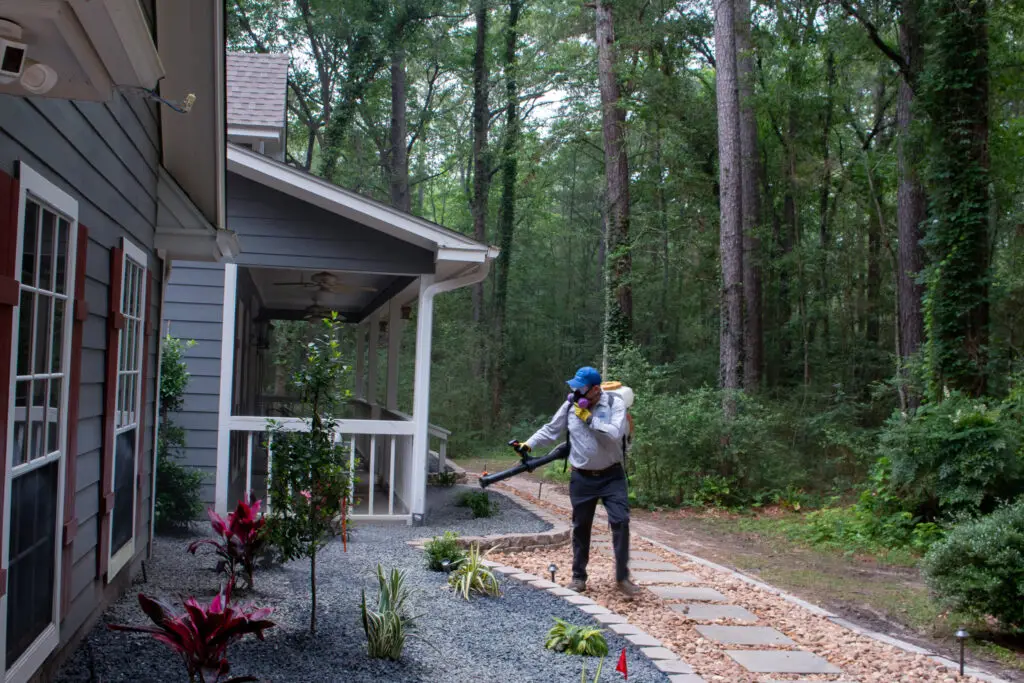
Springtime in Texas is a welcome shift from winter’s cold, but it also marks the beginning of heightened pest activity. As temperatures rise and moisture increases, ants, mosquitoes, termites, and other pests emerge in full force. For homeowners, this means it’s time to start thinking proactively about pest prevention. Without early intervention, spring can quickly turn into a season of infestations that are difficult to control. Texas’s warm and humid climate provides ideal conditions for pest reproduction and migration. Insects are more mobile, rodents become more active, and moisture-loving pests thrive in the aftermath of spring rainstorms. This guide outlines key pest threats in spring and expert-approved ways to help prevent them from becoming a serious problem. Inspect Entry Points and Secure the Perimeter Pest prevention starts with understanding how pests are getting inside in the first place. Most spring pests enter through small cracks, gaps, and poorly sealed access points that develop during colder months. Before peak activity sets in, homeowners should conduct a full inspection of the home’s perimeter and identify areas that need sealing. Small structural issues can lead to big pest problems, especially during spring when insects are most active. Taking time to reinforce your home’s barriers early in the season goes a long way in deterring entry. Manage Yard Conditions to Prevent Nesting and Breeding Your lawn and landscaping can either discourage or encourage pests, depending on how they are maintained. Moisture, clutter, and overgrowth provide ideal nesting grounds for insects and rodents alike. Spring rains in Texas can leave standing water in unexpected places, and this water becomes a breeding zone for mosquitoes and other moisture-dependent pests. If you’ve noticed a rise in mosquito activity, you’re not alone. Understanding why mosquitoes increase after rain can help you target the root cause and eliminate breeding zones in your yard before populations grow out of control. Focus on Kitchen and Pantry Cleanliness Indoors, pests are drawn to easily accessible food and water. Spring often brings ants indoors, especially when heavy rain drives them out of the soil and into homes. Kitchens, pantries, and food prep areas must be tightly managed to avoid attracting foraging insects. In Texas, ants are a particularly persistent spring nuisance. The conditions are ideal for colony expansion, and homes offer both warmth and food. For more information, see this article on why ants thrive in spring and why early control is key to avoiding long-term infestations. Schedule a Professional Inspection Before Problems Start Spring pest prevention is most successful when it’s based on expert assessment. Professionals are trained to identify signs of early infestation that may not be visible to the untrained eye. They also understand the specific seasonal threats in your region and can customize treatment based on weather patterns and property layout. An inspection at the beginning of spring can uncover vulnerabilities such as termite swarms, rodent burrows, or moisture-prone areas that invite cockroaches. Early detection allows for targeted treatments and ongoing monitoring to keep pests at bay as temperatures climb. While many homeowners consider DIY products, they often fail to address the root cause. Professional service offers comprehensive protection that goes beyond surface-level fixes. Monitor and Maintain Pest Prevention Measures Throughout the Season Spring is only the beginning of the pest season. Ongoing maintenance is critical to ensure your prevention efforts last through the warmer months. Pests are persistent and will look for new entry points or food sources as their environment changes. Regular upkeep helps catch small issues before they become costly infestations. Routine attention to these details supports the long-term success of any pest prevention plan. It also allows professionals to adjust strategies as needed and respond quickly to changes in pest behavior.Pests in Texas don’t wait, and neither should you. Spring is one of the most critical times of year to take action against seasonal infestations. By addressing vulnerabilities early, managing outdoor conditions, and relying on expert oversight, you can enjoy a safer and more comfortable home all season long. For professional guidance and reliable protection, contact Fullscope Pest Control to schedule your spring inspection today.