 1500+ reviews

Dealing with Mosquito Infestations in Your Texas Backyard
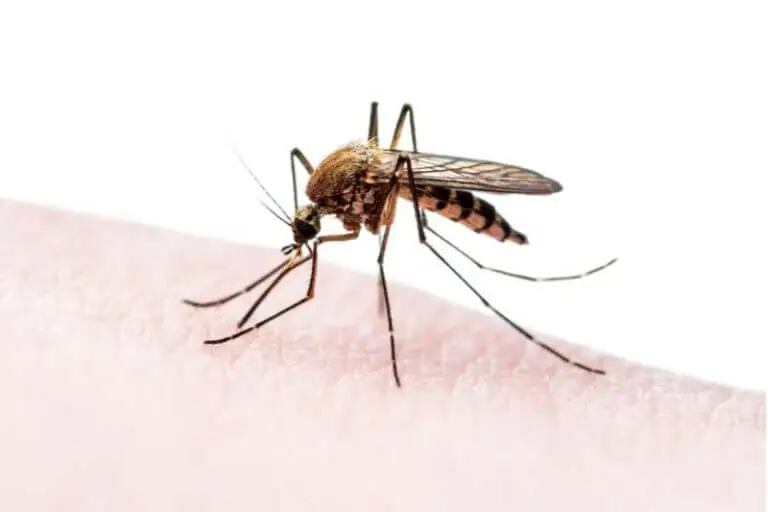
Mosquitoes are more than a warm-weather nuisance in Texas: they’re a persistent, health-threatening presence that thrives in backyard environments. Between the state’s long mosquito season, unpredictable rainfall, and high humidity, it’s no surprise that mosquito infestations are a regular concern for homeowners across Texas. Left unmanaged, these pests can multiply rapidly, making it difficult to enjoy time outdoors and potentially exposing families to serious illnesses like West Nile virus and dengue. Understanding the conditions that allow mosquito populations to thrive is the first step toward developing an effective, long-term approach to control. This article explores practical methods to reduce mosquito activity, prevent breeding, and maintain a safer, more comfortable outdoor space year-round. Understanding Why Mosquitoes Thrive in Texas Yards Texas offers an ideal environment for mosquitoes to flourish. The combination of long summers, frequent rainfall, and high humidity creates perfect conditions for mosquito populations to thrive. These pests rely on warm temperatures and standing water to breed, making backyards across the state a year-round target. One of the most overlooked triggers for a mosquito infestation is rainfall. After even moderate storms, water often collects in gutters, plant containers, or low-lying areas of the yard. This stagnant water provides ideal breeding grounds where mosquito larvae can develop rapidly. As explained in this resource on mosquitoes during the rainy season, rain can significantly accelerate population growth if water isn’t drained quickly and consistently. Additionally, thick vegetation, shaded areas, and cluttered landscapes give mosquitoes plenty of places to rest during the heat of the day. If your yard offers both moisture and cover, it’s likely to become a regular hotspot for mosquito activity. Identify and Eliminate Breeding Grounds Controlling a mosquito infestation begins with minimizing the opportunities mosquitoes have to reproduce. These pests rely on standing water to lay eggs and will use even the smallest puddle as a breeding site. That’s why identifying and eliminating these sources is essential. Here are several common areas where mosquitoes tend to breed: Addressing these areas weekly is a simple yet powerful way to reduce mosquito populations over time. While it doesn’t eliminate adult mosquitoes, it can interrupt their reproductive cycle and significantly reduce future generations. Outdoor Mosquito Control Measures That Work While source reduction is critical, integrated mosquito control goes a step further. A multi-pronged approach often includes repellents, larvicides, and physical barriers to control mosquitoes in all life stages. For consistent success, especially in heavily infested areas, here are the most effective strategies: Keep in mind that even when using multiple solutions, mosquitoes can still persist without consistency and expert guidance. Treatments must be applied correctly and timed appropriately to coincide with peak mosquito activity for optimal results. When DIY Isn’t Enough: Signs You Need Expert Help Although many homeowners attempt mosquito control on their own, certain signs indicate that professional intervention is necessary. A persistent mosquito infestation despite regular efforts usually points to hidden breeding zones or environmental factors that aren’t being addressed. You might consider contacting a professional at FullScope if: Expert FullScope technicians have access to advanced treatment methods and can tailor their strategy to the unique layout and vegetation of your backyard. They also understand the seasonal cycles of mosquito behavior in Texas, allowing for more precise timing of control applications. Building a Long-Term Defense Strategy Sustainable mosquito control isn’t a one-time fix, it’s an ongoing process that must adapt to seasonal changes and environmental conditions. Creating a backyard that’s less appealing to mosquitoes involves a combination of maintenance habits, physical adjustments, and expert-guided treatments. To reduce long-term risk, consider: Even with the best prevention, outdoor mosquito activity can spike due to unavoidable weather shifts. That’s why it’s essential to develop a plan that includes expert insight and is designed specifically for your property’s conditions.If your mosquito infestation keeps returning despite your efforts, it may be time to take the next step. Fullscope Pest Control offers expert guidance and targeted solutions to help you reclaim your outdoor space. Reach out today for a thorough evaluation and a plan that works for your home.
Identifying Venomous Spiders in Texas: What You Need to Know
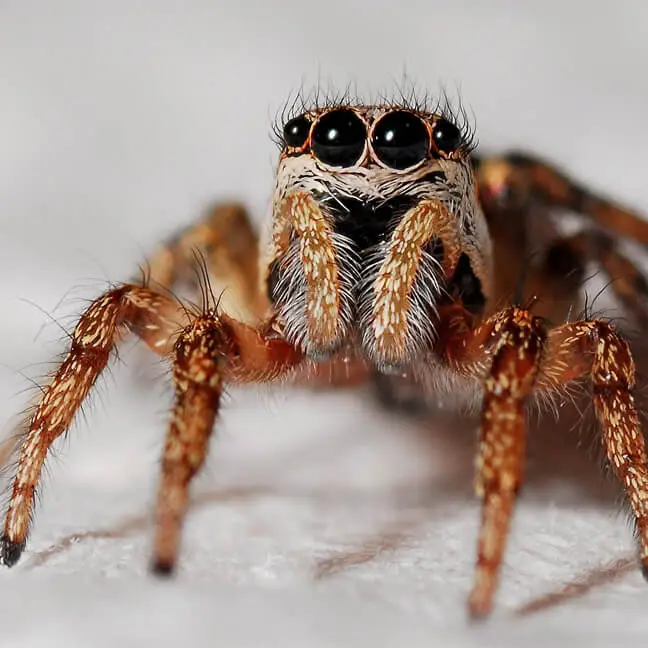
Texas is home to a variety of spider species, most of which are harmless and play a beneficial role in the environment. However, a few venomous spiders can pose risks to people and pets when disturbed or cornered. Misidentifying these arachnids can lead to unnecessary panic, or worse, serious health consequences. As pest control experts serving North Houston communities, including Kingwood, Conroe, and Humble, the team at Fullscope Pest Control frequently addresses spider concerns in residential and commercial settings. Understanding which spiders to watch out for is the first step toward maintaining a safer home. The Difference Between Venomous and Dangerous Before jumping into identification, it’s important to distinguish between “venomous” and “dangerous.” All spiders produce venom, which they use to subdue prey. However, only a few species have venom strong enough to cause medically significant reactions in humans. In Texas, the two most notable venomous spiders are the Black Widow and the Brown Recluse. While bites from these spiders can lead to discomfort or complications, both are naturally shy and avoid human interaction. Most bites occur when they are accidentally provoked. Identifying these spiders accurately can help you avoid unnecessary fear and take the right steps to keep your household safe. The Black Widow Spider: Shiny, Black, and Noticeable The Black Widow is arguably the most well-known venomous spider in the United States. Females are recognized by their shiny black bodies and distinct red hourglass marking on the underside of the abdomen. Key traits: Risks and symptoms: A Black Widow’s bite can cause muscle pain, nausea, and cramping. Although fatalities are extremely rare, children, the elderly, and those with compromised immune systems may be at higher risk for complications. The Brown Recluse Spider: Small, Fast, and Elusive The Brown Recluse is another venomous spider found in Texas, most often in dry, dark, undisturbed areas like attics, closets, or behind furniture. They are light brown and can be identified by a dark, violin-shaped marking on their back. Key traits: Risks and symptoms: Bites may start off painless but can develop into open sores or lesions. Bites may start off painless but can develop into open sores or lesions within days. In some cases, systemic symptoms such as fever or fatigue may occur. Prompt medical attention is recommended if a Brown Recluse bite is suspected. To better understand which spiders are likely to appear near or in your home, take a moment to explore the most common spiders found throughout Texas. Common Myths About Venomous Spiders There are several myths surrounding venomous spiders in Texas that can create confusion and fear. Here are a few worth debunking: Understanding the facts helps reduce panic and allows for more rational decision-making when dealing with a potential encounter. How to Reduce Spider Encounters at Home Preventing encounters with venomous spiders starts with smart home maintenance and environmental control: Regular pest control treatments, especially in the warmer months, can further reduce the insect populations that spiders rely on for food, making your home less attractive to them overall. When to Call a Professional Spotting the occasional spider indoors may not be a cause for alarm. However, if you suspect you’ve seen a venomous species or are experiencing frequent spider activity, it’s time to consult a professional. At Fullscope Pest Control, we provide expert identification and treatment services tailored to the spider species common in Texas. Our trained technicians take a targeted approach that considers your home’s layout, environment, and specific pest activity. For those unsure about the best course of action, these effective extermination methods offer helpful insight into how professionals resolve spider issues thoroughly and safely. We also offer ongoing pest prevention services to reduce attractants like insects and moisture, without the use of unnecessary chemical treatments. This approach is safer, more sustainable, and more effective in the long term. Know the Signs, Trust the Experts Living in Texas means coexisting with a wide range of spider species. Most are harmless and even helpful, but knowing how to identify the few that are venomous is important for your health and peace of mind. When it comes to spider control, prevention and early action are key. If you’re unsure about what’s hiding in your attic, closet, or backyard shed, don’t rely on guesswork. Let a trusted local team handle the inspection, treatment, and follow-up.Contact Fullscope Pest Control today to schedule a spider inspection or learn more about our comprehensive pest control services across the North Houston area.
The Best Time to Treat Lawn Grubs and Prevent Damage
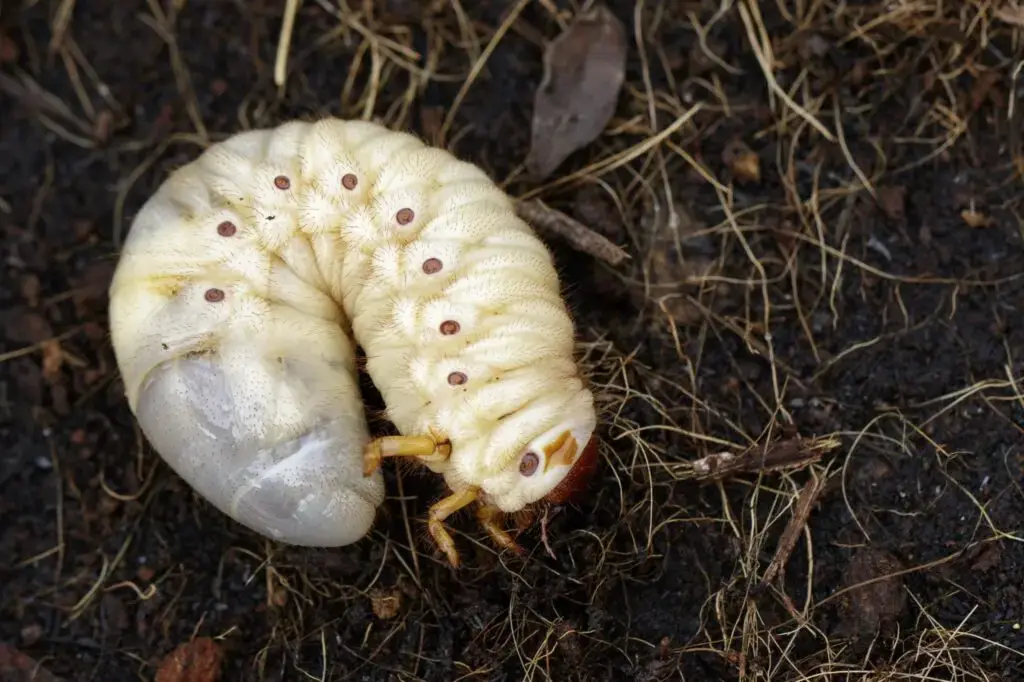
Grubs can turn a thriving lawn into unsightly patches of brown, dying grass. These pests feed on the grass roots, making it hard for your lawn to absorb water and nutrients. If you want to keep your lawn healthy (and avoid getting a call from your HOA about how your lawn is ruining the neighborhood’s aesthetics), you need to know the basics of grub control and how to stop them before they cause real damage. What Are Lawn Grubs? Lawn grubs are beetle larvae. They live just below the surface of your lawn and eat the roots of your grass. This feeding weakens the turf and can lead to thin, brown, or dead areas. Grubs are most active in late summer and early fall, but their life cycle starts much earlier in the year. Grubs are easy to miss at first. You might not notice them until you see large, irregular brown patches in your lawn, at which point, they’ve already done their damage. What’s worse is that sometimes, birds, skunks, or raccoons will dig up your yard looking for these larvae, creating another problem. Signs You Have a Grub Problem Before you treat for grubs, you need to know what to look for. Grub damage often appears as: If you suspect grubs, peel back a small section of turf. If you see more than five to ten grubs per square foot, it’s time to act. Understanding the Grub Life Cycle Knowing the grub life cycle helps you choose the right time for treatment. Most grubs hatch from eggs laid by beetles in early to mid-summer. The larvae feed on roots through late summer and early fall, then burrow deeper as winter approaches. They return to the surface in spring, but by then, they’re larger and harder to control. Why Timing Matters The best time to treat for grubs is when they’re small. This is the time when they live closest to the surface, not deep underground. Treatments work best on young larvae, not on mature grubs that have already caused damage. Applying products too early or too late can reduce their effectiveness. Treating Active Grub Infestations If you notice damage in late summer or fall, you’re likely dealing with mature grubs. At this stage, curative treatments can help, but they may not be as effective as preventative options. These treatments target grubs already feeding on roots. How to Prevent Grub Damage Prevention is more effective than trying to fix a damaged lawn. Here are some lawn care steps you can take to keep grubs from taking over: By sticking to these practices, you give your lawn the best chance to resist grub infestations and recover quickly if problems do occur. How to Spot Grub Damage Early Early detection helps you act before grubs ruin your lawn. Check for these warning signs: If you find grubs, count how many are in a square foot. More than five to ten means you should treat the area. Steps to Take If You Find Grubs If you confirm a grub problem, act quickly: What Happens If You Don’t Treat Grubs? Ignoring grubs can lead to bigger problems. As they eat the roots, your lawn weakens and becomes more vulnerable to drought, disease, and weeds. Severe infestations can kill large sections of grass, leaving bare spots that are hard to repair. Restoring a Lawn Damaged by Grubs If grubs have already damaged your lawn, you can help it recover: Recovery takes time, but with consistent care, your lawn can bounce back and look even better than ever. Final Thoughts Grubs can cause serious damage to your lawn, but you can control them with the right timing and care. Preventative treatments in early to mid-summer work best against grubs. Keep your lawn healthy with regular mowing, aeration, and proper watering, and you shouldn’t worry so much about grubs as you would if you neglected its health. But ff you spot signs of grubs, act quickly to limit the damage and help your lawn recover. You can also work with pest control professionals that offer lawn care services to help keep your lawn in tip-top shape.
Do Mosquito Misting Systems Really Work for Home Protection
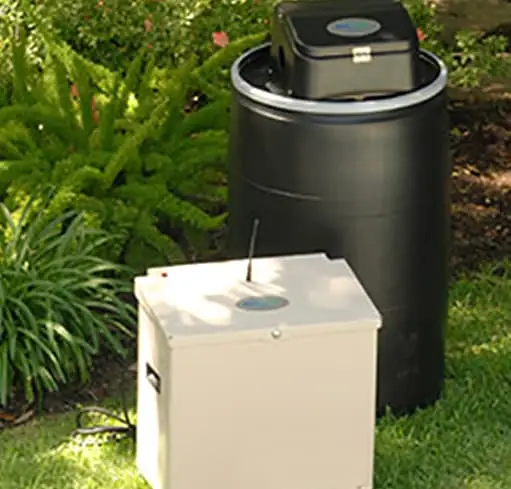
Mosquitoes are more than just a backyard annoyance. Their bites are itchy, uncomfortable, and in some cases, a serious health risk due to the diseases they may carry. For homeowners looking for a long-lasting and low-maintenance way to protect their space, mosquito misting systems have become an increasingly popular option. But do they actually work? The answer is yes—when properly installed and maintained, these systems offer a highly effective solution for home mosquito control, allowing you to enjoy your outdoor spaces without constantly reaching for repellents or citronella candles. Here’s what you need to know about how they work and why so many homeowners are making the switch. What Is a Mosquito Misting System? To get rid of mosquitoes in a certain region, automated devices known as mosquito misting systems discharge a thin mist of pesticide at predetermined intervals. These systems consist of a reservoir tank, tubing, and multiple misting nozzles that are strategically placed around your yard—often along fences, trees, patios, or near landscaping. When the system activates, usually two to three times per day, it sprays a controlled amount of insecticide to kill mosquitoes on contact and help deter new ones from entering the area. Most systems also come with remote control access, so you can mist manually if needed before a backyard barbecue or pool party. What’s in the Mist? The mist usually contains pyrethrins or pyrethroids—chemicals derived from chrysanthemum flowers or their synthetic versions. These ingredients are fast-acting and highly effective against flying insects like mosquitoes. Many formulas are safe for people and pets when used as directed, making them a smart option for home mosquito control in family-friendly environments. How Effective Are Mosquito Misting Systems? One of the main reasons homeowners invest in mosquito misting systems is because they provide consistent, automated coverage. Instead of relying on temporary measures like sprays or torches, a misting system works daily to keep mosquito populations under control. When installed by professionals, these systems are set up to target the areas where mosquitoes breed and rest, such as shaded corners, tall grasses, and shrubs. This targeted approach increases effectiveness and reduces the likelihood of bites, even during peak mosquito season. Better Than DIY Methods While sprays and traps can be useful for quick fixes, they often require frequent reapplication or maintenance—and results can be hit or miss. In contrast, mosquito misting systems offer a long-term solution with minimal effort from the homeowner. Once installed, they operate quietly and efficiently in the background, helping you reclaim your yard. Benefits of a Mosquito Misting System Automated, Worry-Free Protection Automation is one of the main benefits of a misting system. The system handles the misting schedule for you, so there’s no need to remember to spray before heading outside. This makes it ideal for busy families who want mosquito protection without constantly thinking about it. Enjoy Your Yard Again If you’ve been avoiding your yard during dusk or early morning hours because of mosquitoes, a home mosquito control system can make a huge difference. Imagine being able to eat meals outside, garden, or just relax on your patio without having to deal with the biting and buzzing all the time. Mosquito misting systems allow you to get back to enjoying your property the way you should. Added Health Protection Beyond comfort, reducing mosquito populations also helps lower the risk of mosquito-borne illnesses like West Nile virus, dengue, and Zika. By making your family and pets’ surroundings safer, these devices provide peace of mind. Where Mosquito Misting Works Best These systems work particularly well in warm and humid climates where mosquitoes thrive. They’re ideal for residential yards, especially those with outdoor kitchens, gardens, pools, or shaded areas. Larger properties or homes near water sources see even more benefit due to the increased mosquito activity in those environments. Commercial properties with outdoor seating, such as restaurants or event venues, also use misting systems to create a more enjoyable experience for their customers. Professional Installation Makes a Difference While DIY misting kits are available, having your system professionally installed ensures maximum coverage and performance. Pest control technicians know where to place the nozzles and how to program the system for your specific environment. Routine maintenance, such as checking the tubing and refilling the insecticide tank, also keeps the system running smoothly and effectively for long-term home mosquito control. Win the War Against Mosquitoes With Smart Outdoor Protection So, do mosquito misting systems really work for home protection? Absolutely. These systems offer reliable, low-maintenance, and highly effective mosquito control that helps homeowners enjoy their outdoor spaces again. With consistent misting schedules, targeted application, and automatic operation, they far outperform most store-bought repellents or temporary solutions. If mosquitoes are keeping you indoors, a mosquito misting system could be the long-term solution you’ve been searching for. Ready to take back your backyard? Consider investing in a home mosquito control system and experience the difference for yourself.Fullscope Pest Control can help you regain control over your outside area! Our professional mosquito misting systems provide powerful, long-lasting home mosquito control so you can enjoy your yard without worry. Contact us today to schedule a consultation and discover why homeowners trust Fullscope for effective, automated mosquito protection that really works.
How to Get Rid of Termites and Protect Your Home
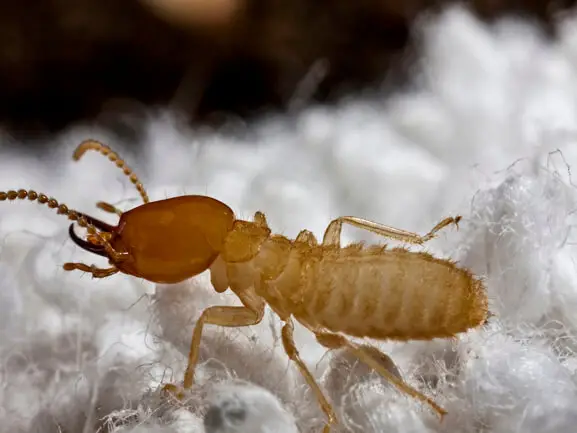
Termites are imperceptible bugs that, if untreated, may wreak havoc on your house. Termites, often known as “silent destroyers,” gradually weaken your home’s framework as they devour wood and other cellulose-based components. This blog article will go over efficient termite treatment and preventative ways to rid your house of termites. Understanding Termites and Their Impact What Are Termites? Termites are a kind of social insect that preys on organic matter such as wood, paper, and plants. They number anything from a few thousand to several million individuals in their massive colonies. Although termites are necessary for the environment because they break down decaying wood, they may do a lot of damage to your home if they manage to get inside. Signs of Termite Infestation Early termite detection might help you save a significant amount of money on repairs. Some of the most obvious signs of a termite infestation are: Preventive Measures to Protect Your Home Moisture Control One of the best ways to keep termites away from your house is to reduce the amount of moisture in the surrounding area, since these pests love damp conditions. Maintain low relative humidity, repair any leaks, and check drainage. Installing a dehumidifier in wet locations, such as crawl spaces and basements, is another way to reduce moisture and repel termites. Wood and Paper Storage Keep termite-attracting materials such as firewood, timber, and cardboard boxes away from the foundation of your house. To keep termites at bay, stack wood high if you must keep it close to your house. Sealing Entry Points There are many entry points for termites into a property, including the foundation, windows, and doors. Inspect your property often and use caulk or foam to seal any cracks you see. Keep an eye out for potential access spots, such as spaces around pipes, electrical outlets, and vents. Proper Ventilation To prevent water damage to your property, make sure that crawl spaces, basements, and attics have enough ventilation. By enhancing ventilation, we can decrease moisture levels and make our surroundings less appealing to termites. Install fans or vents where they are required to increase airflow. Effective Treatment Options for Termite Infestations Professional Termite Control Services If you see any signs of termites, it is crucial to contact a pest control firm without delay. In order to get rid of termites and stop them from doing additional damage, a qualified professional may assess the area and advise you on the best course of treatment, which may include fumigation, baiting systems, or liquid termiticides. DIY Treatment Methods For minor infestations, homeowners may try DIY methods like: While they may alleviate some of the symptoms, they won’t solve the underlying problem and won’t be as effective as expert treatments. Chemical Treatments A typical method of constructing a barrier around your property is to employ a chemical solution, such as liquid termiticides. Contact with these substances kills termites or at least makes them flee. Since these treatments call for certain tools and knowledge, it’s wise to have experts handle their application. Long-Term Strategies for Termite Prevention Regular Inspections Being proactive is always the way to go. Make an appointment with a pest control professional for regular inspections to ensure that your house is clear of termites. If you examine your home once a year or twice a year, you may find termites early on and stop them before they do any serious harm. Landscaping Tips Around your house, make sure there’s enough space between the ground and any wooden constructions. Decks, fences, and other outside constructions should be constructed with termite-resistant materials. To lessen the likelihood of termites discovering an access site, prune trees and bushes so that they do not touch the home directly. Structural Maintenance Make sure the foundation is solid and fix any broken wood around the house. If vermin or decay have eaten away at the wood, it must be replaced. Treating wood before building or renovating also makes it more resistant to termites. Fight Back Against Termites and Keep Your Home Safe! Although termites are capable of wreaking havoc on homes, they are preventable with the correct strategy. Termite treatment alternatives, such as professional pest control services or do-it-yourself solutions, may help lower the likelihood of an infestation, but termite preventative measures like moisture management, appropriate storage, and sealing access sites are still important. To further protect your house from these harmful pests, it is advisable to have regular inspections and to maintain your property properly. Do not delay in taking action to prevent expensive damage to your house if you suspect a termite infestation. Get in touch with Fullscope Pest Control immediately if you are worried about pests like termites invading your property. We provide comprehensive termite examinations, efficient treatments, and ways to avoid termites in the future. Our dependable services will keep your house safe. Maintain a pest-free home by calling now for a complimentary consultation!
Why You Need Professional Rodent Control Before It Gets Worse

Rodents don’t wait. They move fast, hide well, and multiply quickly. One day, you see a few droppings, and the next, you’re dealing with chewed wires, ruined insulation, and a smell you can’t get rid of. Acting early with help from a rat exterminator prevents the damage that they could potentially do from spreading. Here’s why waiting only makes things worse and what real solutions look like. Rodents: More Than a Nuisance Rodents aren’t just annoying. They’re destructive and risky. Mice and rats chew through almost anything, including wires, walls, pipes, and even furniture. They have an incessant need to gnaw and chew because their teeth are always growing, which can lead to: But that’s not all. Rodents carry bacteria and diseases. Your family or customers are always at risk whenever rodents are present because their droppings and urine can contaminate floors, food preparation surfaces, and even the food you eat. How Rodents Get Inside Rodents are small and flexible. They can contort their bodies enough to squeeze through a hole as small as a size of a dime. Meanwhile, rats are just as flexible. They only need a gap as big as a quarter. Most people don’t realize how many entry points a home or business has. Common rodent entry points include: A professional inspection finds these weak spots. Experts know where to look, even in places you’d never think to check. The Real Cost of Waiting Ignoring rodent infestations and hoping they go away on their own never works. Here’s what can happen if you wait: Early action saves money and stress. Professionals can stop the problem before it gets out of hand. What Professional Rodent Control Looks Like 1. Inspection and Assessment Experts start with a thorough inspection. They look for signs of rodents, such as droppings, gnaw marks, nests, and tracks. They also identify entry points and assess how severe the infestation is. 2. Exclusion and Proofing Sealing up entry points is critical. Technicians use durable materials to close gaps, cracks, and holes. This keeps new rodents from getting in. They focus on: 3. Trapping and Removal Professionals set up traps in strategic locations. They use methods that are safe for people and pets. Once rodents are caught, they’re removed quickly to prevent further contamination. 4. Monitoring and Follow-Up After removal, experts monitor the property. They may use bait stations or tracking tools to make sure no rodents return. Follow-up visits help keep your space rodent-free. 5. Cleaning and Sanitizing Rodents leave behind waste and bacteria. Professional cleaning removes droppings, urine, and nesting materials. This step reduces odors and health risks. Why DIY Fails It’s tempting to try traps or bait from the store and we can’t blame you for trying to see if you can eliminate rodents at home yourself. But these solutions rarely work for long. Here’s why: Professionals use proven methods. They know how to outsmart rodents, as well as other pests, and keep them out for good. Signs You Need Professional Help Not sure if you have a rodent problem? Watch for these signs: If you notice any of these, it’s time to call an expert. Preventing Future Problems Once rodents are gone, you want to keep it that way. Here’s what you can do to save yourself from rodent trouble in the future: Professionals can give you more tips based on your property’s layout. The Bottom Line Rodents don’t just go away. They hide, breed, and cause damage you might not see until it’s too late. Professional rodent control stops the problem at the source. Pest experts find and seal entry points, remove rodents, clean up waste, and help you prevent future issues. Fast action protects your property, saves money, and keeps everyone inside your home safe.
Why Spring Is the Worst Season for Ants (And How to Stop Them)
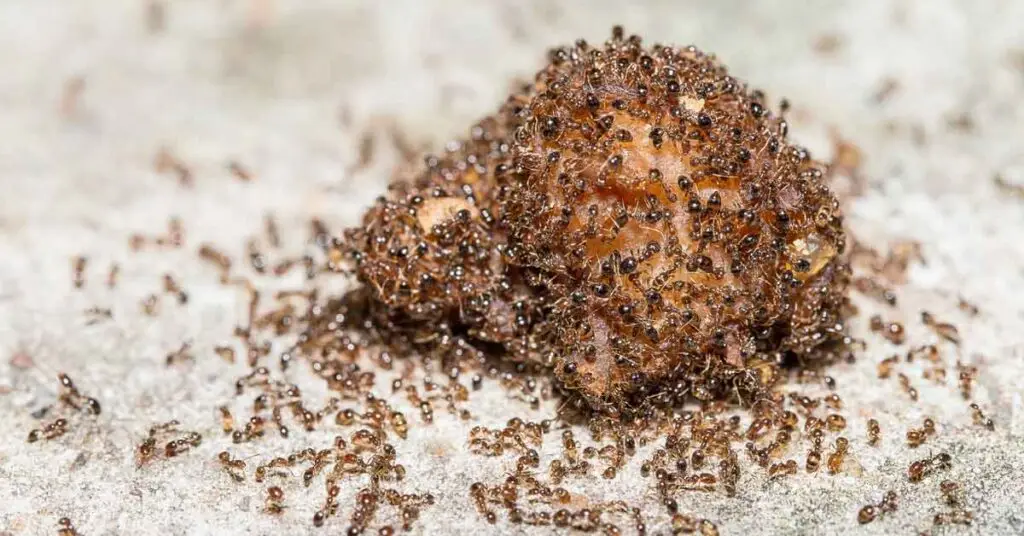
Warmer weather, longer days, and flowering plants are all signs of spring. Ant infestation season also begins at this time, which is a major bummer. Invasion of houses and yards is common in the spring when ant activity increases as the ants seek food, water, and shelter. An increase in ant activity near your home is a common occurrence. Understanding why ants in spring are so prevalent and learning how to prevent an ant infestation can help you keep your home pest-free. Grace Landing’s best pest control service is just a call away! FullScope Pest Control ensures a pest-free environment for your home. The Science Behind Spring Ant Activity Ants’ Dormancy and Awakening Cycle Many ant species go into hibernation or drastically cut down on activity when the weather becomes chilly. Their activity level rises in response to the return of spring, when temperatures rise and sunshine intensifies. Ants start looking for food and building new colonies as soon as they wake up. Environmental Factors Influencing Ant Behavior Ant infestation is also greatly influenced by spring rains and humidity. Ants will take cover in higher, drier places, such as within dwellings, when it rains too much to access their subterranean nests. The plethora of outside food supplies also encourages ant colony expansion, which in turn increases the likelihood that ants will find their way inside. Common Ant Species Invading Homes in Spring Carpenter Ants It is well-known that carpenter ants can wreak havoc on timber buildings. In order to construct their nests, they bore holes in wood, which weakens your house. Their hunt for damp wood to infest peaks in the spring, when they are most active. Odorous House Ants These ants are called “odorous house ants” because of the strong odor they exude when crushed. They feed on sweet foods and may swiftly make their way to kitchen areas. They tend to congregate in damp, shaded areas throughout the spring. Pavement Ants While they typically make their homes beneath pavement, pavement ants may go inside in quest of food. They may try to make their way into your house if the spring rains wash away their exterior nests. Factors Attracting Ants to Your Home Availability of Food Sources Ants will follow any scent that could lead to food, and they particularly seek for sweet and oily things. Ants love to swarm in the springtime for a variety of reasons, including food scraps on worktops, open food containers, and misplaced pet food. Keeping surfaces clean and food sealed might lessen the chances of an ant invasion. Presence of Moisture and Water Ants thrive in damp, leaky places, where water pools, and in places where there is a lot of condensation. Ants may take refuge inside during spring rains, when moisture concerns are already at an extreme. Easy Access Points and Shelter Ants may easily get into a home via crevices in the structure, such as inadequately sealed foundations, small holes in walls, and spaces around doors and windows. It will be more difficult for ants to enter if you close up these openings. Effective Strategies to Prevent Spring Ant Infestations Maintaining Cleanliness and Proper Food Storage If you want to keep ants at bay, you must maintain a clean kitchen and pantry. To keep pests at bay, sweep the floor often, wipe down counters, and put perishable foods in sealed containers. Eliminating Moisture and Fixing Leaks Find any leaks in your house and fix them right away. To lessen the amount of moisture in places that are already wet, use dehumidifiers and check that drainage systems are in good working order. Sealing Entry Points and Home Maintenance If you want to find and fix any cracks or holes in your property, you should check the outside and inside on a regular basis. Put weatherstripping on windows and doors and seal any cracks that ants may use to get in. Utilizing Natural Deterrents You may get rid of ants without using dangerous chemicals by using vinegar sprays and essential oils like peppermint and citrus. To prevent ant infestations, set up these deterrents around the kitchen and near any potential access sites. When to Seek Professional Pest Control Assistance Identifying Signs of Severe Infestations It could be necessary to call in the pros if you see ant trails that won’t go away, a plethora of ants inside your property, or evidence of structural damage caused by carpenter ants. Expert exterminators can identify the species of ant and provide solutions for their control. Benefits of Professional Extermination Services Expert exterminators have the knowledge and tools to eliminate ant populations. Their all-inclusive treatments may take care of current infestations as well as prevent them in the future. Springtime Shouldn’t Mean War with Ants—Here’s How to Keep Them Out! Ant infestation issues tend to peak in the spring, despite the fact that spring is a lovely season overall. You can make a big difference in preventing ant infestations in the spring by being proactive about cleaning, controlling moisture, and maintaining your property. When all other methods of insect prevention have been exhausted, it may be time to call in the experts at a pest control company. Get Fullscope Pest Control to keep ants out of your house this spring! In the spring, our professional crew will exterminate ant infestations and ensure they don’t return by using tried-and-true procedures. Get in touch with Fullscope Pest Control right now for dependable, efficient, and expert ant control services. Arrive home to a pest-free sanctuary!
How Pests Can Damage Inventory and Equipment in Warehouses

Warehouses and other commercial facilities face various operational and financial losses when pests harm the quality of stocks and equipment. The types of pests range from rodents and insects to birds and even includes wildlife in severe cases, which makes any storage solution vulnerable to their invasive behavior. They attack packages while biting electrical cords, threatening product integrity while creating electrical hazards. Their presence also makes goods unusable and decreases stock availability. Pests damage buildings through their destruction of insulation and wood, hence forcing owners to invest in repairs. The extent of pest-caused losses needs clear evaluation by warehouse proprietors to establish protective measures against additional damage to property and legal complications before reaching optimal operational performance. Identification Of Some Of The Most Frequent Pests Affecting the Inventory Stocks Rodents Each business relies heavily on inventory, yet pests create major problems that trigger extensive destruction across the stored items. Rodents stand out as the regular pest population that continuously exists in various property types. Mice and rats devour everything accessible in their range and destroy power lines with their destructive habits. The business quality suffers as well as the health risks faced by team members, not to mention the fire hazards that emerge from such conditions. Beetles, Cockroaches, and Other Insects Textile fabrics are a preferred food source for beetles and moths along with grain pests, which makes these insects dangerous to every item stored for food consumption. Facilities that contain cockroaches face adverse health dangers since these pests spread bacterial infection and are incredibly resilient, outsmarting the survival instincts of other insects. Birds and Other Wildlife Bird entry creates inventory loss, pipe blockages, and the spread of infectious diseases through their waste. Other common wildlife that rummage through warehouse items and equipment include raccoons, squirrels, snakes, and other small animals. Businesses must identify and utilize efficient pest management practices to prevent pests from entering inventory because they could spoil the product. Through expert pest control measures, businesses secure their stock against harm while cutting down potential financial losses and protecting their workforce and customers from pest-based risks. Recognizing Signs of Pest Infestation in Storage Areas There are multiple ways to identify pest infestations. It is so important for warehouse management to closely observe these signs and prevent pest infection. Fecal Matter Rodent droppings or stains from the urine of pests are signs of infestations brewing around the area. Shredded Packaging Damaged packaging in the form of tears and gnaws indicates that rodents or insects are consuming the products. Cobwebs and Nesting Substances Any material that looks like a cobweb, silken thread, or nest, which is usually formed by spiders or insects, respectively. Bitten Products Food that has signs such as gnaw marks, holes, or any other signs of pests in and on them. Tracks and Rub Marks t is evident through the presence of footprints or rubbing marks on the walls through which the movement of the rodents can easily be traced. Molds and Odor Stench or foul smell in a house is a major sign that the house has pests or mold or is experiencing water damage. Pest Sightings Actual physical identification of the pests, whether they are insects, rodents, or birds, is evidence of the infestation. Why Warehouses Have Become Pests’ Preferred Haunt The widespread invasion of warehouses by pests presents multiple reasons for this escalating trend. Structural aspects of warehouse architecture, along with design elements, make locations favorable for pest survival. Areas inside warehouses that receive little sunlight, alongside many dark places, create ideal conditions for pests to find new homes. Several different commodities within warehouses frequently contain food, which draws rodents and insects that feed on the products. The operational characteristics of warehouses prove essential in the overall pest management strategy. Pests find opportunities to hide among ongoing freight shipments because of warehouse product movements. Business properties commonly attract pests through entry points like poorly sealed doors and cracks, as well as loose areas around loading docks. The utilization of boxes composed of wood and cardboard as product storage components creates conditions for cockroaches and rodents to multiply due to their suitability as pest habitats. Pest access to structures is amplified by warehousing facilities being placed in densely populated areas located near urban centers. Proper pest management strategies are necessary because the multiple conditions created within warehouses continually attract pest infestations. Why Pest Control Is Important For Industrial Settings Professional pest control services provide crucial protection of warehouse stocks through effective measures. The implementation of professional pest control lowers the extent to which pests affect goods, thus maintaining their value until they reach markets. The combination of property security and improved reputation effectively strengthens confidence in the facility between staff members and all patrons. Warehouses require regular pest management operations, which prevent them from becoming the safest spots in society. For robust pest solutions, contact our team of experts at Fullscope Pest Control today.
Why You Have More Mosquitoes After It Rains
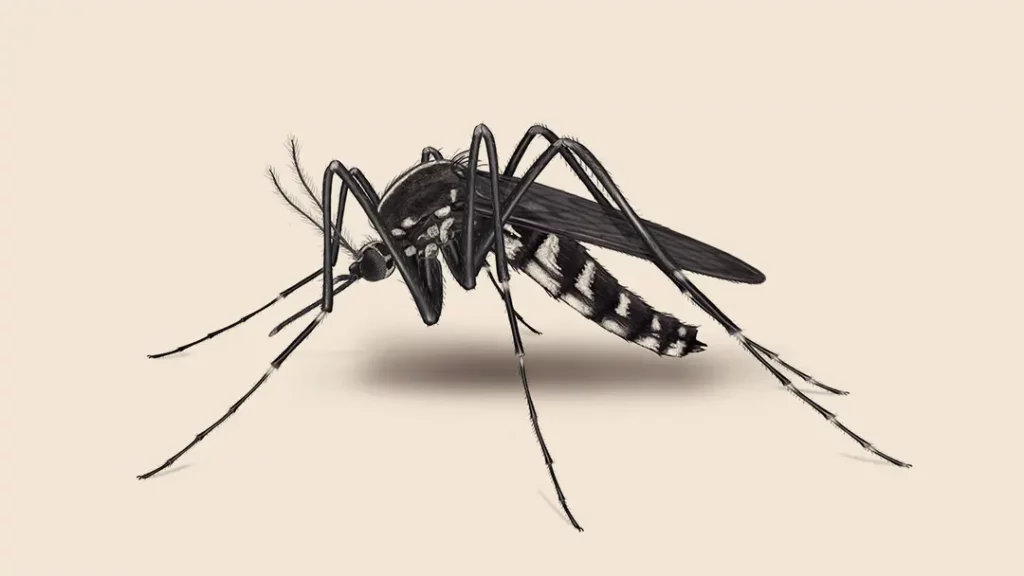
Have you ever pondered the mystery of the mosquito cloud that appears after a heavy rain? Don’t worry; what you’re seeing is real. Rain creates a favorable condition for mosquito reproduction, and therefore, their populations surge. By knowing what triggers them to reproduce after rainfall, you can prepare and avoid them from causing an infestation. This article will outline the major factors causing this and how to manage them with professional mosquito control methods. Top Reasons Why Mosquitoes Increase After Rain 1. Standing Water Turns into a Breeding Ground Mosquitoes lay eggs in stagnant water, and there is an ample supply following a downpour. Puddles, clogged gutters, flowerpots, bird baths, and low areas in the yard collect rainwater and provide ideal breeding grounds. Mosquito eggs hatch into larvae, which grow into adults in just a few days. 2. Increased Humidity Favors Mosquito Activity Humidity helps the growth of mosquitoes, and rain increases it naturally. The high moisture content in the air will, therefore, allow mosquitoes to linger for longer periods of time and be more active than usual. And that is why you may find that right after a rain, they seem to actually be biting you more. 3. More Vegetation and Shade Provide Shelter The rain enhances plant life, thus providing a very dense cover in your yard. Overgrown grass, bushes, and shrubs provide mosquitoes with the shade they require, protecting them from predators. Even better, these wet and shady locales allow moisture into the air, making it an even more attractive hiding-and-breeding environment for mosquitoes. 4. Warmer, Damp Conditions Speed Up Mosquito Life Cycle Mosquitoes will reproduce faster in warm and moist conditions, which will be more common after a storm. Warmth and standing water encourage a faster mosquito life cycle, with eggs hatching and maturing to biting adults faster than usual. This faster growth leads to a rapid increase in mosquito populations. How to Reduce Mosquitoes After Rain Here are some practical prevention tips: Best Mosquito Control Methods for Rainy Seasons Prevention is always preferable, but professional mosquito control can be a lifesaver, especially in rainfall seasons. Here are a few effective strategies: Conclusion Mosquitoes reproduce quickly after rainfall thanks to standing water, moisture, and heat. They can be difficult to control despite yard maintenance. Long-term protection is best achieved with professional mosquito control. FullScope Pest Control delivers expert mosquito treatments to eradicate infestations and destroy breeding sites, leaving your yard and house mosquito-free. Don’t be overwhelmed with mosquitoes after rainfall—contact FullScope Pest Control today for effective and trustworthy mosquito control services!
The Most Common Spiders in Texas and How to Get Rid of Them
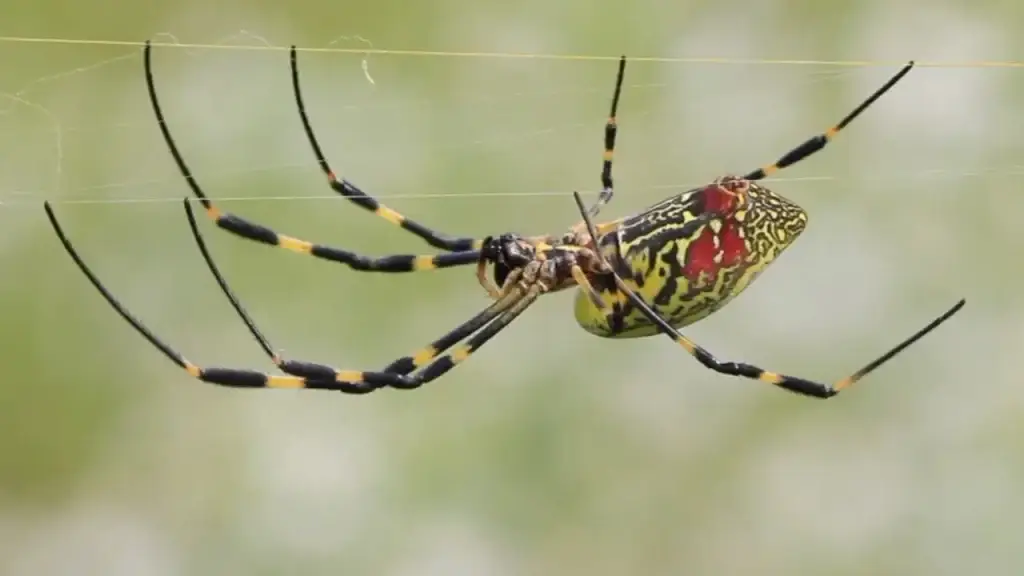
Several spider species call Texas home, including both harmless spiders and spiders that can be dangerous to humans. Learning about spiders in your area and ways to keep them out is key to ensuring a comfortable, secure home. If you have an ongoing spider problem, spider control in Texas is key to providing an insect-free home. Most Common Spiders Found in Texas Black Widow Spiders The black widow is among the most venomous spiders in Texas. It has an hourglass red spot on an otherwise shiny black body. Black widow spiders live in dark areas, including garages and stacks of wood, and attack in defense. Their venom contains neurotoxins, causing intense pain, cramping, and nausea. Although rarely fatal, bites require medical attention immediately, especially for vulnerable individuals. Brown Recluse Spiders Small, light to dark brown, brown recluse spiders possess three sets of eyes and an hourglass spot on their backs. Their habitat is in basements, attics, and closets where these spiders bite in response to provocation to inflict necrotic ulcers. Professional spider control in Texas can effectively manage their presence. Wolf Spiders These large, hairy spiders move quickly and hunt on the ground. Unlike spiders that have webs to entrap prey, these spiders chase down prey. Wolf spiders can be commonly found outdoors in gardens, rocks, or foundations but can periodically venture inside. Their bite is not dangerous to humans, yet swelling can occur. Though helpful in controlling insect populations, most homeowners wouldn’t welcome these spiders inside. Southern House Spiders The Southern House Spiders (Kukulcania hibernalis) live in and around homes in Texas. They have brown coloring, just like brown recluses, but they are not hazardous to humans. The spiders construct webs in undisturbed locations like basements or attics, including corners and ceilings. Consistent cleaning and web removal may help keep them out of your house. Effective Strategies to Keep Spiders Away When to Call Professional Pest Control in Texas Professional spider control in Texas is needed when spiders continue to return despite preventive measures or when dangerous varieties are regularly present. Experts may evaluate your house, administer safe treatments, and implement long-term plans. The pest management service can guarantee extended protection if you have egg sacs, numerous webs, or repeated infestations. Conclusion Knowing which spiders most commonly live in Texas and taking proven preventive measures can keep your home safe. Brown recluses and black widows, both hazardous spiders, require greater caution. If spiders remain an ongoing problem, call FullScope Pest Control. Our professional spider control service in Texas is individualized to your home and guaranteed to be safe and effective. For a complete assessment and long-lasting protection, get in touch now.