 1500+ reviews

Tired of Surface-Level Pest Control? Here’s How to Find Companies That Solve the Root Problem
Introduction: Stop Fighting the Symptoms—Fix the Source You’ve paid for pest control, but the bugs keep coming back. Sound familiar? That’s because most pest control companies focus only on eliminating visible infestations—not on identifying how or why pests are getting in. If you’re in Conroe, TX and wondering which pest control companies actually perform root cause analysis, you’re on the right path. In this article, we’ll break down what true preventative pest control looks like, why it matters, and which providers—including FullScope Pest Control—go beyond surface-level fixes. Quick Answer: What Is Root Cause Analysis in Pest Control? Root cause analysis in pest control involves identifying and addressing the conditions that allow pests to enter, thrive, and reproduce inside or around your home or business. This can include: By fixing these underlying issues, you eliminate the conditions that allow pests to return. Why Traditional Pest Control Falls Short Most basic pest control services follow a cycle of: While this reactive approach can provide short-term relief, it rarely eliminates the source of the problem. This can lead to repeated infestations, wasted money, and growing health risks. Common Issues with Spot-Treatment Services: That’s where root cause-based services stand out. What to Look for in Companies That Do Root Cause Analysis When evaluating pest control Conroe TX root cause analysis providers, look for companies that offer: 1. Comprehensive Property Inspections A thorough inspection should include both interior and exterior evaluations, searching for: 2. Integrated Pest Management (IPM) Rather than relying solely on chemicals, IPM combines: This strategy is ideal for homes and commercial environments like restaurants in Conroe, TX. 3. Detailed Reporting and Action Plans A company that performs root cause analysis will provide: Top Companies That Go Beyond the Spray 1. FullScope Pest Control – Conroe, TX FullScope Pest Control stands out as one of the first local companies to prioritize root cause analysis and eco-friendly prevention. What Sets Them Apart: Whether it’s a rodent problem in your attic or an ant trail in your kitchen, FullScope starts with a detailed inspection and follows up with actionable steps to keep pests out for good. 2. Green Earth Exterminators This company specializes in natural pest control and IPM services. They work with both residential and commercial clients, especially those looking to avoid synthetic pesticides. 3. Eagle Eye Pest Control Known for thorough inspections and strong reporting systems, Eagle Eye offers both one-time and subscription-based services that focus on sealing entry points and sanitation strategies. Integrated Pest Management in Restaurants and Commercial Facilities If you manage a restaurant or retail space, root cause analysis is essential. Not only does it protect your brand, but it also helps avoid health code violations. IPM in Practice for Commercial Spaces: In Conroe, FullScope Pest Control has earned trust for their tailored IPM programs for restaurants, warehouses, and offices. Choosing the Right Partner: Key Questions to Ask When hiring a pest control company, ask: Final Takeaway: Don’t Just Kill Pests—Keep Them Out Choosing the right pest control provider is about more than extermination—it’s about prevention. With options like FullScope Pest Control leading the way in pest control Conroe TX root cause analysis, you can feel confident that your home or business will stay protected long-term. Action Steps: Helpful Resources:
How Landscaping Choices Can Influence Pest Activity Around Your Home

Your landscaping does more than enhance curb appeal; it can either discourage or attract pests, often in ways homeowners don’t realize. Moisture, shelter, and food sources found in common landscaping elements can unintentionally encourage pest activity near your home. Understanding which features contribute to infestations and how to modify them helps reduce the likelihood of pests like ants, termites, mosquitoes, rodents, and more establishing themselves on your property. Moisture Retention and Drainage Problems Excessive moisture around your home’s perimeter is one of the primary reasons for increased pest activity. Many pests thrive in damp environments, and certain landscaping elements, if poorly maintained, can trap water in soil or near foundations. Mulch beds, for instance, are a common culprit. While aesthetically pleasing and good for plants, mulch holds moisture and provides an ideal hiding spot for ants, termites, and other insects. Overwatering garden beds or failing to grade soil properly can lead to pooling water, which attracts mosquitoes and other moisture-loving pests. Ensure proper drainage around your property by: Adjusting your irrigation and landscape materials can drastically reduce conditions that attract pests and contribute to hidden infestations. Plant Selection and Placement The types of plants and where you place them can directly affect pest populations. Dense vegetation near your home’s walls offers convenient cover for pests seeking entry points. Additionally, some plants are more likely than others to harbor insects due to their structure or water retention. Vegetation that grows in compact clusters or holds moisture (like ivy or groundcover vines) tends to shelter a variety of insects and rodents. Planning your garden with spacing and airflow in mind creates a less attractive environment for pests. Hardscaping and Pest Harborages Hardscaping elements like patios, retaining walls, and decorative rocks are common in modern landscaping, but these features can also offer shelter to pests if installed or maintained improperly. To reduce pest risks, seal gaps in stonework, ensure proper installation of barriers, and regularly inspect wooden structures for early signs of wear or pest damage. Strategic hardscaping choices can help deter pest movement across your property. Yard Maintenance Practices That Matter Routine maintenance plays a huge role in managing outdoor pest activity. A tidy yard is not just for aesthetics; it removes hiding spots and breaks the pest lifecycle. Key maintenance steps include: These sanitation practices directly impact pest populations. As discussed in this guide to the role of sanitation, maintaining a clean, well-organized yard can significantly lower the risk of outdoor pests migrating indoors. Seasonal Adjustments and Climate-Smart Strategies Texas weather brings fluctuating pest pressures, especially during warmer months when many insects become more active. Landscaping choices that may be fine in cooler seasons can become problematic once summer arrives. Summer heat and humidity often trigger increased nesting behaviors in pests like mosquitoes, ants, and termites. To stay ahead of these seasonal surges, consider: For more insights, check out these essential summer pest tips that show how outdoor habits and landscaping care intersect with successful pest management year-round. Don’t Let Your Yard Invite Trouble A beautiful landscape should be a source of pride, not a magnet for pests. If you’re concerned that your yard may be contributing to pest issues, reach out to the experts at Fullscope Pest Control for a thorough inspection and tailored outdoor pest prevention plan.
Pet-Safe Flea Control: Eco-Friendly Solutions That Actually Work
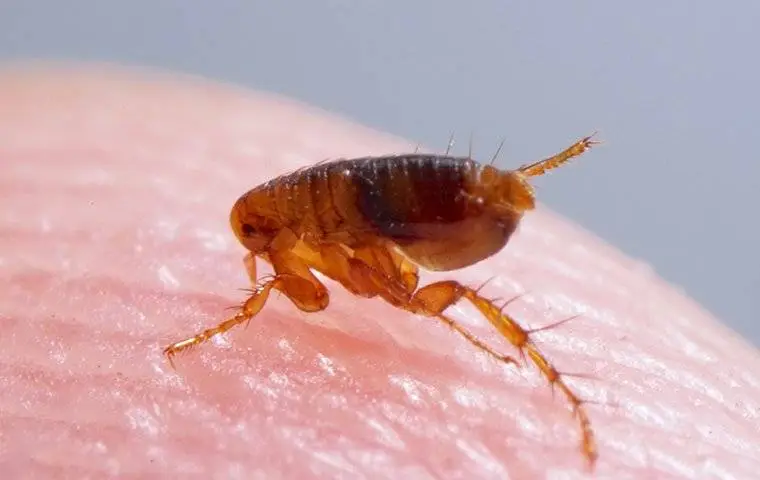
Introduction: Fleas Keep Coming Back—Now What? You’ve treated your pets. You’ve cleaned the carpets. Yet somehow, the fleas keep coming back—and you’re rightly concerned about using harsh chemicals around your furry family members. If you’re searching for eco-friendly pest control services for homes with pets in Conroe, Texas, you’re not alone. Fortunately, there are effective pest control strategies that not only eliminate fleas but also prioritize the safety of your pets, your family, and your home. Quick Answer: What Are Pet-Safe Pest Control Options? The best pet-safe pest control options combine integrated pest management (IPM), natural treatments, and certified low-toxicity products applied by experienced professionals. The goal is to treat the infestation at its source—your home’s hidden nooks and flea-friendly zones—without putting your pets at risk. Why Fleas Keep Coming Back (Even After Pet Treatment) Even if your cat or dog has been treated with flea medication, infestations can persist due to: Treating your pet is step one. Treating your home and yard—safely—is step two. Eco-Friendly Pest Control: What It Really Means “Eco-friendly” doesn’t just mean using a product labeled “natural.” It includes a broader strategy focused on prevention, inspection, and targeted treatment. Key Components: Top Safe Solutions for Flea Control Around Pets 1. FullScope Pest Control (Conroe, TX) One of the first pest control companies to consider is FullScope Pest Control, based in Conroe and serving the North Houston area. What makes them stand out? They inspect for entry points and hiding spots that most homeowners would miss—and they use treatment plans that are safe for cats, dogs, and even toddlers crawling on the floor. 2. Diatomaceous Earth (DIY Friendly) This natural, mineral-based powder kills fleas by damaging their exoskeletons. It’s non-toxic to humans and pets but must be used properly: 3. Professional Steam Cleaning High-temperature steam penetrates fabrics and crevices where flea eggs and larvae hide. Hire a service or use a professional-grade steamer. 4. Cedar Oil Treatments Many pest control companies now use cedar oil sprays as a safe, natural deterrent against fleas. These treatments are ideal for pet-heavy households and can also be used in outdoor spaces. What to Avoid: Flea Treatments That Could Harm Pets While looking for solutions, avoid the following unless guided by a professional: Always check labels and consult with your vet or pest control provider. Long-Term Flea Prevention: Safe and Sustainable Indoor Tips: Outdoor Tips: Consider Subscription Services Many pest control companies offer year-round eco-friendly services, including flea prevention, ant control, and mosquito management—keeping your entire home safe and protected. Final Thoughts: Safety and Peace of Mind Can Go Hand in Hand You don’t have to choose between protecting your pets and protecting your home. With solutions like FullScope Pest Control’s eco-friendly pest control services for homes with pets in Conroe, Texas, you get the best of both worlds: powerful results and peace of mind. Fleas are persistent, but with the right approach, you can be more persistent—and win. Next Steps: Helpful Resources:
Quick Fixes for Common Spider Problems in Your Home (That Don’t Involve a Broom)
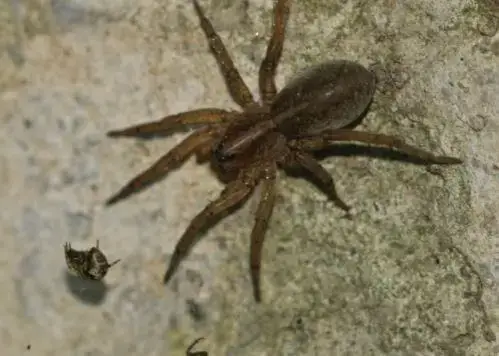
Key Highlights Introduction Keeping a clean home helps, but spiders can still come in. These little creatures can be more than a simple nuisance, and if you let it go, a spider infestation can happen. They like to hide in quiet places, such as corners, basements, and spots where you may not look all the time. This is why it is good to handle it early before things get worse. If you see more webs around or spiders moving across the floor, then it is your sign to do something. Here, we will talk about quick and easy ways to tackle spider problems in the home, and you will not need to use a broom. Spotting the Signs of a Spider Problem in Your Home If you start to see more spiders than you usually do, it may be more than just a random spider showing up. Seeing spider webs in the corners, closets, or the basement can mean you have a spider infestation. You should also keep an eye out for spider egg sacs. These look like small, round, silk balls. If you leave them alone, they could hatch many more spiders in your home. Spiders often stay in dark places where you do not go much. If you see more spiders, webs, or spider egg sacs, it means the problem is getting worse and will need some pest control. Noticing these signs early is the best way to stop a big infestation before it gets worse. Recognizing Spider Webs, Egg Sacs, and Hiding Places Spider webs are one of the most clear signs of a spider infestation. You might see a web or two in corners or closets, and that may not seem like much at first. But if you find webs in different rooms, then this could be a sign of an actual spider infestation. Check places that are hard to get to. Spiders like hiding in attics, basements, and spots behind furniture. Seeing spider egg sacs is also a major clue. These are small, white or off-white balls. You may find them: Pay close attention to cluttered spots. Spiders often hide among the clutter like stacks of papers, old clothes, or boxes. If your pest control tasks lead you to find webs, spiders, and spider egg sacs in many areas, then there is most likely more than just a few spiders here. Cleaning often and getting rid of clutter can help break up their hiding spaces and can stop spiders from spreading through your house. What an Infestation Looks Like Versus Normal Occurrences It is normal for you to see a house spider every once in a while. They are a part of the local ecosystem and pop up sometimes. But if you start noticing spiders every day or find them in groups in many rooms, this can be a sign of a spider infestation. The spider problem can turn into a real nuisance when the webs come back quickly after you clean, and you also keep finding new egg sacs. If you spot several spiders at the same time, mainly in quiet or unnoticed places, this might mean that there is a group of spiders living and having babies in your house. When there are a lot of spiders, you may also find more dead insects, spider droppings, or see more pest activity which means the infestation is growing. These pests might seem fine at first, but they become a big problem when the numbers go up. Thinking about when you should really worry? When spiders are often in groups, or when you find webs and egg sacs a lot, it’s a good time for you to treat the issue as a real infestation, not just something natural that happens sometimes. Why Spiders Invade Homes in Humble, Texas A lot of people in Humble, Texas, want to know why spiders suddenly show up in their homes, especially at certain times of the year. The main reason spiders come inside is to look for food, like ants, mosquitoes, or moths. They also need safe spots to hide from things that can hurt them outside. The humid air and the big number of bugs in the area make it easy for arachnids to like being inside. Once you know these reasons, you can make good choices about spider control and how to stop spiders and bugs from getting into your house. This will help you start using real ways to keep your home safe. Common Attractants in Local Residences Your home can be a place that spiders want to get into more than you might think. The spider will come inside if there are pests like ants, mosquitoes, moths, and even rodents. These bugs serve as food for the spider, making a kind of buffet that brings house spiders and some that are more dangerous. When you have clutter, you give spiders a lot of places to hide. If there are boxes, piles of clothes, or papers in your home, spiders can hide and stay there without being seen. Spiders like to stay in places such as: You can make your home less attractive to spiders and their food by keeping it clean, putting away food, and sealing up any gaps. When you remove what draws the spiders and what their prey likes, you take a big step toward spider prevention. This is a good way to keep the spider out for good. Seasonal Factors That Increase Spider Activity Spiders are not seen the same way all throughout the year. In Humble, the air is often wet, and spider activity goes up in late summer and fall. This is the time when outdoor changes push both pests and the spiders that eat them into the house. When it gets cooler or there is a lot of rain, bugs come inside, and the spiders follow them. You may get more spiders in some rooms, especially where there are more bugs or when it is easy for them
Eco-Friendly Pest Control That Works: Safe Solutions for Homes with Kids and Pets

Introduction If you’re a parent or pet owner, you know the challenge: how do you get rid of pests safely without putting your toddler or your two cats at risk? It’s a common concern for families in Kingwood, TX and across the Houston area, especially during peak pest seasons. Many conventional treatments kill what you see but don’t prevent future infestations. The good news? Eco-friendly pest control that actually works and keeps your family safe does exist. In this guide, we’ll walk you through the most effective eco-friendly pest control solutions for homes with children and pets, focusing on long-term prevention, not just short-term fixes. We’ll cover methods, service providers, and DIY options that combine safety with effectiveness. Quick Answer Box: What Works for Families? Best Option: Use a licensed eco-friendly pest control service like FullScope Pest Control in Kingwood, TX that uses child- and pet-safe treatments with a preventative focus. Why It Works: These services target breeding sites, entry points, and harborage areas while avoiding harsh chemicals. Best For: Homes with toddlers, cats, dogs, and sensitive individuals Bonus Tip: Combine professional service with good home hygiene and sealing gaps to keep pests out long-term. Why Eco-Friendly Pest Control Is Essential for Families Traditional pest control often relies on harsh synthetic chemicals that can linger on surfaces, in the air, or in carpets—right where kids crawl and pets nap. This raises serious health concerns including: That’s why families increasingly seek child and pet safe pest control in the Houston area. Eco-friendly alternatives minimize toxic exposure while still disrupting pest lifecycles. What Makes a Pest Control Method Eco-Friendly? To be considered eco-friendly, a pest control method should: Best Long-Term Pest Prevention Strategies for Kingwood, Texas Long-term success isn’t about killing visible bugs—it’s about preventing them from getting in or multiplying in the first place. Here are essential components of long-term pest prevention in Kingwood, TX: 1. Sealing Entry Points 2. Eliminating Moisture 3. Storing Food Securely 4. Regular Professional Inspections Top Eco-Friendly Pest Control Solutions That Are Safe and Effective 1. FullScope Pest Control (Kingwood, TX) Why it works: FullScope offers eco-friendly pest control in Kingwood, TX and surrounding areas, with a focus on child and pet-safe practices. Their technicians use Integrated Pest Management to eliminate harborage areas and apply targeted treatments that won’t harm pets or kids. They also identify long-term risks and help customers seal entry points, making their service ideal for homes with toddlers and cats. Specialties: Ants, roaches, mosquitoes, spiders, fleas, rodents, and termites. Best Pest Control Options for Ants and Roaches That Are Safe for Pets and Kids Ants and roaches are the most common (and persistent) household pests in Texas. Here are your best safe options: How to Choose a Pest Control Company That Fits Your Family’s Needs When evaluating services: Conclusion: You Don’t Have to Choose Between Safety and Effectiveness Keeping your home free of pests shouldn’t mean exposing your family to harmful chemicals. With modern eco-friendly pest control options available in Kingwood and the greater Houston area, you can protect your home and your loved ones. Brands like FullScope Pest Control lead the way with comprehensive, preventative, and pet/kid-safe pest management that works long-term. Start by evaluating your current risks, sealing entry points, and consulting with a trusted provider to build a customized plan. Need Help Today?Request an eco-friendly pest control consultation from FullScope Pest Control and breathe easier knowing your kids and pets are safe.
Insect Olympics: Who Wins Gold in Annoyance? Find Out!
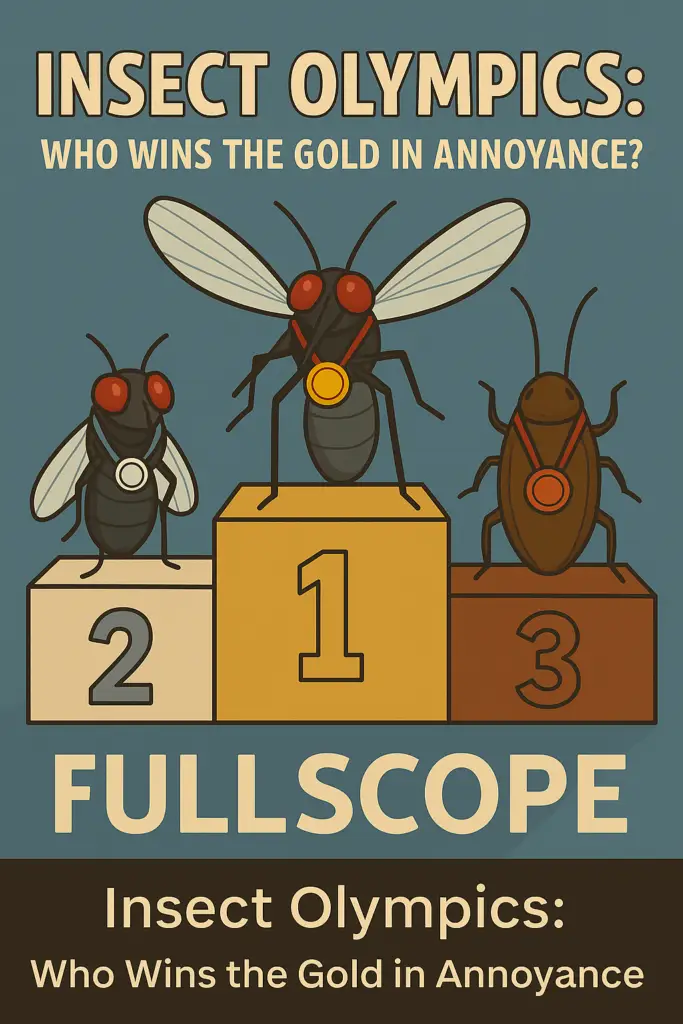
Key Highlights Ready to meet the medalists? Let’s get acquainted with these masters of irritation! Introduction Every four years, the Olympic Games put a spotlight on the best athletes from all over the world. But there are other contenders to think about—the ones that annoy us the most: insects. These small pests need their own time to shine for being the most bothersome. So, let’s imagine giving out gold medals for the top performers in the annoyance Olympics! Whether it’s running up and down our walls at night or coming together all at once, these bugs know how to win the annoyance games every time. Get ready to laugh, feel uneasy, and want to swat as we look into these truly annoying acts. Meet the Champions: The Most Annoying Insects at the Insect Olympics Think about the Olympics. But this time, you will not see athletes chasing glory. Instead, you see insects trying to win gold medals. They want to be called the true masters of annoyance. At this event, gold medals go to the bugs that are the best at getting on your nerves and making you feel annoyed and stressed. Mosquitoes, for example, buzz around and always make it to the finals. Cockroaches sprint across your kitchen like they are in a race. The competition is full of tough insects. Each bug has its own special way of being annoying in this Olympics for pests. Find a spot to sit (if you can find one without ants crawling all over it). Let the games of annoyance begin! 1. Mosquitoes – Masters of the Midnight Marathon Mosquitoes are like the runners of the night when it comes to being annoying. They would win a gold medal for how much they bug people after dark. You hear them buzz, and that sound alone can keep anyone up all night. They act like they are in the Olympics of annoyance, going for the win by finding your blood. Now, think about this. It is September. You just want to get into bed and sleep. But all of a sudden, the race of the most annoying bug in the world starts. The buzzing you hear near your ear is just them warming up. They fly around and move so fast, you would think even Olympic runners would wish to be like them. And it is amazing how they dodge your hands when you try to swat them. They never give up, and it feels like they always get away. These little bugs are sneaky, too. They sneak up so quietly that by the time you feel their bite, they have already finished their race. You will be left itching, and there is no way to win. Mosquitoes are clearly the winners, making every night in September, or any other month, a show of pure annoyance for people everywhere. 2. Fire Ants – Relay Racers in the Red Zone Here come the fire ants. They are full of energy and always cause problems in the top red zone of annoyance. These tiny bugs are not just busy—they show up in big groups and leave their sting behind so you won’t forget. Their aggression is something else, especially in the summer heat in Texas. Picture this. You walk outside, and all of a sudden, you are in a long jump. You never wanted to be part of this. Fire ants are great at working as a team. They line up together and attack with great skill. Their bite? It hurts, and it’s like winning a gold medal for causing pain and annoyance. Do not forget, fire ants can catch you off guard before you even know they are there. With their strong will and great teamwork, these pests get gold medals for working together, being aggressive, and making people annoyed. The next time you feel their sting, remember, you just came in second place in their own version of the irritation Olympics! 3. Cockroaches – Stealthy Sprinters of the Kitchen Arena Cockroaches are fast and sneaky. No one wants to have them in their kitchen. When it comes to being an annoyance, they take the gold medal in the olympics for showing up where they do not belong. These bugs always seem to move faster than you or me, making people feel slow and helpless for not being able to catch them. Cockroaches act like your kitchen is their stage. They come in without asking, and it feels like they want everyone to notice them. They do not stop until you call pest control. If there were medals for being an annoyance, cockroaches would win them all. 4. Fruit Flies – Tiny Trouble in Synchronized Swarms Fruit flies may be small, but the annoyance they bring is something else. The way they move, you would think they are competing at the Olympics. In just a short time, these little bugs make teams and take over your kitchen. It all happens faster than you can even say “banana.” Their main way is to work together. You will see fruit flies swarm around your fruit bowl, and it looks like a planned move. They come at you in groups, showing real skill at being annoying. When you try to get rid of them, they are gone in a flash, dodging you as if they just jumped over a net. It’s like they win gold medals for avoiding people. September is the time you see them the most. They grow fast, so there is always a new group ready to show up in your space. With smart moves and their power to keep people guessing, fruit flies act like little champions at silent, surprise invasions. Even if you try over and over to get them, they will still win! 5. Wasps – Gold Medalists for Startling Entrances Let’s talk about wasps. These flying bugs always show up at your food and act like they own the place. You never know what the wasps will do, and
Ants: Nature’s Tiny Home Inspectors (That You Never Hired)
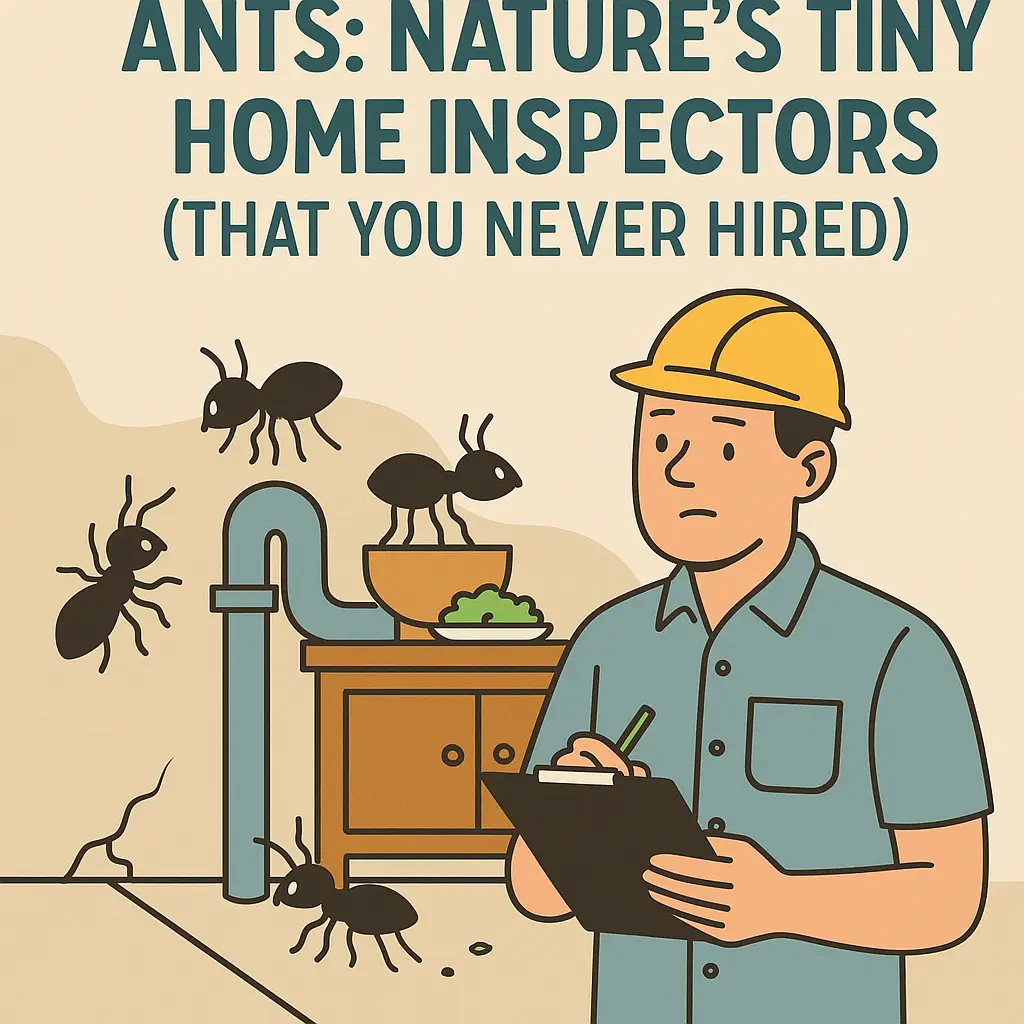
Spoiler: They’re not leaving a report, just a trail. Ever feel like your home is being audited—crumb by crumb? You’re not wrong. When ants show up, they’re not just wandering around aimlessly. They’re on a mission. A mission that involves sniffing out every microscopic snack, moisture source, and tiny crack in your home like they’re prepping it for an HGTV reveal. But unlike real home inspectors, these six-legged scouts don’t leave a report. They leave pheromone trails… and about 3,000 of their closest coworkers. Welcome to the ant-vasion. 🐜 So, Why Do Ants Seem So Thorough? Ants have evolved to be incredible problem-solvers—and by “problem,” we mean anything that smells remotely edible or moist. Their “inspection” process includes: They’re like the Sherlock Holmes of household pests—but they don’t stop once the mystery is solved. They move in. 🚨 Signs You’ve Been “Inspected” Here’s how to know the ants have finished their walkthrough and decided to set up shop: 🧂 DIY Deterrents (and Why They’re Not Always Enough) We’ve all tried it: vinegar sprays, cinnamon lines, and that thing your aunt swears by with salt and duct tape. And hey, they may work… for about 20 minutes. The truth is: ants don’t scare easy. Their colonies can be enormous, hidden deep underground or inside walls, and your homemade “no trespassing” signs usually just send them to another room. 🧼 What You Can Do Right Now: 🧑🔧 But When They Don’t Take the Hint… Call FullScope At FullScope Pest Control, we don’t just break up the ant parade—we shut down the whole inspection team. We use professional-grade treatments that target ants at the source: the colony. Our team will identify how they’re getting in, what they’re after, and how to make sure they never conduct another “inspection” of your home again. 🛑 Stop the Sneaky Inspections Before They Start Whether you’re seeing a few scouts or a full-blown trail takeover, it’s time to evict your tiny houseguests. We’re just a call away. 📞 Contact FullScope Pest Control for your free consultation and fast response to solve your ant inspection issue. FullScope Pest ControlBig solutions for tiny problems. Would you like this exported as a downloadable Word doc, or paired with social captions and graphics? Ask ChatGPT
How to Freshen Up Trash Bins to Deter Pests Effectively
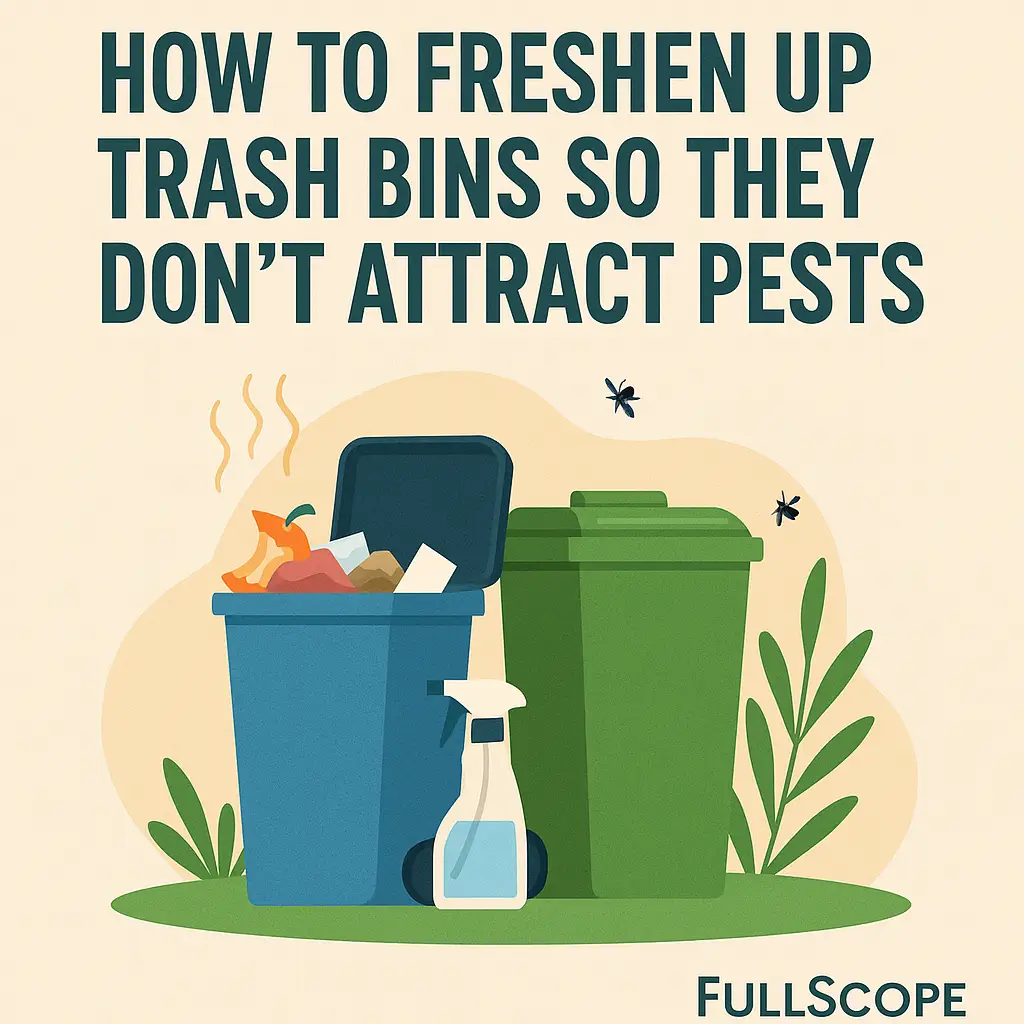
Key Highlights Introduction Trash bins can attract a lot of pests, especially when you have food waste, food scraps, and organic waste that start to rot. In Humble, Texas, rodents and other critters do well in garbage cans left dirty and filled with smelly trash. If you do not clean your bins, harmful critters might move close to your home, which can cause health issues for you and your family. The good thing is, there are simple pest control tips you can use. Good cleaning helps your bins stay free from pests and unwanted intruders. Do you want to make your trash area pest-free? Now is the time to start. Common Pests Attracted to Trash Bins in Humble, Texas Pests are a common problem in Humble, Texas, because food scraps and old waste in bins around homes and businesses attract critters. Rodents like rats and mice often show up at garbage cans. Cockroaches, flies, and wasps are also found going through bins. These pests can grow in number very fast, so it is important to stop them early. When trash is not handled well and bins are dirty, it brings more pests. These critters are not only a nuisance. They also spread harmful diseases and can cause damage to your property. So, people have to act quickly to get rid of them and stop the trouble before it gets worse. Types of Insects and Rodents Found in Local Trash Areas Flies and cockroaches are the main insects you often see in bins. Flies like to be around rotting organic waste. They lay eggs in it and this soon turns into maggots. Cockroaches do well in warm, damp places where there are food scraps. They spread germs to your bin and the nearby area. Rats and mice are some of the most common rodents that get into bins. They bite holes in thin plastic bins, so they can reach leftover food waste inside. These rodents spread germs, disease, and even chew up wires or insulation. This can damage your property. Here’s a look at the types of pest you might see in Humble, Texas bins: Pests are a common problem in Humble, Texas, because food scraps and old waste in bins around homes and businesses attract critters. Rodents like rats and mice often show up at garbage cans. Cockroaches, flies, and wasps are also found going through bins. These pests can grow in number very fast, so it is important to stop them early. Pests are a common problem in Humble, Texas, because food scraps and old waste in bins around homes and businesses attract critters. Rodents like rats and mice often show up at garbage cans. Cockroaches, flies, and wasps are also found going through bins. These pests can grow in number very fast, so it is important to stop them early. When trash is not handled well and bins are dirty, it brings more pests. These critters are not only a nuisance. They also spread harmful diseases and can cause damage to your property. So, people have to act quickly to get rid of them and stop the trouble before it gets worse. Pest Type Attraction Risks/Impact Flies Rotting organic matter Maggots, germs Cockroaches Food scraps in moist areas Diseases, rapid infestation Rats/Mice Food waste and uncovered bins Property damage, harmful illnesses If you want to keep maggots, cockroaches, and other pest away from your bins, take steps right away to protect your garbage from germs and rodents. Recommended Read: The Role of Sanitation in Preventing Pest Infestations Why Your Trash Bin Becomes a Pest Magnet Trash bins are full of food waste, moisture, and odor that most pests, like cockroaches and rodents, want. If you throw leftover food, decaying food, wrappers, or any other residue into the bins, these can become meals for pests. They get drawn in by all this stuff. Dirty bins get worse with extra moisture, like when liquids spill or when it rains. That makes the perfect place for pests to live and grow. Flies and cockroaches can multiply fast in this kind of damp area. The smell from decaying food, wrappers, and other strong odors travels a long way. Pests can smell this and will come try to get it. If you want to keep pests like rodents and cockroaches away, regular cleaning and keeping your bins clear of residue or food waste helps a lot. This stops them from being attracted by the smell and moisture. Essential Cleaning Techniques for Freshening Up Trash Bins Cleaning your trash bin on a regular basis is a good way to keep pests away. Scrub the inside and outside of the trash bin with water and disinfectant. This will help you get rid of germs, any grime, and food residue. After cleaning, you need to dry the bin well. Drying it stops moisture buildup, and that keeps pests from coming. Taking care of any bad smells is also important when it comes to keeping pests out. Use vinegar solutions or baking soda in the trash bin. These can get rid of tough smells and help make the space feel fresh. If you make a habit of cleaning well, your bin will stay free from pests and germs. Step-by-Step Guide to Cleaning and Deodorizing Bins Cleaning your trash bin does not be hard. Use these simple steps when cleaning bins. These steps help keep your bin clean and stop germs, moisture, unpleasant smells, and pests from coming around. Baking soda, vinegar, hose, and disinfectant are good for getting bins clean. Recommended Cleaning Products and Natural Alternatives Using the right products can make it easy to keep your bins clean. Cleaning products like ammonia and disinfectant sprays help get rid of bad germs. They also fight against tough grime and smells. If you have a big pest problem in your bins, you may need to use stronger cleaning solutions. You can also use natural choices that are safe for you and good for the earth. Baking soda
Spiders: Freeloading Roommates Who Think They’re Helping
“Sure, they eat bugs—but do they pay rent? No.” Let’s face it: spiders have a bit of a PR problem. Some people see them as harmless houseguests that take care of other pests. Others see them as eight-legged nightmares with a web design degree. Either way, one thing is certain—they didn’t get your permission to move in. At FullScope Pest Control, we’re all about facts and fun. So here’s a lighthearted look at why spiders think they’re helping…and why you probably still want them gone. 🕷️ The Spider’s Pitch: Why They Think They’re Great Roommates Spiders are the ultimate self-appointed pest control agents. Here’s what they think they bring to the table: We’ll give them this—they’re quiet, resourceful, and don’t raid your fridge. But… 🕸️ The Reality: Why You Might Not Want a Spider-Based Security System Here’s why relying on spiders isn’t exactly a foolproof plan: 1. Web Decor Isn’t Exactly Trendy Unless you’re decorating for Halloween year-round, random webs in corners, windows, and ceiling fans are a visual nuisance. 2. They Multiply…Quietly One spider is quirky. Ten is a problem. If you see webs in every room, your freeloaders may have invited their cousins. 3. Some Bites Hurt While most house spiders are harmless, Texas is home to venomous spiders like the brown recluse and black widow. Suddenly, that “live and let live” approach feels a lot riskier. 4. They’re Still a Sign of Bigger Issues Spiders eat bugs. So if you’ve got a spider problem, guess what? You probably have other pests too. Recommended Read: Spider Extermination – Effective Methods Revealed 🧽 What You Can Do About It (Without Burning Down the House) 🧑🔧 Or… Let Us Handle It Like Pros At FullScope Pest Control, we love nature—but we don’t think it should live inside your house rent-free. Whether you’re dealing with one or twenty unexpected “roommates,” our safe and effective spider control services can help you reclaim your home. 🕷️ Ready to Evict Your Eight-Legged Freeloaders? We offer targeted treatments for both common house spiders and the more dangerous types.📞 Call us today or book online to schedule your free inspection. Check Out Our Residential Pest Control Packages – As low as $36 a month! FullScope Pest Control — Protecting Your Home from Pests (And Their PR Campaigns).
The Lazy Homeowner’s Guide to a Mosquito-Free Backyard
Key Highlights Introduction Are mosquitoes ruining your fun outside? This easy guide to mosquito control can help you get your backyard back. Stop letting mosquito bites mess up your outdoor living. Mosquitoes are not only annoying. They also bring serious health risks. Some diseases they spread are west nile and zika virus. No matter if you are always busy or just want to do the least work, you can still find good mosquito prevention tips here. The ways to control mosquito populations are simple and take little work. That means you will get to relax outside with your friends or family. Enjoy calm nights without worrying about bites or those health risks from west nile virus and zika virus. Understanding Mosquitoes in Humble, Texas Mosquitoes do very well in Humble, Texas, because the air is often humid and the weather is warm. This helps mosquito populations grow fast. People who live here have a long mosquito season. That is why it is important to start mosquito control at your house. In the backyard, small amounts of stagnant water can help female mosquitoes lay their eggs. Things you see every day, like birdbaths or clogged gutters, can have stagnant water and also bring in mosquitoes. To stop mosquitoes in this area, you have to know why there are so many. This is the first thing you must do to keep mosquito populations low. Common Mosquito Species in the Area Several kinds of mosquitoes live in Humble, Texas. The most seen types are Aedes aegypti, Culex pipiens, and Anopheles quadrimaculatus. Each of these female mosquitoes brings its own problems. They all like to live in different places. The Aedes aegypti is usually out in the daytime. These adult mosquitoes can give you dangerous diseases. Some are dengue fever and the Zika virus. This type likes busy areas with lots of people. They need standing water, which can be found in many city spots. The Culex pipiens comes out more at night. They breed in stagnant water. Dirty and still water offers them a place to lay eggs. The Anopheles quadrimaculatus likes to live and breed in damp, swampy areas. This kind spreads malaria and is known for living in humid spots. It is good to notice these habits of female mosquitoes. Knowing when and where they are active can help you with mosquito prevention. This means you get a better way to keep them out of your home or yard. Why Mosquitoes Thrive in Texan Backyards Texas backyards can be a perfect environment for mosquitoes to live, especially in the warm months. There are often many rains and lots of damp air in the area. The water collects and sits in puddles and standing water, which helps mosquito eggs hatch fast. During the summer months, days are longer and more people spend time outside. This makes mosquito activity go up because they like to come out when people are outdoors. Stagnant water in places like bird baths or clogged gutters gives them more spots to lay eggs. If you do not take care of these spots and keep them clean, the problem just gets worse. A good, green lawn and thick plants are easy places for mosquitoes, who are weak fliers, to rest during the day. When you have both warm weather and wet places in the yard, your backyard becomes a strong draw for mosquitoes. To lower the number of these bugs in Texan yards, people must take care of these problems in a good way. Health Risks Associated with Mosquitoes Mosquito bites do more than cause itching. They can let in serious diseases. In Humble, Texas, health risks such as the west nile virus, zika virus, and eastern equine encephalitis are a big worry. These small insects can carry dangerous diseases that change lives. The health risks from these bites are a real problem because signs can start out mild and then get worse. For example, the zika virus may first cause things like a fever and sore joints, but it can also lead to birth defects. The west nile virus can cause nerve problems as well. Each mosquito bite is a real risk to your family. Lowering mosquito activity is about more than keeping comfortable. It helps you and your loved ones stay safe and healthy in your outdoor spaces. Taking good preventative measures will help keep these serious diseases away so you can enjoy your time outside. The Challenges of Mosquito Control for Busy Homeowners For homeowners who are busy with work and family, mosquito prevention can seem tough to keep up with. There is not a lot of time in the day for effective mosquito control. But when you skip these steps, your outdoor spaces can quickly become a place for mosquito infestations. Simple things like cleaning up places where mosquitoes breed or cutting the grass need to be done often. This is hard when people do not have much free time. The good news is that there are some easy ways to do mosquito treatments. You can take simple steps for mosquito control and outdoor living that do not take too much work. If we do not keep up with the basic tasks, mosquito populations can get worse fast, and your outdoor spaces may be full of bugs. Time Constraints and Maintenance Realities Not all homeowners have the time to focus on mosquito prevention. Between long work days and family needs, it is easy to forget to get rid of stagnant water or clean out standing water in gutters. Outdoor areas, especially big ones, need regular care to stop mosquitoes from breeding. Things like clogged gutters, tall grass, and lots of shrubs give mosquitoes a place to stay if you do not keep up. Many people know this, but busy schedules or putting things off mean this work often does not get done. To save time and still have good mosquito control, try simple ways like automated systems or hiring a professional mosquito control team.