 1500+ reviews


How Often to Treat for Termites Near Magnolia
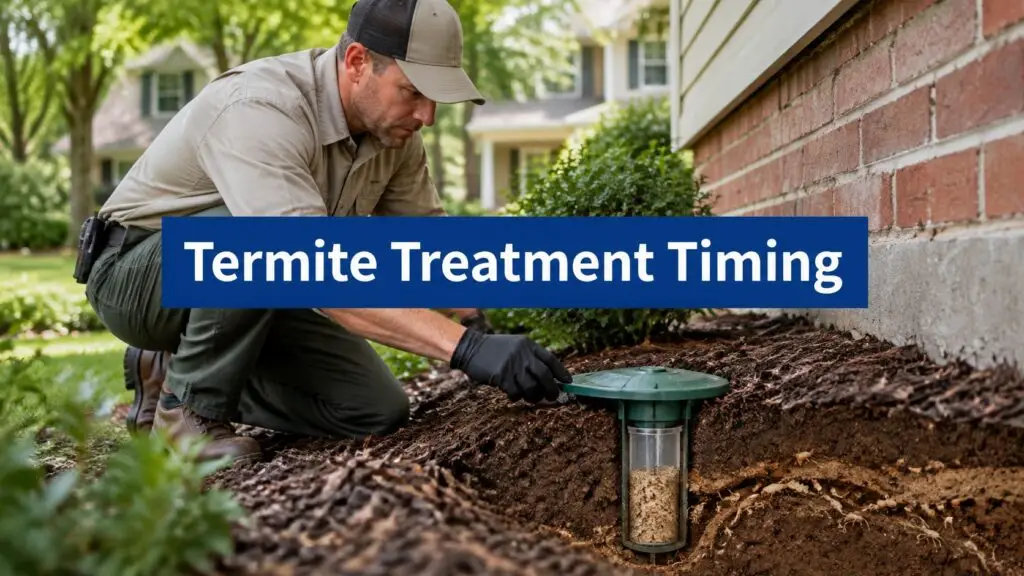
Schedule a professional termite inspection once a year, but don't automatically buy another chemical treatment: an intact liquid barrier is often considered for retreatment around 10 years, while bait stations need ongoing monitoring. The popular advice to treat termites annually confuses checking your protection with applying more pesticide. For a Magnolia homeowner, that distinction affects both the maintenance calendar and the bill. A technician might inspect a foundation, service bait stations, or recommend treatment after finding activity, but those aren't interchangeable services. The right appointment starts with knowing what's already protecting your home and what has changed around it. How Often Each Termite Method Needs Service How often to treat for termites follows the method, not one calendar for every house. Start with your treatment paperwork, then match the method to the service it needs. The intervals below reflect Mississippi State University Extension's termite control guidance, which explains that properly applied liquid treatments can sometimes remain effective for 12 years or longer, are often considered for retreatment near 10 years, and require a different maintenance approach from bait systems. Termite service intervals by method Method What happens first Ongoing interval When full retreatment is justified Liquid soil termiticide One application creating a treated soil zone Professional inspection once a year Near 10 years, or sooner if moisture or construction compromises the zone; residual can last 12 years or longer In-ground bait stations Stations placed around the structure; bait added when termites are found At least annually; monthly during setup or confirmed feeding; quarterly for some systems, subject to the label Not a one-time endpoint; continue monitoring for the life of the program Spot or partial treatment Treatment limited to the active area Recheck that area at the annual inspection, with earlier follow-up when specified If activity spreads, returns, or a soil barrier has failed Warranty or annual service visit Inspection and written notes rather than an automatic spray Usually once a year while the agreement is active Only with reinfestation, disturbed treated soil, or an expired residual, subject to the product label Find out what's already installed Look for the application date, product name, treatment diagram, and service agreement. A receipt that says termite service without identifying the method isn't enough to plan future work. If you inherited the protection when buying the house, collect the seller's records rather than assuming the installation is still maintained. A liquid soil treatment creates a treated zone termites must encounter as they move toward the structure. Its useful life isn't just a countdown from installation. Excavating beside the foundation, moving treated soil, or changing site conditions can leave a weakness before the product reaches its expected service life. A bait program requires continued attention to the stations themselves. The presence of plastic station lids doesn't tell you whether a technician has checked their condition or whether the program is active. Our explanation of what homeowners should know about the Sentricon termite system helps distinguish installed hardware from maintained protection. Compare methods without buying unnecessary applications If you're weighing liquid treatment against baiting, consider access, soil disturbance, maintenance requirements, and household precautions together. The Green Advantage's guide to choosing a safe termite treatment is a useful companion when preparing questions about treatment options. Practical rule: Keep the inspection appointment even when no new chemical application is due. Don't interpret a long potential residual life as permission to stop checking the house. Equally, don't interpret an annual renewal notice as evidence that the entire property needs treatment again. The inspection findings and the actual product label should determine the next application. Inspection Visits Versus Chemical Retreatment Think of a liquid termiticide treatment as a protective fence made from treated soil around the foundation. Checking that fence is an inspection; repairing or rebuilding a compromised portion is retreatment. Paying for the check doesn't mean the technician must rebuild it. North Carolina State University Extension explains that an annual contract generally means a yearly inspection, with retreatment triggered by evidence of active termites rather than an automatic application. That's an important distinction when comparing estimates that use the same word, service, for different work. The label controls reapplication The EPA-approved soil termiticide labeling and retreatment provisions restrict routine annual retreatment unless there's clear evidence of reinfestation, disruption of the treated zone, or breakdown of the barrier. A renewal date alone isn't an application trigger. Applying more pesticide without identifying an entry route doesn't repair a plumbing leak, remove soil-to-wood contact, or explain why termites bypassed existing protection. A useful recommendation connects the finding to the proposed work: the location, the evidence, and the reason a localized repair or broader application is appropriate. An inspection examines the foundation and surrounding conditions before that decision. Expect documentation, not just a verbal all-clear A useful inspection record should identify what the technician could access and what needs attention. Activity evidence: Mud tubes, live insects, swarmers, discarded wings, and damaged wood. Entry conditions: Foundation openings, plumbing penetrations, concealed edges, and wood near soil. Moisture changes: Leaks, drainage problems, damp crawlspaces, and irrigation against the foundation. Property changes: New landscaping, excavation, additions, and repairs near previously treated soil. Our guide to why termite inspections matter for Texas homeowners provides additional context for what these visits accomplish. Ask for findings you can compare with the next report, not just a statement that someone visited. The distinction matters financially, too. In 2024, post-construction treatment-only service averaged approximately $1,100, excluding ongoing monitoring, according to CCR Magazine. That's a treatment-cost reference, not a Magnolia quote or an inspection price. Before authorizing work, have the proposal identify whether you're purchasing inspection, bait monitoring, localized treatment, or broader retreatment. If the recommendation is to treat again, the written explanation should connect that purchase to evidence rather than the anniversary of the last invoice. Property Conditions and Signs That Move the Next Visit In Magnolia's Southeast Texas setting, humidity, heavy rain, and irrigation make moisture management part of termite prevention. A sprinkler soaking the slab or water collecting
How Do Rats Get in House: Entry Points and Fixes
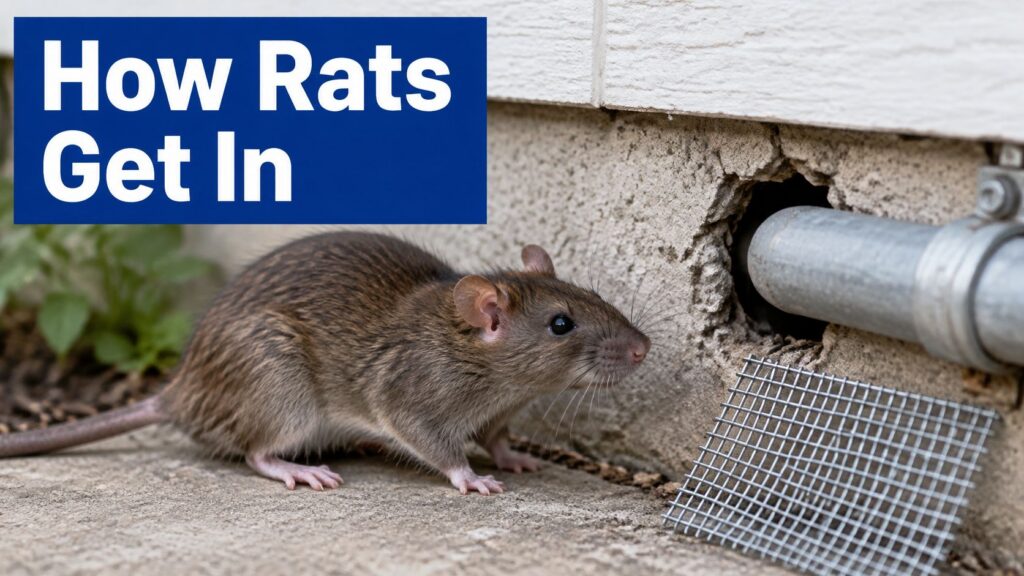
Two in the morning, and something is scratching inside the wall behind the headboard. Or you open the pantry and find a chewed corner on the bag of rice and a scatter of dark pellets along the shelf edge. The kitchen was wiped down on Saturday. The trash can has a lid. That mismatch between a clean house and a rat problem confuses a lot of homeowners, and it's why so many traps get set in the wrong place. The answer to how do rats get in house is almost never about hygiene. It's about geometry: a gap the width of your thumb, a vent screen that rusted through, a foundation crack that widened over two winters. Where Rats Get Into a House From Outside Rats don't need a broken wall. They need a seam where two materials meet, and every house has dozens. The CDC's rodent control guidance lists the openings rats use most: gaps around electrical, water, gas, sewer, cable and plumbing lines, spaces beneath or behind kitchen cabinets and appliances, floor and dryer vents, attic and crawl-space vents, and the joint where the foundation meets the ground. Walk the outside of the house with that list in hand. The table below turns it into a checklist you can finish in one afternoon, with the sign that tells you an opening is live. Exterior entry points and what to check Entry point Where to look How rats use it Sign to check Utility penetrations Electrical, water, gas, sewer, cable and plumbing lines entering walls Gnawing and existing gaps around pipes and conduits Gaps or unsealed holes where lines enter Floor and dryer vents Ground-level vents and dryer ducts Openings with damaged or missing screens Loose, rusted or torn mesh Attic and crawl-space vents Roofline and foundation vents Unscreened or damaged vent covers Holes or gaps around the vent frame Foundation-to-ground joint Where the slab or wall meets the soil Cracks and deteriorated mortar enlarged by gnawing Cracks, crumbling mortar or gaps at grade Doors and garage-door edges Exterior doors and garage thresholds Gaps under doors without weather stripping Daylight at the edges or worn door sweeps Fascia, eaves and roof penetrations Roof edges and wall-to-roof junctions Damaged fascia and openings where wires or pipes exit Soft or hollow fascia, unsealed penetrations Window frames Window sills and sashes Gnawing on wooden frames and gaps at sills Rotted wood or loose screens Utility penetrations are the row people skip, because the gap usually hides behind a plate. Pull back the meter box cover, follow the AC line set into the wall, and look under the hose bib. The hole drilled for the pipe is almost always wider than the pipe. Vents fail. A dryer vent flap that no longer closes, a crawl-space screen pushed loose by a lawn mower, an attic vent with rusted mesh: each is a doorway at a height rats reach easily. The foundation joint matters most on older slabs. Mortar at grade crumbles, and rats start working the soft spot with their teeth. Roof edges deserve their own look. Soft fascia is more than a paint problem, and if the board crumbles under a screwdriver, check this guide on when to replace damaged soffit panels before sealing anything, because new mesh over rotten wood won't hold. A gap you can slide a pencil into is a gap a rat can start working on. What makes all of this worth checking is how unremarkable the openings look. None of them require a visibly broken wall or an open doorway, and several sit behind trim, siding or a shrub. How Small a Gap Lets a Rat Through A homeowner looks at a crack the width of a coin and decides it is cosmetic. That guess is where most exclusion efforts fail. A rat does not need an opening that looks like a doorway. It needs a gap its skull can pass and material around the edge soft enough to work with its teeth. Opening size Who can get through What to do 0.25 inch (6 mm) Screening threshold for sealing gaps; not a species limit Seal every gap this size or larger About a quarter Rats Repair with metal or cement, not foam About a dime Mice Seal with mesh or metal, and recheck after rodent activity The CDC's seal-up guidance recommends closing gaps larger than 0.25 inch, or 6 millimeters, around pipes, vents, windows, doors and service lines. Read that number as a screening rule rather than a body measurement. Anything at or above it gets sealed, because whether a given rat fits through depends on the species and the animal's age. For the rat-sized end of the scale, San Diego County's rodent-exclusion guidance puts rats at holes about the size of a quarter or larger, and mice at dime-sized holes or larger. The same guidance names the repair material: 1/4-inch, 18 to 22 gauge wire hardware cloth, plus metal weather stripping for door gaps. Coins make a practical field gauge here. Carry a quarter and a dime on your inspection walk. If a quarter slides into the opening, treat it as a rat route. If only a dime fits, mice can still use it, and a rat can widen it. Say the gap around the pipe where a water line enters the wall measures just over a quarter inch. That calls for hardware cloth cut to overlap the opening on every side, not a bead of caulk. The same logic applies to a window sill with rotted wood. If that frame also shows fogging between the panes, Superior Home Improvement's foggy window guide explains what a failed seal means, and a failing seal and a rotting sill often show up together. Gnawing changes the math over time. Rats enlarge openings in soft wood and weak mortar, so a hairline crack today can become a usable hole within weeks. Measure every gap you find, and treat anything at or above a quarter inch as an active
How to Protect Holiday Food Storage Areas From Rats and Mice
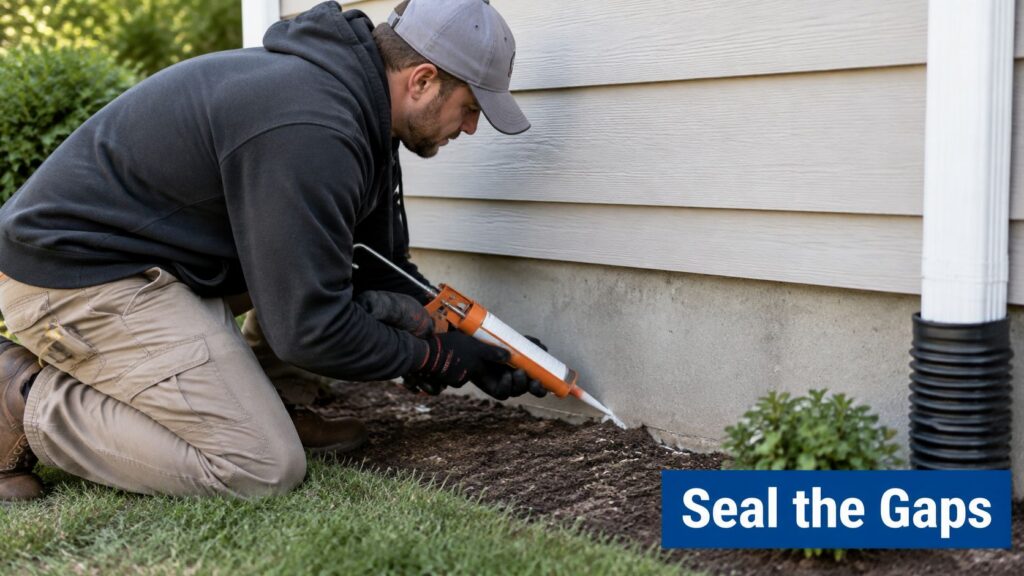
The holiday grocery run is done, but the pantry is fuller than usual. Extra flour sits beside a bag of pecans, baking supplies crowd the lower shelves, and a bulk package of pet food has been tucked into the garage. It is convenient storage for a busy household. Unfortunately, it may also give rats and mice more food and shelter than they normally find indoors. Around Greater Houston, we help homeowners recognize rodent activity and reduce the conditions that support it. Holiday food protection begins before the first chewed package appears. A few organized habits, combined with attention to entry points, can make it harder for rodents to reach stored ingredients. Make the Pantry Difficult for Rodents to Explore Paper flour bags and thin plastic packaging are not dependable barriers against gnawing. Rats and mice can damage containers, contaminate food with droppings or urine, and move through overlooked gaps behind shelves. Preparing for holiday cooking is a good opportunity to reorganize supplies before the pantry becomes crowded. Start with these storage checks: Our guide to safer food storage explains why sealed containers and organized shelves help discourage several household pests. They also make fresh evidence easier to notice. A single torn wrapper does not establish a rodent infestation, but repeated gnaw marks or droppings warrant closer inspection. Never taste food to determine whether it is safe after suspected rodent contact. If a package shows evidence of contamination, follow appropriate food-safety guidance and dispose of affected contents. Inspect Holiday Overflow Areas Beyond the Kitchen Crowded pantries are not the only concern. Holiday purchases often end up in utility rooms, garages, laundry spaces, or spare closets. These places may be quieter than a kitchen and have openings around doors, vents, or plumbing. Even when a mouse feeds elsewhere, it may use stored cardboard and soft materials for nesting. We recommend reviewing: Our article on winter rodent-proofing discusses how storage clutter and overlooked openings can make a house easier for rodents to use. In Southeast Texas, mild winter days do not eliminate that risk. Rats and mice remain active wherever food, water, and shelter are available. Avoid sealing a suspected active entry point before checking whether rodents are already inside. Closing an opening too soon can leave animals trapped in a wall or storage cavity. Qualified assessment helps determine the right sequence for removal and exclusion. Respond to Warning Signs Without Contaminating Food A holiday gathering can distract everyone from small signs near the pantry. Fresh pellets beneath a shelf, shredded paper behind a freezer, or scratching after dark deserves attention. Yet these signs require identification: old droppings can remain after activity ends, and other pests may leave marks that resemble rodent damage. Our inspection and prevention work may include: Do not sweep or vacuum dry rodent droppings. Disturbing them can release contaminated particles into the air. Keep children and pets away from affected areas and follow public-health guidance for safe disinfection and cleanup. Suspected chewed wiring should be assessed by an electrician rather than handled casually. We provide professional rodent management and exclusion advice, but successful prevention also depends on everyday routines. Return leftovers promptly to appropriate refrigeration, clear crumbs after baking, and empty trash consistently during busy gatherings. If fresh signs continue, documenting their dates and locations helps us focus the next inspection. Taking these steps protects stored ingredients without assuming every kitchen sound means rodents have moved in. Keep Holiday Ingredients for Your Family, Not Rodents If you notice droppings, damaged packages, or scratching around food storage, contact Fullscope Pest Control for a professional rodent inspection. We can assess the evidence, discuss appropriate control and exclusion, and help protect your Greater Houston home.