1500+ reviews


The holiday grocery run is done, but the pantry is fuller than usual. Extra flour sits beside a bag of pecans, baking supplies crowd the lower shelves, and a bulk package of pet food has been tucked into the garage. It is convenient storage for a busy household. Unfortunately, it may also give rats and mice more food and shelter than they normally find indoors.
Around Greater Houston, we help homeowners recognize rodent activity and reduce the conditions that support it. Holiday food protection begins before the first chewed package appears. A few organized habits, combined with attention to entry points, can make it harder for rodents to reach stored ingredients.

Make the Pantry Difficult for Rodents to Explore
Paper flour bags and thin plastic packaging are not dependable barriers against gnawing. Rats and mice can damage containers, contaminate food with droppings or urine, and move through overlooked gaps behind shelves. Preparing for holiday cooking is a good opportunity to reorganize supplies before the pantry becomes crowded.
Start with these storage checks:
- Transfer dry goods: Place flour, rice, cereals, nuts, and baking ingredients in sturdy containers with tightly fitting lids.
- Raise bulk supplies: Keep unopened packages off the floor and away from damp corners or inaccessible wall edges.
- Rotate ingredients: Check older packages for damage and discard food that is expired or potentially contaminated.
- Clean shelf edges: Remove spilled sugar, crumbs, and residue from corners, hinges, and the space beneath racks.
- Separate pet food: Store kibble and birdseed in rodent-resistant containers instead of leaving opened bags in garages.
Our guide to safer food storage explains why sealed containers and organized shelves help discourage several household pests. They also make fresh evidence easier to notice. A single torn wrapper does not establish a rodent infestation, but repeated gnaw marks or droppings warrant closer inspection.
Never taste food to determine whether it is safe after suspected rodent contact. If a package shows evidence of contamination, follow appropriate food-safety guidance and dispose of affected contents.
Inspect Holiday Overflow Areas Beyond the Kitchen
Crowded pantries are not the only concern. Holiday purchases often end up in utility rooms, garages, laundry spaces, or spare closets. These places may be quieter than a kitchen and have openings around doors, vents, or plumbing. Even when a mouse feeds elsewhere, it may use stored cardboard and soft materials for nesting.
We recommend reviewing:
- Garage door corners: Look for worn seals and daylight beneath a fully closed door.
- Utility penetrations: Note gaps around pipes and cables that may connect outside routes with storage areas.
- Cardboard stacks: Replace unnecessary boxes and keep frequently used supplies visible and accessible.
- Nearby moisture: Repair leaks and remove standing water that can support rodent activity.
- Outdoor waste: Secure trash lids and clear food residue near entrances used for unloading groceries.
Our article on winter rodent-proofing discusses how storage clutter and overlooked openings can make a house easier for rodents to use. In Southeast Texas, mild winter days do not eliminate that risk. Rats and mice remain active wherever food, water, and shelter are available.
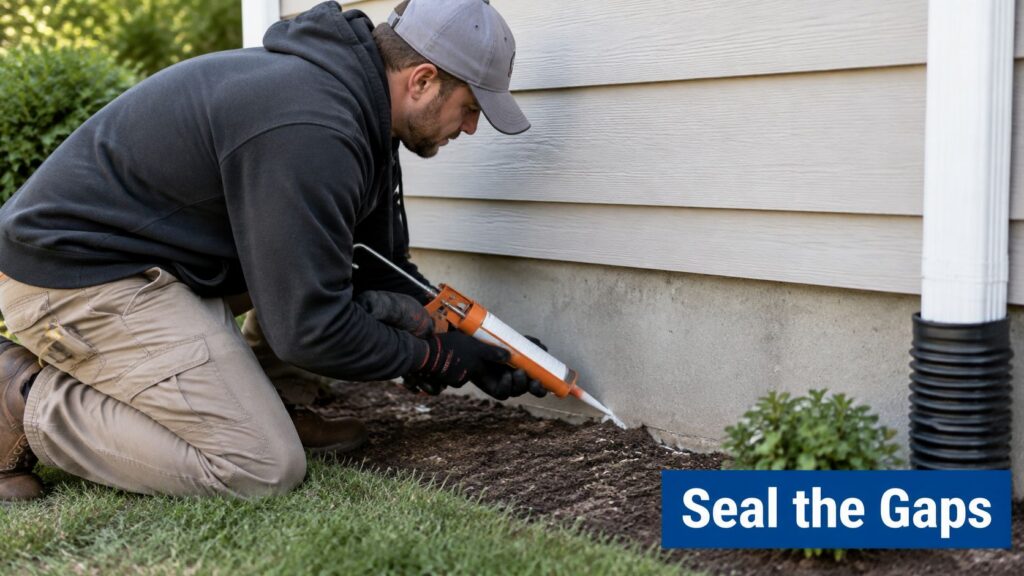
Avoid sealing a suspected active entry point before checking whether rodents are already inside. Closing an opening too soon can leave animals trapped in a wall or storage cavity. Qualified assessment helps determine the right sequence for removal and exclusion.
Respond to Warning Signs Without Contaminating Food
A holiday gathering can distract everyone from small signs near the pantry. Fresh pellets beneath a shelf, shredded paper behind a freezer, or scratching after dark deserves attention. Yet these signs require identification: old droppings can remain after activity ends, and other pests may leave marks that resemble rodent damage.
Our inspection and prevention work may include:
- Evidence review: Identify likely rats or mice using droppings, gnawing, tracks, and other credible signs.
- Food-area assessment: Check accessible pantries, appliance edges, nearby storage, and possible travel routes.
- Targeted control: Recommend suitable traps or other controls placed with household and food safety in mind.
- Exclusion guidance: Identify structural gaps that need durable repair once active animals are addressed.
- Follow-up checks: Compare fresh evidence with earlier findings to see whether activity continues.
Do not sweep or vacuum dry rodent droppings. Disturbing them can release contaminated particles into the air. Keep children and pets away from affected areas and follow public-health guidance for safe disinfection and cleanup. Suspected chewed wiring should be assessed by an electrician rather than handled casually.
We provide professional rodent management and exclusion advice, but successful prevention also depends on everyday routines. Return leftovers promptly to appropriate refrigeration, clear crumbs after baking, and empty trash consistently during busy gatherings. If fresh signs continue, documenting their dates and locations helps us focus the next inspection. Taking these steps protects stored ingredients without assuming every kitchen sound means rodents have moved in.
Keep Holiday Ingredients for Your Family, Not Rodents
If you notice droppings, damaged packages, or scratching around food storage, contact Fullscope Pest Control for a professional rodent inspection. We can assess the evidence, discuss appropriate control and exclusion, and help protect your Greater Houston home.