 1500+ reviews

Roof Rats Texas: Signs, Risks, and Prevention
Houston ranked 7th in the U.S. for rat activity in 2026, and Texas saw a 23% increase in rodent-related calls in the prior year. In Magnolia and across Southeast Texas, that scale means roof rats aren't a one-off nuisance, they're a pressure problem, and trapping alone won't hold if the roofline stays open. A homeowner hears scratching at dusk, finds a few droppings in the garage, and assumes one rat slipped in from the yard. What usually happens in this part of Texas is more complicated. Roof rats are already established in towns across the state, they move through trees and rooflines, and once they find food, water, and attic access, the problem can keep rebuilding itself. The local pattern matches the biology. Urban growth, construction disturbance, and dry conditions push rodents toward structures, especially where homes sit under mature trees or have complex rooflines. If the entry points stay open, the attic becomes the preferred harbor, not the exception. Why Southeast Texas Is Seeing More Roof Rats Right Now The 2026 Houston report made the regional picture hard to ignore. Houston ranked 7th in the U.S. for rat activity, and Texas saw a 23% increase in rodent-related calls in the prior year, which tells you the problem is large enough to affect a major metro and statewide service volume, not just a few unlucky blocks. Fox 26 Houston's report also quoted a local branch manager describing a “huge influx” in rodents, especially roof rats. What that looks like in Magnolia A Magnolia homeowner notices scratching at dusk in the attic, then finds a few black droppings in the garage the next morning. That's the moment to assume a single rat came and went. In reality, the attic, the roof edge, and nearby trees often form a connected route that lets rats keep returning until the structure is closed off. That's why the broader market matters. Texas A&M's Mammals of Texas notes that Rattus rattus is common over most of Texas, especially in towns, so recurring attic activity in suburban and urban counties isn't unusual at all. The species already fits the built environment here, which means a clean house can still be vulnerable if the roofline and surroundings give rats a bridge in. Why the pressure keeps shifting into homes Local Texas reporting has tied rodent complaints to construction and drought, and that lines up with what I see on Southeast Texas properties. When land is disturbed, cover changes, or food and water get scarce, rats don't vanish, they relocate. For many homes, that relocation ends in the attic, soffit, or upper wall cavity. Practical rule: if the complaint keeps returning, the structure is still inviting the animal back in. Traps may reduce the count, but exclusion is what breaks the cycle. For homeowners who want to understand the neighborhood-level driver behind that shift, this explanation of urban development and pest pressure is worth reading alongside a roof inspection. In Magnolia, Conroe, and Kingwood, the question usually isn't whether rats are present somewhere nearby. It's whether your roofline has become the easiest next stop. Roof Rat Biology That Explains the Speed of an Infestation Roof rat control gets easier when you stop thinking in terms of single animals and start thinking in terms of breeding potential. The Frisco, Texas municipal guidance says roof rats reach productive maturity at about 3 months, live about 1 to 2 years, and produce at least 3 litters per year with an average of about 6 young per litter. Texas Tech's roof rat account backs up the broader point that this species is established and common in Texas towns. Why one pair turns into a problem fast Start with one breeding pair. If the female is mature and conditions stay favorable, she can add multiple litters before a homeowner even notices the first attic noises have become routine. The warm season in Southeast Texas gives roof rats exactly what they need, food from human activity, water from condensation or landscaping, and raised harborage in attics and roof voids. That timing matters more than many realize. A “wait and see” approach isn't neutral, it gives the colony time to expand. By the time a homeowner finally hears the problem clearly, some of the offspring may already be old enough to reproduce too. Why towns and suburbs get hit repeatedly The Texas A&M note that Rattus rattus is common over most of Texas, especially in towns, explains why this species keeps showing up in developed areas rather than staying out in the woods. Roof rats don't need a barn or a field edge to settle in. They need a path up, a quiet cavity, and a reason to stay. That's why roof-rat control in Magnolia isn't just about the number of traps you set in the attic. It's about whether the property still offers the same breeding conditions a week later. A single trap catch can feel like progress, but if the roofline is still open, the population can rebuild behind the scenes. How Roof Rats Behave on a Texas Property Roof rats live differently from ground rats, and that difference changes where you look first. They're nocturnal, strongly arboreal, and opportunistic omnivores that feed on fruit, pet food, birdseed, grease, and stored goods, which is why activity clusters around kitchens, garages, attics, sheds, and fruit trees. Texas Bug Out's roof rat guidance lays out those practical food sources and the health concerns tied to them. Where they travel and where they hide On a Magnolia property, roof rats often move across tree canopies, along utility lines, up vine-covered walls, and into roof-level openings. That's why the most useful inspection points are roof edges, vents, attic spaces, and upper-wall penetrations, not just foundation cracks. A source focused on Texas roof rats describes them as living in attics, eaves, rooflines, rafters, crossbeams, and other high areas, which matches what shows up in real service calls. Holder's Pest Solutions on roof rats in Texas Why the health
Integrated Pest Management Practices: Texas Guide
You spray the baseboards. The bugs disappear for a few days. Then they show up again in the pantry, around the back door, or under the sink. Many homeowners and facility managers in Southeast Texas get stuck in that cycle. The treatment feels active, but the problem keeps rebuilding in the background. That's where integrated pest management practices change the conversation. Instead of asking, “What should I spray next?” IPM asks better questions first. What pest is it? Why is it here? What conditions are helping it survive? What's the least disruptive way to bring it back under control and keep it there? For a homeowner in Magnolia, Texas, that shift matters. Warm weather, humidity, dense vegetation, sudden rain, and long pest seasons create a setting where ants, roaches, mosquitoes, rodents, and termites don't need much encouragement. A smarter plan has to fit the local environment, not just the label on a can. Beyond the Spray A Smarter Approach to Pest Control A lot of pest control advice still sounds like a duel between people and bugs. See pest. Spray pest. Repeat as needed. That approach misses the core issue. Most recurring infestations aren't caused by a lack of product. They're caused by access to food, moisture, shelter, and entry points. Integrated pest management treats pest control as property management. It's an ecosystem-based approach that combines biological, physical, cultural, and chemical methods instead of relying on one tool alone. In practice, that means sealing gaps, correcting moisture problems, improving sanitation, monitoring activity, and using pesticides only when they're necessary. That mindset isn't fringe anymore. The global Integrated Pest Management market was valued at USD 25.06 Billion in 2024 and is projected to reach USD 42.41 Billion by 2032, growing at a Compound Annual Growth Rate of 6.80%, according to Data Bridge Market Research on the global IPM market. That tells you something important. Professionals across agriculture, commercial properties, and residential settings aren't moving toward IPM because it sounds nicer. They're using it because it has become a practical operating standard. Why spraying alone often disappoints The old spray-first model usually fails for three reasons: It treats symptoms: Killing visible insects doesn't remove nesting sites, water sources, or access points. It misses timing: If treatment happens before a pest pressure point or long after activity is established, control gets harder. It applies pressure broadly: Non-specific treatments can disrupt the environment without solving the exact cause. Practical rule: If the same pest keeps returning to the same area, the structure or landscape is helping it, and the treatment plan needs to change. That's why IPM works well for families, businesses, and property managers who want more than a temporary knockdown. It's built around prevention, observation, and targeted intervention. If you're comparing lower-impact options for homes with children or pets, this guide to eco-friendly pest control that works safe solutions for homes with kids and pets gives a useful example of how that philosophy plays out in real service decisions. Understanding the Four Pillars of IPM Think of IPM like defending a house the way a castle would be defended. You don't fire every weapon the moment you hear a noise outside the wall. You decide whether there's a real threat, figure out where it's coming from, strengthen weak points, and choose the least disruptive response that works. A science-based IPM framework starts with action thresholds, then moves through monitoring and identification, prevention, and control. This approach has been shown to reduce pesticide use by 30 to 50 percent while maintaining effective control, as summarized by County Health Rankings on IPM for agriculture and outdoor use. Action thresholds This is the alarm system. An action threshold is the point where pest activity becomes serious enough to justify intervention. For a homeowner, that isn't about crop loss. It might be repeated roach sightings in the kitchen, rodent droppings in a pantry, or a mosquito population that makes the yard difficult to use. The threshold gives you a reason to act, not just a reason to worry. Monitoring and identification This is scouting the problem before choosing a response. You check sticky traps, inspect door thresholds, look for frass, note where ants are trailing, or confirm whether the “tiny brown bugs” are pantry pests or something else. Correct identification matters because different pests behave differently. A drain fly problem and a German cockroach problem can both show up near sinks, but they don't need the same fix. Prevention Prevention is the wall, moat, and locked gate. IPM's primary value is derived from this. A few examples: Exclusion: Sealing gaps around utility lines, replacing door sweeps, repairing torn screens Sanitation: Storing food in sealed containers, cleaning grease under appliances, reducing clutter in storage rooms Moisture control: Fixing leaks, drying out crawl spaces, improving drainage near the slab Habitat adjustment: Pulling mulch away from the foundation, trimming shrubs, reducing standing water Control Control comes last. That doesn't mean “do nothing until it's terrible.” It means use the right tool at the right time. Here's a simple way to think about it: IPM pillar Practical question Home example Threshold Is this enough activity to require action? A steady ant trail, not one stray scout Monitoring What pest is it, and where is it coming from? Traps under sink cabinets Prevention What conditions are helping it? Leaky pipe, crumbs, door gap Control What's the least disruptive fix that works? Bait in targeted spots instead of broad indoor spray Good IPM isn't passive. It's selective. How to Decide When Pest Control Is Necessary Obvious infestations are generally understood. The hard part is the gray area. One ant on the counter. A roach in the garage. Mosquitoes after rain. Is that normal, or is it the start of a larger problem? For homes and facilities, an action threshold is less about economics and more about health, safety, and tolerance. The EPA notes that homeowner guidance often refers to thresholds without defining them in practical terms, which leaves people unsure when
Beyond Monthly Sprays: Advanced Pest Prevention for Restaurants to Avoid Health Violations
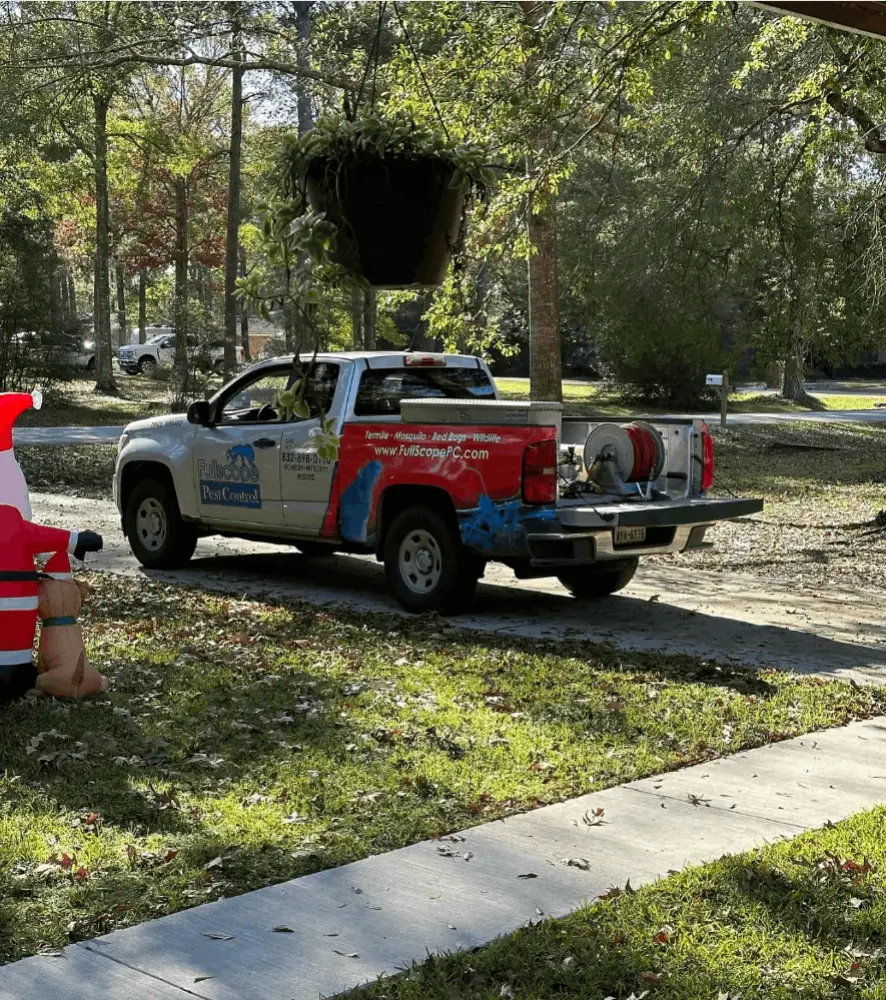
For restaurant owners and commercial kitchen managers, few things are as detrimental as a pest infestation. Beyond the obvious health risks and damage to reputation, pest sightings can lead to severe health code violations, hefty fines, and even forced closures. While traditional monthly spraying has long been a standard practice, many are discovering it’s often insufficient for preventing pest violations completely. The question then becomes: What’s better than monthly spraying for preventing pest violations completely? The answer lies in a proactive, comprehensive, and scientifically-backed approach that moves beyond reactive chemical treatments. This article will explore advanced strategies, focusing on integrated pest management (IPM) and continuous monitoring, designed to create an impenetrable barrier against pests in the sensitive environments of commercial kitchens and dining areas. Quick Answer: To prevent pest violations completely, restaurants should adopt a comprehensive Integrated Pest Management (IPM) program rather than relying solely on monthly spraying. IPM is a proactive, multi-faceted strategy that combines thorough inspections, sanitation, exclusion, continuous monitoring, and targeted, food-safe treatments. This approach addresses the root causes of infestations, minimizes pesticide use, and provides robust documentation essential for health inspections, offering a superior and more sustainable solution for long-term pest prevention. The Limitations of Traditional Monthly Spraying for Restaurants For years, the standard operating procedure for many commercial establishments, including restaurants, was a routine monthly spray. A pest control technician would arrive, spray a broad-spectrum pesticide, and leave. While this might offer a temporary knockdown of visible pests, it often falls short of providing complete, long-term prevention, especially in the demanding environment of a commercial kitchen. Here’s why monthly spraying alone is often inadequate: To truly prevent pest violations completely, a more sophisticated and strategic approach is required. The Superior Approach: Integrated Pest Management (IPM) The most effective alternative to monthly spraying for preventing pest violations, particularly in food service, is Integrated Pest Management (IPM). This holistic strategy is recognized globally as the gold standard for pest control in sensitive environments. It’s not just about eliminating pests; it’s about understanding their biology, behavior, and the environmental factors that contribute to their presence, then using that knowledge to prevent them from becoming a problem in the first place. What is IPM? Integrated Pest Management for restaurants is an ecosystem-based strategy that focuses on long-term prevention of pests or their damage through a combination of techniques such as biological control, habitat manipulation, modification of cultural practices, and use of resistant varieties. Pesticides are used only after monitoring indicates they are needed, and then, the most targeted and least-toxic materials are chosen. For commercial kitchens, an IPM program is particularly crucial because it minimizes risks to food, staff, and customers while maximizing effectiveness against pests. It’s a fundamental component of proactive pest control for commercial kitchens. Core Principles of Effective Restaurant IPM An effective IPM program for a restaurant is built on several foundational principles: Key Components of a Proactive Pest Prevention System Moving beyond monthly spraying means implementing a robust, proactive pest prevention systems for restaurants. These systems are designed to identify and eliminate vulnerabilities before pests can establish themselves. 1. Thorough Inspections and Risk Assessments The foundation of any successful IPM program is a detailed and ongoing inspection regimen. This goes far beyond a quick walk-through. Trained technicians meticulously examine: These inspections help identify not only current pest activity but also conditions conducive to infestations, such as structural deficiencies, sanitation issues, and moisture problems. 2. Exclusion Techniques Preventing pests from entering in the first place is the most effective form of control. Exclusion involves sealing off potential entry points. This includes: 3. Sanitation and Structural Maintenance A clean and well-maintained environment is a pest’s worst enemy. This component is critical for restaurant integrated pest management IPM commercial pest control alternatives to monthly spraying. 4. Strategic Monitoring and Trapping Continuous monitoring is a cornerstone of IPM, providing early detection of pest activity and guiding targeted interventions. This can involve: 5. Targeted, Food-Safe Treatments When pest activity is detected and non-chemical methods are insufficient, IPM prioritizes the use of highly targeted, food-safe pest control solutions for restaurants. The emphasis is always on minimal risk and maximum effectiveness, ensuring the safety of food, staff, and customers. Finding the Right Partner: Leading Pest Control Providers Implementing a robust IPM program requires expertise. Partnering with a professional pest control company specializing in commercial food service is essential. Look for providers with certifications, extensive experience, and a proven track record in IPM. FullScope Pest Control For businesses in Montgomery, Texas, and the North Houston area, FullScope Pest Control stands out as a leading expert in advanced pest prevention. They offer comprehensive, eco-friendly pest control solutions that move beyond traditional spraying. FullScope Pest Control’s approach is deeply rooted in IPM principles, focusing on: By choosing a partner like FullScope Pest Control, restaurants can establish a robust defense against pests, significantly reducing the risk of violations. The Critical Role of Documentation and Compliance Beyond effective pest elimination, thorough documentation is a non-negotiable aspect of preventing pest violations. Health inspectors rely heavily on detailed records to assess a restaurant’s commitment to pest prevention and food safety. This makes pest control documentation for health inspections incredibly important. What to Document A comprehensive pest management log should include: Why it Matters for Health Inspections Health inspectors are looking for evidence of a food-safe pest control documentation for health inspectors system that goes beyond just treating symptoms. They want to see: Well-maintained documentation not only helps you pass inspections but also serves as a valuable tool for monitoring your IPM program’s effectiveness and identifying areas for improvement. Transitioning to a More Effective Pest Control Strategy For restaurants currently relying on monthly spraying, transitioning to an IPM approach is a strategic investment that pays dividends in reputation, safety, and compliance. Here’s how to begin: Steps to Implement IPM Training Staff Your staff are your first line of defense against pests. Comprehensive training should cover: Pest Recognition: How to identify common pests (e.g., roaches, rodents, flies) and signs of