1500+ reviews

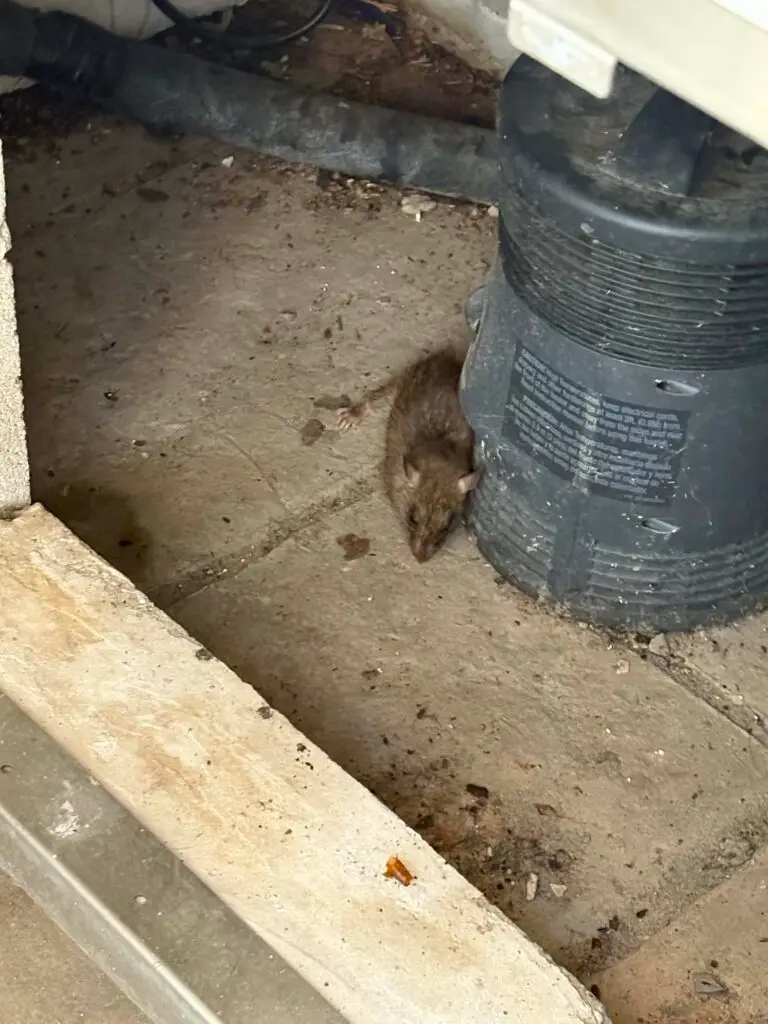
As temperatures begin to fall, rats and mice often shift their behavior in search of shelter. Homes offer stable temperatures, food, water, and protected nesting spaces. Garages, attics, wall voids, storage rooms, and crawl spaces can become attractive as outdoor conditions become less comfortable.
Effective rodent control is not simply about reacting after a mouse or rat appears. A reliable approach identifies how rodents are getting close to the structure, where they may be entering, and what makes the property appealing. Addressing those factors early can help prevent seasonal movement from turning into a hidden infestation.

Why Cooler Weather Increases Rodent Pressure
Rodents remain active throughout the year, but falling temperatures can change where they spend their time. Outdoor food sources may become less predictable, vegetation can thin, and nighttime temperatures can make sheltered areas more valuable. A small opening that was ignored during summer may become a route indoors.
Conditions that can increase fall and winter rodent pressure include:
- Cooling nights that make attics, garages, and wall cavities more attractive
- Food becoming easier to find around kitchens, pantries, pet areas, or stored goods
- Gaps around utility lines, roof edges, vents, and doors providing entry routes
- Outdoor clutter, vegetation, or stored materials offering cover near the home
- Water from plumbing leaks, condensation, or pet bowls supporting indoor activity
Rodents avoid open areas when possible. They prefer to travel along edges, behind objects, and inside protected spaces. One sighting may not show the full extent of activity. Scratching, gnawing, droppings, and rub marks can reveal movement before a nest is discovered.
When activity reaches concealed structural spaces, the problem can become harder to trace. Learning about rats inside walls helps explain why noises behind drywall, unexplained odors, or recurring droppings near wall edges deserve closer attention.
Entry Points And Shelter Matter More Than A Single Sighting
Rodents can use surprisingly small structural openings. Mice need very little space to squeeze through, while rats may exploit damaged vents, roofline gaps, garage-door openings, or access points around pipes and cables. Once inside, they can move through areas that are rarely inspected.
Professional inspection often focuses on:
- Openings around plumbing, electrical lines, vents, and exterior utility penetrations
- Gaps beneath garage doors or exterior doors that do not seal tightly
- Roofline vulnerabilities, including damaged vents, eaves, or ridge areas
- Vegetation or tree limbs that provide access toward upper parts of the structure
- Storage spaces with cardboard, fabric, insulation, or paper suitable for nesting
Shelter is just as important as entry. A home with quiet storage areas, undisturbed boxes, insulation, and nearby food can support rodents even when outdoor temperatures fluctuate. Rats and mice may establish nests in attics, wall cavities, garages, cabinets, or other low-traffic spaces.
This is why seasonal rodent control should consider the entire structure rather than a single room. If one entry point is addressed while another remains active, rodents can continue moving through the property. A professional evaluation helps connect exterior access with interior evidence, which makes the control plan more precise.
Once nesting begins, evidence may appear in several places at once. Understanding where indoor rat nests are commonly found can help homeowners recognize why shredded material, concentrated droppings, or repeated noises should not be treated as isolated signs.
Early Warning Signs Should Be Taken Seriously
Rodent activity often becomes noticeable through indirect evidence. Because rats and mice are mostly active when homes are quiet, homeowners may hear or find signs before seeing an animal directly. Repeated clues are especially important as temperatures continue dropping.
Watch for signs such as:
- Droppings appearing in pantries, garages, attics, cabinets, or storage areas
- Gnaw marks on packaging, wiring, wood, insulation, or household materials
- Scratching, scurrying, or tapping sounds during evening or nighttime hours
- Shredded paper, fabric, cardboard, or insulation collected in hidden spaces
- Greasy smudge marks along walls, pipes, shelves, or repeated travel routes
These signs can indicate that rodents are already using the structure regularly. Waiting for more obvious activity can allow nesting, contamination, and property damage to continue behind walls or above ceilings.
Professional rodent control becomes valuable when evidence appears in multiple locations, when entry points are difficult to identify, or when activity continues despite changes around the property. Technicians can inspect travel routes, nesting areas, structural gaps, and environmental conditions together rather than treating each symptom separately.
Long-term protection also depends on follow-up. Rodent pressure can change as weather shifts, landscaping changes, or new gaps develop. Monitoring known problem areas helps determine whether activity is declining or whether rodents have simply moved to another part of the structure.
Acting before colder weather settles in gives homeowners a better chance to address vulnerabilities before rodents become established indoors. The goal is not only to remove current activity but also to reduce the access, food, water, and shelter that make a home attractive in the first place.
Keep Cold-Weather Rodents Outside
If you are noticing droppings, gnaw marks, nighttime noises, or suspected entry points, contact Fullscope Pest Control for professional rodent control focused on inspection, exclusion, monitoring, and long-term prevention.