 1500+ reviews

Why Termite Baiting Requires More Than a DIY YouTube Tutorial
Termites, if left unchecked and untreated, can unleash significant havoc on your home. In fact, a substantial portion of the damage wrought by these insect invaders often occurs beneath the radar, well before any signs of infestation surface. That’s precisely why an annual termite inspection is so important for Texas homeowners. While the internet, particularly platforms like YouTube, offers an array of DIY methods and termite control products for dealing with these critters, the best thing you can do for your peace of mind and safety of your home and family is to enlist the services of a professional termite control company. Following are some viable reasons why you shouldn’t make YouTube your first solution when it comes to getting rid of your termite infestation. Termite control professionals have extensive experience and specialized knowledge to draw from, and they possess access to professional-grade products not available to the general public; they also possess the know-how to apply these products effectively for optimal results. Moreover, these experts possess an in-depth understanding of the biology and behaviors of common pests, empowering them to craft tailored treatment strategies that cater to the unique requirements of each infestation. While confronting a termite problem may tempt you to tackle it on your own, there are definitely compelling reasons to opt for professional termite control services instead. Foremost among these is sheer convenience. Managing termites and other pests can be a time-consuming and vexing endeavor, and achieving complete elimination of a termite colony by yourself is often an uphill battle. By enlisting professional assistance, you eliminate the need to interrupt your busy schedule for termite treatment – instead, you can entrust the task to seasoned experts. Though DIY termite control methods found on YouTube and other online resources might appear cost-effective and straightforward, safety should always take precedence when dealing with these pests. Professionals are equipped with the training and experience necessary for the safe and effective handling of potentially hazardous substances. They are well-versed in the proper application techniques to exterminate termites while minimizing risks to humans, children, and pets. Conversely, many DIY enthusiasts attempting termite control on their own may remain unaware of the potential dangers involved, which can lead to accidental poisonings, fires, and other mishaps. By contracting a professional termite control service, you can enjoy peace of mind, knowing your family’s safety is paramount. While an array of DIY termite control products saturates the market, the reality is that these solutions often offer only fleeting relief. In contrast, professional termite control services yield superior and longer-lasting results. This stems from the expertise of these professionals who can pinpoint the root cause of infestations and implement lasting solutions. Additionally, they have access to more potent pest control products that are inaccessible to everyday consumers. So, if your aim is to permanently eliminate termites, hiring a professional pest control service is the smartest approach. Cost and time efficiency are important things to consider when deciding whether to use professional pest control services or just do it yourself. Professional termite control firms possess the experience and proficiency to swiftly and effectively resolve your specific issue. They are also armed with cutting-edge products and technology, translating into potential long-term savings in both time and money. While DIY methods may seem cheaper upfront, they often demand more time and effort to yield similar, but not necessarily reliable, results. Professional termite control services offer the most cost-effective solution for the long run. Recomended Read :IMPORTANCE OF PRE-PURCHASE TERMITE INSPECTIONS IN TEXAS So, Why Hire a Professional for My Termite Problem? While it’s possible to purchase some termite baits on YouTube and elsewhere online, the baiting itself is a process that demands unwavering diligence. In instances where termites don’t readily locate and consume the bait, you may need to consider adding extra stations to increase the odds of success. In cases of persistent infestations, the application of an additional liquid barrier termiticide might also become necessary. Once the infestation is successfully eradicated, it’s important to remain vigilant. Foraging termites from neighboring colonies can potentially reinvade the treated area, making periodic monitoring and maintenance of bait stations a necessity. Continuous surveillance of both the stations and the structure itself is paramount to ensure ongoing protection. Given the intricacies and persistence required, termite baiting is generally a task best entrusted to skilled professionals who possess the expertise and resources to manage the process effectively. Despite all the preventive measures you can take, termites and other pests can just become overwhelming. Not to mention the fact that, termites can cause dangerous (and VERY costly) damage to your home’s infrastructure. Calling a professional termite control service is always much more cost-effective and a timesaver in the long run if you feel you are overwhelmed with termites and/or other pests in your home or yard. Deter expensive damage by getting a handle on things early on. Call our North Houston area (e.g., (primarily Cleveland, Kingwood, Atascosita, New Caney, Humble, Porter, Conroe, Splendora, and other communities in the North Houston area) FullScope termite and pest control experts today at 832-898-0190 for a consultation. Or email us at info@fullscopepestcontrol.com. We can quickly help you get your termite problems under control, as well as other expensive pest problems in your home, yard, or business. We use Sentricon Termite Baiting Stations as a long-term solution to help home and business owners like you get rid of their termite problems fast.
Importance of Pre-Purchase Termite Inspections in Texas
Termites are very tiny insect pests that carry huge implications with them wherever they go. They’re not just a minor nuisance; they’re a colossal headache. According to the National Pest Management Association (NPMA), these minuscule marauders rack up a jaw-dropping $5 billion in damages (at least!) in the United States every single year. It’s a good idea to have your home inspected for termites at least once per year to help you stay ahead of the curve when it comes to possible termite damage, but when buying a home in Texas, you should definitely have the home in question inspected for termites. Will Homeowners Insurance Cover Termite Damage? One main reason to have a home inspected for termites before buying it, is because homeowners’ insurance almost never covers damage incurred by pests. Termites aren’t content with just nibbling on your wood floors . . . they’re on a mission to chomp through walls, ceilings, doors, cabinets, trim, and even your beloved furniture – and worst of all, your home’s infrastructure. You often don’t even realize these “silent destroyers” have invaded until it’s too late. Don’t count on your homeowners insurance to bail you out – termite damage is usually left out in the cold when it comes to coverage. The House Hunt: Termite Inspections and Your Mortgage Another reason to have a home in Texas inspected for termites has to do with lender requirements. If you’re on the house-hunting adventure, here’s a twist you might not have anticipated: lenders often require a termite inspection before they’ll give the green light to your mortgage – it’s a tiny price to pay for peace of mind. Now, here’s where it gets interesting: the inspection requirements can be as diverse as house styles. They depend on the type of mortgage you’re chasing and the location of your soon-to-be home sweet home. In those balmy regions where termites are a common menace, lenders may insist on an inspection as part of the package. The Price of Termite Troubles: How Much to Fix the Damage? Once those sneaky critters have started chewing through a home’s wood framework and supports, it can be costly to repair. The bill can soar into the stratosphere. According to the folks at Home Advisor, homeowners often fork out anywhere from $200 to a whopping $900 for the privilege of having a pro tackle their termite problem. If your termite predicament is so dire that your entire home needs “tenting,” brace yourself for even more costs. Tenting your entire abode could set you back anywhere from $1,200 to $2,500. As mentioned, homeowners’ insurance won’t help out, but if you discover termite issues with the house, you can make your purchase contingent on the current owner fixing the existing damage. Buying a Home? Make The Purchase Contingent Homeowners should know that when it’s time to pick up the tab for those professional termite and home inspections, make sure your purchase agreement is contingent on the results. We recommend this because you don’t want to unlock the front door to your new abode only to discover a nasty termite surprise lurking within the walls after you’ve signed off on the sale. Fortunately, if termite trouble is uncovered, the cost of patching up the damage usually falls on the seller’s shoulders. Call In the Professionals You definitely want to hire a professional termite control expert to perform your inspection right. Hire someone with the right tools, strategies, and experience to get your home inspected thoroughly and correctly. It should go without saying that anytime you notice termite activity in or near your home, you should immediately call in a professional rather than try to DIY it! DIY solutions are almost always for the short-term and even if you succeed in getting rid of the termites, unless the job is done right, there is a huge chance that they’ll return with a vengeance. Despite all the preventive measures you can take, termites and other pests can just become overwhelming. Not to mention the fact that, termites can cause dangerous (and VERY costly) damage to your home’s infrastructure. Calling a professional termite control service is always much more cost-effective and a timesaver in the long run if you feel you are overwhelmed with termites and/or other pests in your home or yard. Deter expensive damage by getting a handle on things early on. Call our North Houston area (e.g., (primarily Cleveland, Kingwood, Atascosita, New Caney, Humble, Porter, Conroe, Splendora, and other communities in the North Houston area) FullScope termite and pest control experts today at 832-898-0190 for a consultation. Or email us at info@fullscopepestcontrol.com. We can quickly help you get your termite problems under control, as well as other expensive pest problems in your home, yard, or business. We use Sentricon Termite Baiting Stations as a long-term solution to help home and business owners like you get rid of their termite problems fast.
Termite Tales: Meet Different Types of Common Termites
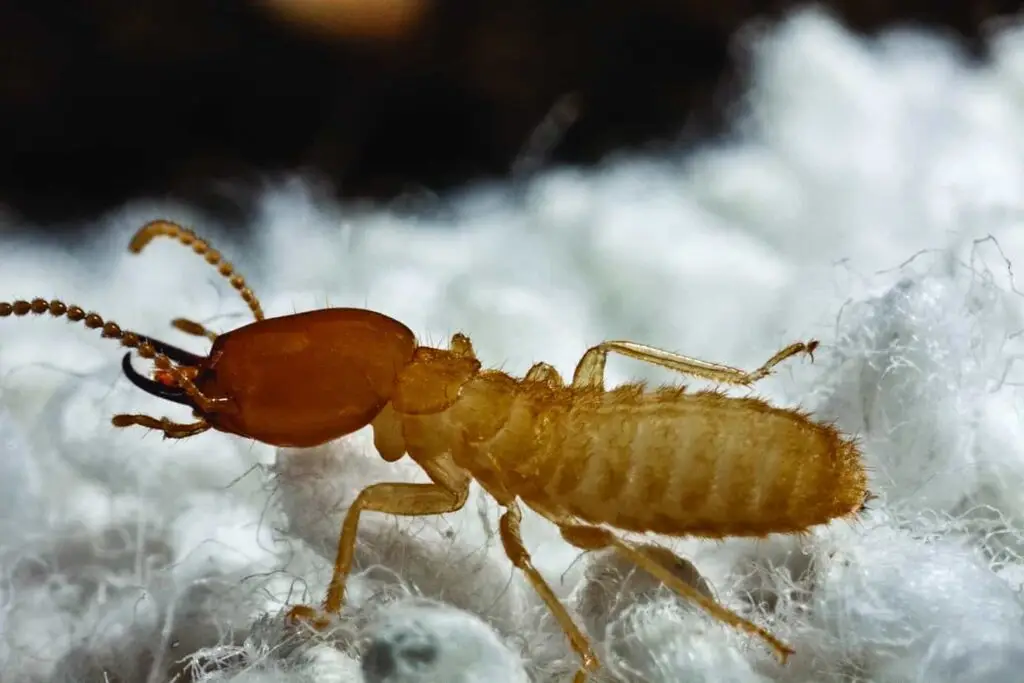
Most people, if they were to observe a single termite, would probably not think of this insect as any kind of threat. However, when these insects gather as a colony, they possess the potential to inflict substantial structural harm to a residence within a relatively brief timeframe. Termites have earned themselves the nickname “silent destroyers,” due to their impressive capacity to consume wood, flooring, and even wallpaper virtually undetected. These stealthy insect pests cause over $5 billion in property damage (over 600,000 homes) in the United States every year (that’s more damage than all windstorms, tornadoes, and hurricanes combined). Often there is much expensive damage caused even before the termites are detected. There are roughly 2,000 documented termite species worldwide (The two most common termites to the Houston area are Eastern Subterranean termites and Drywood termites), but following are common termite types that pose the largest threat to homeowners, not only in Texas, but also across the U.S. Recomended Read : SILENT DESTROYERS AMONG US: SIGNS YOU HAVE TERMITES Eastern Subterranean Termites Subterranean termites can be located in all states across the U.S. (except Alaska). These particular termites establish their colonies underground or in damp, concealed locations above the ground, which can accommodate as many as 2 million colony members. These termites usually start outside your home and work their way inside, near the foundation. They construct unique “mud tubes” to access food sources and shield themselves from threats out in the open environment. Undoubtedly, Subterranean termites stand out as the most damaging species in the United States. Drywood Termites Drywood termites are known for infesting dry wood without the need for contact with soil, which distinguishes them from Subterranean and Formosan termites. Drywood termites’ favorite thing to eat through is any type of wood. They’ll enjoy eating the wood in your walls as well as any wooden furniture you have. This termite variety frequently creates nests within roofing materials and wooden structural supports of walls, and they can also take up residence in deceased wood found near homes. While they don’t demand as much moisture for survival as other species, they can still be located in wood near water sources, such as a leaking pipe or a water heater. Drywood termites are predominantly found in the southern-tier states, spanning from North Carolina along the Gulf Coast to the coastal regions of California. Formosan Termites Hailing originally from China, Formosan termites rank as the most ravenous, assertive, and cunning among the over 2,000 termite species documented by science. Formosan termites form massive subterranean colonies and construct elaborate mud nests within the walls of buildings. Due to their highly aggressive tendencies, effectively managing an infestation of Formosan termites can prove to be quite challenging. These tenacious termites are distributed in Hawaii, North Carolina, South Carolina, Georgia, Virginia, Texas, Louisiana, Alabama, Florida, Tennessee, South Carolina, and California. Dampwood Termites Dampwood termites, as their name implies, typically infest wood with elevated moisture levels (i.e., dead trees, rotting wood). These termites are generally larger in size compared to other termite species. Typically, they do not invade structures due to the relatively low moisture content in building materials. Nevertheless, precautions should be exercised to prevent the attraction of Dampwood termites to a property. These termites are primarily distributed in states along the Pacific coast and nearby regions, the arid to semi-arid southwestern areas, as well as southern Florida. Conehead Termites Conehead termites, originally hailing from the Caribbean, represent an aggressive and invasive species that officially surfaced in the U.S. in 2001. They used to be referred to as “tree termites,” but were later renamed Conehead termites to do away with the mistaken idea that they only inhabit trees. Unlike most other types of termites, Conehead termites don’t rely on subterranean tunneling for their movement. Instead, they forage on the surface of the ground, much like ants, which facilitates their rapid spread. Despite all the preventive measures you can take, termites and other pests can just become overwhelming. Not to mention the fact that, termites can cause dangerous (and VERY costly) damage to your home’s infrastructure. Calling a professional termite control service is always much more cost-effective and a timesaver in the long run if you feel you are overwhelmed with termites and/or other pests in your home or yard. Deter expensive damage by getting a handle on things early on. Call our North Houston area (i.e., primarily Cleveland, Kingwood, Atascosita, New Caney, Humble, Porter, Conroe, Splendora, and other communities in the North Houston area) FullScope termite and pest control experts today at 832-898-0190 for a consultation. Or email us at info@fullscopepestcontrol.com. We can quickly help you get your termite problems under control, as well as other expensive pest problems in your home, yard, or business. We use Sentricon Termite Baiting Stations as a long-term solution to help home and business owners like you get rid of their termite problems fast.
Silent Destroyers Among Us: Signs You Have Termites
Termite colonies have the potential to inflict significant harm to a home’s foundation/infrastructure in a short time. These intrusive insect pests have earned themselves the nickname “silent destroyers,” due to their ability and appetite to consume wood, flooring, and even wallpaper practically undetected. Termites cause over $5 billion in property damage (over 600,000 homes) in the United States every year (that’s more damage than all windstorms, tornadoes, and hurricanes combined). Much of the damage caused is caused even before the termites are detected. The two most common termites to the Houston area are Eastern Subterranean termites and Drywood termites, but how do you know if you have a termite problem? Below are some signs you can (and should) be watching for as a homeowner in Texas. Telltale Signs of Termites Detecting evidence of termites isn’t always a straightforward task for untrained homeowners. However, you can sometimes spot potential signs of a termite issue by being watchful in and around your home. If you notice any of the following termite signs, we strongly recommend that you reach out to a termite control professional as quickly as possible, as they can assess the extent of the problem and provide recommendations for appropriate treatment: Recomended Read :RUST DISEASE IN LAWNS – IDENTIFICATION AND TREATMENT Being vigilant for these signs can help you identify potential termite issues in time to take immediate action as needed. If you discover a termite problem, the best thing you can do for the safety of your home and family is to call a professional termite control expert immediately. How Often Should I Have My Home Inspected for Termites? Termites pose a continuous threat throughout the year, underscoring the importance of being proactive when it comes to protecting your home. It’s not a bad idea to have your home thoroughly inspected at least once per year by trained professionals. While the best time of year to have your home inspected for termites really depends on where you live in the country, spring is usually the best time in most parts of the U.S. Of course, ANYTIME you notice signs of possible termite activity, you should have your home inspected before a small problem becomes a big, expensive one. Despite all the preventive measures you can take, termites and other pests can just become overwhelming. Not to mention the fact that, termites can cause dangerous (and VERY costly) damage to your home’s infrastructure. Calling a professional termite control service is always much more cost-effective and a timesaver in the long run if you feel you are overwhelmed with termites and/or other pests in your home or yard. Deter expensive damage by getting a handle on things early on. Call our North Houston area (i.e., Cleveland, Kingwood, Atascosita, New Caney, Humble, Porter, Conroe, Splendora, and other communities in the North Houston area) FullScope termite and pest control experts today at 832-898-0190 for a consultation. Or email us at info@fullscopepestcontrol.com. We can quickly help you get your termite problems under control, as well as other expensive pest problems in your home, yard, or business. We use Sentricon Termite Baiting Stations as a long-term solution to help home and business owners like you get rid of their termite problems fast.
Eco-Friendly Termite Control: The Sustainable Benefits of Baiting
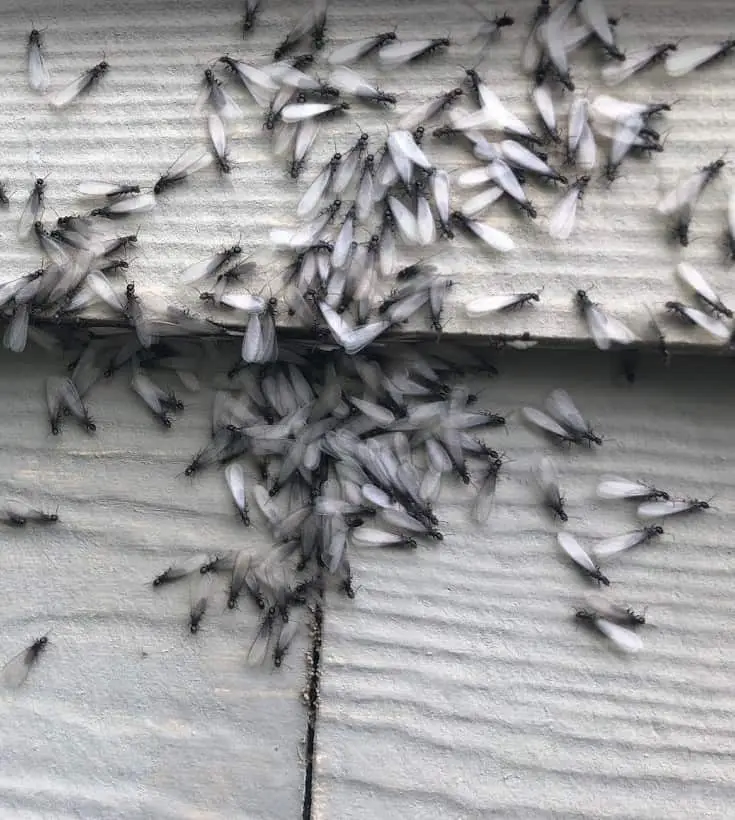
Termite infestations are every Texas homeowner’s nightmare. Termites can cause dangerous (and very expensive) damage to a home’s infrastructure if left untreated. In fact, nationwide, termites cause over $5 billion dollars in property damage every year. There’s a potent, long-term solution that comes in the form of termite “baiting.” This method not only controls active termite populations but also helps prevent future infestations. Termites are perpetually vigilant for new sources of sustenance, underscoring the constant need for proactive termite control measures. Baiting takes advantage of the innate feeding habits of subterranean termites. These termite colonies make their homes within the soil and live exclusively off of wood or cellulose-rich materials. As termite colonies flourish, they produce more worker termites, enabling the colony to extend its quest for sustenance. In their relentless search for nourishment, termites consider any wooden material fair game. Whether it’s bark mulch, timbers, stumps, or similar substances, termites readily incorporate them into their diet. In fact, termites find bait even more attractive than wood for consumption. Let’s discuss five of the primary benefits of baiting termites as opposed to more traditional termite control methods. Termite baiting is a green, sustainable pest control solution that works much like ant baiting, though with a different type of bait that termites are attracted to. To bait these destructive pests, bait is strategically placed in stations around your property, to ensure that it’s readily accessible to the termites (we use Sentricon termite bait stations, one of the very best baiting options available). The bait in question is reliable and durable, designed to withstand the test of time in the soil. Termites are drawn to this tempting treat and readily feast upon it. More importantly, they share it with their nestmates, unwittingly sealing the doom of all in the colony who consume it. As the colony consumes the bait, it is gradually wiped out. To exterminate a termite colony, you must first locate its hiding place. Our Sentricon termite protection excels in this regard. It provides indicators of termite activity, enabling the system to adapt and maximize its effectiveness. By pinpointing termite hotspots, our termite bait stations ensure precise targeting for unparalleled results. As mentioned, termites find termite bait more enticing than wood. When they dine on the bait, thereby killing off their ability to molt. If termites can’t molt, it means the end for the queen of the colony. And her death means doom for any remaining members of the termite nest. Unlike some other treatments that require extensive digging or chemical injections, the Sentricon termite stations we use are friendly to the environment. They form a protective barrier around your property without disrupting your lawn or landscaping. No deep digging or chemical injections are needed; our bait systems are simply inserted into areas conducive to termites, such as damp soil or spots near trees and shrubs. Sentricon termite protection is so effective that one installation treatment is all it takes to establish a formidable barrier around your North Houston area property, eradicating the termite colony. Our comprehensive step-by-step process ensures that your home remains safeguarded from future termite threats without the need for subsequent booster treatments. Must Read: PEST CONTROL BASICS: HOW TO REMOVE ANTS FROM YOUR HOME Why Sentricon Termite Baiting? Sentricon termite protection provides a sustainable shield for your North Houston area property. Sentricon termite bait stations are a sustainable solution that extends its protective mantle not only to your cherished home and yard, but also to your valuable business property. Its efficacy has been substantiated by over 60 rigorous scientific studies, making it a trusted choice in the battle against termites. Furthermore, Sentricon is a safe and environmentally responsible option, minimizing harm to the ecosystem. Despite all the preventive measures you can take, termites and other pests can just become overwhelming. Not to mention the fact that, termites can cause dangerous (and VERY costly) damage to your home’s infrastructure. Calling a professional termite control service is always much more cost-effective and a timesaver in the long run if you feel you are overwhelmed with termites and/or other pests in your home or yard. Deter expensive damage by getting a handle on things early on. Call our North Houston area (e.g., (primarily Cleveland, Kingwood, Atascosita, New Caney, Humble, Porter, Conroe, Splendora, and other communities in the North Houston area) FullScope termite and pest control experts today at 832-898-0190 for a consultation. Or email us at info@fullscopepestcontrol.com. We can quickly help you get your termite problems under control, as well as other expensive pest problems in your home, yard, or business. We use Sentricon Termite Baiting Stations as a long-term solution to help home and business owners like you get rid of their termite problems fast.
Why Termite Baiting Requires More Than a DIY YouTube Tutorial
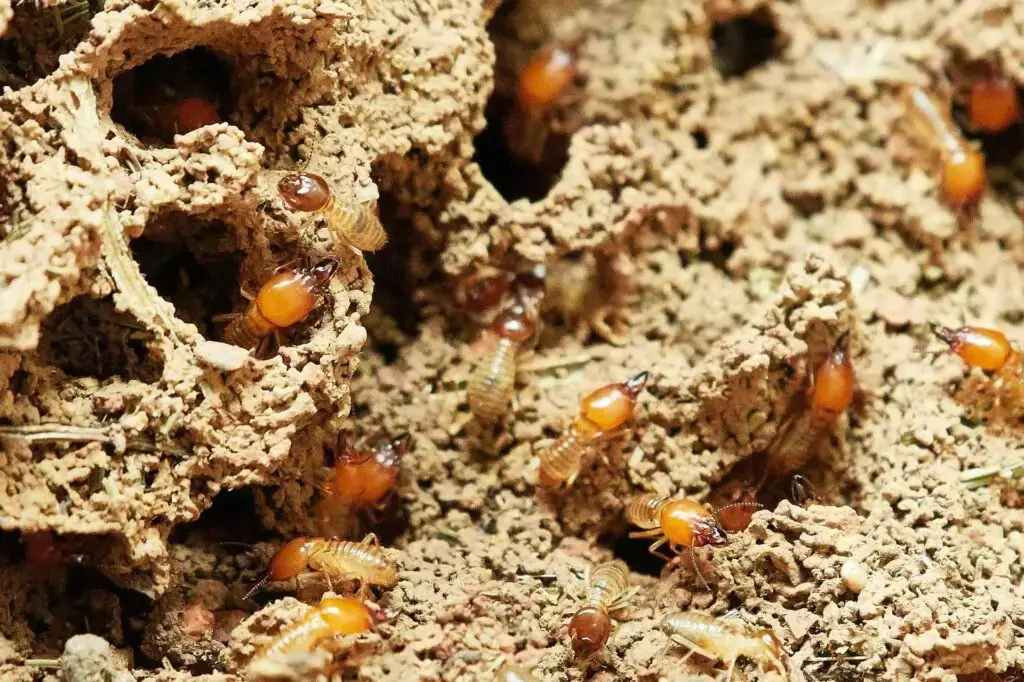
Termites, if left unchecked and untreated, can unleash significant havoc on your home. In fact, a substantial portion of the damage wrought by these insect invaders often occurs beneath the radar, well before any signs of infestation surface. That’s precisely why an annual termite inspection is so important for Texas homeowners. While the internet, particularly platforms like YouTube, offers an array of DIY methods and termite control products for dealing with these critters, the best thing you can do for your peace of mind and safety of your home and family is to enlist the services of a professional termite control company. Following are some viable reasons why you shouldn’t make YouTube your first solution when it comes to getting rid of your termite infestation. Termite control professionals have extensive experience and specialized knowledge to draw from, and they possess access to professional-grade products not available to the general public; they also possess the know-how to apply these products effectively for optimal results. Moreover, these experts possess an in-depth understanding of the biology and behaviors of common pests, empowering them to craft tailored treatment strategies that cater to the unique requirements of each infestation. While confronting a termite problem may tempt you to tackle it on your own, there are definitely compelling reasons to opt for professional termite control services instead. Foremost among these is sheer convenience. Managing termites and other pests can be a time-consuming and vexing endeavor, and achieving complete elimination of a termite colony by yourself is often an uphill battle. By enlisting professional assistance, you eliminate the need to interrupt your busy schedule for termite treatment – instead, you can entrust the task to seasoned experts. Though DIY termite control methods found on YouTube and other online resources might appear cost-effective and straightforward, safety should always take precedence when dealing with these pests. Professionals are equipped with the training and experience necessary for the safe and effective handling of potentially hazardous substances. They are well-versed in the proper application techniques to exterminate termites while minimizing risks to humans, children, and pets. Conversely, many DIY enthusiasts attempting termite control on their own may remain unaware of the potential dangers involved, which can lead to accidental poisonings, fires, and other mishaps. By contracting a professional termite control service, you can enjoy peace of mind, knowing your family’s safety is paramount. While an array of DIY termite control products saturates the market, the reality is that these solutions often offer only fleeting relief. In contrast, professional termite control services yield superior and longer-lasting results. This stems from the expertise of these professionals who can pinpoint the root cause of infestations and implement lasting solutions. Additionally, they have access to more potent pest control products that are inaccessible to everyday consumers. So, if your aim is to permanently eliminate termites, hiring a professional pest control service is the smartest approach. Cost and time efficiency are important things to consider when deciding whether to use professional pest control services or just do it yourself. Professional termite control firms possess the experience and proficiency to swiftly and effectively resolve your specific issue. They are also armed with cutting-edge products and technology, translating into potential long-term savings in both time and money. While DIY methods may seem cheaper upfront, they often demand more time and effort to yield similar, but not necessarily reliable, results. Professional termite control services offer the most cost-effective solution for the long run. Must Read: WHAT HOMEOWNERS SHOULD KNOW ABOUT SPRINGTAILS So, Why Hire a Professional for My Termite Problem? While it’s possible to purchase some termite baits on YouTube and elsewhere online, the baiting itself is a process that demands unwavering diligence. In instances where termites don’t readily locate and consume the bait, you may need to consider adding extra stations to increase the odds of success. In cases of persistent infestations, the application of an additional liquid barrier termiticide might also become necessary. Once the infestation is successfully eradicated, it’s important to remain vigilant. Foraging termites from neighboring colonies can potentially reinvade the treated area, making periodic monitoring and maintenance of bait stations a necessity. Continuous surveillance of both the stations and the structure itself is paramount to ensure ongoing protection. Given the intricacies and persistence required, termite baiting is generally a task best entrusted to skilled professionals who possess the expertise and resources to manage the process effectively. Despite all the preventive measures you can take, termites and other pests can just become overwhelming. Not to mention the fact that, termites can cause dangerous (and VERY costly) damage to your home’s infrastructure. Calling a professional termite control service is always much more cost-effective and a timesaver in the long run if you feel you are overwhelmed with termites and/or other pests in your home or yard. Deter expensive damage by getting a handle on things early on. Call our North Houston area (e.g., (primarily Cleveland, Kingwood, Atascosita, New Caney, Humble, Porter, Conroe, Splendora, and other communities in the North Houston area) FullScope termite and pest control experts today at 832-898-0190 for a consultation. Or email us at info@fullscopepestcontrol.com. We can quickly help you get your termite problems under control, as well as other expensive pest problems in your home, yard, or business. We use Sentricon Termite Baiting Stations as a long-term solution to help home and business owners like you get rid of their termite problems fast.
How Termite Baiting Disrupts Entire Colonies
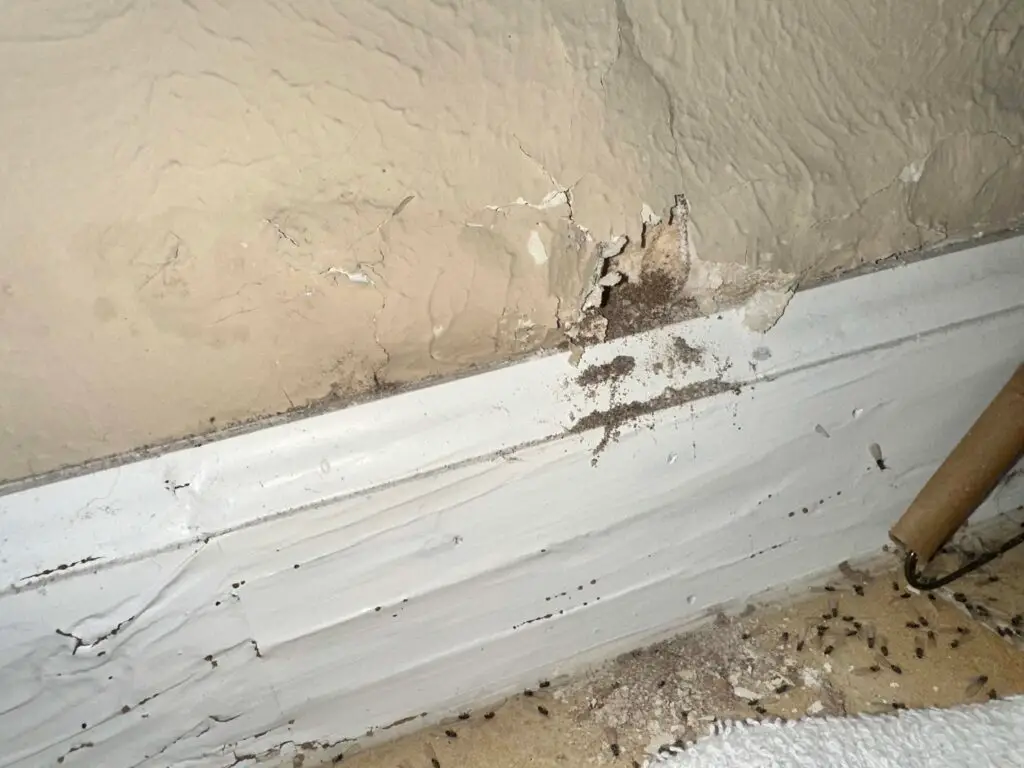
Termite bait stations play a pivotal role in strategically combating and defending against termites, particularly subterranean termites, the most prevalent species not only in Texas, but also throughout the United States. These dangerous pests, which construct intricate networks of underground tunnels while foraging for sustenance, are notorious for their 24/7 feeding habits, posing a persistent threat to your home. Traditionally, termiticide can be sprayed on and around a home to kill termites and create a barrier to keep the rest away, but this method has its limitations. Termite baiting has become increasingly popular among professional termite control experts, and with good reason. Let’s discuss how termite baiting works and how it can disrupt and eliminate an entire termite colony. Advantages of Termite Baiting Termite bait stations offer several benefits, including: By having termite bait stations deployed strategically, you can ensure your defense against these persistent pests will safeguard your home and family effectively. The Mechanics of Termite Bait Stations What makes termite bait stations so effective against termites? Also termed as “termite traps,” bait stations are strategically positioned either in or above the ground surrounding your property. The stations don’t trap termites, per se, but they house bait, often consisting of laced wood, paper, or cellulose, which termites feast upon and subsequently transmit to other members of their colony, leading to its eradication. Worker termites, during their search for food sources near the colony, encounter this bait, ingest it, and disseminate it to their fellow colony members. Most baits act gradually, permitting termites to return to the colony and extend the contagion to others. Many baits also contain insect growth regulators (IGRs) which disrupt the termites’ ability to breed and reproduce. The resulting domino effect disrupts the entire colony and eventually leads to its end. Outdoor termite bait stations typically find placement in areas heavily frequented by termites. In-ground bait stations exclusively target subterranean termites, pinpointing their habitat. Must Read:8 FACTS ABOUT RACCOONS IN YOUR HOME Effectiveness of Termite Bait Stations Bait stations can serve as a potent, long-term solution for termite woes. While their bait operates on a slow-release principle, it facilitates the annihilation of all termite castes, including reproductives, soldiers, and workers. Nonetheless, several factors can influence the efficacy of these stations. Placement is paramount. Bait stations should be positioned roughly 2–4 feet away from a structure’s foundation, spaced at intervals of 10–20 feet from one another. Their placement should align with areas of termite activity or suspicion, encompassing locations near woodpiles, tree stumps, and damp areas. DIY vs. Professional Pest Control Bait Monitoring Systems In cases where termites are visible or their presence is detectable within your home, the temptation to handle the issue personally may arise. However, even if you manage to deal with the termites you can see, concealed structural damage may persist unnoticed. There is way too much at stake for inexperienced homeowners to take chances with the safety of their home and family. While certain store-bought termite bait stations bear resemblance to the bait utilized in some pest control professionals’ bait monitoring systems, DIY termite treatments frequently fall short due to improper use. Identifying diverse termite species, understanding their behaviors, and discerning areas of high termite activity are skills most homeowners lack. Professional pest control companies not only possess the appropriate equipment but also offer effective solutions, continuous monitoring and maintenance, and expert knowledge to address termite problems competently. They will know how to determine the appropriate termite treatment required for your specific situation. Stuck with a termite problem? Despite all the preventive measures you can take, termites and other pests can just become overwhelming. Not to mention the fact that, termites can cause dangerous (and VERY costly) damage to your home’s infrastructure. Calling a professional termite control service is always much more cost-effective and a timesaver in the long run if you feel you are overwhelmed with termites and/or other pests in your home or yard. Call our North Houston area (e.g., (primarily Cleveland, Kingwood, Atascosita, New Caney, Humble, Porter, Conroe, Splendora, and other communities in the North Houston area) FullScope termite and pest control experts today at 832-898-0190 for a consultation. Or email us at info@fullscopepestcontrol.com. We can quickly help you get your termite problems under control, as well as other expensive pest problems in your home, yard, or business. We use Sentricon Termite Baiting Stations as a long-term solution to help home and business owners like you get rid of their termite problems fast.
Termite Baiting Economics:

Saving Money and Preventing Costly Damage You might underestimate the impact of termites, but as a Texas homeowner, their presence can spell significant trouble. Termites don’t discriminate; they wreak havoc on both residential and commercial properties, often resulting in substantial, expensive damage. Often much of this damage is incurred before the termites are even detected. If left unchecked, this damage can lead to repair costs totaling in the hundreds or thousands–termites do cause over $5 billion dollars in property damage in the United States every year. Baiting has evolved as a widely spread effective method of termite control, even more so than traditional termiticide applications. Let’s discuss some of the ways remaining vigilant over potential termite outbreaks can save you money in the long run and prevent damage to your home. Wooden Structures Are Very Vulnerable Termites have an insatiable appetite for wood, making homes and businesses constructed primarily of this material prime targets for these tiny yet destructive pests. While their initial damage may seem cosmetic, it can escalate, posing risks to the structural integrity of the building. Additionally, termite-infested structures are more susceptible to rot, which can significantly depreciate your property’s value. Acting early can save not only your home, but also save you plenty of costly repair expenses. Must Read: WASP EXTERMINATION: A COMPREHENSIVE GUIDE Take Proactive Measures If you reside in a termite-prone area (and yes, Texas is a termite-friendly environment), investing in preventative services can prove invaluable. Early-stage termite treatment eradicates these pests before they inflict damage and it also deters their return, potentially saving you substantial repair expenses down the road. Enlisting the expertise of professional termite control experts can also spare you from enduring immense stress. Also, as a preventive maintenance issue, it’s not a bad idea to have your home inspected for termites at least once every year. You should definitely have a home inspected for termites before purchasing it. Speaking of being proactive, if you’re building new, you might want to look into using termite-resistant wood or at least pressure-treated wood treated with copper boron azole (CBA) or alkaline copper quaternary (ACQ). Using wood treated to fend off termites doesn’t 100% guarantee protection, but it sure reduces the chances of a termite infestation. Woods known to be naturally resistant to termites include teak, redwood, Alaskan Yellow Cedar, Honduran Mahogany, and Peruvian Walnut). Treatment for an Effective Solution Two common methods of termite treatment exist. The first involves spraying termiticides, which promptly eliminate termites and prevent their resurgence. Many experts will tell you that a bait system works even better. Baits, devoid of chemicals, offer an alternative for certain structures. Although bait solutions work more gradually than termiticides, they ultimately eliminate entire termite colonies, increasing the chances of the termites never making a resurgence. A Warmer Climate Haven Termites flourish in warm climates abundant in wood, making them a frequent concern in regions like Texas and the rest of the American Southeast. If you reside in a termite-prone area, don’t procrastinate termite treatment for your property. This investment will safeguard your home, saving you invaluable sums of money and shielding you from years of stress. Stuck with a termite problem? Despite all the preventive measures you can take, termites and other pests can just become overwhelming. Not to mention the fact that, termites can cause dangerous (and VERY costly) damage to your home’s infrastructure. Calling a professional termite control service is always much more cost-effective and a timesaver in the long run if you feel you are overwhelmed with termites and/or other pests in your home or yard. Call our North Houston area (e.g., (primarily Cleveland, Kingwood, Atascosita, New Caney, Humble, Porter, Conroe, Splendora, and other communities in the North Houston area) FullScope termite and pest control experts today at 832-898-0190 for a consultation. Or email us at info@fullscopepestcontrol.com. We can quickly help you get your termite problems under control, as well as other expensive pest problems in your home, yard, or business. We use Sentricon Termite Baiting Stations as a long-term solution to help home and business owners like you get rid of their termite problems fast.
How Long Does Termite Inspection Take
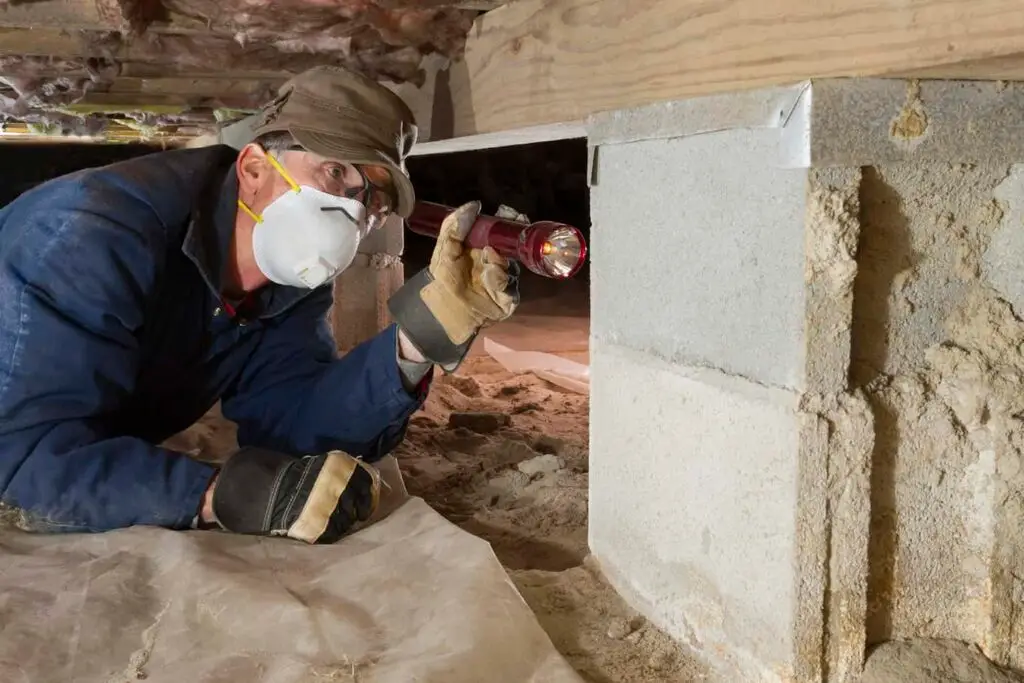
If you assume termites have infested your home, you want them exterminated immediately. A professional termite inspection is the first step in complete termite elimination. A technician will conduct a thorough inspection to determine if termites are present on the property. Termite inspections usually take one to two hours, depending on the property’s size. Let’s see how long this particular inspection might take by looking at factors that affect its duration: The Property’s Condition Assessing an older home typically requires more time and energy than evaluating a brand-new building. The same is true for a recently refurbished house. A thorough evaluation is needed to ensure that the freshly renovated property is entirely free of nagging issues. Infestation Size If the property you want to be examined has a history of pest infestation, the technician may need the entire day to establish the amount of pest activity. The size of the building and how intrusive an inspector is will affect how long it takes to inspect. Knowledge and Expertise A local inspector can complete the work more quickly than a non-local one. Their familiarity with prevalent local pests will help them meet the check more quickly. An expert can work faster because of their experience and knowledge in this field, which means you get your report quicker. What Happens During The Inspection? During the inspection, the technician will thoroughly examine every area of your property. They will concentrate on areas where termites like to live and conceal themselves, such as baseboards, door frames, cabinets, closets, and crawl spaces. The technician will spend significant time in the kitchen, bathrooms, and utility rooms. Termites use pipes to circumvent concrete barriers and enter a residence. Keeping these areas clear of clutter enables the pest control expert to detect even the tiniest indications of an infestation. After inspecting the interior, the technician will conduct an exterior inspection. The exterior walls, eaves, and foundation will be checked for damage. Additionally, they will examine other areas of the property for mounds and damaged wood. What Happens After The Inspection? After examining your property, the technician will provide you with a report. If termites were discovered, the message would detail the approximate size and location of the infestation. They’ll also outline any damages and any other pertinent information. The technician will then estimate treatment, repairs, and follow-up removal requirements. They will collaborate with you to determine the most effective termite treatment for your needs and budget. In addition to eliminating the current infestation, preventative spraying may be beneficial. It is frequently the most cost-effective method of termite prevention. Location, the type of structure you need to protect, and other variables will determine the best preventative measures. Must Read: CAN PEST CONTROL SPRAY FOR TICKS What’s Next? When choosing between different pest control companies, the time they spend inspecting your property is essential. However, effectiveness is also significant in determining which treatment will work best for you. When you need a termite inspection on your current or prospective property, call Fullscope Pest Control! Our team will carefully inspect your property and determine whether you need to take preventative measures or if it’s time to treat an existing infestation. Contact us now!
What Causes Flying Termites In Your House
Most people have heard horror stories about termites causing thousands of dollars in damage to a valuable home or asset. However, few people know the warning signs of a termite infestation. If you notice termites with wings on your property, you may have a serious problem. How Did I Get Flying Termites? Male and female reproductive termites, or alates, emerge from established colonies to mate and start new colonies in new locations. A large colony of termites may be nearby if you see a swarm flying near your house. A live infestation may be present if a resident finds multiple alates inside, sees their shed wings near doors and windows, or spots them emerging from the house’s exterior. How Serious Are Flying Termites? Termites are notoriously destructive pests. Alates production typically occurs after a colony has been established for three to six years. Workers feeding on wood may cause expensive damage to buildings during this time and for as long as the colony is active. These termites are in the worker stage, eating the softer inner parts of the wood while leaving the tougher outer layers alone. Years may pass before a building owner discovers mud tubes, cracks, or the collapse of wood due to a termite infestation. Swarms of flying termites should be taken as a warning sign of impending damage to a home. Termites can cause structural damage to home if left untreated. Termite colonies can be very large in a structure and the surrounding soil. Swarms When a colony of termites swarms, the individuals take to the air. Heavy precipitation and warm, humid weather are the leading causes of swarms. To reproduce, established colonies will swarm when male and female termites develop wings. Fertilized termites will then shed their wings after mating flights and begin establishing new colonies. The presence of winged termites inside a house signifies a well-developed colony, and termite swarmers on the interior of a home should not be taken lightly. Possibly Resemble Ants While flying termites resemble winged ants, they have distinct differences in appearance. The waist of ants is constricted, whereas the waist of termites is more straight-sided. Termites have four equal-sized wings. Ant antennae bend at 90-degree angles, whereas termite antennae are straight. Facts About Flying Termites How To Reduce the Risk from Termite Swarms Infestations of termites can be caused by the buildup of moisture in wood, which can occur when a tree on your property falls or if a piece of wood comes into contact with the soil. Preventing a termite infestation requires routine checks of your home. Must Read: HOW DO YOU GET RID OF BIG BLACK ANTS Conclusion Call Fullscope Pest Control today for a free termite inspection of your home if you need assistance determining whether or not you have activity. Our technicians are highly trained in the art of termite control, so you can rest assured that they will get the job done right. We want to help keep your home pests-free for as long as possible, so we’ll work with you closely to ensure everything goes smoothly.