 1500+ reviews

Termite Infestation & Available Treatments: What to Look For

Key Highlights Are you starting to notice strange signs around your home, like tiny wood-colored pellets or hollow-sounding timber? These could be indicators of a termite infestation silently wreaking havoc on your property. In our upcoming blog post, we will delve into the intricate world of termite infestations and how to spot them before they cause irreparable damage. From understanding the behavior and lifecycle of termites to exploring professional treatment options and DIY prevention strategies, this comprehensive guide will equip you with the knowledge needed to safeguard your home. Keep an eye out for tips on identifying common signs of termite presence, steps to take if you suspect an infestation, and long-term management techniques to ensure your home remains termite-free. Don’t let these pests nibble away at your peace of mind – join us as we uncover everything you need to know about termite infestations! Introduction Termites are among the most destructive insects in the world, capable of causing severe damage to homes and other wooden structures. Termite infestations can weaken building supports, leading to costly repairs and even structural collapse in extreme cases. It’s essential to be aware of the signs of a termite infestation and take immediate action to prevent further damage. Identifying a termite infestation can be challenging, as termites often live and travel in hidden areas such as walls, floors, and ceilings. However, there are several signs that can indicate a termite problem. Look out for dead termites or wings in the corners of your home, as well as strange, musty smells throughout the house. Termite droppings, called frass, may be present along baseboards and window sills. You might also notice mud tubes climbing the foundation of your home on the exterior of your house near the foundation or sawdust near doors and windows. In this blog, we will delve deeper into how to identify a termite infestation, the differences between termite species, termite behavior, initial steps to take when you suspect termites, professional termite treatment options, DIY prevention strategies, and the financial impact of termite damage. By the end of this blog, you will have a comprehensive understanding of termite infestations and the necessary steps to protect your home. So let’s get started! Identifying a Termite Infestation Identifying a termite infestation in your home is crucial to prevent further damage and take necessary action. Many people don’t realize they have a termite problem until it’s too late, as termites often infest hidden areas and leave minimal visible signs. However, there are a few key indicators that can help you identify a termite infestation and prevent costly damage: https://www.forbes.com/home-improvement/pest-control/signs-of-termite-infestation One of the most common signs of a termite infestation is damaged wood, including drywall. Termites feed on wood, hollowing it out from the inside, which weakens the structure. Look out for sagging floors, buckling walls, or hollow-sounding drywall when tapped. You may also notice small holes or tunnels on the surface of the drywall or wallpaper, as termites can eat through both materials. Additionally, termite activity can cause paint to bubble or crack and wallpaper to peel. Another sign of a termite infestation is the presence of termite droppings, also known as frass. These small, pellet-like droppings can be found near termite nests or along baseboards and window sills. Keep an eye out for mud tubes on the exterior of your home, as they are often used by termites as a pathway between their nest and a food source. By being vigilant and recognizing these signs, you can catch a termite infestation early and take the necessary steps to address the problem. It’s essential to act quickly to limit the damage and protect your home. Common Signs Termites Leave Behind When it comes to identifying a termite infestation, there are several common signs that termites leave behind. By recognizing these signs, you can take immediate action to address the problem. Here are some key indicators of a termite infestation: By being aware of these signs and regularly inspecting your home for any termite activity, you can catch an infestation early and take the necessary steps to address the problem. Remember, early intervention is key to minimizing damage and protecting your home. Differences Between Termite Types and Their Indicators There are different types of termites that can infest your home, and understanding the differences between them can help in formulating effective treatment strategies. The two main types of termites that commonly infest homes are drywood termites and subterranean termites. Drywood termites typically infest dry wood, such as furniture or wooden structures within your home. They do not require contact with soil and can survive solely on the moisture present within the wood they infest. Signs of a drywood termite infestation include small holes in the wood, piles of sawdust-like pellets (termite droppings), and blistered or buckled floors. On the other hand, subterranean termites live in the soil and require contact with moisture to survive. They build mud tubes to protect themselves as they travel between their nest and a food source, such as wooden structures in your home. Signs of a subterranean termite infestation in the United States include mud tubes on the exterior of your home, damaged wood, and the presence of swarmers during termite season. It’s important to understand the type of termite infestation you have, as different treatment methods may be required. Consulting with a professional pest control service can help determine the most effective approach to eliminate the specific termite species infesting your home. https://www.britannica.com/animal/termite Homeowners: Why Termites Swarm and What It Means for You Termite swarming is a natural part of the reproductive cycle of termites and occurs when a termite colony has grown large enough to establish new colonies. Understanding why termites swarm and what it means for your home is essential in preventing further infestations. Termite swarm season typically occurs between March and June, although in warmer areas like Florida, it can happen throughout the year. During this time, termite swarmers take flight to find mates and establish new
Are Termites Dangerous to Humans?
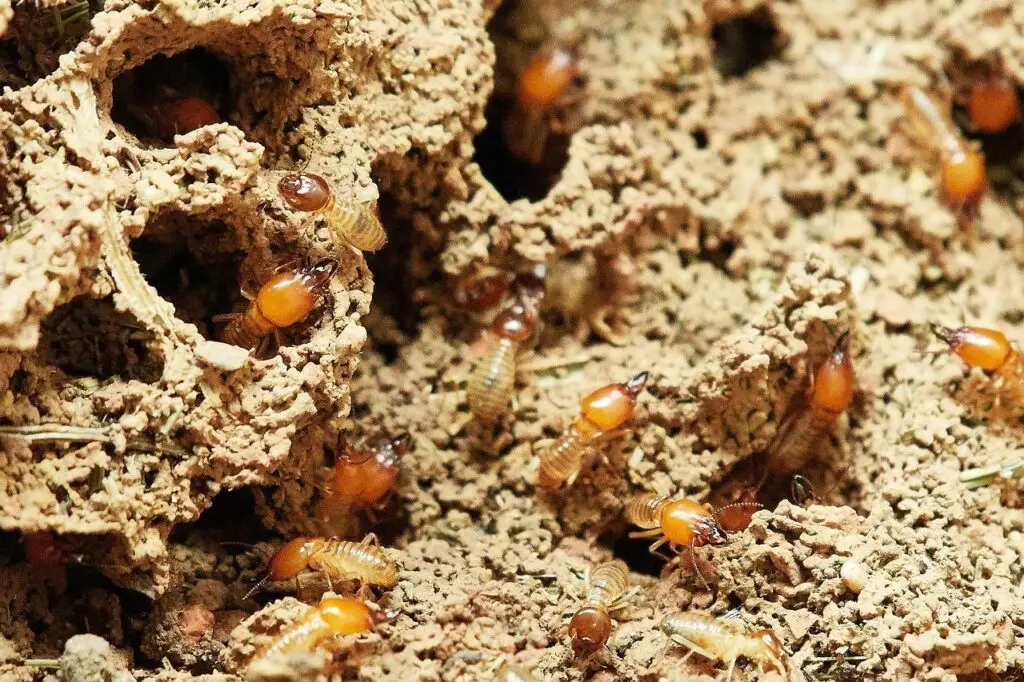
Termites may seem like a minor, inconsequential nuisance. However, realizing the threats emanating from them in their full magnitude is a very cardinal thing for homeowners and anyone dealing with property management. Let’s talk termite terror—from structural nightmares to potential health scares. But fear not; proven termite control methods are ready to protect you. This blog post discusses termite defense and provides tips for keeping these pests out of your way right from the start. The Structural Threat Posed by Termites Termites feed on wood with cellulose in proportion; they eat in large numbers and may, therefore, greatly damage the structure of buildings and houses. The very structure of wooden beams and the foundation of such pests will likely weaken, leading to safety hazards and possible catastrophes. Regular inspections remain key to finding termite activity before they cause too much damage. Identifying early signs, such as mud tubes on the outside and wood that sounds hollow when tapped, will save the property owner from expensive repairs. Health Risks Associated with Termites Termites may indirectly affect human health by producing allergens. If you have asthma or are allergy-prone, airborne remnants from rotting wood could be your unseen enemy—sparking unwanted sneeze-fests and breathless moments without warning. An added risk is that the moisture from the termites entering the building might also bring mold growth and, hence, further respiratory problems for the building’s occupants. If mold makes its way inside, be ready for it to kick up some major health issues like nasty allergic reactions and trouble catching a breath. Psychological and Financial Impact Living with a termite infestation is highly stressful. For many, daily life now includes the extra burden of anxiety and stress. On top of that, uncertainty looms large, with a common understanding that parasites are no small threat. Termites cause damage, and according to it, their financial impact is huge, not only for repairing the structural damage themselves but in every effort amount needed for pest control. Such expenses have to be borne by homeowners and property managers. Prevention and Termite Control Strategies Preventative Measures The major recommendation includes keeping a dry condition around properties. Proper landscaping, the provision of adequate ventilation, and the control of moisture all assist in the prevention of termites. The other way includes the use of physical barriers and chemical barriers to keep away from termites. Role of Professional Services But when preventive methods have proven futile, the resource will have to be had by bringing in professional pest control services. They’re all about using less harmful treatments against termites—targeting specific problem areas and managing the overall situation—to protect your pad. Conclusion Termites can cause real damage to your property and indirectly pose health risks from allergens and mold. Staying ahead of the game with regular check-ups and smart actions is your best bet to avoid those nasty surprises. For expert help with termite infestation and to ensure your property is protected, consider contacting Fullscope Pest Control. Lean on our experienced crew for top-notch pest management solutions to let you breathe easily again. Drop us a line to find out how we make your house safe and free from termites.
How to Get Rid of Termites | Termite Treatment | FullScope
Key Highlights Introduction Termites are one of the most dreaded pests, especially for homeowners. These tiny insects can cause extensive damage to homes and structures, leading to costly repairs and compromised structural integrity. It’s essential to understand the different types of termites, their potential impact, and effective termite treatment options to protect your property. In this blog, we will explore various aspects of termite control, including understanding termites and their impact, early signs of infestation, professional termite inspection, treatment options, DIY vs. professional treatment, and preventing future termite infestations. By gaining knowledge about termites and implementing preventative measures, you can safeguard your home and minimize the risk of termite damage. Understanding Termites and Their Impact Termites are social insects that live in large colonies and feed on cellulose-based materials, such as wood. The United States is home to different termite species, with subterranean termites and drywood termites being the most common. These termites can cause significant structural damage to homes, leading to weakened foundations, sagging floors, and compromised safety. It is estimated that termites cause billions of dollars in damages annually. Understanding the behavior and habits of termites is crucial to detect and address an infestation early on. By being aware of the signs of termite activity and seeking professional assistance, homeowners can protect their property from further damage. The Different Types of Termites Termites exist in various species, but the two most common types found in the United States are subterranean termites and drywood termites. Subterranean termites live in the soil and build mud tubes to access above-ground food sources. These termites are responsible for the majority of termite damage in the country. On the other hand, drywood termites infest dry wood and do not require contact with soil. It’s important to be able to identify the type of termites infesting your home as it can impact the treatment approach. Subterranean termites are usually eradicated using liquid soil-applied termiticides or bait systems, while drywood termites may require localized spot treatments or fumigation. Understanding the specific species of termites and their behavior can help pest control experts develop a targeted treatment plan to effectively eliminate the infestation. How Termites Damage Your Property Termites can cause significant damage to your property if left untreated. They feed on wood and cellulose materials, such as paper and cardboard, making your home vulnerable to structural damage. Termites can weaken wooden structures, including walls, floors, and furniture, which can compromise the integrity of your home. The damage caused by termites is often not immediately noticeable, as they feed from the inside out, leaving the outer layers intact. To prevent and treat termite damage, it is crucial to enlist the help of professional pest control services. They have the expertise and tools to effectively eliminate termites and safeguard your property from future infestations. The Science Understanding the science behind termites is key to effective termite prevention and treatment. Termites live in colonies, which can consist of thousands or even millions of individual termites. The best way to prevent termite infestation is to create a barrier between your home and potential termite entry points. This can be done through the use of physical barriers, such as steel mesh, or the application of termiticides to the soil surrounding your property. Regular termite inspections are also essential to catch any infestations early on and take prompt action. Professional pest control experts have the knowledge and experience to identify the signs of termite activity and recommend the most appropriate prevention and treatment methods. What are the different methods of termite treatment available in the market? Various termite elimination methods include liquid termite barriers, termite baits, termite fumigation, and wood treatment. Each method has its pros and cons, so it is essential to consult with a professional to determine the most effective treatment for your specific termite infestation. Early Signs of Termite Infestation Detecting a termite infestation early is crucial to preventing extensive damage to your property. There are several visual indicators that can signal the presence of termites. Mud tubes, which are narrow tunnels made of soil and termite saliva, are a common sign of termite infestation. These tubes are used by termites to travel between their underground colonies and food sources. Other signs include damaged or hollow-sounding wood, discarded termite wings, and small piles of termite droppings. If you notice any of these signs, it is important to seek professional termite inspection and treatment to prevent further damage. Termite and Pest Control Termite treatment is a critical aspect of protecting your property from the destructive nature of these pests, so that you can leave termite free. There are various methods available in the market, including liquid termite barriers, termite baits, fumigation, and wood treatment. Each method comes with its own set of advantages and drawbacks, so consulting with a professional is key to determining the most suitable approach for your specific situation. Detecting early signs of termite infestation can save you from costly repairs. Keep an eye out for mud tubes, damaged wood, discarded wings, and termite droppings. If you spot any of these Visual Indicators and What to Look For When inspecting your home for termite infestation, there are several visual indicators to look for. These signs can help you identify whether you have a termite problem and take appropriate action. If you notice any of these visual indicators, it is advisable to contact a professional pest control company for a thorough termite inspection and appropriate treatment. Silent Destroyers Termites are often referred to as “silent destroyers” because they can cause extensive damage to your property without immediate visible signs. They feed on wood and other cellulose materials, gradually weakening the structure over time. Termite colonies can consist of thousands or even millions of individual termites, working tirelessly to feed and expand their colonies. As they tunnel through wooden structures, they can cause significant structural damage, compromising the integrity of your home. It is important to address termite infestations promptly to prevent further damage. Professional pest control
Termites in House | How to Check for Termites | FullScope
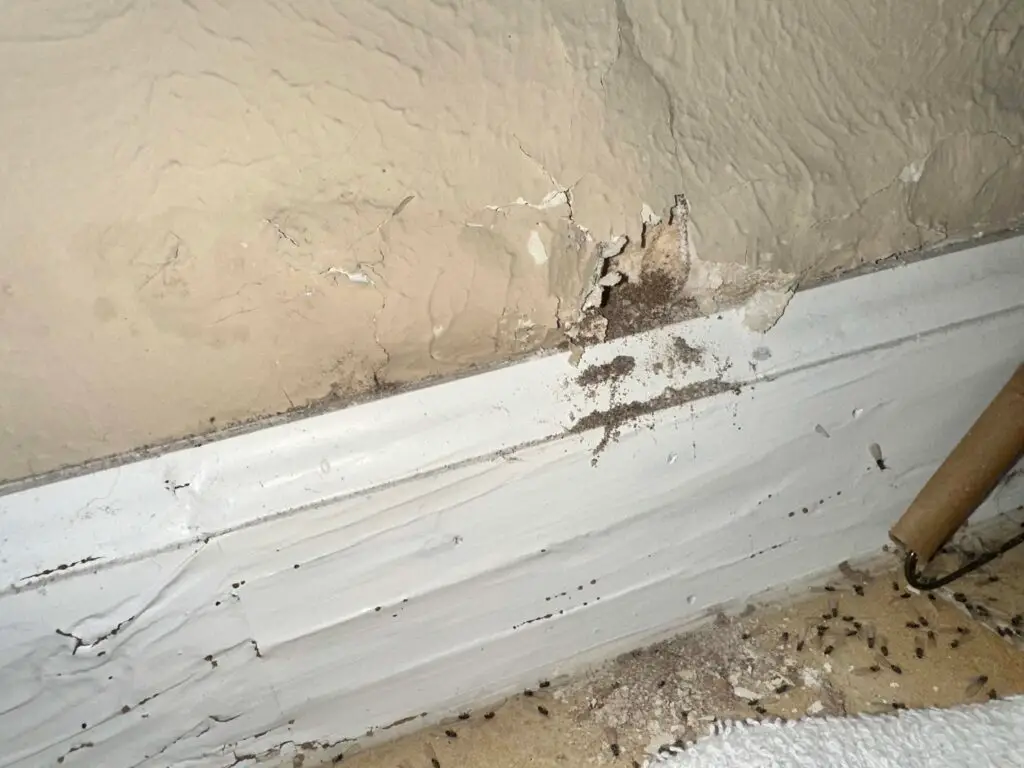
Key Highlights Introduction Termites are among the most destructive insects in the world, capable of causing significant damage to homes and other wooden structures. If left untreated, termite infestations can lead to structural damage and even the collapse of a building. However, with early detection and proper treatment, homeowners can protect their homes from the devastating effects of termites. Identifying the signs of a termite infestation is the first step in preventing extensive damage. In this blog, we will discuss how to check for signs of termites in your house and provide effective solutions for termite control. We will also explain the impact of termites on your home and answer some frequently asked questions about termite infestations. By understanding the warning signs of termites and taking appropriate measures, homeowners can safeguard their homes and ensure the longevity of their structures. Whether you choose to conduct a termite inspection yourself or hire a professional, the key is to be proactive in preventing and addressing termite infestations. Let’s dive into the details and learn how to check for termites in your house. Identifying Signs of Termites in Your Home Identifying the signs of a termite infestation is crucial in order to take prompt action and prevent extensive damage to your home. While termites can be difficult to detect, there are several warning signs that can indicate their presence. By keeping an eye out for these signs, you can catch a termite infestation early and minimize the potential damage to your property. 1. Unexplained Cracks on Internal Walls One of the first signs of a termite infestation is unexplained cracks on internal walls. As termites feed on wood, they create tunnels and galleries within the walls, causing the structure to weaken. This can lead to cracks appearing on the surface of the walls, especially in areas where the infestation is concentrated. These cracks may be small at first but can gradually widen over time, indicating significant termite damage. If you notice unexplained cracks on your internal walls, it is important to investigate further for a possible termite infestation. 2. Doors and Windows Becoming Hard to Open or Close Difficulty in opening or closing doors and windows can be a clear indication of termite damage. As termites feed on wooden structures, they can cause the wood to warp or become distorted. This can affect the functionality of doors and windows, making them hard to open or close smoothly. If you notice that your doors or windows are becoming increasingly difficult to operate, it is important to inspect the frames for signs of termite infestation. Pay close attention to any visible damage or weakened areas in the wood, as these can be telltale signs of a termite problem. 3. Clicking Sounds Within the Walls Clicking sounds within the walls can indicate termite activity. Termites communicate through vibrations, and these vibrations can produce clicking sounds that are often faint and difficult to detect. However, if you hear consistent clicking sounds coming from within your walls, it is advisable to investigate further for a possible termite infestation. While clicking sounds alone may not confirm the presence of termites, they can serve as an early warning sign and prompt further inspection. 4. Presence of Flying Termites or Their Discarded Wings The presence of flying termites or their discarded wings is a strong indication of a termite infestation. Flying termites, also known as termite swarmers, are reproductive termites that emerge from mature colonies in search of a mate and a suitable location to start a new colony. Seeing a swarm of flying termites or finding their discarded wings around your property can indicate the presence of an active termite infestation. These swarmers are often attracted to light sources and may be found near windows and doors. If you come across flying termites or their wings, it is important to take immediate action to address the termite problem. 5. Tunnels in Wood or Mud Tubes on Exterior Walls Tunnels in wood or mud tubes on exterior walls are clear signs of termite activity. Subterranean termites, one of the most common types of termites, build mud tubes to protect themselves while traveling from their underground colonies to sources of food, such as wood in your home’s structure. These mud tubes can often be found on exterior walls, especially near the foundation. If you notice mud tubes or tunnels in wood, it is important to address the termite infestation promptly to prevent further damage to your home. 6. Soft Wood That Sounds Hollow When Tapped Soft wood that sounds hollow when tapped can indicate a termite infestation, particularly drywood termites. Drywood termites infest dry wood and create galleries within the wood as they feed. This can result in the wood becoming hollow and weakened, causing it to produce a distinctive hollow sound when tapped. If you suspect a termite infestation and find areas of wood in your home that sound hollow, it is important to conduct a thorough inspection to confirm the presence of termites and take appropriate measures for termite control. 7. Piles of Termite Droppings Near Wood Structures Piles of termite droppings, also known as frass, near wood structures can indicate a termite infestation. As termites feed on wood, they produce droppings that are pushed out of their tunnels and accumulate in piles. These droppings are often small, granular, and resemble sawdust or coffee grounds. If you come across piles of termite droppings near wooden structures in your home, it is a clear sign of termite activity. Prompt action is necessary to address the infestation and prevent further damage to your property. You see swarmers emerge inside the building, or find dead swarmers on the floor or windowsill. If you see swarmers emerging inside your building or find dead swarmers on the floor or windowsill, it is a strong indication of a termite infestation. Swarmers are reproductive termites that leave their existing colonies to start new colonies. Their emergence inside the building suggests that there is an active termite
Termites in North Houston: Don’t Let Silent Destroyers Win Your Home
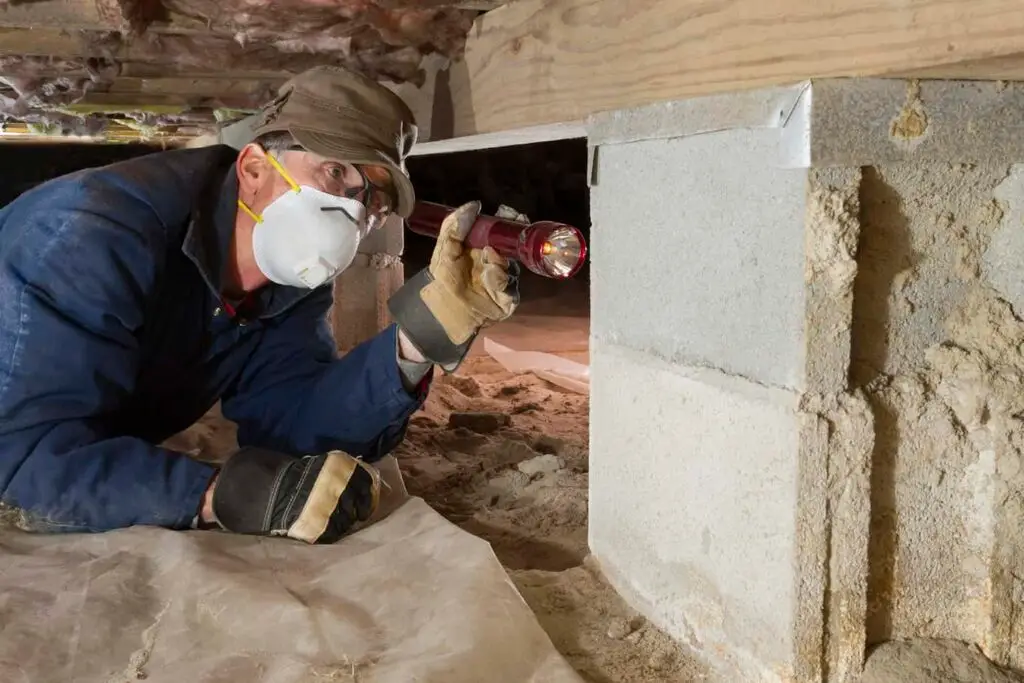
North Houston’s warm, humid climate creates a paradise for many things, including unfortunately, termites. These silent destroyers can wreak havoc on your home’s foundation and structure, costing homeowners thousands of dollars in repairs. Whether you’re a seasoned resident or a newcomer, understanding the termite threat and taking preventive measures is crucial. The Two Main Culprits: 1. Subterranean Termites: 2. Drywood Termites: Signs of Trouble: Prevention is Key: Don’t Wait Until It’s Too Late: Early detection and treatment are vital to minimize damage. If you suspect a termite infestation, act immediately. Contact your local licensed pest control professionals, FullScope Services for a thorough inspection and treatment plan. We can: Offer preventative measures to safeguard your home in the future. Remember: Termite damage is often not covered by homeowner’s insurance. Taking proactive steps now can save you significant financial stress and heartache down the road. Don’t let these silent destroyers win your home; arm yourself with knowledge and take action! Additional Resources:
Frequently Asked Questions (FAQs) about Sentricon Termite Baiting Systems:
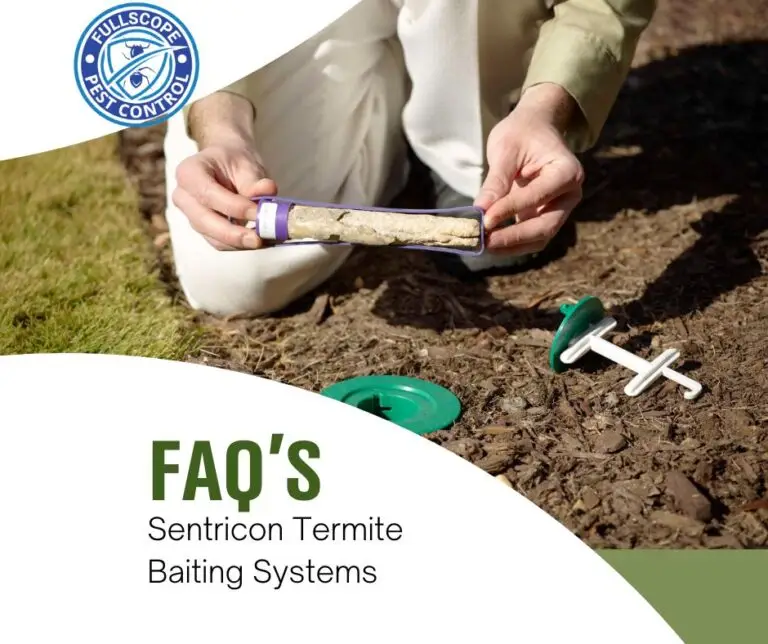
What is Sentricon? Sentricon is a termite baiting system designed to eliminate termite colonies by using bait stations strategically placed around a property. How does Sentricon work? Sentricon works by attracting termites to bait stations containing cellulose material that is more appealing to them than the structure of your home. Once termites feed on the bait, the workers will die, leading to colony elimination. Is Sentricon environmentally friendly? Yes, Sentricon is considered a green environmentally friendly because it targets termites specifically, minimizing the impact on non-target organisms. Is Sentricon safe for humans and pets? Yes, Sentricon is designed to be safe for humans and pets. The active ingredient in the bait is targeted at termites and has low toxicity to mammals. How often do the bait stations need to be checked? The frequency of bait station checks depends on factors such as termite activity and the location of the property. Typically, a pest control professional will inspect the stations regularly, especially during termite season. Do I need to be present during Sentricon installation? In most cases, homeowners do not need to be present during Sentricon installation. Pest control professionals can install and monitor the system without requiring your presence. Does Sentricon protect against all types of termites? Sentricon is effective against subterranean termites, which are among the most common and destructive types. How long does it take for Sentricon to eliminate a termite colony? The time it takes to eliminate a termite colony with Sentricon can vary. It may take several weeks to a few months, depending on factors such as termite activity and colony size. Is Sentricon a one-time treatment, or does it require ongoing maintenance? Sentricon is often considered an ongoing monitoring and protection system. After the initial installation and successful termite elimination, monitoring may be needed to prevent future infestations. The Sentricon Termite System is always active, so always protecting your home from termite invasions. Can Sentricon be used for both residential and commercial properties? Yes, Sentricon is suitable for use in both residential and commercial properties, offering termite protection for a variety of structures. Remember to consult with your local experts at FullScope Pest for specific information tailored to your property and termite situation.
Does Regular Pest Control Kill Termites
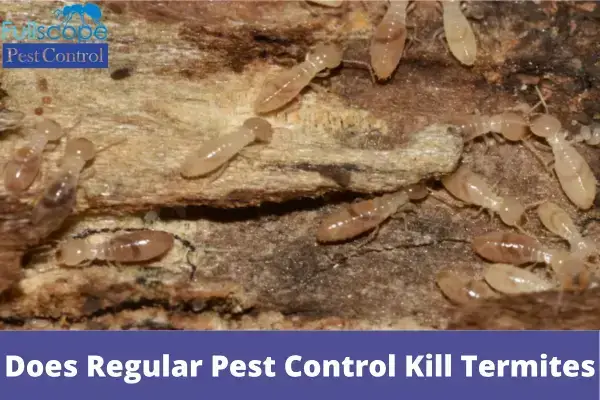
Regular pest control can be an effective way to mitigate termite infestations and protect your home from these destructive invaders. Termite control options, when used within a comprehensive pest management strategy, can effectively prevent and eliminate termite infestations. In this blog, let’s explore how regular pest control measures can be crucial in killing termites and maintaining a termite-free environment. Why Regular Pest Control is Necessary Regular pest control is a crucial part of home maintenance for several reasons: Preventative Measures Pest control professionals can implement preventive measures to create a less attractive environment for termites. These measures may include sealing entry points, reducing moisture levels, and treating wooden surfaces with termite-resistant products. Early Detection Regular pest inspections can help detect termite infestations in their early stages before they cause extensive damage. Targeted Treatments Pest control experts have the knowledge and tools to apply effective termite treatments. These treatments are often tailored to the specific type of termite infestation, ensuring maximum effectiveness. Consistent Monitoring Regular pest control services typically include ongoing monitoring to ensure that termites do not return. This proactive approach helps maintain a termite-free environment. Methods Used in Regular Pest Control Pest control professionals use various methods to combat termites effectively: Liquid Termiticides Liquid termiticides are applied to the soil around the perimeter of a building or directly onto infested wood. These chemicals create a barrier that termites cannot pass through, effectively killing them upon contact. Bait Systems Termite bait systems consist of bait stations strategically placed around the property. These baits contain toxic substances that termites carry back to their colony, ultimately eliminating the entire colony. Wood Treatment Wooden structures can be treated with termiticides or termite-resistant coatings to deter termite infestations. Fumigation In severe infestations, fumigation may be necessary. This involves tenting the entire structure and using gas to kill termites within. Does Regular Pest Control Kill Termites? When conducted by trained professionals, regular pest control services effectively kill termites and prevent their return. The key is consistency and using the right methods for the specific termite species infesting your property. Pest control professionals know and can identify termites and deliver appropriate treatments. It’s important to note that DIY pest control methods may not be as effective as professional services. Termites can be resilient, and eliminating an infestation requires a comprehensive approach. Regular pest control services ensure that termites are continually monitored and treated as needed. Conclusion Regular pest control is essential for killing termites and preventing costly damage to your home. At Fullscope Pest Control, we provide a variety of effective strategies for combating termite infestations and maintaining termite-free conditions. We have the expertise and experience to identify the type of termites infesting your property and apply the appropriate treatments. Investing in our regular pest control services lets you secure your property and have peace of mind knowing that your house is free of these dangerous pests. Trust us to keep your home termite-free and your investment protected.
Preventing Wood-Destroying Insects: Tips for Homeowners
Owning a home involves numerous responsibilities, including safeguarding your property against silent destroyers – wood-destroying insects (WDIs). These pests, including termites, carpenter ants, and wood-boring beetles, pose a serious threat to the structural integrity of your home. Understanding and utilizing wood destroying insect inspections and reports is a critical tool in your defense arsenal. This blog aims to enlighten you on the significance of these inspections and reports and offer practical strategies for preventing and addressing WDI infestations, ensuring your home remains a safe and sturdy haven. Early Detection through Inspections Protecting your home from wood-destroying insects begins with early detection, a step that must be addressed. Regular, thorough inspections are crucial to identifying potential problems before they escalate into costly repairs. Importance of Regular Inspections These inspections identify active infestations and spot potential vulnerabilities in your home’s defenses. By catching problems early on, you can avoid spending thousands of dollars fixing them and extend the life of your home’s structure. Wood Destroying Insect Inspections A professional pest control trained in identifying wood-destroying insect activity will comprehensively examine your home. This includes checking basements, attics, window frames, and other wood structures for signs of infestation, such as damaged wood, mud tubes, or live insects. The general recommendation is to conduct these inspections annually, although the frequency may vary. Understanding WDI Inspection Reports Following the inspection, you will be given a detailed report outlining the results. This report is not only a record of your home’s current condition but also an important document in real estate transactions. It can impact negotiations and is frequently requested by lenders before authorizing a mortgage. It is critical to understand these reports because they can help you make informed decisions about any treatments or repairs that may be required. Preventative Measures for Homeowners Here are some proactive steps you can take: Reducing Moisture Around the Home Since many wood-destroying insects thrive in moist environments, minimizing moisture around your property is essential. Fix leaks promptly, ensure good drainage around the foundation, and use dehumidifiers in damp areas like basements. Regular Maintenance and Repairs It’s crucial to regularly inspect your home for any signs of damage and promptly make any necessary repairs. Additionally, sealing cracks and crevices in the foundation, walls, and around windows can prevent insects from entering. Landscaping and Exterior Maintenance Be mindful of how you landscape around your home. Keep mulch, woodpiles, and dense vegetation away from the foundation to reduce the risk of infestation. Regularly clean your gutters and trim overhanging tree branches that can provide easy access for pests. Conclusion Preventing wood-destroying insects requires vigilance and proactive measures. If you want to protect your home from these silent destroyers, or if you need a thorough wood-destroying insect inspection and report, consider contacting Fullscope Pest Control. Our team of experts has the knowledge and tools to identify potential risks and provide effective solutions tailored to your home’s needs. Don’t wait until it’s too late – contact Fullscope Pest Control today and take a significant step towards ensuring your home remains a safe and secure environment for years to come.
Eco-Friendly Termite Control: Non-Toxic Options for Your Home
Termite infestations may transform a dream home into a nightmare, but fighting them should not put our environment at risk. This post will look at environmentally friendly termite control options that are effective and safe for your house and the environment. The Impact of Traditional Termite Control Harmful Chemicals Traditional termite control procedures frequently entail using harsh chemicals hazardous to the environment, your family, and your pets. These toxic compounds can remain in the soil and water, causing long-term dangers. Disruption of Ecosystems Chemical treatments not only affect termites but also have the potential to alter local ecosystems. They may kill beneficial insects, soil bacteria, and birds that feed on insects, causing an ecological domino effect. Eco-Friendly Alternatives Beneficial Nematodes Introducing helpful nematodes into your soil is an environmentally friendly termite control method. These microscopic insects feed on termite larvae, lowering termite populations naturally and without damaging the environment. Orange Oil Orange oil, derived from orange peels, is an effective and non-toxic termite treatment. It contains D-limonene, which degrades termite exoskeletons, eventually killing them. Furthermore, it emits a lovely citrus aroma! Cardboard Traps Cardboard traps can be put adequately near termite colonies for a simple DIY remedy. Termite infestations are attracted to the fiber in cardboard, allowing you to monitor and control their population without harmful pesticides. Diatomaceous Earth Diatomaceous earth, a natural and non-toxic mineral, effectively treats termite infestations. It is made of fossilized diatoms and dehydrates termites on touch, creating an efficient and environmentally friendly barrier. Microwave Technology Innovative microwave technology provides a non-toxic termite control solution. Microwave energy targets and kills termite populations while leaving no chemical residues behind. Heat Treatment Heat treatment is a low-impact procedure that involves raising the temperature within the structure to levels fatal to termites. This method is safe for humans and dogs, making it an excellent non-toxic alternative. Boric Acid Boric acid is an element that occurs naturally and is toxic to humans and pets, yet does not affect termites. When ingested by termites, it disrupts their digestive system, reducing the termite population. Essential Oils Tea tree oil and oil from neem are effective insect repellents, including termites. These oils effectively eliminate pests and provide a safe and pleasant-smelling alternative to chemical pesticides. Conclusion In the goal of a termite-free house, it is critical to evaluate not only the effectiveness of the treatment but also its environmental impact. Using eco-friendly termite control options protects your home without jeopardizing the health of our world. Explore these non-toxic options to take the first step toward a greener, healthier future. Contact Fullscope Pest Control for expert guidance and help. We commit to providing termite control solutions that are eco-friendly. Our team understands the necessity of protecting your house in a way that is effective and long-lasting. Let us work together to build a home that is not only safe but also sustainable. Don’t let termites ruin your comfort—select an environmentally friendly and efficient solution.
Termite Inspections: Why They’re Crucial for Texas Homeowners
Your home is likely the most significant investment you’ll ever make. It’s not just a place to live; it’s a sanctuary for you and your family, a source of comfort, and essentially an extension of you. However, lurking beneath the surface, a silent and destructive force threatens the very foundation of your home – termites. In this article, we will delve into the critical reasons why termite inspections are essential for homeowners. Understanding the importance of termite inspections can safeguard your home, your finances, and your peace of mind. The Hidden Threat of Termites Termites are tiny, voracious insects that feast on the cellulose found in wood and other organic materials. Despite their size, they are a force to be reckoned with, causing billions of dollars in structural damage annually. The most frightening aspect of termites is their stealthy nature – they often operate behind the scenes, concealed within the walls and foundation of your home. By the time you notice their presence, significant damage may already be done. Early Detection and Prevention One of the primary reasons for termite inspections is early detection and prevention. Regular termite inspections by trained professionals can uncover the signs of termite activity long before you may see any visible damage. When detected early, termite infestations can be treated promptly, preventing extensive and costly repairs. Prevention is almost always more affordable and less invasive than treating a full-blown termite infestation. Must Read: SAFE AND ECO-FRIENDLY MOSQUITO CONTROL Protecting Your Investment Termite damage can have a devastating impact on your home’s value and your financial well-being. Potential homebuyers are likely to be deterred by a history of termite infestations, making it more challenging to sell your home at a desirable price. Protecting your investment means safeguarding its value by preventing and addressing termite issues promptly. Health and Safety Concerns Termite infestations can compromise the structural integrity of your home, leading to safety hazards. Weak or damaged structures can collapse, posing a significant risk to occupants. Furthermore, the presence of termites can result in mold growth, which can lead to respiratory issues and other health concerns for you and your family. Ensuring a safe and healthy living environment is another crucial aspect of termite inspections. Professional vs. DIY Inspections While some homeowners may consider do-it-yourself termite inspections, it’s essential to recognize the limitations of this approach. Professional termite inspectors are trained to spot subtle signs of termite activity that may go unnoticed by untrained eyes. They also have access to advanced equipment and treatment options that DIY solutions cannot match. Choosing a reputable pest control company to conduct regular inspections is a wise investment in your home’s protection. The frequency of termite inspections depends on various factors, including your geographical location and the history of termite infestations in your area. In Texas, it’s advisable to schedule inspections annually or bi-annually. Seasonal variations in termite activity may also impact the timing of inspections. Consulting with a professional pest control expert can help determine the most suitable inspection schedule for your home. You should also have a home inspected before committing to buy it – many lenders will require this of buyers. Protecting it from the silent menace of termites is not just a matter of maintenance – it’s an investment in your future. Termite inspections are the first line of defense against these destructive insects. By understanding the importance of regular inspections, you can ensure that your home remains a safe, healthy, and valuable asset for years to come. Don’t wait for termites to strike; take proactive steps and call the professionals at FullScope Pest Control today! Stuck with a termite problem? Despite all the preventive measures you can take, termites and other pests can just become overwhelming. Not to mention the fact that termites can cause dangerous (and VERY costly) damage to your home’s infrastructure. Calling a professional termite control service is always much more cost-effective and a timesaver in the long run if you feel you are overwhelmed with termites and/or other pests in your home or yard. Call our North Houston area (e.g., (primarily Cleveland, Kingwood, Atascosita, New Caney, Humble, Porter, Conroe, Splendora, and other communities in the North Houston area) FullScope termite and pest control experts today at 832-898-0190 for a consultation. Or email us at info@fullscopepestcontrol.com. We can quickly help you get your termite problems under control, as well as other expensive pest problems in your home, yard, or business. We use Sentricon Termite Baiting Stations as a long-term solution to help home and business owners like you get rid of their termite problems for good.