 1500+ reviews


How To Eliminate Mice And Rats From Your Home
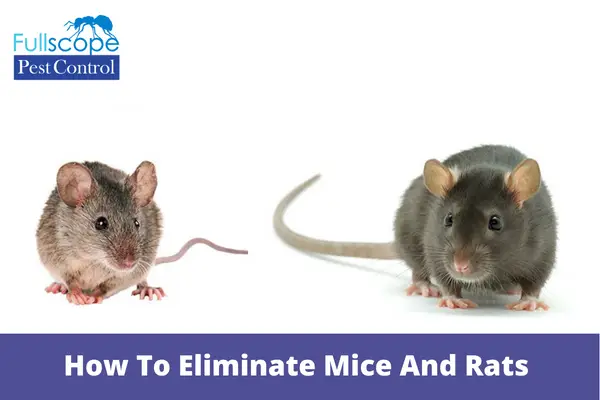
Infestations of rodents like mice and rats can risk your most valuable possession. Not only can they wreak severe damage to the furnishings and structure of your home, but they are also equipped to spread disease, which is a significant downside to having rodents in your home. The longer a rat infestation is allowed to take place, the greater the risk that permanent damage may occur. This is why it’s essential to evaluate the threat posed by rodents in the house and devise a strategy to eliminate them. The following are some ways to prevent the invasion of rats and mice into your homes. Get Rid Of All Food Sources Small amounts of food are sufficient for mice every day. Get rid of the foods they enjoy eating, and they will leave your home alone. Mice can’t chew through glass or metal; therefore, storing dry things like grains, pet food, and anything else is safe. Also, immediately clean up any leftovers or spills to keep mice away from your home. Try Having A Cat Getting a cat may be the least complicated option to eliminate mice from your home, provided no one there is allergic to the cat. Mice may leave if they detect the odor of cat pee. Or, you could buy some ammonia in its purest form. Mice will flee from ammonia because it smells like a cat’s urine. Put cotton balls drenched with ammonia in the areas where you think mice could gather. Use Live Traps The ideal method of trapping is humane trapping. In most cases, traps are used over poison bait because of the reduced risk to human and animal health. However, if the infestation is too large and endangers your household, you should use spring traps or contact a professional pest control service. They will be able to do the job for you quickly. Also, know about types of ants. Eliminate Their Access To Your Garbage Rodents, much like flies and cockroaches, are drawn to waste containers. To prevent mice or rats from getting in, use a garbage can with a sturdy cover or secure it with rubber cords; metal containers are ideal. Keep the cans regularly clean to eliminate odours that might attract rodents. Block Any Potential Points Of Entry Mice and rats will want to get inside when the weather becomes colder. Seal cracks or gaps in your home’s foundation, siding, or window frames using caulk or weatherstripping to prevent unwanted visitors. Duct tape any holes and insert steel wool into vents to deter invaders without limiting airflow. Mice will be naturally discouraged by steel wool due to the impossibility of chewing through it. Mice and rats easily transmit diseases. Thus quick action is required. Because of their rapid reproduction, an invasion becomes increasingly difficult to contain the longer it is left to continue. Eliminating them as soon as possible is necessary! Save the hassle and contact Fullscope Pest Control. We have a wide range of services for pest control, not just for rats and mice. Call us or visit our page to learn more about our services!
Signs of mouse and rodent infestation
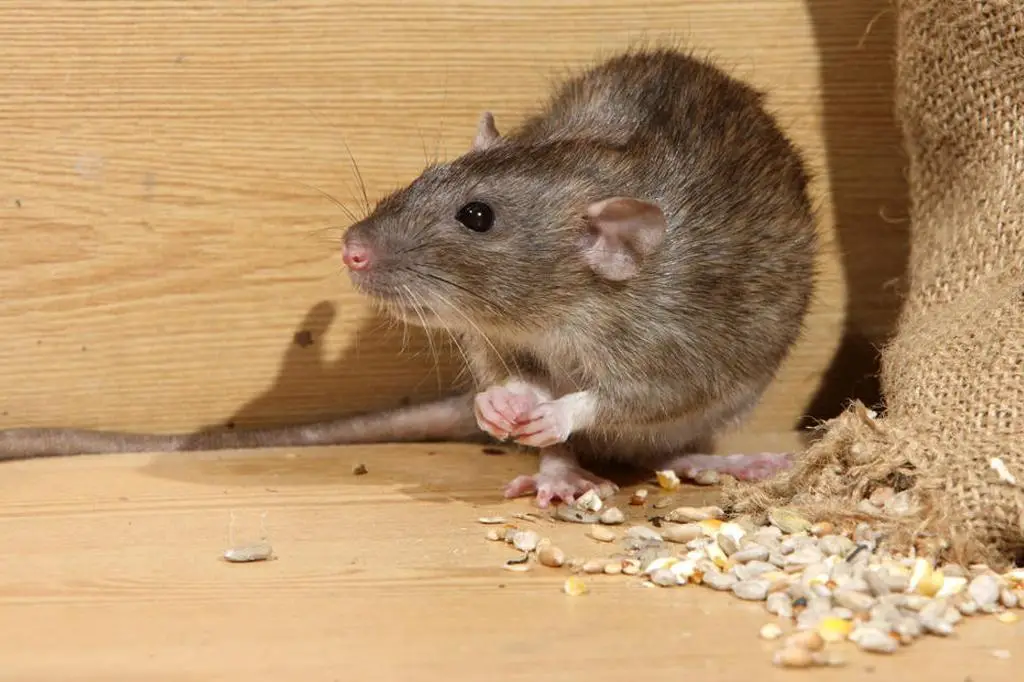
If rats are only observed at night and yet never throughout the day, the colony is unlikely to have grown too big, and trapping and bait can be used to suppress it. Suppose you observe any rats throughout the day, a lot of fresh excrement, or new gnawing marks. In that case, it’s likely that the colony has grown relatively large and that you’ll need expert help if you haven’t previously called Porter Texas pest control firm when you first noticed the problem. There are various mouse and rat infestation indications that you may use to quickly establish the presence of rodents in your home and take the required steps to eliminate them. Check for these signs to help you figure out if you have an active and retired rodent infestation in your residence. Signs you need Pest Control Services in Porter Texas against mouse and Rodent Infestation 1. Dropping Rodent and mouse droppings dry out and get older and greyish as they are older, and if relocated, they disintegrate. The consistency of new droppings is lustrous and dough, but the appearance of aged droppings is rigid and brittle. Different excrement sizes confirm the existence of youth and adults, and a large number of droppings indicates a massive infestation. 2. Urine smells It is most probable to occur whenever rats have recently infested a location, and the stench of their pee has become unbearable. If you observe your pet meowing at anything it has previously minimized interest in, get a torch and inspect the surrounding. 3. Gnawed openings New rodent gnaws marks are lighter in color than droppings and get deeper as they decay. The gnawed holes might be seen on packaged foods or the surfaces. Matching a gnaw mark you recently discovered with those on the same item are older is one technique to know the time. It could be a sign of an uninterrupted infestation if the freshly discovered marks are lighter in color. You should immediately call for pest control services Conroe TX if you notice gnawed openings in your home. 4. Gnaw and rub marks Greasy rub marks are left whenever rodents approach boundaries. If the rub marks smudge, you know they’re new. Gnaw marks on the timber around the home can also be a sign. 5. Runways for rodents Walls and floors, retaining structures, terraces, pipelines, power cables, cables, tree limbs, and barrier rails are all popular rat paths. Rodent pathways and tracks are expected to be noticeable if rodents are active today somewhere in your home, getting paler as time passes. Scratch markings, footprints, urine stains, or excrement will be visible. If there are rats around, you’ll most likely find their tracks in the powder. 6. Nests of rodents Rodents will build their nests from shredded paper, fabric, or dried plant matter. If these locations are discovered, and any adverse symptoms of existing roads (new droppings, chewing, stench, or tracks) are present, your home is most likely still infested. Norway rats build their nests in deep tunnels in the ground. Roof rats like to build their nests in attics, trees, or greenery above land. 7. Noises of scampering If you hear noises in the middle of the night, it’s a clue that mice or rats are still present in your home. They’ll be heard scurrying beneath the floorboards, around the cupboards, or burrowing behind walls and joists. Even muffled squeaking can be heard. Solutions for Pest Control Hiring Pest control services Conroe Tx and other pest control methods are essential because pests are hazardous for humans. Some rodents are poisonous and might be resulting in the sickness of the persons living in the house, tiny kids that don’t know how to deal. Here are some pest control strategies discussed: Traps Traps are by far the most widely used Porter Texas pest control method. There seem to be a variety of traps available currently, varying from click traps to attach traps. Snap traps are cheap, simple to use, and intended to kill rats quickly. Adhesive traps are an excellent way to keep mice under control without endangering fingers or paws being snapped. Recommended Read : WHAT TO DO ABOUT BATS Baits Baits are a no-mess, easy-to-use alternative for getting rid of mice and rats. Bait blocks are poisoned blocks placed in a high-traffic area where the rodent can enter. After nibbling on the bait block, a rodent will depart the station and die within 1-2 days. However, these methods might not prove effective, if the infestation has increased to a large number. In such cases, you will need to hire professional Porter Texas pest control services to get rid of mice and other rodents effectively and permanently.
Five Common Fall Pests
Five Common Fall Pests in the North Houston, Texas Area by FullScope Pest Control When fall approaches, North Houston, Texas area residents get to the time of year when it’s smart to start being watchful for household pests. Wasps, spiders, roaches, and rodents can all cause problems. Even mosquitoes are still active into late November. You can definitely put plenty of preventive measures into place to help keep these nuisance pests at bay, but at some point, you should be prepared to seek professional assistance when an infestation is underway. Your Home is a Refuge for Pests Don’t take it personally, but insects and other pests are always on the lookout and are natural at finding warm shelters for the winter (this is known as overwintering). Not all pests die off during colder months, and your home is a key target because it offers access to shelter, food, and water. North Houston, Texas homes serve as a cozy hideaway for critters who are not built to survive the cold outdoors. And your home looks just perfect. The first thing to remember in pest control is that you don’t need to hunt down and kill every single pest: when you remove the reasons pests enter your yard or home to begin with (shelter, food, and water), they will simply go elsewhere. How to Stop Pest Invasions Regular ongoing maintenance for your home and yard is far more effective than a one-time, catch-all silver bullet treatment. In fact, such a treatment doesn’t exist to eliminate all pests in your home and yard. You just need to be proactive and consistent. Some Fall Pests to Watch for in North Houston Paper Wasps and Yellow Jackets Paper wasps and Yellow jackets are very active in late summer through the fall. They are frequently attracted to sugary things, and these stinging insect pests are prone to build nests underneath eaves, in sheds, garages, and other outdoor structures. Swimming pools and picnic areas are big draws for Yellow jackets in particular, and can build nests in the ground around your yard, as well. As for paper wasps: make sure if you’re spraying a wasp nest, that you are using a foam spray product that you can apply from a safe distance away (at least 15-20 feet). Mosquitoes Mosquitoes in Texas can remain active through late November. Still laying eggs, and still giving you itchy bites. And spreading diseases. Yes, mosquitoes not only give irritating itchy bites. They are disease vectors. Keep your yard free of puddles and other standing water (including kiddie pools and bird baths) where these annoying insect pests can breed. Clean your rain gutters out to keep them flowing. Spiders Spiders aren’t necessarily bad pests (though some are definitely poisonous if you disturb them and they bite you). They are hunters and help keep areas free of pests, so if you have insect pests at home, it will undoubtedly attract spiders. Most spiders are harmless and are beneficial pest control experts themselves, but most homeowners don’t want them around. As with all pests, if you get rid of what draws them, they will go elsewhere. Destroy spider webs whenever you find them, if you don’t like the idea of these arachnid hunters crawling around. Cockroaches Roaches love warm weather and warm, damp environments, and you will typically see them active in North Houston through at least September and October. If you have the bad luck of hosting a breeding pair that becomes established in your kitchen or bathroom, it won’t be long before the roach population quickly spikes. Roaches are filth pests, and they carry bacteria and diseases with them wherever they go. They can cause and make asthma worse. Be aware that roaches are hearty survivalists who have been evolving for thousands of years, and are resistant to many kinds of extermination methods and pesticides. Even when you have eliminated the bulk of a nest, they can still make a comeback. If you are seeing one or two roaches, most likely there are hundreds more nearby. You may need to call in a professional. Rodents Mice and rats are known scavengers and sly invaders. They build nests indoors whenever they have the opportunity, and are active in the autumn (getting ready to overwinter somewhere). They can often be found in garages, sheds, attics, and basements. Rodents have sharp teeth and powerful jaws, and can chew through wires, drywall, paneling, and other household materials in no time. Baits and traps can help, but if you have a serious infestation, a professional pest control company is your best bet. There are many effective fall steps you can take to help curb the invasion and spread of pests in your home and yard. Here are five basic tips to help you get started: Keep your grass trimmed short for as late into the season as possible. Get rid of yard litter, leaf piles, sticks, branches, and any other organic debris, and keep firewood and mulch at least 20 feet away from the side of your home. Inspect the exterior of your home, looking for any holes, cracks, gaps, etc., and seal them up with caulk. Screen over vents and entry points where pipes and wires may enter your home. Replace weatherstripping around your doors and windows, including door sweeps. Make sure screens are in good repair. Keep tree branches and shrubbery trimmed away, at least an inch, from the side of your home. This helps prevent pests from having easy access to the side of your home, where they can more easily enter through holes or other entry points. Clean out your rain gutters and make sure they are draining properly, and diverting rainwater AWAY from the side of your home. Water that puddles is a huge draw for pests searching for moisture (especially mosquitoes). Channeling water away from your home also helps prevent wood decay, which can draw termites, Carpenter ants, and other wood-destroyers. Must Read: WHAT ARE THE BEST RESIDENTIAL PEST CONTROL
Get Rid of Moles
Act Quickly to Get Rid of Moles in Your New Caney Yard You may have had the displeasure at some point of noticing raised ridges in your yard that you put so much time and love into caring for. You might have a mole problem! Moles are small mammals that feed on grubs, earthworms, insects and other little creatures, and tunnel underneath your New Caney lawn to inflict serious and expensive damage to your landscaping. They can also undermine all your hard work on your yard. There are many species of moles in the United States, but only one found in Texas: the Eastern mole (Scalopus aquaticus). Moles are NOT rodents, contrary to popular belief. They are more closely related to shrews. Here are some things you can do to help recognize their damage and act quickly to get rid of moles in your yard.
Winter Chill Forces Rodents and Other Small Pests Indoors
FullScope Pest Control provides tips to protect the home from a rodent infestation DID YOU KNOW? Mice can fit through an opening the size of a dime, and rodents can squeeze through holes the size of a quarter. During the winter season, it’s estimated that rodents seek shelter in more than 21 million homes in the United States. With cold weather and snow blanketing much of the country, homeowners aren’t the only ones seeking shelter indoors. FullScope Pest Control, a pest management company servicing North Houston, TX Areas, warns that rodents are also looking for a warm place like our homes to escape the winter chill. Must Read:10 FACTS ABOUT MOSQUITOES IN YOUR NEW CANEY YARD Unfortunately, these small pests can cause more than just a headache for homeowners if they gain entrance inside. “Rodents can contaminate food sources and serve as vectors of many diseases, such as salmonella and the potentially fatal Hantavirus,” said Derek Salazar, Owner for the FullScope Pest Control. “Moreover, mice and rats can cause serious structural damage by chewing through insulation, wallboards, wood and electrical wiring.” A female house mouse can give birth to up to a dozen babies every three weeks. House mice produce between 40 and 100 droppings per day. Rats Are baby-making machines. Mate around 500 times in a six-hour period Some can have up to 8 or 9 offspring Rodents are problems for nearly one-third of American homeowners. In addition to drawing unpleasant reactions as they scurry across kitchen floors, mice and rats pose significant health risks and property damage. Rodents can bring fleas and mites into the home, exacerbate allergy and asthma symptoms, contaminate food with Salmonella, and spread other diseases including murine typhus, infectious jaundice, Weil’s disease and rat-bite fever. The white-footed deer mouse is also known to transmit Hantavirus. These pests can also cause structural damage by chewing through walls, wood and wires, increasing the risk of house fires. Rodent Prevention It’s much easier to prevent an infestation than to get rid of pests after they’ve found a cozy retreat inside the home. The National Pest Management Association (NPMA) recommends the following tips to keep homes rodent-free this winter: Seal cracks and holes on the outside of the home, including areas where utilities and pipes enter, using caulk, steel wool or a combination of both. Replace loose mortar and weather stripping around the basement foundation and windows. Screen vents and openings to chimneys. Store food in airtight containers and dispose of garbage regularly. Inspect items such as boxes, grocery bags and other packages brought into the home. To prevent a rodent infestation, homeowners should seal cracks in the home’s exterior, and screen vents and chimney openings, as well as keep attics, basements and crawl spaces well ventilated and dry. Derek Salazar advises homeowners to also be on the lookout for signs of an infestation. “If you find rodent feces or hear sounds of scurrying in the walls, contact a licensed pest professional to inspect the home for rodents.” For more information, visit Call or Text Today 832-898-0190 Our 4 Step Process For Rodent Extermination
How to Get Rid of Opossum
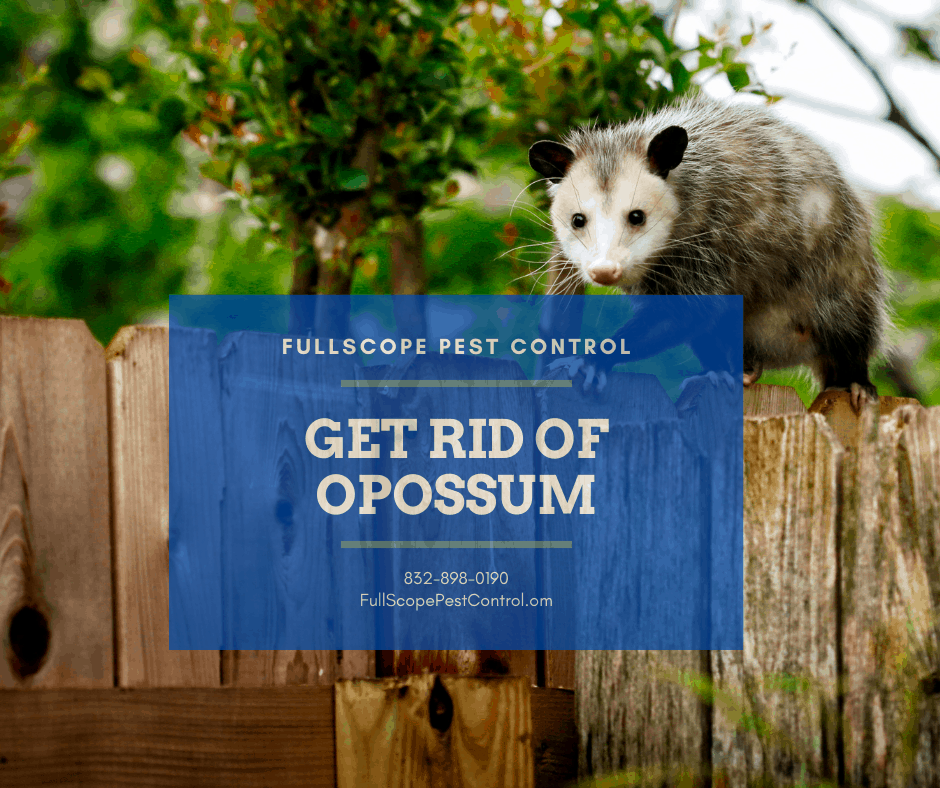
The North American opossum (Didelphis virginiana) is a marsupial (mammal that carries its young around in a “pouch,” like the kangaroo), and the only marsupial native to our continent. Opossum (also pl. “opossums”) are able to live in a wide range of habitats, including open fields, and in woodlands, though they are more often found near streams and other wetland areas. In more developed urban areas they are often known to find shelter in attics, chimneys, garages, crawlspaces, sheds, and in any other structures that offer them harborage, including in your Cleveland, TX home. Opossum are more common in urbanized areas than we realize because they are nocturnal creatures, and much less active during the day.
How to Prevent House Mice
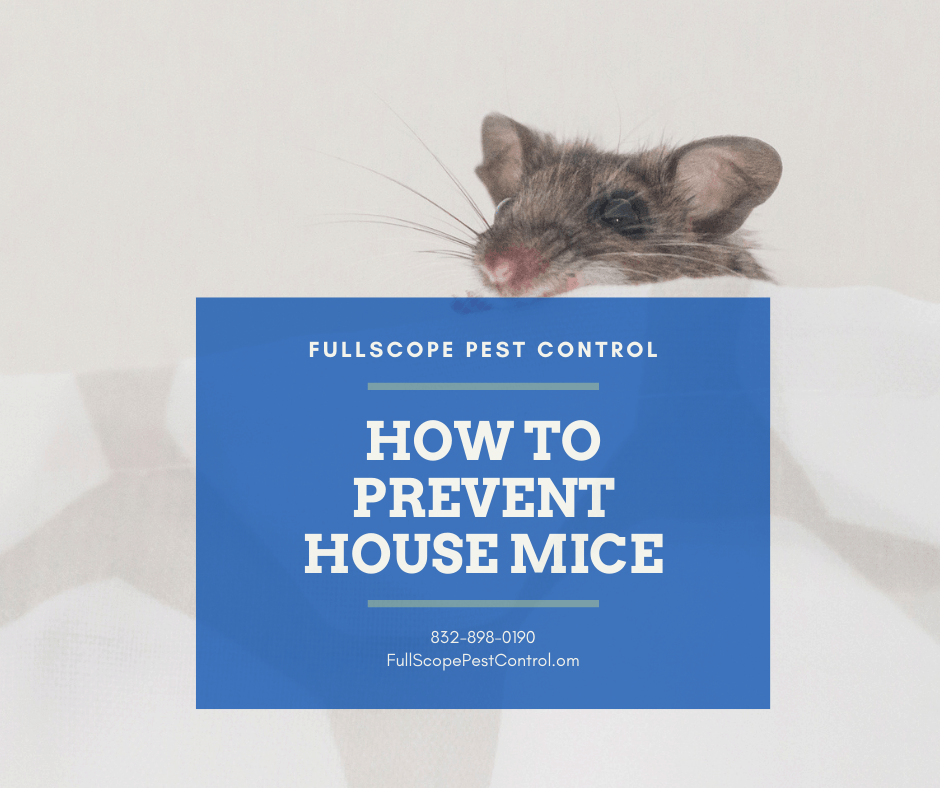
How to Prevent House Mice in Your Humble, TX Home Among homeowners’ worst nightmares involves those when mice are getting into their homes. This is one of the things that mice do well, as they forage for shelter, food, and water. Especially as fall goes into winter and temperatures start to drop. They might have even scouted out your Humble, TX home already! One of the main types of mice you will encounter in Texas are House mice (Mus musculus). Along with Deer mice, as well as Field mice and White-footed mice, House mice are arguably the most prevalent mouse species that homeowners deal with.
Understanding Pest Exclusion Methods

What Is Exclusion And Why Is It Important For Pest Control? Pest exclusion is a very critical part of an effective long-term pest management effort. Rather than simply douse your home with chemicals meant to eradicate pest infestations, it’s been proven more effective to take a more comprehensive, long-term, earth-friendly approach to manage intrusive pests. And it’s healthier for the environment. Welcome to integrated pest management, or IPM. Pest exclusion, an important aspect of IPM, is a more pro-active, preventive measure that involves sealing off areas of your home or business where pests might be likely to intrude. If all goes well, exclusion will block them off from entering the structure to begin with.
Rodent Exterminators
Common Rodent Pests in Southeast Texas Rodents are mammals, and can be severe nuisance pests for homeowners. As if we didn’t have enough to worry about with insect pests! There are some rodents common in Texas, that do what they can to get into homes in order to find shelter, food, and water, especially as cooler weather begins approaching in the fall. Are You Hearing Scratching Noises at Night? If you are noticing scratching sounds around your house, you may well have a rodent problem on your hands. Maybe in a nearby wall void or floor void, or maybe in your garage or crawl space. As rodents forage around for food and water, they can cause damage to your home and yard, chewing on electrical wires, woodwork, fabrics, furniture, and containers with stored food in your pantry or other storage area. Moles or gophers can tear up your beautiful lawn digging up mounds as they burrow underneath it. Raccoons and squirrels can get into your trash and spread it all over your lawn and garage.
Preventing and Managing Roof Rats

How to Get Rid of Roof Rats in Your Kingwood Home: Call an Rat Exterminator Specialist You know what rats are, but what are Roof rats? Just hearing the term “roof rats” sends most homeowners into a panic. You may have noticed some common signs of a Roof rat infestation, like their droppings and maybe some hollowed-out oranges, apples, and other fruits on the ground around your Kingwood property. But there is much more than just exterminating roof rats, you need to exclude them from reentering our home.