1500+ reviews


You switch on the kitchen light and spot something disappearing behind the sink. Later, another insect turns up beside the garage door. In a Magnolia, Texas, home, the immediate question isn't just what kind of bug it is. It's whether you're seeing an outdoor visitor, an indoor infestation, or evidence of a leak or damaged wood.
Magnolia is a Montgomery County community, not another name for Houston, as the U.S. Census Bureau's Magnolia profile confirms. Wooded lots, humid weather, shaded foundations, and wet landscaping give homeowners plenty of places to investigate. Similar conditions affect properties across Conroe, Porter, New Caney, Splendora, and nearby communities, but the right response depends on the particular house.
Location and repetition matter more than the shock of finding a bug. An isolated insect beside an open door calls for a different response than roaches behind the refrigerator, ants returning to a damp wall, or discarded wings along a windowsill.
Before spraying, take a clear photograph and note where you found the pest. Keep a specimen in a closed container when you can do so safely. Those details help distinguish the common bugs in your house from pests that need structural inspection, coordinated treatment, or medical attention.
1. German Cockroaches in Magnolia Homes
Small, tan roaches with dark parallel stripes behind the head suggest German cockroaches. Young roaches are darker and lack fully developed wings. Repeated sightings around a dishwasher, refrigerator, or cabinet hinge deserve attention because those warm, sheltered spaces can support an indoor population.
Check food-storage areas as well as exposed counters.
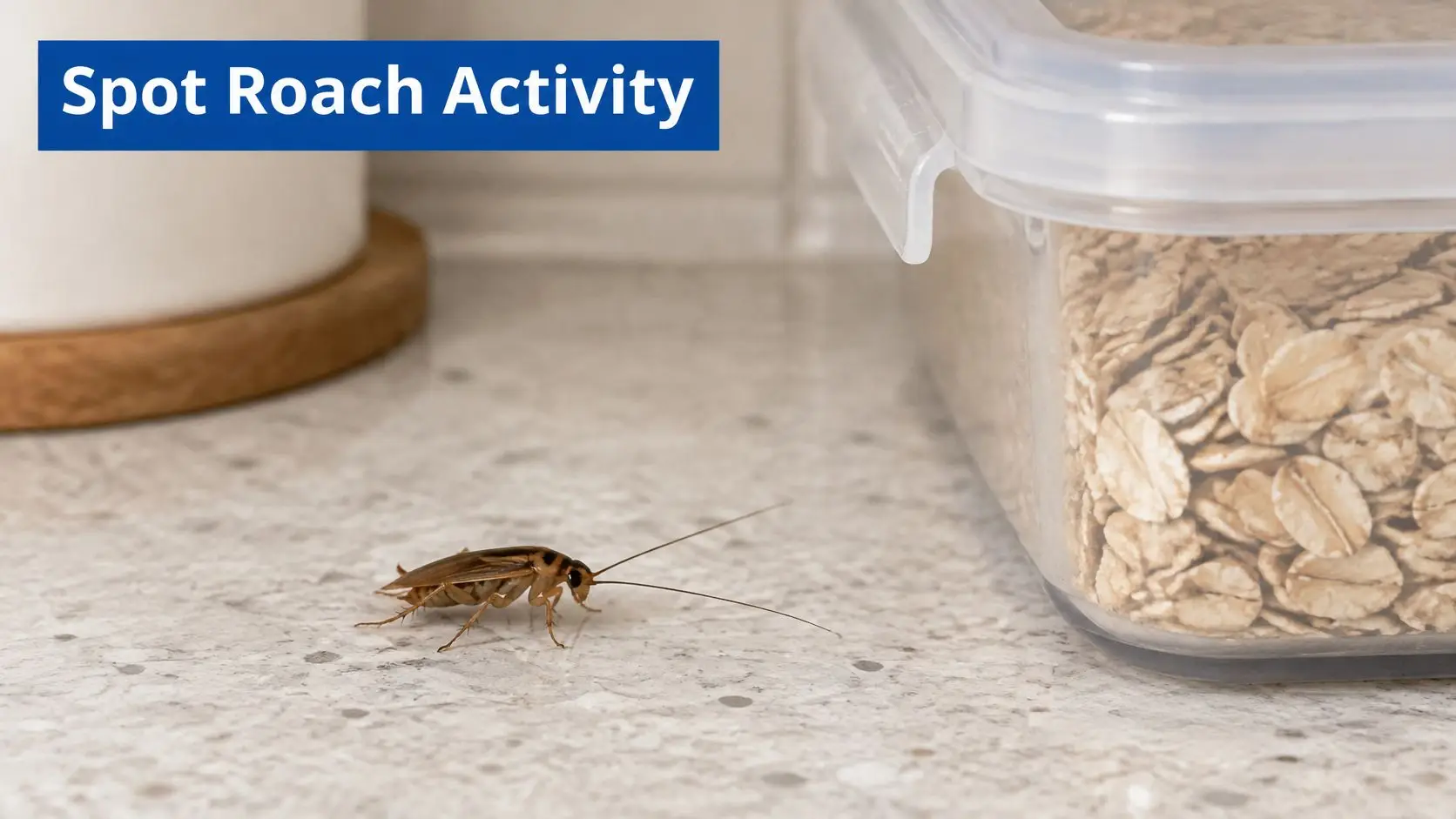
Groceries, deliveries, and used appliances can introduce these roaches even into a clean house. Once inside, they can hide around plumbing penetrations, appliance motors, utility rooms, and cabinet seams. Look for pepper-like droppings, egg cases, and live insects beneath the sink and behind appliances.
Treat the Hiding Places, Not Just the Counter
Say a Magnolia family keeps finding small roaches beside the dishwasher. The useful response combines repairing a supply-line drip, cleaning grease beneath appliances, closing accessible pipe gaps, and placing labeled bait where roaches travel.
- Monitor activity: Put insect monitors beside suspected hiding places, away from children and pets, and record where catches occur.
- Protect bait placements: Don't spray repellent aerosols over bait or onto nearby feeding routes.
- Reduce resources: Seal food, remove cardboard, dry wet cabinets, and clean appliance edges.
A community-wide New Jersey apartment study reported an 88% reduction in cockroach counts within seven weeks under integrated pest management, according to the Journal of Economic Entomology. That's evidence for a combined approach, not a promised result for an individual Magnolia home.
Our inspection looks at entry points, moisture, and hiding areas before treatment planning. If you're considering powders around animals, review pet-safe alternatives to boric acid, but don't assume any substitute is harmless without checking its label and placement.
2. Subterranean Termites Across the Magnolia Area
Mud tubes, discarded wings, and softened wood warrant a termite inspection. Subterranean termite workers are pale and usually concealed; swarmers are darker, with straight antennae, broad waists, and similarly sized wings. Flying ants have a more pinched waist and differently sized wing pairs.
Surface damage doesn't identify the cause by itself.
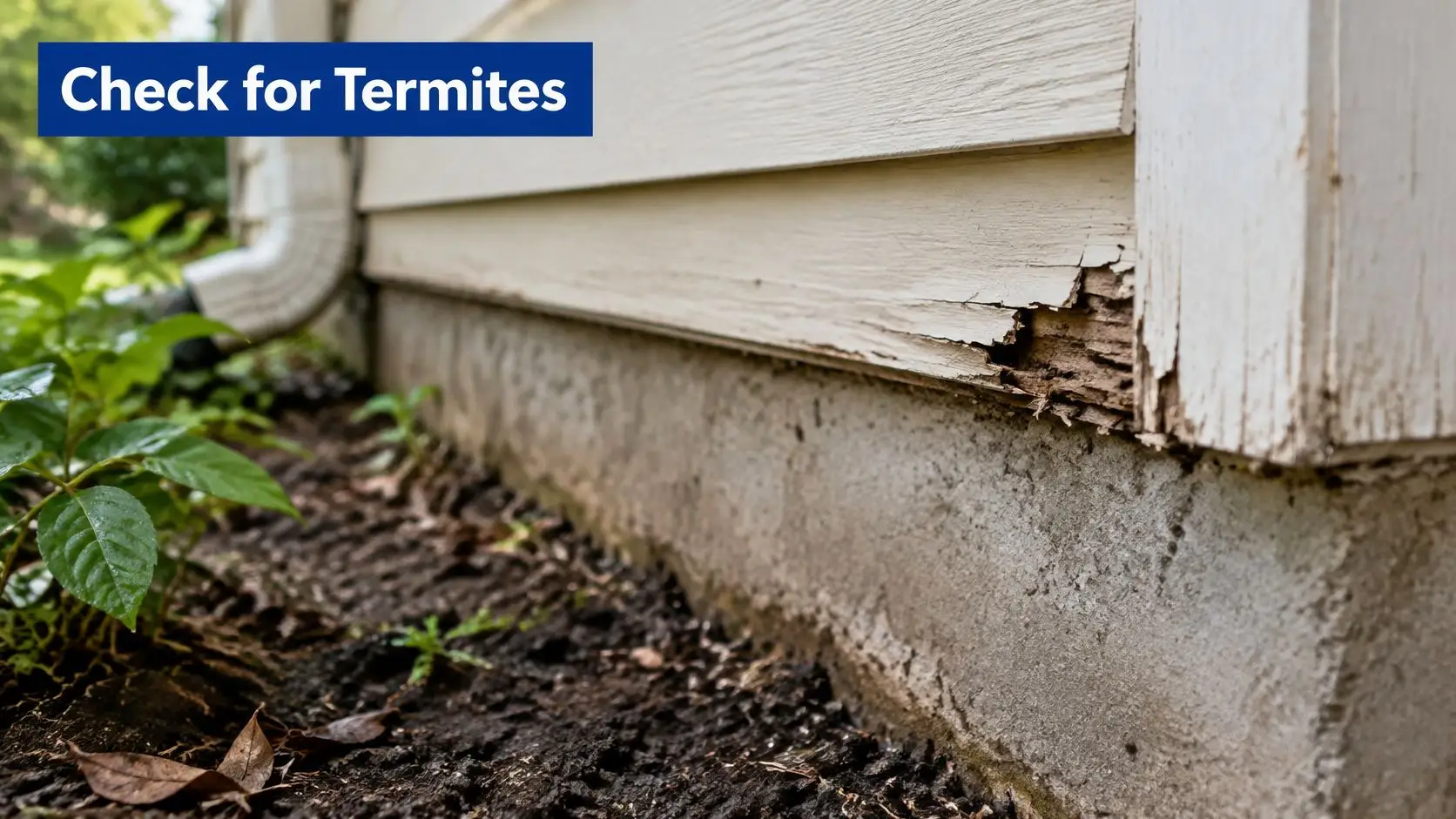
Magnolia properties with wooded edges, damp landscaping, concealed soil contact, or persistent drainage problems deserve close attention. Termites can feed behind an apparently sound surface, so repainting soft trim or replacing a damaged board isn't a substitute for determining what happened.
Suppose you find soft exterior trim beside a damp downstairs bedroom. Photograph the area, avoid covering the evidence, and arrange an inspection before cosmetic repairs. Correcting the moisture source matters whether the eventual diagnosis is termites, decay, or both.
Separate Diagnosis From Repair
- Expose inspection areas: Keep mulch, cardboard, stored lumber, and firewood from concealing the foundation.
- Manage water: Repair leaks, maintain gutters, and direct discharge away from the house.
- Inspect concealed conditions: Include shaded slab edges, crawl spaces where present, planter boxes, and wood touching soil.
Structural priority: Removing visible termites doesn't establish that the colony or the damaged wood has been addressed.
Don't rely on consumer bait stations alone when you suspect structural activity. Professional baiting and liquid-treatment approaches require property-specific decisions, installation, and monitoring.
This video provides additional visual context for termite concerns.
For a home purchase in Magnolia, Kingwood, Humble, or Conroe, a licensed wood-destroying insect inspection helps document visible evidence and relevant conditions. Our inspection process examines moisture, entry points, and concealed pest-harboring conditions that are accessible for assessment.
3. Ants, Including Carpenter Ants and Pharaoh Ants
An ant trail across the bathroom vanity doesn't tell you which treatment will work. Species identification comes before nest treatment, especially when ants repeatedly emerge from the same wall or cabinet.
Carpenter ants are relatively large and may be dark or reddish. They excavate wood rather than eat it, and coarse debris near damp wood can justify closer inspection. Pharaoh ants are tiny and pale yellow to light brown, often with a darker abdomen, and may occupy sheltered indoor spaces.
Little black ants, odorous house ants, and fire ants require different judgments. Color alone isn't enough, and a kitchen trail doesn't prove the nest is in the kitchen.
Follow the Trail Before Disturbing It
Say ants keep appearing beside a Magnolia laundry-room wall. Watch their route, photograph them close up, and inspect the washer connections, adjacent plumbing, and exterior siding before spraying the opening.
- Remove feeding opportunities: Wipe sweet and greasy spills, seal pantry goods, and keep counters dry.
- Investigate moisture: Check roof leaks, plumbing, gutters, and damp trim when carpenter ants are suspected.
- Close appropriate gaps: Use compatible sealant around accessible utility penetrations and door or window trim without blocking drainage.
The EPA's household pesticide-exposure guidance emphasizes removing food, water, and shelter, repairing leaks, and sealing entryways rather than depending on pesticide applications alone.
Indiscriminate spraying can make some ant problems harder to resolve, particularly with species that split into additional nesting groups when disturbed. In apartments, suspected pharaoh ants call for coordinated inspection across connected units, not disconnected treatments at individual countertops.
Our inspections focus on entry routes, moisture, and hiding areas. That process helps distinguish an outdoor trail from an established indoor problem.
4. Household and Roof Rats in Magnolia Residences
Gnawed pet-food bags beside a baseboard opening, droppings along a wall, or scratching over a bedroom ceiling point to a rodent problem that needs a route check. Roof rats have slender bodies, prominent ears, and long tails; house mice are smaller, with pointed faces and proportionately large ears. Magnolia homes near wooded acreage, drainage channels, or overgrown storage areas should be checked from the garage threshold to the roofline.
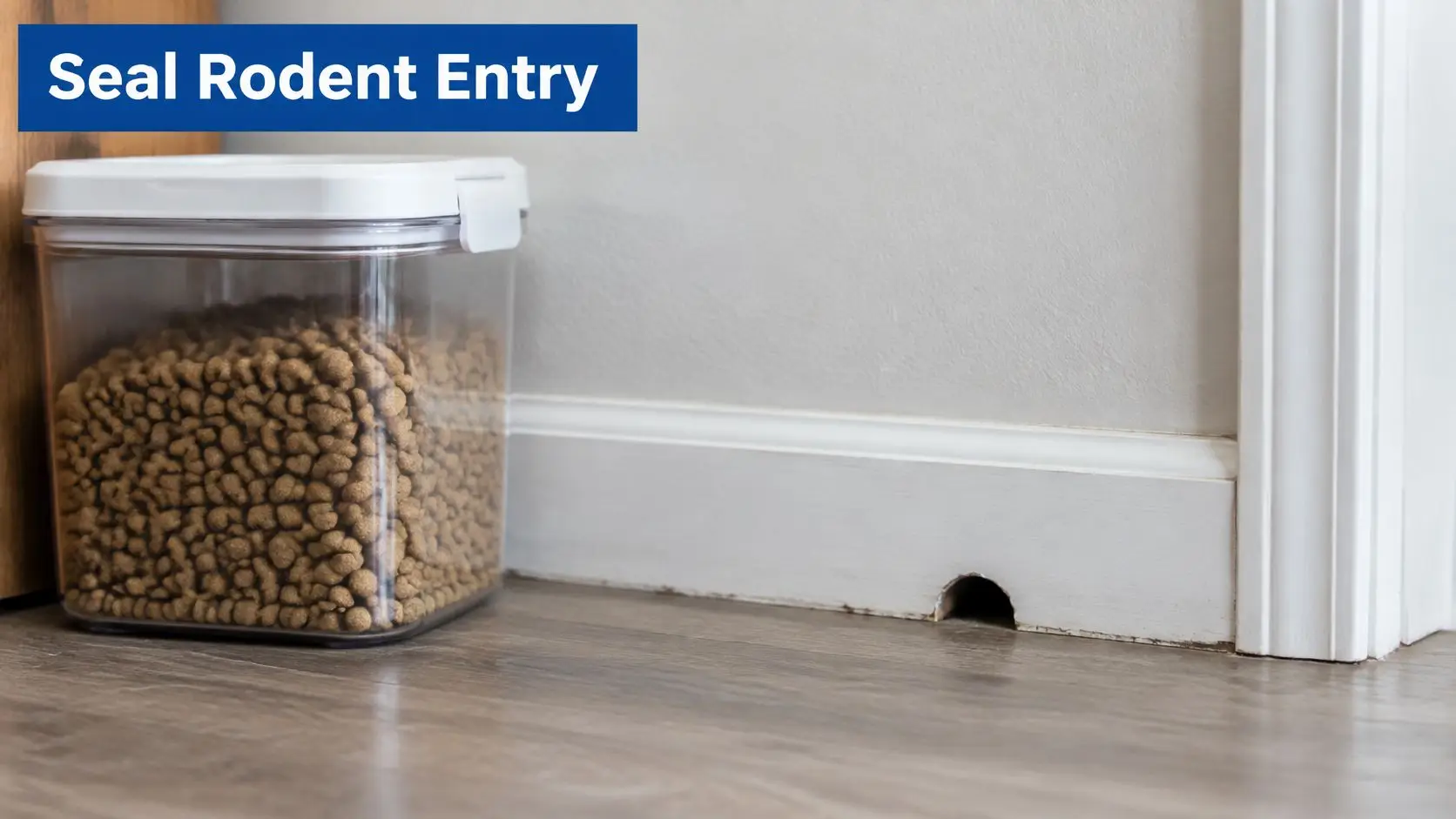
Droppings beside a kitchen baseboard are a reason to inspect beyond the room: check the attic, garage, service-line openings, soffits, and exterior doors. For signs of activity along high routes or in the attic, see this guide to roof rats in Texas.
Combine Removal With Exclusion
Trapping rodents without closing a damaged soffit leaves a route open for repeat entry. Use durable metal screening, suitable flashing, and properly fitted door repairs; expanding foam alone may not withstand gnawing.
- Protect food: Store pet supplies and pantry goods in rodent-resistant containers.
- Reduce outdoor resources: Remove spilled birdseed, fallen fruit, clutter, and accessible nesting materials.
- Clean droppings safely: Keep people and pets away, ventilate the area, and follow public-health cleanup guidance. Do not dry-sweep or vacuum contaminated material.
Rodents can spread pathogens through droppings, urine, and saliva. Take droppings seriously, especially where children or pets may encounter them.
Poison alone will not close an entry point, and rodents that die in inaccessible spaces can create additional problems. A pest inspection should locate entry routes and conditions that allow activity to continue. FullScope Pest Control's approach includes checking entry points, moisture problems, and hiding areas before building a removal and protection plan.
For property managers in New Caney, Porter, and Cleveland, record activity by unit and location. Coordinated exclusion and consistent door maintenance address repeat access more effectively than treating the same unexplained complaint again.
5. Mosquitoes in Magnolia Yards and Homes
When mosquitoes make a Magnolia patio unusable, start with water rather than the spray bottle. Mosquitoes are slender flies with long legs and a projecting mouthpart; small flies around houseplants or drains may be something else.
Their outdoor breeding sites are easy to overlook, especially on shaded, wooded properties.
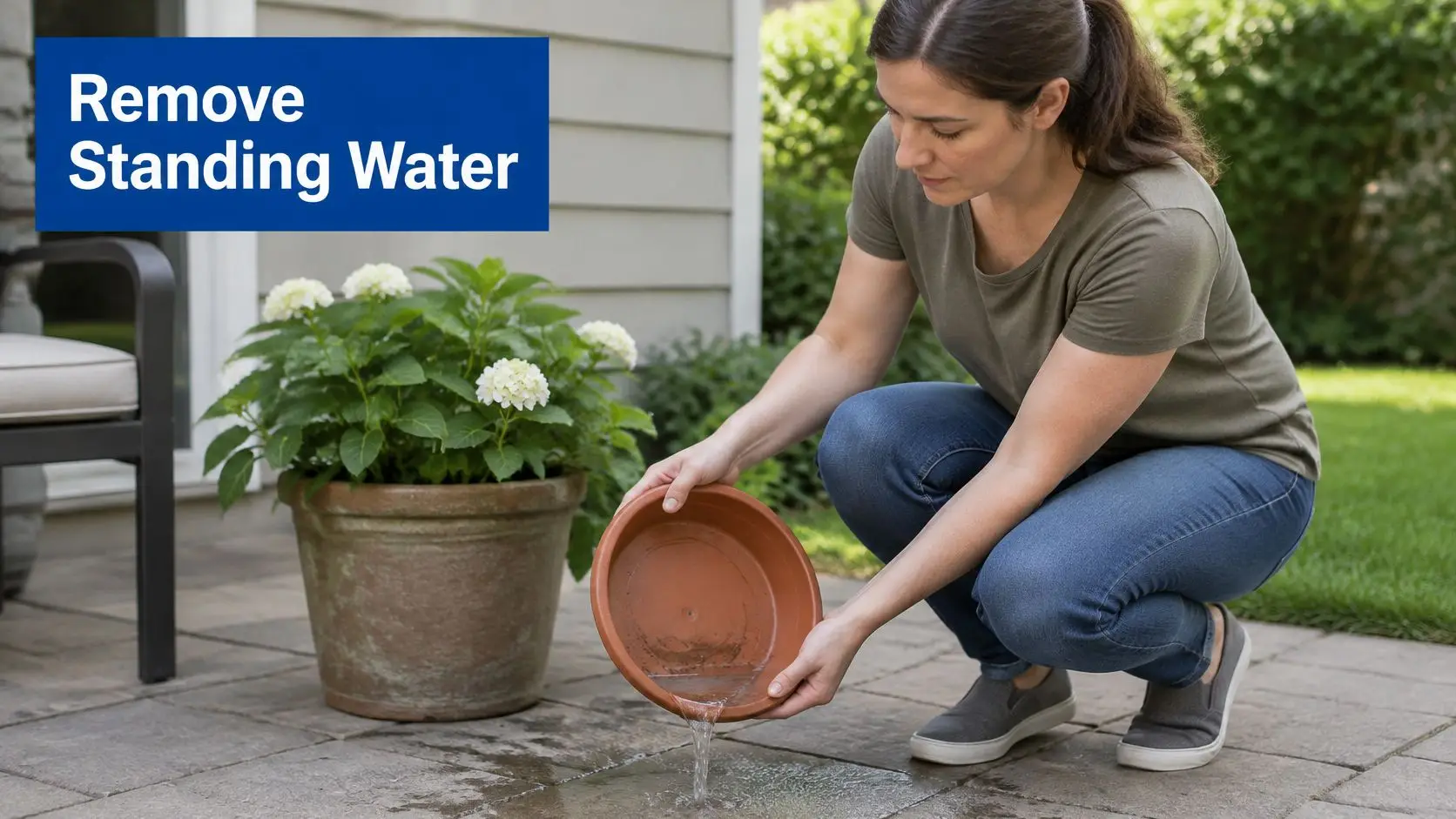
Inspect plant saucers, folded tarps, toys, tires, buckets, clogged gutters, and unused containers after rain. Water trapped out of sight can matter as much as an obvious birdbath. Where practical, empty containers, scrub water-holding surfaces, and store them upside down.
Reduce Breeding and Biting Together
Consider a homeowner near a wooded drainage area who has stopped using the backyard. Removing container water, thinning dense resting vegetation, repairing screens, and keeping doors closed addresses different parts of the problem.
- Maintain drainage: Keep gutters flowing and correct places where containers or debris retain water.
- Protect indoor rooms: Repair screens and door seals so outdoor pressure doesn't become an indoor nuisance.
- Use repellents correctly: Choose a labeled product and follow its directions for application, children, and reapplication. Never assume a human repellent belongs on a pet.
Spraying adult mosquitoes while leaving water-filled containers in place means continuing to support the next generation.
Barrier treatments and automated systems have trade-offs. They require suitable placement, maintenance, label-compliant use, and precautions around people, animals, and pollinators.
Homeowners comparing an ongoing outdoor option can review how a mosquito misting system works before deciding whether it fits the property. Neither a misting system nor a barrier treatment replaces water management.
For restaurant patios or common areas in Conroe, Porter, or Cleveland, coordinate pest work with landscaping, occupancy, and facility requirements.
6. Fleas on Pets and in Magnolia Homes
Tiny, dark insects that jump from pet bedding or carpeting may be fleas. Adult fleas look narrow when viewed from above and move quickly through fur. Pepper-like debris in a pet's coat can be flea dirt, but a veterinarian can help confirm the cause of itching.
The visible adults aren't the entire problem. Immature stages can remain in bedding, carpet, upholstery, and floor cracks, so treating only the fleas you catch won't reliably resolve the household infestation.
Suppose activity is concentrated beneath a dog's bed in a Magnolia living room. Clean that resting area thoroughly, address the animal host through veterinary care, and include nearby furnishings and floor edges in the inspection.
Coordinate Pet Care and Household Treatment
- Start with veterinary advice: Choose a species-appropriate preventive. Never use a dog-only product on a cat.
- Clean resting areas: Wash bedding as its care label permits, vacuum rugs and upholstery, and remove vacuum contents securely.
- Address other hosts: Inspect rodent and wildlife access when flea activity doesn't match the household's pet situation.
- Separate product purposes: Don't apply household insecticides directly to animals unless the product specifically allows that use and veterinary guidance supports it.
The EPA's indoor-air pesticide guidance recommends integrated pest management and careful product use to reduce unnecessary exposure. Stacking foggers, aerosols, and residual sprays isn't a substitute for coordinating treatment.
Cat owners can also browse tick prevention tips for cats, while confirming locally appropriate flea and tick prevention with their veterinarian.
Escalate when fleas persist despite coordinated pet treatment and environmental cleaning. Further inspection should consider untreated resting areas, immature stages, and wildlife or rodent hosts rather than adding more spray.
7. Spiders, Including Recluse and Wolf Spiders
A large spider running across the garage floor can look alarming without representing an infestation. Wolf spiders are generally sturdy, hairy ground hunters, often brown or gray with contrasting markings. Recluse spiders are less hairy and more uniformly colored, but reliable identification requires more than spotting a supposed violin mark.
Avoid identifying a spider from color alone. Clear photographs or a safely contained specimen are more useful than comparing a blurry image online.
Indoor spiders are also part of ordinary household arthropod diversity. A PeerJ survey of Raleigh-area homes found cobweb spiders in every home sampled, which reinforces an important distinction: presence alone doesn't establish a dangerous infestation.
Match the Response to the Evidence
Say a Magnolia homeowner finds a wolf spider beside the garage door. If safe, use a container and stiff card to remove it, then inspect the door sweep, adjacent storage, and nearby insect activity.
- Reduce shelter: Vacuum undisturbed corners, storage rooms, closets, and garages.
- Handle stored items carefully: Wear gloves and inspect shoes, boxes, and materials kept in sheltered areas.
- Block access: Repair screens and door sweeps and seal suitable pipe, vent, and foundation gaps.
- Reduce prey: Remove dead insects and address the pest activity that supports hunting spiders.
Medical caution: Don't diagnose a skin lesion as a spider bite from appearance alone. Seek medical advice for concerning symptoms, and don't delay care while trying to capture a spider.
A suspected recluse bite deserves medical assessment because tissue injury is possible. A suspected wolf spider bite can also require care depending on symptoms, even though serious reactions aren't typical.
Repeated sightings in occupied rooms or an uncertain potentially hazardous species justify targeted inspection. Whole-home spraying isn't the default response to an isolated spider.
8. Stink Bugs, Boxelder Bugs, and Other Seasonal Invaders
Bugs clustered near a sunny window or attic hatch often point to seasonal entry, not indoor breeding. Stink bugs have broad, shield-shaped bodies. Boxelder bugs are darker and more elongated, with conspicuous red or orange markings.
Lady beetles are rounded, often orange or red with variable spots; cluster flies resemble sluggish houseflies. Western conifer seed bugs are elongated brown insects with widened hind-leg sections, although a photograph or specimen is still needed for confident identification.
The distinction matters. Don't assume an unfamiliar shield-like insect is harmless without checking identifying features, particularly when comparing a kissing bug versus a stink bug.
Remove Visitors and Find Their Entry Route
Suppose a Magnolia homeowner discovers a cluster of boxelder-like bugs beside the attic hatch. Collect a specimen, vacuum the accessible insects, inspect the hatch seal, and check soffits, window frames, and siding transitions.
- Avoid crushing: Stink bugs can release an unpleasant odor, and some seasonal invaders stain surfaces.
- Repair accessible gaps: Replace worn weatherstripping and seal appropriate joints with compatible materials.
- Preserve drainage and ventilation: Don't caulk weep holes, block vents, or seal building details indiscriminately.
- Limit indoor pesticide use: Broad applications on frequently touched surfaces rarely solve insects concealed inside wall voids.
These overwintering visitors generally aren't consuming structural wood or establishing indoor breeding populations. Their appearance still gives you useful information about openings around the building.
An Atlanta autumn exterior care guide offers useful exterior-maintenance context, but Magnolia homeowners should base sealing and seasonal timing on local conditions rather than another region's calendar.
Persistent concentrations, inaccessible entry routes, or uncertain identification justify inspection. Occasional visitors usually call for physical removal and exclusion, not repeated interior spraying.
Magnolia Bug Comparison
| Bug | Key Signs | Typical Hotspots | Main Concern | Best First Move |
|---|---|---|---|---|
| German Cockroaches | Small adults with brown back stripes; droppings or egg cases | Kitchens, bathrooms, cabinets, and areas near food or water | Rapid reproduction and recurring infestations | Check cabinets and appliances, fix leaks, clean food residue, and use targeted baiting |
| Subterranean Termites | Hollow-sounding wood, blistering paint, stuck doors, or uneven floors | Damp foundation edges, plumbing leaks, crawlspaces, and wood touching soil | Hidden structural damage | Arrange an inspection and address moisture or wood-to-soil contact |
| Ants, Including Carpenter Ants and Pharaoh Ants | Visible trails; carpenter ants may indicate damp or damaged wood | Kitchens, bathrooms, wall voids, cabinets, and yards | Control methods vary by species; nests may be concealed | Follow trails, reduce food and moisture, and request species identification |
| Household and Roof Rats | Droppings, rub marks, gnawed materials, or unusual sounds | Attics, wall voids, garages, rooflines, and storage areas | Contamination, wiring damage, and repeat entry | Inspect for entry points and combine trapping with sealing and sanitation |
| Mosquitoes | Biting activity, especially after rain; standing water nearby | Yard vegetation, gutters, planters, toys, and other water-holding containers | Outdoor exposure and ongoing breeding | Empty standing water weekly and check screens and gutters |
| Fleas | Fast-moving adults on pets; itching or irritation; activity in carpets or bedding | Pet resting areas, carpets, upholstery, and floor cracks | Immature fleas can remain after visible adults are treated | Wash pet bedding, vacuum thoroughly, and consult a veterinarian about pet treatment |
| Spiders, Including Recluse and Wolf Spiders | Wandering spiders in garages or sheltered areas; identification may be uncertain | Garages, closets, storage rooms, sheds, and ground-floor rooms | Possible recluse bites and mistaken identification | Reduce clutter, vacuum sheltered areas, and seal gaps |
| Stink Bugs, Boxelder Bugs, and Other Seasonal Invaders | Groups on walls or near windows; stink bugs may release an odor | Attics, ceilings, upper walls, doors, and windows | Large seasonal indoor aggregations | Remove bugs without crushing them and seal likely entry points |
When to Stop Guessing and Call a Magnolia Pest Pro
Handle occasional outdoor invaders with removal, exclusion, and sanitation. Schedule an inspection for suspected termites, rodents, repeated roaches or ants, persistent fleas, or structural concerns. Possible bites require medical judgment when symptoms are concerning, not another round of household pesticide.
The useful dividing line is evidence of continued activity. New droppings after cleanup, roaches repeatedly caught beside an appliance, ants returning to a damp wall, or fresh damage near a foundation all deserve investigation. A clean countertop doesn't rule out a hidden problem, and a bug beside an open garage door doesn't prove one.
Make the Inspection More Useful
Before an appointment, preserve what you can without exposing anyone to risk. Don't paint over damaged trim, discard every specimen, or saturate suspected hiding places with several products.
- Document locations: Photograph insects, droppings, wings, mud tubes, and damaged materials.
- Record the pattern: Note the room, nearby moisture, recent deliveries, weather changes, and whether activity returns after cleaning.
- Share treatment history: Identify products already used and where you applied them.
- Flag household needs: Explain concerns involving children, pets, sensitive occupants, food handling, or inaccessible rooms.
Our inspections examine entry points, moisture problems, and hiding areas to identify what keeps activity going. That may lead to pest treatment, but it may also reveal plumbing, drainage, door, or ventilation repairs that need separate attention. Stronger chemicals won't repair those conditions.
For property managers, document problems by unit, room, and shared utility route. For home buyers and agents, keep wood-destroying insect findings separate from assumptions about structural repair costs; pest evidence and repair planning are related, but they aren't interchangeable assessments.
FullScope Pest Control serves north Houston and nearby Southeast Texas communities, with service locations in Cleveland, Kingwood, Conroe, and Porter. The regional service area includes New Caney, Splendora, Humble, Montgomery, Spring, Willis, and other nearby communities. Magnolia-area homeowners should confirm current coverage for their specific address, especially where a Magnolia mailing address extends beyond city boundaries.
Contact FullScope Pest Control to confirm Magnolia coverage and request an inspection. Share where you're finding pests, whether activity is recurring, and any moisture or damage you've noticed. After the inspection, choose a targeted response and, when the property's risk justifies it, a quarterly or biannual prevention plan that includes ongoing observation rather than unnecessary spraying.