Fullscope Pest Control

Get Rid of Pharaoh Ants in Your Kingwood Home

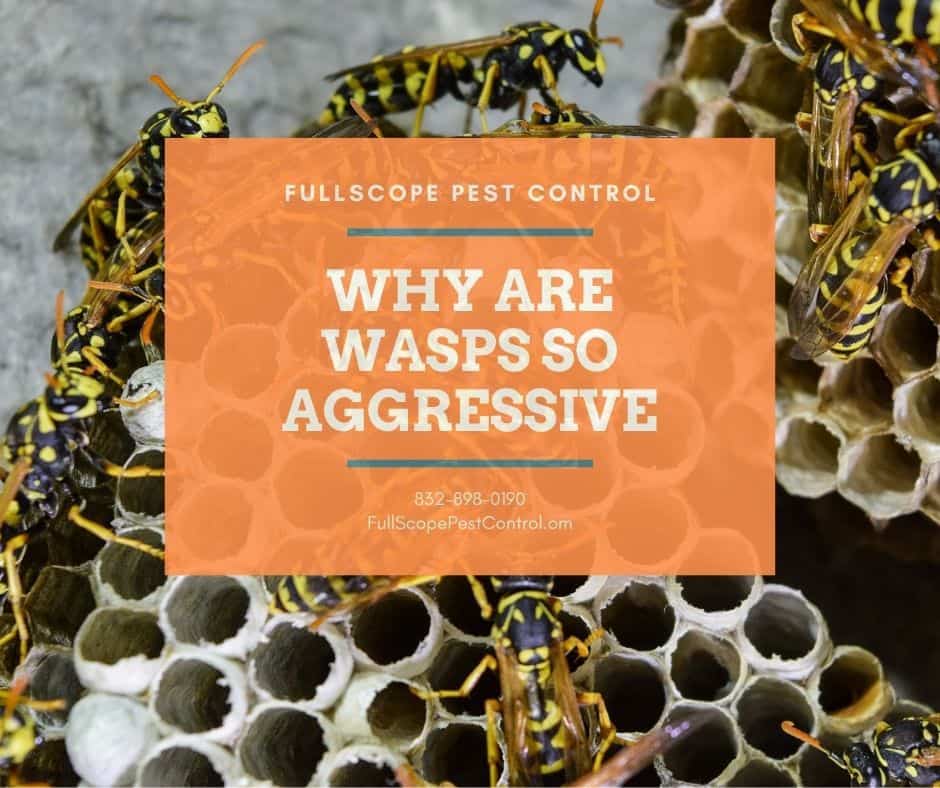
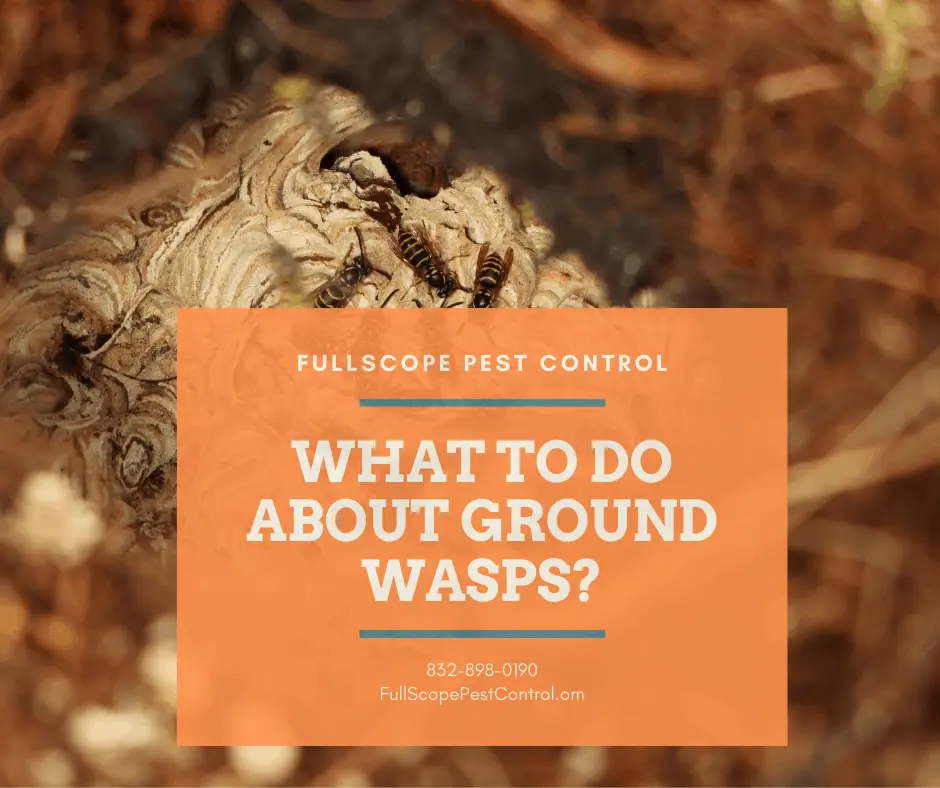
Wasp and Honey Bee Nest: What Homeowners Need To Know

Pharaoh ants can be seen crawling out of bathtubs, wall switch plates, along kitchen sinks… they seem to come from just about everywhere, and they can make a nuisance of themselves in your Kingwood, TX home.   Generally speaking, ants are among the most hearty, resilient, and adaptable insects around, and most species can be difficult to get rid of once they’re indoors. It’s a good idea to know what type of ants you’re dealing with to help you in managing them. Pharaoh Ants (Monomorium pharaonis) Pharaoh ants are considered “tramp ants” and are known to cause problems in homes, hospitals, and other medical facilities. About one in every six ant species are known as tramp ants (usually small species, that build multiple colonies, and can feed on various different food sources), such as Argentine ants , Crazy ants , Odorous House ants , White-footed ants , Big Headed ants , and Rover ants.  Fire ants  are also considered to be tramp ants, though they don’t usually infest homes and other structures.   Pharoah ants are among the smaller ant species, only measuring between 1/16″ AND 1/8″ in length, and they are typically light brown to reddish in color, with dark hind ends. They look similar to Thief ants, but without the two clubs on their antennae. How Do I Get Rid of Pharoah Ants on My Kingwood Property? As with trying to prevent other ant and insect invader pest species, keeping your lawn well mowed and the interior of your home wiped down and clean is a major key to keeping Pharoah ants out. No matter how clean your home is, keep in mind that ants can show up in even the cleanest of homes. Try the following tips to help you get rid of Pharaoh ants in your home. Promptly wipe up food and beverage spills, keep your sink free of empty dishes, and sweep and mop regularly in your kitchen. Make sure all leaks indoors and outdoors are repaired. Seal up cracks and crevices in the baseboards, doors, and windows. Screen off pipe and utility entry points.  Keep firewood and mulch at least 20 feet away from your home, and clear your yard of debris.  Trim your shrubs and trees at least an inch or two away from the side of your home. Mow your lawn regularly and keep it clear of lawn clutter (logs, branches, stumps, leaf piles, etc.). Must Read:DEAD SPOT ON YOUR KINGWOOD LAWN As with other ant species, baiting is the most consistently reliable and long-term way to eliminate entire colonies instead of spraying with a conventional repellent residual spray. But you can spot treat for ants with a good spray, just don’t spray where you’ve put down bait, or the ants won’t come anywhere near the bait like you want them to. You can also spray your yard with a good yard bug spray. Be patient! Depending on the colony size, it could take from a few days to a few weeks to eliminate it entirely. Insect Growth Regulator ant control products can also be effective. Always follow label directions. Pharaoh ants are likely to make an appearance on your property or even in your home at some point. Even with all your best preventive measures, you may still find yourself dealing with ant infestations (or problems with other pests) from time to time. Do you really want to spend your summer and fall months chasing after ants, or would you rather spend them grilling? Call our Kingwood, TX pest control experts today at 832-898-0190 and we can help you save all sorts of money, stress, and time. Keep your weekends free for grilling.  

Dead Spot on Your Kingwood Lawn

Wasp and Honey Bee Nest: What Homeowners Need To Know

Recognize and Control Spring Dead Spot on Your Kingwood Lawn Spring Dead spot is a fungal disease (Ophiosphaerella species) known to primarily affect yards planted with Bermuda grass varieties, including in Kingwood, TX. The fungus in the soil rots your grass’ roots and blades. Like other fungal diseases like Powdery mildew and Downy mildew , and as the disease’s name suggests, it is most prominent in the spring, and it appears as round patches of “bleached,” dead lawn. The patches can range in size from a few inches to several feet across. You’ll start to notice signs of it as it contrasts with the nearby budding, healthy grass begins emerging.  From year to year, the patches will likely show up in the same areas of your lawn, as the fungus can overwinter from the previous year, but then after three or four years, they will go away. The fungus also grows in the fall when conditions are cooler and moist. Spring Dead spot is a serious lawn disease, but it is treatable. It is more commonly seen in mature and well-kept lawns, and not so much on younger lawns that aren’t heavily fertilized.  Spring Dead Spot in Action Early on as this fungal disease develops, the inner parts of the discolored patches remain alive, but then die off as the problem continues. Re-growth in these dead areas has to occur because of healthy growth from nearby plants. This re-growth can be very slow. The deadened areas frequently see weed growth, often stunted. This is because the fungus leaves toxins in the areas with dead grass which slows down new growth.   Get Rid of Spring Dead Spot Spring Dead spot treatment should happen in the fall as well as in the spring, and should include careful control of the amount of nitrogen fertilizer that you apply to your lawn. High levels of nitrogen create ideal conditions for the growth of this particular fungus.   Fungicides can also be applied, but must be applied consistently and several times. Systemic lawn treatment fungicides can be applied heavily in the fall, usually only once, to help curb Spring Dead spot for the coming spring.   Keep in mind that Bermuda grass varieties with higher tolerances for cooler temperatures are less prone to this particular fungal disease.   Must Read:4 QUICK TIPS TO KEEP FLIES OUT OF YOUR CONROE HOME THIS FALL You are proud of your lawn, but do you find yourself spending too much time taking care of it, time you could be spending with family and friends? Keep taking care of your lawn (no overwatering, regular mowing, proper drainage, controlling fertilization properly), but if you’re spending too MUCH time on your lawn, consider calling in the professionals. Call our Kingwood, TX pest and lawn control experts today at 832-898-0190 or email us at info@fullscopepestcontrol.com. We can help you manage your bug and yard problems while keeping your lawn healthy and green. Save yourself all sorts of money, stress, and time, and enjoy gardening and then your time with family and friends.  

4 Quick Tips to Keep Flies Out of Your Conroe Home This Fall

fallflycontrol

As fall sets in, you look forward to enjoying all the delicious, warm smells and time with your family, inside from the cold weather. Flies and other pests are also scoping out your home to get in from out of the cold. There is plenty you can do to eliminate the conditions that attract flies into your Conroe home. 

Effective Spider Control for Your Cleveland, Texas House

Blue-Photo-Earth-Hour-Facebook-Post

Are you finding more spiders than normal in and around you home?  This really could be a pest problem, no really. Because most spiders are consuming other insects the solutions is sometime easier than you think.  Getting a handle on all the other bugs will help reduce your spider population.  Good perimeter pest control, with a high quality residual product.

What New Caney Homeowners Should Know About American Cockroaches

Blue-Photo-Earth-Hour-Facebook-Post-4

American Cockroaches invading homes all over the south, including New Caney, Kingwood, Humble, Texas.  These large roaches, sometimes referred to tree roaches or water bugs have a keen sense of travel when the temperature is high and the rain is low.  Or in some cases when the rain is high.  But there are things we can do to prevent their populations from getting so high that you start finding these large flying pest inside.

What Pests are Eating My Plants? 5 Types of Ornamental Pests

Blue-Photo-Earth-Hour-Facebook-Post-4

What are ornamental pests? Ornamental pests are those that feed on ornamental plants (those that are grown for aesthetic reasons). Insects and mites that feed on these plants, landscape trees, and other woody ornamentals can take away from the beauty that you worked so hard to bring to your Porter yard. 

Watch Out for Carpenter Ants Attacking Your Kingwood Home

Blue-Photo-Earth-Hour-Facebook-Post-2-1

Most ant species are relatively harmless, in that they are nuisance pests, and the worst they do is contaminate food and then some species might sting you if disturbed. It’s different with Carpenter ants. They can inflict serious, expensive damage to your Kingwood home if left untreated.  There are some things you can do to help prevent them, but the best advice you can hear in relation to Carpenter ants is to call a pest control company as soon as you notice them on your property. Carpenter Ants (Camponotus)  Carpenter ants are a large ant species native to several forested parts of the world–there are about 14 different species of them in Texas alone. They can build nests inside wood after they’ve excavated galleries in the wood, chewing with their mandibles. They prefer dead and/or damp, rotting wood. They can damage homes similar to the way termites do LINK to termites article, but they don’t consume wood like termites. They discard sawdust-like material as they go excavating.  Carpenter ants usually measure from 3/8″ to 1/2″ in length, though one species is only about 3/16″ in length. These ants have a “waist” with one node and a thorax (area behind their head) that is evenly rounded from the side view. Their workers are usually red/black to completely black or red and black, though even within the same species, sizes of major and minor ant workers are known to vary somewhat in size. Queens and male Carpenter ants are larger than workers and they feature wings. Queens can measure up to an inch in length, and will lose their wings once they start building a new colony.   How to Prevent Carpenter Ants The best thing you can do to prevent Carpenter ants indoors is to eliminate damp conditions. Try the following: Do what you can to replace damp and/or moisture-damaged wood. The less of this there is, the fewer Carpenter ants will be attracted. Make sure stored wood or lumber in your garage or basement is off the ground and well ventilated to keep it dry.  Keep firewood as far away from your home as possible (at least 20 feet). Remove the stumps and roots of trees and shrubs from your yard.  Keep branches that touch your home, roof, and eaves trimmed (trees and shrubs). This will remove a bridge ants often use to get inside your home. Also trim branches back from electrical lines, as Carpenter ants can travel from these branches to electrical lines, and then get into your home.  Keep you lawn mowed, and keep cracks, crevices, and holes around your home’s exterior sealed with caulk or spackle. Screen over pipe/cable entry points. You can spot treat for ants indoors with a good home bug spray, but you won’t be addressing the source of the problem. It can also be helpful to treat around the outside of your home regularly with a yard bug spray.   There are definitely preventive steps you can implement to help protect your home from Carpenter ants, but there is no foolproof DIY methodology to keep them away for good. The best method to control them is to apply pesticide directly into their hidden nests, and this is best done by a professional. Remember, if you see Carpenter ant activity in or around your home, call a pest control company immediately! You will save yourself plenty of time, stress, and money by calling our Kingwood, TX pest control experts today. Let us help you protect your home and get your yard and house Carpenter ant free so you can enjoy the summer with your family and friends! Recommended Read : WATCH OUT FOR CARPENTER ANTS ATTACKING YOUR KINGWOOD HOME  

Learn How to Get Rid of Big-Headed Ants in Your Conroe Home

4 Things You Can Do About Occasional Invader

Big-headed ants are so named because of the appearance of their main colony workers. They are easy to distinguish because they have notably large heads in relation to the rest of their bodies. Conroe homeowners often find these ants underneath the slabs of their homes, or near to the foundation. Sometimes these ants find their way inside through foundational cracks or through other entryways indoors around doors and windows. Most species of ants can be difficult to get rid of once they’re indoors, so it’s a good idea to know what type of ants you’re dealing with to help you manage them.

4 Things You Can Do About Occasional Invader

Blue-Photo-Earth-Hour-Facebook-Post-2-1

Occasional invaders are insects and other pests that occasionally and randomly enter your Cleveland home or other structures, many times in large numbers.  They’re always on the lookout for shelter, food, and water. Most occasional invaders spend most of their time, and even breed, outdoors. They start to head indoors when the conditions that help them survive are better. For this reason, it’s important to know why these invaders come into your home, and what you can do to make your home an unwelcome environment for them.  

How to Get Rid of Brown Patch in Your New Caney Yard

Blue-Photo-Earth-Hour-Facebook-Post-3-1

Brown Patch is a common lawn fungus that can cause your New Caney lawn to turn brown completely if it goes untreated (it can spread very quickly). The fungus that causes Brown Patch is called Rhizoctonia solani and it can infect many different types of lawns. It is a known problem for beautiful residential and commercial lawns alike.