 1500+ reviews

Where Roach Infestation Come From In My Home?
It doesn’t matter what kind of bugs you have in your house; they’re all out there looking for food and water. Cockroaches may infest even the cleanest of homes. Finally, cockroaches are drawn to humid conditions. You’re more likely to see a cockroach if you have leaky pipes and faucets in your bathrooms, kitchen, or laundry area. You can always contact your pest control Coldspring TX for assistance. Cockroaches are more common in some locations than in others. A substantial population of American cockroaches lives in the southeastern United States, particularly in Georgia, Florida, and Alabama (also known as palmetto bugs). If you live in these places, you can expect to find these pests in your home even if you clean regularly. Roaches enter your home looking for three things: food, shelter, and water. They have also mastered the capacity to enter your home through even the slightest of openings. They can enter through outside wall cracks, dryer vents, or even holes between walls and floors. Conduct a thorough assessment of your home’s exterior and seal any entry points you find. Let’s find out where roach infestation comes from in your home: Sources of Food Roaches will seek out food supplies in any location they may find them. Despite your best attempts to keep your kitchen clean, these tough bugs will eat almost anything. They’ve been known to devour cardboard, wallpaper paste, book bindings, grease, leather, soap, and even human hair. They are frequently discovered hiding in stacks of cardboard in your attic and garage, books that have been stowed away for extended periods of time, and even under portraits that have been hung on the walls. Water Leaks Although fixing a water leak should be a top priority for you (water damage is no fun! ), it’s also critical that you fix these things to keep pests at bay. It’s important to remember that it’s not simply the humid heat that attracts cockroaches inside. Roaches are excellent at locating all sources of water without the owner’s knowledge. A roach, for example, may detect a leak in a refrigerator, sink, faucet, or washing machine very rapidly. And as other cockroaches understand, the water source is dependable; you’ll have an infestation before you know it. Boxes or Newspapers Cockroaches are big fans of cardboard boxes and newspapers. They enjoy hiding in them and, worse, breeding in them. It’s time to tidy up if you have a pile of newspapers or boxes laying around your house, backyard shed, or garage. Don’t put off clearing up this kind of debris till spring cleaning. That is unless you want to deal with a cockroach infestation. Here are our practical tips to keep roaches at bay: Easy Entryways In Close Gaps One of the most effective strategies to keep roaches out of your home is to seal any entryways they may have. Fill all points of the entrance with caulk to prevent cockroaches from breaking in from the outside—seal gaps between walls or tiles, entry holes, and tiny fractures. If the holes are particularly big, you can always cover them with steel wool or foam. This is especially useful around pipes, which are a common entry point for roaches. If you see cockroaches entering your home through your chimney or attic vents, one solution is to install a wire mesh barrier. Finally, to keep troublesome roaches away, keep the weatherstripping on your doors and windows free of cracks and holes. Maintain the Cleanliness It may seem apparent, but keeping your home clean will reduce many of the bugs that enter your home. This is because the less food and water you have available, the less likely it is that any type of bug, including cockroaches, will want to remain. Of course, German cockroaches like to hide in kitchens since there is plenty of water and food there. In general, roaches will go wherever they can find food in your home. Here are some excellent practices for housekeeping to follow: Take the garbage can out as soon as it is completely full. Clean up crumbs and spills as soon as possible. Remove any oil or food stains from the worktops and stove. After each meal, wash and put away the dishes. Vacuum, sweep, and mop on a regular basis. All food should be stored in sealed containers. In the case you cannot or do not wish to deal with an infestation on your own, are you in need of professional extermination services? If this is the case, please contact pest control Coldspring TX right away for assistance with your insect problem. Must Read:8 INTERESTING FACTS ABOUT BED BUGS At FullScope Pest Control, we try to be the most proactive and successful cockroach removal company in the area. We can not only get rid of the roaches in your house right soon, but we can also deliver the type of long-term pest control solutions you expect from a top-tier company.
8 Interesting Facts About Bed Bugs
Those pesky bed bugs are a plague on the human race. They enjoy blood at night and may consume 500 times their own weight. That’s not the worst of it; in only one year, a single bed bug can give birth to up to 200 additional bed bugs! Are you disgusted and terrified? We’re here to help as your leading Conroe Texas pest control experts. We’re going to go over some intriguing bed bug facts to help you get a clearer image of this horrible nightmare and to provide you with some practical advice on how to keep them out of your home. Bed bugs do not only reside in your bed. The bed is the most straightforward and most convenient area for bed bugs to obtain what they require: human blood. But that doesn’t mean they’re always there. According to Cavanaugh, “Bed bugs generally hide in wall voids or other dark places, such as cracks and crevices, because they are nocturnal.” Bed bugs are not invisible, but they are easily overlooked. Although small, bed bugs and activity indicators are apparent to humans. Adult bugs are around 5mm long, and eggs are about 1mm. Bed bugs are expert hiders and can be difficult to identify. In reality, bed bugs leave small black particles as confirmation of their feces. Inspect cracks and wrinkles in your mattress, such as where the stitching meets the mattress, or the mattress meets the headboard, for these pests. Bed bugs are meticulous. Bed bugs maintain a consistent feeding schedule. Once a bed bug has found a host, it will typically feed for 5 to 10 minutes before reproducing. Because bites are frequently discovered in a pattern, bed bug feeding is sometimes sarcastically referred to as breakfast, lunch, and supper. However, the bite marks they leave behind are obvious symptoms of a bed bug infestation. They are commonly clustered or on exposed flesh on the chest, arms, or legs. Bed bugs are tricky. These parasites may go for months without eating blood. This implies they can loiter in furniture, bags, and suitcases for extended periods before returning to a human host. Furthermore, bed bugs can endure temperatures near freezing to 122 degrees Fahrenheit. As a result, bed bugs are not a pest that can be handled at home. Hiring a professional Conroe Texas pest control company is the most effective way to address an infestation. Bed bugs reproduce rapidly. Do you have bed bugs? If you don’t address the issue, you’ll soon have more. In fact, each female bed bug lays 200 to 250 eggs over her life span of three to four months. While this is slower than other pests, Bed bugs should be removed as soon as possible to allow you to rest comfortably. The average cost of exterminating bed bugs is high. If you have bed bugs, expect to pay a lot of money to get rid of them. Of course, getting rid of these scumbags for good is worth every dime. However, bed bug removal costs between $1,000 and $2,500. The cost is determined by the severity of the infestation, the size of your home, and the number of afflicted areas in your home. Most exterminators employ steam and heat to kill bed bugs, and they will return for free if more are found. Bed bugs could be able to get a degree in anesthesiology. Many people wonder why bed bug bites don’t wake their human victims. The anesthetic components in bed bug saliva boost blood flow to the bite site, making feeding quick and painless. After feeding, bed bugs hide for 5-10 days. Instead of eating, they spend this time digesting, mating, and laying eggs. Must Read: 7 SIGNS OF A HOME TERMITE INFESTATION Bed bugs may survive in almost any environment. Bed bugs are extremely resilient insects. Pest control professionals frequently discover them in residences, hospitals, dorm rooms, schools, and theaters, among other places. They can endure temperatures ranging from near zero to 120 degrees Fahrenheit. Bed bugs can be perplexing, but hopefully, this article will help you understand them better. Some people choose to handle a bed bug infestation on their own. Unfortunately, if they do not have the service of a Conroe Texas pest control expert, the majority of them fail. As you can see, we at Full Scope Pest Control are well-versed in dealing with bed bug infestations and are ready to assist you if the need arises. We have integrated pest management solutions for every condition and will deliver the appropriate treatment based on the peculiarities of your situation. Let’s work together to keep your loved ones safe.
7 Signs Of A Home Termite Infestation
Have you ever seen any termite activity in your home? Termites are cunning insects that may already harm your premise without your knowledge. They may be tiny in size, but termite colonies are massive. They have the potential to quickly destroy the timber structure of your property, leaving you with an enormous repair bill if you don’t respond soon or take preventative steps. Your Humble Texas pest control providers can help save your home from these unwanted pests. Our team in Fullscope Pest Control is here to alert you about the most typical warning signs that your home or property is already heavily infested with termites. Mud Tubes Mud tubes are tiny tubes that serve as tunnels for termites’ mobility and protection. They are frequently composed of dirt, soil, and termite droppings. These mud tubes can be difficult to detect because they are typically formed in the dark, concealed areas of your property, but having these mud tubes is one of the most common warning signs that require your immediate attention. When you notice this, it implies that termites are already wreaking havoc on your property. Wood Tunnels Wood tunnels, sometimes known as “galleries,” are difficult to notice from the outside, unlike mud tubes. However, these can be found in areas with shattered wood or timbre infestations. This is an unmistakable symptom of a termite infestation. However, technical advancements like Humble Texas pest control have enabled pest treatment professionals to discover wood tunnels and termites even when no evident exterior indicators exist. Electronic odor detectors, sound detectors, and infrared detectors are examples. Swarmers (Flying Termites ) Swarmers are typically one of the first indicators of a termite infestation. Swarmers are winged termites that emerge in large groups from their nests. Male and female flying termites have left the nest searching for a suitable companion near or in your home. Some animals congregate at night and are drawn to light sources. Other species will swarm during the day, but all dry wood termites swarm after rain at specific times of the year. Piles of Detached Wings If you don’t see any termite swarms outdoors, have a check around the grounds, especially around the corners of walls, windows, and doors. If you find a mound of detached, discarded wings, you may have a termite infestation in your home. Flying termites prefer well-lit, warm environments and eventually shed their wings. You might mistake them for flying ants, yet the wings of flying termites are the same size. The dropped wings are a dead giveaway if your property is a breeding ground. Termite Droppings (Frass) Termite droppings are also known as frass. These are little pallets that are typically discovered near termite access locations. These feces are discharged from their nest through small kick holes. These tiny six-sided, egg-shaped pellets gather over time in a mound beneath and around the afflicted wood’s base. The frass of carpenter ants and beetle larvae is much rougher and tougher in texture than the frass of other wood parasites. If you see a pile of droppings outside or within your home, it is a definite indication that termites are present. Cracked, Bloated, or Bubbled Paint We usually attribute paint cracks, bloating, and bubbling to water leaks or piping issues. This is usually true. Termites can also make them. Termites chew away at the wood inside walls, threatening the structure’s stability and integrity. This damages exterior finishes, notably paint. If you see this indicator in your house, we can’t stop the infestation. Still, it’s time to schedule an inspection from Humble Texas pest control providers to prevent more damage to your property. Visible Damages The ultimate and most evident indicator is observable damage in your home’s timber materials, such as ceilings, floors, stairs, furniture, books, and paper. This is an indication of termites in your house. Termites consume almost everything, so call your pest control company if you see the damage that appears to be eaten away. Procrastinate not since these indicators only appear after a long-term termite infestation. Prevent costly structural deterioration. Termites are not a nuisance that can be eliminated on your own. Contact your Humble Texas pest control to arrange an inspection if you suspect an infestation. Must Read: fullscope pest control Are you worried about termite damage? Because termite damage is typically not covered by insurance policies, it is a good idea to have a professional inspection performed regularly to discover termite infestations as early as possible and reduce costly damages to your home. If termite activity is discovered, our team at Fullscope Pest Control can recommend the best treatments for your property. We are experts in detecting termite signs in your house and have the equipment to identify them even with no visual signs.
Stop Fleas Before They Start
How Do You Stop a Flea Infestation Before it Starts? Perhaps you’ve noticed your pet scratching and biting at itself more frequently lately, or worse, maybe your pet is starting to look “mangy” (fur starts falling off due to excessive scratching). This could very well mean your pet has fleas. Which means it might not be long before you’ve got a full-blown flea infestation at home. And once these blood-sucking pests get a foothold, it is extremely difficult to get rid of fleas at home. If you want to get rid of fleas, the best first steps are prevention, and ongoing preventive steps. This can also help prevent them from ever coming back. Read on for some steps to help keep fleas from getting into your home to begin with. Where Do Fleas Hide in Your House? Fleas are sneaky, and, like cockroaches, are great hitchhikers. They love hiding in tiny cracks and crevices, and they have the perfect narrow body shape to do it. They will be able to populate more effectively in areas where they can feed on animal blood (including yours, even if you don’t have pets). They love areas like pet bedding, furniture, carpet, curtains, and living rooms. Anywhere they can stay warm and cozy. They also thrive in areas where they can reproduce without disturbance, like areas with less human traffic. They can hide just about anywhere you can imagine at home, and at any time of the year (they do tend to thrive more in the summer, and in any hot, humid environments). How Do You Get Rid of Fleas in Your Yard? If you have fleas in your home, it means they came from outside, most likely from your own yard. A visiting guest in your home who brings an infested pet into your home is another possibility. Fleas hate being in the sun; they always prefer shaded, dark areas. As with all pests, any place you don’t want them to go, just make the area uninhabitable for them, and they will go elsewhere. Try the following: Don’t overwater your lawn. This creates a humid environment where fleas love to hang out. They dryer you can keep your grass (without killing it), the better. Mow your lawn frequently. Short grass means fewer places for fleas to hide, and it exposes them to the sunlight, which they always try to avoid. Also keep bushes and trees pruned and trimmed. Remove lawn clutter regularly (brush, rock piles, junk, tree debris, etc.). Keep mulch and firewood at least 20 feet away from the side of your home. Regularly treat your lawn with a flea control product, especially in areas where your outdoor pets love to play. Do what you can to make your yard uninhabitable for rodents and other wildlife. These wild creatures are fleas’ first meal of choice, and they can be brought into your yard by rodents and other animals, like deer, raccoons, squirrels, etc. Avoid leaving pet food outdoors. Seal up cracks and crevices around the exterior of your home so flea-infested rodents and other pests cannot get inside. Keep lids on tightly to cover trash cans. What Stops Fleas from Coming Into Your Home? Prevention is always the best remedy. Keeping fleas OUT of your home will be easier than getting rid of them once they’ve moved in. To help prevent an infestation of ANY pest, the first step is always cleanliness. But don’t be too hard on yourself. Fleas can get into even the cleanest of homes. To help keep fleas out of your house: Sweep and vacuum your floors thoroughly and regularly. Vacuum carpets, rugs, and cushions on your furniture. You’re vacuuming for live hiding fleas, but more importantly, you’re vacuuming for flea eggs and flea larvae and pupae. Thoroughly launder bedding, and even more importantly, pet bedding in hot water, and tumble dry on high heat. Again, looking to eradicate flea larvae and pupae. How Do I Prevent Fleas From Coming Into My House? Dogs and cats are very prone to get fleas, but you can help safeguard them. Remember, even if you don’t have pets at home, you are still able to get fleas at home. To help prevent your pet from getting fleas, here are some steps you can take: Be vigilant. Check your pets for fleas frequently. Pay attention to their behavior (excessive scratching, etc.) Ask your pet’s veterinarian about the best flea control products for your pet. Treat your pets for fleas all year-round so you can kill adult fleas and help prevent eggs from hatching. Always follow product recommendations. Bathe and brush your pets often, using a flea control shampoo as needed. Wash pet bedding thoroughly and regularly. Limit the amount of time your pet spends outdoors (keep in mind that even indoor pets can get fleas from another pet that frequently plays outside). If you do find a flea or fleas on your pet or elsewhere in your home, start treating your pets as indicated above and also clean, launder, and use flea control products in areas your pets frequent (like where they sleep and play). Must Read:GERMAN ROACHES OUT YOUR HOME You can take many effective steps to help prevent and control fleas in your home, but realize that sometimes fleas can just become overwhelming. Even in the cleanest of homes! If you see flea activity, know that these pests reproduce quickly. Call our friendly pest control experts today at 832.898.0190! Or email us at info@fullscopepestcontrol.com for a free consultation. We can help you, your family, and pets enjoy life at home, without worrying about fleas. Call Us Today! 832.898.0190 [wpforms id=”1478″]
German Roaches Out Your Home
How Do I Keep German Roaches Out of My House? If you’re like most homeowners, you probably can’t stand the thought or sight of a German roach or a large number of German cockroaches in your home. Scratch that. If you’re like ALL homeowners, you probably can’t stand them. As if German roaches didn’t have enough downsides to having them around, it so happens that they reproduce much more rapidly than other types of roaches, and they can be particularly problematic to get rid of once they establish a presence in your home.The good news is, there are steps and methods you can learn regarding how to keep German cockroaches out of your home. German cockroaches (one of the most prominent and well known, if not infamous, kinds of roaches) are one of the most common household pests, along with ants, spiders, rodents, and flies. These roaches can be found all over the world, but they really thrive and bask in humid, warm, tropical regions. Where do German cockroaches live? German roaches need to live around humans to survive. You’ll rarely, if ever find them subsisting out in the wild. For that reason, they are typically found in homes, apartments, kitchens, bathrooms, basements, laundry rooms, etc. You’ll also find them in commercial buildings like offices and especially restaurants. These roaches are known hitchhikers which are usually brought indoors unknowingly in bags, boxes, produce containers, and sometimes even inside used appliances (they love the warm nooks and corners they can nestle in inside these appliances). German roach eggs may also be carried inside unwittingly in grocery bags or boxes, food items from the grocery store, packages, purses, backpacks, mattresses, furniture, and luggage. What do German cockroaches look like? German cockroaches are known for their tan/light brown coloring, featuring two black stripes that run down their backs. They range between ½” and ¾” in length, with long antennae. These roaches have slim, flat bodies that allow them to travel and hide very easily. They are lightning fast runners (for their size, they can dash and run the equivalent of a human being running upwards of 200 miles per hour!). What do German cockroaches eat? They are proficient scavengers that will eat any subsistence they can find – crumbs, grease, food left on dirty dishes, pet food, cleaning supplies, soap, glue, paper, cardboard, book bindings, and sometimes even human hair and toenail clippings if they’re desperate enough. How did a German cockroach get into my house? German cockroaches are on the lookout for the same things all pests are always on the lookout for: food, water, and shelter. Eliminate the conditions that make your home appealing and habitable for German roaches, and they will quickly go elsewhere. They can get inside your home through the tiniest of exterior cracks, and once established indoors, they will start feeding on everything and multiplying. German roaches are nocturnal, so you won’t often see them during the day. But if you happen to see just one by itself, that may not be cause for alarm. If you see two or three roaming the house, that means there are probably several more nearby (in the 10s to 100s, at least). If you see roaches during the daytime, that means the interior spaces in your walls or wherever else they’re hiding is so crowded, that these random German roaches had to leave. You’ve likely got an infestation at that point. Can German roaches spread from house to house? Short answer: yes. Remember the mention above of making conditions unlivable for German roaches to the point that they move out and go elsewhere? Your neighbors may have beat you to the punch, and their roaches may soon become your roaches, unless you’re better prepared. Homeowners getting ready to move probably wouldn’t consider the fact that they might be moving German roaches along with their belongings (they’re great hitchhikers, remember?), but consider taking measures to ensure you’re as roach free as possible as part of your moving process. If you have German roach problems in your previous home, there’s a good chance that you’ll be moving that problem with you to your new place. What are signs of a German roach problem? Some signs that you may have a German roach problem on your hands (and that you may want to consider calling a pest control company) include the following: Visible Roaches. As mentioned, German cockroaches are nocturnal and most active at night. If you see one by itself, it may not be a big deal. If you see two or three roaming around, especially if it’s during the daytime hours … yikes. Roach Droppings. If you see what appears to be pepper in common roach areas like in the kitchen or bathroom, those are likely German cockroach droppings. You’ll likely also see them on the tops of counters and in drawers, if you do have a roach problem. German roach droppings may also be found along the tops of doors or near walls with small cracks and openings. A Musty Smell. German cockroaches emit several odorous compounds. With a large enough roach population, you’ll likely be able to notice a mild, musty odor in areas of your house. Egg Casings. You may notice in areas of your home, German roach egg casings, known as oothecae. They are about the size of a Tic Tac, shaped like a purse, and light brown/tan in color with dark brown striping. If you are seeing egg casings, it means there are female roaches (and probably breeding areas) nearby. Empty casings means they are hatching and multiplying. How do I keep German cockroaches out of my home? There are steps you can take to help make conditions unfriendly to roaches and to keep them from moving in to begin with. Clean, clean, clean. German roaches can’t survive in clean environments, free of crumbs, grease, and filth. But no matter
Keep Cockroaches Out of Your Home With These 7 Tips
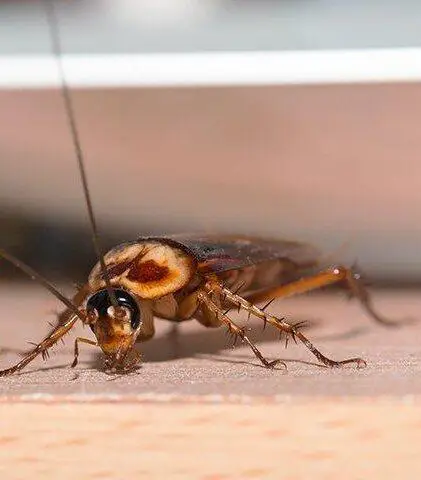
The mere mention of the word “roaches” is enough to make you squirm. Because they’re so prevalent, it can be tough to get rid of them, which is a shame. Remove any roaches from your house or apartment immediately if you discover any in the kitchen, attic, or bathroom. We at Full Scope Pest Control help homeowners get rid of pests. You can recover your space and bring your life back to normal with the help of our experienced experts in pest control Montgomery TX. There are various methods for getting rid of roaches, and we’ll explain them all in this article. Maintaining a Clean Home Will Deter Cockroaches Cockroaches only become a nuisance when they penetrate houses, companies, and other buildings. And they only enter structures when there are better circumstances and more food inside than outside. Cockroaches are enticed to food and water, so it’s no surprise that the kitchen and bathroom are the most common entry points for an infestation. Those are the spots to start your anti-cockroach efforts, and we have many recommendations for doubling down on cleaning up! Take the following actions to your fullest advantage: Dishes should be washed and put away after each meal. Do not wait to clean up crumbs and spills as they occur. Take out the trash and wipe down the stovetop with a damp cloth before retiring for the evening. Containers should be used to keep food fresh. Keep your mops clean by washing them frequently. Keep Hungry Pests Away from Your Stored Food by Sealing It Up There’s nothing like a well-stocked pantry to get a home cook enthused about supper preparation. Bags of flour and cereal marked “closed” may not be sufficient to keep pests out of your meal. A bag of sugar with a hole in the top is an easy target for tiny cockroaches. Get rid of them right away by considering experts in pest control Montgomery TX. Food can be safely stored in containers made of strong glass or metal, as these materials are the most durable. If you need to use plastic, be sure it’s in good condition. Make sure the lids on any containers you’re using are strong enough to keep your food fresh and safe. Destroy All Cockroach-Infestation-Inducing Items Cockroaches prefer dark places to hide, and cardboard and paper items are ideal for this purpose. It’s really a good idea to get rid of any cardboard boxes or other cardboard goods if you have them lying around your place, attic, garage, or even crawl space. Cockroaches also like old magazines, paper waste, and other paper products for shelter, so try to reduce the quantity of paper you have sitting about. Cockroaches will not want to live in your home if you do this. Remove All Points of Entry to Your Home In addition to removing items where these pests may live, be sure there are no entry points for cockroaches into your home. Investigate every nook and cranny of your house for any potential weak points. There’s no need to worry about cockroaches finding their way into even the smallest of spaces. Sealing around utility pipes and crawl areas is an important part of this. Additionally, you can seal around windows and doors and install weather-stripping to keep out the elements. Protect Your Yard From Cockroaches Even if you have shut off all entry sites, cockroaches may squeeze through almost any hole or crack. So prepare your yard to keep bugs out. Keep plants away from your home. If you have a garden or yard, keep it away from the house, likewise for firewood heaps. Also, avoid planting plants or trees right against your house. Cockroaches can easily access your home and windows. Using natural components alone may not be enough to combat a severe problem or a genuine bug infestation. Professional pest control in Montgomery TX is here to help. They’ll have the know-how and equipment to eliminate roaches for good because they’ll know just where to look. Don’t Forget to Check Your Carry-In Boxes and Bags Checking for cockroaches before bringing products into your home is something most people forget to do. Be cautious to check the contents of any boxes, bags, or containers you bring home from the garage, storage unit, or grocery store. Cockroaches can often lurk in these, making it simple for you to get them into your home unintentionally. It’s a good idea to check your purchases for cockroaches at thrift stores and garage sales before bringing them home. Recommended Read :SIGNS OF MOUSE AND RODENT INFESTATION Seek Professional Assistance The best way to deal with cockroaches in your house is to hire a professional pest control company. When you choose Full Scope Pest Control, we’ll work with you to keep cockroaches at bay by teaching you how to keep them out. Contact us today for a free estimate on pest control Montgomery TX homes.
Signs of mouse and rodent infestation
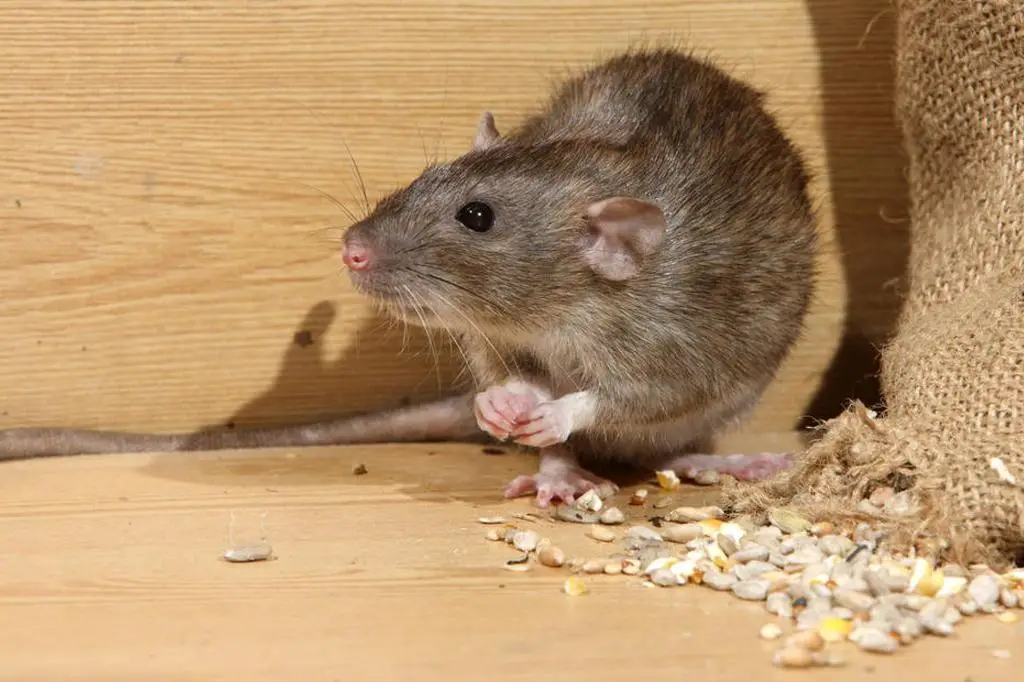
If rats are only observed at night and yet never throughout the day, the colony is unlikely to have grown too big, and trapping and bait can be used to suppress it. Suppose you observe any rats throughout the day, a lot of fresh excrement, or new gnawing marks. In that case, it’s likely that the colony has grown relatively large and that you’ll need expert help if you haven’t previously called Porter Texas pest control firm when you first noticed the problem. There are various mouse and rat infestation indications that you may use to quickly establish the presence of rodents in your home and take the required steps to eliminate them. Check for these signs to help you figure out if you have an active and retired rodent infestation in your residence. Signs you need Pest Control Services in Porter Texas against mouse and Rodent Infestation 1. Dropping Rodent and mouse droppings dry out and get older and greyish as they are older, and if relocated, they disintegrate. The consistency of new droppings is lustrous and dough, but the appearance of aged droppings is rigid and brittle. Different excrement sizes confirm the existence of youth and adults, and a large number of droppings indicates a massive infestation. 2. Urine smells It is most probable to occur whenever rats have recently infested a location, and the stench of their pee has become unbearable. If you observe your pet meowing at anything it has previously minimized interest in, get a torch and inspect the surrounding. 3. Gnawed openings New rodent gnaws marks are lighter in color than droppings and get deeper as they decay. The gnawed holes might be seen on packaged foods or the surfaces. Matching a gnaw mark you recently discovered with those on the same item are older is one technique to know the time. It could be a sign of an uninterrupted infestation if the freshly discovered marks are lighter in color. You should immediately call for pest control services Conroe TX if you notice gnawed openings in your home. 4. Gnaw and rub marks Greasy rub marks are left whenever rodents approach boundaries. If the rub marks smudge, you know they’re new. Gnaw marks on the timber around the home can also be a sign. 5. Runways for rodents Walls and floors, retaining structures, terraces, pipelines, power cables, cables, tree limbs, and barrier rails are all popular rat paths. Rodent pathways and tracks are expected to be noticeable if rodents are active today somewhere in your home, getting paler as time passes. Scratch markings, footprints, urine stains, or excrement will be visible. If there are rats around, you’ll most likely find their tracks in the powder. 6. Nests of rodents Rodents will build their nests from shredded paper, fabric, or dried plant matter. If these locations are discovered, and any adverse symptoms of existing roads (new droppings, chewing, stench, or tracks) are present, your home is most likely still infested. Norway rats build their nests in deep tunnels in the ground. Roof rats like to build their nests in attics, trees, or greenery above land. 7. Noises of scampering If you hear noises in the middle of the night, it’s a clue that mice or rats are still present in your home. They’ll be heard scurrying beneath the floorboards, around the cupboards, or burrowing behind walls and joists. Even muffled squeaking can be heard. Solutions for Pest Control Hiring Pest control services Conroe Tx and other pest control methods are essential because pests are hazardous for humans. Some rodents are poisonous and might be resulting in the sickness of the persons living in the house, tiny kids that don’t know how to deal. Here are some pest control strategies discussed: Traps Traps are by far the most widely used Porter Texas pest control method. There seem to be a variety of traps available currently, varying from click traps to attach traps. Snap traps are cheap, simple to use, and intended to kill rats quickly. Adhesive traps are an excellent way to keep mice under control without endangering fingers or paws being snapped. Recommended Read : WHAT TO DO ABOUT BATS Baits Baits are a no-mess, easy-to-use alternative for getting rid of mice and rats. Bait blocks are poisoned blocks placed in a high-traffic area where the rodent can enter. After nibbling on the bait block, a rodent will depart the station and die within 1-2 days. However, these methods might not prove effective, if the infestation has increased to a large number. In such cases, you will need to hire professional Porter Texas pest control services to get rid of mice and other rodents effectively and permanently.
What to Do About Bats
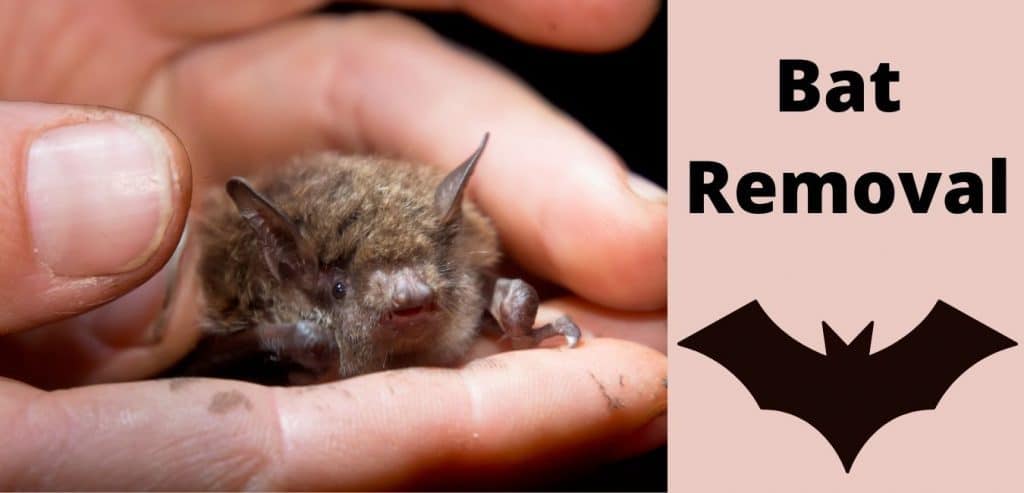
What Do You Do About Bats in the North Houston Area? by FullScope Pest Control Bats are the only mammals with wings (they are not rodents), and there are almost as many different species of bats as there are of rodents. Overall, they are considered to be beneficial (they eat TONS of bugs and mosquitoes every single night), unlike rats or mice. In fact, some people install “bat houses” on their property to attract these insect controllers to their property to help keep bug and mosquito populations down. Bats are also pollinators like bees. Bats prefer dark, dry spaces with little to no human traffic, which is why they love attics and belfries so much for roosting and multiplying. As healthy as they may be for the ecosystem, once they set up shop, they are very dangerous for buildings. They drop their feces (guano) everywhere, which is a huge attractant for various kinds of insect pests. One problem that bats bring with them is that they are hard to detect. They are very quiet, they only come out at night, and it may take you a while to even realize they are nesting in your home or business, or on your property. Bats hibernate in the wintertime, during which time, chances are good that they’ll move from your attic, down through the walls, and into your basement. These winged critters are not only quiet and stealthy, they are very agile and can slip in and out of holes and other entry ways that are smaller than an inch. They are very quick to fly away, too, if they sense a threat. Bats are also protected animals in many states (and by the federal government), so they need to be managed very cautiously. Unless you love bats, they are definitely animals that you want to have a professional bat control company handle. If you find evidence of bats in your Houston home, property, or business, you should definitely plan on calling in some bat removal expertise. Bats in Texas Bats are an important part of our ecosystem: they hunt and feed on flying insects, including mosquitoes, to keep their populations down. In fact, one little brown bat can expertly hunt down and eat around 1,000 mosquito-sized insects in a single hour, while nursing mother bats can consume over 4,500 flying insects every night. The six species of bats that Texans most commonly encounter include: Evening Bat (Nycticeius humeralis) Big Brown Bat (Eptesicus fuscus) Mexican Free-Tailed Bat (Tadarida brasiliensis) Cave Myotis (Myotis velifer) Southeastern Myotis (Myotis austroriparius) Tri-Colored Bat (Perimyotis subflavus) Must Read:5 HUMANE TIPS TO HELP KEEP BIRDS AWAY How Do I Know If I Have a Bat Infestation? Call the bat removal experts at FullScope Pest Control as quickly as possible if you notice any of the following in or around your home, or on your property: You’ll definitely notice a significant increase in the numbers of bats flying around your home or property at dusk or dawn. You might notice fluttering noises or high-pitched squeaks coming from inside your walls. Guano on the floor of your attic or basement, which are about twice the size of rodent droppings. What is Guano and How Can I Tell it Apart from Mouse Droppings? As mentioned, guano is the common term for bat droppings. It is very similar in shape and size to rodent droppings and the two might be easily confused. By the way, guano is often used as a fertilizer in other circumstances, and can be toxic. You can tell if it’s guano by using a flashlight or other lighting. If you crush the droppings with a gloved hand or shoe, and shine your light onto it, it should sparkle if it’s guano. It sparkles because of the insect exoskeletons that the bats feed on. Guano also has a unique, strong, pungent, musty odor. FullScope Pest Control is Humane and Bat Protection Compliant According to the Texas Parks and Wildlife Code, (Chapter 63, Section 63.101; http://www.statutes.legis.state.tx.us/Docs/PW/htm/PW.63.htm), “…no one may hunt, sell, offer for sale, buy, offer to buy, or possess after purchase a bat or any part of a bat, dead or alive.” It is extremely difficult and cumbersome for a Houston area homeowner to handle a bat infestation on his or her own. Especially since bats are a government protected species. Also, as mentioned, guano can be hazardous and attracts a variety of insects. FullScope pest control can give you a free initial assessment of your bat situation to get a handle on how serious the problem is. Our licensed and trained removal professionals have been watching the increase in bat populations in Texas for years and are best situated to handle your bat problem quickly, efficiently, and cost-effectively. We can also show you what you can do to help prevent bat problems in the future. Call today for a free assessment and a free quote. Guano Removal, Bat Control, and Decontamination in North Houston Bats are not aggressive, but bat removal and control is necessary for health and damage-prevention reasons, and should only be done by professionals who are familiar with all the federal and state laws protecting them. If you have bats in your attic, basement, crawlspaces, or anywhere else on your property where you don’t want them, your first tipoff should be the excessive droppings (guano) you can see. Exposure to guano over time can cause health issues. Plus, guano odor can remain inside your home for years if you do not properly remove it and conduct a full decontamination and sanitization of all the spaces that were inhabited by the bat intruders. Save yourself time, money, and headaches by calling us today! Got bats? Bats are nuisance pests, but they aren’t aggressive. They do transmit disease and carry parasites. Save yourself time, stress, and money by calling our office today at 832-898-0190, or shoot us an email at info@fullscopepestcontrol.com for a free initial consultation. We can help you manage your bat problem and other pest problems at home and in your yard, and then we can show you
5 Humane Tips to Help Keep Birds Away
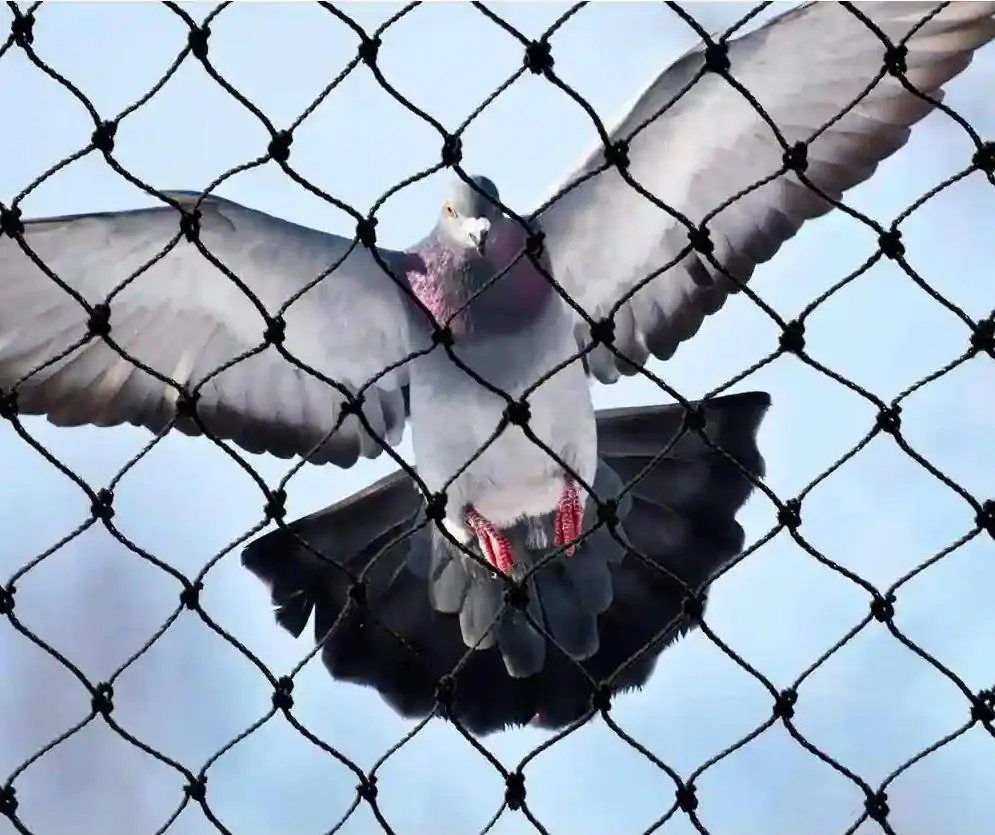
5 Humane Tips to Help Keep Birds Away By FullScope Pest Control Most everyone loves birds. But they can be unwelcome nuisances, for sure, especially when they invade your home or business. Pest control (including bird control for the likes of pigeons, gulls, and other pest birds) can feel like a never-ending, losing battle . . . dealing with their acidic droppings, with the bacteria and disease they bring with them, as well as with their disruptive territorial behaviors and destructive habits. Birds can be real pills! Bird invasion problems may require a call to a professional bird control service if the problem gets out of hand. On the bright side, there are some things you can do to help keep birds away from your property. Following are just some of the humane things you can do to keep your home or business bird-free. What is the Best Way to Get Rid of Birds? Regarding pest control, most home and business owners have just about enough on their hands keeping their areas free from common pests such as ants, roaches, rats, mice, etc. Most don’t take into consideration what a hassle birds can cause, and how much cost it can occur (especially to repair damages caused by pest birds). Make sure you do everything you can to prevent bird damage in a timely manner. Depending on the size of your home or business, birds can end up costing you into the thousands of dollars each year in maintenance and repair costs. How Do You Control a Bird Infestation? Start by conducting regular thorough inspections of your home or business, looking closely for evidence of bird damage. Keep an eye out for nests in high, tucked away places, as well. In particular, keep an close eye on the roof, the A/C unit and ventilation systems, the raingutters, etc. The sooner you address any potential problems, the better. Especially if there are health risks involved. Here are a few tips to help you keep birds away humanely. You can keep your home or business free of them, and still remain on good terms with your feathered friends. 1, Removing Food Sources As with all pests, removing the source of what the pests are after (food, water, shelter) is the quickest and easiest prevention method (bird exclusion). Without your knowing, there may already be things that birds love to eat all over your property. Identifying the birds you’re dealing with is critical, so you know what to watch out for. Some birds eat plants, some eat grains, some eat fruits and vegetables, some eat bug pests, like flies, mosquitoes, grasshoppers, etc. Birds of prey tend to seek out smaller birds, poultry, and small animals like squirrels, rodents, and raccoons. Also take note of where the birds are often congregating around your property. Chances are there’s a food source nearby. Install netting to prevent bird access to berry bushes and fruit trees. Install bug zappers around your property if your birds like the taste of bugs (or use an environmentally friendly pesticide). Keep lids on your garbage to keep birds and the other pests they hunt (squirrels, rats, raccoons, etc.) far away. Bird-repelling Kites If prevention is the best medicine, then your best move is to divert birds away from your property altogether. How about by doing it the old fashioned way? Don’t ever underestimate the power of a “scarecrow.” Bird-repelling kites (especially those that are constructed to look like birds of prey), set up on a windy day, will guard over your property, and keep the birds scared away form a distance. Birds won’t dare risk flying anywhere even close to it. Birds near and far will steer clear of your property. Ultrasonic Bird-Repelling Devices Another low-maintenance, humane way of keeping birds at a distance from your deck, garden, patio, pool, etc., is to install an ultrasonic bird-repelling device. You won’t hear them (your pets might), and they’ll work non-stop to repel those petty birds. Motion-Activated Sprinklers One super effective way of keeping your property bird-free is to install a motion-activated sprinkler. As you’ve likely noticed, birds are nervous, skittish creatures that will take off at even a hint of danger. Whenever you surprise them with a sudden burst of water, your bird pests will fly away to safer pastures. The motion activation feature in the sprinklers will keep your water bill down, too, as it will only go into action when birds are nearby to trip the sensors. Keep the sensors tilted skyward to be able to detect incoming bird pests. Calling a Professional Even with all the preventive methods you might put into place to keep away any kind of pest, sometimes their sheer numbers are enough to invade and overwhelm. This is when you want to call in a professional bird control service. As you can see, there are plenty of steps you can take yourself, but for more serious problems, calling a professional will be much more cost effective. Contact a professional pest control service that has the expertise necessary to get rid of birds whenever you first start to see any signs of a bird infestation (damage, nests, droppings, bird activity, etc.). This can help you deter expensive damage by getting a handle on things early on. Call our Texas pest control experts today at 832-898-0190 for a consultation. Or email us at info@fullscopepestcontrol.com. We can quickly help you get your bird problem under control, as well as other expensive pest problems plaguing your home or business.
Rodent Control for Home and Yard
There are times of the year, especially, when you want to ramp up efforts to keep rodents and other wildlife out of your home and yard. Just because you live in a more suburbanized area instead of out in the woods or in a remote rural area doesn’t make the chances of rat invasions any less. You might be even more at risk, because the food sources that rodents love tend to be more plentiful in the suburbs than in secluded areas. There are few things mice and rats love more than the garbage that humans toss out. Why are Rats and Mice Bad? Rodents are small, hairy mammals that can be found just about anywhere around the globe. As you may have realized, mice and rats, along with other uninvited wildlife (squirrels, raccoons, opossum, deer, etc.) are quite adept at finding their way into your home and garage. Rodents not only love the kind of trash you throw away (including fast food wrappers, empty food containers, etc.), but they also can chow down on stored food items. Rodents possess large, powerful teeth with which they can quickly chew through solid materials like leather, wood, drywall, etc. Because they are such powerful gnawers, they can cause quite a bit of damage to valuables in your home, such as to furniture and throughout your home’s structure (walls, doors, etc.). Rodents are also known to carry and spread diseases of all sorts. If not caught, so it’s even more important to have inspections by professional rodent control experts if you suspect mice and/or rat activity. How Many Diseases do Rats and Mice Carry? Rodents Spread Fleas: Rodents are notorious for hosting fleas, which are also known to spread various diseases and bacteria, and can plague a household with their blood-sucking biting., even if there are no pets. Rodents Spread Diseases: Rodents are difficult to control, especially after they’ve gotten a foothold in a home or yard. They are also vectors for diseases, and can contaminate your stored food with their shedding hair, and leaving behind saliva and droppings. The CDC has linked some rodents to hantavirus pulmonary syndrome, a disease known to cause fatalities in nearly 2 out of every 5 cases reported in the United States. You should also know that when mice feed on stored food, they contaminate about 10 times more food than what they actually eat. What is Considered a Rodent Infestation? As with roaches, if you see mice or rat activity at home or in your yard, you’re probably only seeing a small fraction of the actual population. One stray rodent isn’t necessarily a cause for alarm, but two or more definitely means you’ve got an infestation. Your best bet is to contact a pest management company to inspect, and treat for other possible rodents that may be living in your home or anywhere on your property. It should go without saying that children and pets should be kept safely away from any areas where wild rodents have been spotted at home or in the yard. Rodents are feral and are prone to bite and attack if they sense a threat. Do NOT try to grab or hold a rodent you may find in your home or around your yard. They can inflict painful bites with their large teeth and powerful jaws, which can transmit disease. What Kind of Rats Are in Houston? Roof rats and Norway rats are known to be prevalent in the North Houston area. What is a Rodent Exclusion? Why Is Exclusion Important For Rodent Control? Exclusion is a process of recognizing possible rodent entry locations and then taking preemptive measures to keep these invasive rodents out of your home and property. Exclusion is a very important part of an effective long-term rodent control. You don’t just want to drown your home with chemicals meant to kill pests, because these chemicals can also prove toxic to you and your family. It’s been demonstrably proven to be more effective to take a comprehensive, long-term approach to manage uninvited rodents. Exclusion is also healthier for the ecosystem. This type of rodent (and other pest) management is also known as Integrated Pest Management (IPM). Rodent exclusion is an important aspect of rodent IPM, and it involves more pro-active, preventive measures involving sealing off areas of your home or business where rodents might be likely to intrude. Best case scenario, exclusion can block them off from entering your home or yard to begin with. Prevention is always the best cure! Is Rodent Exclusion Necessary? Rodent exclusion involves sealing off areas that you don’t want rats and mice to get in, especially the inside of your home and on your property! You want to sealcracks in the foundation, screen over vents, screen over the bottom ends of your downspouts, keep your fireplace flue closed when not in use, and seal off pipe/utility entry points with screening, copper wool, or cement. Other pest exclusion tactics recommended by IPM experts and professionals include keeping organic materials as far away from the outside of your home or business as possible (i.e., mulch, compost, trash, leaf piles, yard clutter, etc.). Getting rid of things that attract pests, like food, entry points, and water sources, will also help you keep these sneaky rodents away. You also want to do things like keep your storage areas free of empty boxes and piles of newspaper that rodents could nest in and breed (A few rodents can turn into hundreds in a matter of just a few weeks). Call us today at 832-898-0190 or email us at info@fullscopepestcontrol.com for a free consultation. We can help you manage your rodent problems at home and yard, and show you what you can do yourself to keep them away. Save yourself money, time, and headaches. Calling a professional rodent control service is always much more cost effective and a timesaver in the long run if you feel you are overwhelmed with rice and/or rats. This can help you deter expensive damage by getting a handle on things early on. Call our Texas pest