 1500+ reviews

Rodent Exclusion Frequently Asked Questions

Rodent exclusions refer to measures taken to prevent rodents, such as mice and rats, from entering buildings or spaces. Here are some frequently asked questions (FAQs) about rodent exclusions: Remember that effective rodent exclusion is a combination of sealing entry points and maintaining a clean environment to make the area less appealing to rodents. If you have specific concerns or a severe infestation, consulting with a pest control professional is recommended.
FAQ’s for Carpenter Ant Treatments
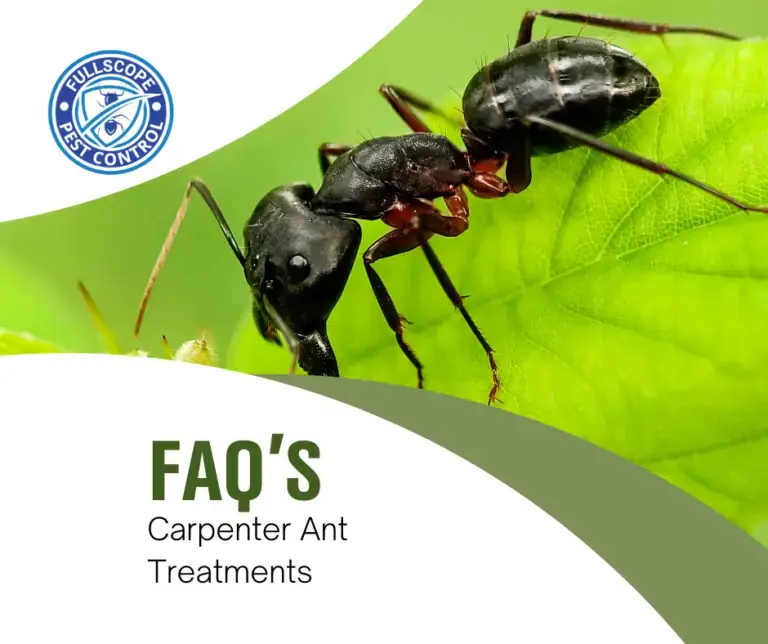
Here are some frequently asked questions about carpenter ant treatment: How do I know if I have a carpenter ant infestation? Carpenter ants leave behind sawdust-like material known as frass, and you may notice this near their nesting sites. You might also see large, black ants in and around your home. Can I treat carpenter ant infestations myself? While some DIY products are available, it’s often best to consult with a pest control professional. They can assess the extent of the infestation and recommend appropriate treatment. What are common treatment methods for carpenter ants? Treatment methods may include applying insecticides, using ant baits, and addressing moisture issues that attract carpenter ants. The specific approach depends on the severity of the infestation. Are there eco-friendly options for carpenter ant control? Some pest control companies offer eco-friendly or low-toxicity options. Diatomaceous earth and boric acid are examples of less harmful substances that may be used. But most of the new products available for carpenter ants require only treatment of trailing areas, very effective and people and pet friendly. How long does carpenter ant treatment take? The duration of treatment depends on factors such as the size of the infestation and the chosen treatment method. It may take several weeks to fully eliminate the ants. Should I be concerned about the safety of treatments for pets and children? It’s crucial to follow the instructions on any products used and, if necessary, keep pets and children away from treated areas during and after the application, to allow time to dry. Discuss safety concerns with your pest control professional. Can I prevent future carpenter ant infestations? Addressing moisture issues, sealing entry points, and keeping your home clean can help prevent carpenter ant infestations. Regular inspections can catch early signs of any potential problems. Remember, for effective and safe carpenter ant treatment, it’s recommended to consult with a pest control expert who can tailor the approach to your specific situation.
Ultimate Guide to Mosquito Barrier Treatments

Houston’s steamy charm comes with a pesky downside: mosquitoes. These buzzing menaces not only disrupt outdoor enjoyment but also pose a health risk, transmitting diseases like West Nile virus and Zika. So, what’s a homeowner to do? Mosquito barrier treatments emerge as a popular solution, but are they truly effective in the north Houston context? Let’s dive in and separate the buzz from the bite. What are Mosquito Barrier Treatments? These treatments involve applying insecticides to the perimeter of your commercial properties and residential property, targeting shrubs, vegetation, and potential mosquito breeding grounds. The aim is to create a barrier that kills mosquitoes on contact and lasts for a specific period, usually around 2-3 weeks. In North Houston, where the humid climate fosters a thriving mosquito population, mosquito barrier treatments play a crucial role in maintaining a comfortable outdoor environment. By creating a shield of protection around your property, these treatments effectively target and eliminate mosquitoes at their source, preventing both nuisance bites and the spread of diseases. The longevity of these barriers ensures continuous defense throughout the peak mosquito season, offering residents peace of mind and an opportunity to reclaim their outdoor spaces without fear of mosquito interference. Mosquito barrier treatments involve the use of backpack spray systems to effectively apply a liquid insecticide as large droplets on vegetation. These systems are crucial in creating a protective shield against mosquitoes, as they convert the product into droplets that effectively target and eliminate these pests. By using backpack spray systems, licensed technicians can efficiently cover various areas where mosquitoes thrive, ensuring effective control and reduction of mosquito populations in residential and commercial spaces. Mosquito larvae are a common pest in standing water sources. To combat this issue, mosquito barrier treatments can be used to eliminate larvae and prevent the development of adult mosquitoes. By applying these treatments directly to water sources where mosquitoes lay their eggs, larvae can be stopped from maturing into flying, biting adults. This proactive approach helps to control mosquito populations and reduce the risk of mosquito-borne diseases in the area. Mosquito larvae are a common issue when it comes to mosquito infestations. To combat this problem, mosquito barrier treatments are used to prevent larvae from maturing into biting adults. These treatments can be applied directly to standing water sources where mosquitoes lay their eggs, effectively suffocating the larvae and preventing them from developing further. Unlike fogging, which is a temporary solution, mosquito barrier treatments provide long-lasting protection throughout the mosquito season, ensuring a mosquito-free environment for an extended period of time. Effectiveness in North Houston: The effectiveness of mosquito barrier treatments in Houston depends on several factors: Beyond Barriers: A Multi-Pronged Approach: While mosquito barrier treatments can be helpful, they’re not a silver bullet. A comprehensive approach combining barriers with other strategies is key: The Verdict: Worth the Buzz? Mosquito barrier treatments can be a valuable tool in your mosquito management arsenal, but they’re most effective when combined with other strategies. Consider your budget, property size, and mosquito pressure to determine if they’re right for you. Remember, consistency and a multi-pronged approach are key to winning the battle against these persistent pests. Why are there so many mosquitoes in my backyard? Mosquitoes are a common nuisance in many backyards due to their attraction to standing water, overgrown vegetation, and warm temperatures. Female mosquitoes lay their eggs in stagnant water, which can accumulate in sources like flower pots, bird baths, and clogged gutters. Additionally, mosquitoes are drawn to the carbon dioxide humans exhale and body heat, making outdoor gatherings prime feeding grounds. Implementing mosquito barrier treatments in your yard can help reduce the mosquito population by targeting breeding sites and creating a protective barrier against these pesky insects. Natural Outdoor Insect & Pest Repellent Options Natural Outdoor Insect & Pest Options Natural outdoor insect and pest control options are gaining popularity due to their effectiveness and eco-friendly nature. From essential oils like citronella and lavender to plants such as marigolds and rosemary available on Amazon, there are numerous natural ways to deter insects and pests from invading your outdoor space. These options not only help in keeping unwanted visitors at bay but also add a pleasant aroma to your surroundings. Explore these natural solutions to create a harmonious and bug-free outdoor environment for you and your loved ones. Three Types of Mosquito Spraying Methods When it comes to mosquito control, understanding the different spraying methods available can make a significant difference. Here are the three primary types of mosquito spraying methods used: Combining these methods with a proactive approach to mosquito control can lead to a more enjoyable outdoor experience, free from the nuisance of these pesky insects. Additional Tips: By taking a proactive and informed approach, you can reclaim your outdoor spaces and enjoy North Houston’s beauty without the constant buzz of uninvited guests. Do mosquito barriers work? Mosquito barrier treatments are a valuable tool in managing mosquito populations, offering a crucial line of defense against these persistent pests. However, their effectiveness is enhanced when used in conjunction with other strategies. Factors such as property size, budget considerations, and mosquito pressure should inform your decision on incorporating barrier treatments into your mosquito control plan. Consistency in applying barrier treatments is essential for optimal results, especially in environments prone to rain, wind, or intense sunlight. To maximize the efficacy of these treatments, it is advisable to implement a multi-pronged approach that includes eliminating breeding sites, utilizing innovative solutions like the In 2Care Mosquito Systems, practicing personal protection measures, and encouraging natural predators. This holistic strategy not only targets adult mosquitoes but also disrupts their life cycle at various stages. Working in collaboration with licensed pest control professionals like FullScope Services can provide tailored solutions for your specific needs. Their expertise can help you navigate through environmentally friendly options that are safe for your family and pets. Imagine the joy of reclaiming your outdoor spaces, free from the nuisance of buzzing mosquitoes. By investing in a comprehensive
Termites in North Houston: Don’t Let Silent Destroyers Win Your Home
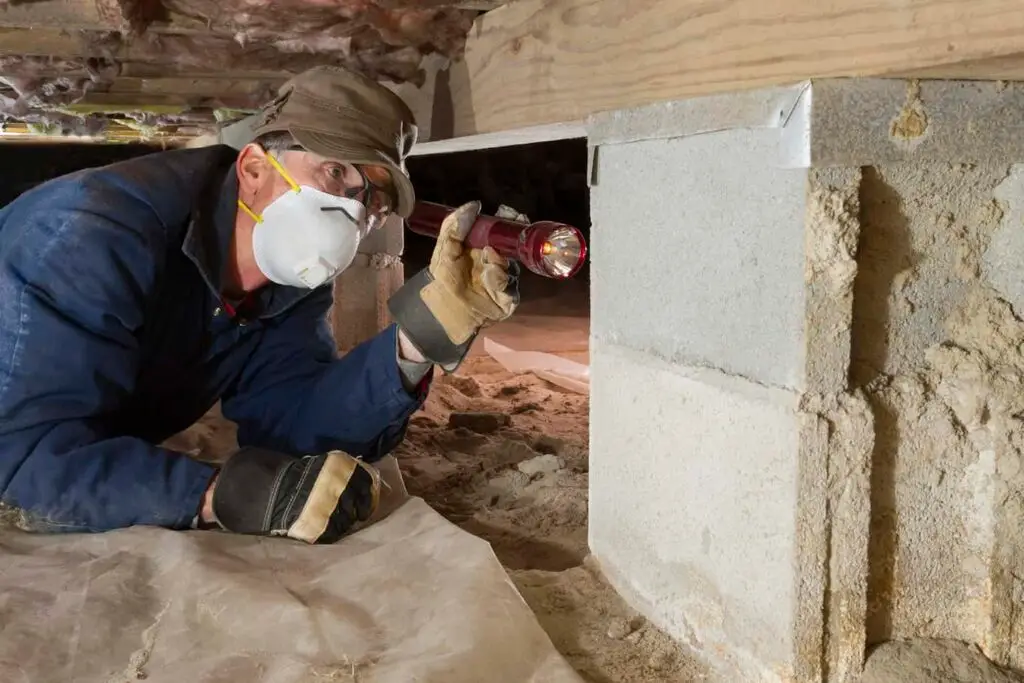
North Houston’s warm, humid climate creates a paradise for many things, including unfortunately, termites. These silent destroyers can wreak havoc on your home’s foundation and structure, costing homeowners thousands of dollars in repairs. Whether you’re a seasoned resident or a newcomer, understanding the termite threat and taking preventive measures is crucial. The Two Main Culprits: 1. Subterranean Termites: 2. Drywood Termites: Signs of Trouble: Prevention is Key: Don’t Wait Until It’s Too Late: Early detection and treatment are vital to minimize damage. If you suspect a termite infestation, act immediately. Contact your local licensed pest control professionals, FullScope Services for a thorough inspection and treatment plan. We can: Offer preventative measures to safeguard your home in the future. Remember: Termite damage is often not covered by homeowner’s insurance. Taking proactive steps now can save you significant financial stress and heartache down the road. Don’t let these silent destroyers win your home; arm yourself with knowledge and take action! Additional Resources:
Don’t Share Your Home with Eight-Legged Tenants: Why Spider Control Matters

Spiders: They spin intricate webs, capture pesky insects, and sometimes…creep us out. While some spiders are harmless, their presence can be unsettling, especially for arachnophobes. But beyond the fear factor, uncontrolled spider populations can pose problems for your home and health. Here’s why professional spider control services might be the answer you’ve been searching for: Beyond the Shivers: Health Concerns: Certain spider species, like brown recluse and black widows, have venomous bites that can cause serious health issues. While rare, professional pest control companies such as FullScope Services can identify and eliminate these potentially dangerous spiders, giving you peace of mind. Most spiders are drawn to your home in search of feed, so reducing their food source (insects) can also help reduce spider populations. Regular pest control services can ensure that insect populations are not the “Open for Business” sign that attracts spiders in the first place. More Than Just Creepy Crawlies: Spiders often indicate larger pest problems. Their presence means food sources like insects are readily available, attracting unwanted house guests like roaches, ants, and even rodents. Addressing the spider issue at its root eliminates not just the spiders, but potentially a whole ecosystem of unwelcome guests. Prevention is Key: Reactive measures often fall short. Professional spider control services go beyond simply eliminating existing spiders. They identify entry points, seal them shut, and implement preventative measures to deter future infestations. This proactive approach saves you time, money, and stress in the long run. Expert Knowledge and Tools: Knowing where to look, what products to use, and how to safely apply them is crucial for effective spider control. The FullScope professional team has the expertise, experience, and equipment to tackle even the most complex infestations, ensuring a thorough and lasting solution. Peace of Mind and Guaranteed Results: Living with the constant worry of spiders can be anxiety-inducing. Our professional pest services offer a guarantee, giving you the assurance that the problem will be solved, allowing you to relax and enjoy your pest-free home. Investing in Your Comfort and Health: Think of it this way: Recurring spider control is like an insurance policy for your peace of mind, health, and wallet. Keep your family and pets safe. Don’t wait for an eight-legged invasion to disrupt your comfort. Invest in a spider-free future by contacting your locally trusted pest control professional, FullScope today and enjoy the lasting benefits of a recurring service plan. Ready to say goodbye to unwanted houseguests? Contact a FullScope pest control company today! They’ll assess your situation, develop a customized plan, and help you reclaim your home from the eight-legged invasion. Remember, a spider-free home is just a call away!
Battling Bugs: Are Pest Control Services Worth the Buzz?
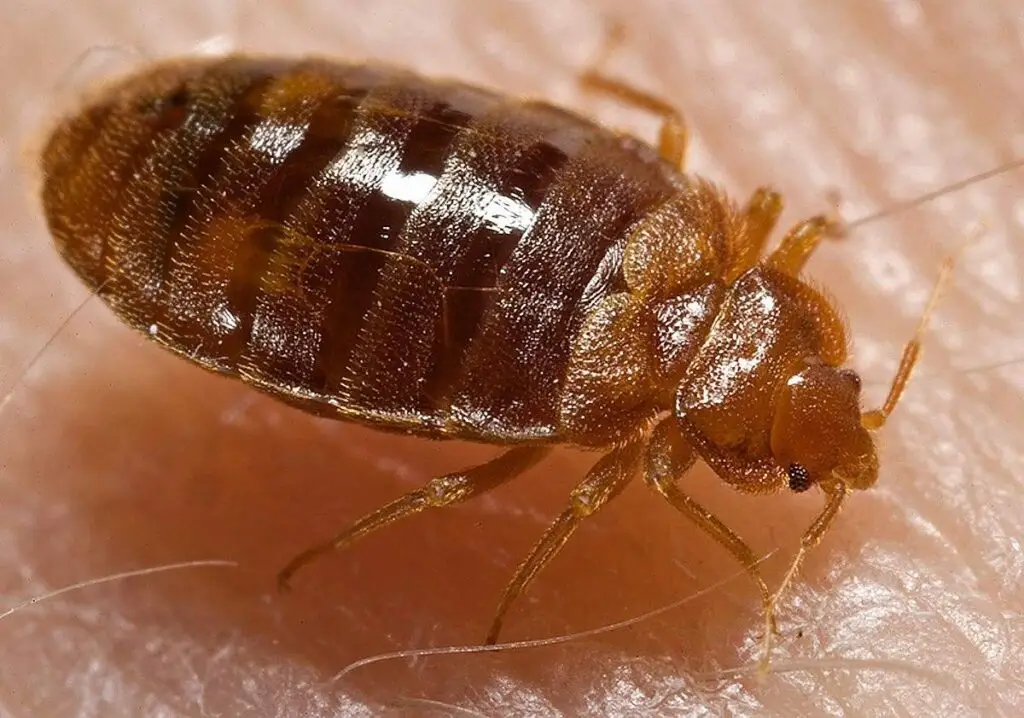
The sight of a scurrying spider, a trail of ants, or the telltale droppings of a rodent can send shivers down any homeowner’s spine. While DIY approaches are tempting, the effectiveness of pest control services remains a burning question. Let’s delve into the pros and cons to help you decide if professional help is worth the sting. The Case for Calling in the Pros: The DIY Dilemma: Deciding Factor: Weighing the Costs: The cost of professional pest control services can be a deterrent, but consider it an investment in your peace of mind, health, and potentially, the value of your property. Compare the cost of service with the potential damage caused by unchecked infestations, the cost of ineffective DIY attempts, and the value of your time and well-being. Remember: Not all pest control companies are created equal. FullScope is a licensed & insured professional pest control provider with an exceptional reputation, we offer transparent pricing, and a commitment to safe and effective practices. With the right approach, professional pest control can be the winning move in your battle against unwanted houseguests. Ultimately, the decision hinges on the severity of the infestation, your budget, and your comfort level. Weigh the pros and cons carefully to choose the solution that best protects your home and your peace of mind.
The Role of Community Efforts in Bee and Wasp Control: Working Together for Effective Pest Management
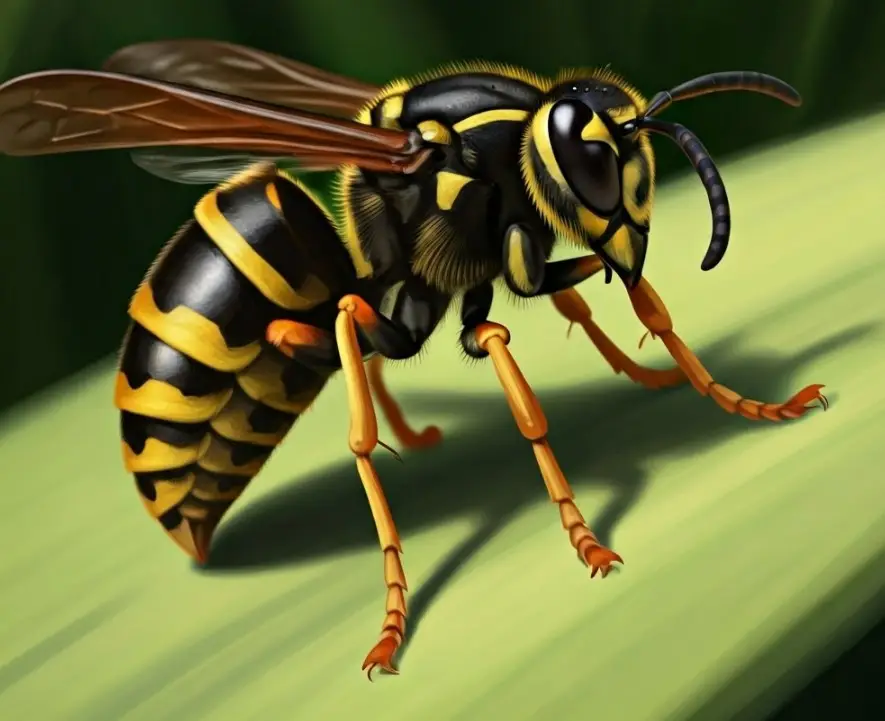
Pollination and pest control are two essential functions bees and wasps perform in ecosystems. However, when their populations surge or encroach into human habitats, they can become a nuisance and even pose a threat. Effective pest management requires a delicate balance between preserving these essential insects and mitigating their risks to human health and safety. This blog will explore the importance of community efforts in bees and wasps’ control and how collaboration can lead to sustainable solutions. Understanding the Importance of Bees and Wasps Before delving into control measures, it’s crucial to understand the ecological significance of bees and wasps. The pollination of many crops by bees, called nature’s pollinators, is vital to global food security and biodiversity. While often viewed as pests, wasps also contribute to ecosystems by preying on other insects, helping to control populations of agricultural pests. Challenges of Bee and Wasp Infestations Despite their ecological importance, bee and wasp infestations can pose challenges, especially in urban and suburban areas. Nesting in residential spaces, such as attics, walls, and gardens, can lead to stings and allergic reactions in humans. Moreover, aggressive species like the Africanized honeybee, commonly known as “killer bees,” present additional risks to public safety. Community Efforts in Bee and Wasp Control Addressing bee and wasp infestations requires a collaborative approach involving homeowners, local communities, and pest management professionals. Here are some crucial community efforts that contribute to effective control: Education and Awareness Campaign It’s crucial to raise awareness about the role of bees and wasps in ecosystems and educate people on identifying their nests and managing encounters safely. This information can help communities take proactive measures and ensure the safety of both humans and these beneficial insects. Integrated Pest Management (IPM) Strategies To manage pest populations, IPM employs environmentally sensitive methods like habitat modification, biological control, and targeted pesticide applications. The aim is to minimize harm to beneficial insects such as bees and wasps. Professional Intervention In cases where infestations pose significant risks or require specialized expertise, seeking assistance from licensed pest control professionals ensures the safe and effective removal of nests and colonies. Collaborative Research and Monitoring Engaging in citizen science projects or local monitoring initiatives can help track bee and wasp populations, identify emerging threats, and inform management strategies tailored to specific communities. Habitat Preservation Preserving natural habitats and providing suitable nesting sites effectively mitigate conflicts and promote coexistence between humans, bees, and wasps in urban landscapes. These measures ensure the survival of these important pollinators and maintain the balance of the ecosystem. Conclusion The balance between benefiting from the ecological services of bees and wasps and ensuring public safety requires a nuanced and cooperative approach. We can effectively control bees and wasps without harming them by implementing Integrated Pest Management (IPM) strategies and promoting community efforts and education. At Fullscope Pest Control, we understand the importance of these community initiatives and offer expert services to support them. We urge people and communities to unite in our dedication to sustainable pest control. Let’s collaborate to establish safe and healthy surroundings for humans and our significant pollinator allies. Get in touch with Fullscope Pest Control today to discover how you can play your part in this vital initiative and gain from our professional knowledge in managing bee and wasp colonies.
Frequently Asked Questions (FAQs) about Sentricon Termite Baiting Systems:
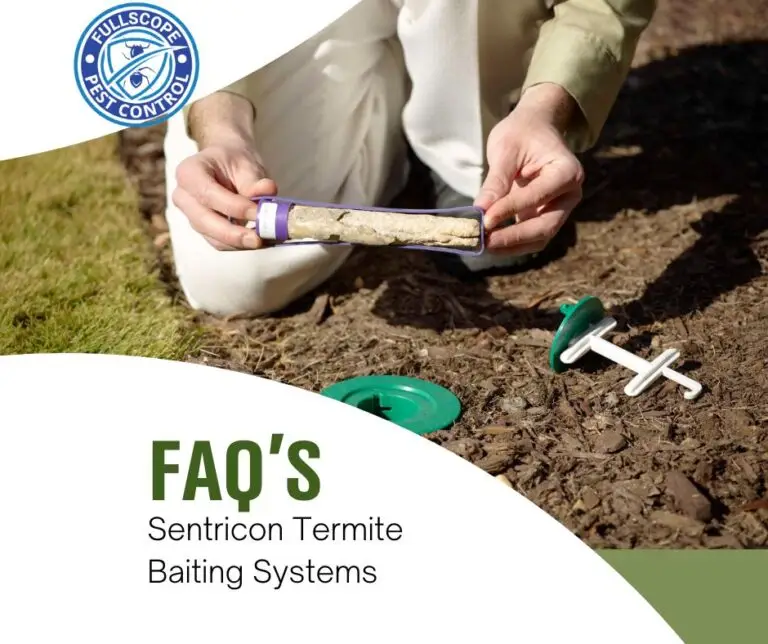
What is Sentricon? Sentricon is a termite baiting system designed to eliminate termite colonies by using bait stations strategically placed around a property. How does Sentricon work? Sentricon works by attracting termites to bait stations containing cellulose material that is more appealing to them than the structure of your home. Once termites feed on the bait, the workers will die, leading to colony elimination. Is Sentricon environmentally friendly? Yes, Sentricon is considered a green environmentally friendly because it targets termites specifically, minimizing the impact on non-target organisms. Is Sentricon safe for humans and pets? Yes, Sentricon is designed to be safe for humans and pets. The active ingredient in the bait is targeted at termites and has low toxicity to mammals. How often do the bait stations need to be checked? The frequency of bait station checks depends on factors such as termite activity and the location of the property. Typically, a pest control professional will inspect the stations regularly, especially during termite season. Do I need to be present during Sentricon installation? In most cases, homeowners do not need to be present during Sentricon installation. Pest control professionals can install and monitor the system without requiring your presence. Does Sentricon protect against all types of termites? Sentricon is effective against subterranean termites, which are among the most common and destructive types. How long does it take for Sentricon to eliminate a termite colony? The time it takes to eliminate a termite colony with Sentricon can vary. It may take several weeks to a few months, depending on factors such as termite activity and colony size. Is Sentricon a one-time treatment, or does it require ongoing maintenance? Sentricon is often considered an ongoing monitoring and protection system. After the initial installation and successful termite elimination, monitoring may be needed to prevent future infestations. The Sentricon Termite System is always active, so always protecting your home from termite invasions. Can Sentricon be used for both residential and commercial properties? Yes, Sentricon is suitable for use in both residential and commercial properties, offering termite protection for a variety of structures. Remember to consult with your local experts at FullScope Pest for specific information tailored to your property and termite situation.
FAQ’s for Mosquito Barrier Treatments
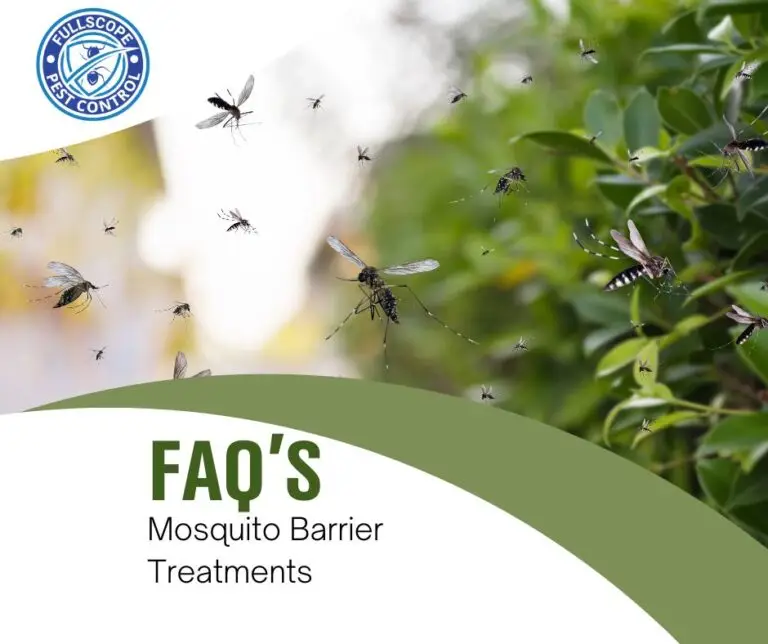
Frequently asked questions about mosquito barrier treatments. Here are some general FAQs: What is a mosquito barrier treatment? A mosquito barrier treatment involves applying insecticides or repellents to outdoor areas to create a protective barrier against mosquitoes. This helps reduce mosquito populations and minimizes the risk of mosquito-borne diseases. How do mosquito barrier treatments work? Mosquito barrier treatments typically contain active ingredients that repel or kill mosquitoes. When applied to vegetation, lawns, or other outdoor surfaces, these treatments create a barrier that deters mosquitoes from entering the treated area. What types of products are used for mosquito barrier treatments? Mosquito barrier treatments can be in the form of sprays, concentrates, granules, or fogging solutions. Some products are designed for use on lawns, while others may be suitable for gardens or specific outdoor areas. When is the best time to apply mosquito barrier treatments? The timing of mosquito barrier treatments may vary based on the product. However, it’s generally done during the day time, as we are applying a residual insecticide to mosquito resting areas. How long do mosquito barrier treatments last? The duration of effectiveness varies depending on the mosquito pressue, we are just trying to reduce populations, mosquitoes cannot be eliminated. Best results are achieved when the treatment is done every 3 weeks, this will over time create a repellency barrier to keep mosquitoes out of your yard. Are mosquito barrier treatments safe for humans and pets? Many mosquito barrier treatments are designed to be safe for humans and pets when used according to the instructions. Do mosquito barrier treatments affect other insects or wildlife? The impact on non-target insects and wildlife is very low because of the are the product is allied. Very reduced amount of active ingredients applied, as well as the time of day the products are applied. Most benificial insects are not resting in the areas of application. Reach out to your local pest experts at FullScope Pest Control for more information on Mosquito Barrier Treatments, as well as to answer any additional about our treatments.
Frequently Asked Questions About Chinch Bug Treatments
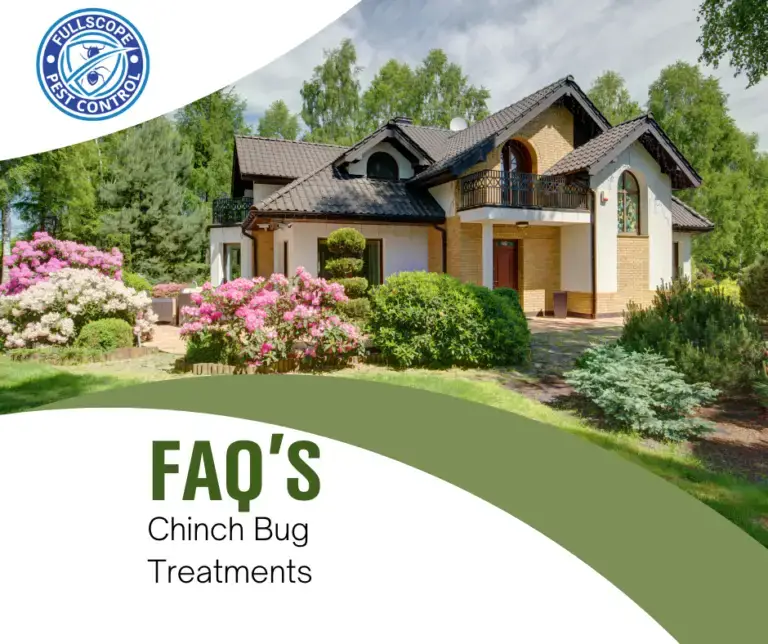
Here are some frequently asked questions about chinch bug treatments: What are chinch bugs? Chinch bugs are small insects that feed on the sap of grass plants, causing damage to lawns. They are particularly common in warm-season grasses. How can I identify chinch bug damage? Chinch bug damage often appears as yellow or brown patches in lawns. The grass may wither and die in severe infestations. You can also look for the bugs themselves by parting the grass and inspecting the soil near the roots. What are some common treatments for chinch bugs? When is the best time to treat for chinch bugs? Early detection is key. Treatments are most effective when applied at the first signs of chinch bug damage. Spring and early summer are common times for infestations. Can cultural practices help prevent chinch bug infestations? Yes, maintaining a healthy lawn can reduce the risk of chinch bugs. Proper watering, regular mowing, and aeration promote a robust lawn that is more resistant to infestations. Should I hire a professional for chinch bug control? If you’re dealing with a severe infestation or if home remedies are not proving effective, it’s advisable to consult with a pest control professional. They can assess the situation and recommend appropriate treatments. In conclusion, addressing chinch bug infestations requires a multifaceted approach that combines preventive measures, early detection, and targeted treatments. By understanding the lifecycle and habits of chinch bugs, homeowners can implement strategies to minimize conducive conditions for their proliferation. Regular lawn maintenance, such as proper watering and mowing, plays a crucial role in preventing chinch bug infestations. When faced with an active infestation, prompt identification and application of appropriate treatments are essential. Natural remedies, insecticides, and professional pest control services are viable options, each with its own set of advantages and considerations. It is crucial to choose the treatment method that aligns with your preferences, environmental concerns, and the severity of the infestation. Additionally, ongoing monitoring and maintenance are key elements of an effective chinch bug management plan. Regularly inspecting your lawn for signs of chinch bug activity and implementing preventive measures will contribute to the long-term health of your turf. Ultimately, combining knowledge, vigilance, and strategic treatments will empower homeowners to effectively manage and mitigate chinch bug issues, ensuring a lush and resilient lawn for years to come. If uncertainties persist or the infestation intensifies, seeking advice from pest control professionals is always a prudent step to safeguard your outdoor space from these persistent pests.