 1500+ reviews

Professional Ant Control, Removal & Prevention Services
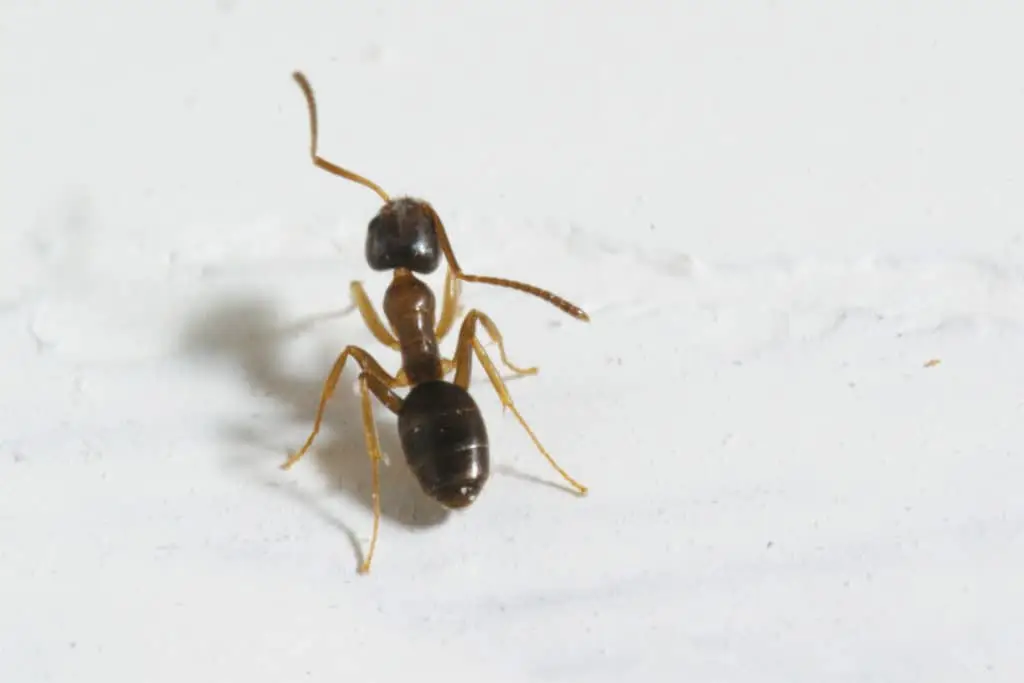
Key Highlights Introduction Ant infestations can be a common and frustrating problem for homeowners. When a few ants turn into dozens or even hundreds, it’s time to call in the professionals. Professional ant control, removal, and prevention services can provide the expertise and tailored solutions needed to effectively eliminate ant infestations and prevent them from recurring. Ant exterminators are trained to identify and address the specific needs of each ant infestation. They use a combination of expert strategies, advanced techniques, and safe methods to provide immediate relief and long-term prevention. From identifying common ant species to conducting thorough inspections, professional ant control services offer a comprehensive approach to ant problem management. Understanding the behavior and habitats of ants is crucial for effective ant control. Ants are social insects that live in colonies and are constantly in search of food and shelter. By understanding their lifecycle, nesting habits, and nesting sites, professionals can target and eliminate ant infestations at their source. Different types of treatments are available for ant control, including chemical and non-chemical methods. Professionals can provide options such as baiting, chemical treatments, and non-chemical strategies to meet the specific needs of each infestation. With the help of professional ant control services, homeowners can enjoy an ant-free living environment and peace of mind knowing that their homes are protected from future infestations. The key is to choose a reputable and experienced pest control company that offers customized plans, eco-friendly practices, and a commitment to customer satisfaction. Expert Ant Control, Removal, and Prevention Strategies Professional ant control services offer expert strategies and tailored solutions to effectively eliminate ant infestations and prevent them from recurring. These services utilize the latest pest control techniques and technologies to provide immediate relief and long-term prevention. When it comes to ant control, professionals understand that each infestation is unique and requires a customized approach. They have the knowledge and experience to identify the type of ant species invading your home and the best methods to eliminate them. By using a combination of baiting, chemical treatments, and non-chemical strategies, professionals can target the ants at their source and provide effective control. In addition to controlling existing ant infestations, professionals also focus on prevention. They can identify and seal entry points, implement routine maintenance tips, and provide advice on how to keep your home ant-free. By taking proactive measures, homeowners can significantly reduce the risk of future ant infestations. Overall, professional ant control services offer the expertise and resources needed to effectively control, remove, and prevent ant infestations. By relying on their knowledge and experience, homeowners can enjoy an ant-free living environment and peace of mind knowing that their homes are protected from these pesky pests. 1. Identifying Common Ant Species Invading Homes Identifying the specific type of ant species invading your home is crucial for effective ant control. Different ant species have different behaviors, habits, and nesting preferences. By understanding the characteristics of common ant species, professionals can develop targeted control strategies. Here are some of the most common ant species that can invade homes: By identifying the specific ant species invading your home, professionals can develop targeted control methods that effectively eliminate the infestation and prevent future invasions. 2. Professional Inspection Techniques for Ant Infestation Professional inspections are crucial for identifying and assessing the extent of an ant infestation. Experienced exterminators use specialized techniques and tools to thoroughly inspect homes and determine the best course of action. Here are some of the professional inspection techniques used for ant infestations: By conducting thorough inspections, professionals can determine the extent of the infestation, identify the ant species, and develop a targeted treatment plan for effective control and removal. 3. Tailored Ant Removal Services for Immediate Relief Professional ant control services provide tailored removal services for immediate relief from ant infestations. These services utilize the best methods and strategies to eliminate ants at their source and provide long-lasting results. Here are some of the ways professionals remove ants: By tailoring the removal services to the specific needs of each infestation, professionals can provide immediate relief from ant problems and ensure the long-term prevention of future infestations. 4. Safe and Effective Ant Prevention Methods Prevention is key when it comes to keeping your home ant-free. Professional ant control services offer safe and effective prevention methods to ensure long-term protection against ant infestations. Here are some of the ant prevention methods used by professionals: By implementing these prevention methods, homeowners can significantly reduce the risk of ant infestations and enjoy an ant-free living environment. 5. Advanced Solutions for Recurring Ant Problems Recurring ant problems can be frustrating and difficult to manage. Professional ant control services offer advanced solutions to effectively address and prevent recurring ant problems. Here are some advanced solutions used by professionals: By using advanced solutions, professionals can provide homeowners with the peace of mind of knowing that their recurring ant problems are being effectively managed and prevented. Understanding the Enemy: Ant Behavior and Habitats Understanding the behavior and habitats of ants is crucial for effective ant control. Ants are social insects that live in colonies and have specific behaviors and habits that allow them to survive and thrive. By understanding these behaviors and habitats, professionals can develop targeted control methods. Ants are constantly in search of food and shelter, which can lead them into homes. By targeting their nesting sites, identifying their food sources, and disrupting their communication and foraging patterns, professionals can effectively control and remove ant infestations. The Lifecycle of Common Household Ants Common household ants go through a lifecycle that includes different stages, each with specific roles and functions. Understanding the lifecycle of ants is important for effective control and removal. Here are the stages of the lifecycle of common household ants: By understanding the lifecycle of ants, professionals can target and eliminate the different stages of the ants, effectively controlling and removing infestations. How Ants Choose Their Nesting Sites Ants choose their nesting sites based on a variety of factors, including food availability,
Termites in House | How to Check for Termites | FullScope
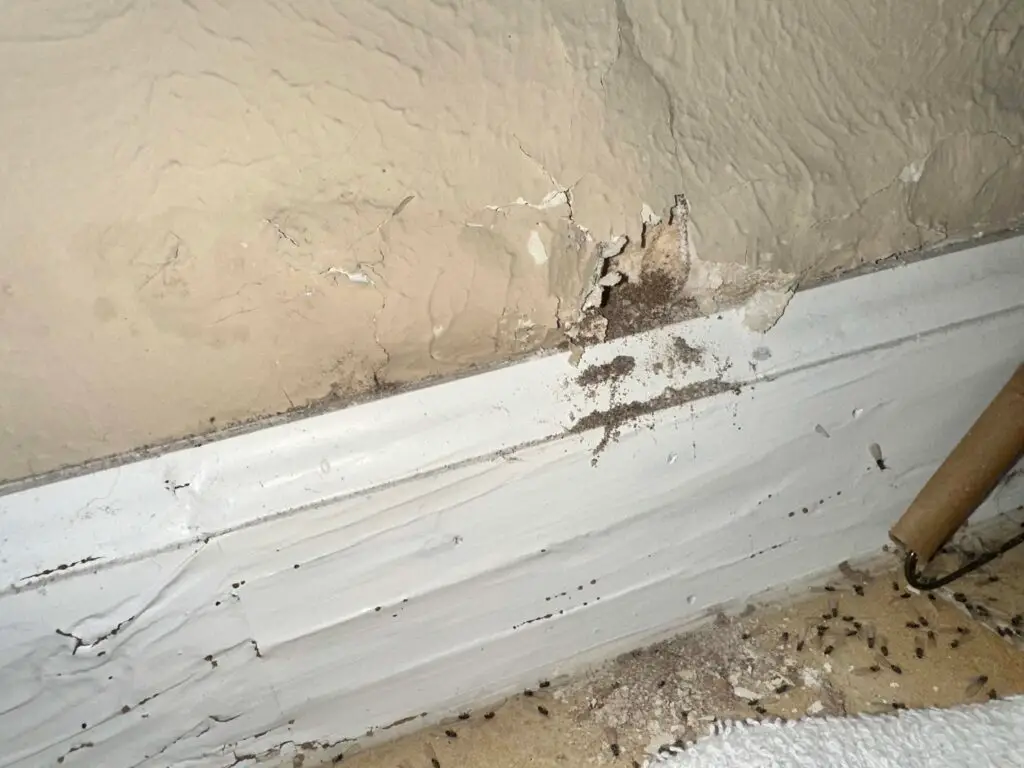
Key Highlights Introduction Termites are among the most destructive insects in the world, capable of causing significant damage to homes and other wooden structures. If left untreated, termite infestations can lead to structural damage and even the collapse of a building. However, with early detection and proper treatment, homeowners can protect their homes from the devastating effects of termites. Identifying the signs of a termite infestation is the first step in preventing extensive damage. In this blog, we will discuss how to check for signs of termites in your house and provide effective solutions for termite control. We will also explain the impact of termites on your home and answer some frequently asked questions about termite infestations. By understanding the warning signs of termites and taking appropriate measures, homeowners can safeguard their homes and ensure the longevity of their structures. Whether you choose to conduct a termite inspection yourself or hire a professional, the key is to be proactive in preventing and addressing termite infestations. Let’s dive into the details and learn how to check for termites in your house. Identifying Signs of Termites in Your Home Identifying the signs of a termite infestation is crucial in order to take prompt action and prevent extensive damage to your home. While termites can be difficult to detect, there are several warning signs that can indicate their presence. By keeping an eye out for these signs, you can catch a termite infestation early and minimize the potential damage to your property. 1. Unexplained Cracks on Internal Walls One of the first signs of a termite infestation is unexplained cracks on internal walls. As termites feed on wood, they create tunnels and galleries within the walls, causing the structure to weaken. This can lead to cracks appearing on the surface of the walls, especially in areas where the infestation is concentrated. These cracks may be small at first but can gradually widen over time, indicating significant termite damage. If you notice unexplained cracks on your internal walls, it is important to investigate further for a possible termite infestation. 2. Doors and Windows Becoming Hard to Open or Close Difficulty in opening or closing doors and windows can be a clear indication of termite damage. As termites feed on wooden structures, they can cause the wood to warp or become distorted. This can affect the functionality of doors and windows, making them hard to open or close smoothly. If you notice that your doors or windows are becoming increasingly difficult to operate, it is important to inspect the frames for signs of termite infestation. Pay close attention to any visible damage or weakened areas in the wood, as these can be telltale signs of a termite problem. 3. Clicking Sounds Within the Walls Clicking sounds within the walls can indicate termite activity. Termites communicate through vibrations, and these vibrations can produce clicking sounds that are often faint and difficult to detect. However, if you hear consistent clicking sounds coming from within your walls, it is advisable to investigate further for a possible termite infestation. While clicking sounds alone may not confirm the presence of termites, they can serve as an early warning sign and prompt further inspection. 4. Presence of Flying Termites or Their Discarded Wings The presence of flying termites or their discarded wings is a strong indication of a termite infestation. Flying termites, also known as termite swarmers, are reproductive termites that emerge from mature colonies in search of a mate and a suitable location to start a new colony. Seeing a swarm of flying termites or finding their discarded wings around your property can indicate the presence of an active termite infestation. These swarmers are often attracted to light sources and may be found near windows and doors. If you come across flying termites or their wings, it is important to take immediate action to address the termite problem. 5. Tunnels in Wood or Mud Tubes on Exterior Walls Tunnels in wood or mud tubes on exterior walls are clear signs of termite activity. Subterranean termites, one of the most common types of termites, build mud tubes to protect themselves while traveling from their underground colonies to sources of food, such as wood in your home’s structure. These mud tubes can often be found on exterior walls, especially near the foundation. If you notice mud tubes or tunnels in wood, it is important to address the termite infestation promptly to prevent further damage to your home. 6. Soft Wood That Sounds Hollow When Tapped Soft wood that sounds hollow when tapped can indicate a termite infestation, particularly drywood termites. Drywood termites infest dry wood and create galleries within the wood as they feed. This can result in the wood becoming hollow and weakened, causing it to produce a distinctive hollow sound when tapped. If you suspect a termite infestation and find areas of wood in your home that sound hollow, it is important to conduct a thorough inspection to confirm the presence of termites and take appropriate measures for termite control. 7. Piles of Termite Droppings Near Wood Structures Piles of termite droppings, also known as frass, near wood structures can indicate a termite infestation. As termites feed on wood, they produce droppings that are pushed out of their tunnels and accumulate in piles. These droppings are often small, granular, and resemble sawdust or coffee grounds. If you come across piles of termite droppings near wooden structures in your home, it is a clear sign of termite activity. Prompt action is necessary to address the infestation and prevent further damage to your property. You see swarmers emerge inside the building, or find dead swarmers on the floor or windowsill. If you see swarmers emerging inside your building or find dead swarmers on the floor or windowsill, it is a strong indication of a termite infestation. Swarmers are reproductive termites that leave their existing colonies to start new colonies. Their emergence inside the building suggests that there is an active termite
Bed Bug Pest Control Treatment | Bed Bug Exterminator | FullScope

Key Highlights Introduction Bed bugs are a common pest problem that can cause a lot of distress and frustration. These tiny insects feed on the blood of humans and other animals, and their infestations can quickly spread throughout a home. Bed bug infestations are not a reflection of poor hygiene or cleanliness, as these pests can be easily transported into homes on clothing, luggage, or furniture. When dealing with a bed bug infestation, it’s important to understand the signs of an infestation and the best methods for treatment. While there are DIY methods available for bed bug control, professional extermination is often the most effective way to eliminate these pests completely. Professional bed bug exterminators have the knowledge and expertise to identify and treat bed bug infestations using proven methods. In this blog, we will explore the impact of bed bugs, how to identify infestations, the health risks associated with bed bugs, and the best strategies for detecting and eliminating bed bugs. We will also discuss the effectiveness of DIY bed bug control methods and the importance of seeking professional help for large or persistent infestations. By understanding the nature of bed bugs and the best methods for control, you can protect your home and eliminate these pests for good. Understanding Bed Bugs and Their Impact Bed bugs are small, wingless insects that feed exclusively on the blood of humans and other animals. They are approximately 1/5 inch long and have oval-shaped bodies that range in color from orange-red to brown-red. Bed bug eggs are about 1 mm in size and are whitish in color. One of the challenges of dealing with bed bugs is their ability to hide in various places, making them difficult to detect. They are most commonly found in areas where people sleep, such as mattresses, box springs, and bed frames. Bed bugs can also hide in cracks and crevices, electrical outlets, and furniture near sleeping areas. The most common signs of a bed bug infestation include: If you suspect a bed bug infestation, it’s important to take action immediately. Bed bugs reproduce rapidly and can quickly multiply, making the infestation more difficult to control. Seeking professional bed bug extermination services is recommended for effective treatment and elimination of bed bugs. Identifying Bed Bug Infestations in Your Home Identifying a bed bug infestation in your home can be challenging due to their ability to hide in small cracks and crevices. However, there are several signs that can indicate the presence of bed bugs. One of the first places to check for bed bugs is your mattress. Examine the seams, tufts, and folds of the mattress, paying close attention to the edges and corners. Bed bugs often hide in these areas during the day and come out at night to feed. In addition to the mattress, check the box spring and bed frame for signs of infestation. Bed bugs can hide in the cracks and crevices of these structures, so it’s important to inspect them thoroughly. Bed bugs can also hide in other areas of the room, such as electrical outlets, baseboards, and nearby furniture. Inspect these areas carefully, looking for signs of bed bug activity, such as dark spots (fecal stains), shed skins, or live bugs. It’s important to note that bed bugs are not limited to the bedroom. They can also infest other areas of the home, such as couches, chairs, and even clothing. If you suspect a bed bug infestation, it’s recommended to seek professional bed bug extermination services to effectively eliminate the infestation. Health Risks and Damages Caused by Bed Bugs While bed bugs are not known to transmit diseases, their bites can cause a range of health issues. Many people have an allergic reaction to bed bug bites, resulting in redness, itching, and swelling at the site of the bite. In some cases, bed bug bites can lead to skin infections or secondary infections if the bites are scratched excessively. Bed bug bites can also have a negative impact on mental health. The presence of bed bugs and the constant fear of being bitten can cause anxiety, stress, and sleep disturbances. People who are already prone to anxiety or mental health conditions may experience an exacerbation of their symptoms due to the presence of bed bugs. In addition to the health risks, bed bugs can also cause damage to your home. They can stain bedding and furniture with their fecal spots and may leave behind a musty odor. Infested mattresses and furniture may need to be discarded if the infestation is severe. If you suspect a bed bug infestation in your home, it’s important to take action promptly to prevent further health risks and damages. Seek professional bed bug extermination services to effectively eliminate the infestation and protect your health and home. Proven Strategies for Detecting Bed Bug Presence When it comes to detecting bed bugs in your home, there are several proven strategies you can use. One technique is to conduct a thorough inspection of your home, paying close attention to areas such as electrical outlets, couch cushions, and bed frames. Bed bugs are skilled at hiding in small crevices, so it’s important to be meticulous in your search. Additionally, using tools and equipment such as a magnifying glass, vacuum cleaner, and plastic bag can aid in the detection process. By implementing these strategies, you can identify the presence of bed bugs and take appropriate action. Inspection Techniques for Different Areas of Your Home When inspecting your home for bed bugs, it’s essential to cover all areas where they may hide. Here are some inspection techniques for different areas of your home: By conducting a comprehensive inspection using these techniques, you can identify the presence of bed bugs and take appropriate measures for treatment. Tools and Equipment Used in Bed Bug Detection In the process of detecting bed bugs, various tools and equipment can be used to aid in the inspection. These tools help in locating and identifying bed bugs
Find Local Exterminators: Pest Control Near Me

Key Highlights Introduction When it comes to dealing with pests in your home or business, it’s essential to hire the right professionals. Pest infestations can cause significant damage to your property, pose health risks, and be a source of stress and discomfort. That’s where a local pest control company comes in. These pest control experts have the knowledge, experience, and resources to effectively manage and eliminate pests from your property. Local exterminators offer a range of pest control services tailored to address various pest problems, from common pests like ants, spiders, and cockroaches, to more serious issues such as termite infestations. They understand the unique challenges of pest control in your area and are equipped with the tools and techniques necessary to provide you with the best pest control solutions. When you hire local exterminators near your home, you can have peace of mind knowing that your pest problem will be handled professionally and efficiently. These experts have undergone extensive training and have the expertise to identify, treat, and prevent pest infestations as well as live in your area. Whether you’re dealing with a current pest problem or want to take preventive measures to avoid future infestations, staying local can provide you with a customized treatment plan to suit your needs. With their commitment to customer service, local exterminators prioritize your satisfaction and ensure that your pest control experience is hassle-free. They will work closely with you to address any concerns or questions you may have and provide ongoing support to ensure that your property remains pest-free. In this blog, we will explore the top companies for pest control and termite treatment, discuss common pests and signs of termite infestation, learn about eco-friendly pest control solutions and seasonal pest control tips, compare DIY pest control with professional extermination, understand the process of professional termite treatment, discover how exterminators determine the best treatment method, learn about safety measures and precautions during extermination, explore post-treatment care and maintenance, and provide tips for choosing the right exterminator. Let’s dive in! Top Local Exterminators for Pest Control & Termite Treatment When it comes to pest control and termite treatment, it’s crucial to choose the right professionals for the job. Here are some of the top reasons to hire a local pest professional. When it comes to hiring a local pest control company for termite treatment is essential for ensuring a thorough and effective solution to your pest issues. These experts have the knowledge and experience to accurately identify the type of pests infesting your property and implement targeted treatments to eradicate them safely. Moreover, local exterminators are familiar with the specific pest challenges in your area, allowing them to provide customized solutions tailored to your unique needs. By opting for professional pest control services, you can rest assured that your home or business will be protected from potential pest threats in the long run. Local companies such as FullScope Pest Control, have proven track records in providing top-notch pest control services. By choosing any of these professionals, you can trust that your pest problem will be effectively addressed, giving you peace of mind. 1. Identifying Common Pests in Your Area Identifying common pests in your area is the first step in effective pest control. Here are some of the most common pests you may encounter: By knowing the common pests in your area, you can take proactive measures to prevent infestations and seek professional pest control services when needed. 2. Signs of Termite Infestation to Watch Out For 3. Eco-Friendly Pest Control Solutions 4. Seasonal Pest Control Tips 5. DIY Pest Control vs. Professional Extermination Understanding Pest Control Services When you seach for a pest exterminator near me Pest control services offer comprehensive solutions for eliminating and preventing pest infestations. Professionals assess the extent of the infestation, develop a customized treatment plan, and implement targeted measures to address the specific pest problem. Safety measures are prioritized to protect the health and well-being of residents and pets. Regular pest control services provide ongoing protection and peace of mind, ensuring that homes and businesses remain pest-free. Trusting expert exterminators with pest control needs guarantees effective results and a safer living environment for everyone. 1. The Process of Professional Termite Treatment 2. How Exterminators / Pest Professionals Determine the Best Treatment Method 3. Safety Measures and Precautions During Extermination 4. Post-Treatment Care and Maintenance Choosing the Right Exterminator Selecting the right exterminator is crucial for effective pest control and peace of mind. Consider the credentials and qualifications of local exterminators, such as their certifications and training. Evaluate their customer service and responsiveness to ensure a smooth and satisfactory experience. Reading reviews and testimonials from satisfied customers can provide insights into the quality of service provided. Trusting a reputable exterminator with a proven track record ensures that your pest control needs will be addressed professionally and efficiently. 1. Credentials and Certifications to Look For 2. Questions to Ask Before Hiring a Pest Control Service 3. Understanding the Cost of Pest Control Services 4. Reading Reviews and Testimonials About Bug Exterminators Near Me Preventative Measures Against Future Infestations: Common Pest Control in My Area Preventative Measures Against Future Infestations Taking proactive measures to prevent future pest infestations is essential for maintaining a pest-free environment. Regular home inspections, natural remedies, landscaping tips, and ongoing pest control maintenance can help deter pests and reduce the risk of future infestations. By implementing these preventative measures and practicing ongoing maintenance, homeowners can enjoy peace of mind knowing that their properties are protected from pests. 1. Regular Home Inspections for Early Detection 2. Natural Remedies to Keep Pests at Bay 3. Landscaping Tips to Discourage Pest Nesting 4. Importance of Ongoing Pest Control Maintenance Conclusion In conclusion, effective pest control and termite treatment are crucial for maintaining a healthy living environment. By understanding the signs of infestation, choosing the right local exterminator, such as Fullscopepe Pest Control, and implementing preventative measures, you can protect your home and loved ones from potential harm. Regular
Master Rodent Control: Fullscope Services
Key Highlights Introduction Rodents are a common household pest that can cause significant damage to your property and pose serious health risks. When you have a rodent infestation, it’s important to take immediate action to eliminate the problem and prevent future infestations. Fullscope Services is a trusted provider of rodent pest control treatment and removal services, offering comprehensive solutions to help you get rid of rodents and keep them out of your home. Understanding the Rodent Problem in Your Home Rodent infestations are more common than you might think, and it’s important to be able to recognize the signs of a rodent problem. Some common signs of rodent infestation include rodent droppings, urine stains, gnaw marks on furniture or wires, and scratching or scurrying sounds in walls or ceilings. Rodents can enter your home through small cracks and openings, so it’s important to identify potential entry points and seal them off to prevent future infestations. If you suspect a mouse infestation in your home, it’s important to take action immediately to prevent further damage and potential health risks. Identifying Signs of Rodent Infestation It’s important to address a rodent infestation promptly to prevent further damage and health risks. Contact a professional pest control service like Fullscope Services to assess the extent of the infestation and develop a customized treatment plan. Rodent Control: Inspection, Exclusion, and Sanitation Sanitation is a crucial aspect of effective rodent control. By maintaining a clean and clutter-free environment, you can significantly reduce the attractiveness of your property to rodents. Regular sanitation practices such as proper waste disposal, cleaning up food spills, and sealing off entry points can help prevent rodent infestations. Inspection and exclusion techniques should also be employed to identify potential entry points and prevent rodents from accessing your home or business premises. By incorporating sanitation practices into your rodent control strategy, you can create an inhospitable environment for these pests and protect your property from damage and contamination. What are the tiny brown droppings on my desk? Discovering tiny brown droppings on your desk can be a sign of a rodent infestation. Rodents like mice and rats leave droppings as they move around, looking for food and nesting materials. These droppings are often small, dark, and cylindrical in shape. It is crucial to address this issue promptly to prevent any health risks or damage to your property that these pests may cause. Proper rodent control measures should be taken to eliminate the infestation and ensure a safe and healthy environment in your home or office. The Risks and Dangers Posed by Rodents Rodents can pose serious risks to your health and the well-being of your family. They can carry and transmit diseases, such as hantavirus, through their droppings, urine, and saliva. These diseases can cause severe illnesses, including respiratory problems, asthma, and allergic reactions. In addition to the health risks, rodents can also cause damage to your property by gnawing on wires, insulation, and furniture. This can lead to electrical issues, structural damage, and even fire hazards. It’s important to address a rodent infestation promptly to minimize these risks and protect your home and family from potential exposure to rat droppings. How do I get rid of rodents? If you have a rodent problem in your home, there are several effective methods for getting rid of rodents. One good idea is to use bait stations, which contain poison baits that rodents are attracted to. These baits are designed to be effective against rodents while minimizing the risk to non-target animals. Trapping is another effective method, using snap traps or live traps to capture rodents. Exclusion techniques, such as sealing off entry points and blocking access to food sources, can also help prevent future infestations. It’s important to choose the best method for your specific situation and to seek the help of a professional pest control service like Fullscope Services for effective and safe rodent control. Comprehensive Rodent Removal Solutions Fullscope Services offers comprehensive solutions for rodent removal, using a combination of innovative trapping and exclusion techniques. Our experienced technicians will conduct a thorough inspection of your property to identify entry points and signs of infestation. We will then develop a customized treatment plan to effectively remove rodents from your home. Our methods are safe and humane, ensuring the well-being of your family and pets. With Fullscope Services, you can trust that your rodent problem will be handled with expertise and professionalism. Innovative Trapping and Exclusion Techniques At Fullscope Services, we use innovative trapping and exclusion techniques to effectively remove rodents from your home. Our technicians are trained in the latest methods and equipment to ensure the most humane and effective removal of rodents. We utilize live traps to safely capture and relocate rodents, minimizing harm to the animals. In addition, we employ snap traps and exclusion methods to prevent rodents from reentering your home. By sealing off entry points and blocking access to food sources, we can help ensure that your home remains rodent-free. With our innovative trapping and exclusion techniques, you can trust Fullscope Services to provide the best rodent control solutions. Safe and Effective Use of Rodenticides Rodenticides, or rodent baits, can be an effective tool in rodent control when used correctly. However, it’s important to use them safely to minimize the risk to non-target animals and pets. Fullscope Services follows strict guidelines in the use of rodenticides, ensuring that they are placed in secure bait stations that are inaccessible to children and pets. Our technicians are trained in the proper use and handling of rodenticides, ensuring their safe and effective application. By trusting Fullscope Services for your rodent control needs, you can have peace of mind knowing that we prioritize the safety of your family and pets. Step-by-Step Process for Rodent Control Fullscope Services follows a comprehensive step-by-step process for rodent control to ensure the most effective results. The process begins with an initial inspection of your property to identify entry points, signs of infestation, and potential risks. Based on
Your Go-To Guide for Pest Control Exterminator Near Me

How can I find a reliable pest control exterminator near me? To find a reliable pest control exterminator near you, start by researching local companies online, checking reviews on platforms like Google or Yelp, asking for recommendations from friends or neighbors, and ensuring the exterminator is licensed and experienced in dealing with your specific pest issue. Key Highlights Introduction Welcome to our quick guide on choosing a pest control exterminator near you. Dealing with a pest infestation in your home or business can be a stressful and frustrating experience. Whether you’re facing a bed bug problem, rodent infestation, or ant invasion, finding the right pest control professional is crucial for effective pest management. In this guide, we will provide you with valuable tips and insights to help you choose the best pest control exterminator near you. Your Comprehensive Guide to Finding the Best Pest Control Exterminator Nearby When it comes to pest control services, choosing a local company is often the best way to go. Local exterminators have a deep understanding of the local pest problems and can provide tailored solutions accordingly. Look for a pest control company that has been serving your area for several years, as their experience will ensure effective pest control. By choosing a local pest control company, you can have peace of mind knowing that the exterminators are well-versed in handling the specific pest issues in your area. 1. Identifying Common Pests in Your Area: What You Need to Know Before choosing a pest control exterminator, it is crucial to identify the common pests in your area. Different pests require different treatment methods, so understanding the type of pest infestation you’re dealing with can help you find the right exterminator. Here are some common pests to look out for: 2. The Importance of Local Expertise in Pest Extermination Local expertise is crucial when it comes to pest extermination. Local exterminators have a deep understanding of the pest management challenges specific to your area, including the types of pests that are prevalent and the most effective methods for eliminating them. They are familiar with the local environment, climate, and conditions that contribute to pest infestations, allowing them to provide targeted and customized solutions. By choosing a local pest control company, you can benefit from their expertise in dealing with the specific pest problems in your area. 3. Evaluating Pest Control Methods: Chemical vs. Natural Solutions When choosing a pest control exterminator, it is essential to consider the pest control methods they use. Exterminators should provide you with a treatment plan that outlines the methods they will employ to eliminate pests. It is important to discuss your preferences for eco-friendly solutions, such as natural or organic pest control methods, if that is a priority for you. Some pest control companies offer both chemical and natural solutions, allowing you to choose the method that aligns with your values and concerns. 4. Understanding Licensing and Certifications for Exterminators Before hiring a pest control exterminator, it is essential to ensure that they are licensed and certified. Professional pest control services should have the necessary licenses and certifications required by your state or locality. These certifications ensure that the exterminators have undergone proper training and adhere to industry standards and regulations. Additionally, check if the pest control company is affiliated with reputable organizations or has certifications from recognized bodies like the Environmental Protection Agency (EPA). This will give you confidence in their expertise and commitment to providing quality pest control services. 5. Reading Reviews and Testimonials: A Window into Customer Satisfaction One of the best ways to gauge the quality of a pest control exterminator is by reading reviews and testimonials from other customers. Take the time to research and read reviews on reliable platforms like the Better Business Bureau (BBB) and trustworthy review sites. Pay attention to the overall customer satisfaction ratings and the specific feedback mentioned in the reviews. Positive reviews highlighting excellent customer service, prompt response times, and effective pest control treatments are indicators of a reliable exterminator. Additionally, you can also check if the pest control company has any testimonials on their website or social media pages, as these can provide further insights into their reputation and the experiences of previous customers. 6. The Role of Experience: Why It Matters in Pest Control Experience plays a significant role in pest control. When choosing a pest control exterminator, consider their years of experience in the industry. Experienced exterminators have encountered a wide range of pest problems and have developed effective strategies and techniques to address them. They have the expertise and knowledge to identify the root causes of pest infestations, determine the best treatment methods, and implement long-term solutions. By choosing an experienced pest control company, you can trust that they have the skills and resources to handle your pest problem effectively. 7. Getting a Quote: What Costs to Expect When choosing a pest control exterminator, it is important to get a clear understanding of the costs involved. Contact different pest control companies and request quotes for your specific pest problem. A reputable exterminator will provide a detailed breakdown of the costs, including any initial treatment fees and ongoing maintenance costs if applicable. Keep in mind that the actual cost may vary depending on factors such as the severity of the infestation, the size of your property, and the type of pest control methods required. It is also a good idea to inquire about any warranties or guarantees offered by the exterminator, ensuring that you are covered in case the pests return. Avoid choosing a pest control company solely based on price, as quality and effectiveness should be the primary considerations. 8. Preparing Your Home for Pest Control Treatment Preparing your home for pest control treatment is essential to ensure the effectiveness of the extermination process. The exterminator will provide specific instructions on what needs to be done before the treatment. This may include cleaning and decluttering areas where pests are commonly found, such as kitchens, bathrooms,
Your Solution: Pest Control Professional Near Me

Find pest control services & exterminators near you Find pest control services & exterminators near you with the help of professional exterminators. Whether you are dealing with ants, bed bugs, termites, or any other pests, it is essential to address the issue promptly and efficiently to prevent further damage to your property. By hiring a pest control professional near you, you can ensure that the infestation is properly handled using safe and effective methods tailored to your specific needs. Don’t let pests take over your home – contact an exterminator today for reliable and expert pest control services. When to hire a professional exterminator When facing a pest infestation that seems beyond your control, it’s time to hire a professional exterminator. While DIY methods can be effective for minor pest problems, larger infestations or recurring issues require the expertise of a trained exterminator. Professional exterminators have the knowledge, experience, and tools to effectively eliminate pests from your home or business. Don’t let pests take over – call a professional exterminator when you need reliable and long-lasting pest control solutions. Key Highlights Introduction Welcome to our blog on finding reliable pest control professionals near you. Dealing with a pest problem can be a frustrating and challenging experience, but with the right help, you can find a solution and regain control of your space. Whether you’re dealing with ants, termites, roaches, rodents, or spiders, professional pest control services can provide the expertise and experience needed to eliminate the infestation and prevent future problems. When it comes to choosing a pest control professional, it’s important to find someone who is not only knowledgeable and skilled but also local to your area. Local exterminators have a deep understanding of the specific pest issues that are common in your region, allowing them to provide targeted and effective treatments. They are also familiar with local regulations and can ensure that the pest control methods used are safe and environmentally friendly. In this blog, we will explore the key considerations when choosing a pest control professional, the services they offer for common household pests, the pricing models for pest control services, as well as tips for preparing your home for treatment. We will also discuss how to navigate pest control solutions, including the choice between DIY and professional services, innovative technologies and methods, and seasonal pest control tips. Additionally, we will explore the importance of building a long-term relationship with your pest control provider and how ongoing support and guarantees can contribute to a pest-free environment. Top Reliable Pest Control Professionals in Your Area When it comes to finding reliable pest control professionals near you, it’s important to choose a company that has a proven track record of delivering quality service. Look for local pest control companies that have been serving your area for several years. These companies have the experience and expertise to handle a wide range of pest problems effectively. Additionally, consider their customer service reputation. Reading reviews and testimonials from previous customers can give you valuable insights into the level of service you can expect. 1. Evaluating Local Pest Control Expertise When evaluating local pest control expertise, it’s important to consider the qualifications and experience of the pest management professionals. Look for companies that employ licensed and certified technicians who have undergone proper training and education in pest control. They should be knowledgeable about the latest pest control techniques and have experience in handling various pest problems. Additionally, consider the number of years the company has been in business. A company with a long history of providing pest control services is likely to have extensive experience and a proven track record of successfully eliminating pests. 2. Identifying Services for Common Household Pests Pest control professionals offer a range of services to address common household pests. For instance, if you’re dealing with an ant infestation, the exterminator will identify the ant species and develop a treatment plan to eliminate the colony. They will also provide recommendations to prevent future infestations. In the case of termites, professionals use specialized techniques such as baiting or liquid treatments to eliminate the entire termite colony. They will also conduct regular inspections to ensure ongoing protection. Roach infestations can be challenging to eliminate due to their rapid reproduction rate. Pest control professionals will use a combination of baits, sprays, and dusts to target roaches and their nesting areas, ensuring effective eradication. Rodents like mice and rats are not only a nuisance but also a health hazard. Pest control experts will identify entry points, set up traps, and implement exclusion methods to prevent future infestations. When it comes to spiders, pest control professionals will identify the species and provide targeted treatments. They may also recommend sealing cracks and crevices to prevent spiders from entering your home. 3. Understanding Pricing Models for Pest Control Services Pricing for pest control services can vary based on several factors, including the type of pest, the severity of the infestation, the size of the property, and the methods used for treatment. Most pest control companies offer a free estimate, where a technician will assess the situation and provide a detailed quote for the recommended services. Some companies may offer a one-time treatment option, while others may provide ongoing pest control services with regular inspections and treatments. The pricing models can include one-time fees, monthly or quarterly service contracts, or pay-as-you-go options. When comparing prices, it’s important to consider the value you are getting for your money. Look for companies that offer a competitive advantage, such as guarantees for their services or additional benefits like free re-treatments if the pest problem persists. 4. Recognizing Signs of a Trustworthy Pest Control Company To ensure that you are hiring a trustworthy pest control company, there are a few signs to look out for. First, check if the company Google Reviews, read the comments from past and current customers. Second, consider the company’s reputation in the industry. Look for local companies that can adjust treatment based on your home’s
Pest Control Close to Me: A Comprehensive Guide
Key Highlights Introduction Pest infestations can be a major nuisance, causing damage to property, spreading diseases, and creating an unsanitary environment. Whether it’s ants invading your kitchen, rodents scurrying around your attic, or spiders taking up residence in your basement, pest control is essential in maintaining a clean and pest-free living space. When it comes to pest control, it’s best to leave it to the professionals. Local exterminators are trained and experienced in identifying, treating, and preventing pest infestations. They have access to effective pest control products and techniques that can eliminate pests and keep them from returning. In this comprehensive guide, we will delve into the world of pest control, covering everything from identifying common pests and evaluating local pest control companies to understanding different types of pest control treatments and the importance of eco-friendly solutions. Whether you’re a homeowner or a business owner, this guide will provide you with the information you need to make informed decisions about pest control and ensure a pest-free environment. We will also discuss the importance of hiring a reputable and licensed bug exterminator for effective and safe pest control solutions. Top Pest Control Service Companies: Why Reviews Matter When it comes to pest control, it’s important to choose a reputable and reliable pest control service near you. Here is a comprehensive list of top pest control services that provide professional and effective pest control solutions: By prioritizing reviews in your decision-making process, you can make a more informed choice when selecting a pest control service company that meets your expectations and provides effective solutions for your pest management needs. These pest control services have been highly rated by customers and provide a range of services to meet your pest control needs. Contact us for a consultation or to schedule an appointment. 1. Identifying the Most Common Pests in Your Area Identifying the pests that are common in your area is the first step in effective pest control. By knowing what types of pests you are dealing with, you can take the necessary steps to eliminate them and prevent future infestations. Rodents: Rats and mice are common household pests that can cause damage to your home and spread diseases. Signs of a rodent infestation include droppings, chewed objects and wires, and scampering noises in the walls or attic. Ants: Ants can be a nuisance, invading your kitchen and pantry in search of food. They leave behind trails of pheromones to lead other ants to the food source. Signs of an ant infestation include stray ants walking around or large numbers congregating, wood shavings, and ants emerging from hidden crevices. Other common pests to watch out for include raccoons, which can cause damage to your property and potentially carry diseases. Look out for signs such as trash and debris being moved around, loud sounds coming from your walls or floors, and your pets acting strangely. Spiders: Spiders are often found in dark and secluded areas of the home. While most spiders are harmless, some can be venomous and pose a threat. Signs of a spider infestation include spider webs, egg sacs, and actual sightings of spiders. Termites: In our area termites are not if you will have them, it is when you will have a termite problem. Having regular pest control services, and regular inspections will help reduce the chances of costly damage in your home or business. Find a pest control company close to you that is trustworthy to perform your inspection and be honest about results. 2. Evaluating Local Pest Control Companies for Reliability and Effectiveness When choosing a local pest control company, it is important to evaluate their reliability and effectiveness in managing pests. Here are some factors to consider: By thoroughly evaluating local pest control companies, you can choose one that will provide reliable and effective pest management services for your home or business. 3. Understanding the Different Types of Pest Control Treatments Available There are several types of pest control treatments available, each with its own advantages and disadvantages. Understanding these treatments can help you choose the most suitable option for your pest problem. Here are some common types of pest control treatments: When choosing a pest control treatment, consider the severity of the infestation, the type of pest, and your preferences for eco-friendly solutions. Consulting with a professional exterminator will help you determine the best treatment plan for your specific pest problem. 4. The Importance of Eco-Friendly Pest Control Solutions Using eco-friendly pest control solutions is not only beneficial for the environment but also for human health. Here are some reasons why eco-friendly pest control solutions are important: By choosing eco-friendly pest control solutions, you can effectively manage pests while minimizing the negative impact on the environment and promoting a healthier living environment for you and your family. 5. Tips for Preparing Your Home or Business for Pest Control Services Preparing your home or business for pest control services is essential to ensure the effectiveness of the treatment. Here are some tips to help you prepare: By following these tips, you can help the pest control services effectively eliminate pests from your home or business and prevent future infestations. Selecting the Right Pest Control Provider: Key Considerations Selecting the right pest control provider is crucial for effective pest management. Here are some key considerations to keep in mind: By considering these key factors, you can choose a reliable and effective pest control provider that meets your specific needs and budget. 1. Checking for Licenses and Certifications When selecting a pest control provider, it is essential to check for licenses and certifications. Here’s why: By choosing a licensed and certified pest control provider, you can have peace of mind knowing that you are working with a trained professional who will provide high-quality services. 2. Reading Reviews and Asking for References Reading reviews and asking for references is an important step in selecting a pest control provider. Here’s why it matters: By conducting thorough research, reading reviews, and asking
The Importance Of Regular Pest Inspections For Your Home
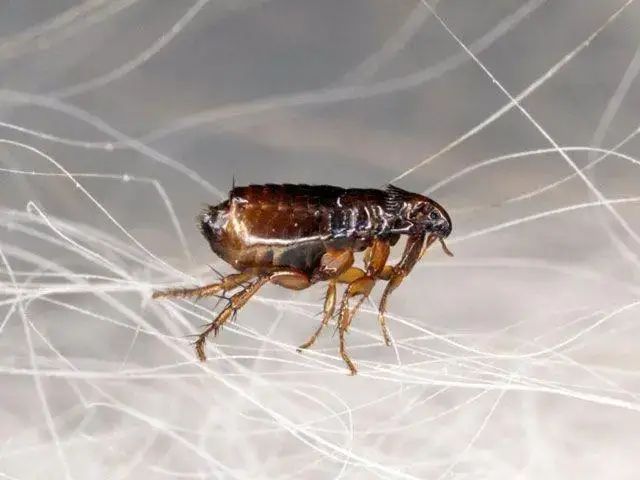
Your home is more than a physical structure; it’s a haven for you and your family. However, this refuge can be jeopardized by unwanted intruders that endanger your health, safety, and possessions. Regular pest inspections are required to provide a safe and healthy home environment. A complete pest control inspection can reveal hidden problems, avert large-scale infestations, and save you time, money, and peace of mind in the long term. The Risks Of Pest Infestations Health Hazards Pests such as rodents, cockroaches, and mosquitos can transmit hazardous diseases to humans. Regular inspections help identify and mitigate these health concerns, assuring the safety of your living environment. Property Damage Termite damage, carpenter insects, and other wood-destroying insects can do structural damage to your home. Early detection through annual inspections can save you money on repairs and keep your home’s value high. Allergens and Irritants Many pests degrade indoor air quality and can cause allergic responses, including asthma. A routine pest inspection aids in the identification and removal of allergy sources, resulting in a healthier home environment. Benefits Of Regular Pest Inspections Early Detection Regular inspections are essential for detecting the early indicators of pest infestation, which are often missed by the untrained eye. Early detection enables a quick response, preventing pests from establishing a solid presence and eliminating the need for extensive and costly management methods later on. Preventative Measures During a pest control examination, professionals can detect current infestations and situations that could lead to future ones. This early detection allows homeowners to take preventative steps, such as closing access sites or removing attractants, reducing the likelihood of repeat infestations and ensuring a healthy living space. Peace of Mind Regular pest inspections reassure residents that their living spaces are safe and pest-free. This peace of mind is vital, allowing families to unwind and enjoy their homes without fear of unseen pests inflicting harm or pain. Protecting Investment Homes are substantial financial investments; untreated insect infestations can cause extensive damage, reducing a home’s value and integrity. Regular pest inspections protect this investment by ensuring structural components, wiring, and other vital areas are protected from destructive pests, preserving the property’s value and security. How Often Should You Conduct Pest Inspections? Pest inspection frequency varies depending on several factors, including your home’s age, location, previous pest problems, and area pest concerns. Professional pest control inspections should generally be performed once a year. However, more frequent inspections may be required in locations with heavy pest activity or if you’ve already had infestations. Conclusion Maintaining a pest-free home is crucial for your family’s health and the integrity of your property. Regular pest inspections are paramount, and risks such as property damage, health hazards, and allergens are at stake. At Fullscope Pest Control, our experienced team is dedicated to providing thorough inspections and effective solutions tailored to your needs. Don’t let pests compromise your peace of mind – schedule your annual inspection with Fullscope Pest Control today and ensure a safe and comfortable living environment for you and your loved ones.
Office Pest Control: Creating a Productive and Healthy Work Environment for Employees
In today’s fast-paced corporate world, keeping a workplace clean and pest-free is more than simply a matter of appearance; it is critical for staff productivity and well-being. Office pests, whether insects, rodents, or even mold, can wreak havoc on morale, health, and the overall efficiency of operations. This blog will discuss the benefits of commercial pest control and how it contributes to a healthy and productive workplace. What’s The Impact of Office Pests? The impact of office pests is significant, affecting productivity, health, and property. Imagine starting your workday to find ants on your keyboard or cockroaches in the corners. These distractions divert attention from tasks, decreasing productivity. Pests also carry diseases and allergens, posing health risks to employees. Cockroach allergens trigger asthma, rodent droppings spread bacteria, and mold causes respiratory issues. Moreover, pests damage property by chewing wires or contaminating food, leading to costly repairs. Prompt action is essential for maintaining a safe and productive work environment. The Importance of Office Pest Control Implementing effective pest control measures is paramount, given the detrimental effects of office pests. Here’s why: Protecting Health Employers should always prioritize the health and safety of their employees. By proactively addressing pest issues, companies can minimize the risk of illnesses and allergic reactions among their workforce. Preserving Reputation A pest-infested workplace reflects poorly on the company’s image. Clients, partners, and prospective employees may question the organization’s professionalism and cleanliness standards. Keeping the place tidy and clear of pests is essential to maintaining a good name for yourself. Boosting Productivity A pest-free workplace fosters a conducive environment for productivity. Improved productivity and efficiency are the outcomes of a pest-free workplace where workers can give full attention to the tasks. Maintaining Property Value Pest infestations can cause damage to office buildings and equipment, leading to the depreciation of property value. Implementing pest control measures helps preserve the integrity of the workspace, ensuring that investments in infrastructure and assets remain protected. Compliance with Regulations Many jurisdictions have regulations in place regarding pest control in commercial spaces. Failure to comply with these standards may result in company penalties and legal implications. Proactive pest management activities show a dedication to conforming to regulatory standards, reducing the risks associated with noncompliance. Effective Pest Control Strategies Companies should implement comprehensive pest control strategies to ensure a pest-free work environment. Here are some key measures: Integrated Pest Management (IPM): Adopt an IPM approach that combines preventive measures, habitat modification, and targeted treatments to manage pest populations effectively while minimizing the use of pesticides. Conclusion For the sake of both employees’ health and the prosperity of the companies, Fullscope Pest Control knows how critical it is to keep commercial spaces free of pests. We can help create a workspace where employees can thrive by prioritizing pest prevention and implementing effective commercial pest control measures. Together, we can ensure that your office remains a clean, safe, and conducive environment for productivity and success.