 1500+ reviews

Conroe, Texas: Eradicating German Cockroach Infestation
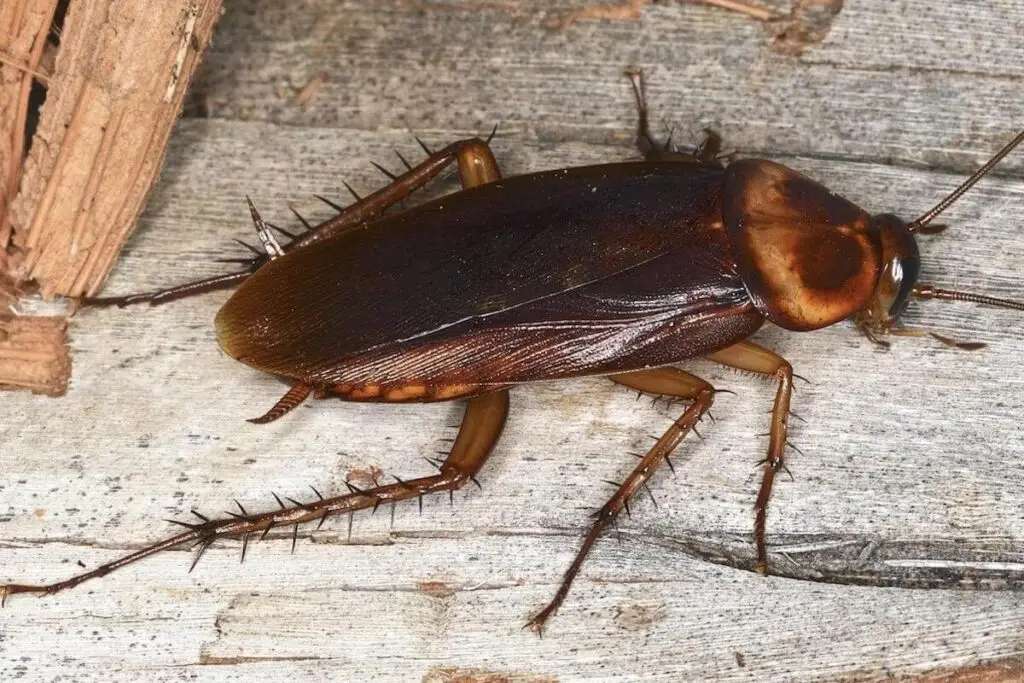
Key Highlights Introduction Conroe, Texas is a vibrant city known for its beautiful parks, excellent schools, and thriving economy. However, like many areas, Conroe is not immune to the presence of pests, particularly German cockroaches. These pesky insects can quickly infest homes, apartments, hotels, and restaurants, posing a significant problem for residents and business owners. German cockroaches, scientifically known as Blattella germanica, are a common species of cockroach found worldwide. What sets them apart from other cockroaches is their ability to live and breed indoors. This means that if German cockroaches find their way into your home or business, they can rapidly multiply and create a serious infestation. Understanding the characteristics and behaviors of German cockroaches is crucial for effective pest control. By identifying and addressing the factors that attract these pests, such as food, water, and shelter, homeowners and business owners can take proactive measures to prevent and eradicate infestations. FullScope Pest Services, a trusted pest control company in Conroe, offers professional assistance in tackling German cockroach infestations with customized treatment plans. In this blog, we will explore the unique features of German cockroaches, the problems they can cause for homes and businesses, FullScope Pest Service’s approach to infestations, effective strategies for eradication, preventative measures, and the health risks associated with cockroaches. We will also highlight case studies that demonstrate successful eradication and address frequently asked questions about German cockroach infestations and their treatment. Understanding German Cockroach Infestations in Conroe German cockroach infestations are a common problem in Conroe, Texas. These pests, scientifically known as Blattella germanica, are attracted to warm, moist environments and easily find their way into homes, apartments, hotels, and restaurants. Once inside, they breed rapidly and create a serious infestation. Understanding the behavior and characteristics of German cockroaches is crucial for effective pest control. By identifying the signs of a cockroach infestation and taking prompt action, homeowners and business owners in Conroe can prevent further spread and eradicate German cockroaches from their properties. Identifying German Cockroaches: Unique Features German cockroaches have several unique features that distinguish them from other cockroach species. When they first emerge from their egg cases, German cockroaches are about 1/8 of an inch long. As they mature, they grow to approximately 1/2 an inch in length. These pests are light brown in color and have two dark brown stripes on their pronotum, which is the plate-like armor visible between their head and protective wings. These markings are a key characteristic used to identify German cockroaches. Adult German cockroaches have wings, although they cannot fly. Males are slightly smaller than females. German cockroach nymphs, or young cockroaches, are dark brown to black in color and also have the distinguishing dark stripes on their backs. Understanding these unique features is essential for accurate identification and effective pest control measures. Why German Cockroaches are a Problem for Homes and Businesses German cockroaches are a significant problem for homes and businesses in Conroe due to their ability to multiply rapidly and infest indoor spaces. These pests are attracted to food and water sources, making kitchens, bathrooms, and other areas prone to infestation. German cockroaches not only contaminate food and surfaces but also pose health risks. Their feces, shed exoskeletons, and saliva can trigger allergic reactions and asthma in susceptible individuals. Additionally, German cockroaches can spread bacteria and pathogens, causing diseases such as food poisoning and gastroenteritis. Effective pest control measures, including identifying and eliminating food and water sources, are crucial to prevent and eradicate German cockroach infestations in homes and businesses. How FullScope Pest Services Approaches Infestations FullScope Pest Services takes a thorough approach to German cockroach infestations in Conroe. Their process begins with an initial assessment to identify the severity of the infestation and determine the best course of action. Based on the assessment, FullScope Pest Services creates customized treatment plans tailored to the specific needs of each infestation. These plans may include a combination of chemical treatments and non-chemical methods to effectively eradicate German cockroaches. With their expertise in pest control, FullScope Pest Services ensures that the infestation is addressed comprehensively, providing long-term solutions for homeowners and business owners in Conroe. Initial Assessment Techniques During the initial assessment, FullScope Pest Services utilizes various techniques to evaluate the extent of the German cockroach infestation. One commonly used method is the placement of sticky traps in strategic locations where cockroach activity is likely to be high, such as kitchen cabinets and other areas where food and water sources are present. These traps capture the roaches and provide valuable information about the infestation’s size and distribution. FullScope Pest Services’ technicians also conduct thorough inspections of the property, looking for signs of cockroach activity, such as feces, shed exoskeletons, and egg cases. By gathering this information, FullScope Pest Services can develop an effective treatment plan tailored to the specific needs of each customer. Customized Treatment Plans for Every Infestation FullScope Pest Services believes in customizing treatment plans for each German cockroach infestation in Conroe. Depending on the severity and unique characteristics of the infestation, FullScope Pest Services may incorporate various methods to eradicate the pests effectively. One commonly used approach is the use of bait stations, which contain a gel bait that attracts and eliminates German cockroaches. The gel bait is designed to be carried back to the nest, spreading the poison throughout the infestation. Additionally, FullScope Pest Services may utilize insect growth regulators to disrupt the cockroaches’ life cycle and prevent them from reproducing. By tailoring the treatment plan to the specific needs of each infestation, FullScope Pest Services ensures maximum effectiveness in eradicating German cockroaches from homes and businesses in Conroe. Effective Strategies for Eradicating German Cockroaches Eradicating German cockroaches requires a comprehensive approach that combines chemical treatments and non-chemical methods. FullScope Pest Services employs a range of strategies to effectively eliminate German cockroach infestations in Conroe. Chemical treatments may include the use of insecticide sprays, dusts, or baits, targeting the cockroaches directly. Non-chemical methods, such as vacuuming, sealing cracks and crevices, and implementing
Local Pest Control Companies: Fullscope Stands Out
Key Highlights Introduction When it comes to pest control, it’s important to choose a company that can provide effective solutions tailored to your specific needs. Fullscope Pest Control is one such company that stands out among the local pest control companies. With their commitment to pest management and their dedication to providing peace of mind to their customers, Fullscope has built a strong reputation in the industry. With years of experience in the pest control business, Fullscope understands the importance of providing quality service. They have a team of highly trained and knowledgeable professionals who are equipped with the latest tools and techniques in pest management. Whether you are dealing with ants, rodents, cockroaches, mosquitoes, or any other pests, Fullscope has the expertise to handle it. One of the key factors that set Fullscope apart from other local pest control companies is their focus on customization. They understand that each pest problem is unique and requires a tailored approach. That’s why they offer customized pest control plans that take into account the specific needs and challenges of each customer. This ensures that the solutions they provide are not only effective but also long-lasting. Experience and Training Matters Why Choose Fullscope for Your Pest Control Needs When it comes to choosing a pest control company, there are several reasons why Fullscope should be at the top of your list. One of their competitive advantages is their years of experience in the pest control industry. With their extensive knowledge and expertise, they have a deep understanding of different pests and their behaviors, allowing them to provide effective and targeted solutions. Fullscope’s commitment to providing customized plans is another reason why they are a preferred choice for pest control needs. They recognize that every pest problem is unique and requires a tailored approach. Their team of experts takes the time to assess the situation, identify the underlying causes of the infestation, and develop a customized plan to address the specific needs of each customer, including online scheduling and purchasing options for added convenience. When it comes to pest control, quality work is of utmost importance. Fullscope takes pride in delivering high-quality service to their customers. They use the latest tools, techniques, and products in the industry to ensure effective and long-lasting results. Their team of professionals is well-trained and equipped to handle any pest control job, big or small, with utmost professionalism and attention to detail. Choosing Fullscope for your pest control needs means choosing a company that prioritizes customer satisfaction and delivers exceptional results. With their competitive advantage, years of experience, customized plans, and commitment to quality work, Fullscope is the go-to option for all your pest control needs. Comprehensive Services Offered by Fullscope Fullscope Pest Control offers a comprehensive range of services to address various pest problems. They have expertise in dealing with a wide range of pests, including ants, rodents, cockroaches, mosquitoes, bed bugs, termites, and more. Whether you are dealing with a minor infestation or a full-blown pest problem, Fullscope has the knowledge and tools to handle it, including protection against 36 of the most common pests through their PestFree365+ plan. Their services begin with a thorough inspection of the premises to identify the type of pest and the extent of the infestation. This allows them to develop a targeted treatment plan to eliminate the pests effectively. They use the best techniques and products available in the industry for extermination to ensure the most efficient and safe pest control. Fullscope understands that prevention is key to long-term pest control. In addition to their treatment services, they also provide recommendations on how to prevent future infestations. They identify the entry points and potential breeding grounds for pests and provide guidance on sealing off these areas to minimize the risk of future infestations. By offering a comprehensive range of services, Fullscope ensures that their customers can rely on them for all their pest control needs. From inspection and treatment to prevention and ongoing maintenance, Fullscope is dedicated to providing effective and lasting pest control solutions. Cutting-Edge Techniques in Pest Management Fullscope Pest Control prides itself on staying at the forefront of the pest control industry by employing cutting-edge techniques and tools. They understand that pests can evolve and adapt, making it essential to stay ahead of the curve in pest management. One of the ways Fullscope achieves this is by having a team of pest management professionals who are trained and knowledgeable about the latest techniques and products in the industry. They continuously update their skills and knowledge to ensure they can effectively address the ever-changing pest control challenges. Fullscope also invests in state-of-the-art equipment and tools that enable them to provide efficient and precise pest control services. From advanced inspection tools to targeted treatment methods, they use the best technology available to deliver optimal results. By combining their expertise with cutting-edge techniques and tools, Fullscope Pest Control ensures that their customers receive the highest level of service and effective pest management solutions. Understanding Pest Control Pest control is an essential aspect of maintaining a clean and healthy living or working environment. It involves the management and elimination of pests that can cause damage to property, spread diseases, and create a nuisance. Effective pest control, also known as pest removal, requires a thorough understanding of the pests and their behaviors, as well as the most appropriate methods for control. Fullscope Pest Control has a deep understanding of pests and their habits, allowing them to develop targeted and effective pest control strategies. Their expertise and commitment to quality work make them a trusted choice for all pest control needs. Common Signs of Pest Infestation Recognizing the signs of a pest infestation is crucial for taking timely action. Here are some common signs to watch out for: It’s important to identify and seal off possible entry points for pests, such as cracks or gaps in walls, windows, or doors. Regular inspections by pest control professionals like Fullscope can help identify and address
Expert Exterminators: Your Ultimate Pest Control Solution

Key Highlights Introduction Welcome to our blog on expert exterminators and how they can provide the ultimate pest control solution for your home or business. Dealing with pests can be a frustrating and challenging experience, but with the help of professional pest control services, you can eliminate these unwelcome visitors and ensure a pest-free environment. Pest control is crucial for maintaining a clean and healthy living space. Whether you’re dealing with common pests like ants and roaches, or more destructive pests like termites, it’s essential to address the issue as soon as possible. Professional exterminators have the knowledge, experience, and resources to effectively eliminate pests and prevent future infestations. Termite control is another critical aspect of pest management. Termites can cause significant damage to your property, including structural damage that can be costly to repair. By hiring expert exterminators, you can protect your home or business from these destructive pests and ensure the longevity of your property. Rodents, such as mice and rats, can also pose a threat to your health and property. They can contaminate food, spread diseases, and cause damage to wiring and insulation. Professional rodent control services can help you eliminate these pests and prevent them from returning to your home or business. At FullScope Pest Services, we understand the importance of effective pest control. We offer a comprehensive approach to pest extermination, tailored to meet the unique needs of each customer. With our professional exterminators and advanced treatment methods, we can provide you with peace of mind and a pest-free environment. Understanding the Need for Professional Pest Control Effective pest management is essential for maintaining a safe and healthy living environment. While there are DIY pest control methods available, they often have limitations in terms of effectiveness and long-term results. Professional pest control services offer a more comprehensive approach, including initial assessments, customized treatment plans, and ongoing support to ensure the complete eradication of pests. By relying on expert exterminators, you can address pest infestations more effectively and prevent potential health risks and property damage associated with pests. The risks pests pose to health and property Pests can pose significant risks to both health and property. Some pests, like cockroaches and rodents, can carry and spread diseases, putting you and your family at risk. They can contaminate food, surfaces, and air with their droppings and saliva, leading to allergic reactions and respiratory problems. Additionally, pests like termites can cause extensive damage to structures, including wooden furniture, flooring, and even the foundation of your home. This can result in costly repairs and compromise the structural integrity of your property. By addressing and eliminating pests through professional pest control services, you can mitigate these risks and ensure a safe and healthy living environment. The limitations of DIY pest control methods While DIY pest control methods may seem like a cost-effective solution, they often have limitations when it comes to effectively eliminating pests. Many common pests, such as ants, roaches, and bed bugs, require specialized treatment plans and products that may not be readily available to homeowners. DIY methods often provide temporary relief but fail to address the root cause of the infestation. Moreover, misapplication of pesticides or improper handling of infested materials can lead to health hazards and further exacerbate the pest problem. Professional exterminators have the knowledge, experience, and tools to accurately identify and treat the infestation, ensuring a more comprehensive and long-lasting solution. By opting for professional pest control services, you can avoid the limitations of DIY methods and achieve a pest-free environment. The FullScope Approach to Pest Extermination At FullScope Pest Services, we take a comprehensive approach to pest extermination. Our process begins with an initial service that includes a thorough assessment of your property to identify the type and extent of the infestation. Based on our findings, we develop a customized treatment plan tailored to your specific needs. Our exterminators use effective and safe treatment methods to eliminate pests and prevent future infestations. We also provide guidance on preventive measures to help you maintain a pest-free environment in the long term. With our FullScope approach, you can trust that your pest problem will be addressed efficiently and effectively, giving you peace of mind. Initial assessment and customized plan During the initial assessment, our professional exterminators will thoroughly inspect your property to identify the type and extent of the pest infestation. This assessment is crucial in developing a customized plan that targets the specific pest problem you are facing. We take into account factors such as the type of pest, the severity of the infestation, and any unique conditions that may contribute to the pest problem. Based on our assessment, we will design a treatment plan that addresses the infestation and provides long-term prevention. Our goal is to provide you with a tailored solution that effectively eliminates pests and minimizes the risk of future infestations. With our initial assessment and customized plan, you can trust that your pest problem will be handled with expertise and precision. Pest Control At FullScope Pest Services, we offer the best pest control solutions to address a wide range of common pests. Whether you are dealing with ants, roaches, spiders, or bed bugs, our professional exterminators have the knowledge and experience to eliminate the pest problem effectively. We use industry-leading products and advanced treatment methods to ensure the complete eradication of pests from your property. Our goal is to provide you with a pest-free environment and peace of mind. Don’t let pests take over your home or business. Trust FullScope Pest Services for all your pest control needs. Termite Control Termites are highly destructive pests that can cause significant damage to your property if left untreated. At FullScope Pest Services, we specialize in termite control, offering comprehensive solutions to protect your home or business. Our professional exterminators are trained to identify termite infestations and implement the most effective treatment methods. We use advanced technology and proven techniques to eliminate termites and prevent further damage. With our termite control services,
The Ultimate Guide To Bed Bugs and Treatment

Introduction Bed bugs are tiny insects that can cause big problems in your home. These pests are notorious for infesting mattresses, furniture, and other areas where humans rest or sleep. Once they invade your home, they can be incredibly difficult to get rid of. In this ultimate guide, we will explore everything you need to know about bed bugs and their treatment. Bed bugs are small, reddish-brown insects that feed on the blood of humans and animals. Despite their name, they are not limited to beds. They can infest any area where people spend a significant amount of time, such as couches, chairs, and even electrical outlets. Bed bugs are experts at hiding in tiny cracks and crevices, making them difficult to detect and eliminate. One of the most common signs of a bed bug infestation is waking up with itchy welts or small red bites on your body. These bites can be extremely irritating and may cause discomfort and sleepless nights. Another indicator of a bed bug infestation is the presence of small, dark spots on your bedding or furniture, which are bed bug droppings. If you suspect that you have a bed bug problem, it is important to take immediate action. Ignoring the infestation will only allow it to spread and become more difficult to control. The sooner you address the issue, the easier it will be to eliminate the bed bugs and prevent further infestations. The Ultimate Guide to Identifying and Treating Bed Bugs Bed bugs and treatment go hand in hand, and knowing how to identify and address these pests is crucial. Recognizing signs like itchy welts and blood spots on bedding is key. Understanding their behavior and where they hide, from mattress seams to electrical outlets, aids in detection. Inspect your home thoroughly, using a magnifying glass if needed. For treatment, consider DIY methods or seek professional help for severe infestations. Remember, early detection and action are vital in managing bed bug problems. 1. Recognizing the Signs of Bed Bug Infestations Bed bugs infestations can be tricky to spot initially. Look out for signs like small insects in mattress seams or near electrical outlets. Check for itchy welts or red, itchy bites on your skin. Using a magnifying glass can help spot bed bugs in their hiding places. Early detection is crucial in tackling a bed bug problem. Be vigilant and inspect your living spaces regularly. Early identification increases the chances of successful treatment. 2. Understanding Bed Bug Behavior and Habitats Bed bugs, scientifically known as Cimex lectularius, are small insects that feed on the blood of humans. They typically hide in cracks, mattress seams, and electrical outlets during the day, coming out at night to feed on their host’s blood. Understanding their behavior and habitats is crucial for effective pest management. Bed bugs prefer warm environments and are commonly found near where humans sleep, such as beds and bed frames. Identifying their hiding places using a magnifying glass can aid in early detection and treatment. 3. Comprehensive Steps for Inspecting Your Home Start by thoroughly examining all potential hiding places using a magnifying glass, focusing on crevices, cracks, and seams. Check your bedding, mattress, box spring, and bed frame for any signs of bed bugs. Inspect electrical outlets, carpets, and furniture as these can also harbor these pests. Utilize a vacuum with a nozzle attachment to clean infested areas. Seal cracks and gaps in walls and furniture, reducing potential hiding spots. Be diligent in your search as early detection is key to effective pest control. 4. DIY Methods for Treating Minor Infestations If you’re facing minor bed bug issues, DIY methods can be effective. Start by washing infested bedding in hot water and using a vacuum to clean up any bugs. Seal cracks and crevices with caulk and encase your mattress in a protective cover. Diatomaceous earth, a natural pest control remedy, can also help in eradicating bed bugs. Remember to declutter your living space to eliminate hiding spots for these pests. These simple techniques can go a long way in managing minor bed bug problems. 5. Professional Solutions for Severe Bed Bug Problems If you’re facing a severe bed bug problem, seeking professional help is crucial. Professional exterminators have the expertise and tools to tackle even the most challenging infestations. By hiring a pest control company experienced in bed bug management, you can ensure thorough treatment of your home. They employ effective methods such as heat treatments, chemical treatments, and nonchemical solutions to eradicate bed bugs. Trusting professionals increases the chances of success in eliminating these persistent pests. 6. Post-Treatment: Ensuring Bed Bugs Don’t Return After successfully treating a bed bug infestation, it’s crucial to take preventive measures to ensure they don’t come back. To prevent a recurrence, thoroughly clean and inspect your home regularly. Seal cracks and crevices where bed bugs could hide, and consider using encasements on your mattress and box spring. By maintaining a tidy environment and monitoring for any signs of bed bugs, you can significantly reduce the chances of a re-infestation. In-depth Look at Bed Bug Treatment Options When dealing with bed bug treatment options, it’s essential to explore various methods for effectively eradicating these pests. From heat treatments that offer high success rates to cold treatments utilizing freezing conditions, each approach has its unique benefits. Chemical treatments are commonly used but should be handled with caution. For a more eco-friendly solution, natural remedies like diatomaceous earth can be effective. Encasements offer added protection for mattresses and box springs. Understanding these treatment options is key to combating bed bug infestations successfully. 1. Heat Treatment: The Most Effective Way to Kill Bed Bugs Heat treatment is widely regarded as the most effective method for eliminating bed bugs. This approach involves raising the temperature in infested areas to levels that are lethal to these pests, typically around 120-135 degrees Fahrenheit. The high heat penetrates cracks and crevices where bed bugs hide, ensuring comprehensive eradication. Professional exterminators use specialized equipment
Effective Bed Bug Control: Tips and Strategies for a Bug-Free Home

Introduction Bed bugs, those tiny nocturnal pests that feed on human blood, can turn your peaceful nights into a nightmare. Infestations can occur in the cleanest of homes, but the key is to act promptly and effectively to control and eliminate these unwanted guests. In this article, we’ll explore various strategies and tips for successful bed bug control. Identifying Bed Bugs: Early Detection and Regular Inspections: Cleaning and Decluttering: Vacuuming: Steam Cleaning: Chemical Treatments: Isolation and Quarantine: Seek Professional Help: Conclusion: Bed bug control requires a combination of preventive measures, early detection, and strategic treatment. By following these tips and being proactive, you can reclaim your home from these unwanted intruders and enjoy a bug-free living environment. If the infestation is beyond your control, don’t hesitate to seek the expertise of a professional pest control service for comprehensive and effective bed bug elimination.
Spider Pest Control Solutions for Your Home
Key Highlights Introduction Spiders are common household pests that can cause discomfort and anxiety for homeowners. While they play a role in controlling other insect populations, many people prefer to keep their homes free of spiders and their webs. Understanding the habits and habitats of spiders is essential in effectively controlling and preventing spider infestations. This blog will provide valuable information on identifying common house spiders, understanding why spiders choose your home, recognizing when spiders are dangerous, and offering practical spider control solutions. We will also address frequently asked questions about spider prevention and treatment. By following the recommended spider control measures and preventive strategies, homeowners can create a spider-free environment and enjoy their homes without the presence of these eight-legged creatures. Understanding Spiders: Habits and Habitats Spiders are arachnids that belong to the class Arachnida. There are thousands of spider species worldwide, with around 4,000 species found in the United States alone. Among the various spider species, the most common ones found in homes are known as common house spiders. These spiders are typically harmless to humans and play a beneficial role in controlling other insect populations. They are natural predators of pests like flies, mosquitoes, and roaches. Common house spiders are found throughout the United States and can vary in size, color, and behavior. They typically prefer dark and undisturbed areas such as basements, attics, and crawl spaces. These spiders are known for their ability to spin intricate webs to catch their prey. The presence of spider webs is often a sign of a spider infestation or activity. It is important to be able to identify common house spiders for effective pest control. Some of the most common types of spiders found in homes include the brown recluse spider and the black widow spider. These two species are venomous and can pose health risks if encountered. Proper identification and professional spider control measures are necessary when dealing with these dangerous spiders. By understanding the habits and habitats of spiders, homeowners can better recognize and control spider infestations in their homes. Regular inspections, proper sanitation, and targeted pest control treatments can help keep spider populations in check and maintain a spider-free environment. Common House Spiders: Identification Guide Identifying common house spiders is crucial in determining the appropriate spider pest control measures. Here are some key features of the most common types of spiders: It’s important to note that not all spiders found in your home are dangerous. In fact, the majority of spiders are harmless and can even be beneficial in controlling other insect populations. However, if you suspect the presence of brown recluse or black widow spiders, it’s best to seek professional spider pest control services. Why Spiders Choose Your Home: Attraction Factors Spiders are attracted to certain factors that make your home an ideal habitat for them. Understanding these attraction factors can help you address the issue effectively. One of the main attraction factors for spiders is the presence of dark corners and crawl spaces. These areas provide them with shelter and a safe place to build their webs. Spiders also need a readily available food source, which often includes other insects like flies and mosquitoes. To discourage spiders from choosing your home, it’s important to eliminate these attraction factors. Regularly clean and declutter your home, paying special attention to areas where spiders are likely to hide. Seal any entry points to prevent spiders from entering your home, and keep your home free from other insect pests to reduce their food source. When are Spiders Dangerous? While most spiders are harmless, there are a few species that can be dangerous to humans. Understanding when spiders are dangerous is important for your safety and well-being. In general, spiders are not aggressive and will only bite when they feel threatened. Most spider bites result in minor reactions, such as redness, swelling, and itching. However, there are a few species that deliver venomous bites, which can cause more severe symptoms. The black widow spider and the brown recluse spider are the two most dangerous spiders in North America. Their bites can result in more serious health issues, such as muscle cramps, abdominal pain, weakness, and tremors. If you suspect you have been bitten by one of these spiders, it’s important to seek immediate medical attention. It’s also worth noting that some individuals may have allergic reactions to spider bites, which can result in more severe symptoms. If you experience difficulty breathing, chest pain, or any other severe reaction after a spider bite, seek medical help immediately. We know spiders At FullScope Pest Control, we understand spiders and have the expertise to effectively control and eliminate spider infestations. Our trained technicians are knowledgeable about the different spider species and their habits, allowing us to provide targeted pest control solutions. We take pride in our ability to identify and address spider issues in a safe and effective manner. With our professional spider pest control services, you can have peace of mind knowing that your home is free from spiders and potential health risks associated with them. Trust us to provide the best solutions for your spider control needs. How to Spot Brown Recluse Spiders Being able to spot brown recluse spiders is crucial in addressing and preventing infestations. These spiders are known for their venomous bites, which can cause severe reactions. Here are some key tips on how to spot brown recluse spiders: If you suspect the presence of brown recluse spiders in your home, it’s best to seek professional spider pest control services. Attempting to handle the infestation on your own can be dangerous, as these spiders can deliver venomous bites. How to Spot Black Widow Spiders Identifying black widow spiders is crucial in addressing and preventing infestations. These spiders are known for their potentially deadly bites. Here are some key tips on how to spot black widow spiders: If you see a black widow spider or suspect its presence in your home, it’s important to seek professional spider pest
Mastering Flea Pest Control: Identifying & Eliminating Fleas
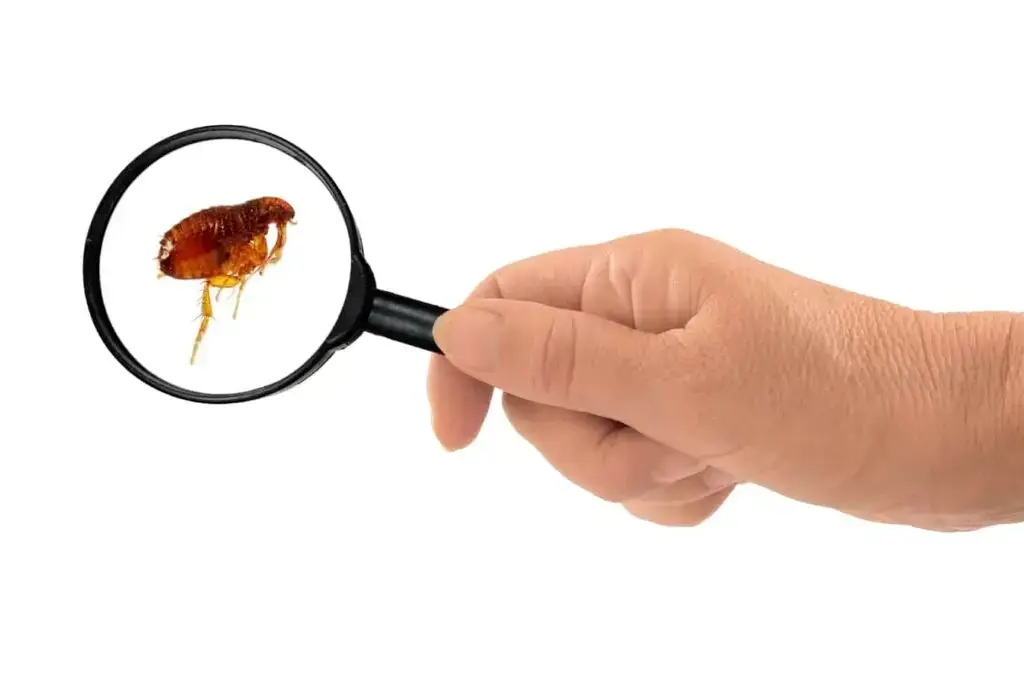
Key Highlights Introduction Fleas are a common nuisance for homeowners, especially those with pets. These tiny blood-sucking pests can quickly infest your home and cause significant discomfort for both you and your pets. Flea bites can be itchy and irritating, and the presence of fleas can lead to allergic reactions in some individuals. To make matters worse, fleas reproduce rapidly, making it challenging to eliminate them without professional help. Understanding the flea problem is the first step towards effective flea control. This blog will guide you on how to identify and get rid of fleas with the help of a professional flea exterminator like FullScope. We will discuss the common signs of flea infestation, the threat they pose to your home, and the comprehensive flea extermination solutions offered by FullScope. Don’t let fleas take over your home. With the right knowledge and professional help, you can eradicate these pesky pests and enjoy a flea-free living environment. Understanding the Flea Problem To effectively eliminate fleas, it is crucial to understand the flea problem. Fleas are small, wingless insects that feed on the blood of mammals and birds. The most common types of fleas that infest homes are cat fleas (Ctenocephalides felis) and dog fleas (Ctenocephalides canis). These fleas have a life cycle consisting of four stages: eggs, larvae, pupae, and adult fleas. Flea eggs are oval-shaped and usually laid on the host animal or in the animal’s bedding. These eggs are tiny and can easily fall off onto carpets, furniture, and other surfaces. Once the eggs hatch, they develop into larvae, which feed on organic debris and flea dirt. After the larval stage, the flea pupates and eventually emerges as an adult flea. Adult fleas are capable of jumping long distances and quickly infesting your home. Understanding the life cycle of fleas is essential for effective flea control. By targeting all stages of the flea life cycle, it is possible to eliminate the infestation and prevent reinfestation. Common Signs of Flea Infestation Identifying the signs of a flea infestation is crucial for prompt action. Here are some common signs to look out for: If you suspect a flea infestation, it is important to act quickly to prevent the problem from worsening. Contacting a professional flea exterminator like FullScope can help ensure thorough and effective flea removal. Why Fleas Are a Threat to Your Home Fleas not only cause discomfort but also pose various threats to your home and family. Here are some reasons why fleas are a threat: To protect your home from the threats of fleas, it is essential to seek professional flea extermination services. FullScope’s comprehensive solutions can effectively eliminate fleas and prevent future infestations. FullScope’s Comprehensive Flea Extermination Solutions FullScope offers a range of comprehensive flea extermination solutions to meet the unique needs of each customer. Their experienced technicians are trained in effective flea control methods and use safe and proven techniques to eliminate fleas from your home. Their treatments include the use of professional flea control products, such as flea bombs and flea shampoos, to target fleas at all stages of their life cycle. These treatments are applied strategically to ensure maximum effectiveness and long-lasting results. With FullScope’s flea extermination services, you can have peace of mind knowing that your home is free from fleas and the potential health risks they pose. Homeowner Checklist for Flea Treatments Tailored Flea Treatment Plans FullScope understands that every flea problem is unique, and they tailor their treatment plans to address specific infestations. Their experienced technicians will assess the severity of the infestation and identify the type of flea causing the problem. When developing a treatment plan, FullScope takes into account various factors, including the presence of pets, the condition of pet bedding, and the use of vacuum bags. By addressing these factors, FullScope ensures thorough flea extermination and minimizes the risk of reinfestation. Their tailored flea treatment plans include a combination of professional treatments, such as flea control products and targeted applications, to effectively eliminate fleas from your home. With FullScope’s expertise, you can trust that your flea problem will be resolved efficiently and safely. Safe and Effective Flea Removal Techniques FullScope utilizes safe and effective flea removal techniques to protect your home, pets, and family. Their technicians are trained in the proper use of flea foggers, which release insecticides that target fleas while minimizing exposure to humans and pets. In addition, FullScope may recommend the use of diatomaceous earth, a natural powder that dehydrates and kills fleas. This environmentally friendly option is safe for both pets and humans. By utilizing these safe and effective techniques, FullScope ensures that flea removal is conducted with utmost care and consideration for the well-being of your home and loved ones. Step-by-Step Process of Flea Extermination FullScope follows a comprehensive step-by-step process for flea extermination to ensure the best results for their customers. The process begins with an initial inspection of your home to assess the severity of the flea infestation and identify any potential entry points or hiding spots for fleas. Based on the findings, FullScope’s technicians will develop a tailored treatment plan. The treatment application involves targeted applications of professional flea control products to effectively eliminate fleas from your home. FullScope also provides post-treatment monitoring to ensure the success of the treatment and offer tips on preventative measures to prevent future infestations. With FullScope’s satisfaction guarantee, you can have confidence in the effectiveness of their flea extermination services. Their goal is to provide long-lasting results and a flea-free home for their customers. Initial Inspection and Assessment During the initial inspection and assessment, FullScope’s professional exterminators will thoroughly examine your home to determine the extent of the flea infestation. Their years of experience and expertise enable them to quickly identify the first signs of flea activity, such as flea bites or flea dirt. By identifying the source and severity of the infestation, FullScope can develop a targeted treatment plan to eliminate the fleas effectively. With their knowledge and experience, they can address
How to Get Rid of Termites | Termite Treatment | FullScope
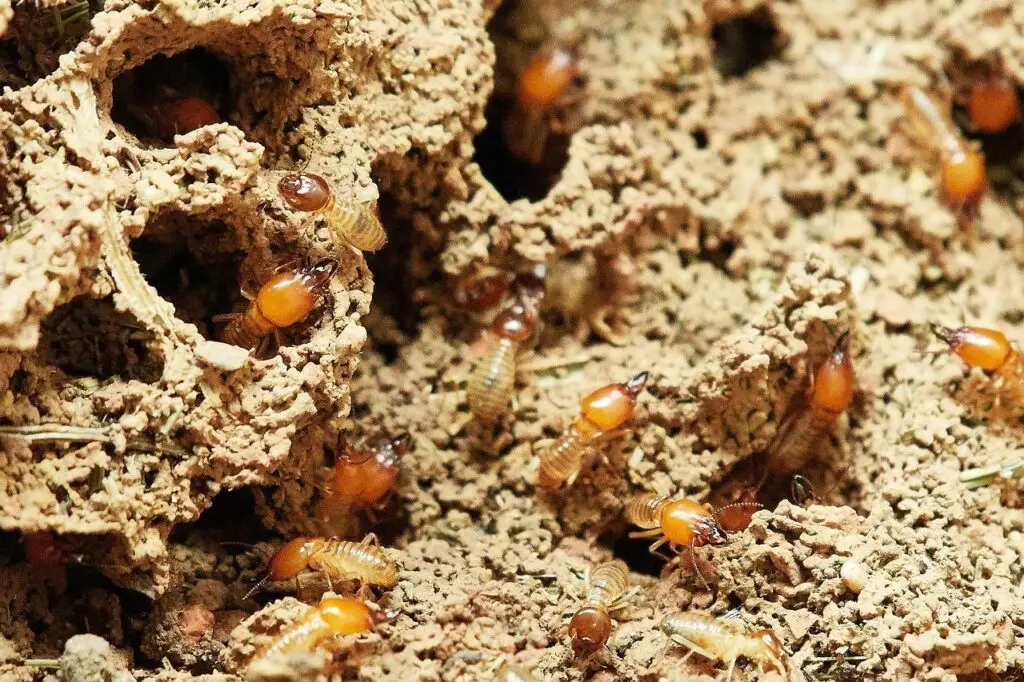
Key Highlights Introduction Termites are one of the most dreaded pests, especially for homeowners. These tiny insects can cause extensive damage to homes and structures, leading to costly repairs and compromised structural integrity. It’s essential to understand the different types of termites, their potential impact, and effective termite treatment options to protect your property. In this blog, we will explore various aspects of termite control, including understanding termites and their impact, early signs of infestation, professional termite inspection, treatment options, DIY vs. professional treatment, and preventing future termite infestations. By gaining knowledge about termites and implementing preventative measures, you can safeguard your home and minimize the risk of termite damage. Understanding Termites and Their Impact Termites are social insects that live in large colonies and feed on cellulose-based materials, such as wood. The United States is home to different termite species, with subterranean termites and drywood termites being the most common. These termites can cause significant structural damage to homes, leading to weakened foundations, sagging floors, and compromised safety. It is estimated that termites cause billions of dollars in damages annually. Understanding the behavior and habits of termites is crucial to detect and address an infestation early on. By being aware of the signs of termite activity and seeking professional assistance, homeowners can protect their property from further damage. The Different Types of Termites Termites exist in various species, but the two most common types found in the United States are subterranean termites and drywood termites. Subterranean termites live in the soil and build mud tubes to access above-ground food sources. These termites are responsible for the majority of termite damage in the country. On the other hand, drywood termites infest dry wood and do not require contact with soil. It’s important to be able to identify the type of termites infesting your home as it can impact the treatment approach. Subterranean termites are usually eradicated using liquid soil-applied termiticides or bait systems, while drywood termites may require localized spot treatments or fumigation. Understanding the specific species of termites and their behavior can help pest control experts develop a targeted treatment plan to effectively eliminate the infestation. How Termites Damage Your Property Termites can cause significant damage to your property if left untreated. They feed on wood and cellulose materials, such as paper and cardboard, making your home vulnerable to structural damage. Termites can weaken wooden structures, including walls, floors, and furniture, which can compromise the integrity of your home. The damage caused by termites is often not immediately noticeable, as they feed from the inside out, leaving the outer layers intact. To prevent and treat termite damage, it is crucial to enlist the help of professional pest control services. They have the expertise and tools to effectively eliminate termites and safeguard your property from future infestations. The Science Understanding the science behind termites is key to effective termite prevention and treatment. Termites live in colonies, which can consist of thousands or even millions of individual termites. The best way to prevent termite infestation is to create a barrier between your home and potential termite entry points. This can be done through the use of physical barriers, such as steel mesh, or the application of termiticides to the soil surrounding your property. Regular termite inspections are also essential to catch any infestations early on and take prompt action. Professional pest control experts have the knowledge and experience to identify the signs of termite activity and recommend the most appropriate prevention and treatment methods. What are the different methods of termite treatment available in the market? Various termite elimination methods include liquid termite barriers, termite baits, termite fumigation, and wood treatment. Each method has its pros and cons, so it is essential to consult with a professional to determine the most effective treatment for your specific termite infestation. Early Signs of Termite Infestation Detecting a termite infestation early is crucial to preventing extensive damage to your property. There are several visual indicators that can signal the presence of termites. Mud tubes, which are narrow tunnels made of soil and termite saliva, are a common sign of termite infestation. These tubes are used by termites to travel between their underground colonies and food sources. Other signs include damaged or hollow-sounding wood, discarded termite wings, and small piles of termite droppings. If you notice any of these signs, it is important to seek professional termite inspection and treatment to prevent further damage. Termite and Pest Control Termite treatment is a critical aspect of protecting your property from the destructive nature of these pests, so that you can leave termite free. There are various methods available in the market, including liquid termite barriers, termite baits, fumigation, and wood treatment. Each method comes with its own set of advantages and drawbacks, so consulting with a professional is key to determining the most suitable approach for your specific situation. Detecting early signs of termite infestation can save you from costly repairs. Keep an eye out for mud tubes, damaged wood, discarded wings, and termite droppings. If you spot any of these Visual Indicators and What to Look For When inspecting your home for termite infestation, there are several visual indicators to look for. These signs can help you identify whether you have a termite problem and take appropriate action. If you notice any of these visual indicators, it is advisable to contact a professional pest control company for a thorough termite inspection and appropriate treatment. Silent Destroyers Termites are often referred to as “silent destroyers” because they can cause extensive damage to your property without immediate visible signs. They feed on wood and other cellulose materials, gradually weakening the structure over time. Termite colonies can consist of thousands or even millions of individual termites, working tirelessly to feed and expand their colonies. As they tunnel through wooden structures, they can cause significant structural damage, compromising the integrity of your home. It is important to address termite infestations promptly to prevent further damage. Professional pest control
Choosing the Best: A Comprehensive Guide to Professional Pest Control Services

Introduction: When unwanted pests invade your home or business, it’s crucial to seek professional help to ensure a swift and effective solution. Professional pest control services offer expertise, experience, and specialized techniques to tackle pest infestations. In this guide, we will explore the key factors that make a pest control service truly professional and provide insights into choosing the best one for your needs. Licensed and Certified Experts: Professional pest control services employ licensed and certified technicians who have undergone rigorous training. These experts are equipped with the knowledge to identify different types of pests, understand their behavior, and implement targeted treatment plans. Comprehensive Inspection: A reputable pest control service company, sucj as FullScope Pest Control begins with a thorough inspection of your property. Professionals assess the extent of the infestation, identify entry points, and determine the specific pests involved. This detailed inspection informs the development of a customized pest control strategy. Tailored Treatment Plans: No two pest infestations are the same, and professional services recognize this. They develop tailored treatment plans based on the unique characteristics of each infestation. Whether it’s termites, rodents, ants, or bedbugs, a professional pest control service will employ the most effective methods for eradication. Environmentally Friendly Practices: In the era of sustainability, professional pest control services are adopting environmentally friendly practices. Look for services that prioritize the use of eco-friendly products and methods to minimize the impact on the environment while ensuring the safety of your family, pets, and property. Transparent Pricing and Contracts: FullScope pest control services provide transparent pricing and clear contracts. Before committing to a service, ensure you understand the costs involved, including any recurring fees for ongoing pest prevention. A reputable company will explain their pricing structure and discuss any potential additional charges. Timely and Responsive: Time is of the essence when dealing with a pest infestation. Professional services understand the urgency and provide timely responses. Whether it’s scheduling an inspection or implementing a treatment plan, a reliable pest control service values your time and acts promptly. Customer Reviews and Testimonials: One of the best ways to gauge the effectiveness of a pest control service is by checking customer reviews and testimonials. Look for feedback from clients who have faced similar pest issues. Positive reviews are a strong indicator of a professional and trustworthy service. Guarantees and Warranties: Professional pest control services stand by the quality of their work. They often provide guarantees or warranties on their services, ensuring that if the pests return within a specified period, they will re-treat the affected areas at no additional cost. Conclusion: Investing in professional pest control services is an essential step toward reclaiming your home or business from unwanted intruders. By considering factors such as licensed experts, comprehensive inspections, tailored treatment plans, environmentally friendly practices, transparent pricing, responsiveness, customer reviews, and guarantees, you can make an informed decision and choose the best professional pest control service for your specific needs. Call for a free consulation today with FullScope Pest Control or use our chat system located on the bottom right of the page.
Professional Ant Control, Removal & Prevention Services
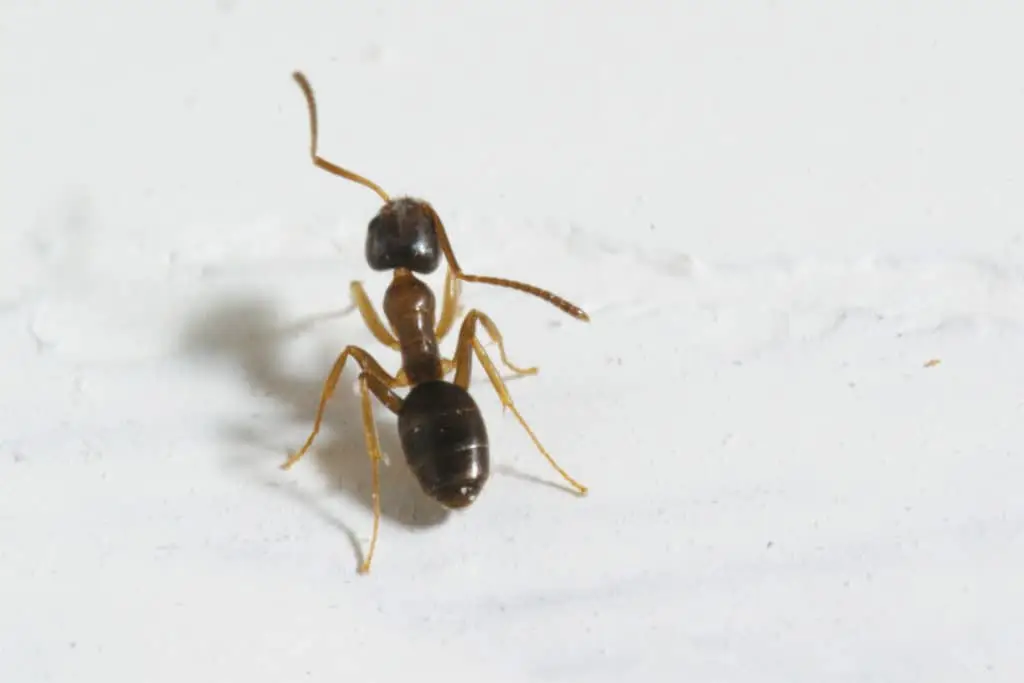
Key Highlights Introduction Ant infestations can be a common and frustrating problem for homeowners. When a few ants turn into dozens or even hundreds, it’s time to call in the professionals. Professional ant control, removal, and prevention services can provide the expertise and tailored solutions needed to effectively eliminate ant infestations and prevent them from recurring. Ant exterminators are trained to identify and address the specific needs of each ant infestation. They use a combination of expert strategies, advanced techniques, and safe methods to provide immediate relief and long-term prevention. From identifying common ant species to conducting thorough inspections, professional ant control services offer a comprehensive approach to ant problem management. Understanding the behavior and habitats of ants is crucial for effective ant control. Ants are social insects that live in colonies and are constantly in search of food and shelter. By understanding their lifecycle, nesting habits, and nesting sites, professionals can target and eliminate ant infestations at their source. Different types of treatments are available for ant control, including chemical and non-chemical methods. Professionals can provide options such as baiting, chemical treatments, and non-chemical strategies to meet the specific needs of each infestation. With the help of professional ant control services, homeowners can enjoy an ant-free living environment and peace of mind knowing that their homes are protected from future infestations. The key is to choose a reputable and experienced pest control company that offers customized plans, eco-friendly practices, and a commitment to customer satisfaction. Expert Ant Control, Removal, and Prevention Strategies Professional ant control services offer expert strategies and tailored solutions to effectively eliminate ant infestations and prevent them from recurring. These services utilize the latest pest control techniques and technologies to provide immediate relief and long-term prevention. When it comes to ant control, professionals understand that each infestation is unique and requires a customized approach. They have the knowledge and experience to identify the type of ant species invading your home and the best methods to eliminate them. By using a combination of baiting, chemical treatments, and non-chemical strategies, professionals can target the ants at their source and provide effective control. In addition to controlling existing ant infestations, professionals also focus on prevention. They can identify and seal entry points, implement routine maintenance tips, and provide advice on how to keep your home ant-free. By taking proactive measures, homeowners can significantly reduce the risk of future ant infestations. Overall, professional ant control services offer the expertise and resources needed to effectively control, remove, and prevent ant infestations. By relying on their knowledge and experience, homeowners can enjoy an ant-free living environment and peace of mind knowing that their homes are protected from these pesky pests. 1. Identifying Common Ant Species Invading Homes Identifying the specific type of ant species invading your home is crucial for effective ant control. Different ant species have different behaviors, habits, and nesting preferences. By understanding the characteristics of common ant species, professionals can develop targeted control strategies. Here are some of the most common ant species that can invade homes: By identifying the specific ant species invading your home, professionals can develop targeted control methods that effectively eliminate the infestation and prevent future invasions. 2. Professional Inspection Techniques for Ant Infestation Professional inspections are crucial for identifying and assessing the extent of an ant infestation. Experienced exterminators use specialized techniques and tools to thoroughly inspect homes and determine the best course of action. Here are some of the professional inspection techniques used for ant infestations: By conducting thorough inspections, professionals can determine the extent of the infestation, identify the ant species, and develop a targeted treatment plan for effective control and removal. 3. Tailored Ant Removal Services for Immediate Relief Professional ant control services provide tailored removal services for immediate relief from ant infestations. These services utilize the best methods and strategies to eliminate ants at their source and provide long-lasting results. Here are some of the ways professionals remove ants: By tailoring the removal services to the specific needs of each infestation, professionals can provide immediate relief from ant problems and ensure the long-term prevention of future infestations. 4. Safe and Effective Ant Prevention Methods Prevention is key when it comes to keeping your home ant-free. Professional ant control services offer safe and effective prevention methods to ensure long-term protection against ant infestations. Here are some of the ant prevention methods used by professionals: By implementing these prevention methods, homeowners can significantly reduce the risk of ant infestations and enjoy an ant-free living environment. 5. Advanced Solutions for Recurring Ant Problems Recurring ant problems can be frustrating and difficult to manage. Professional ant control services offer advanced solutions to effectively address and prevent recurring ant problems. Here are some advanced solutions used by professionals: By using advanced solutions, professionals can provide homeowners with the peace of mind of knowing that their recurring ant problems are being effectively managed and prevented. Understanding the Enemy: Ant Behavior and Habitats Understanding the behavior and habitats of ants is crucial for effective ant control. Ants are social insects that live in colonies and have specific behaviors and habits that allow them to survive and thrive. By understanding these behaviors and habitats, professionals can develop targeted control methods. Ants are constantly in search of food and shelter, which can lead them into homes. By targeting their nesting sites, identifying their food sources, and disrupting their communication and foraging patterns, professionals can effectively control and remove ant infestations. The Lifecycle of Common Household Ants Common household ants go through a lifecycle that includes different stages, each with specific roles and functions. Understanding the lifecycle of ants is important for effective control and removal. Here are the stages of the lifecycle of common household ants: By understanding the lifecycle of ants, professionals can target and eliminate the different stages of the ants, effectively controlling and removing infestations. How Ants Choose Their Nesting Sites Ants choose their nesting sites based on a variety of factors, including food availability,