 1500+ reviews

Top Diseases Mosquitoes Carry
While we often dismiss mosquitoes as pesky biters, it’s easy to forget how truly hazardous they are due to the deadly diseases in tow. Size isn’t everything; despite being no bigger than a breadbox, its influence on our health is massive. Ever wonder which diseases come courtesy of those pesky mosquitoes? We’ve got the scoop plus mosquito control strategies right here. Overview of Mosquito-Borne Diseases Mosquitoes are vectors for many diseases that affect humans, which can be viral, bacterial, or parasitic. Globally, these diseases present substantial public health risks, particularly in tropical and subtropical areas where mosquitoes are prevalent and transmission rates are higher. Dengue Fever Dengue fever is a viral infection known for severe flu-like symptoms that can sometimes be fatal. Annually, up to 400 million cases are reported, predominantly in tropical regions like Southeast Asia, Latin America, and parts of the Caribbean. Early detection and medical treatment significantly reduce mortality rates. Zika Virus Although the Zika virus was initially discovered in 1947 in Uganda, it was during the 2016 outbreak in South America, Central America, and the Caribbean that it gained widespread recognition. It’s particularly harmful to pregnant women as it can cause severe birth defects like microcephaly. Mild symptoms like fever, rash, and joint discomfort are common, but the illness can have long-lasting consequences. Malaria Malaria is a parasite that primarily affects South Asia and Sub-Saharan Africa, and it is carried by the female Anopheles mosquito. Symptoms include fever, chills, fatigue, vomiting, and headaches, and severe cases can lead to jaundice, seizures, coma, or death. Despite eradication efforts, malaria still affects millions each year. West Nile Virus The West Nile Virus, primarily spread by Culex mosquitoes, is found in Africa, Europe, the Middle East, North America, and West Asia. About 80% of those infected show no symptoms. Still, symptomatic cases may include fever, headaches, body aches, joint pain, vomiting, diarrhea, or rash. A small percentage of cases result in severe, sometimes fatal, neurological illnesses. The Role of Professional Pest Control in Managing Mosquito-Borne Diseases Professional pest control is the only effective means to control mosquito-borne diseases through effective reduction of populations. They help cut down the mosquito population in many different ways. Employing Integrated Pest Management (IPM), pest control experts integrate physical, chemical, and biological means into an environment for prevention while ensuring sustainability in the affected region. They also ensure that the pesticide application is regulatory compliant and of no harm, minimizing its environmental impact. Working with communities and health agencies, professional pest control services are essential in all effective mosquito control activities that protect public health from risks. Conclusion If you’re looking to keep those pesky disease-carrying mosquitoes at bay, remember this – a good defense involves being one step ahead with solid prevention and smart control strategies. When it comes to fighting off unwelcome critters, Fullscope Pest Control has got your back in every nook and cranny. Our specialized services are aimed at knocking out both bugs and the sicknesses they spread. Knocking out pests is what we do best, aiming for nothing less than your complete satisfaction every time. Call Fullscope Pest Control today for service at your property that will help ensure a healthier community.
Fire Ant Control Methods That Work

Key Highlights Introduction Fire ants, particularly the red imported fire ant (Solenopsis invicta), are a well-known and troublesome aggressive pest in many parts of the southeastern United States. They are aggressive and their painful stings can cause serious pain and injury to humans and animals. Additionally, fire ant infestations can cause damage to property, interfere with activities on golf courses, and be unsightly in home lawns. Controlling fire ants can be challenging, but with the right approach, it is possible to effectively manage these pests. Understanding the behavior and lifecycle of fire ants is crucial in developing an effective control strategy. It is also important to recognize the signs of fire ant infestation and the potential damage they can cause. At FullScope, we offer a comprehensive approach to fire ant control. Our services include an initial assessment and planning stage, where we identify the extent of the infestation and develop a customized control plan. We utilize integrated pest management strategies, including biological control, cultural control, and chemical solutions, to effectively eliminate fire ants and prevent future infestations. In this blog, we will explore the different methods of fire ant control that work, from cultural and biological control options to chemical solutions. We will also address frequently asked questions about fire ant control and provide tips for preventive measures and ongoing maintenance. Understanding Fire Ants Fire ants, specifically the red imported fire ant (Solenopsis invicta), are aggressive ants that can cause significant problems in both urban and agricultural areas. They are known for their painful stings, which can cause severe pain, itching, and swelling. Fire ants are omnivorous and feed on plants, insects, oils, and sugars. They prefer open, sunny areas and form colonies with winged males, reproductive females, and worker ants. It is important to understand the behavior and biology of fire ants in order to effectively control them. Identifying Common Fire Ant Species The red imported fire ant (Solenopsis invicta) is the most common species of fire ant in the southeastern United States. They are reddish-brown in color with shiny, dark abdomens and have two bumps between the thorax and abdomen. This species is known for its aggressive behavior and painful stings. While the red imported fire ant is the most prevalent species, there are other species of fire ants as well, such as the black imported fire ant (Solenopsis richteri) and the tropical fire ant (Solenopsis geminata). These species have similar behavior and can also cause damage and pose health risks. Identifying the specific species of fire ant is important for effective control measures. The Lifecycle of Fire Ants Fire ants have a complex lifecycle that includes different stages of development. A fire ant colony consists of three main types of ants: winged males, reproductive females, and worker ants. The winged males and reproductive females mate in flight, and the females establish new colonies by digging chambers in the soil for their eggs. The eggs hatch into larvae, which develop for 7-10 days before pupating. After the pupal stage, adult ants emerge. Worker ants are wingless, sterile females that perform various tasks within the colony, such as caring for the brood, foraging for food, and defending the nest. Understanding the lifecycle of fire ants is important for effective control measures. By targeting the reproductive individuals and disrupting the development of the brood, it is possible to eliminate fire ant colonies and prevent future infestations. The Impact of Fire Ants on Your Property Fire ant infestations can have a significant impact on your property. The mounds they build can interfere with activities on golf courses, damage equipment, and be unsightly in home lawns. Fire ants can also cause damage to plants, as they feed on both plant matter and insects. In addition to the physical damage they can cause, fire ants also pose health risks. Their painful stings can cause severe pain, itching, and swelling. Some individuals may also have allergic reactions to fire ant stings, which can lead to anaphylactic shock. It is important to address fire ant infestations promptly to protect your property and reduce the risk of stings. Recognizing the Signs of Fire Ant Infestation Recognizing the signs of fire ant infestation is crucial for effective control measures. The most obvious sign is the presence of fire ant mounds, which are typically built in open, sunny areas. These mounds can vary in size, but they are usually dome-shaped and made of loose soil. Another sign of fire ant infestation is the presence of worker ants foraging for food. They can be seen traveling in trails, particularly after rain or during cooler weather. Fire ant bait can be used to attract and eliminate worker ants. It is also important to note that fire ants can establish satellite colonies near the main colony. These satellite colonies can be smaller and may not have visible mounds. However, they can still pose a threat and should be treated along with the main colony. Potential Damage and Risks to Human Health Fire ants can cause a range of health problems, particularly through their painful stings. Some potential risks to human health include: It is important to note that children and individuals with allergies or compromised immune systems are particularly at risk. Fire ant stings should be taken seriously and prompt medical attention should be sought if severe symptoms, such as difficulty breathing or swelling of the face or throat, occur. Preventing fire ant stings and addressing infestations promptly can help reduce the risk of health problems associated with fire ants. FullScope’s Approach to Fire Ant Control FullScope Pest Control takes a comprehensive approach to fire ant control, focusing on effective strategies for long-term eradication. Our approach includes: When it comes to fire ant control, an initial assessment is crucial. FullScope Pest Control conducts a thorough evaluation of your property to determine the extent of fire ant infestations and identify high-risk areas. This assessment allows us to develop a customized plan for effective eradication. During the initial assessment, our pest control
Uncovering Termites in Wall: Signs and Solutions
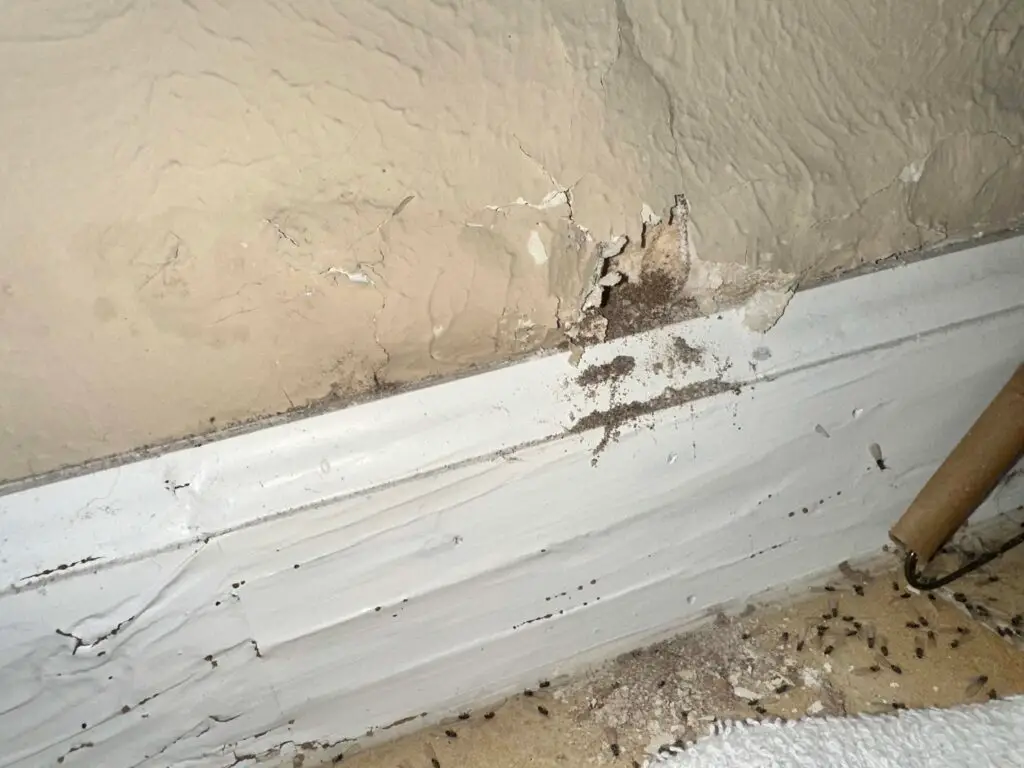
Key Highlights Introduction Termite infestations can be a homeowner’s worst nightmare. These small insects have a voracious appetite for wood, and if left unchecked, they can cause severe damage to the structure of a building. Termites often go undetected until the damage is already significant, making it essential to be aware of the signs of termites in walls. In this blog, we will explore the early warning signs of termite infestations, understand termite behavior and the risks they pose, discuss professional inspection and identification, provide DIY termite inspection tips, and explore effective solutions for termites in walls. How can you tell if you have termites in your wall? Indications of termites in your wall include hollow-sounding wood when tapped, discarded wings near windows, mud tunnels on exterior walls, and small holes in the wood. If you notice any of these signs, it’s crucial to seek professional help promptly to address the termite infestation effectively. Early Warning Signs of Termites in Walls Early detection of termite infestations in walls is crucial for preventing further damage. There are several signs to watch out for that may indicate the presence of termites. Visible mud tubes on exterior walls are a common sign of a termite infestation. These shelter tubes, which are about the width of a pencil, are created by subterranean termites as they travel between their colony and a food source. Another sign to look out for is a hollow sound when tapping on wood surfaces. This hollow sound could indicate termite damage within the wood. Additionally, cracked or bubbling paint and the presence of frass, which are termite droppings, can also be indicators of termite activity within walls. Visible Mud Tubes on Exterior Walls Visible mud tubes on exterior walls are a telltale sign of a termite infestation. These shelter tubes, also known as mud tunnels, are created by subterranean termites to provide protection and moisture as they travel between their colony and a food source. Here are some key points to understand about mud tubes: Hollow-Sounding Wood Surfaces When inspecting your walls for termite infestations, tapping on wood surfaces can provide valuable information. If the wood emits a hollow sound, it could indicate termite damage within the structure. Termites feed on the cellulose found in wood, hollowing it out as they consume it. Here are a few key points to consider: Cracked or Bubbling Paint Cracked or bubbling paint on walls can be an indication of termite activity. Termites require moisture to survive, and as they inhabit the interior of walls, they may bring moisture with them. This moisture can cause the paint to crack, bubble, peel, or flake off. Here are a few key points to consider: Frass: Termite Droppings as an Indicator Frass, which refers to termite droppings, can be a useful indicator of termite activity within walls. As termites consume wood, they produce frass that resembles small pellets or sawdust. Here are a few key points to consider: Understanding Termite Behavior and Risks Understanding termite behavior and the risks associated with termite infestations is essential for effectively dealing with the problem. Termites have a complex lifecycle and certain behaviors that contribute to the damage they cause. Here are a few key points to understand: The Lifecycle of Termites Termites have a complex lifecycle that involves different castes and stages. Understanding their lifecycle can help in identifying and addressing termite infestations. Here are a few key points to consider: Different Types of Termites and Their Behaviors There are different species of termites, each with its own behaviors and preferences. It is important to understand these differences to effectively address a termite problem. Here are a few key points to consider: How Termites Cause Damage Over Time Termites can cause significant damage to wooden structures over time if left untreated. Understanding how termites cause this damage is essential for effectively addressing infestations. Here are a few key points to consider: Professional Inspection and Identification Professional inspection and identification are essential for accurately detecting termites and assessing the severity of an infestation. Here are a few key points to consider: The Role of a Professional Termite Inspector A professional termite inspector plays a crucial role in accurately assessing the severity of a termite infestation and determining the appropriate course of action. Here are a few key points to consider: Tools and Techniques for Detecting Termites Professional termite inspectors use various tools and techniques to detect termite activity. Here are a few commonly used tools and techniques: Tool or Technique Description Moisture meters These devices measure moisture levels in wood, which can indicate termite activity. Termite probes Inspectors use these tools to tap and probe wood surfaces, looking for hollow sounds and signs of termite damage. Fiber optic scopes These scopes allow inspectors to see inside walls and other inaccessible areas to search for termite activity. Thermal imaging cameras These cameras can detect temperature variations that may be indicative of termite activity, such as heat generated by termite nests. Termite-sniffing dogs Specially trained dogs can detect the presence of termites by sniffing for their unique scent. By utilizing these tools and techniques, professional termite inspectors can accurately detect termite activity, assess the severity of an infestation, and develop appropriate treatment plans. Interpreting Signs of Termite Infestations Accurately Interpreting signs of termite infestations accurately is crucial for determining the appropriate treatment and preventing further damage. Here are a few key points to consider: DIY Termite Inspection Tips While professional inspection is recommended for accurate detection of termite infestations, there are some DIY methods that homeowners can employ to supplement their efforts. Here are a few key tips for DIY termite inspection: Safety Measures and Precautions When conducting a DIY termite inspection, it is important to prioritize safety and take necessary precautions. Here are a few key safety measures to consider: Identifying Common Termite Entry Points Termites can enter a building through various entry points, and identifying these common entry points is crucial for preventing infestations. Here are a few key entry
Termite Inspection: Everything You Need to Know
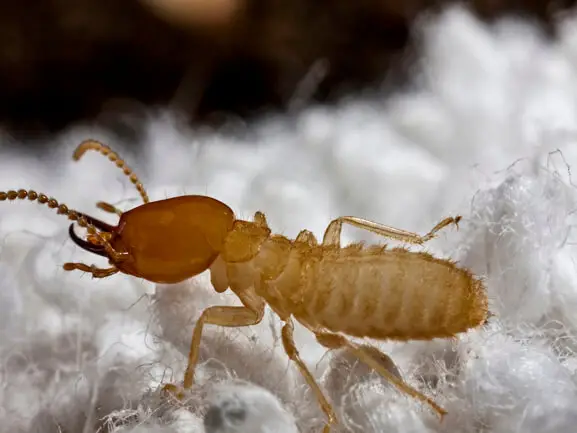
Key Highlights Introduction Your home is not just a place to hang your hat; it’s your sanctuary, a place where you feel safe and secure. However, there are unwelcome guests that can threaten the structural integrity of your home: termites. These tiny pests can infest your home and cause extensive damage, often without you even realizing it. That’s why termite inspection is so important. In this blog, we will provide you with everything you need to know about termite inspection. From understanding the significance of early detection to recognizing signs of termite activity, we will guide you through the process of termite inspection and explain the key benefits it offers. We will also take an in-depth look at the termite inspection process, including what to expect during the inspection, the tools and techniques used, and how to interpret the inspection report. Additionally, we will address common concerns and questions related to termite inspections, such as choosing a reliable termite inspection company, the cost of termite inspection, DIY vs. professional inspections, dealing with a termite infestation, and insurance coverage for termite damage. By the end of this blog, you will have a comprehensive understanding of termite inspection and be well-equipped to protect your home from these destructive pests. Understanding Termite Inspection: A Comprehensive Guide Understanding termite inspection is crucial for homeowners to protect their properties from the devastating effects of termite infestation. A termite inspection is an investigation conducted by professionals to determine the presence of termites in and around your home. It plays a vital role in termite control and prevention, as it allows for early detection and treatment of termite infestations. By conducting regular termite inspections, homeowners can develop a comprehensive termite control plan and take necessary preventive measures to minimize the risk of termite damage. Professional pest control companies, like FullScope Pest Control, have the expertise and specialized equipment to conduct thorough termite inspections and provide effective treatment options. 1. The Importance of Early Detection Early detection of termite infestation is of utmost importance in protecting your home from extensive termite damage. Termites are known for their ability to silently and rapidly destroy wooden structures, causing significant structural damage that can compromise the integrity of your home. By detecting termite activity early on through regular termite inspections, you can take immediate action to eliminate the infestation and prevent further damage. Early detection also plays a crucial role in real estate transactions, as termite damage can significantly impact the value of a property. By conducting a termite inspection before buying or selling a home, you can ensure that you are aware of any existing termite issues and address them accordingly, protecting your investment and providing peace of mind. 2. Recognizing Signs of Termite Activity Recognizing the signs of termite activity is essential in detecting a termite infestation and taking appropriate measures to address it. During a termite inspection, professionals look for specific signs that indicate the presence of termites. These signs include: Recognizing these signs during a termite inspection allows for early detection and prompt action to eliminate the termites and prevent further damage to your property. 3. Key Benefits of Regular Termite Inspections Regular termite inspections offer numerous benefits for homeowners in terms of termite control and prevention. Some key benefits of scheduling regular termite inspections include: By investing in regular termite inspections, homeowners can proactively protect their properties and minimize the risk of termite damage. 4. How FullScope Pest Control Conducts Inspections FullScope Pest Control follows a meticulous process for termite inspections. Our licensed inspectors thoroughly examine accessible locations within your property, using special equipment to identify termite activity. They check for signs like termite wings, droppings, or mud tubes. If necessary, they might tap on wood structures to listen for hollow sounds or use a screwdriver to probe for wood damage. This detailed approach ensures a comprehensive inspection, allowing us to provide accurate findings and recommendations for a tailored treatment plan. 5. Preventive Measures to Keep Termites at Bay To prevent termite infestations, start by eliminating wood-to-soil contact. Keep firewood and mulch away from your home’s foundation. Repair any leaky plumbing and address moisture issues promptly. Regularly inspect your home for signs of termite activity, such as mud tubes or termite wings. Seal cracks and crevices in your home’s exterior to deny termites easy access. Trim tree branches and shrubbery away from the house. Consider professional termite inspections for a more thorough assessment of your property’s vulnerability. In-Depth Look at Termite Home Inspection Process When it comes to termite inspections, it’s important to understand the process involved. A termite inspection typically consists of the following steps: Before the termite inspector arrives, there are a few pre-inspection preparations you can make to ensure a smooth process: During the inspection, the termite inspector will carefully examine your home for signs of termite activity. They will inspect areas such as crawlspaces, basements, attics, and wooden structures to identify any evidence of termites. The inspector may use specialized tools and equipment, such as moisture meters and thermal imaging cameras, to aid in the detection process. They will also look for visible signs of termite damage, such as mud tubes, wood damage, or live termites. At the end of the inspection, the termite inspector will provide you with a detailed report outlining their findings, including any signs of termite activity and recommendations for treatment. This report will help you make informed decisions regarding termite control and prevention. Termite inspectors use a range of tools and techniques to conduct thorough inspections and accurately assess termite activity. Some of the tools and techniques commonly used during termite inspections include: By employing these tools and techniques, termite inspectors can conduct more comprehensive inspections and accurately identify termite activity. This ensures that appropriate treatment measures can be implemented to eliminate termites and prevent further infestations. After completing a termite inspection, the inspector will provide you with a detailed report outlining their findings and recommendations. This report is an essential tool for understanding the extent
Termite Infestation & Available Treatments: What to Look For

Key Highlights Are you starting to notice strange signs around your home, like tiny wood-colored pellets or hollow-sounding timber? These could be indicators of a termite infestation silently wreaking havoc on your property. In our upcoming blog post, we will delve into the intricate world of termite infestations and how to spot them before they cause irreparable damage. From understanding the behavior and lifecycle of termites to exploring professional treatment options and DIY prevention strategies, this comprehensive guide will equip you with the knowledge needed to safeguard your home. Keep an eye out for tips on identifying common signs of termite presence, steps to take if you suspect an infestation, and long-term management techniques to ensure your home remains termite-free. Don’t let these pests nibble away at your peace of mind – join us as we uncover everything you need to know about termite infestations! Introduction Termites are among the most destructive insects in the world, capable of causing severe damage to homes and other wooden structures. Termite infestations can weaken building supports, leading to costly repairs and even structural collapse in extreme cases. It’s essential to be aware of the signs of a termite infestation and take immediate action to prevent further damage. Identifying a termite infestation can be challenging, as termites often live and travel in hidden areas such as walls, floors, and ceilings. However, there are several signs that can indicate a termite problem. Look out for dead termites or wings in the corners of your home, as well as strange, musty smells throughout the house. Termite droppings, called frass, may be present along baseboards and window sills. You might also notice mud tubes climbing the foundation of your home on the exterior of your house near the foundation or sawdust near doors and windows. In this blog, we will delve deeper into how to identify a termite infestation, the differences between termite species, termite behavior, initial steps to take when you suspect termites, professional termite treatment options, DIY prevention strategies, and the financial impact of termite damage. By the end of this blog, you will have a comprehensive understanding of termite infestations and the necessary steps to protect your home. So let’s get started! Identifying a Termite Infestation Identifying a termite infestation in your home is crucial to prevent further damage and take necessary action. Many people don’t realize they have a termite problem until it’s too late, as termites often infest hidden areas and leave minimal visible signs. However, there are a few key indicators that can help you identify a termite infestation and prevent costly damage: https://www.forbes.com/home-improvement/pest-control/signs-of-termite-infestation One of the most common signs of a termite infestation is damaged wood, including drywall. Termites feed on wood, hollowing it out from the inside, which weakens the structure. Look out for sagging floors, buckling walls, or hollow-sounding drywall when tapped. You may also notice small holes or tunnels on the surface of the drywall or wallpaper, as termites can eat through both materials. Additionally, termite activity can cause paint to bubble or crack and wallpaper to peel. Another sign of a termite infestation is the presence of termite droppings, also known as frass. These small, pellet-like droppings can be found near termite nests or along baseboards and window sills. Keep an eye out for mud tubes on the exterior of your home, as they are often used by termites as a pathway between their nest and a food source. By being vigilant and recognizing these signs, you can catch a termite infestation early and take the necessary steps to address the problem. It’s essential to act quickly to limit the damage and protect your home. Common Signs Termites Leave Behind When it comes to identifying a termite infestation, there are several common signs that termites leave behind. By recognizing these signs, you can take immediate action to address the problem. Here are some key indicators of a termite infestation: By being aware of these signs and regularly inspecting your home for any termite activity, you can catch an infestation early and take the necessary steps to address the problem. Remember, early intervention is key to minimizing damage and protecting your home. Differences Between Termite Types and Their Indicators There are different types of termites that can infest your home, and understanding the differences between them can help in formulating effective treatment strategies. The two main types of termites that commonly infest homes are drywood termites and subterranean termites. Drywood termites typically infest dry wood, such as furniture or wooden structures within your home. They do not require contact with soil and can survive solely on the moisture present within the wood they infest. Signs of a drywood termite infestation include small holes in the wood, piles of sawdust-like pellets (termite droppings), and blistered or buckled floors. On the other hand, subterranean termites live in the soil and require contact with moisture to survive. They build mud tubes to protect themselves as they travel between their nest and a food source, such as wooden structures in your home. Signs of a subterranean termite infestation in the United States include mud tubes on the exterior of your home, damaged wood, and the presence of swarmers during termite season. It’s important to understand the type of termite infestation you have, as different treatment methods may be required. Consulting with a professional pest control service can help determine the most effective approach to eliminate the specific termite species infesting your home. https://www.britannica.com/animal/termite Homeowners: Why Termites Swarm and What It Means for You Termite swarming is a natural part of the reproductive cycle of termites and occurs when a termite colony has grown large enough to establish new colonies. Understanding why termites swarm and what it means for your home is essential in preventing further infestations. Termite swarm season typically occurs between March and June, although in warmer areas like Florida, it can happen throughout the year. During this time, termite swarmers take flight to find mates and establish new
Trusted Commercial Pest Management Services | FullScope Pest

Key Highlights Introduction Commercial spaces are not immune to the presence of pests. In fact, businesses are often more susceptible to pest infestations due to factors such as increased foot traffic, food storage, and waste generation. When pests invade commercial properties, they can cause significant damage to reputation, operations, and even public health. That’s why it’s crucial for businesses to invest in trusted commercial pest management services to ensure a pest-free environment. FullScope Pest is a leading provider of commercial pest management services, offering comprehensive solutions tailored to the unique needs of different industries. With our years of experience and expertise, we have earned the trust of countless businesses in effectively managing their pest challenges. Pests can range from common nuisances like ants and cockroaches to more serious threats such as bed bugs, rodents, and flies. These pests not only pose health risks but also have the potential to damage property and compromise business operations. It is essential to identify and address pest challenges in commercial spaces promptly. FullScope Pest understands the impact that pests can have on businesses. We are committed to delivering efficient and reliable pest control solutions that protect your business reputation and ensure the safety of your employees and customers. Our integrated pest management approach focuses on sustainable and environmentally friendly practices to minimize the use of chemical treatments while effectively controlling pests. Identifying the Pest Challenge in Commercial Spaces Identifying the pest challenge in commercial spaces is the first step towards effective pest management. FullScope Pest’s team of experts is trained to identify signs of pest activity and assess the extent of the infestation. We utilize the principles of integrated pest management (IPM) to develop customized solutions for each business. Integrated pest management involves a holistic approach to pest control that combines various strategies such as inspections, monitoring, preventive measures, and targeted treatments. By understanding the behavior and biology of pests, we can implement proactive measures to prevent infestations and minimize reliance on chemical treatments. Our team conducts thorough inspections to identify conducive conditions for pest activity, such as entry points, food sources, and hiding places. By addressing these underlying factors, we can effectively control pests and prevent future infestations. Whether it’s a restaurant, office building, or healthcare facility, FullScope Pest has the expertise to tackle any pest challenge in commercial spaces. Common Pests Affecting Businesses Today Businesses today face a range of common pests that can wreak havoc on their operations and reputation. FullScope Pest specializes in controlling and eliminating these pests, including: At FullScope Pest, we have the knowledge and experience to effectively control and eliminate these pests from commercial spaces. Our targeted treatments and proactive prevention strategies ensure long-term pest management solutions for businesses. The Impact of Pests on Your Business Reputation and Operations The presence of pests in commercial spaces can have a detrimental impact on business reputation and operations. Customers expect a clean and pest-free environment, and any sign of a pest problem can significantly tarnish a business’s image. Pests not only pose health risks but also disrupt daily operations. They can contaminate food, damage property, and cause business closures due to health department violations. Business owners are responsible for maintaining a safe and pest-free environment for their employees and customers. By partnering with FullScope Pest, business owners can ensure prompt and effective pest control services that protect their reputation and prevent costly disruptions to their operations. Our comprehensive pest management programs are tailored to the specific needs of each industry, providing businesses with the peace of mind they need to focus on their core operations. FullScope Pest’s Comprehensive Solution to Commercial Pest Problems FullScope Pest offers a comprehensive solution to commercial pest problems. Our approach to pest management focuses on providing effective and sustainable pest control solutions tailored to the unique needs of each business. We understand that every industry has its own pest challenges, which is why we develop customized pest control plans to address specific needs. Our experienced technicians conduct thorough inspections to identify pest activity and develop a targeted treatment plan that effectively eliminates pests and prevents future infestations. With FullScope Pest’s comprehensive pest control plan, businesses can have the peace of mind knowing that their premises are protected from the potential damage and disruption caused by pests. Our commitment to effective pest control ensures that businesses can thrive in a pest-free environment. Tailored Pest Management Programs for Every Industry FullScope Pest understands that different industries have unique pest management needs. That’s why we offer tailored pest management programs designed to address the specific challenges faced by each industry. Whether you’re in the hospitality industry, healthcare sector, or food processing business, our experienced pest control technicians have the knowledge and expertise to provide effective pest management solutions. We take into account the specific requirements and regulations of each industry to develop customized pest control plans that meet the highest standards. By partnering with FullScope Pest, businesses can ensure that their pest management needs are addressed comprehensively and in accordance with industry-specific guidelines. Our tailored pest management programs provide businesses with the confidence and peace of mind they need to focus on their core operations while leaving pest control in the hands of trusted professionals. Innovative Techniques and Technologies for Effective Control At FullScope Pest, we are committed to staying at the forefront of the pest control industry by utilizing innovative techniques and technologies for effective pest control. Our team of experts constantly explores new pest control solutions to provide businesses with the most advanced and efficient methods. We leverage cutting-edge technologies such as remote monitoring, baiting systems, and eco-friendly treatments to ensure effective pest control without compromising safety or the environment. By incorporating innovative pest control solutions into our services, we can deliver optimal results for our clients. Our use of technology enables us to monitor pest activity in real-time, identify trends, and develop proactive strategies to prevent infestations. By staying ahead of pests with innovative techniques and technologies, FullScope Pest ensures that businesses receive
What Are The Most Common Rodents in Houston?
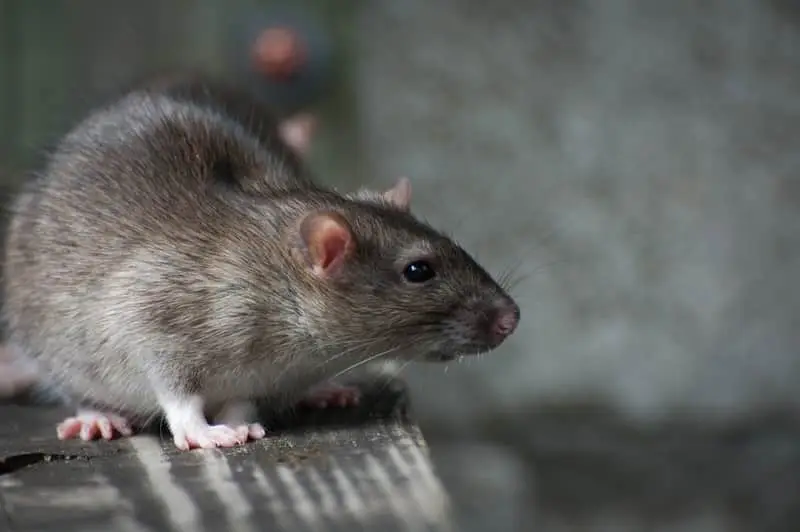
An urban environment such as Houston’s warm surroundings supports a wide variety of wildlife and harbors, among them several species of rodents, which are great destroyers of property and possible health hazards to the human inhabitants. Understanding the most common types of rodents that plague Houston-area homes and businesses can greatly assist in more effective rodent control strategies.Identifying Common Rodents in Houston Norway Rats A big, thick-set rodent with shaggy brown or grayish fur, the Norway rat is sometimes known as the brown rat. They are much larger than any other species of rat, and their blunt snout and small ears characterize them. Predominant areas of infestation in Houston include basements, piles of debris, and other relatively disturbed materials. They are known to have the potential to do great damage due to their biting and burrowing habits. Roof Rats Characteristics of roof rats include the fact that they are slender, agile rats that are black or dark brown with a light belly. The snout is pointed, and the ears are larger than those of Norway rats. They generally prefer to nest at higher locations, such as attics and trees, or in overgrown shrubbery around buildings. House Mice The house mouse is a small rodent, dusty gray, with cream bellies. It has rounded ears and a long, thin tail. Very adaptable creatures, house mice thrive in a very wide range of areas. They live in hot hiding places, far away; voids in walls and corners of cupboards are preferable. House mice are prolific breeders, which can quickly lead to infestations if not managed properly. Preventative Measures to Control Rodent Populations Preventing rodent infestations in Houston begins with simple, proactive steps: Professional rodent control service offers comprehensive solutions, including setups of baits and traps to get rid of them, along with structural modifications that can help you keep them away from your place in the future. When to Call a Professional Pest Controller While small infestations are often controllable with do-it-yourself methods, a larger or repeated infestation will require the services of a professional. The signs of heavy infestation mean a person has to find a rodent in the daytime, frequent droppings, or gnawing evidence on furniture and wires. Most professionals are likely to give the best methods of extermination and prevention that should be applied to the specific rodent species and the magnitude of infestation. Conclusion The number of issues that could cause significant harm and health risks can be reduced with the use of early activity identification. Understanding the behaviors and preferred habitats of Houston’s most common rodents might go a long way in empowering residents to keep these pesky creatures out of their homes. If you suspect a rodent infestation, consider contacting Fullscope Pest Control. Our expertise in managing and eliminating pest problems ensures your home stays safe and pest-free. Trust Fullscope Pest Control for all your pest management needs.
Importance of Professional Lawn Care in Pest Control
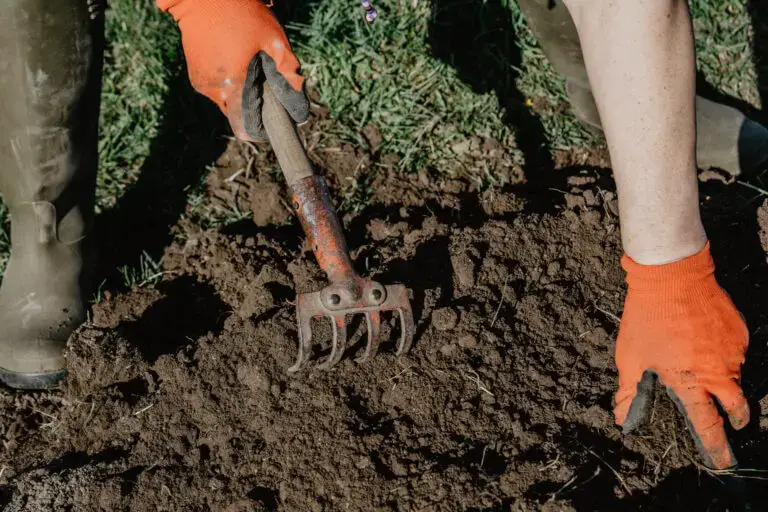
To maintain a beautiful, healthy lawn, your professional lawn care will include more than ensuring it is green and perfectly cut; it will be part and parcel of effective pest control. Keeping your lawn on top is a strategy that does not allow different pests that, otherwise, would become bothersome and a threat to your property. Explore how professional lawn care is crucial in managing pests and why it might be the best investment in your home’s outdoor space, especially if you are considering pest control in North Houston. Common Lawn Pests and Their Impact Your lawn can risk many kinds of pests, but some of the most common include grubs, fleas, and ticks. Beetle larvae, known as grubs, can severely damage grass roots, weakening the plant and rendering it a sickly yellow color. Fleas and ticks affect pets and can also inhabit and degrade your lawn, making outdoor spaces less enjoyable. Signs of infestation on your lawn could include brown patches or thinning of the grass; with increased activity, perhaps birds going after the lawn, which could be a sign of bugs. The Role of Professional Lawn Care in Effective Pest Management Enhancing Lawn Health to Reduce Pest Infestation It might be possible that the healthiest lawn could be the best defense, as thick, properly maintained grass may be able to allow very little room for the flourishing of pests and even the growth of weeds. Professional lawn care ensures the growth of good, healthy grass that, by its very nature, can cope with many of the infestations that commonly appear, like from grubs and beetles with various larvae. This, in turn, creates an environment with fewer appeals to pests due to the perfect balance of nutrients and moisture. Expert Techniques in Lawn Maintenance and Pest Control Lawn care management requires more than just regular cutting of the grass. Professionals advise that some advanced methods are supposed to be combined by the homeowner, such as mowing practices, watering practices, and strategic applications of fertilizers. Indeed, this is also the work of these experts, based on ecologically sound pest control treatments, aiming at a certain kind of pest without harming the grass or its surrounding ecosystem. This individual approach would preserve your lawn’s health and good look. Preventive Strategies and Regular Professional Assessments Preventive care is also appropriate and important for effective pest management. This can be attained through regular checks by professionals in lawn care, which will help to identify early symptoms of pest activity so that timely measures are instituted before too much damage has occurred. Early signs of pest activity include discoloration, and patchy growth, among others. Scheduled work such as aeration, overseeding, and thatch removal also plays an important role in protecting your lawn from pest invasion. Conclusion Professional care of lawns and effective pest management go hand in hand. Fullscope Pest Control will ensure you have a beautifully cared-for lawn that looks beautiful and is healthy and free of pests. Our professionals are knowledgeable and ready for every lawn care and pest control solution. Do not let pests be the boss. You can contact Fullscope Pest Control to schedule a full lawn assessment today, with the peace of mind that your lawn is fully under professional care and thus free of any pest disturbance.
Are Termites Dangerous to Humans?
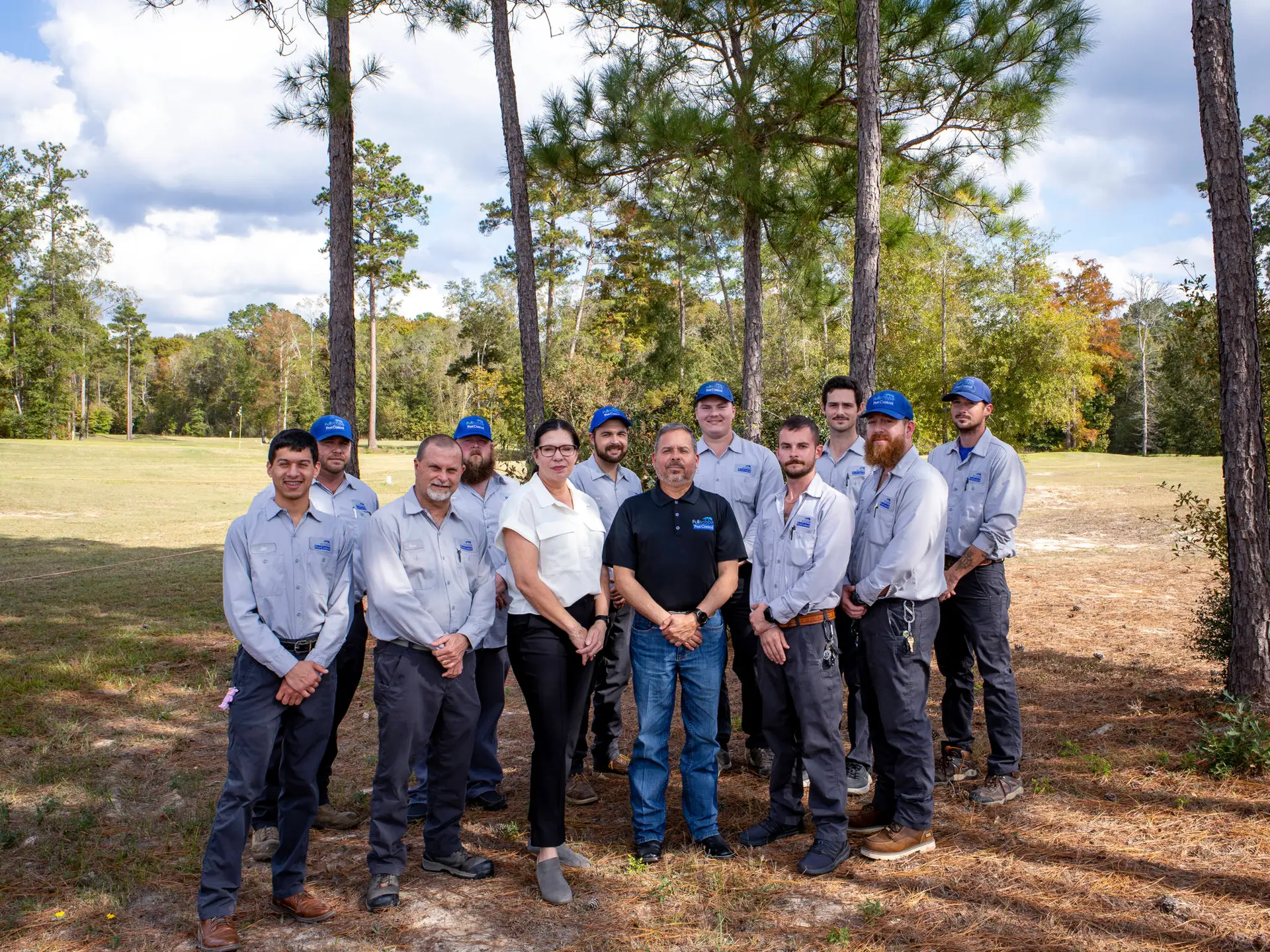
Termites may seem like a minor, inconsequential nuisance. However, realizing the threats emanating from them in their full magnitude is a very cardinal thing for homeowners and anyone dealing with property management. Let’s talk termite terror—from structural nightmares to potential health scares. But fear not; proven termite control methods are ready to protect you. This blog post discusses termite defense and provides tips for keeping these pests out of your way right from the start. The Structural Threat Posed by Termites Termites feed on wood with cellulose in proportion; they eat in large numbers and may, therefore, greatly damage the structure of buildings and houses. The very structure of wooden beams and the foundation of such pests will likely weaken, leading to safety hazards and possible catastrophes. Regular inspections remain key to finding termite activity before they cause too much damage. Identifying early signs, such as mud tubes on the outside and wood that sounds hollow when tapped, will save the property owner from expensive repairs. Health Risks Associated with Termites Termites may indirectly affect human health by producing allergens. If you have asthma or are allergy-prone, airborne remnants from rotting wood could be your unseen enemy—sparking unwanted sneeze-fests and breathless moments without warning. An added risk is that the moisture from the termites entering the building might also bring mold growth and, hence, further respiratory problems for the building’s occupants. If mold makes its way inside, be ready for it to kick up some major health issues like nasty allergic reactions and trouble catching a breath. Psychological and Financial Impact Living with a termite infestation is highly stressful. For many, daily life now includes the extra burden of anxiety and stress. On top of that, uncertainty looms large, with a common understanding that parasites are no small threat. Termites cause damage, and according to it, their financial impact is huge, not only for repairing the structural damage themselves but in every effort amount needed for pest control. Such expenses have to be borne by homeowners and property managers. Prevention and Termite Control Strategies Preventative Measures The major recommendation includes keeping a dry condition around properties. Proper landscaping, the provision of adequate ventilation, and the control of moisture all assist in the prevention of termites. The other way includes the use of physical barriers and chemical barriers to keep away from termites. Role of Professional Services But when preventive methods have proven futile, the resource will have to be had by bringing in professional pest control services. They’re all about using less harmful treatments against termites—targeting specific problem areas and managing the overall situation—to protect your pad. Conclusion Termites can cause real damage to your property and indirectly pose health risks from allergens and mold. Staying ahead of the game with regular check-ups and smart actions is your best bet to avoid those nasty surprises. For expert help with termite infestation and to ensure your property is protected, consider contacting Fullscope Pest Control. Lean on our experienced crew for top-notch pest management solutions to let you breathe easily again. Drop us a line to find out how we make your house safe and free from termites.
FullScope Termite Treatment, Pest Control & Exterminator Service | FullScope
Key Highlights Introduction Welcome to FullScope Termite Treatment, Pest Control & Exterminator Service, your one-stop solution for all your pest control needs. We are a professional pest management company with years of experience in the industry, providing top-notch service to residential and commercial properties. Our team of certified exterminators is dedicated to delivering effective and customized pest control solutions to help you get rid of pests and keep your property pest-free. At FullScope, we understand the importance of a pest-free environment for the health and safety of your home or business. That’s why we offer comprehensive pest management solutions that target a wide range of pests, including ants, fire ants, termites, mosquitoes, cockroaches, wasps, spiders, fleas, rodents, and ticks. Our goal is to provide you with peace of mind by eliminating pests and preventing future infestations. Discover the FullScope Difference: Why Choose Our Termite Treatment, Pest Control & Exterminator Services When it comes to termite treatment, pest control, and exterminator services, FullScope stands out from the competition. We pride ourselves on offering comprehensive pest management solutions that address all your pest control needs. One of the key factors that sets us apart is our commitment to using advanced termite treatment techniques. Termites can cause significant damage to your property if left untreated, which is why we employ innovative and effective methods to eliminate termite infestations. Our certified exterminators are trained in the latest termite treatment technologies and can develop a customized treatment plan tailored to your specific needs. In addition to our advanced termite treatment techniques, we also prioritize eco-friendly and safe pest control measures. We understand the importance of protecting the environment and the health and safety of our customers. That’s why we use eco-friendly products and practices that are safe for your family and pets, while still effectively eliminating pests. Our team of certified exterminators is another reason to choose FullScope for your pest control needs. With years of experience in the industry, our exterminators have the knowledge and expertise to handle all types of pest infestations. They undergo regular training and stay up-to-date with the latest pest control techniques to ensure the best possible service for our customers. At FullScope, we believe in providing personalized service to our customers. We understand that every pest problem is unique, and that’s why we offer customized pest control plans to fit your specific needs. Whether you need a one-time treatment or ongoing pest control services, we can develop a plan that works for you. Our goal is to ensure your satisfaction with our service and provide you with long-term pest control solutions. 1. Comprehensive Pest Management Solutions FullScope Termite Treatment, Pest Control & Exterminator Service offers comprehensive pest management solutions for a wide range of pests. No matter what type of pest you’re dealing with, our team of certified exterminators has the expertise to effectively eliminate the infestation and prevent future problems. Our pest management solutions are tailored to address the specific needs of each customer. Whether you’re dealing with ants, termites, mosquitoes, cockroaches, wasps, spiders, fleas, rodents, or ticks, we have the knowledge and tools to handle the situation. We conduct a thorough inspection of your property to identify the type of pest and the extent of the infestation. Based on our findings, we develop a customized treatment plan that targets the pest and eliminates it from your property, including comprehensive coverage for millipedes. Our comprehensive pest management solutions not only eliminate pests but also focus on preventing future infestations. We take proactive measures to identify and address any potential pest entry points to ensure that your property remains pest-free in the long run. With FullScope, you can trust that your pest problem will be taken care of effectively and efficiently. 2. Advanced Termite Treatment Techniques Termites can cause significant damage to your property if left unchecked. At FullScope Termite Treatment, Pest Control & Exterminator Service, we specialize in advanced termite treatment techniques to eliminate termites and protect your home or business. Our certified exterminators are trained in the latest termite treatment technologies and stay up-to-date with industry best practices. We conduct a thorough inspection of your property to identify any signs of termite infestation and determine the best course of action. Based on our findings, we develop a customized treatment plan that targets the termites and eliminates them from your property. Our advanced termite treatment techniques are designed to be highly effective and efficient. We use a combination of liquid termiticides, baiting systems, and barrier treatments to ensure thorough termite control. Our goal is to not only eliminate the existing termite infestation but also prevent future infestations from occurring. With FullScope’s advanced termite treatment techniques, you can trust that your property will be protected from the damaging effects of termites. Our team of certified exterminators is dedicated to providing you with the highest level of service and ensuring your satisfaction with our termite treatment solutions. 3. Eco-Friendly and Safe Pest Control Measures At FullScope Termite Treatment, Pest Control & Exterminator Service, we prioritize eco-friendly and safe pest control measures. We understand the importance of protecting the environment and the health and safety of our customers. When it comes to pest control, we believe that it’s possible to effectively eliminate pests without compromising the well-being of your family or pets. That’s why we use eco-friendly products and practices that are safe for your home and the environment. Our certified exterminators are trained in the proper use of these eco-friendly products to ensure maximum effectiveness and safety. When searching for pest removal services, it’s important to ask about treatment methods and IPM practices. The best companies use EPA-approved Integrated Pest Management (IPM) practices, ensuring a safe and effective solution for your pest problems. Our eco-friendly pest control measures include the use of non-toxic baits, natural repellents, and targeted treatments that minimize the impact on the environment. We also focus on preventive measures to reduce the need for chemical treatments. By implementing integrated pest management strategies, homeowners can effectively control