1500+ reviews


A homeowner may notice no insects at all, yet find small dark pellets behind a pantry shelf while reorganizing. Is that an old problem, evidence of current activity, or something unrelated to pests? Without an inspection, those possibilities are easy to confuse. Many infestations develop in places that ordinary cleaning and daily routines never expose.
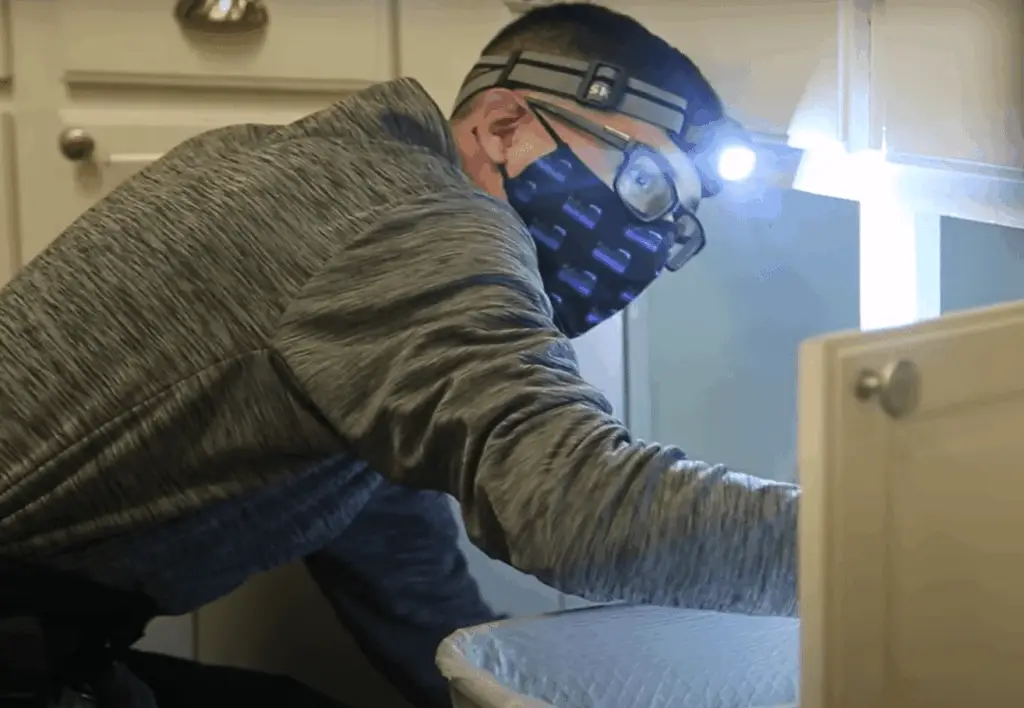
Professional pest inspections examine the clues around a property before visible activity becomes widespread. Our technicians assess accessible spaces, identify likely species, and explain which conditions deserve correction. The goal is not to claim every home hides an infestation. It is to establish what the evidence actually shows so owners can make informed decisions.
Early Clues Often Appear Away From Living Areas
Pests use concealed spaces for protection, nesting, and travel. A mouse may move along an attic edge rather than crossing an open hallway. Cockroaches can remain behind appliances, while termites may feed within wood or protected structural connections. Each species leaves different evidence, making accurate identification essential.
Our inspections may uncover:
- Droppings: Their size, shape, location, and apparent age help guide investigation of possible rodents or insects.
- Shed skins: Cast insect coverings can indicate development in a nearby harborage.
- Gnaw marks: Damage to stored goods or accessible materials may reveal rodent feeding and movement.
- Termite evidence: Mud tubes, pellets, or suspicious wood changes can warrant specialized evaluation.
- Repeated moisture: Leaks or damp soil may support pest activity even before insects are seen.
A single mark is not enough to establish the extent of an infestation. Droppings can remain after an earlier incident, and water damage may resemble some forms of insect damage. We consider surrounding conditions and seek current evidence rather than recommending treatment solely on suspicion.
Our article on professional pest help explains why recurring signs often point beyond the visible insect. Inspections help connect apparently unrelated clues and identify where a more focused search is warranted.
Building Openings Reveal How Activity Could Spread
A pest problem often involves the relationship between the structure and its surroundings. Door seals deteriorate, utility work creates gaps, and landscaping changes the shelter available near exterior walls. Inspectors evaluate these features in context rather than assuming every opening is actively being used.
A property assessment can include:
- Door and garage transitions: Worn seals may allow crawling insects or rodents to enter sheltered spaces.
- Roofline details: Vent screening and soffit connections can reveal routes into attics.
- Utility penetrations: Pipe and cable gaps may link outdoor access with concealed interior cavities.
- Landscape borders: Dense vegetation, accumulated debris, and irrigation can affect pest pressure near foundations.
- Storage conditions: Crowded shelves or poorly protected food may provide shelter and resources.
Evidence near an opening matters as much as the opening itself. Fresh droppings, rubbed surfaces, or repeated insect movement can help establish whether a route is active. These findings also inform whether pest treatment, exclusion work, or a separate building repair should come first.
Homeowners should understand the scope of their appointment. A general pest inspection is different from a dedicated wood-destroying insect report or a structural engineering assessment. We explain what was accessible, what was identified, and whether another specialist should review suspected damage.
Documentation Turns an Inspection Into Prevention
A good inspection produces more than a list of possible pests. It creates a useful baseline for future comparisons. When seasons change, or new activity appears, earlier findings can show whether a concern is developing in an established trouble spot or represents a separate problem.
Our recommendations may include:
- Confirmed identification: Knowing the species guides appropriate treatment rather than guesswork.
- Priority areas: Documenting active locations helps focus attention on the most relevant spaces.
- Corrective maintenance: Moisture, food storage, and building gaps may require practical improvements.
- Targeted treatment: Applications are recommended where evidence and site conditions justify them.
- Follow-up checks: Later visits can show whether activity has changed after service or repairs.
Our guide to year-round pest protection describes why conditions around Texas properties continue changing through heat, rain, and cooler weather. A record of earlier observations makes it easier to adjust prevention instead of repeating the same approach at every appointment.
Not every visit requires applying pesticides. Sometimes an inspection finds no active population and the most helpful next step is monitoring a vulnerable area or correcting a maintenance issue. At other times, fresh termite evidence or repeated rodent signs justify a specialized service plan.
A professional inspection cannot reveal every concealed cavity without opening finished materials, and it cannot promise that pests will never arrive. Its value lies in honest documentation, appropriate recommendations, and a clearer understanding of what needs attention before problems become more disruptive.
Learn What Your Property Is Telling You
If you have noticed unexplained signs or want to assess vulnerable areas, contact Fullscope Pest Control for a professional inspection. We can review accessible evidence, discuss findings, and recommend next steps suited to your property.