1500+ reviews

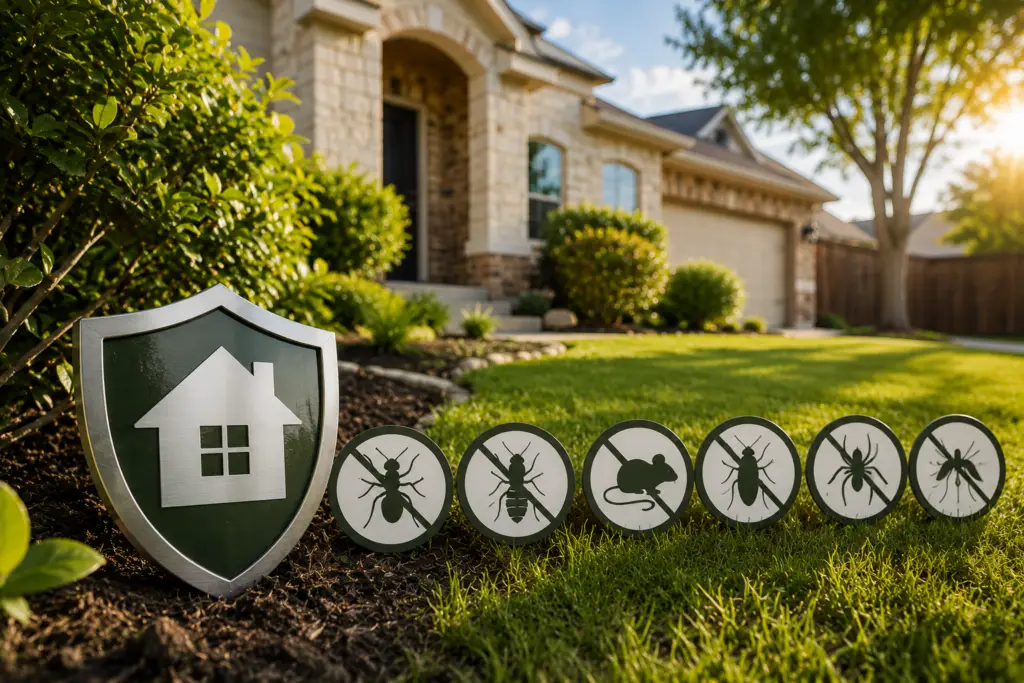
Texas homes face pest pressure in every season. Warm winters, humid springs, intense summer heat, heavy rainfall, and sudden temperature changes can keep insects and rodents active longer than homeowners expect. Ants, cockroaches, spiders, mosquitoes, fleas, ticks, termites, wasps, bed bugs, mice, and rats may become more noticeable at different times, but the conditions supporting them rarely disappear completely.
Year-round pest control provides continuity. Instead of waiting for a visible infestation, professionals inspect changing conditions, reinforce exterior protection, monitor known hotspots, and adjust treatment as weather and pest behavior shift. This keeps service focused on prevention while allowing a faster response when new activity appears.
Seasonal Changes Create Different Pest Pressures
Texas weather changes how pests search for food, water, and shelter. Spring moisture may increase ants and termites. Summer heat can drive cockroaches and rodents toward cooler indoor areas while mosquitoes develop around standing water. Fall and winter often bring more rodent pressure around attics, garages, and utility openings.
Seasonal warning signs include:
- Ant trails forming near kitchens, bathrooms, patios, or foundation edges
- Mosquito activity increasing around irrigation, gutters, and shaded vegetation
- Cockroaches appearing near drains, appliances, garages, or damp storage
- Rodent sounds, droppings, or gnawing near rooflines and utility areas
- Spider webs and wasp activity returning around eaves and exterior lights
A recurring plan allows technicians to compare these patterns across the year instead of treating each sighting as an unrelated event.
Professional Service Reaches Beyond Visible Activity
Many pests remain concealed in wall voids, attics, soil, drains, crawl spaces, furniture, or exterior harborages. Surface treatment may reduce what is visible without reaching colonies, nests, eggs, or entry routes. The limits of DIY pest control are especially clear when activity returns after a short period.
Professionals inspect both indoor and outdoor conditions before deciding where treatment belongs. They may trace ant trails, evaluate moisture, check rodent access, inspect termite risk, identify mosquito breeding water, or review spider and wasp activity around the structure.
This evidence-based process reduces unnecessary application and helps treatment match the pest’s biology. It also provides clearer preparation, drying, reentry, and pet-friendly guidance for the household.
Exterior Prevention Reduces Indoor Infestations
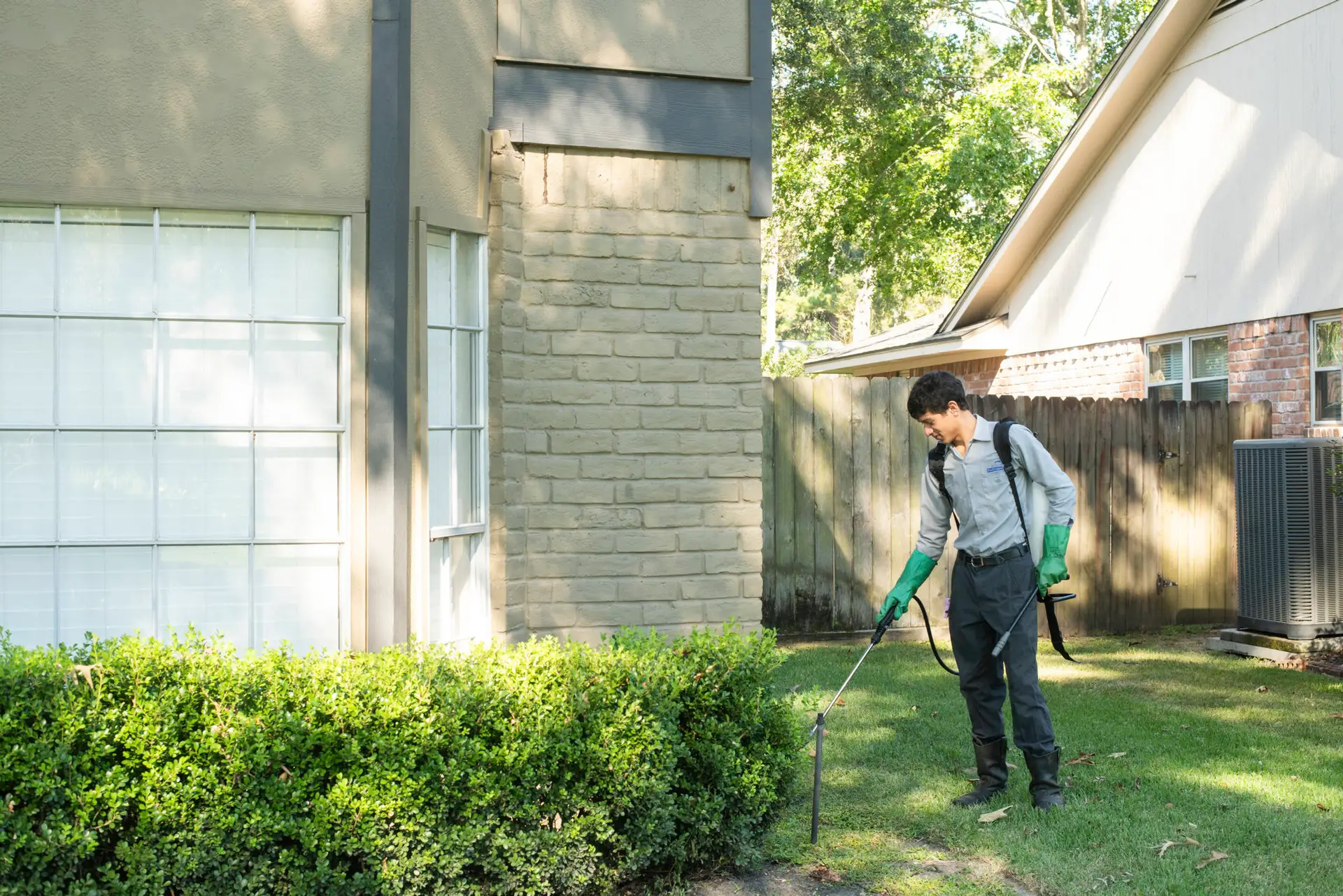
Most indoor pest problems begin outside. Cracks, door gaps, damaged screens, roofline openings, utility penetrations, landscaping, mulch, standing water, and stored materials can all support movement toward the home. Year-round service keeps these transition zones under regular review.
A professional prevention plan may include:
- Treating confirmed foundation and perimeter activity zones
- Removing accessible webs and wasp nests where appropriate
- Monitoring rodent routes around garages, attics, and exterior walls
- Recommending repairs around vents, doors, windows, and utility lines
- Reviewing moisture, drainage, vegetation, and outdoor storage conditions
Exterior barriers are affected by heat, rain, irrigation, construction, and normal building wear. Scheduled visits allow technicians to reinforce protection where evidence shows it has weakened rather than applying the same response everywhere.
Ongoing Monitoring Protects More Than Homes
The same year-round principles used in residential service also apply to warehouse pest planning. Commercial properties rely on regular inspection because loading areas, stored goods, drains, waste zones, and frequently opened doors can create recurring access. Homes have their own versions of these risks through garages, deliveries, pet areas, attics, and storage rooms.
Monitoring creates a service history. Technicians can record where activity occurred, which treatments were used, whether entry points were repaired, and how conditions changed between visits. This helps distinguish new pressure from an unresolved source.
Follow-up may also identify termites, rodents, fleas, ticks, mosquitoes, bed bugs, or German cockroaches that require a more specialized plan than general household pest service. Early identification keeps the response focused before activity spreads.
Consistent Care Supports Long-Term Protection
One-time treatment can be appropriate for an isolated problem, but it cannot account for every seasonal change that follows. Rain may create new mosquito water, summer heat can increase cockroach and ant pressure, and cooler weather may send rodents toward shelter. Landscaping grows, seals deteriorate, and moisture problems can develop between visits.
Long-term pest control may involve quarterly service, interior treatment when needed, exterior perimeter protection, web and accessible wasp-nest removal, flea-and-tick yard coverage, termite monitoring, or specialized mosquito and rodent programs. The exact plan should reflect the property, pest history, and current evidence.
Consistent care also improves efficiency. Technicians already familiar with the home can recognize changes faster and adjust treatment without restarting the entire investigation. Free re-service between scheduled visits, where included in the plan, provides added support when covered pests return unexpectedly.
Texas homes remain exposed to pest pressure throughout the year because weather, moisture, shelter, and surrounding landscapes continue to change. A professional program does not promise that pests will never approach the property. It creates a structured defense that identifies risks early, treats confirmed activity, and adapts before small concerns become larger infestations.
Keep Every Season From Opening The Door To Pests
Contact Fullscope Pest Control for professional inspection, customized pest control, exterior prevention, specialized services, and dependable year-round follow-up.