1500+ reviews


A dog settles onto the living room rug after an evening walk, and someone notices another tiny insect jumping near its paws. It is winter in Southeast Texas, so why are fleas still appearing? The answer often lies indoors, where heating, pets, and protected resting places can support flea activity even when outdoor conditions become less favorable.
A winter flea problem does not necessarily mean a new infestation has just arrived. Eggs and developing fleas may already be present in the home. Our technicians look at the animal’s routine, where flea activity has been noticed, and which areas need attention before recommending treatment.

Heated Rooms Can Support More Than Adult Fleas
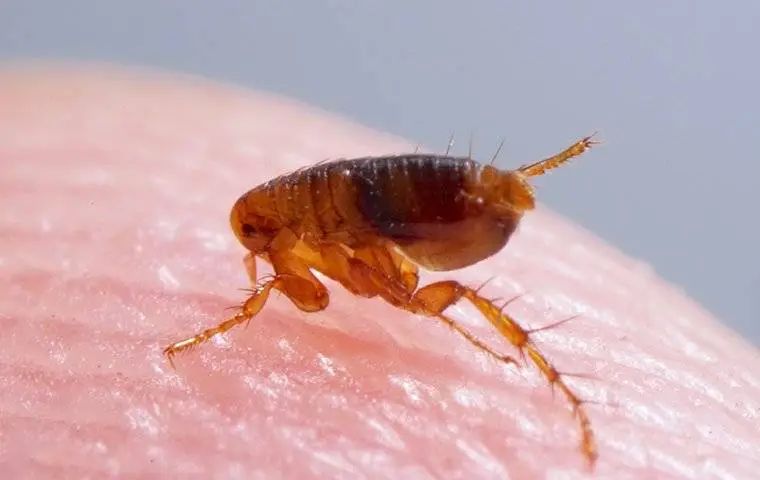
Fleas do not spend their entire life on a pet. Adults typically feed on an animal, while eggs fall into the surrounding environment. Larvae develop in protected locations, and pupae can remain in cocoons before emerging. This lifecycle helps explain why a warm house may experience recurring sightings despite cooler weather outside.
Several indoor conditions can contribute:
- Pet bedding: Frequently used blankets and cushions can collect eggs and other flea-related debris.
- Rugs and carpets: Fibers offer protected locations where immature stages may develop.
- Upholstered furniture: Areas where pets rest can accumulate material that is easily overlooked.
- Stable temperatures: Heated rooms may continue supporting flea development during winter.
- Regular animal movement: Pets can carry feeding adults between resting areas and rooms.
A flea that jumps onto someone’s ankle is only the visible part of a potentially wider problem. Finding adults does not reveal how many immature stages remain in nearby materials. Conversely, itching alone cannot confirm fleas, since pets can develop irritation for other reasons.
Our article on flea treatment timing explains why adult fleas may decline before the household environment is fully controlled. Identifying the different stages helps homeowners understand why winter warmth can prolong a problem instead of ending it.
Treating the House and Caring for Pets Are Separate Jobs
When fleas persist, it is tempting to assume that an application to the carpet should solve everything. However, adult fleas continue using suitable animal hosts, while eggs, larvae, and pupae occupy the surrounding environment. Successful management often requires coordination between professional premises treatment and veterinary-approved flea prevention for every affected pet.
Our inspection may consider:
- Confirmed identification: Other small jumping insects can be mistaken for fleas without closer examination.
- Resting locations: Bedrooms, furniture, and pet areas help reveal where environmental stages may collect.
- Treatment history: Earlier applications and their timing influence what follow-up may be appropriate.
- Occupant precautions: Children, pets, and regularly used rooms affect treatment placement and reentry instructions.
- Outdoor connections: Shaded yards and animal activity may contribute to repeated exposure when conditions allow.
Professional flea treatment addresses the property, not the animal’s medical needs. A veterinarian should recommend appropriate products based on the pet’s species, age, and health. Products intended for dogs must never be assumed suitable for cats.
Indoor applications should follow product labels and the technician’s preparation and reentry directions. We explain those requirements instead of describing any insecticide as completely harmless. A home may also need careful ongoing cleaning and monitoring, coordinated with the treatment plan rather than used as a substitute for it.
Winter Follow-Up Helps Explain New Sightings
Flea pupae may be protected within cocoons, and some adults can emerge after an initial treatment. As a result, a few later sightings do not always indicate that the original service was ineffective. The pattern, timing, and quantity of activity matter more than one isolated observation.
A follow-up review can address:
- Emerging adults: New sightings are compared with the expected flea development cycle.
- Treatment response: Activity in previously affected rooms helps determine whether control is progressing.
- Pet routines: Continued exposure on animals may affect how quickly the household improves.
- Environmental hotspots: Under furniture and near resting areas may need additional assessment.
- Further service: Persistent activity may justify targeted treatment or a revised plan.
Our guide to pet flea prevention describes how animals can bring fleas into household environments and why indoor and outdoor conditions need consideration together. Although it discusses spring, pet movement and concealed flea stages remain relevant during winter.
Southeast Texas winters are variable, and protected outdoor sites may remain suitable during mild periods. But a flea infestation can continue entirely within a heated home once suitable hosts and developmental locations are available. The most useful response is therefore based on evidence, not the assumption that lower temperatures will interrupt reproduction.
Our team considers where fleas are appearing, whether pets have appropriate veterinary protection, and which treatment precautions apply. This coordinated approach helps reduce recurring activity without making unrealistic promises about how quickly every concealed stage will disappear.
Keep Winter Comfort Without the Fleas
If fleas keep appearing around pet bedding or living spaces, contact Fullscope Pest Control for a professional assessment. We can examine the property, explain suitable treatment options, and recommend appropriate monitoring.