1500+ reviews

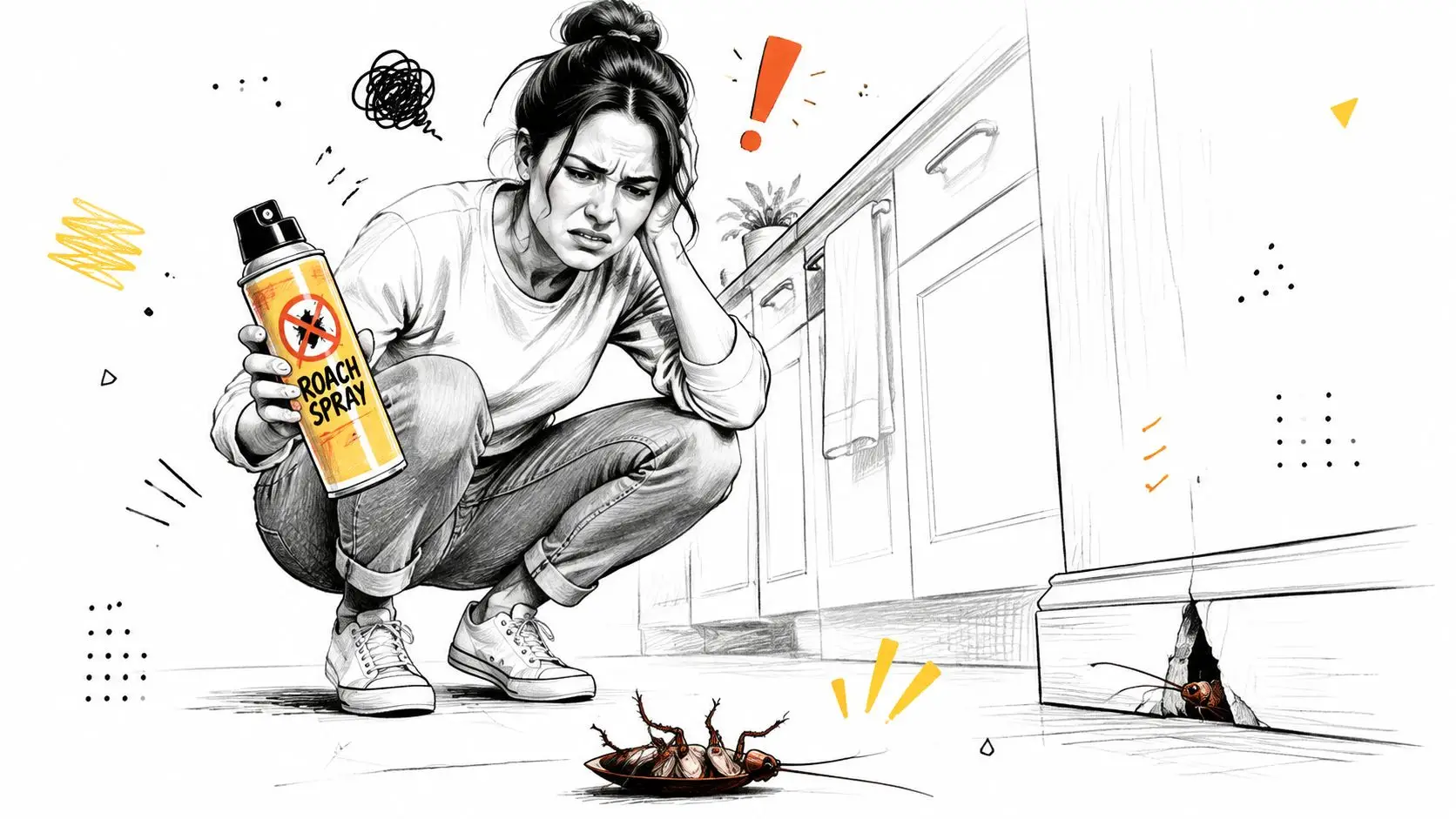
You've got the same problem a lot of Southeast Texas homeowners run into. The spray gets rid of what you see, the dead roach gets swept up, and then a week later something else is skittering across the kitchen floor, or you hear scratching in the attic after dark.
That loop is exactly why exclusion pest control matters. Instead of only killing pests after they're already inside, exclusion focuses on blocking entry, sealing cracks, screening openings, and fixing the exterior conditions that keep inviting pests back in. In places like Magnolia, where heat, humidity, and shifting building materials all work against tight seals, that difference changes the long-term math.
If you want the plain-English version of the concept, this overview of exclusion is a good starting point. The practical version is what follows, the walk-around, the materials that hold up, and the point where a homeowner's weekend project stops being enough.
What Exclusion Pest Control Actually Means
Most homeowners meet pest control through the same routine, a can of spray, a visible dead bug, and then the same activity a few days later. That's reactive control. Exclusion pest control is different because it treats the house like a structure that can be defended, not just a place where pests are cleaned up after they get in.
The core idea behind exclusion
The logic is simple. If a mouse, roach, or ant can enter through a gap, the house keeps serving as shelter no matter how often the interior gets sprayed. Exclusion changes that by physically closing off the route of entry, which is why it pairs so well with inspection and maintenance instead of standing alone as a quick fix.
That approach is already familiar in the trade. In a Cornell summary of a 2016 to 2017 SCOPE and Pest Cemetery survey, 89% of respondents said exclusion is a valuable part of their work, and 70% reported using some form of exclusion to block harborage and passageways indoors. The same survey found 84% use exclusion to control rodents inside buildings, while only 30% use it to keep cockroaches out, which shows how strongly the method is tied to rodent work and how unevenly it gets applied across pest types. Cornell's summary of the survey also notes common adoption barriers, including training, materials, and customer willingness to pay.
Practical rule: If the house still offers a path in, the pest problem isn't finished, it's only been interrupted.
What this article focuses on
The useful part for a homeowner is not the theory. It's the inspection walk, the gaps that matter, the materials that last in humid weather, and the signs that say the job has outgrown a DIY repair. In Southeast Texas, that matters because door frames swell, sealants age unevenly, and rodent pressure doesn't wait for a convenient weekend.
A sealed house doesn't mean a pest-free life forever. It means you stop feeding the same entry points every season. That's the kind of change that makes exclusion worth the effort.
The Walk Around Inspection That Finds the Gaps
Start outside. Not with a shopping cart, not with foam, and not with the attic ladder. Start with a slow perimeter walk in daylight, because most of the useful entry points are visible if you know what to look for and you don't rush past them.
Walk the perimeter first
Look where utility lines enter the wall, where siding meets the slab, and where concrete has pulled away from the house. Check the garage door perimeter and every exterior door, especially the bottom seal and the side weatherstripping. In humid Southeast Texas, those soft materials change shape, and a gap that looked fine in spring can open up by late summer.
Then move upward. Roofline openings, soffit vents, fascia seams, and chimney gaps all deserve attention because pests don't need a dramatic opening, they need a usable one. The National Park Service rodent exclusion manual treats 1/4 inch or larger as the threshold for sealing holes, cracks, and gaps, and that's a useful rule of thumb because it forces you to stop guessing and start measuring. The NPS rodent exclusion manual also reinforces vent protection with physical barriers, not just patching.
Any opening you can work a pencil into deserves a second look, and anything around that size is worth treating as a real entry point.
Don't skip the indoor checkpoints
Inside, check under the kitchen sink, behind the dishwasher, around the laundry drain, and where the HVAC condensate line exits the house. Those spots are easy to ignore because they're tucked behind appliances or low to the floor, but they're exactly where small gaps hide. If you've seen droppings, grease marks, or shredded nesting material, write down the exact location instead of just mentally noting it.
Keep the list simple. Write the location, the size or type of opening, and whether it's an exterior gap, a utility penetration, or a roofline issue. That list becomes your shopping plan, and if you end up calling a technician, it also gives them a clean starting point instead of a vague “we've got pests somewhere” description.
Materials and Techniques Matched to Each Pest
The mistake most homeowners make is buying one product and hoping it fits every opening. It doesn't. A gap around a pipe, a vent opening, and a loose door sweep all need different fixes, and in a hot, wet climate the wrong material usually fails first where it gets the most movement.
Build the repair around the pest
For small rodent gaps, the usual workhorse is steel wool or copper mesh packed tightly into the opening, then held in place with exterior-grade caulk or sealant. The mesh gives the barrier its chew resistance, and the sealant keeps it from working loose. That's a good fit for narrow voids, but it's the wrong choice for large moving gaps or spots that need to stay serviceable for future access.
For vents and crawl-space openings, use 1/4-inch hardware cloth or smaller. The mesh size matters because it allows airflow while keeping pests out, and that's exactly why it's used on protected openings. For roofline access, chimney caps and screened vent covers do more than spray ever will because they close the route entirely.
If the problem is a door, use a properly fitted door sweep and weatherstripping. If the issue is roaches slipping through a loose threshold or a warped frame, the seal at the bottom edge matters more than a broad interior treatment. Fine mesh over attic vents helps with stinging insects, while larger utility penetrations sometimes need gap foam before a harder outer seal goes in, especially if the opening has to stay accessible for servicing.
The shop list can be short if you shop smart. One tight repair kit covers most homes.
| Pest | Primary Material | Mesh or Gap Size | Technique |
|---|---|---|---|
| Mice | Copper mesh, steel wool | Around 1/4 inch gaps | Pack tightly, then seal over it |
| Rats | Heavy-gauge screen, chimney cap | Larger exterior openings | Screen the opening and block climbing access |
| Roaches | Weatherstripping, door seals | Door and threshold gaps | Close the bottom edge and side leaks |
| Stinging insects | Fine mesh | Vented openings | Screen vents without blocking airflow |
| Utility penetrations | Gap foam, sealant | Serviceable larger voids | Fill, then finish with a durable exterior seal |
For a fuller repair approach, this pest-proofing guide lays out how exclusion ties into broader home protection.
Safety note: Don't climb onto a roof or crawl into an attic if the footing is questionable, and don't seal around a service panel until you know exactly what's behind it. Electricians and HVAC techs need access too.
When DIY Exclusion Stops Making Sense
A weekend of caulk and mesh solves a lot of small problems. It stops making sense when the house is telling you the issue is bigger than visible trim gaps and threshold leaks.
The red flags that mean it's time to stop
If the gaps are above single-story height, the work becomes less about materials and more about access, safety, and inspection quality. Roofline openings, attic activity, and repeated signs of rodents after repairs are all strong signs that the entry points are either hidden or multiplying faster than a homeowner can catch them. Structural gaps around foundations or crawl spaces are another line you don't want to cross casually, because those areas often hide multiple paths instead of one obvious hole.
Wildlife changes the equation completely. If you're seeing anything larger than a mouse, DIY exclusion turns into a different job, and the risk of injury or partial closure goes up fast. That's when the work shifts from patching to proper exclusion planning, which is where pros earn their keep.
Time, tools, and the real trade-off
The question is whether you want to spend a Saturday afternoon sealing visible gaps, then repeat the same hunt next season, or whether you want a technician to inspect the full structure and target the places you can't safely reach. On paper, DIY feels cheaper. In practice, repeated callbacks, half-fixed entry points, and missed roofline openings often cost more in time than the first estimate would have suggested.
If you're also dealing with a building envelope problem, a related trade-off shows up in other trades too. For example, a resource like gutter repairs in Walkinstown is useful because it reflects the same principle, fix the structural path first, not just the symptom. Pest work follows that same logic.
For a homeowner who's already had a few failed attempts, this warning about DIY pest control gone wrong is worth reading before the next round of repairs. If the infestation keeps returning after sealing, the problem is probably bigger than a single gap.
What a FullScope Exclusion Service Actually Includes
A real exclusion visit should feel like a structure check, not a quick spray-and-go appointment. The work starts with inspection of the full exterior, including the roofline and crawl space where accessible, because those are common places for hidden entry points and maintenance issues to stack up.

What the service should produce
A proper exclusion service should leave you with a written list of entry points and recommended repairs, not just a generic treatment note. The actual sealing work should use professional-grade materials and techniques that fit north Houston construction, where mixed siding, slab interfaces, utility penetrations, and older additions can create awkward problem spots. That matters because a quick bead of caulk is not the same as a barrier designed to stay in place and still allow future access when needed.
FullScope Pest Control is one local option that advertises exclusion and rodent work alongside broader pest services, with service locations in Cleveland, Kingwood, Conroe, and Porter. That local footprint matters for recurring follow-up because a service route built around nearby communities can keep response times practical for homeowners in and around Magnolia, Montgomery, and the rest of the north Houston corridor.
Why the service model matters
A good exclusion program shouldn't stop at one repair visit. It should include follow-up monitoring and maintenance aligned to the pest pressure on the property, because entry points can reopen and new ones can form as buildings shift and seals age. That's especially relevant in humid climates, where small changes in frame alignment can undo an otherwise solid repair.
QualityPro-certified technicians and integrated pest management training are relevant here because exclusion works best when the technician understands both the structure and the pest behavior. Low-toxicity options also matter in homes with kids and pets, since the point of exclusion is to lean on physical barriers first and reduce unnecessary chemical dependence.
A helpful comparison from another trade is reliable concrete repair for Atlanta homes. Concrete cracks, like pest entry points, often need a structural fix instead of a surface patch, and the same mindset applies here.
The outcome is simple. Exclusion plus scheduled barrier treatments is what helps stop recurring household infestations, not spraying alone. That's the difference between a temporary pause and a house that truly stops inviting pests back in.
Local Timing and Magnolia-Area Service Considerations
Magnolia isn't a big metro market, and that matters. The U.S. Census Bureau's 2020 census reported 2,359 residents and about 4.0 square miles of land area, which means service planning here works differently than in a dense urban core. Magnolia's census geography also places it in Montgomery County, northwest of Houston, so response routes naturally line up with north Houston communities rather than the coastal side of the region.
Seasonal pressure changes the schedule
Spring is when termite swarmers show up and ants and roaches start pushing in with the warming soil. Summer humidity drives roaches and silverfish deeper into homes, especially around kitchens, baths, and laundry areas. Early fall is when rodent pressure usually starts showing up more clearly in attics, garages, and utility runs as animals look for warm shelter before cooler weather settles in.
That's why reinspection matters. A long-term mouse exclusion trial found infestation dropped to 2% after 12 months with treatment, baiting, and exclusion, compared with 44% in the untreated control, but activity rebounded from 12 to 18 months as colder winter temperatures changed pressure on the structure. The long-term exclusion trial is a useful reminder that exclusion isn't permanent without seasonal upkeep.
A Magnolia homeowner checklist
- Spring: Check slab gaps, door seals, and attic vents before swarm season builds.
- Summer: Reinspect kitchen, bath, and laundry penetrations after long humid stretches.
- Early fall: Look hard at the roofline, garage door, and attic access for rodent pressure.
- After storms or repairs: Recheck any area where trim, siding, or utility access changed.
- Before scheduling service: Gather your gap list so the technician can prioritize entry points.
If you live in Magnolia or the nearby north Houston communities, the best time to act is before the seasonal pressure peaks. A tight house in April can still need another inspection by fall, and that's normal maintenance, not failure.
If you're in Magnolia or anywhere in the north Houston service area and you're tired of sealing the same gaps twice, schedule a full exclusion inspection with a local technician who can check the roofline, crawl space, and utility penetrations in one visit, then give you a repair plan that matches the actual structure instead of just the visible pests.