1500+ reviews

You step outside in the early morning to water a plant, let the dog out, or drink coffee on the patio, and within minutes your ankles and arms are lit up. By evening it happens again. You don't hear a buzz. You barely see anything flying. You just feel the bites.
That's the classic Southeast Texas no-see-um problem. In Magnolia and across the north Houston area, these pests thrive anywhere moisture hangs around, air stays still, and landscaping holds humidity close to the ground. A lot of homeowners waste time on the wrong fixes because no-see-ums don't respond the same way bigger flying pests do.
Good no see ums control isn't one product. It's a layered plan. You correct the habitat that lets them build up, block them physically where people live and gather, and use targeted treatments where they rest and move. If you skip the moisture side of the problem, the bites keep coming back.
Understanding the Enemy and Its Weaknesses
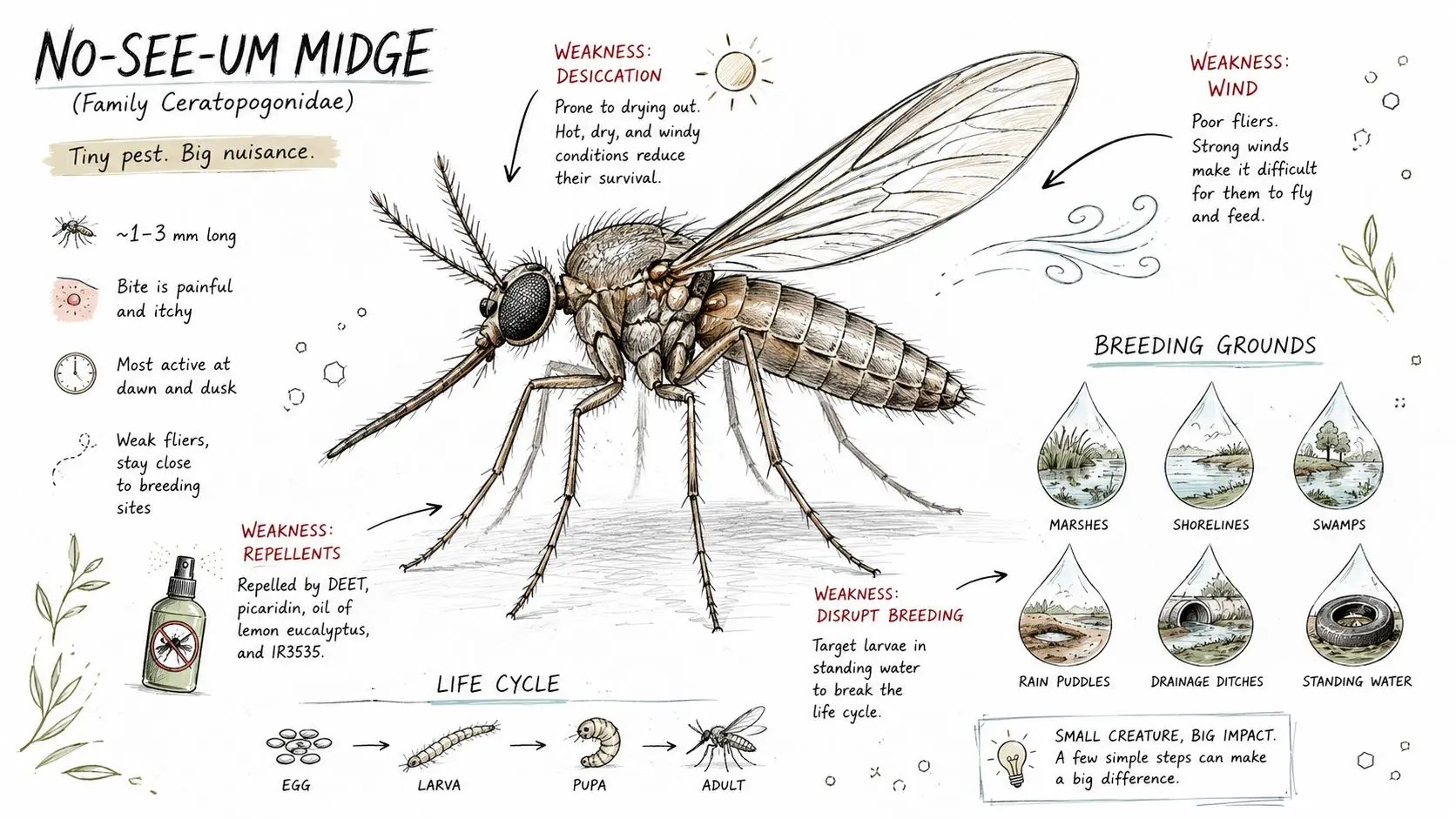
No-see-ums frustrate homeowners because the insect is easy to miss and the pattern is easy to misread. People often call them gnats until the biting starts. In Southeast Texas, that mistake matters because control gets easier once you understand what these midges depend on here: wet organic material, protected resting spots, and still, humid air close to the ground.
They are biting midges in the Ceratopogonidae family. Texas A&M AgriLife explains that many species develop in wet soil, mud, decaying vegetation, and other moisture-heavy sites, which is why our local combination of clay soil, irrigation, thick beds, and Gulf humidity keeps pressure high around homes that stay damp near the surface (Texas A&M AgriLife on biting midges). That local moisture piece gets missed in a lot of national advice. Around Magnolia and the north Houston area, the yard does not have to look flooded to support them. It just has to stay damp enough long enough at the soil line.
When they bite most
Biting pressure is usually worst in low-light periods. Early morning and late evening are the windows I tell homeowners to respect first, especially after rain, irrigation, or a stretch of heavy humidity. If the yard is shaded and air movement is poor, activity can hang on longer than people expect.
That timing explains why the bites seem random at first. They are often tied to routines. Letting the dog out at sunrise, watering beds before work, or sitting on the patio right before dark puts you outside when these pests are most active.
A few practical adjustments cut exposure fast:
- Shift outdoor chores: Water, weed, and do bed work in brighter, drier parts of the day when possible.
- Watch the edges of shade: Fence lines, tree cover, and dense shrubs stay active longer than open lawn.
- Pay attention after rain or irrigation: In our climate, one wet evening can be enough to make a patio miserable the next morning.
Where they struggle
No-see-ums are poor fliers. Moving air breaks up their approach and makes it harder for them to land and feed. That is why a patio with a good fan often feels dramatically better than a still corner tucked behind shrubs.
This is one of the few fast fixes that gives real relief without relying on spray. A ceiling fan over a seating area, a pedestal fan aimed across lower legs, or cross-ventilation on a porch can make a noticeable difference. It will not solve the yard problem by itself, but it does reduce contact where people spend time.
Their other weak point is exposure. They dry out more easily in open, sunny, breezy areas than in protected damp pockets. That is why one side of the property may stay tolerable while the other side, usually the shaded side with thicker plant growth and slower drainage, keeps producing bites.
If you want a broader look at how moisture-driven flying pests develop around homes, this overview of the mosquito life cycle helps connect breeding conditions to what you're seeing above ground.
The main takeaway is simple. No-see-ums win in still, damp, protected areas. They lose when moisture is reduced, air is moving, and people stop giving them easy feeding windows.
Reclaiming Your Yard Through Habitat Control
Most failed no see ums control starts with a bad assumption. Homeowners think the answer is stronger spray. In our climate, the primary issue is usually that the yard keeps producing favorable conditions.
A critical problem in humid Texas is soggy soil. Overwatering lawns creates prime no-see-um breeding grounds, and thinning dense vegetation helps reduce ground-level humidity. Integrated Pest Management also puts heavy emphasis on correcting water sources like clogged gutters and stagnant water in plant saucers, because ignoring them is a major reason DIY sprays and even some professional treatments fail long-term, as noted in this Texas-focused no-see-um habitat article.

What to inspect first
In Magnolia and nearby communities, yards often hold moisture longer than homeowners realize. Clay-heavy soil, shaded fences, and dense foundation plantings trap humidity close to the ground.
Walk the property and look for these trouble spots:
- Low lawn sections: Areas that stay soft or dark after irrigation or rain need drainage attention.
- Clogged gutters and downspouts: Water overflow near the foundation keeps bed edges wet.
- Plant saucers and decorative containers: Small water sources get ignored for weeks.
- Leaky spigots and hose bibs: A slow drip can keep one corner of the yard damp every day.
- Mulch packed against dense shrubs: That combination holds moisture and shade where midges like to shelter.
A lot of homeowners tell me the yard “doesn't have standing water,” and technically they're right. The problem is often persistent dampness, not obvious puddles.
Fix the microclimate, not just the symptom
No-see-ums don't need your whole property to be wet. They need enough moist, protected space to keep pressure high around the places you use.
That means changing how the yard dries.
| Yard issue | What it causes | Better correction |
|---|---|---|
| Daily shallow watering | Surface stays damp | Water deeply, then allow the soil surface to dry between cycles |
| Dense ornamental growth | Traps humid air | Thin vegetation to improve airflow at ground level |
| Heavy debris in beds | Holds moisture | Remove leaf piles and wet organic buildup |
| Poor gutter flow | Rewets bed lines | Clean gutters and direct runoff away from the house |
One of the best references for homeowners doing this inspection is this guide on Texas mosquito breeding grounds around homes. The same moisture patterns that support mosquito pressure often signal no-see-um trouble too.
Wet landscaping around the house is often a maintenance problem first and a spray problem second.
What to change in the landscape
Don't try to sterilize the yard. Focus on making it less comfortable for biting midges.
Start with practical adjustments:
- Thin crowded beds. If shrubs and groundcover form a solid wall, open them up. Airflow matters.
- Reduce wet organic buildup. Remove matted leaves, rotting mulch, and debris where moisture lingers.
- Correct irrigation timing. Southeast Texas lawns often get watered too often, especially in shaded zones.
- Address runoff. Extend downspouts, reshape problem areas, or use drainage improvements where water hangs up.
After you've made corrections, this short video gives a useful visual reminder of how outdoor pest pressure ties back to yard conditions:
If the bites ease for a few days after treatment and then return, moisture is usually still feeding the problem. Habitat control is the part many national guides mention only briefly. In Southeast Texas, it's the part that separates temporary relief from real progress.
Creating Physical Barriers and Using Repellents
Once the yard is less favorable, the next step is keeping no-see-ums off you and out of the spaces you use. In this effort, homeowners often make a smart move or an expensive mistake.
The smartest move is fine-mesh exclusion. The expensive mistake is assuming a standard screen already handles the job.
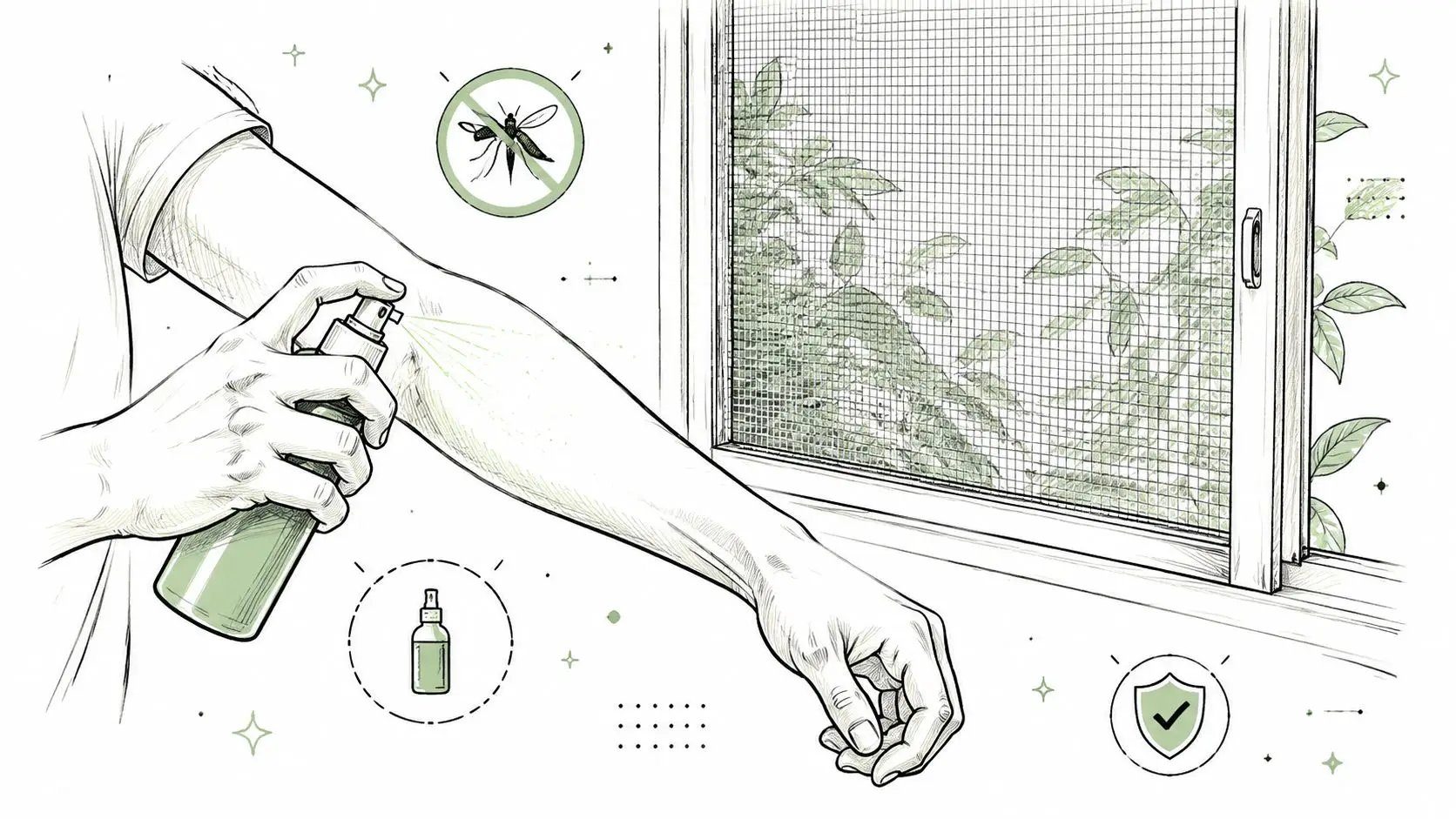
Exclusion via ultra-fine mesh screening is the most effective no-see-um control method. Research indicates that 20×20 mesh (or smaller) screens successfully block biting midges, which easily pass through standard 16-mesh insect wire. Because topical sprays are only barely effective, this physical barrier is the foundational, highest-impact strategy for long-term management, according to Clemson Home & Garden Information Center's no-see-um guidance.
Screens that actually work
For no see ums control, screening has to be treated like a precision barrier. If even one main patio opening, porch panel, or window area still uses standard insect screen, you may still get indoor or enclosed-space bites.
Check these points:
- Windows: Old standard mesh often isn't enough.
- Porches: Large screened enclosures need consistent fine mesh throughout, not partial upgrades.
- Doors: Gaps around frames matter just as much as the screen material itself.
- Screen condition: Tiny tears, loose spline, and warped frames defeat the purpose.
If you're budgeting a porch or window upgrade, this guide to screen installation costs and materials is useful because it walks through practical screen-installation considerations homeowners should review before replacing panels.
Fans, clothing, and repellent
Screens are your long-term barrier. Fans are your comfort tool. Repellents are your short-term backup.
Use them in that order.
A good setup for a patio includes a ceiling fan over the seating area or a portable fan aimed across the body line where people sit. You're not trying to create a hurricane. You're trying to keep air moving enough that weak fliers can't settle in.
For personal protection:
- Wear coverage when pressure is high: Lightweight long sleeves and pants help during dawn and dusk tasks.
- Use repellent strategically: It can help when you have to be outside, but it won't solve the property-level problem.
- Protect work zones: Garden work, grilling, pet cleanup, and porch sitting all benefit from airflow plus skin coverage.
A lot of homeowners spend too much on sprays for skin and not enough on physical exclusion around living spaces. That's backward for this pest.
If you only use repellent, you're managing symptoms. If you upgrade screening and airflow, you're reducing access.
For more day-to-day bite prevention habits around the home, this article on how to prevent mosquito bites offers practical overlap for outdoor protection routines.
Implementing Targeted Yard Treatments
By the time a homeowner gets to sprays and traps, they're usually tired of hearing about drainage, mulch depth, and shade pockets. I get it. You want the bugs gone. But in Southeast Texas, treatments work best after the wet hiding areas have already been cut back, because our humidity keeps giving no-see-ums fresh places to rest.
No-see-um treatments are a support layer. They lower pressure around the spots you use. They do not clean out the whole neighborhood.
What treatments can do
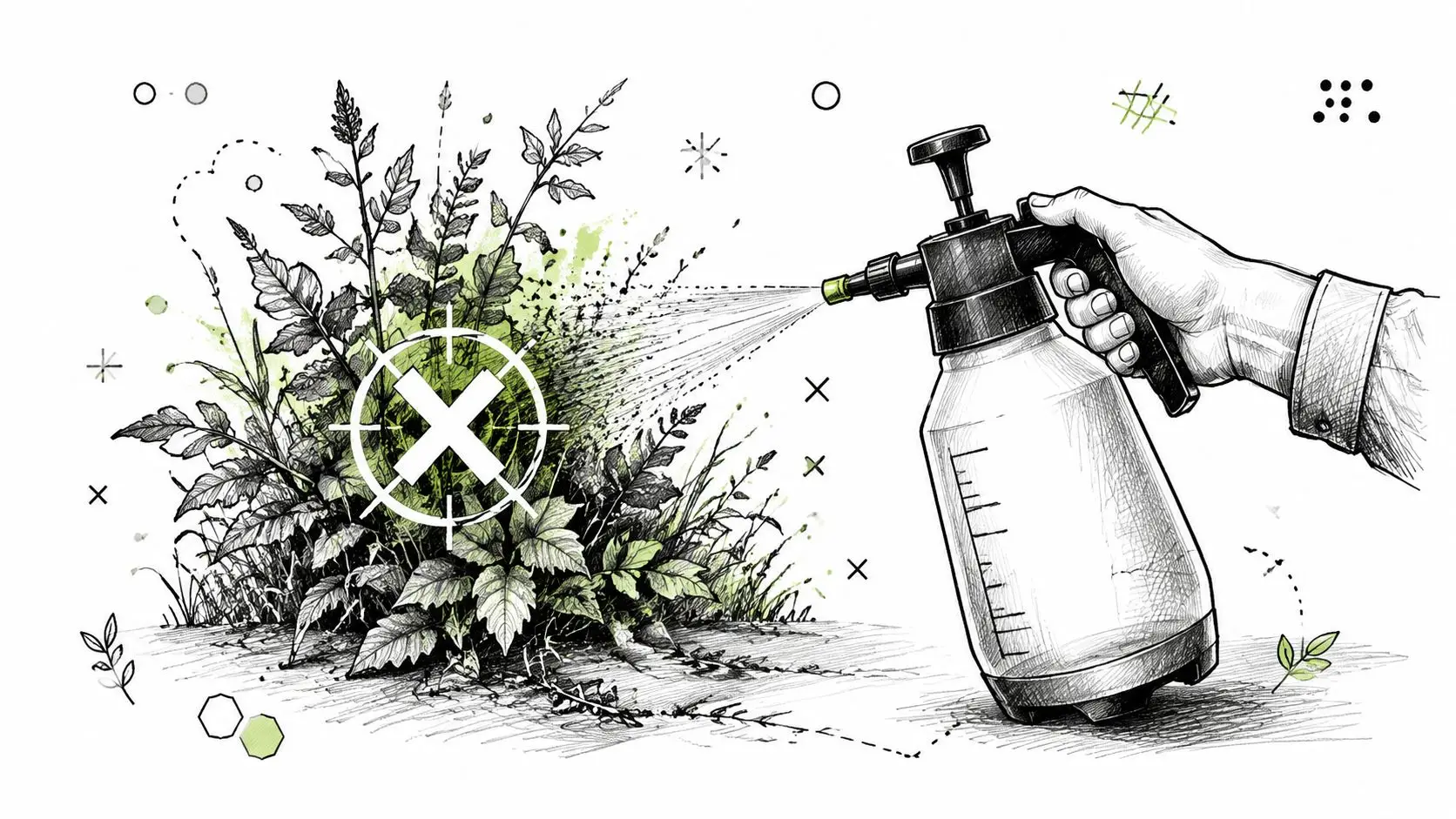
The best results come from treating the places adults rest during the day, not from spraying every inch of the yard. On most Southeast Texas properties, that means lower leaf surfaces, dense foundation shrubs, damp fence lines, shaded bed edges, crawlspace entries, and the cool side of structures that stay humid into the afternoon.
Barrier applications can reduce activity in those zones for a period of time, but the outcome depends heavily on rain, irrigation, plant growth, and how much moisture the site keeps holding. A yard with overspray hitting the beds every morning will burn through that relief faster than a yard that dries between water cycles.
CO2-baited traps can also help, especially near patios and other outdoor living areas where host-seeking adults are concentrated. The University of Florida's no-see-um guidance discusses traps and residual insecticide treatments as management tools, while also stressing that control works best as part of a broader program tied to breeding and resting habitat reduction (University of Florida IFAS no-see-um management guidance).
Where treatments fit in an IPM plan
On a real property, I use treatments with a narrow purpose:
- Barrier sprays: Apply to shaded harborage zones, heavy vegetation, moist bed lines, and other daytime resting sites.
- CO2-baited traps: Place where people gather, but away from doors so you do not pull insects toward entry points.
- Event fogging or knockdown treatments: Use for temporary relief before an outdoor gathering, with the understanding that the effect is short-lived in humid weather.
Timing matters here. Spraying right before heavy rain, or on a yard that gets drenched by irrigation every morning, wastes product and usually frustrates the homeowner. For homeowners comparing regional timing ideas, when to spray for mosquitoes in Arizona is a useful contrast. Arizona scheduling is built around a much drier climate. Southeast Texas timing has to account for persistent moisture, thick vegetation, and soil that can stay damp long after the surface looks dry.
The practical trade-off is simple. More product does not fix a wet yard. Accurate treatment, applied to the right resting sites after moisture problems are addressed, usually gives better relief and a better return on the service cost.
When to Call a Professional for No-See-Um Control
Some no-see-um problems are too established for trial-and-error DIY work. If you've already tried retail sprays, yard foggers, candles, and repellent and the bites keep returning, it usually means the property needs a more disciplined inspection and a better sequence of control steps.
The biggest value a professional brings isn't “more chemical.” It's finding what you missed. On tough properties, that can mean hidden moisture patterns, irrigation overspray, drainage failures along fences, bed areas that never dry, or screen gaps that keep allowing entry after treatment.
Signs DIY isn't enough
A professional inspection makes sense when any of these apply:
- The problem is recurring: Relief lasts briefly, then pressure returns.
- Your yard has chronic damp zones: Soil stays wet, gutters overflow, or runoff collects near beds.
- Outdoor living space is unusable: Patios, porches, and back doors become problem zones at routine times of day.
- You want a coordinated plan: Habitat correction, exclusion, and treatment need to work together.
Professionals can also separate no-see-um pressure from overlapping pest issues. Homeowners sometimes treat for the wrong flying pest because the bites, timing, and yard conditions blur together.
Specific service availability in Magnolia
For local homeowners, service area matters. FullScope Pest Control explicitly lists Magnolia, Texas as a current service area where it provides professional pest control, including mosquito and nuisance pest management, serving the area daily with a full line of solutions, as shown on its Magnolia pest control service area page.
That matters because Magnolia properties often have the exact mix that keeps no-see-ums active: wooded edges, heavier humidity, irrigated lawns, and dense landscaping. A technician who works in this area regularly knows to look beyond the obvious and focus on the moisture-holding details that keep pressure going.
If you live in Magnolia and you're tired of guessing, getting a property-specific assessment usually saves time, repeat purchases, and a lot of frustration.
A Multi-Layered Strategy for Lasting Relief
Lasting no see ums control comes from stacking the right defenses, not hunting for a miracle product. The homeowners who get the best relief usually do three things well. They dry out the places that stay damp, block access where people spend time, and use targeted treatments to reduce adult activity.
That's what works in Southeast Texas because our climate keeps rewarding neglect. A shaded corner that stays wet, a gutter that overflows into a bed, or a porch with standard screens can keep the whole problem alive even when everything else looks clean.
The three parts that matter most
| Layer | Purpose | What it looks like |
|---|---|---|
| Habitat control | Remove favorable conditions | Drainage fixes, irrigation correction, debris removal, thinning dense growth |
| Physical protection | Keep pests away from people | Fine-mesh screens, fan-driven airflow, protective clothing |
| Targeted reduction | Lower active pressure | Focused barrier treatments and properly chosen traps |
This is the same basic thinking behind Integrated Pest Management in other outdoor environments. If you want a broader non-residential example of how layered prevention beats repetitive spraying, this guide to managing tree pests is a solid reference for how IPM works in practice.
What homeowners should expect
You can make a yard much more comfortable. You usually won't erase no-see-ums from the surrounding region. That's an important difference.
What you're aiming for is practical relief:
- Fewer bites around the home
- More usable patio and porch time
- Less rebound after treatment
- A yard that doesn't keep feeding the problem
If you want help building that kind of plan for your property, especially in Magnolia or the surrounding north Houston area, contact FullScope Pest Control for an inspection and a no-see-um strategy built around your yard's drainage, landscaping, and pressure points.
Ready to reclaim your yard from biting midges? Contact FullScope Pest Control to schedule a professional evaluation for your Magnolia-area property and get a practical no-see-um control plan that fits Southeast Texas conditions.