 1500+ reviews

9 Hard Working Animals and Their Essential Roles
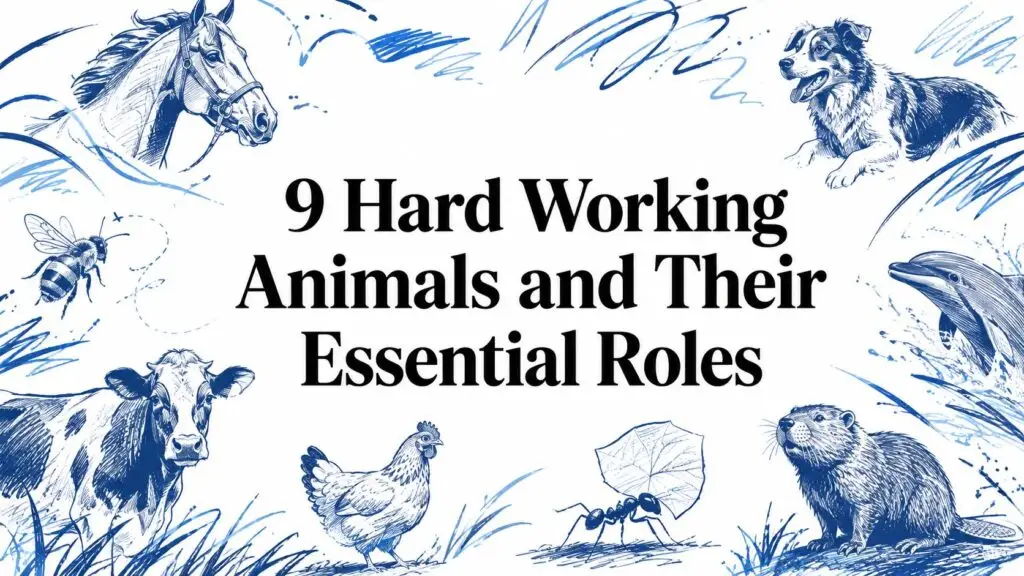
Working animals aren't limited to horses, oxen, or dogs pulling and carrying loads. A cat watching a feed room, a dragonfly hunting over a pond, and a parasitic wasp controlling garden pests all perform useful work through behavior that supports people and ecosystems. The scale of animal labor is larger than many homeowners realize. The Brooke and World Veterinary Association report more than 116 million working equids worldwide, supporting over 600 million people through transport, farming, and hauling according to Brooke's working-animal data. Magnolia, Texas, provides a practical setting for understanding these roles. The city sits at the junction of FM 1774 and FM 1488, about 45 miles northwest of Houston and 25 miles southwest of Conroe, according to the City of Magnolia's location information. Properties range from homes and businesses near the city center to gardens, ponds, livestock operations, and larger acreage in the surrounding Montgomery County area. Some animals perform direct work through guarding, hunting, or pollinating. Others offer biological pest management, reducing insects or rodents as part of a wider property plan. None automatically replaces inspection, exclusion, targeted treatment, or prevention from a qualified pest professional. The strongest approach matches the animal to the task, then fills the remaining gaps with responsible property maintenance and professional service. 1. Domestic Cats for Rodent Control in Magnolia Homes and Businesses Domestic cats can reduce rodent activity, but they do not replace exclusion or professional control. Barn cats, warehouse cats, and cats near rural outbuildings patrol familiar territory, investigate movement, and may hunt mice or rats indoors and outside. Their presence adds biological pest management to a rodent control plan for homes and yards, while gaps, food sources, and nesting areas still require direct attention. Magnolia homes and businesses may use cats around detached offices, workshops, storage buildings, warehouses, or feed mills. A multi-unit property could support a managed community-cat program alongside professional services, provided residents, managers, and animal-care partners agree on feeding, veterinary care, shelter, and supervision. The cat supplies ongoing pressure, like a patrol that makes a site less comfortable for rodents. It cannot inspect every hidden space or confirm that an infestation has ended. Use cats as part of a larger rodent plan Start with the building. Seal openings around doors, utility penetrations, rooflines, and foundations. Keep feed and pet food in secure containers, clean spills promptly, and check for droppings, odors, gnaw marks, or damaged wiring. Large properties: A commercial or multi-acre rural site may need more than one cat, with food, water, shelter, veterinary care, and parasite prevention for each animal. Health protection: Routine veterinary care protects the cat and helps address fleas, ticks, intestinal parasites, and untreated injuries. Escalating activity: Persistent sightings, contamination, odor, or wiring damage warrant professional inspection, exclusion, trapping, or treatment. Cats provide dependable presence, not guaranteed eradication. Keep them away from rodenticides and unsafe structures, and do not place an animal in danger to control pests. For Magnolia properties, the practical division is clear: cats may support monitoring and pressure, while secure construction, sanitation, and qualified pest services address the infestation itself. 2. Livestock Guardian Dogs for Rural Magnolia Properties A livestock guardian dog can make a rural property less inviting to predators and roaming wildlife. Through territory, presence, and routine patrol, suitable guardian breeds may stay near sheep, goats, poultry, equines, or other animals and respond to unfamiliar movement. On Magnolia acreage, that can reduce pressure around barns, pastures, feed storage, and perimeter areas. The dog's work begins long before it patrols. It needs an appropriate temperament, gradual introduction to livestock, secure fencing, training, shelter, water, and regular supervision. Owners comparing training methods can review this guide to dog training approaches before choosing a program or animal. A dog works like a visible alarm. It may discourage wildlife from approaching active areas and make rodents less comfortable nearby, but it cannot examine every roofline, crawl space, attic, or outbuilding for hidden access. A gap under a barn door still provides an entry route, even when a guardian is on duty. For rural Magnolia properties, pair the dog with physical exclusion: Fence first: Use secure fencing to contain the dog and reduce wildlife access to livestock areas. Inspect weak points: Check gates, lower fence edges, barn openings, and feed rooms for gaps or damage. Support working conditions: Magnolia's hot, humid weather calls for shade, airflow, clean water, and weather-protected shelter. Plan for care: Veterinary attention and parasite prevention matter where dogs work around livestock, brush, standing water, and wildlife. A guardian dog suits equine and livestock operations, agricultural businesses, and larger residential properties, but its role is deterrence and early warning rather than complete wildlife control. If animals continue entering through concealed routes, Wildlife exclusion services can address access points the dog cannot control. Treat the dog as a working partner, not a replacement for humane property design or professional wildlife management. 3. Honeybees for Pollination in Magnolia Gardens Honeybees can make a Magnolia garden more productive, but their work is biological support rather than pest removal. As foraging bees move between flowers, they transfer pollen that helps plants produce fruit, seeds, vegetables, and ornamental blooms. A managed hive may therefore serve residential gardens, small farms, community gardens, educational facilities, and commercial properties. A homeowner might place hives near a productive vegetable garden. A small farm could gain pollination alongside honey production, while a grounds manager might include bees in a broader sustainability plan. Results depend on flowering plants, hive health, weather, and careful placement. The practical question is safety and coordination. Bees need dependable forage, yet nearby pests still require separate decisions. Aphids and caterpillars affect plants, mosquitoes affect outdoor comfort, and termites or stinging wasps can threaten structures and people. Before installing a hive, check applicable local requirements and keep it away from busy walkways, play areas, doors, and neighboring activity. Provide forage: A range of flowering plants offers food across more of the season than one brief bloom. Inspect hives: Regular checks can reveal disease, parasites,