1500+ reviews

Working animals aren't limited to horses, oxen, or dogs pulling and carrying loads. A cat watching a feed room, a dragonfly hunting over a pond, and a parasitic wasp controlling garden pests all perform useful work through behavior that supports people and ecosystems. The scale of animal labor is larger than many homeowners realize. The Brooke and World Veterinary Association report more than 116 million working equids worldwide, supporting over 600 million people through transport, farming, and hauling according to Brooke's working-animal data.
Magnolia, Texas, provides a practical setting for understanding these roles. The city sits at the junction of FM 1774 and FM 1488, about 45 miles northwest of Houston and 25 miles southwest of Conroe, according to the City of Magnolia's location information. Properties range from homes and businesses near the city center to gardens, ponds, livestock operations, and larger acreage in the surrounding Montgomery County area.
Some animals perform direct work through guarding, hunting, or pollinating. Others offer biological pest management, reducing insects or rodents as part of a wider property plan. None automatically replaces inspection, exclusion, targeted treatment, or prevention from a qualified pest professional. The strongest approach matches the animal to the task, then fills the remaining gaps with responsible property maintenance and professional service.
1. Domestic Cats for Rodent Control in Magnolia Homes and Businesses
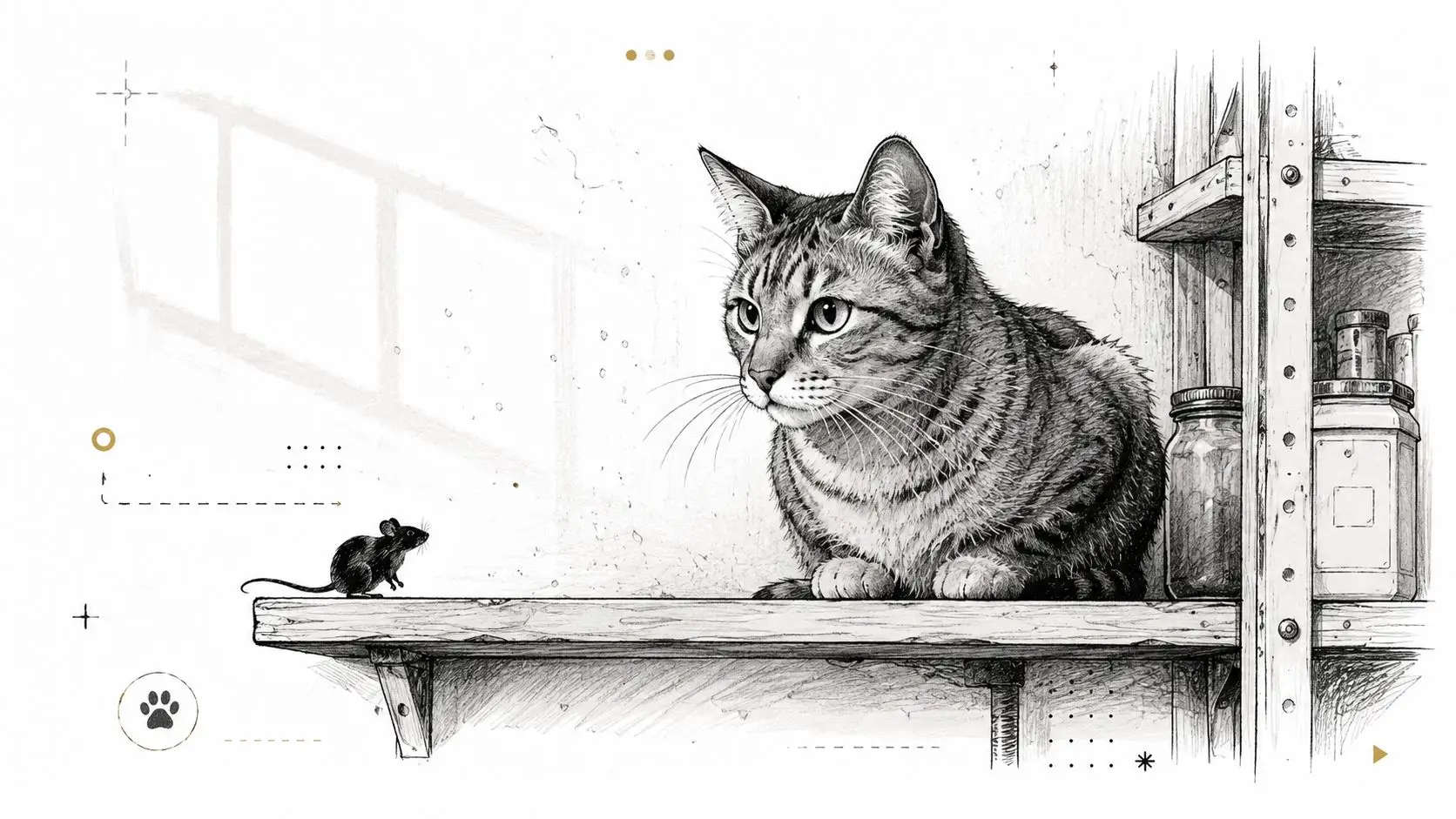
Domestic cats can reduce rodent activity, but they do not replace exclusion or professional control. Barn cats, warehouse cats, and cats near rural outbuildings patrol familiar territory, investigate movement, and may hunt mice or rats indoors and outside. Their presence adds biological pest management to a rodent control plan for homes and yards, while gaps, food sources, and nesting areas still require direct attention.
Magnolia homes and businesses may use cats around detached offices, workshops, storage buildings, warehouses, or feed mills. A multi-unit property could support a managed community-cat program alongside professional services, provided residents, managers, and animal-care partners agree on feeding, veterinary care, shelter, and supervision. The cat supplies ongoing pressure, like a patrol that makes a site less comfortable for rodents. It cannot inspect every hidden space or confirm that an infestation has ended.
Use cats as part of a larger rodent plan
Start with the building. Seal openings around doors, utility penetrations, rooflines, and foundations. Keep feed and pet food in secure containers, clean spills promptly, and check for droppings, odors, gnaw marks, or damaged wiring.
- Large properties: A commercial or multi-acre rural site may need more than one cat, with food, water, shelter, veterinary care, and parasite prevention for each animal.
- Health protection: Routine veterinary care protects the cat and helps address fleas, ticks, intestinal parasites, and untreated injuries.
- Escalating activity: Persistent sightings, contamination, odor, or wiring damage warrant professional inspection, exclusion, trapping, or treatment.
Cats provide dependable presence, not guaranteed eradication. Keep them away from rodenticides and unsafe structures, and do not place an animal in danger to control pests. For Magnolia properties, the practical division is clear: cats may support monitoring and pressure, while secure construction, sanitation, and qualified pest services address the infestation itself.
2. Livestock Guardian Dogs for Rural Magnolia Properties
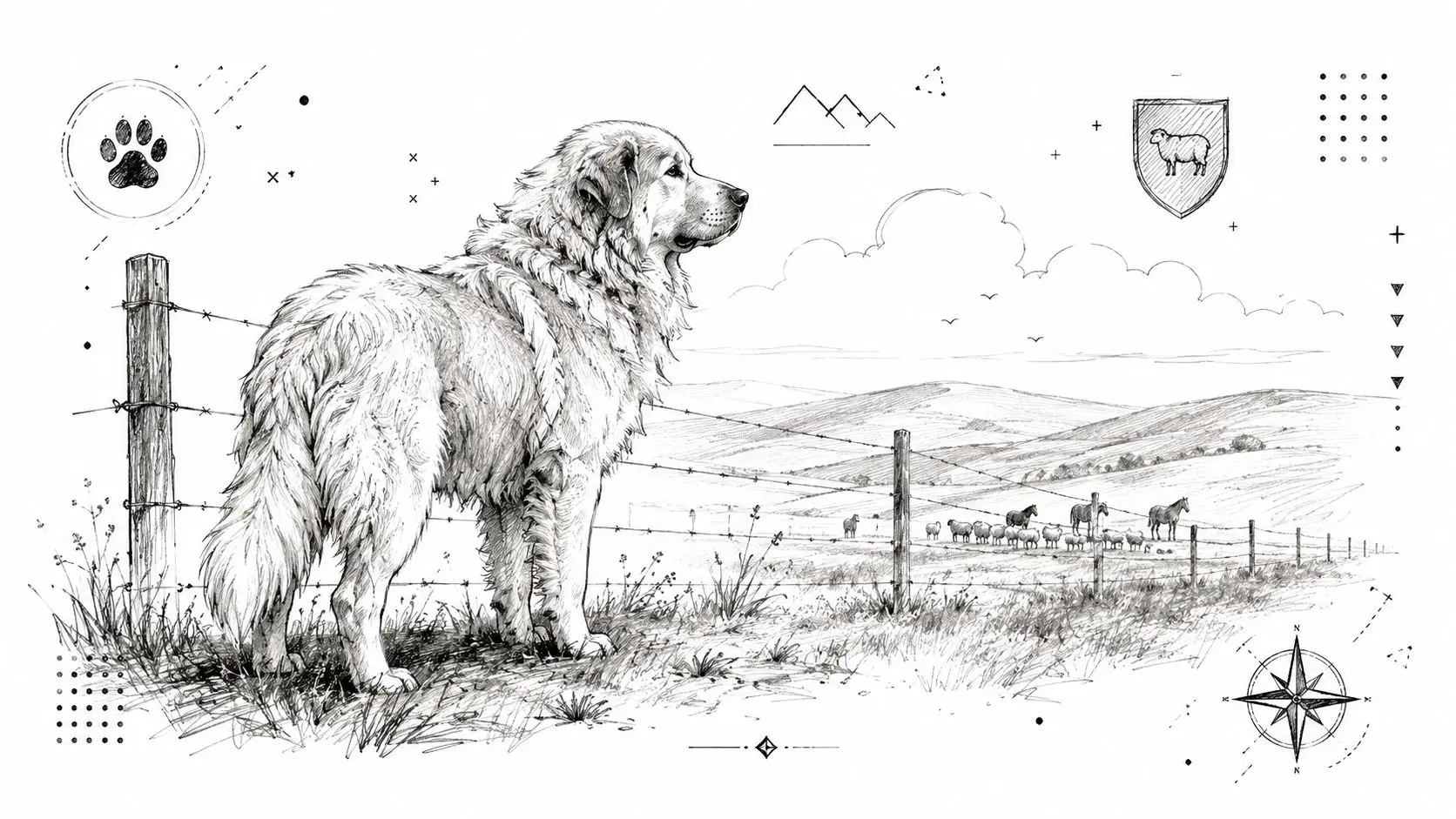
A livestock guardian dog can make a rural property less inviting to predators and roaming wildlife. Through territory, presence, and routine patrol, suitable guardian breeds may stay near sheep, goats, poultry, equines, or other animals and respond to unfamiliar movement. On Magnolia acreage, that can reduce pressure around barns, pastures, feed storage, and perimeter areas.
The dog's work begins long before it patrols. It needs an appropriate temperament, gradual introduction to livestock, secure fencing, training, shelter, water, and regular supervision. Owners comparing training methods can review this guide to dog training approaches before choosing a program or animal.
A dog works like a visible alarm. It may discourage wildlife from approaching active areas and make rodents less comfortable nearby, but it cannot examine every roofline, crawl space, attic, or outbuilding for hidden access. A gap under a barn door still provides an entry route, even when a guardian is on duty.
For rural Magnolia properties, pair the dog with physical exclusion:
- Fence first: Use secure fencing to contain the dog and reduce wildlife access to livestock areas.
- Inspect weak points: Check gates, lower fence edges, barn openings, and feed rooms for gaps or damage.
- Support working conditions: Magnolia's hot, humid weather calls for shade, airflow, clean water, and weather-protected shelter.
- Plan for care: Veterinary attention and parasite prevention matter where dogs work around livestock, brush, standing water, and wildlife.
A guardian dog suits equine and livestock operations, agricultural businesses, and larger residential properties, but its role is deterrence and early warning rather than complete wildlife control. If animals continue entering through concealed routes, Wildlife exclusion services can address access points the dog cannot control.
Treat the dog as a working partner, not a replacement for humane property design or professional wildlife management.
3. Honeybees for Pollination in Magnolia Gardens
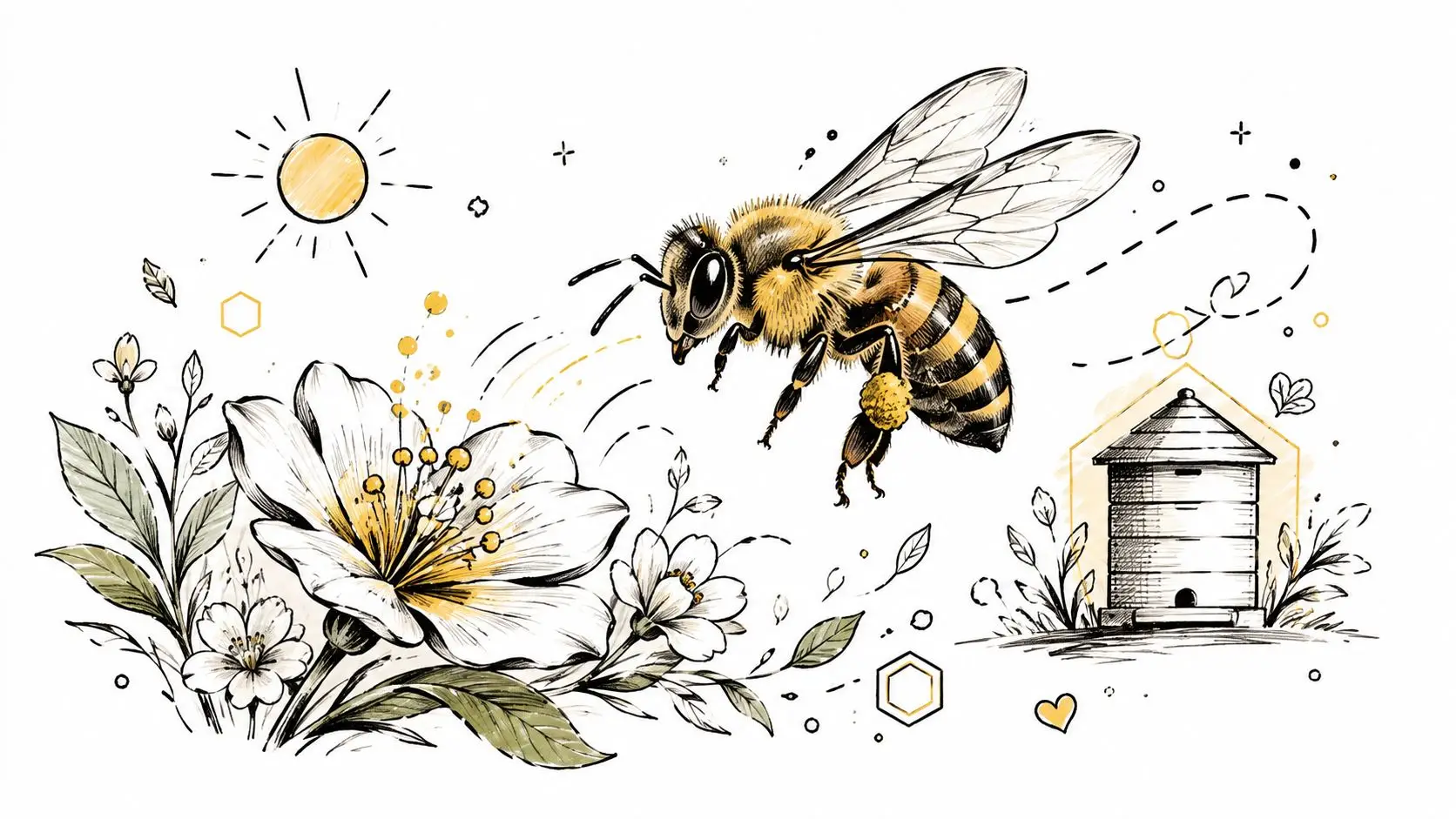
Honeybees can make a Magnolia garden more productive, but their work is biological support rather than pest removal. As foraging bees move between flowers, they transfer pollen that helps plants produce fruit, seeds, vegetables, and ornamental blooms. A managed hive may therefore serve residential gardens, small farms, community gardens, educational facilities, and commercial properties.
A homeowner might place hives near a productive vegetable garden. A small farm could gain pollination alongside honey production, while a grounds manager might include bees in a broader sustainability plan. Results depend on flowering plants, hive health, weather, and careful placement.
The practical question is safety and coordination. Bees need dependable forage, yet nearby pests still require separate decisions. Aphids and caterpillars affect plants, mosquitoes affect outdoor comfort, and termites or stinging wasps can threaten structures and people. Before installing a hive, check applicable local requirements and keep it away from busy walkways, play areas, doors, and neighboring activity.
- Provide forage: A range of flowering plants offers food across more of the season than one brief bloom.
- Inspect hives: Regular checks can reveal disease, parasites, swarming, poor nutrition, or damage to the hive.
- Coordinate treatments: Tell a pest professional where hives are located before lawn, pest, mosquito, or structural treatments occur.
- Identify the insect: A honeybee colony is different from a wasp nest. Review what to know about wasp and honey bee nests before taking action.
Honeybees support plant growth and food production, much like couriers carrying pollen between flowers. They do not reliably control a household infestation, remove termites, or resolve a stinging-insect hazard. Professional service remains appropriate when pests enter a structure or create a safety concern.
4. Guinea Fowl for Ticks and Insects on Magnolia Acreage
Guinea fowl can turn open ground into a moving insect patrol. They search through grass, garden margins, pasture edges, and other areas where ticks and nuisance insects may be present. On Magnolia acreage, equine facilities, and rural yards, this foraging can add a nonchemical layer of outdoor pest suppression.
Their work is broad, not selective. A guinea fowl does not distinguish between an insect a homeowner wants removed and one that benefits the garden. Birds may also be noisy, wander across property lines, disturb planting beds, or attract predators without secure shelter. That makes them a useful supplement, not a replacement for targeted pest control.
Start by testing whether the property and neighborhood can support them. A small flock gives owners a practical way to assess noise, fencing, predator activity, and neighbor compatibility before expanding. Secure coop space protects the birds at night, while a consistent routine helps them recognize the property as home. Spring establishment may coincide with seasonal outdoor pest activity, although local conditions vary.
A workable setup includes:
- Protect the flock: Use a secure coop, covered areas, and predator-resistant openings.
- Manage movement: Fence or supervise access near roads, gardens, and neighboring yards.
- Combine methods: Pair foraging with mosquito barrier treatments, vegetation management, and professional tick service when pressure stays high.
- Check results: Track tick encounters, bites, or visible pest activity rather than assuming the birds solved the problem.
Guinea fowl cannot reach wall voids, attics, crawl spaces, or concealed breeding sites. If outdoor insects remain active, or pests enter a structure, professional assessment may still be necessary. Property owners considering other insect-eating species can review this guide to bug-eating birds.
5. Parasitic Wasps for Garden Biological Control
Parasitic wasps can reduce garden pests without attacking every insect in the area. Depending on the species, females place eggs in or on aphids, caterpillars, scale insects, and other hosts. Their larvae then feed on the pest, limiting its ability to continue feeding and reproduce.
For a Magnolia vegetable garden, ornamental bed, nursery, or commercial planting, this provides biological support rather than dependable, on-demand pest removal. Flowering plants such as dill, fennel, and yarrow supply nectar for adult wasps and may help resident populations remain active.
A garden can support this process in several practical ways:
- Provide nectar: Plant flowers that feed adult parasitic wasps.
- Inspect early: Check new growth, leaf undersides, stems, and buds for developing pest colonies.
- Match the response to the pest: Aphids, caterpillars, scale, mites, and other insects may require different treatments.
- Protect beneficial insects: Avoid broad-spectrum insecticides when a narrower option can address the outbreak.
- Allow time for control: These wasps suppress pest populations gradually, rather than clearing an infestation immediately.
Timing affects the outcome. Introducing suitable beneficial wasps early in the growing season, as pests begin appearing, gives them a better chance to work before pressure becomes severe. If an outbreak threatens a crop or ornamental planting, targeted treatment may still be needed.
Identification also prevents confusion. Beneficial parasitic wasps may be tiny and rarely noticed, while larger stinging wasps nesting near a doorway create a separate safety concern. A pest professional can confirm the species, locate concealed infestations, and recommend treatment when garden biological control cannot keep pace.
6. Opossums for Natural Foraging Around Magnolia Properties
Opossums can support natural pest management around Magnolia properties, but they are occasional visitors, not a dependable pest-control service. Active at night, they forage through yards, gardens, wooded edges, and rural structures. Their varied diet may include insects, rodents, carrion, and ticks, so a passing opossum can reduce some outdoor pest pressure without requiring homeowners to manage the animal.
That support has limits. An opossum will not inspect every hiding place, remove a rodent nest, or resolve pests inside a house. Its role is closer to a nighttime scavenger working the edges of a property than a technician following a treatment plan.
Encourage coexistence without creating conflict
Problems usually begin when food or shelter becomes easy to access. Secure trash cans, bring in pet food, manage compost, and close openings beneath decks or sheds only after confirming that no animal remains inside. Avoid rodent poison because it can injure wildlife directly or expose predators to poisoned prey.
A single animal passing through may need no intervention. Repeated visits near buildings, entry into a structure, or ongoing property damage calls for a qualified wildlife professional. Do not attempt to trap or relocate an opossum yourself.
Wildlife support works best when it stays wild. Don't turn a useful visitor into a dependent animal by feeding it.
Use opossoms as one supporting layer, not a replacement for inspection. Droppings, scratching sounds, damaged insulation, or rodent odor can indicate entry points or an established infestation. Professional service can identify the source, seal access routes, and provide sanitation guidance when natural foraging cannot keep pace.
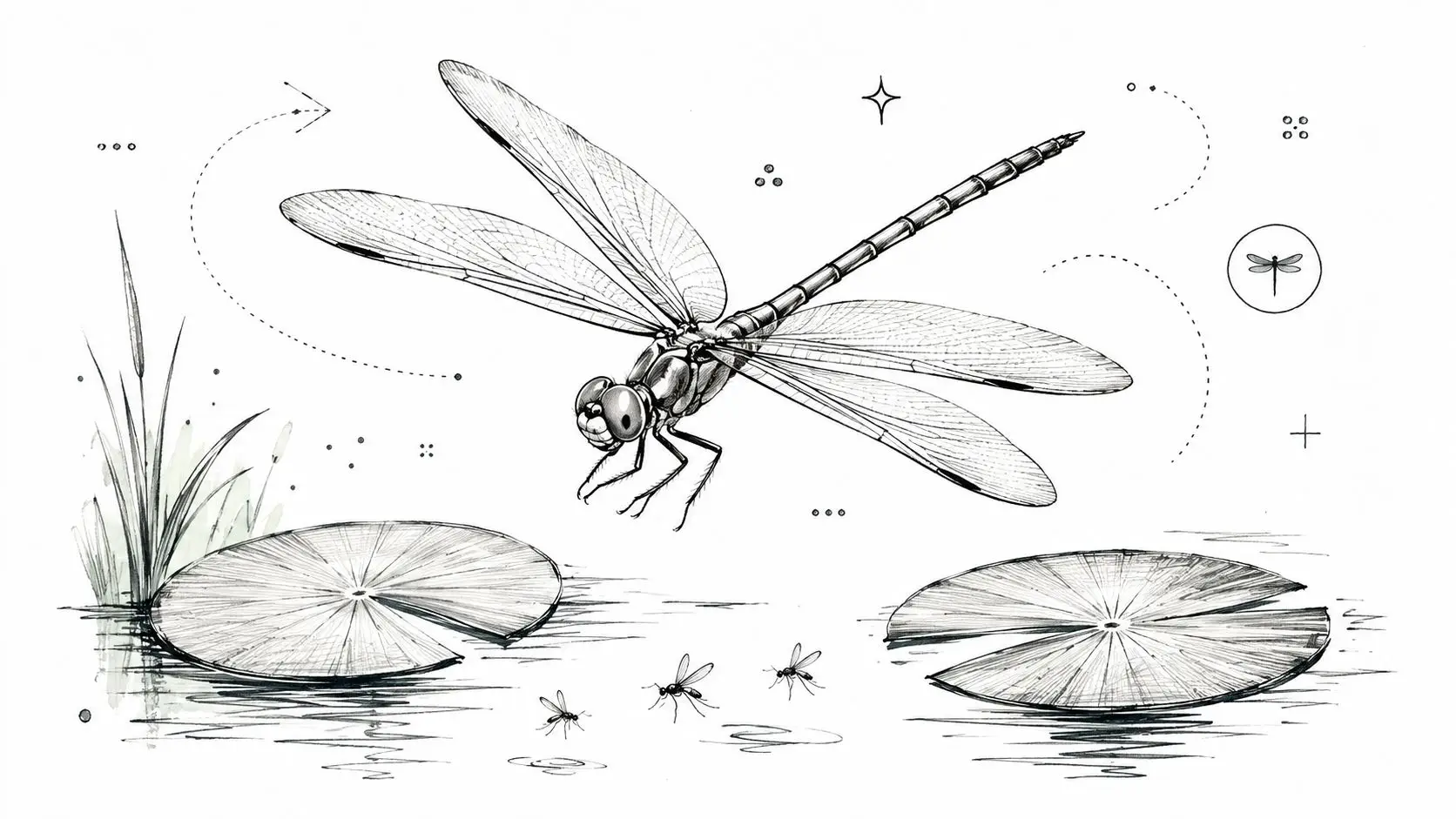
7. Dragonflies Around Magnolia Ponds and Water Features
Dragonflies can support biological pest management around Magnolia ponds, but they are not a complete mosquito-control plan. Their young, called naiads, hunt aquatic prey in ponds and water features. Adults catch flying insects in the air. Together, these two life stages can reduce some mosquito and nuisance-insect activity near a retention pond, residential water garden, golf-course feature, or commercial property.
A suitable habitat must support the entire life cycle. Shallow margins, aquatic vegetation, emergent stems, and resting sites help naiads develop, adults emerge, and dragonflies perch while hunting. A decorative pond with steep, bare edges may attract fewer dragonflies than a smaller feature designed with usable habitat.
Build a pond habitat that supports dragonflies
Avoid heavy pesticide use in or near ponds. Products that affect aquatic organisms can weaken the habitat the property owner is trying to maintain. Native emergent plants provide structure, while careful water management helps limit stagnant areas that can favor mosquitoes.
- Add shallow margins: Gradual edges give aquatic young room to develop.
- Use aquatic plants: Vegetation offers cover and places for adults to emerge.
- Preserve perches: Stems, branches, and nearby plants give adults hunting and resting locations.
- Keep expectations realistic: Dragonflies will not remove mosquitoes across a large property or reach every shaded area.
A pond can help with local insect pressure, much like one well-placed tool helps with a larger maintenance job. It does not inspect every breeding site or protect all outdoor areas. Professional mosquito management can provide wider coverage through barrier treatments or automated systems, especially when a pond, retention area, or large yard limits outdoor use.
8. Beneficial Nematodes in Magnolia Lawns and Gardens
Beneficial nematodes work below the soil surface, where many lawn and garden pests are difficult to locate. These microscopic organisms seek immature pests, including certain grubs, beetle larvae, and flea larvae, then parasitize them. Their role resembles biological pest management by a hidden workforce, but they do not perform visible maintenance or control every insect on a Magnolia property.
Homeowners may apply nematodes to lawns, planting beds, vegetable gardens, golf-course turf, and commercial outdoor spaces as part of integrated pest management. Results depend on selecting a species suited to the target pest and keeping the organisms viable during application.
Apply them when soil conditions support movement
Moisture and timing affect whether nematodes can reach pests in the root zone. Product directions commonly identify spring, including March through April, and fall, including September through October, as application periods. Local soil conditions can vary, so homeowners should confirm the label instructions before treating.
Water the soil before and after application. This helps nematodes move through the root zone. Broad-spectrum insecticides may kill them or reduce their effectiveness, so treatment plans should account for both the target pest and beneficial organisms.
A thinning Magnolia lawn may have grubs, but drought stress, fungal disease, root damage, or compacted soil can create similar symptoms. A lawn assessment helps identify the cause before applying a biological treatment.
Soil treatments need contact with the pest's habitat. Surface application alone won't solve a problem that lives deeper in the root zone.
Nematodes provide targeted suppression, not instant lawn recovery. If damage continues, review irrigation, thatch, soil conditions, and cultural practices. A targeted grub treatment may also be appropriate. Professional pest services can identify the cause, select a suitable treatment, and address pest activity beyond the areas nematodes can reach.
9. Ladybugs for Aphids and Soft-Bodied Garden Pests
Ladybugs can reduce aphids without spraying every leaf, making them useful biological pest managers for Magnolia gardens. Also called ladybird beetles, they eat aphids and other soft-bodied insects. Some species feed on scale insects, mites, and related pests, helping protect ornamental plants, vegetables, nursery stock, greenhouse crops, and commercial planting beds.
Purchased ladybugs may leave quickly if a property lacks food, water, shelter, or suitable plants. Resident populations are more dependable when the garden supplies these needs. Umbellifers, asters, and other nectar plants feed adults, while leaf litter and sheltered vegetation give beetles places to remain between feeding periods.
Keep beneficial beetles on the property
Release purchased ladybugs during cooler periods, such as early morning or evening, to reduce immediate dispersal. Broad-spectrum insecticides can kill beneficial beetles as well as aphids, so inspect plants before choosing a treatment. Look under leaves and along stems for aphids, scale, mites, eggs, and sooty mold.
- Plant for adults: Nectar- and pollen-producing flowers help adult ladybugs stay active.
- Protect habitat: Retain sheltered areas instead of keeping every bed bare and exposed.
- Check the infestation: Confirm that the pest matches what ladybugs can control, then look for larvae and other beneficial insects.
- Escalate carefully: Persistent infestations may need targeted treatment that preserves beneficial insects where possible.
Ladybugs work like a small cleanup crew for pests exposed on plant surfaces. Their results depend on prey availability and suitable habitat, so releasing beetles alone rarely provides lasting control.
They do not manage termites, rodents, mosquitoes, or insects entering a structure. Their strongest role is in gardens and ornamental areas with active aphid or soft-bodied pest populations. If damage continues, a professional service can identify the pest, assess plant conditions, and select treatment beyond the range of biological control.
9 Hardworking Animals for Magnolia: Comparison
| Animal | 🔄 Implementation complexity | ⚡ Resource requirements | ⭐ Expected outcomes | 💡 Ideal use cases | 📊 Key advantages |
|---|---|---|---|---|---|
| Domestic Cats – Rodent Control Specialists | Medium, adoption, care, temperament management | Low–Medium, food, shelter, vet care | ⭐⭐⭐, effective in confined spaces; variable by individual | Garages, basements, small warehouses, homes | Continuous passive rodent suppression; no chemicals; companionship |
| Livestock Guardian Dogs – Perimeter Defense | High, selection, training, containment | High, food, vet care, secure fencing, shelter | ⭐⭐⭐⭐, strong large-area deterrence | Multi-acre properties, livestock operations, feed storage | 24/7 perimeter presence; livestock protection; chemical-free deterrent |
| Honeybees – Pollination & Indirect Pest Support | Medium–High, beekeeping knowledge, permitting | Medium, hives, equipment, seasonal inspections | ⭐⭐⭐, improved pollination; indirect pest balance | Gardens, small farms, commercial landscapes with flowers | Enhanced pollination, honey/byproducts, ecosystem benefits |
| Guinea Fowl – Tick & Insect Foragers | Medium, establish flock, predator protection | Medium, coop/shelter, fencing, occasional feed | ⭐⭐⭐, significant outdoor tick/insect reduction | Yards, pastures, equine properties, small acreage | Effective tick control; low supplemental feeding; eggs & fertilizer |
| Parasitic Wasps – Garden Biological Control | Low–Medium, releases plus habitat plantings | Low, supportive plantings, minimal upkeep | ⭐⭐⭐⭐, targeted suppression of aphids/caterpillars (after establishment) | Vegetable gardens, nurseries, ornamental beds | Species-specific, self-sustaining control; safe for beneficials |
| Opossums – Opportunistic Rodent & Tick Predators | Low, passive wild presence, minimal management | Low, no direct owner resources required | ⭐⭐, opportunistic rodent and tick predation; variable | Suburban yards, property edges, nocturnal rodent activity | Carrion removal; tick consumption; low conflict risk when unmanaged |
| Dragonflies – Pond & Aerial Mosquito Control | Medium, create/manage aquatic habitat | Medium, pond features, vegetation, water quality | ⭐⭐⭐, strong larval suppression and adult predation near water | Ponds, water gardens, retention basins | Excellent mosquito larval control; continuous aerial predation; aesthetic value |
| Beneficial Nematodes – Soil-Dwelling Pest Control | Medium, timing, application technique important | Low–Medium, product purchase, watering equipment | ⭐⭐⭐⭐, highly effective against grubs and soil larvae | Lawns, turf, planting beds with grub issues | Chemical-free grub control; safe for people/pets; long-term suppression |
| Ladybugs – Aphid & Soft-Bodied Pest Predators | Low, habitat plantings or timed releases | Low, nectar/flower plantings, minimal care | ⭐⭐⭐, rapid aphid reduction but may disperse | Ornamental beds, vegetable gardens, nurseries | Targeted aphid control; compatible with IPM; safe for pollinators |
| Bats – Nighttime Mosquito & Moth Control | Medium, install bat houses, habitat planning | Low–Medium, roost structures, monitoring, education | ⭐⭐⭐, nightly reduction of mosquitoes and moths (varies seasonally) | Properties with evening mosquito activity, parks, near water | High nightly insect intake; low-maintenance, chemical-free nighttime control |
Match the Animal to the Job and the Property
The best animal-based pest strategy starts with the actual problem, not with the most appealing species. Cats and livestock guardian dogs provide direct, visible pressure around rodents, barns, feed rooms, livestock, and property perimeters. Cats are most useful where rodents share indoor or outdoor spaces with people, while guardian dogs suit rural properties that need a territorial presence around animals and open acreage.
Guinea fowl and opossums work through outdoor foraging. Guinea fowl can search pasture, lawn, and yard edges for ticks and insects, but owners must manage noise, shelter, fencing, and predators. Opossums provide occasional nocturnal predation without a formal ownership arrangement, yet residents should secure garbage and avoid creating wildlife conflicts. Neither animal replaces inspection when rodents or ticks remain active.
Honeybees, parasitic wasps, beneficial nematodes, and ladybugs fit gardens, lawns, nurseries, and ornamental settings, but each occupies a different role. Bees support pollination rather than household pest removal. Parasitic wasps and ladybugs target particular garden insects, while nematodes work below the soil against certain immature pests. Habitat, timing, moisture, plant diversity, and careful pesticide selection determine whether these biological controls remain effective.
Dragonflies and bats are useful allies against flying insects, especially around ponds, retention features, and open outdoor areas. Dragonfly habitat can support aquatic and aerial hunting, while bats may contribute to nighttime insect predation. These animals reduce pressure in specific environments, but they don't provide complete mosquito coverage for every yard or building.
Use this decision path for a Magnolia property:
- Identify the task or pest. Decide whether you're dealing with rodents, wildlife entry, mosquitoes, ticks, garden insects, termites, lawn pests, or a pollination need.
- Assess the property. Consider home size, livestock, ponds, gardens, neighbors, fencing, drainage, food storage, and the maintenance an animal or habitat requires.
- Add the appropriate support. Improve sanitation, seal openings, create pollinator or beneficial-insect habitat, protect water features, or use a carefully managed working animal.
- Escalate when evidence remains. Droppings, gnawing, structural damage, repeated bites, stinging insects, or persistent lawn and garden injury indicate that natural support isn't enough.
- Build a prevention plan. Inspection, exclusion, targeted treatment, and scheduled follow-up usually provide more dependable protection than waiting for an animal to solve the problem.
Magnolia's compact city core is part of a wider surrounding service area. Independent geographic data places the city in Montgomery County, with a reported land area of 4.84 square miles and population density of about 840 people per square mile, while another source gives a 2025 population estimate of 4,988 in its Magnolia profile. That mix of homes, businesses, acreage, and nearby communities creates different pest pressures on different properties.
For inspection, exclusion, targeted treatment, mosquito management, termite protection, rodent services, lawn-related treatments, or an ongoing plan, contact FullScope Pest Control. FullScope serves Magnolia through broader north Houston and nearby Southeast Texas coverage, with listed service locations in Cleveland, Kingwood, Conroe, and Porter. Schedule an inspection so a licensed technician can identify the source of the problem and recommend a practical plan for your home, business, garden, livestock area, or acreage.
If pests are affecting your Magnolia property, contact FullScope Pest Control today to request an inspection and discuss rodent exclusion, wildlife prevention, mosquito management, termite protection, lawn care, or a scheduled maintenance plan.