 1500+ reviews

Unveiling the Silent Invaders: Signs of a Rodent Infestation in Your Home
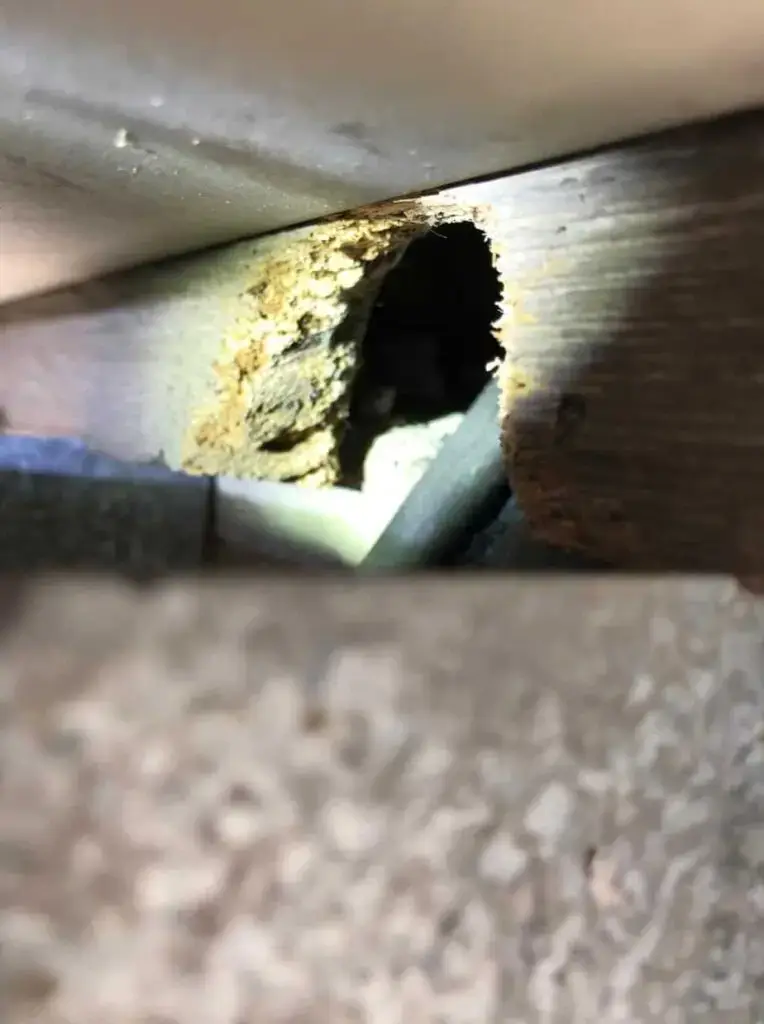
Introduction: Rodents, such as mice and rats, are unwelcome guests that can wreak havoc in your home. These tiny creatures are not only a nuisance but can also pose serious health risks. Identifying the signs of a rodent infestation is crucial for taking prompt action and safeguarding your living space. In this article, we’ll explore the subtle and not-so-subtle indicators that may suggest you have unwanted furry visitors. Droppings and Urine Odor: One of the most common signs of a rodent infestation is the presence of droppings. Keep an eye out for small, pellet-like droppings around your home, especially in dark and secluded areas. Additionally, a distinct musty odor from urine may accompany a rodent presence. Gnaw Marks and Damaged Items: Rodents have a natural instinct to gnaw on things to keep their teeth from growing too long. Look for gnaw marks on furniture, wires, and even food packaging. Damaged items and torn packaging could indicate a rodent’s feeding or nesting activity. Nesting Material: Rodents create nests using materials like paper, fabric, and insulation. Check for nests in hidden corners, behind appliances, or in storage areas. Finding shredded materials in these spaces may be a clear sign of rodent activity. Footprints and Smudge Marks: Rodents often leave behind footprints and smudge marks, especially along baseboards and walls. Dusty or dirty areas may reveal these tracks, giving you clues about the pathways they use within your home. Scratching Noises: Listen for scratching or scurrying noises, particularly at night when rodents are most active. These sounds may indicate their movement within walls, ceilings, or under floors. Pay attention to any unusual sounds in your home and investigate promptly. Visible Sightings: While rodents are generally elusive, you might spot them occasionally. If you see a mouse or rat during daylight hours, it could be a sign of a larger infestation. Take immediate action to address the issue before it worsens. Pet Behavior Changes: Pets, especially cats and dogs, can sense the presence of rodents. If your pet exhibits heightened interest in certain areas, such as sniffing or pawing at corners, it could indicate the presence of rodents. Food Contamination: Rodents are notorious for contaminating food. Check for chewed packaging, small bite marks on food items, or droppings near stored food. Keep an eye on your pantry and kitchen to ensure the safety of your consumables. Conclusion: A rodent infestation is a serious matter that requires swift action. By being vigilant and recognizing the signs early on, you can address the issue effectively and prevent further damage. If you suspect a rodent infestation, consider seeking professional pest control services to ensure a thorough and lasting solution. Protect your home and your family by staying informed and proactive against these unwanted invaders.
Evicting Unwanted Tenants: A Guide to Removing Squirrels from Your Kingwood Attic
Imagine the scenario: you’re enjoying a quiet evening at home when you start hearing strange scratching and scurrying sounds above your head. It doesn’t take long to realize that you have some unexpected, furry visitors in your attic. Squirrels, with their agile nature and persistent curiosity, can find their way into your home and set up residence in the cozy confines of your attic. While they may seem cute from afar, having squirrels in your attic can lead to a variety of problems, from damaged insulation to potential fire hazards. In this guide, we’ll explore effective and humane methods for removing squirrels from your attic and ensuring they don’t return. Identifying the Problem: The first step in dealing with a squirrel infestation is to confirm that these critters are the culprits. Common signs include scratching and running sounds in the attic, chewed wires or insulation, and the presence of nests or droppings, unsure you can call FullScope Pest Control to determine the issue. Once you’ve established that you have a squirrel problem, it’s time to take action. Humane Removal Methods: Inspect Your Home: Conduct a thorough inspection to identify entry points. Squirrels can fit through surprisingly small openings, so be diligent in your search for gaps and holes. Common entry points include vents, chimneys, roof pitches and gaps in the roof or siding. Seal Entry Points: Once identified, seal any potential entry points to prevent further access. Use materials such as wire mesh, steel wool, or caulk to close gaps. Ensure that all repairs are secure, as squirrels are persistent and can find their way back if given the chance. You will want to install an excluder door on the main entrance to allow the squirrel to leave. Install a One-Way Door: Consider installing a one-way door at the main entry point. These doors allow the squirrel to leave but prevent them from re-entering. Once you’re certain the attic is squirrel-free, seal the last entry point. Use Deterrents: Implement deterrents to encourage squirrels to leave voluntarily. Bright lights, loud noises, or the scent of predator urine can be effective in making your attic an inhospitable environment. Professional Assistance: One squirrel is one too many, and sealing all areas can be difficult and in some cases a little scary without the proper gear, seeking professional help is a wise choice. Pest control experts, such as FullScope Pest Control have the knowledge and experience to assess the extent of the infestation, safely remove squirrels, and implement preventive measures to avoid future issues. Preventing Future Infestations: After successfully evicting the squirrels, take steps to prevent future infestations: Trim Trees and Branches: Trim branches that provide easy access to your roof. Squirrels are adept climbers and jumpers, so minimizing access points can deter them. Regularly Inspect Your Home: Conduct regular inspections to identify and address potential entry points before they become a problem. Install Squirrel-Proofing Measures: Invest in squirrel-proofing measures such as chimney caps and vent covers to limit access points. FullScope will always provide a full exclusion on your home with a 12 month warranty on work. Conclusion: Dealing with a squirrel infestation in your attic requires patience, diligence, and a humane approach. By identifying and sealing entry points, implementing deterrents, and seeking professional assistance if needed, you can ensure the safe removal of these furry intruders. With preventive measures in place, you’ll be better equipped to keep your attic free from unwanted tenants in the future. Good to remember that if a squirrel fits in the opening, so can roof rats, so exclusion is always the best option. Call your local squirrel experts in Kingwood, Texas to help eliminate and prevent those rodent invasions.
9 Signs Rodents Have Taken Over Your Conroe Property
As summer begins to decline, temperatures in many parts of the country will begin to taper off with fall approaching. This is the time when many pests may start to seek shelter in your Conroe home, including rodents. Larger rodent infestations are more obvious, but it is always best to control rats and mice before their populations begin to explode. So how do you know if you have a rodent or wildlife problem in your home or office? Here are 9 easy signs that you might want to investigate further, or call a licensed, experienced professional such as FullScope Pest Control.