 1500+ reviews

Rats in Walls: Signs, Risks, and What to Do Next

You're lying awake in your Magnolia, Texas home, listening to scratching move behind the kitchen wall. The sound stops when you turn on the light, then starts again near the garage, attic hatch, or a plumbing line. That's not a nuisance to ignore. It's a clue that an animal may have crossed the building envelope and found a protected route through the structure. Rats in walls are usually a structural and exterior-envelope problem first, with sanitation and indoor-air concerns following close behind. The fix isn't “put out more traps.” You need to identify the route, determine whether the wall void is occupied, control the animal safely, and seal the openings with materials that can withstand chewing and weather. Magnolia is a specific service geography, not a vague north Houston label. The city is in Montgomery County and uses USPS ZIP codes 77353, 77354, and 77355, as documented by Magnolia's postal geography listing. That matters because a home near Stagecoach, Pinehurst, Tomball, or another nearby community may have a different access route, foundation design, and response pattern. Treat the sound as evidence, not drama, and follow a plan that moves from suspicion to certainty to a permanent seal. Why Scratching in the Walls Should Never Be Ignored The first night, most homeowners try to explain the sound away. Tree branches scrape siding. A pipe expands. Something small ran across the attic. Those explanations are possible, but repeated movement behind drywall deserves inspection, especially when it happens after dark and returns from the same wall or ceiling area. In Magnolia subdivisions, rats can exploit soffit gaps, plumbing penetrations, garage transitions, and openings around air-conditioning lines. Roof rats tend to use routes such as attics, rooflines, and wall cavities, while Norway rats more often stay close to foundations and lower levels. Sound alone won't identify the species, but the location and pattern help a technician decide where to look first. Practical rule: A recurring sound is useful evidence, but it isn't a diagnosis. Pair it with physical inspection. Rats chew because their incisors keep growing. Inside a wall cavity, that behavior can damage wiring insulation, plastic components, wood framing, and flexible duct materials. A rat doesn't need to make a large visible hole to create a serious problem. The hidden damage often occurs along travel routes near utility penetrations, sill plates, attic insulation, and electrical runs. A major U.S. housing survey found that nearly 14.8 million housing units reported seeing mice or rats during the previous 12 months. It also found that homes with outside walls that slope, lean, or buckle were about 5.6 times more likely to report rodent sightings than homes without those wall problems, according to the U.S. Census Bureau's housing pest survey. The lesson is straightforward. Exterior-wall defects can support rodent access and persistence, even when food isn't the main attraction. The next day matters more than another month of guessing. Photograph exterior defects, note where the noise starts and stops, and inspect the likely route before sealing anything. If a rat is still inside, a rushed patch can trap it in the wall and force harder chewing around the next weak point. Five Reliable Signs That Rats Are Living in Your Walls A technician doesn't confirm rats in walls from sound alone. The strongest diagnosis comes from several physical signs that line up along a route. Start with the areas where walls meet utilities, floors, ceilings, and exterior openings. Check damage before cleaning Gnaw marks carry the most weight near utilities. Look around electrical cables, plastic vents, drain lines, framing, and pipe penetrations. Fresh damage has sharp edges and light-colored exposed material. Old damage may be darkened by dust. Squirrels and other rodents can create similar marks, so photograph the location, shape, and nearby droppings before repairing it. The rodent sign guide from FullScope Pest Control can help you compare common indicators. Droppings establish movement, not just presence. Check baseboards, cabinet voids, the area beneath the kitchen sink, the attic, and garage storage. Rat droppings are typically elongated and rice-like, but insects, lizards, and old debris can create misleading evidence. Photograph the distribution before vacuuming. A line of droppings along a wall is more useful than one isolated pellet. Rub marks reveal repeated travel. Rats leave dark or greasy smudges where their bodies brush studs, sill plates, wall edges, and openings. Fresh marks may look shiny, while older marks collect dust. Dirt from construction, plumbing work, or stored items can mimic them, so check whether the marks connect two signs such as droppings and a gap. A musky ammonia odor points toward urine-saturated materials. Closed rooms, attic spaces, wall-adjacent cabinets, and HVAC return areas deserve attention. Damp insulation, plumbing leaks, and stagnant air can smell similar. Photograph visible staining and write down where the odor is strongest before using cleaners or opening a wall. Entry evidence tells you where exclusion must begin. Shredded insulation, damaged soffit screens, gaps beneath garage doors, chewed vent covers, and openings around pipes all matter. The University of Nebraska's rodent inspection guidance identifies scratch and chew sounds, droppings, rub marks, nests, and chew holes near travel routes and utility penetrations as useful indicators. It also notes that rats can destroy insulation and use it for nesting. Sounds deserve one mention only. Nighttime scratching can support the diagnosis, but it doesn't identify the animal or prove that the wall void is occupied. Build your decision around physical evidence. Use the following inspection video after you've documented the first signs, not as a substitute for checking the structure. The Real Risks Behind a Rat in the Wall The first risk is electrical damage. Rats strip insulation from wires as they gnaw, exposing conductors inside concealed spaces. That can produce arcing and fire, and the hidden wiring damage may be more dangerous than the visible hole in a wall, as explained in this rodent electrical-damage guidance. If you find damaged wire insulation, don't touch the wiring or remove an outlet cover. Shut off the affected
How to Catch a Rat: A Safety-First Guide for Homeowners

You hear it when the house finally goes quiet. A scratch in the wall. A quick scuttle over the garage ceiling. Maybe the dog keeps staring at the pantry baseboard, or you find a torn bag of pet food and realize this isn't your imagination. At that point, most homeowners do what everyone does. They buy one trap, put cheese on it, set it in the middle of the floor, and hope the problem solves itself. That usually doesn't work. Rats aren't casual pests. They test new objects, follow edges, learn fast, and keep using the same travel routes if food, water, and cover stay available. If you want to know how to catch a rat, you need more than a trap. You need a plan that matches rat behavior. This is the same way a technician approaches it in the field. First, confirm what animal you're dealing with. Then choose the right trap for the house, not just the cheapest one on the shelf. After that, focus on bait, placement, and safety. Disposal and cleanup matter too, because the job isn't finished when one rat is gone. And if the activity points to a bigger infestation, it's time to stop guessing and bring in a local rodent pro. Introduction A rat problem usually starts with a noise you can't quite place. It happens late, when the dishwasher is off, the TV is muted, and the house settles down enough for you to hear movement where there shouldn't be any. In North Houston homes, I've seen that first sign come from attic eaves, garage walls, under kitchen cabinets, and around HVAC penetrations where rats use the structure like a protected highway. The first mistake homeowners make is treating every rodent problem the same. They assume one trap will handle it, or they start dropping bait without thinking about pets, kids, or where the rat is traveling. That wastes time and usually teaches the rat to avoid the setup. A better approach is simple. Read the evidence, use the right trap, and set it where the rat already wants to go. That's what catches rats consistently. Practical rule: The trap matters less than the route. If the trap isn't on the rat's path, the rat doesn't care that it's there. A safety-first approach also matters. Rats contaminate surfaces, chew wiring, and leave behind droppings and urine in places people touch every day. You want the problem handled fast, but you also want it handled cleanly. That means no bare-hand cleanup, no sloppy trap placement, and no wishful thinking. Confirming the Intruder Key Signs of a Rat Problem Before you set anything, make sure you're dealing with rats. Homeowners often confuse rat activity with mice, squirrels, or even loose ductwork and assume the same fix applies. It doesn't. The signs tell you what you're up against and where to trap. That second part is what matters most. If the evidence is concentrated along one wall, behind one appliance, or near one utility run, you've just found your target zone. What to look for inside the house Start with the areas rats prefer because they can move unseen. Check behind the refrigerator, under sinks, inside the pantry, along garage walls, around water heaters, and where plumbing or cable lines enter the house. Look for these clues: Droppings near edges: Rats usually leave droppings along walls, behind stored items, and near food sources rather than out in the open. Grease or rub marks: Their fur leaves dark, oily smudges on baseboards, pipe chases, and tight openings they use repeatedly. Gnaw damage: Fresh chewing on wood, plastic, cardboard, or wiring is a serious warning sign. Tracks in dust: In attics, garages, and storage rooms, rats often leave tail drags and foot tracks in dusty areas. Noises at night: Scratching, short bursts of running, and chewing sounds after dark often point to active rodent movement. If you want a more detailed visual breakdown, this guide to common signs of rodents in and around the home is useful for narrowing down where activity is concentrated. Why sign intensity matters One or two droppings don't mean the same thing as repeated evidence in several rooms. Heavy signs in one location usually mean you've found a travel route or nesting area. Light signs scattered randomly can mean the rat is ranging wider and still testing the structure. A rat infestation is easier to solve when you stop thinking in terms of rooms and start thinking in terms of runways. That's also why placement matters so much later. According to UC Agriculture and Natural Resources guidance on snap-trap use, when pre-baiting is combined with traps spaced at roughly 15 feet along walls, field studies showed active rat populations could be reduced by 50 to 70% within several nights of intensive deployment. Rat signs that homeowners miss A lot of people only look at the floor. That's a mistake in Southeast Texas homes. Check attic insulation near eaves, the top of garage storage shelves, and the back corners of cabinets. Rats like protected lines of movement, and they'll often stay close to structure instead of crossing open space. Also pay attention to pet behavior. Cats and dogs often key in on one repeated point of activity long before the homeowner sees obvious evidence. Choosing the Right Trap for Your Home There isn't one perfect rat trap for every house. The right choice depends on where the rats are moving, how comfortable you are handling the catch, and whether kids or pets can reach the setup. What matters is choosing a trap you'll use correctly and in enough numbers to matter. The biggest DIY mistake here is relying on a single trap. Rats don't move like targets in a carnival game. They follow established runs, and multiple animals may be using the same structure. Public health guidance summarized in this trap-line overview recommends multiple traps in a linear configuration, with 10 to 15 snap traps in a moderate home infestation. That
How to Make Your Home Uninviting to Rodents in Under 15 Minutes

Key Highlights Introduction Discovering a rodent in your home can be unsettling. These pests are more than just a nuisance; they pose significant health and property risks. Across North America, millions of homes face a rodent problem each year, especially as the weather cools and these critters seek warmth and food. The good news is that you don’t need to spend hours on pest control. With just a few minutes, you can take simple yet effective steps to make your home an unwelcome place for rodents. Most Common Rodents Found in Conroe Homes Do you know what kind of pest you’re dealing with? Identifying the different types of rodents is the first step toward effective removal. In most homes, the primary culprits are house mice, roof rats, and Norway rats. Each of these pests has distinct habits, nesting preferences, and signs they leave behind. Understanding whether you have a nimble mouse or a burrowing rat can help you target your prevention efforts more effectively. Let’s explore the characteristics of these common household invaders so you know what to look for. House Mice and Their Behavior The house mouse is one of the most common rodents you might find. These small, grayish-brown critters are excellent climbers and can fit through openings as small as a dime. They prefer to build nests in dark, secluded areas like wall voids, attics, and cluttered storage spaces. Because they reproduce so quickly, a small issue can escalate into a full-blown rodent infestation in no time. What signs should you look for? The most obvious indicators are rodent droppings, which look like small, dark pellets. You might also find gnaw marks on food packaging, furniture, or even drywall. A faint, musky odor from their urine is another tell-tale sign that house mice have moved in. Their poor vision is compensated by their other sharp senses, which help them navigate your home in search of food and shelter. Keeping areas clean and free of clutter is essential, as it removes their preferred hiding spots and nesting materials. Norway Rats and Roof Rats Explained While often grouped together, Norway rats and roof rats have very different behaviors. Knowing the difference can help you solve your rat problem more efficiently. Norway rats are the larger and bulkier of the two. They are burrowers, often creating nests in basements, crawlspaces, or under concrete slabs. These critters are known for their destructive gnawing, which can damage everything from lead pipes to building foundations. On the other hand, roof rats are agile climbers, true to their name. They prefer to nest in upper areas of a structure, such as attics, ceilings, and even in fruit trees outdoors. They are slightly smaller than Norway rats and have tails that are longer than their bodies. These pests are notorious for chewing on electrical wires, creating a serious fire hazard. The main difference between a rat and a mouse infestation often comes down to the signs. Rats leave larger droppings and cause more significant gnaw damage. No matter which of these pests you have, both pose serious threats and require immediate attention. Why Rodents Are Attracted to Your House Have you ever wondered why rodents chose your home? The answer is simple: they are looking for food, water, and shelter. Your house provides a perfect environment, protecting them from predators and harsh weather while offering a steady supply of resources. Easy-to-access food sources like unsecured trash, pet food left out overnight, or even birdseed can turn your home into a rodent magnet. They get inside through small entry points you might not even notice. Once they find a reliable source of food and a safe place to nest, they are unlikely to leave. Understanding these attractions is the key to making your home less inviting. Top Food Sources That Invite Rodents One of the quickest ways to prevent a rodent problem is to cut off their food supply. Rodents are not picky eaters and will take advantage of any available food sources in and around your home. Leaving food out on counters, storing it in easily chewable containers, or having a messy pantry can attract these unwanted guests. Pay close attention to your storage areas. Rodents can easily chew through cardboard boxes and thin plastic bags to get to grains, cereals, and other pantry staples. Even fallen fruit from fruit trees in your yard can attract pests like roof rats. To make your home less appealing, secure all food in airtight, rodent-proof containers and maintain clean cupboards. Here are some top food sources to secure: Entry Points Rodents Use to Get Inside You might be surprised by how easily rodents can slip into your home. Mice can squeeze through holes the size of a dime, while rats only need an opening the size of a quarter. These entry points are often found in areas you wouldn’t normally check, making it easy for an infestation to start unnoticed. They can enter through cracks in the foundation, gaps around pipes, and unscreened vents. Once inside, they can cause significant damage. Rodents often chew on electrical wires, which can create a fire risk, and tear up insulation to build their nests. Sealing these small holes is one of the most effective ways to stop an infestation before it begins. A quick inspection around your home’s exterior can reveal these vulnerable spots. Here’s a table of common entry points to check: Location of Entry Point What to Look For Foundation Look for any cracks or gaps, especially where the siding meets the concrete. Utility Lines Check the areas where pipes, cables, and wires enter your home. Vents Ensure that all dryer vents and attic vents are securely screened. Under Doors Gaps under garage doors or exterior doors can provide easy access. Quick Steps to Make Your Home Less Inviting to Rodents Ready to take action in just a few minutes? Making your home less appealing to rodents doesn’t require a massive overhaul. Simple, quick tasks focused on cleanliness
How to Freshen Up Trash Bins to Deter Pests Effectively

Key Highlights Introduction Trash bins can attract a lot of pests, especially when you have food waste, food scraps, and organic waste that start to rot. In Humble, Texas, rodents and other critters do well in garbage cans left dirty and filled with smelly trash. If you do not clean your bins, harmful critters might move close to your home, which can cause health issues for you and your family. The good thing is, there are simple pest control tips you can use. Good cleaning helps your bins stay free from pests and unwanted intruders. Do you want to make your trash area pest-free? Now is the time to start. Common Pests Attracted to Trash Bins in Humble, Texas Pests are a common problem in Humble, Texas, because food scraps and old waste in bins around homes and businesses attract critters. Rodents like rats and mice often show up at garbage cans. Cockroaches, flies, and wasps are also found going through bins. These pests can grow in number very fast, so it is important to stop them early. When trash is not handled well and bins are dirty, it brings more pests. These critters are not only a nuisance. They also spread harmful diseases and can cause damage to your property. So, people have to act quickly to get rid of them and stop the trouble before it gets worse. Types of Insects and Rodents Found in Local Trash Areas Flies and cockroaches are the main insects you often see in bins. Flies like to be around rotting organic waste. They lay eggs in it and this soon turns into maggots. Cockroaches do well in warm, damp places where there are food scraps. They spread germs to your bin and the nearby area. Rats and mice are some of the most common rodents that get into bins. They bite holes in thin plastic bins, so they can reach leftover food waste inside. These rodents spread germs, disease, and even chew up wires or insulation. This can damage your property. Here’s a look at the types of pest you might see in Humble, Texas bins: Pests are a common problem in Humble, Texas, because food scraps and old waste in bins around homes and businesses attract critters. Rodents like rats and mice often show up at garbage cans. Cockroaches, flies, and wasps are also found going through bins. These pests can grow in number very fast, so it is important to stop them early. Pests are a common problem in Humble, Texas, because food scraps and old waste in bins around homes and businesses attract critters. Rodents like rats and mice often show up at garbage cans. Cockroaches, flies, and wasps are also found going through bins. These pests can grow in number very fast, so it is important to stop them early. When trash is not handled well and bins are dirty, it brings more pests. These critters are not only a nuisance. They also spread harmful diseases and can cause damage to your property. So, people have to act quickly to get rid of them and stop the trouble before it gets worse. Pest Type Attraction Risks/Impact Flies Rotting organic matter Maggots, germs Cockroaches Food scraps in moist areas Diseases, rapid infestation Rats/Mice Food waste and uncovered bins Property damage, harmful illnesses If you want to keep maggots, cockroaches, and other pest away from your bins, take steps right away to protect your garbage from germs and rodents. Recommended Read: The Role of Sanitation in Preventing Pest Infestations Why Your Trash Bin Becomes a Pest Magnet Trash bins are full of food waste, moisture, and odor that most pests, like cockroaches and rodents, want. If you throw leftover food, decaying food, wrappers, or any other residue into the bins, these can become meals for pests. They get drawn in by all this stuff. Dirty bins get worse with extra moisture, like when liquids spill or when it rains. That makes the perfect place for pests to live and grow. Flies and cockroaches can multiply fast in this kind of damp area. The smell from decaying food, wrappers, and other strong odors travels a long way. Pests can smell this and will come try to get it. If you want to keep pests like rodents and cockroaches away, regular cleaning and keeping your bins clear of residue or food waste helps a lot. This stops them from being attracted by the smell and moisture. Essential Cleaning Techniques for Freshening Up Trash Bins Cleaning your trash bin on a regular basis is a good way to keep pests away. Scrub the inside and outside of the trash bin with water and disinfectant. This will help you get rid of germs, any grime, and food residue. After cleaning, you need to dry the bin well. Drying it stops moisture buildup, and that keeps pests from coming. Taking care of any bad smells is also important when it comes to keeping pests out. Use vinegar solutions or baking soda in the trash bin. These can get rid of tough smells and help make the space feel fresh. If you make a habit of cleaning well, your bin will stay free from pests and germs. Step-by-Step Guide to Cleaning and Deodorizing Bins Cleaning your trash bin does not be hard. Use these simple steps when cleaning bins. These steps help keep your bin clean and stop germs, moisture, unpleasant smells, and pests from coming around. Baking soda, vinegar, hose, and disinfectant are good for getting bins clean. Recommended Cleaning Products and Natural Alternatives Using the right products can make it easy to keep your bins clean. Cleaning products like ammonia and disinfectant sprays help get rid of bad germs. They also fight against tough grime and smells. If you have a big pest problem in your bins, you may need to use stronger cleaning solutions. You can also use natural choices that are safe for you and good for the earth. Baking soda
Rodent Hotspots Inside & Out

How to Make Your Home Uninviting to Rats and Mice Introduction If you’re spotting signs of rats or mice in your home—scratching noises in the attic, droppings in the pantry, or chewed wires—you’re not alone. Rodents are resourceful, and once they find a cozy spot with food and shelter, they tend to stick around. At FullScope Pest Control, we help homeowners not only remove rodents but also prevent them from returning. In this post, we’ll walk you through the most common rodent hotspots and what you can do to make your home less inviting. 🏠 Indoor Rodent Hotspots 1. Attics and Crawl Spaces Warm, quiet, and often undisturbed—these areas are prime nesting spots. Look for shredded insulation, droppings, or gnaw marks around beams and entry points. Prevention Tip: Seal gaps around roof vents, install metal mesh behind attic fans, and avoid storing open bags of pet food or seed. 2. Pantries and Kitchens Food access is a major draw. Rodents can squeeze into cabinets, behind appliances, and even through wall gaps to reach dry goods. Prevention Tip: Store all food in sealed containers and clean up crumbs and spills promptly. Regularly inspect under sinks and stoves for droppings or signs of chewing. 3. Garages and Utility Rooms These areas often have open boxes, clutter, and entry points near doors or pipes. Prevention Tip: Keep items off the floor, seal around utility lines, and use rodent-proof storage bins. 🌳 Outdoor Rodent Hotspots 4. Overgrown Vegetation & Wood Piles Rodents love hiding in dense bushes, tall grass, and stacks of firewood. Prevention Tip: Keep vegetation trimmed at least 2–3 feet from the foundation. Store firewood 20 feet from the house and at least 12 inches off the ground. 5. Unsealed Crawl Space Vents or Foundation Gaps Mice can squeeze through holes as small as a dime. Prevention Tip: Inspect and seal cracks around the home’s base, use hardware cloth over vents, and ensure doors and weather stripping fit tightly. 6. Pet Food Bowls and Bird Feeders Food left out—even outdoors—can invite rats and mice to linger nearby. Prevention Tip: Feed pets indoors when possible, and bring food bowls in at night. Use squirrel-proof bird feeders and clean up spilled seed regularly. Recommended Read: 5 Signs You Need Effective Rodent Control Right Now 🛠️ What to Do If You Suspect Rodent Activity If you’re seeing or hearing signs of rodents, it’s important to act quickly. Rodents reproduce rapidly and can cause serious damage to insulation, wiring, and even HVAC systems. At FullScope Pest Control, we offer: ✅ Final Thoughts Rodent control isn’t just about traps—it’s about making your home unwelcoming to pests in the first place. If you’re unsure where to start, let our team at FullScope help you build a custom prevention plan that works for your space. Contact us today for a free inspection or rodent consultation. 📞 832-898-0190 | 🌐 fullscopepestcontrol.pestcontrolseos.co/
Rodent Pest Control Treatment & Removal Services | FullScope Services
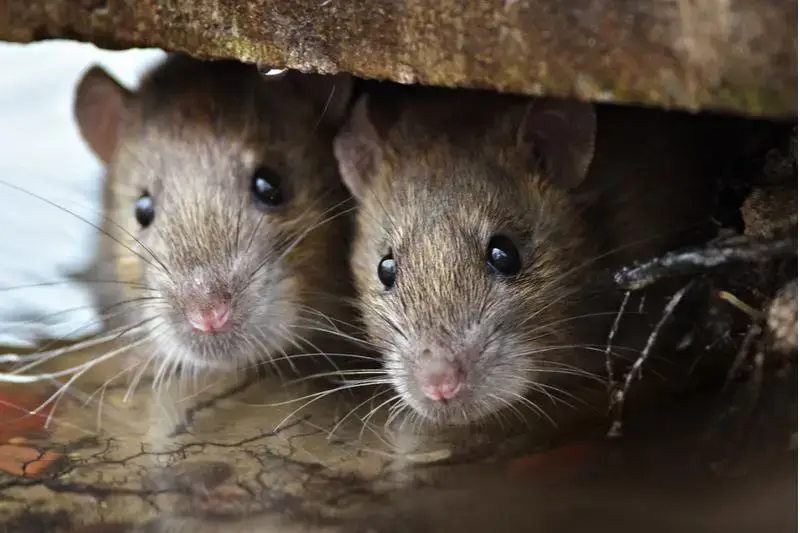
Key Highlights Introduction Rodent infestations can be a major concern for homeowners, as these pests not only cause property damage but also pose health risks. Dealing with a rodent infestation requires the expertise of a professional pest control service like FullScope Services. With their comprehensive rodent control solutions, FullScope Services can effectively treat and remove rodents from your home. Understanding Rodent Infestations in Your Home Rodent infestations can go unnoticed for a while, as these pests are skilled at hiding and nesting in hard-to-reach areas. However, there are certain signs that can indicate a rodent infestation. Look out for rodent droppings, gnaw marks on furniture and wires, and signs of nesting material. Rodents can enter your home through small gaps, cracks, and openings. It is crucial to identify these entry points and seal them off to prevent further infestations. Identifying Signs of Rodent Presence One of the primary signs of a rodent infestation is the presence of rodent droppings. These droppings are typically small, dark, and pellet-like. Another indication is the strong smell of rodent urine, which can be quite pungent. Additionally, look out for gnaw marks on wires, furniture, and other objects, as rodents have sharp teeth that they use to chew through various materials. If you notice any of these signs, it is important to take immediate action to address the infestation. Common Types of Rodents in Residential Areas There are several common types of rodents that can infest residential areas. House mice are small, prolific breeders that can quickly multiply in the right conditions. Roof rats, on the other hand, are excellent climbers and prefer to nest in attics and trees. Norway rats are larger and more robust, often found nesting outside in burrows. It is important to identify the specific type of rodent infesting your home in order to implement the most effective control measures. The Health Risks Associated with Rodents Rodents not only cause property damage but also pose significant health risks. They can transmit diseases to humans through their urine, droppings, and bites. Some common diseases transmitted by rodents include hantavirus, leptospirosis, and salmonella. In addition to disease transmission, rodents can also trigger allergic reactions in some individuals. Their urine, droppings, and dander can contain allergens that can cause asthma and other respiratory issues. It is important to address rodent infestations promptly to protect the health and well-being of your family. Diseases Transmitted by Rodents Rodents can carry and transmit a variety of diseases to humans. Hantavirus is a serious respiratory illness that can be contracted through contact with rodent urine, droppings, or saliva. Leptospirosis is another bacterial infection that can be transmitted through contact with contaminated water or soil. Salmonella, a common foodborne illness, can also be spread by rodents through contamination of food and surfaces with their droppings. It is important to take proper precautions and seek professional rodent control services to minimize the risk of these diseases. Impact on Home Environment and Well-being Rodents can cause significant damage to your home and property. They have a tendency to chew through wires, insulation, and other building materials, leading to costly repairs. Their nesting habits and droppings can also cause unpleasant odors and contaminate the air quality in your home. In addition to the physical damage, rodent infestations can also take a toll on your mental well-being. The constant presence of rodents can be stressful and disruptive to your daily life. It is important to address rodent infestations promptly to minimize the impact on your home environment and overall well-being. Preventive Measures to Keep Rodents at Bay Prevention is key when it comes to keeping rodents at bay. One of the most effective preventive measures is to seal off entry points that rodents can use to gain access to your home. This includes sealing cracks, gaps, and holes in your walls, floors, and foundation. Maintaining cleanliness and proper sanitation in and around your home is also important, as rodents are attracted to food sources and unclean environments. By implementing these preventive measures, you can significantly reduce the risk of a rodent infestation in your home. Sealing Entry Points: A Key Prevention Strategy Sealing off entry points is a crucial step in preventing rodent infestations. Rodents can squeeze through small gaps and cracks in your home’s exterior, so it is important to inspect and seal these entry points. Use caulk or steel wool to fill in any gaps or cracks that you find. Pay extra attention to areas around pipes, vents, and utility lines, as rodents can use these as entry points. It is also important to seal any openings around doors and windows. By effectively sealing off these entry points, you can greatly reduce the chances of rodents finding their way into your home. Rodent exclusion service Rodent exclusion service is a crucial aspect of effective rodent control that focuses on preventing rodents from entering your property in the first place. By sealing off entry points and implementing exclusion measures, such as installing barriers and sealing cracks, you can significantly reduce the likelihood of rodent infestations. This proactive approach not only helps in keeping your home or business rodent-free but also minimizes the risks associated with rodent-borne diseases and damage to property. Rodent Trapping & Removal Trapping is a crucial step in effective rodent control and removal. By setting up traps strategically, you can safely capture and remove rodents from your property. Rodent trapping not only helps in eliminating the current infestation but also prevents future invasions by these pests. It is essential to use the right kind of traps and bait to ensure successful trapping and removal of rodents, safeguarding your home from potential damage and health risks associated with these unwanted guests. Importance of Cleanliness and Sanitation Cleanliness and sanitation play a crucial role in preventing rodent infestations. Rodents are attracted to food sources, so it is important to keep your home clean and free of any food debris or spills. Store food in sealed containers and clean up any
FullScope Termite Treatment, Pest Control & Exterminator Service | FullScope
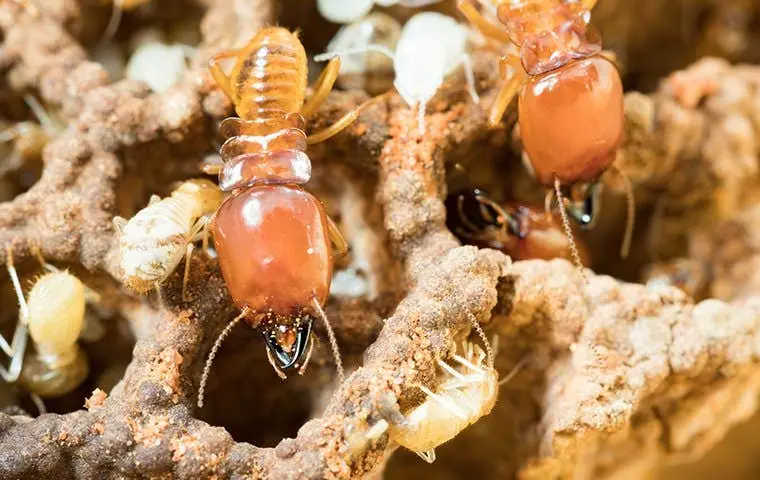
Key Highlights Introduction Welcome to FullScope Termite Treatment, Pest Control & Exterminator Service, your one-stop solution for all your pest control needs. We are a professional pest management company with years of experience in the industry, providing top-notch service to residential and commercial properties. Our team of certified exterminators is dedicated to delivering effective and customized pest control solutions to help you get rid of pests and keep your property pest-free. At FullScope, we understand the importance of a pest-free environment for the health and safety of your home or business. That’s why we offer comprehensive pest management solutions that target a wide range of pests, including ants, fire ants, termites, mosquitoes, cockroaches, wasps, spiders, fleas, rodents, and ticks. Our goal is to provide you with peace of mind by eliminating pests and preventing future infestations. Discover the FullScope Difference: Why Choose Our Termite Treatment, Pest Control & Exterminator Services When it comes to termite treatment, pest control, and exterminator services, FullScope stands out from the competition. We pride ourselves on offering comprehensive pest management solutions that address all your pest control needs. One of the key factors that sets us apart is our commitment to using advanced termite treatment techniques. Termites can cause significant damage to your property if left untreated, which is why we employ innovative and effective methods to eliminate termite infestations. Our certified exterminators are trained in the latest termite treatment technologies and can develop a customized treatment plan tailored to your specific needs. In addition to our advanced termite treatment techniques, we also prioritize eco-friendly and safe pest control measures. We understand the importance of protecting the environment and the health and safety of our customers. That’s why we use eco-friendly products and practices that are safe for your family and pets, while still effectively eliminating pests. Our team of certified exterminators is another reason to choose FullScope for your pest control needs. With years of experience in the industry, our exterminators have the knowledge and expertise to handle all types of pest infestations. They undergo regular training and stay up-to-date with the latest pest control techniques to ensure the best possible service for our customers. At FullScope, we believe in providing personalized service to our customers. We understand that every pest problem is unique, and that’s why we offer customized pest control plans to fit your specific needs. Whether you need a one-time treatment or ongoing pest control services, we can develop a plan that works for you. Our goal is to ensure your satisfaction with our service and provide you with long-term pest control solutions. 1. Comprehensive Pest Management Solutions FullScope Termite Treatment, Pest Control & Exterminator Service offers comprehensive pest management solutions for a wide range of pests. No matter what type of pest you’re dealing with, our team of certified exterminators has the expertise to effectively eliminate the infestation and prevent future problems. Our pest management solutions are tailored to address the specific needs of each customer. Whether you’re dealing with ants, termites, mosquitoes, cockroaches, wasps, spiders, fleas, rodents, or ticks, we have the knowledge and tools to handle the situation. We conduct a thorough inspection of your property to identify the type of pest and the extent of the infestation. Based on our findings, we develop a customized treatment plan that targets the pest and eliminates it from your property, including comprehensive coverage for millipedes. Our comprehensive pest management solutions not only eliminate pests but also focus on preventing future infestations. We take proactive measures to identify and address any potential pest entry points to ensure that your property remains pest-free in the long run. With FullScope, you can trust that your pest problem will be taken care of effectively and efficiently. 2. Advanced Termite Treatment Techniques Termites can cause significant damage to your property if left unchecked. At FullScope Termite Treatment, Pest Control & Exterminator Service, we specialize in advanced termite treatment techniques to eliminate termites and protect your home or business. Our certified exterminators are trained in the latest termite treatment technologies and stay up-to-date with industry best practices. We conduct a thorough inspection of your property to identify any signs of termite infestation and determine the best course of action. Based on our findings, we develop a customized treatment plan that targets the termites and eliminates them from your property. Our advanced termite treatment techniques are designed to be highly effective and efficient. We use a combination of liquid termiticides, baiting systems, and barrier treatments to ensure thorough termite control. Our goal is to not only eliminate the existing termite infestation but also prevent future infestations from occurring. With FullScope’s advanced termite treatment techniques, you can trust that your property will be protected from the damaging effects of termites. Our team of certified exterminators is dedicated to providing you with the highest level of service and ensuring your satisfaction with our termite treatment solutions. 3. Eco-Friendly and Safe Pest Control Measures At FullScope Termite Treatment, Pest Control & Exterminator Service, we prioritize eco-friendly and safe pest control measures. We understand the importance of protecting the environment and the health and safety of our customers. When it comes to pest control, we believe that it’s possible to effectively eliminate pests without compromising the well-being of your family or pets. That’s why we use eco-friendly products and practices that are safe for your home and the environment. Our certified exterminators are trained in the proper use of these eco-friendly products to ensure maximum effectiveness and safety. When searching for pest removal services, it’s important to ask about treatment methods and IPM practices. The best companies use EPA-approved Integrated Pest Management (IPM) practices, ensuring a safe and effective solution for your pest problems. Our eco-friendly pest control measures include the use of non-toxic baits, natural repellents, and targeted treatments that minimize the impact on the environment. We also focus on preventive measures to reduce the need for chemical treatments. By implementing integrated pest management strategies, homeowners can effectively control
Effective Strategies for Preventing Rodent Entry Points: A Comprehensive Guide
Introduction: Rodents are unwanted guests that can wreak havoc in homes and businesses, causing damage to property and posing health risks. Preventing rodent entry points is crucial to keeping these pests at bay. In this comprehensive guide, we’ll explore effective strategies to safeguard your space from rodent invasions. Seal All Cracks and Holes: One of the primary ways rodents gain entry is through small cracks and holes in walls, floors, and foundations. Conduct a thorough inspection of your property, sealing any openings you find. Use caulk for smaller gaps and weather-resistant sealant for larger holes. Pay attention to areas around pipes, vents, and windows, as these are common entry points. Something as small as the size of your thumb is an entry point for rodents. Look high and low, they are excellent climbers. Install Door Sweeps: Rodents can easily slip through the gaps beneath doors. Installing door sweeps is a simple yet effective solution. These attachments cover the space between the door and the floor, preventing rodents from squeezing through. Choose durable materials that can withstand wear and tear. Warm temperatures and smell are very attractive for rodents, especially on commercial accounts. Maintain a Tidy Landscape: A well-maintained landscape can deter rodents from approaching your property. Trim overgrown vegetation, especially near entrances, as rodents often use these as hiding spots. Keep a buffer zone between your building and any dense vegetation, reducing the likelihood of rodents finding a path to your doors and windows. Secure Trash Storage: Rodents are attracted to food sources, and unsecured trash bins provide an easy feast. Use bins with tight-fitting lids and ensure they are placed on elevated surfaces. Regularly clean the area around trash bins to eliminate food residue that might attract rodents. Store Food Properly: Rodents are resourceful when it comes to finding food. Store pantry items in airtight containers to deny them easy access. Additionally, clean up spills promptly, and avoid leaving pet food out overnight. By eliminating food and water sources, you make your property less appealing to rodents. Conduct Regular Inspections: Preventing rodent entry points requires vigilance. Schedule regular inspections of your property to identify and address potential vulnerabilities. Look for signs of rodent activity, such as droppings, gnaw marks, or nesting materials. Early detection allows for prompt action before an infestation takes hold. Regular Pest Control Services insure your home is being inspecting quarterly for activity and any possible new entry. Exterior Population Control: Suburban locations can be a haven for rodents, access to water, food or harboarge allow high volume populations. Exterior rodent bait stations can be an added layer of protection to keep populations in check. Consult a pest professional to ensure professional tamper proof stations are used. Conclusion: Preventing rodent entry points is a proactive and essential step in maintaining a pest-free environment. By sealing cracks, securing trash, and implementing these strategies, you can significantly reduce the risk of a rodent infestation. Stay vigilant, conduct regular inspections, and take prompt action to keep your home or business rodent-free. Not sure you can handle this on your own, call your local pest experts at FullScope Pest Services, for an inspection and recommendations to help you with effective strategies to prevent rodent entry.
Unveiling the Silent Invaders: Signs of a Rodent Infestation in Your Home
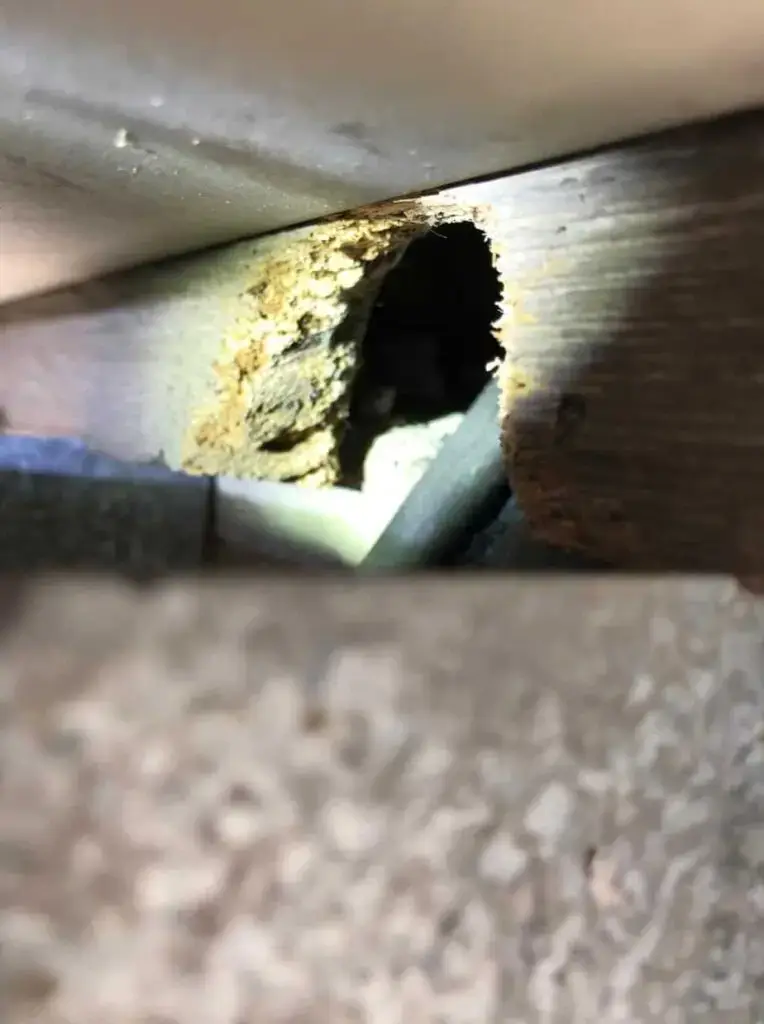
Introduction: Rodents, such as mice and rats, are unwelcome guests that can wreak havoc in your home. These tiny creatures are not only a nuisance but can also pose serious health risks. Identifying the signs of a rodent infestation is crucial for taking prompt action and safeguarding your living space. In this article, we’ll explore the subtle and not-so-subtle indicators that may suggest you have unwanted furry visitors. Droppings and Urine Odor: One of the most common signs of a rodent infestation is the presence of droppings. Keep an eye out for small, pellet-like droppings around your home, especially in dark and secluded areas. Additionally, a distinct musty odor from urine may accompany a rodent presence. Gnaw Marks and Damaged Items: Rodents have a natural instinct to gnaw on things to keep their teeth from growing too long. Look for gnaw marks on furniture, wires, and even food packaging. Damaged items and torn packaging could indicate a rodent’s feeding or nesting activity. Nesting Material: Rodents create nests using materials like paper, fabric, and insulation. Check for nests in hidden corners, behind appliances, or in storage areas. Finding shredded materials in these spaces may be a clear sign of rodent activity. Footprints and Smudge Marks: Rodents often leave behind footprints and smudge marks, especially along baseboards and walls. Dusty or dirty areas may reveal these tracks, giving you clues about the pathways they use within your home. Scratching Noises: Listen for scratching or scurrying noises, particularly at night when rodents are most active. These sounds may indicate their movement within walls, ceilings, or under floors. Pay attention to any unusual sounds in your home and investigate promptly. Visible Sightings: While rodents are generally elusive, you might spot them occasionally. If you see a mouse or rat during daylight hours, it could be a sign of a larger infestation. Take immediate action to address the issue before it worsens. Pet Behavior Changes: Pets, especially cats and dogs, can sense the presence of rodents. If your pet exhibits heightened interest in certain areas, such as sniffing or pawing at corners, it could indicate the presence of rodents. Food Contamination: Rodents are notorious for contaminating food. Check for chewed packaging, small bite marks on food items, or droppings near stored food. Keep an eye on your pantry and kitchen to ensure the safety of your consumables. Conclusion: A rodent infestation is a serious matter that requires swift action. By being vigilant and recognizing the signs early on, you can address the issue effectively and prevent further damage. If you suspect a rodent infestation, consider seeking professional pest control services to ensure a thorough and lasting solution. Protect your home and your family by staying informed and proactive against these unwanted invaders.
A Comprehensive Guide to Identifying Rodent Droppings: A Closer Look at Common Signs and Prevention

Rodents, such as mice and rats, are unwelcome guests in homes and businesses. One of the key indicators of a rodent infestation is their droppings. In this article, we will provide a detailed guide on how to identify rodent droppings, the potential risks they pose, and effective prevention methods. Understanding these aspects is crucial for maintaining a clean and healthy environment. Why Identify Rodent Droppings? Understanding the significance of identifying rodent droppings is the first step in effective pest management. Rodent droppings can carry harmful bacteria and pathogens that pose health risks to humans. By recognizing these signs early on, you can take swift action to address the issue and prevent further infestations. Characteristics of Rodent Droppings Differentiating between rodent droppings and those of other pests is essential for accurate identification. Discuss the size, shape, color, and texture of rodent droppings. For instance, mouse droppings are typically smaller and more slender than those of rats. Including images or illustrations can enhance the reader’s understanding. Common Areas for Rodent Droppings Highlight places where rodents are likely to leave droppings in homes or businesses. This could include attics, basements, kitchens, and storage areas. Emphasize the importance of regularly inspecting these spaces to detect and address rodent infestations promptly. Health Risks Associated with Rodent Droppings Examine the potential health hazards associated with exposure to rodent droppings. Discuss diseases that can be transmitted through contact or inhalation, emphasizing the importance of proper cleaning and sanitation procedures. Prevention and Control Measures Provide practical tips on preventing rodent infestations and maintaining a rodent-free environment. This could include sealing entry points, proper waste management, and the use of traps or deterrents. Highlight the significance of regular inspections and proactive measures. Professional Pest Control Services Acknowledge that severe infestations may require the expertise of professional pest control services. Once rodents have made entry into a home trapping alone will not solve the problem, prevention and sealing entry points is necessay. Discuss the benefits of seeking professional help and the various methods they employ to address rodent issues effectively. Conclusion It is important to identify and located rodent droppings, know the characterstics of rodent dropping, as well as understand the health hazard involved with excessive levels of droppings. In most cases when you identify rodent activity, through sound, site or smells, it is time to consult a professional in rodent removal. Experience matters in this instance, identifing every potential opening and performing high quality exclusion work will fortify your home or office to prevent rodent re-entry.