 1500+ reviews

Flea Pest Control: A Complete Guide for SE Texas Homes

You can vacuum until your back aches and still find fleas hopping on the dog two days later. That's the part that frustrates Magnolia homeowners the most, especially in Southeast Texas where warm, humid weather keeps flea pressure active longer than people expect. The problem usually isn't that nothing worked, it's that the treatment didn't hit the pet, the indoor hiding spots, and the outdoor harborages at the same time. Flea pest control works best when you treat it like a synchronized job, not a one-and-done spray. The house, the animal, and the yard all have to be pushed through the same timeline, or the life cycle resets. That's why timing matters more than the brand name on the bottle. Why Fleas Keep Coming Back After Treatment A family in Magnolia can do everything “right” on a Saturday, spray the floors, clean the bedding, even treat the dog, then see fresh fleas again by Tuesday. That usually feels like failure, but it's often the pupal stage doing what it does best. The protective cocoon shields the insect until conditions are right, so the problem can look finished before it really is. The part most homeowners never see Fleas don't live only on the pet. Eggs fall into carpet, furniture seams, baseboards, and pet bedding, then larvae feed and develop out of sight. When a treatment hits carpets and upholstery, it may stop larvae, but it doesn't kill pupae, so fleas can keep emerging for up to 2 weeks after treatment according to UC IPM's flea guidance. That delay is why people think the treatment failed when it didn't. The job may have knocked down the active stages, but the hidden reserve keeps hatching. If the pet wasn't treated at the same time, those emerging adults have a host waiting. Practical rule: if fleas “come back,” assume the cycle was interrupted, not destroyed. What keeps the cycle alive A single indoor spray misses the point if the dog or cat is still carrying fleas. The same is true in reverse, a pet-only treatment leaves the carpets, couches, and shaded yard spots untouched. For a cleaner visual on the warning signs that show up before a full blowout, the FullScope flea infestation signs guide is worth keeping handy. The reason recurring cases feel so stubborn is simple. Flea pest control is about synchronized pressure on the pest at every stage, not a quick kill on the adults you can see. When that timing slips, the pupae get a second chance, and homeowners see exactly what they thought they'd already eliminated. Inspecting Your Home and Pets for Flea Activity Start with the animal. Use a flea comb over the neck, back, belly, and tail base, then check the comb over a white paper towel so dark specks stand out. If those specks smear reddish-brown when dampened, that's a strong sign of flea dirt rather than ordinary dust. Check the places fleas actually prefer Inside the home, look where the pet spends the most time, not just where you happen to walk. Carpets, couch cushions, pet beds, and soft crevices hold more risk than bare tile. The Montgomery County Vector Control District notes that homeowners may need to vacuum carpets, rugs, cushions, upholstered furnishings, and all crevices repeatedly for days or weeks until the infestation is gone. A quick white-sock walk across carpeted rooms can help expose adult fleas. They're small, but if they're active, you'll often notice movement near rest areas, baseboards, and the edges of furniture. Outdoor checks matter too, especially under decks, beside kennels, around doghouses, and in shaded turf where pets linger. Pet bedding: Pull it up first, because eggs and larvae collect fast here. Resting spots: Focus on couches, chair corners, and the exact patch of carpet the animal prefers. Outdoor harborages: Look at shaded areas near walls, kennel runs, and spots with minimal sun exposure. High-traffic crevices: Baseboards, floor gaps, and under furniture can hold fleas even when the center of the room looks clean. If you're washing bedding during inspection week, a guide to clean dog bedding can help you choose washable options that make routine maintenance easier. Match the inspection to the treatment plan A light infestation may show up in just one or two pet resting areas. A heavier one spreads into multiple rooms, upholstery, and outdoor pet zones. That's the practical dividing line, if fleas are concentrated, treatment can be targeted, but if you're seeing them in several rooms, the whole environment needs attention. For a tighter homeowner checklist, the FullScope treatment checklist is useful before any product goes down. The point of inspection is not just to confirm fleas are present. It's to find the exact locations that will keep feeding the infestation if you miss them. Executing a Same-Day Treatment Sequence The strongest flea control jobs don't drift across several days. They start the same day on the pet, move through the house, and finish with the outdoor zones where the pet spends time. That coordinated sequence is what keeps adults from bouncing back before the environment has been reset. Start with the pet, then move to the room The pet comes first because every untreated host can repopulate the room. Use veterinarian-recommended products suited to the species, since cats and dogs don't always respond safely to the same ingredients. Public-health guidance from the European Centre for Disease Prevention and Control says control should include periodic ectoparasiticide treatment on pets along with cleaning the pet environment. After that, vacuum all pet-visited areas thoroughly. University extension guidance says to treat pets, vacuum pet-visited areas, exclude other hosts where possible, and treat indoors and outdoors in one coordinated sequence, all on the same day according to UAEX flea management guidance. That same-day timing matters because fleas don't stay neatly in one stage or one location. Treat the animal, then the rooms, then the outdoor harborages. If that order gets scrambled, the cycle survives. Use the right product logic, not just the strongest spray
Mastering Flea Pest Control: Identifying & Eliminating Fleas
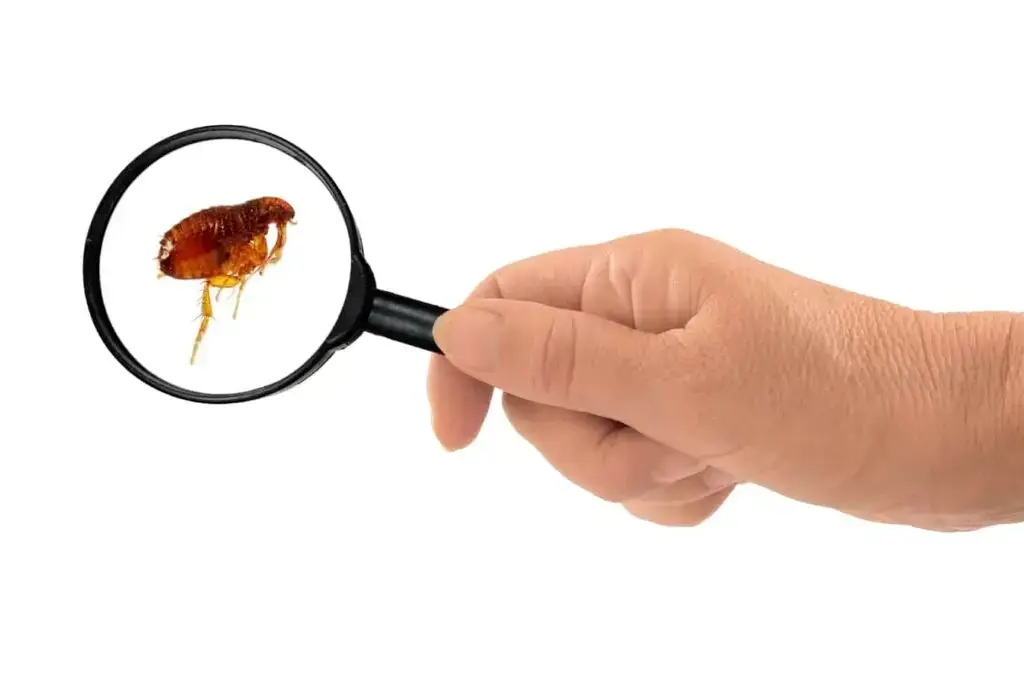
Key Highlights Introduction Fleas are a common nuisance for homeowners, especially those with pets. These tiny blood-sucking pests can quickly infest your home and cause significant discomfort for both you and your pets. Flea bites can be itchy and irritating, and the presence of fleas can lead to allergic reactions in some individuals. To make matters worse, fleas reproduce rapidly, making it challenging to eliminate them without professional help. Understanding the flea problem is the first step towards effective flea control. This blog will guide you on how to identify and get rid of fleas with the help of a professional flea exterminator like FullScope. We will discuss the common signs of flea infestation, the threat they pose to your home, and the comprehensive flea extermination solutions offered by FullScope. Don’t let fleas take over your home. With the right knowledge and professional help, you can eradicate these pesky pests and enjoy a flea-free living environment. Understanding the Flea Problem To effectively eliminate fleas, it is crucial to understand the flea problem. Fleas are small, wingless insects that feed on the blood of mammals and birds. The most common types of fleas that infest homes are cat fleas (Ctenocephalides felis) and dog fleas (Ctenocephalides canis). These fleas have a life cycle consisting of four stages: eggs, larvae, pupae, and adult fleas. Flea eggs are oval-shaped and usually laid on the host animal or in the animal’s bedding. These eggs are tiny and can easily fall off onto carpets, furniture, and other surfaces. Once the eggs hatch, they develop into larvae, which feed on organic debris and flea dirt. After the larval stage, the flea pupates and eventually emerges as an adult flea. Adult fleas are capable of jumping long distances and quickly infesting your home. Understanding the life cycle of fleas is essential for effective flea control. By targeting all stages of the flea life cycle, it is possible to eliminate the infestation and prevent reinfestation. Common Signs of Flea Infestation Identifying the signs of a flea infestation is crucial for prompt action. Here are some common signs to look out for: If you suspect a flea infestation, it is important to act quickly to prevent the problem from worsening. Contacting a professional flea exterminator like FullScope can help ensure thorough and effective flea removal. Why Fleas Are a Threat to Your Home Fleas not only cause discomfort but also pose various threats to your home and family. Here are some reasons why fleas are a threat: To protect your home from the threats of fleas, it is essential to seek professional flea extermination services. FullScope’s comprehensive solutions can effectively eliminate fleas and prevent future infestations. FullScope’s Comprehensive Flea Extermination Solutions FullScope offers a range of comprehensive flea extermination solutions to meet the unique needs of each customer. Their experienced technicians are trained in effective flea control methods and use safe and proven techniques to eliminate fleas from your home. Their treatments include the use of professional flea control products, such as flea bombs and flea shampoos, to target fleas at all stages of their life cycle. These treatments are applied strategically to ensure maximum effectiveness and long-lasting results. With FullScope’s flea extermination services, you can have peace of mind knowing that your home is free from fleas and the potential health risks they pose. Homeowner Checklist for Flea Treatments Tailored Flea Treatment Plans FullScope understands that every flea problem is unique, and they tailor their treatment plans to address specific infestations. Their experienced technicians will assess the severity of the infestation and identify the type of flea causing the problem. When developing a treatment plan, FullScope takes into account various factors, including the presence of pets, the condition of pet bedding, and the use of vacuum bags. By addressing these factors, FullScope ensures thorough flea extermination and minimizes the risk of reinfestation. Their tailored flea treatment plans include a combination of professional treatments, such as flea control products and targeted applications, to effectively eliminate fleas from your home. With FullScope’s expertise, you can trust that your flea problem will be resolved efficiently and safely. Safe and Effective Flea Removal Techniques FullScope utilizes safe and effective flea removal techniques to protect your home, pets, and family. Their technicians are trained in the proper use of flea foggers, which release insecticides that target fleas while minimizing exposure to humans and pets. In addition, FullScope may recommend the use of diatomaceous earth, a natural powder that dehydrates and kills fleas. This environmentally friendly option is safe for both pets and humans. By utilizing these safe and effective techniques, FullScope ensures that flea removal is conducted with utmost care and consideration for the well-being of your home and loved ones. Step-by-Step Process of Flea Extermination FullScope follows a comprehensive step-by-step process for flea extermination to ensure the best results for their customers. The process begins with an initial inspection of your home to assess the severity of the flea infestation and identify any potential entry points or hiding spots for fleas. Based on the findings, FullScope’s technicians will develop a tailored treatment plan. The treatment application involves targeted applications of professional flea control products to effectively eliminate fleas from your home. FullScope also provides post-treatment monitoring to ensure the success of the treatment and offer tips on preventative measures to prevent future infestations. With FullScope’s satisfaction guarantee, you can have confidence in the effectiveness of their flea extermination services. Their goal is to provide long-lasting results and a flea-free home for their customers. Initial Inspection and Assessment During the initial inspection and assessment, FullScope’s professional exterminators will thoroughly examine your home to determine the extent of the flea infestation. Their years of experience and expertise enable them to quickly identify the first signs of flea activity, such as flea bites or flea dirt. By identifying the source and severity of the infestation, FullScope can develop a targeted treatment plan to eliminate the fleas effectively. With their knowledge and experience, they can address