1500+ reviews

You're probably dealing with the version of flea trouble that starts small and turns stubborn. The dog keeps scratching at the base of the tail, the cat won't settle, and every time you vacuum, the bag still looks dusty and alive with the same problem. In Magnolia, that usually means you're not just fighting fleas on the pet, you're fighting the whole property.
That's the part a lot of people miss. Flea control for pets only works here when the pet, the house, and the yard all get handled together, because flea eggs, larvae, and pupae keep cycling through carpet, bedding, shaded porches, brush, and damp ground long after the adult fleas are gone. Cornell's veterinary guidance says breaking that cycle can take a few months and recommends year-round prevention, plus washing bedding and vacuuming frequently, because the home keeps feeding the problem if you don't interrupt it at every stage (Cornell flea guidance).
Why Flea Problems in Magnolia Need a Bigger Plan
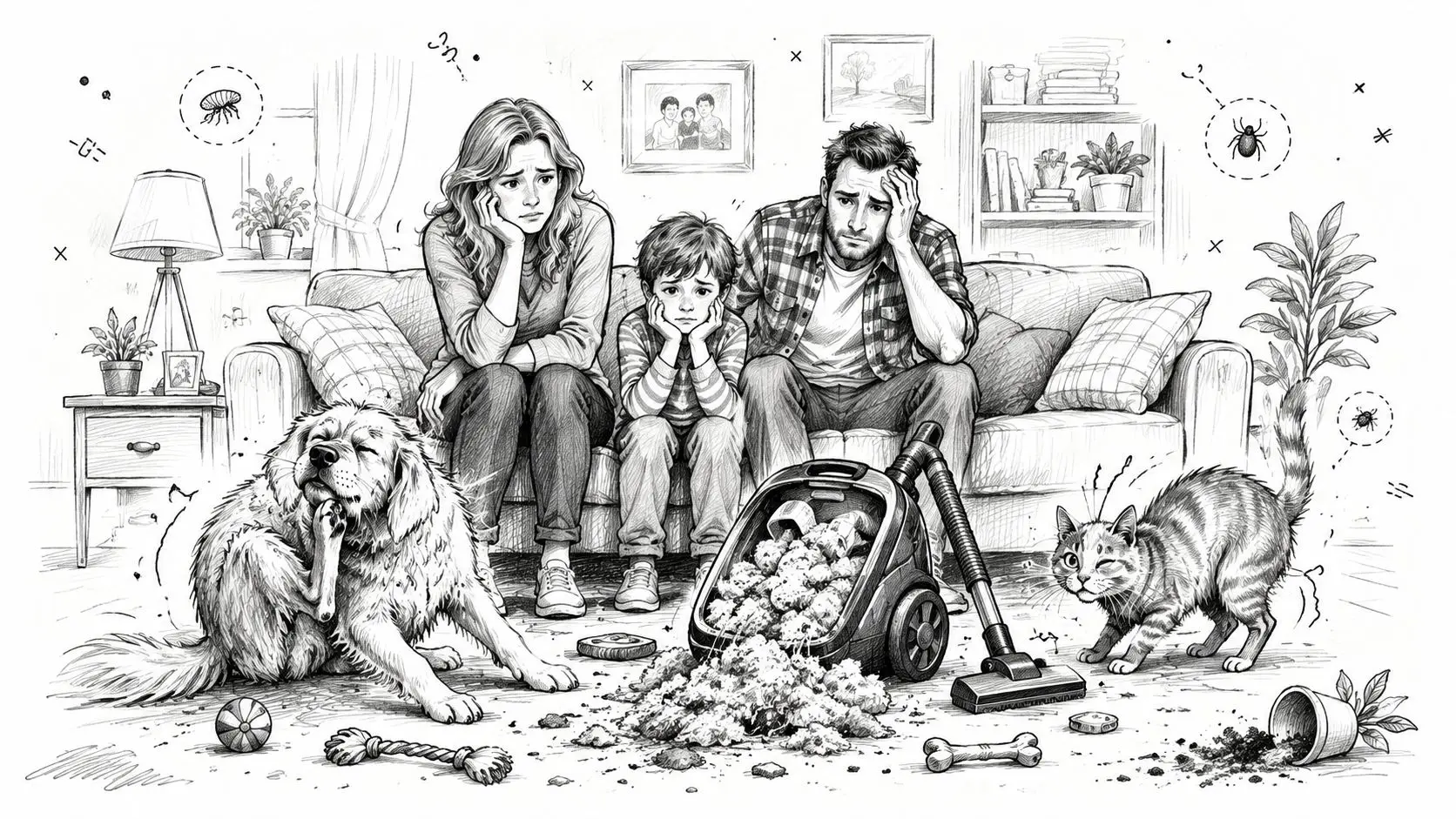
A typical Magnolia call starts with the same scene. The dog has been scratching for days, the cat is restless, and someone has already washed blankets and sprayed a bottle product, but the itching keeps coming back. In a shaded yard with pine needles, oak leaves, porch corners, and wildlife traffic, that is not unusual. It is the shape of the problem here.
Pet treatment alone leaves the rest of the cycle intact
Fleas do not stay where you can see them. Adult fleas jump on the animal, but the rest of the population lives in the environment, especially where pets sleep, rest, and pass through. In Magnolia, humid, brushy lots give fleas protected places to keep developing after the pet has already been treated.
The practical plan has three tracks. Treat the pet. Treat the home. Treat the yard. Skip one of them, and the cycle keeps running. That is why a single application often looks promising for a few days, then the scratching starts again.
Practical rule: if you only see fleas on the animal, you are already looking at the smallest part of the problem.
What timeline to expect
Controlled products can knock down adult fleas fast, but household reinfestation clears more slowly. In moderate cases, control often takes 3 to 8 weeks or longer when vacuuming and bedding hygiene are inconsistent, and severe infestations can take several months to fully settle (EMA guideline). That timeline is frustrating, but it matches what the life cycle does. Cornell's flea guidance also points to frequent vacuuming, washing bedding, and year-round prevention because the home keeps feeding the problem if you do not interrupt it at every stage (Cornell flea guidance).
The part that matters most is sequencing. A same-day response in Magnolia usually works better than a piecemeal one, because fleas in the house and yard do not wait while you decide what to do next. For a closer look at the early signs, see this guide to flea infestation signs.
Spotting Fleas Early and Knowing the Life Cycle
A flea problem often shows up before you see a single jumping insect. A pet that keeps chewing the lower back, snapping at the tail base, or acting restless on bedding is often the first clue. Black specks in the coat that smear reddish-brown when dampened point to flea dirt, and in heavier cases the animal may look drained or have pale gums if the infestation is severe enough to affect the blood.
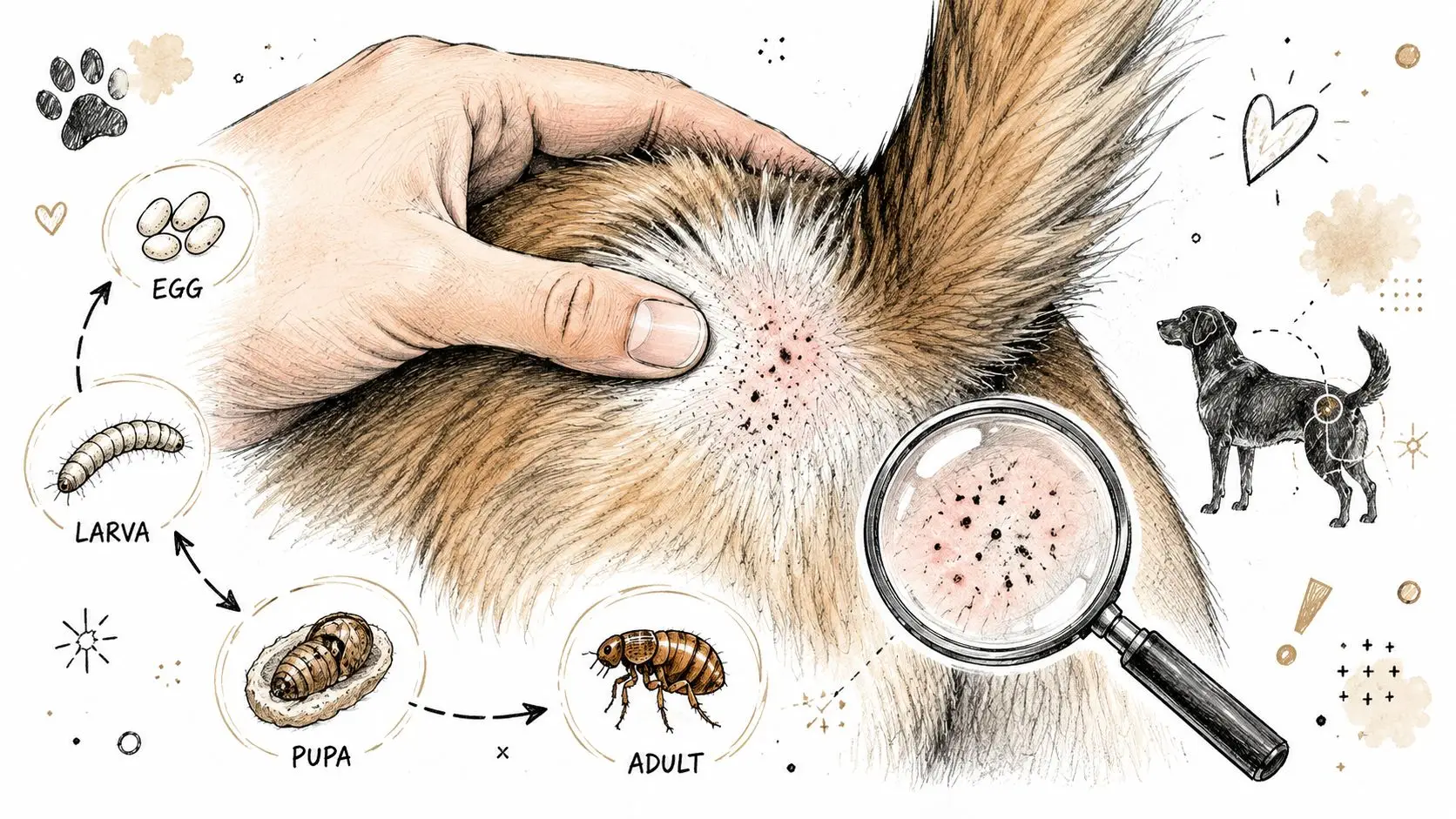
The adult flea you spot is only the visible part. Eggs, larvae, and pupae keep cycling through carpets, bedding, and shaded outdoor areas, which is why a pet-only fix usually falls short. Oregon veterinary guidance also points to the need for same-day action on the pet, inside the home, and around the yard, because the life cycle keeps moving if only one part gets treated (Oregon VMA).
Where the stages hide in a Magnolia home
Eggs drop off the pet and settle into throw rugs, sofa seams, baseboards, and dog beds. Larvae avoid light, so they work down into carpet fibers, cracks, and debris along edges. Pupae are the hardest stage to beat because they can sit protected in shaded porch corners, under furniture, and in yard litter until heat, vibration, or a nearby host helps them emerge.
That is why a home can look clean and still keep producing fleas. The adults die, the pet seems calmer, and then the next wave shows up later from hidden stages that were already in place. In Magnolia, shaded lots, humid ground cover, and wildlife traffic around fences give those stages more places to survive than a dry, open yard does.
A quick way to judge whether the problem is still active is to look for flea infestation signs in pets. If the pet keeps scratching after the visible adults are gone, the next generation is already waiting in the carpet, bedding, or shaded yard debris. If fleas keep turning up after the animal looks better, the environment is still feeding the cycle.
Choosing the Right Treatment for Your Pet
The right pet treatment depends on the animal, the house, and how much handling you're comfortable with. For many Magnolia homes, the strongest setup is a long-acting oral or topical product plus a flea comb for monitoring. That combination gives you speed on the pet and an early warning system if the infestation hasn't fully broken.
| Option | Best For | Duration | Watch Out For |
|---|---|---|---|
| Topical spot-on | Cats or dogs that tolerate skin application | Weeks to months, depending on product | Must be dosed correctly and kept away from kids until dry |
| Oral chew or tablet | Fast knockdown and households that want no residue on hands | Product-specific, often monthly or longer | Must match the pet's weight and species |
| Medicated shampoo | Immediate relief during a bad flare-up | Short-lived | Useful for cleanup, not enough by itself |
| Flea comb | Daily monitoring and early infestations | Ongoing | Needs patience and consistent use |
Topicals spread across the skin and coat, so they're a good fit when pill-giving is difficult. Oral products are convenient in homes with children because there's no wet residue on hands after application. Shampoos can calm a miserable pet fast, but they don't stay on the animal long enough to break an infestation alone. Flea combs are low-cost and useful, but they're a monitoring tool, not the full solution.
Safety matters more than brand loyalty. Permethrin is dangerous for cats, and dog products should never be used on cats because the dose and ingredients aren't interchangeable. Weight-based dosing matters too, because underdosing leaves survivors and overdosing raises risk.
Practical rule: if the label doesn't match the species exactly, don't improvise.
For Magnolia households, seasonal treatment usually isn't enough. Southeast Texas winters don't reliably shut fleas down, so prevention needs to stay consistent rather than stopping when the weather cools. If you want a deeper product walk-through for dog owners, the guide to get rid of fleas on dogs gives a useful starting point for comparing treatment styles.
Treating the Home on the Same Day
The indoor job works best when it starts the same day the pet is treated. Vacuum carpets, rugs, upholstered furniture, and baseboards first, then empty the canister or dispose of the bag immediately so eggs and larvae don't sit in the machine waiting to come back out. Wash all pet bedding, removable covers, and any human linens the pet sleeps on in hot water, then dry thoroughly.
Hard floors need attention too. Mop edges, corners, and the areas under furniture where dust collects, because flea dirt and debris settle there even when the room looks clean. If the infestation is established, use an insect growth regulator, or IGR, such as products with s-methoprene or pyriproxyfen, because those ingredients prevent eggs and larvae from maturing into the next generation.
The sequence matters more than the individual product. If you vacuum once and stop, the cycle often rebounds. If you keep vacuuming every other day for the first two weeks, you keep pulling up developing stages before they can finish.
A realistic indoor cadence
- Vacuum first, then treat: get the debris out before applying an indoor product so the chemistry reaches the places fleas are hiding.
- Wash pet bedding right away: don't wait for the next laundry day.
- Repeat vacuuming every other day: the first two weeks are where the hidden population is most likely to keep emerging.
- Keep furniture covers in rotation: if pets use the couch, washable protection makes cleanup less painful.
A good couch cover helps a lot when pets sleep on the furniture. If you're trying to protect upholstery while you clean aggressively, the guide to pet friendly couch covers is worth a look because it fits the practical problem of fur, scratching, and repeated laundering.
Skipping the vacuum routine is one of the most common reasons people think a product failed. The product may have killed what was on the pet, but the house kept exporting new fleas. That's why the home treatment has to stay tight for more than a single weekend.
Yard and Outdoor Spaces in Magnolia Conditions
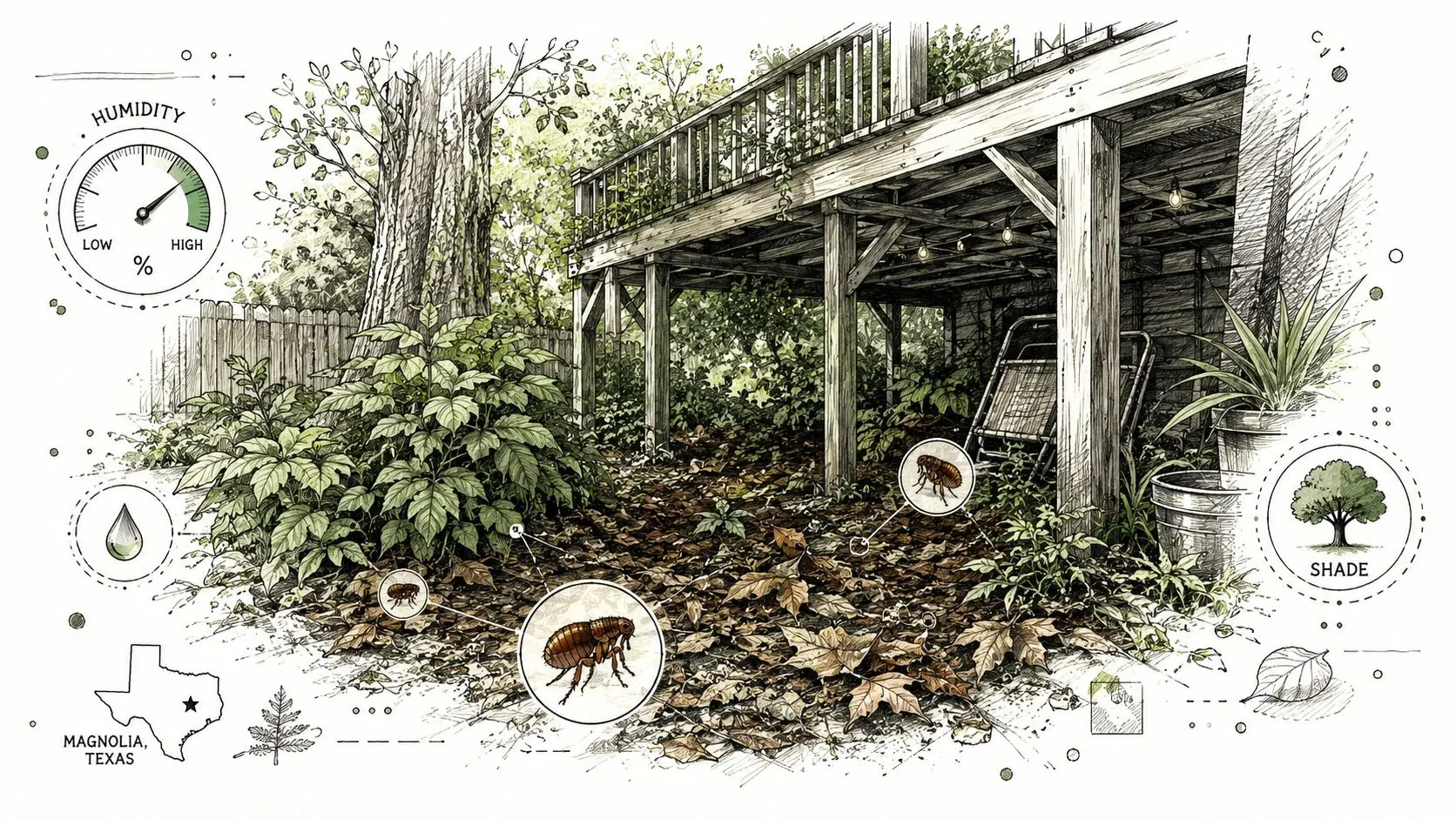
Magnolia yards give fleas the conditions they like most, especially in shaded spots where leaves collect and the ground stays damp. The CDC says fleas prefer shade and recommends mowing, avoiding over-watering, raking debris, and keeping rodents and wild animals away from the home because they commonly carry fleas (CDC). That lines up with what shows up in brushy Southeast Texas lots, under decks, along fence lines, and around the spots where pets like to lie down.
What the yard needs first
Start with the habitat itself. Mow regularly so the grass does not stay thick and damp. Rake leaves, remove debris, and trim shrubs away from the house so shaded harborage does not press right up against the foundation. If water hangs around after rain or irrigation, fix the drainage before you keep spraying, because damp soil makes the yard friendlier to flea development.
Rodents and wildlife matter too. Sealing crawlspace gaps, securing pet feed, and cleaning brush piles reduce the number of animals that can carry fleas into the property. That is not cosmetic work, it is part of the control plan.
Outdoor products can help, but they have to be used with some discipline. Barrier sprays, IGR granules, and professional perimeter treatments work best when they are aimed at the exact places fleas hide, not just sprayed broadly across open grass. Heavily infested yards may need repeat outdoor treatment at 14 to 21 day intervals for three to five applications to break the cycle (VCA Hospitals). If the yard is built around shade, pet traffic, and wet ground, the guide to dog-friendly yards is useful because it helps you think about circulation, cleanup, and where pets spend time.
Practical rule: treat the shaded edges, not just the lawn center.
Outdoor treatment alone only reaches a slice of the population, so the pet and indoor environment still have to be handled at the same time (VCA Hospitals).
What Natural and DIY Methods Actually Deliver
People ask about low-toxicity flea control because they want something safer around kids, cats, and couches. That instinct makes sense, but the honest answer is that most natural methods work best as support tools, not as the only plan for an established infestation. Diatomaceous earth can help in dry, undisturbed cracks, but it loses value fast where pets walk, vacuum, and sleep.
Herbal sprays and essential-oil blends can smell cleaner, but fragrance isn't the same as control. They may make a room seem treated without stopping the life cycle in the carpet, bedding, or shaded yard spaces where fleas keep developing. Soap-and-water traps can catch some adults, and they're fine for monitoring, but they don't clean out the hidden population.
Flea combing is the strongest DIY habit in the group. Used daily, it can confirm whether treatment is working and catch new adults before the infestation booms again. That makes it valuable early on, especially if you're trying to decide whether the problem is improving or stalling.
What these methods are good for
- Diatomaceous earth: limited support in dry cracks and edges.
- Herbal sprays: light suppression and scent, not complete control.
- Soap traps: monitoring and minor capture.
- Flea combs: daily inspection and early warning.
The contrarian point is simple. “Natural” doesn't automatically mean sufficient, and “nontoxic” methods can leave households stuck if they're used instead of real flea control. Veterinary and university guidance still frames integrated pest management, vacuuming, and insecticides with IGRs as the backbone of actual control, especially once the infestation is established (PETA flea-control overview).
If the comb keeps catching fleas every day, if the pet is still scratching two weeks into consistent prevention, or if people start getting bites on their ankles, the problem has moved past DIY territory. At that point, the house, pet, and yard need a more coordinated response.
When Professional Help in Magnolia Makes Sense
Some flea problems get beaten with discipline and a vacuum. Others keep coming back because the lot itself is working against you. In Montgomery County, especially around Magnolia, brushy edges, shaded ground, wildlife corridors, and humid hiding spots make flea control harder than it looks from the bottle label.

A professional visit in this market should start with an inspection of the pet environment, indoor harborage points, and shaded outdoor zones. It should also use an integrated pest management plan with low-toxicity options where appropriate for homes with kids and pets, then coordinate the timing so pet treatment, indoor application, and yard treatment happen the same day. That same-day sequence matters because delayed pieces let the cycle keep moving.
FullScope Pest Control offers flea control as part of its pest service lineup, and the company says it uses an insect growth regulator plus repeated insecticide applications to break the life cycle. It also operates locally out of Kingwood, Conroe, and Cleveland, with service across Magnolia and nearby Southeast Texas communities, and it lists QualityPro certification as part of its operational credentials. For broader service context, its flea pest control services page is the right internal reference.
For pet- and yard-safety context, the dog-safe bug spray guide is a useful read if you want to compare what “safe” really means on active dogs, but the key point in Magnolia stays the same, safety has to pair with effectiveness.
The realistic timeline doesn't change just because a pro gets involved. The best jobs still need follow-up aligned with the 14 to 21 day repeat window when the yard is heavily infested, and the overall household cleanup can still take weeks to settle. The difference is that a good service plan closes the gaps faster, especially in yards where shade and wildlife keep giving fleas a place to restart.
If fleas keep bouncing back in your Magnolia home, don't keep guessing at it with one-off sprays and crossed fingers. Book a same-day pet, home, and yard inspection, treat the shaded trouble spots the right way, and keep the follow-up schedule tight until the scratching stops for good.