 1500+ reviews

Getting Your Kingwood Home Ready for the Winter
As winter approaches, you’re looking forward to coming indoors from the cold nights and into the warmth of your Kingwood home. Invading pests are looking forward to just the same thing! All bugs crave shelter, food, and water, and your home might be just the stop they’re looking for. Unless you can do what it takes to eliminate the conditions that attract bugs into your home to begin with.
Battling Common Pests in Your Kingwood Garden
You love to garden, but some things about gardening get on your nerves, mainly pests that invade and undo all your hard work. Even the healthiest gardens, like yours in Kingwood, have pests that challenge you and that you wish you didn’t have to deal with. What should you be watching out for? Here is a list of common garden pests that you can be aware of and try to treat for as best you can. Don’t let pests get to your vegetables! Common Garden Pests: Animals/Pets: Animals, like deer, rabbits might come around to snack on some of your vegetable plants, damaging them. Yes, even your beloved pets may come around and dig up a row of your favorite flowers! Traps may work, but sometimes just keeping a close eye on your garden is the best you can do. Slugs and Snails: These creepy crawlies usually hide out in shady, damp areas and feed on both live and decaying plant material. Caterpillars: Caterpillars, like the Cabbage looper, Tomato Hornworm, and Cabbage worm, are actually larvae of soon-to-emerge moths and butterflies. But while in this phase of their life cycle, they love to eat, eat, eat your fruits and vegetables. Sometimes even sprays won’t work if these pests are deeply enough embedded. Aphids and other Insect Pests: Aphids not only suck the sap out of your plants’ leaves and stems, they also produce honeydew, which attracts ants and can create mold that prevents your plants from getting nourishing sunlight. Other insect pests like Whiteflies, Spider mites, scale insects, and thrips, also suck out your plants’ valuable nutrients, weakening them, and making them prone to plant diseases. Insects can also spread bacteria through your plants. You can stock up on traps and sprays (and for slugs and snails, just good old-fashioned salt), and whatever else you can think of to keep pests away from your lovely garden. The best overall strategy to getting rid of pests in your garden is to make your garden as unappealing to them as possible. If they find your garden to be uninviting, they will go elsewhere. You love to garden, but you hate dealing with pests that undo all your hard work overnight! You can spend tons of your free time setting out traps and spraying pesticides, but sometimes not even that is enough! Save yourself headaches, time, and money by calling our Kingwood, TX pest control experts today. We can help you keep your garden pest-free, so you can enjoy your vegetables and time with your family more.
Controlling Millipedes in Your Conroe Yard
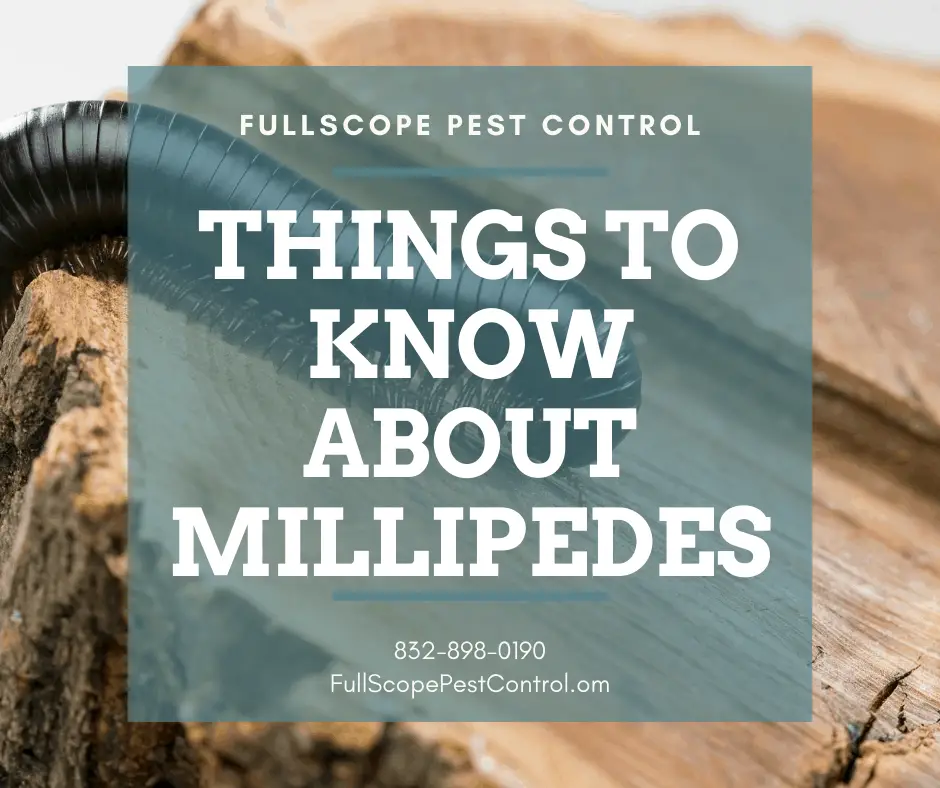
There are over one thousand different species of millipedes in the United States, and many are found in Texas. Most of them vary in color from grey to light brown, and even to orange, and they are known to move very slowly. They all appear to have hundreds of “wavy” legs. Most millipede species take at least a year or two to be able to reproduce, and after that, they can live another 5 to 10 years. Millipedes are mainly outdoor creatures, but at times, may find their way into your home. Once inside, they will seek out damp, dark areas to hide out. They can also attract pests that hunt and feed on them, like ants and spiders. These arthropod pests love crawling around and living in damp soil, mulch, decomposing leaves, root systems, and rotting thatch. It’s their main source of nutrition, and they will stick around as long as there is a food supply to support their population, which can get into the hundreds in an average yard. How to Prevent Millipede Invasions One good thing about millipedes is that they are virtually harmless; they don’t bite, sting, or transmit diseases. But they are a bit of a nuisance. Stopping millipede invasions takes some preventive steps, starting with identifying possible nesting sites. Knowing where they nest (it will usually be along one side of your home) helps you know where to minimize the damp, decomposing conditions in which millipedes thrive. Eliminating these will mean fewer of them will stick around your yard, and fewer will wander inside your home. The first step is to identify nest sights. This will allow you to minimize the conditions these pests need which in turn will lead to less getting inside. Look to see where they are invading. In most cases, you will find them along one side or wall of your home. Move mulch and firewood away from the side of your home, at least 20 feet, and clear grass clippings, compost piles, leaf debris, and other organic plant matter from your yard. Keep thatch buildup raked from off of your lawn. Eliminating these conditions will keep millipedes and other pests away from your home. They will go elsewhere for food and shelter. Also, don’t forget to seal up cracks, crevices, and other holes around your home’s foundation. Screen off utility/pipe entry points (or stuff gaps with steel wool). Millipedes are not dangerous at all, but they can invade your home and create an unpleasant situation if they are allowed harborage for long enough. And remember they attract ants and spiders that feed on them. The faster you act to control them, the quicker you can rest easy. Save yourself plenty of time, money, and headaches by calling our Conroe, TX pest control experts. Call us today so we can get cracking on getting your yard free of millipedes and other invasive pests. Must Read:DEALING WITH BLACK WIDOW SPIDERS
8 Facts About Yellowjackets in Your New Caney Yard
Yellow jackets are often mistaken for bees, being of similar size and coloring, but they actually belong to the wasp family. These stinging insects can terrorize yards, ball fields, and parks everywhere, including in New Caney, Texas. And nothing ruins a cookout or ballgame faster than being stung by yellow jackets! Here are 8 facts about these outdoor pests. Facts About Yellowjackets Yellowjackets live in colonies made up of workers and a queen. Queens stay in the nest and lay eggs while the workers’ job is to build the nest, protect the queen and the eggs/young, and find food for the colony members. Yellowjacket colonies can grow over time up to about the size of a basketball and can house 4,000 to 5,000 occupants. Nests are usually occupied for one season, after which the yellowjacket workers die off. Unlike bees, yellowjacket stingers don’t detach when they sting you. They can sting you multiple times! If you get stung enough (or if you’re allergic to yellowjacket venom), you might need to seek medical attention. Try not to squash a yellowjacket. When squashed, they release a pheromone that attracts others from their colony, and incites them to attack you if you’re nearby. Unlike paper wasps, yellowjackets don’t build their nests underneath the eaves of your home’s roof. They either build their nests in the ground, or in protected areas like a hollowed out tree or in a crawlspace. Yellowjackets eat sweet sap and nectar from fruits and plants, and sometimes eat other insects. At times they try to steal and eat the honey from nearby honeybee colonies. They also enjoy sweet foods and drinks that humans eat. Some insects try to imitate yellowjacket colors and patterns to ward off predators. Some yellowjacket nests have been recorded as holding as many as 100,000 stinging colony members. You should never swat at a yellowjacket, as this will only incite it to attack you. If you encounter one (or any other stinging insect), slowly back away from it and try not to make sudden motions. Yellowjackets and other stinging insects have a knack for ruining your outdoor fun. Even if you implement preventive measures, you might still get caught off guard by a hidden colony. The best landscapers can encounter them occasionally. Save yourself all sorts of stress, and time and money by calling our New Caney, TX pest control experts today! Let us help you enjoy the summer more with your family by helping get rid of those stinging pests. Recommended Read : PREVENT BROWN PATCH IN LAWN
Get Rid of Pharaoh Ants in Your Kingwood Home
Pharaoh ants can be seen crawling out of bathtubs, wall switch plates, along kitchen sinks… they seem to come from just about everywhere, and they can make a nuisance of themselves in your Kingwood, TX home. Generally speaking, ants are among the most hearty, resilient, and adaptable insects around, and most species can be difficult to get rid of once they’re indoors. It’s a good idea to know what type of ants you’re dealing with to help you in managing them. Pharaoh Ants (Monomorium pharaonis) Pharaoh ants are considered “tramp ants” and are known to cause problems in homes, hospitals, and other medical facilities. About one in every six ant species are known as tramp ants (usually small species, that build multiple colonies, and can feed on various different food sources), such as Argentine ants , Crazy ants , Odorous House ants , White-footed ants , Big Headed ants , and Rover ants. Fire ants are also considered to be tramp ants, though they don’t usually infest homes and other structures. Pharoah ants are among the smaller ant species, only measuring between 1/16″ AND 1/8″ in length, and they are typically light brown to reddish in color, with dark hind ends. They look similar to Thief ants, but without the two clubs on their antennae. How Do I Get Rid of Pharoah Ants on My Kingwood Property? As with trying to prevent other ant and insect invader pest species, keeping your lawn well mowed and the interior of your home wiped down and clean is a major key to keeping Pharoah ants out. No matter how clean your home is, keep in mind that ants can show up in even the cleanest of homes. Try the following tips to help you get rid of Pharaoh ants in your home. Promptly wipe up food and beverage spills, keep your sink free of empty dishes, and sweep and mop regularly in your kitchen. Make sure all leaks indoors and outdoors are repaired. Seal up cracks and crevices in the baseboards, doors, and windows. Screen off pipe and utility entry points. Keep firewood and mulch at least 20 feet away from your home, and clear your yard of debris. Trim your shrubs and trees at least an inch or two away from the side of your home. Mow your lawn regularly and keep it clear of lawn clutter (logs, branches, stumps, leaf piles, etc.). Must Read:DEAD SPOT ON YOUR KINGWOOD LAWN As with other ant species, baiting is the most consistently reliable and long-term way to eliminate entire colonies instead of spraying with a conventional repellent residual spray. But you can spot treat for ants with a good spray, just don’t spray where you’ve put down bait, or the ants won’t come anywhere near the bait like you want them to. You can also spray your yard with a good yard bug spray. Be patient! Depending on the colony size, it could take from a few days to a few weeks to eliminate it entirely. Insect Growth Regulator ant control products can also be effective. Always follow label directions. Pharaoh ants are likely to make an appearance on your property or even in your home at some point. Even with all your best preventive measures, you may still find yourself dealing with ant infestations (or problems with other pests) from time to time. Do you really want to spend your summer and fall months chasing after ants, or would you rather spend them grilling? Call our Kingwood, TX pest control experts today at 832-898-0190 and we can help you save all sorts of money, stress, and time. Keep your weekends free for grilling.
Dead Spot on Your Kingwood Lawn
Recognize and Control Spring Dead Spot on Your Kingwood Lawn Spring Dead spot is a fungal disease (Ophiosphaerella species) known to primarily affect yards planted with Bermuda grass varieties, including in Kingwood, TX. The fungus in the soil rots your grass’ roots and blades. Like other fungal diseases like Powdery mildew and Downy mildew , and as the disease’s name suggests, it is most prominent in the spring, and it appears as round patches of “bleached,” dead lawn. The patches can range in size from a few inches to several feet across. You’ll start to notice signs of it as it contrasts with the nearby budding, healthy grass begins emerging. From year to year, the patches will likely show up in the same areas of your lawn, as the fungus can overwinter from the previous year, but then after three or four years, they will go away. The fungus also grows in the fall when conditions are cooler and moist. Spring Dead spot is a serious lawn disease, but it is treatable. It is more commonly seen in mature and well-kept lawns, and not so much on younger lawns that aren’t heavily fertilized. Spring Dead Spot in Action Early on as this fungal disease develops, the inner parts of the discolored patches remain alive, but then die off as the problem continues. Re-growth in these dead areas has to occur because of healthy growth from nearby plants. This re-growth can be very slow. The deadened areas frequently see weed growth, often stunted. This is because the fungus leaves toxins in the areas with dead grass which slows down new growth. Get Rid of Spring Dead Spot Spring Dead spot treatment should happen in the fall as well as in the spring, and should include careful control of the amount of nitrogen fertilizer that you apply to your lawn. High levels of nitrogen create ideal conditions for the growth of this particular fungus. Fungicides can also be applied, but must be applied consistently and several times. Systemic lawn treatment fungicides can be applied heavily in the fall, usually only once, to help curb Spring Dead spot for the coming spring. Keep in mind that Bermuda grass varieties with higher tolerances for cooler temperatures are less prone to this particular fungal disease. Must Read:4 QUICK TIPS TO KEEP FLIES OUT OF YOUR CONROE HOME THIS FALL You are proud of your lawn, but do you find yourself spending too much time taking care of it, time you could be spending with family and friends? Keep taking care of your lawn (no overwatering, regular mowing, proper drainage, controlling fertilization properly), but if you’re spending too MUCH time on your lawn, consider calling in the professionals. Call our Kingwood, TX pest and lawn control experts today at 832-898-0190 or email us at info@fullscopepestcontrol.com. We can help you manage your bug and yard problems while keeping your lawn healthy and green. Save yourself all sorts of money, stress, and time, and enjoy gardening and then your time with family and friends.
What Causes Chinch Bugs on Your New Caney Lawn?
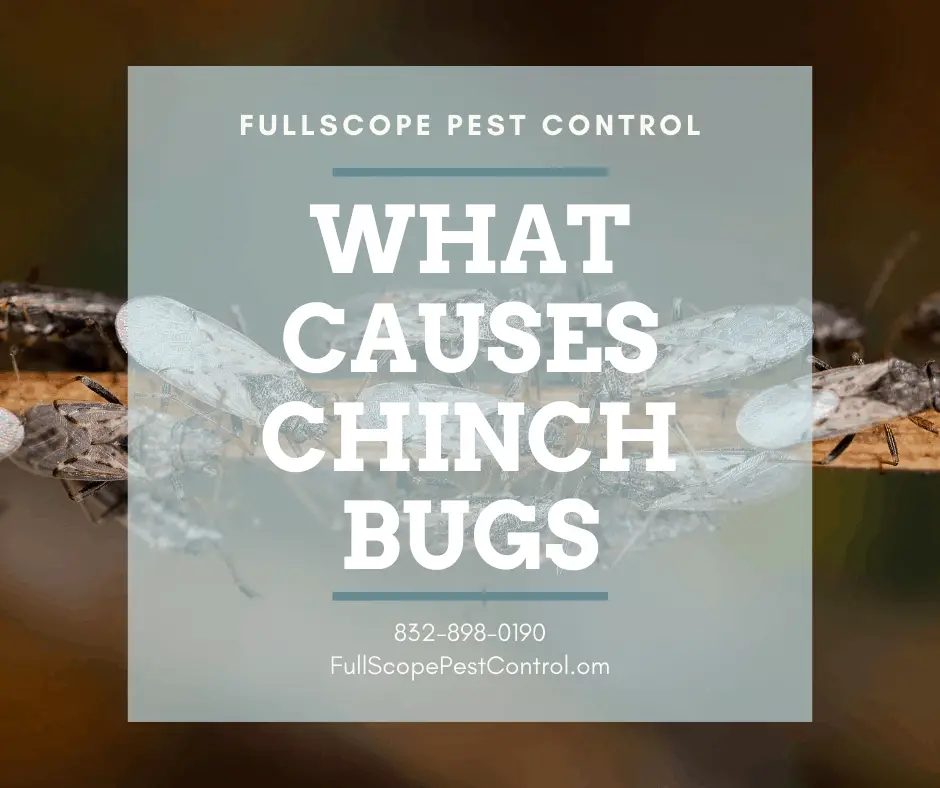
Chinch bugs attack only one type of lawn: St. Augustine grass, which is among the most common types of grass in the South. These pests cause most damage in the Gulf Coast region and in the southern half of Texas. Some years, controlling Chinch bugs is an all-year long event. Other years you will see Chinch bug activity roughly between March and November when the “sunny” season is in full swing. The common Chinch bug, Blissus leucopterus, is closely-related to grain crop pests throughout Texas and throughout the Midwest. Chinch bugs are small critters, who only grow up to about 1/5″ in length, with oval shaped bodies, wings, and piercing mouthparts that are perfect for chomping on the blades of grass in your lawn.
Press Release: Purchase of Cox Pest Control
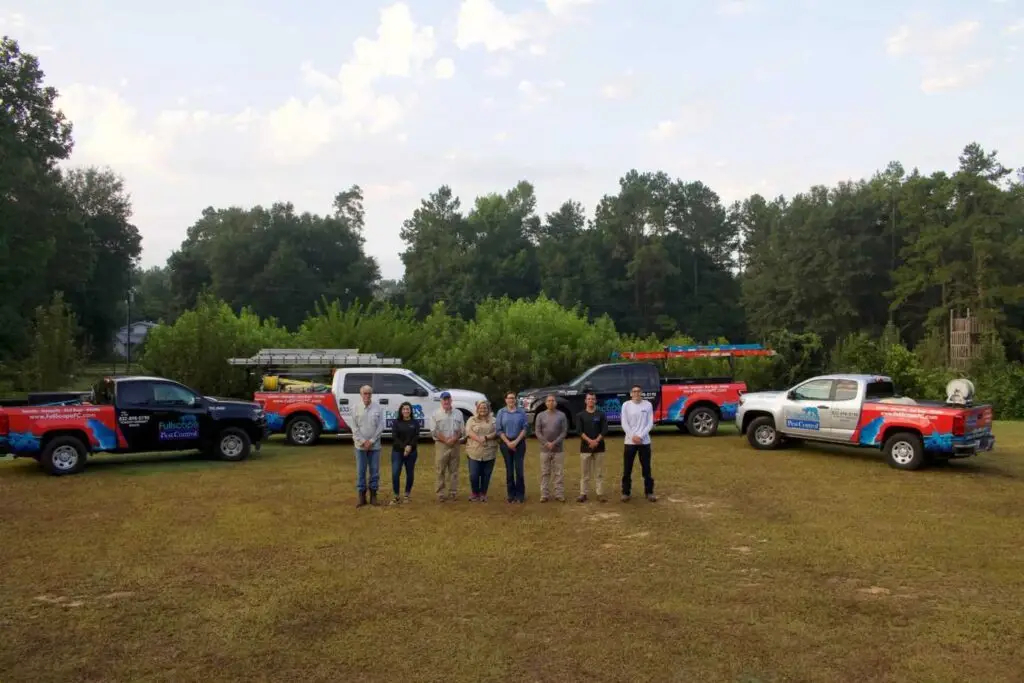
FullScope Pest Control Announces Agreement to Purchase Cox Pest Control Kingwood TX, August 1, 2020. For Immediate Release FullScope Pest Control, a locally owned pest control company in Kingwood, TX, specializing in customer centric home and commercial services, today announced the purchase of Cox Pest Control. “We are extremely pleased with the acquisition of Cox Pest Control, who has been serving the Kingwood, Porter, New Caney, Texas area for over 40 years”, remarks Derek Salazar, Owner and Operator. Moving forward current customers of Cox will be serviced with the highest level of professionalism and integrity, as in the past. New services will be offered to bring a more complete pest protection model into practice. Must Read:9 SIGNS RODENTS HAVE TAKEN OVER YOUR CONROE PROPERTY Derek Salazar, Owner, said, “In the pest control industry reputations are not something you can buy, and customer loyalty comes only from superior service, which is why we are confident all customers will appreciate the high level of service we provide.” For more information about the merger and services that will be offered and provided, visit our website at FullScopePestControl.com/news-updates We believe that we don’t just offer pest control: we offer pest prevention. Knowing pests’ natural habitats and life cycle gives us the upper hand in prevention, so we do more than just control after the invasion. We are here to prevent, not just eliminate. Pests have that name for a reason, and none of us want to have to deal with an uncomfortable and annoying pest situation. There are even some pests that will pose health risks, such as rodents and roaches. Pests can also influence your quality of life. Our method is not simply the old-fashioned route of pest control, which is spraying a general insecticide around the perimeter of your house on a monthly calendar, no matter what. We are different: we take the proactive approach to pest control, controlling the harborage areas, entry points, breeding sites, and we continue looking for evidence that a pest is targeting your home to stop it in its tracks. This takes a professional, more knowledgeable approach to pest control, which requires extensive knowledge of the pest and products that are available. Derek Salazar Owner, FullScope Pest Control FullScopePestControl.com info@fullscopepestcontrol.com Phone: 832-898-0190
Eastern Equine Encephalitis Virus Facts
What is Eastern Equine Encephalitis Virus (EEEV)? Eastern Equine Encephalitis Virus is a disease-causing virus that is spread through mosquitoes who have bitten birds infected with the virus. Swamp mosquitoes, species of mosquitoes commonly known as the black-tailed mosquitoes, are the primary vectors of EEEV. Swamp mosquitoes transmit the virus to birds or become infected after feeding on infected birds who dwell in the same swampland habitat. These mosquitoes then transmit the illness to horses and humans through biting them. What you should know about EEEV Even though the probability of contracting EEEV is significantly low, it is still advisable to educate yourself about the symptoms and effective precautionary measures. The one reason why EEEV cases rarely occur is because the main transmission cycle takes place in and around swampy areas where human populations are usually limited. If you have fondness for engaging in recreational activities or a need to work outdoors in endemic regions, it’s quite important to be aware of the virus. Although anyone can become infected with EEEV, those under the age of 15 and over 50 are at a higher risk. EEEV in the United States Today Few human cases of EEEV are reported in the United States every year. According to the CDC, only 6 human cases were reported in 2018. However, 2019 saw a rise in the number of human and this brought the total number of cases to over 30 suspected or confirmed cases across seven states: Tennessee, Michigan, Massachusetts, North Carolina, Rhode Island, New Jersey and Connecticut. Last year, the CDC made available a comprehensive map of confirmed cases by state from 2010-2019. Till this day, the map continues to be updated after the confirmation of any new case. The CDC also provides updates on confirmed cases for other mosquito-borne diseases such as West Nile Virus, Dengue fever and Zika virus. Must Read:KEY TICK FACTS TO KNOW Symptoms of EEEV According to the CDC, there are two forms of EEEV: encephalitic and systemic. Systemic infection has a sudden onset and can result in chills and fever. The illness lasts a period of one to two weeks and complete recovery is achieved when there is no involvement of the central nervous system. The encephalitic form starts off as systemic before progressing into more serious symptoms like headache, fever, irritability and sometimes, brain damage. Usually it takes between four to ten days after infection to start noticing symptoms. In the event that you or any person you know starts showing symptoms, do well to immediately contact a healthcare provider to determine the best treatment methods. Is there a Vaccine for EEEV? It is possible to protect horses from contracting EEEV with the use of vaccinations. Sadly, the same is not possible in the case of humans. According to the CDC, “Patients with suspected EEE should be evaluated by a healthcare provider, appropriate serologic and other diagnostic tests ordered and supportive treatment provided.” How can mosquito-borne diseases be prevented? The best way to protect yourself from EEEV is to reduce the population of mosquitoes in your yard or surroundings. Keeping mosquitoes away will help you avoid mosquito bites. You can reduce mosquito populations by eliminating breeding areas within your property. To help reduce the population in your yard, consider doing following: Install fans in outdoor spaces. Doing this deter mosquitoes from flying close by. Unblock gutters and drains. Eliminate stagnant or standing water from your yard or surroundings. Mosquitoes can’t breed without moisture. Ensure that there are no holes in your doors and windows Use mosquito repellants You can protect yourself from mosquito bites by wearing protective clothing. An excellent course of action to take in your fight against mosquitoes is to contact a reputable pest control company to get the job done. Remember, it is always better to be proactive. Being negligent in how you deal with mosquitoes is equivalent to putting your health in harm’s way. Your well-being is your responsibility.
Car Troubles? Rodents Could Be the Culprit

NEWS RELEASE FOR IMMEDIATE RELEASE Contact: Derek Salazar FullScope Pest Control Kingwood, Texas 832-898-0160