 1500+ reviews

Flea And Tick Control For Homes With Pets This Spring
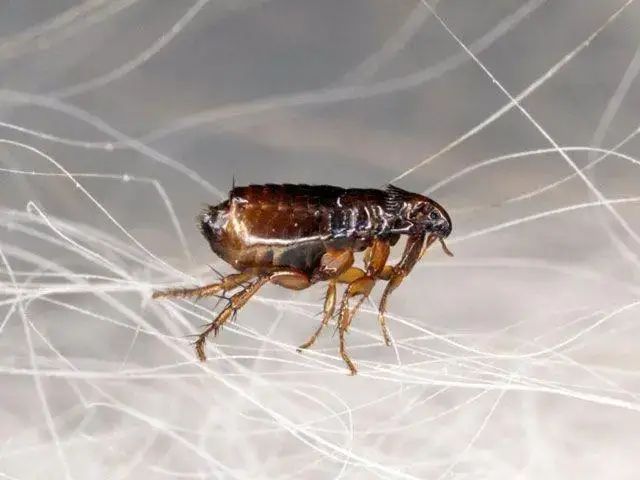
Spring brings longer walks, greener lawns, and more time outdoors with pets. It also marks the start of peak activity for fleas and ticks. As temperatures rise and humidity increases, these parasites become more active in yards, parks, and shaded outdoor areas. Homes with pets are especially vulnerable because animals can unknowingly carry them inside. From a professional standpoint, flea and tick issues rarely begin indoors. They typically start outside and move in gradually. Early intervention and structured prevention are essential to protect both pets and family members from discomfort and potential health concerns. Why Fleas And Ticks Thrive In Spring Fleas and ticks respond strongly to environmental changes. Warmer temperatures and increased humidity create ideal breeding conditions. Even mild winters can allow populations to survive and rebound quickly in spring. Key environmental triggers include: Fleas lay eggs that fall into carpets, pet bedding, and yard debris. Ticks wait in tall grass or shrubs and attach to passing animals. Once attached to pets, both pests can enter the home. Spring conditions accelerate their life cycles. Fleas, in particular, reproduce rapidly when temperatures remain moderate. Without early control measures, populations can multiply before homeowners realize there is a problem. Homes with dogs and cats are at higher risk because pets provide blood meals that support ongoing reproduction. Addressing the issue at the first sign of activity reduces the likelihood of indoor infestation. How Pets Bring Infestations Indoors Pets are often the bridge between outdoor exposure and indoor infestation. Even short walks or time spent in the yard can result in contact with fleas and ticks. Common exposure pathways include: Once inside, fleas can drop off pets and begin laying eggs in carpets, rugs, and upholstered furniture. Ticks may detach in living areas, increasing the risk of human contact. It is important to understand that seeing one flea or tick often means more are present. Because eggs and larvae are not easily visible, infestations can expand quietly. Professional flea and tick control strategies focus on both indoor and outdoor environments. Treating only the pet without addressing environmental stages often leads to reinfestation. Yard Conditions That Support Flea And Tick Activity Outdoor conditions play a major role in pest development. Spring landscaping practices can unintentionally create ideal habitat zones. Risk factors around the home may include: Ticks prefer humid, shaded areas where they can avoid drying out. Flea larvae develop in soil and debris where pets rest. Yards that are not regularly maintained can sustain populations even if interior areas are treated. Wildlife such as rodents can also carry fleas and ticks into yards. Because these pests move between hosts, eliminating them requires a comprehensive approach. Long-term prevention often benefits from structured monitoring and scheduled service. As explained in discussions about recurring pest protection, consistent treatment helps reduce seasonal rebounds and maintain stability throughout the year. Health Risks Associated With Fleas And Ticks Beyond discomfort, fleas and ticks pose health concerns for both pets and people. Flea bites can cause itching, allergic reactions, and skin infections in animals. Heavy infestations may even lead to anemia in severe cases. Ticks are known carriers of several diseases. When attached for extended periods, they can transmit pathogens to pets and humans. Early removal reduces risk, but preventing attachment remains the most effective strategy. Common concerns include: Professional flea and tick control reduces these risks by targeting multiple life stages. Treatment plans often include yard applications, interior treatments, and environmental guidance for pet areas. Homes are not the only environments at risk. Properties with shared outdoor spaces or higher foot traffic may require customized planning, similar to strategies discussed for commercial environments. Tailored approaches improve effectiveness and reduce recurring problems. Why Professional Flea And Tick Control Is Essential In Spring Spring is the ideal time to intervene before populations peak. Once fleas and ticks become established, treatment becomes more complex and may require multiple applications. Professional evaluation provides: Do-it-yourself approaches often focus on surface-level treatments. However, fleas spend much of their life cycle as eggs and larvae hidden in fibers or soil. Ticks may remain in shaded yard zones that are overlooked. Structured treatment addresses both visible pests and hidden stages. Coordinated efforts between yard management and interior protection significantly reduce the likelihood of recurrence. Homes with pets require special attention to ensure safety and precision during treatment. Professional technicians apply products strategically to minimize exposure while maintaining effectiveness. Spring offers a window of opportunity. Acting early prevents minor activity from becoming a widespread infestation during the warmer months ahead. Protect Your Pets Before Activity Peaks If you have noticed scratching, bites, or signs of fleas or ticks around your property, now is the time to act. Contact Fullscope Pest Control to schedule a professional evaluation and implement a comprehensive protection plan for your home and pets this spring.
Can Pest Control Get Rid Of Ticks
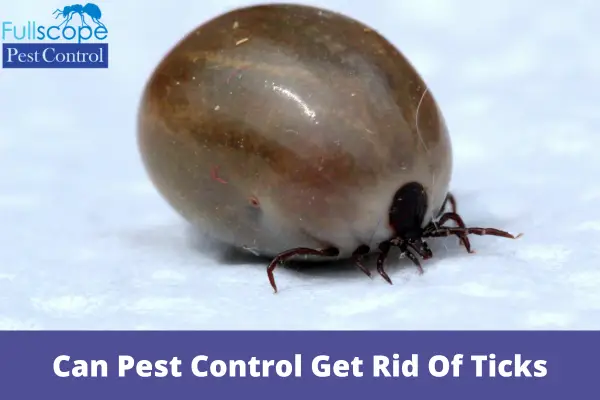
Ticks are well-known blood-sucking bugs that can harm humans and dogs. Whether pest control services can effectively eradicate ticks emerges as individuals become more aware of pest management. This blog will explore the world of tick control services and their ability to clear your home of these little but venomous parasites. Recognizing The Tick Problem Ticks are ectoparasites that spread Lyme disease, and Rocky Mountain spotted fever. Ticks can cause pain and pose health hazards to humans and animals alike. These challenging organisms require specific eradication procedures to address the issues they cause. Tick Pest Control Methods Pest control involves a wide range of methods for managing and removing pests. When dealing with ticks, people often employ numerous methods: Chemical Management Chemical pesticides are commonly employed in pest control and be effective against ticks. However, because chemicals pose environmental and health risks, people should prudently use them. Choosing the correct chemicals and utilizing them is critical. Must Read:THE SOUTHERN CHINCH BUG IS A YARD PEST YOU NEED TO KNOW ABOUT Biological Containment Biological control options include the introduction of natural predators or tick-specific diseases. While this procedure is environmentally friendly, it may only sometimes produce immediate effects and may necessitate a longer-term tick management strategy. IPM (Integrated Pest Management) IPM, or Integrated Pest Management, is a complete tick management method. It incorporates several strategies, including chemical and non-chemical treatments, to effectively decrease tick populations while causing the most minor environmental damage. IPM approaches tick control holistically, taking into account issues such as habitat alteration and the use of insecticides as a last option. Tick Control Service Efficacy You may wonder if professional tick control services can eliminate ticks from your area. These services aim to offer specialized knowledge and access to tick-removal instruments. However, the efficiency of these treatments can vary depending on the procedures utilized and the degree of the tick infestation. Environmentally Friendly Tick Control Many respectable pest control companies provide ecologically friendly tick control services that put your family, pets, and the environment first. These services frequently use IPM strategies and environmentally appropriate solutions to efficiently target ticks while causing the least harm to non-target species and ecosystems. The Role Of Professionals Tick infestations may be accurately diagnosed and treated by experienced pest control experts with the knowledge and tools. They can develop a customized plan that considers the specific conditions of your home and yard, boosting the likelihood of tick eradication success. Their knowledge ensures they use the most effective and least dangerous measures to keep ticks out of your home. Summary Pest management services, exceptionally eco-friendly and integrated approaches, can help reduce tick populations and protect your family from tick-borne diseases. When looking for tick control services, it’s vital to go with a reputable company that cares about your health and the environment. At Fullscope Pest Control, we recognize the importance of tick management and the need to combine it with environmental responsibility. We design our tick control services to remove ticks effectively from your area while minimizing the impact on vital species and ecosystems. Contact us now to learn more about our tick-control alternatives and take the first step toward tick-free life.
Can Pest Control Spray For Ticks
Ticks can be a significant nuisance and carry serious health risks, so getting rid of them as soon as possible is essential. These tiny pests can carry diseases and cause serious health problems if they attach themselves to a person or pet. While many DIY tick control methods exist, many people hire a pest control company to handle the situation. Tick Control Spray Over Traditional Methods Pest control spray for ticks is highly effective in killing and repelling these pests. Unlike traditional tick control methods, such as chemical sprays or tick collars, pest control spray for ticks is specifically designed to target and eliminate these pests. You can rest assured that the treatment will effectively control your tick problem. Getting Rid Of Ticks In Your Yard And Home Even though there are many DIY tick control methods, choosing a safe and effective solution that works best for you is essential. Here are some ways to eliminate ticks from your house and yard. By following these tips, you can get rid of ticks and protect yourself and your loved ones from their dangers. Remember to be vigilant and proactive in your tick control efforts, and you’ll be able to enjoy your yard and home tick-free. Protecting Your Family And Environment Another benefit of pest control spray for ticks is that it is safe for humans, pets, and the environment. Pest control sprays are safe, eco-friendly products that eliminate ticks without harming your family, pets, and the environment. Dealing with ticks is crucial for pet owners concerned about their animals’ safety and well-being. Ease And Convenience Of Tick Control Spray Pest control sprays for ticks are easy and convenient to use. You don’t have to worry about applying the treatment or using complicated products. You only need to contact a pest control company, who will take care of the rest. The professionals will come to your property, assess the tick problem, and apply the treatment most effectively and safely as possible. Must Read:WHERE DOES PEST CONTROL SPRAY IN APARTMENTS? Conclusion Pest control sprays for ticks are a safe, convenient, and effective solution for your tick problem. Hiring a professional pest control company is the most efficient and secure tick removal possible. So, if you’re dealing with a tick problem, don’t hesitate to contact Fullscope Pest Control. We don’t take a cookie-cutter approach to your pest control. We offer tailored solutions designed not just to eliminate an infestation but also to prevent them in the future.
How To Control Ticks In The Yard
Many people experience an immediate, immediate reaction to the sight of a tick. These tiny, bloodsucking pests can be found all over Texas, and many species will gladly make your yard their home. Removing ticks on your property is likely your priority if you’ve discovered them there. Ticks are not only unpleasant to look at, but they can spread diseases such as Lyme disease, Rocky Mountain spotted fever, tularemia, and others. Fortunately, you can effectively eliminate fleas and ticks without turning your lawn into a battleground. Our best advice is collected here in this blog. Landscape Your Way To A Tick-Free Zone You can assist control the tick population by implementing some immediate landscaping changes: Trim the overgrown grass and bushes from the perimeters of your lawns and homes. Wood chips or gravel should be spread in a 3-foot-wide strip around patios and playground equipment. You must keep the grass short and regularly rake the leaves. Be sure to store the wood in a dry, well-organized pile (which discourages rodents that ticks feed on). As much as possible, put decks, patios, and playground equipment in full sun and far from the yard’s edges and trees. Get rid of anything that could provide a hiding spot for ticks, such as old mattresses, furniture, or garbage. Conventional Ways Of Eliminating Ticks Make Use Of A Fogger An instant solution to tick control is a yard fogger. Those approved by the EPA will eliminate fleas, flea eggs, ticks, lice, and mites. For optimal results, search for a fogger with an insecticide explicitly made for ticks since this will work fastest and most efficiently. Also, learn about the Cost of Getting Rid of Pesky Fleas Yard Spray Containing Permethrin Regarding eliminating ticks, permethrin is among the most effective pesticides on the market. Before using, one must familiarize oneself with the product’s label and don appropriate protective gear. The Use Of Acaricides The CDC recommends using acaricides, a class of tick pesticides, to lessen the prevalence of ticks in your yard. While they won’t work alone, they can be helpful in conjunction with other tick control measures. Natural Remedies For Eliminating Ticks Eucalyptus Oil You can eliminate ticks with a single application of eucalyptus oil. Essential oils can be used to repel ticks by combining 30 drops of an oil of your choice with 4 ounces of distilled water in a spray bottle. Shake well before using to spray an area for tick control. Cedar Oil Essential cedar oil can effectively deter ticks without causing any harm. Hikers can apply the spray to their skin or clothing before heading into the wilderness. Diatomaceous Earth It is a powder produced from fossil diatoms and is one of the most efficient ways to get rid of pests organically. DE is harmless to people and animals but can be fatal to insects. Ticks that come into contact with DE will quickly become dehydrated and die. Contact Our Tick Control Experts Now! Call Fullscope Pest Control are knowledgeable about the routines that ticks follow in their natural environments. With this information, we can work to stop infestations before they even start. We also focus on avoiding pests altogether rather than just eliminating them. We Relax and let us handle the awful situation. Get rid of bugs early on to protect your health and happiness!
How to Get Rid of Lone Star Ticks in Your Cleveland Yard
Lone Star ticks (Amblyomma americanum) are typically found in wooded areas with plenty of undergrowth and foliage, and especially near animal (i.e., deer, coyotes) resting spots. They can also make their way to your Cleveland, TX yard, and to your pets, and worse yet, to you and your family members. Lone Star ticks are not known to transmit Lyme disease specifically, but these unwelcome pests have a reputation for biting humans aggressively when opportunity presents itself. Lone Star tick larvae do not carry disease, but the nymphs and adults definitely do (e.g., Rocky Mountain Spotted Fever and ‘STARI’ borreliosis). Can Lone Star Ticks Hurt Dogs? Adult Lone Star ticks are active from about April until late August, and are most commonly after large animals, such as coyotes, deer, cattle, dogs, and humans in tall, shady grassy areas as well as at the tips of low lying branches. Lone Star females feature a distinguishing single white dot in the center of their reddish-brown to brown bodies. They require a blood meal to reproduce, and after about a week or so, can lay up to 3,000 eggs. Males feature whitish spots or streaks around the outer edges of their body. Lone star ticks can transmit infectious agents that cause a number of diseases harmful to dogs, such as Ehrlichiosis, a disease that causes vomiting, lethargy, enlarged glands, and bleeding. It can even kill your dog if serious enough a case. Must Read: CONTROLLING MILLIPEDES IN YOUR CONROE YARD
Lyme Disease in Pets
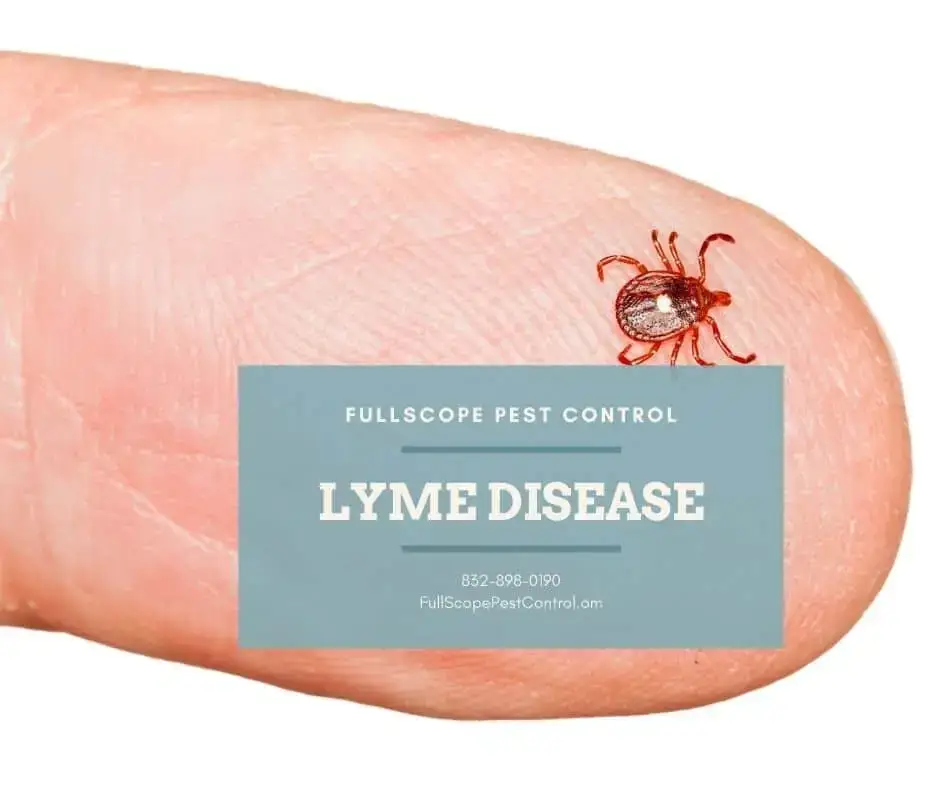
Lyme disease, a disease transmitted through tick bites, can be difficult to detect and can result to serious and recurring health problems for your pets. Deer ticks, carriers of Lyme disease, are commonly found in forests or wooded, grassy, marshy areas near lakes, rivers or oceans. Animals or even people may be bitten by deer ticks during outdoor events such as camping, hiking, or while spending time in their backyards.
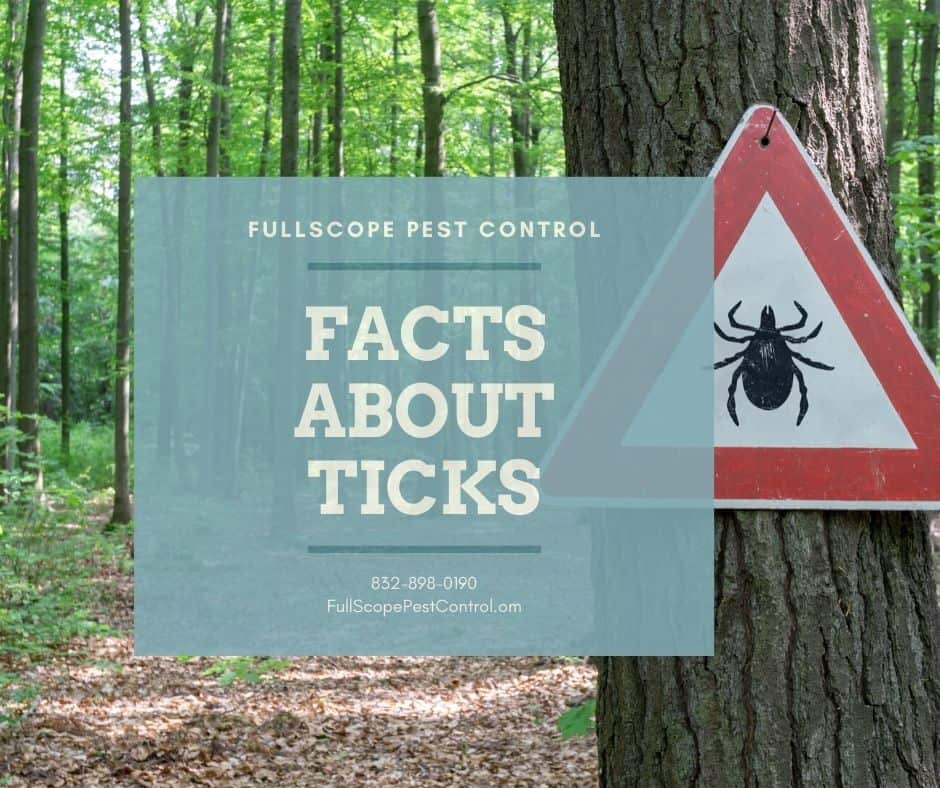
Key Tick Facts to Know
Must Read:WHEN TO CALL A RAT EXTERMINATOR
4 Compelling Reasons for Kingwood, Texas Pest Control

There are some important things to consider if you’re wondering whether or not to invest in professional pest control for your Kingwood home. Have you or your family ever been plagued by cockroaches at home? Or had your yard infested with mosquitoes, and/or ticks? Had your cookout ruined by ants? Pest problems that you can actually see are usually an indication of a deeper problem (and lots more pests) that you can’t see. Several kinds of pests are harmless, and not more than just a nuisance. Other pests can make your life and the lives of your family and pets miserable. Consider the following:
Best Flea and Tick Control, in Houston, TX
Think you have a flea or tick problem? Fleas and ticks are pretty common in the Houston, TX area and over the past couple of years have grown as a major pest concern for homeowner. We not only want to keep our pets safe and happy, but there are health risk for humans. Fleas are common parasites of cats and dogs and the adults are blood feeders, the flea will jump on your pet from indoors or outdoor exposure. They can jump vertically up to 6 inches and will hitch onto the animal. Fleas will spend most of their time on the blood source your pet, but the eggs of the flea can fall off onto your carpet or on furniture. Where ever the pet rest, sleep and spend time are major areas of flea eggs and adults and those area should be treated by a professional as well as the pet. Digested blood appears as small pepper specs, this is considered the feces. It will only take about 24 hours for egg laying to occur and they can produce 40-50 per day. Larvae will transform into pupae and in 1 to 4 weeks they remain in a cocoon until their are favorable conditions to turn into an adult flea. This is the main reason that empty home, quickly can have a flea infestation without there having been a pet. Once vibrations and CO2 are present the pupae will quickly become hungry biting fleas. Once fleas are identified it is recommended to quickly treat the home, and pet simultaneously. Removing as much clutter from the floors, washing pet bedding, and thorough Vacuuming would be recommended. Must Read :GETTING RID OF CRAZY ANTS Ticks in Your Home and Yard The 9 legged blood sucker that can be found in our wooded areas, shrubs and yards. We do not want to think about them, but because they can transmit diseases we need to pay special attention to our surroundings. Ticks can be found in wood areas and can be carried back on your pet to then cause a problem, proper control methods and strategy should be employed to control ticks. Treatment to the yard, pet and if necessary home should be performed by a knowledgeable professional. Our pest professional can assist you in your flea and tick treatments. Our professional designed protocols are proven to be effective in elimination. We also offer preventative treatments for exterior control of fleas and ticks. PROTECT YOUR FAMILY PETS FROM FLEAS AND TICKS FullScope Pest Control offers simple ways pet owners can keep their animals safe from pests The spring season is a time when all members of the family, including pets, wander outdoors to enjoy the sunshine and blossoming flowers. Unfortunately, it’s also prime pest season, which means pets are at risk of encountering hungry fleas and ticks that are in search of active hosts. As such, FullScope Pest Control, a pest management company servicing Kingwood, Porter, New Caney, Atascocita, Humble, Conroe, Cleveland, Splendora, Texas, encourages pet owners to take precautions against these dangerous pests during the warmer months. Fleas are more than just an itchy annoyance. Their saliva can cause anemia, dermatitis and can transfer tapeworms in pets. Ticks can spread bacteria to pets and cause tick paralysis, which occurs when a female tick attaches near a pet’s spinal cord. This condition can lead to muscle weakness, loss of coordination and in some cases, death from respiratory failure as chest muscles become paralyzed. “In addition to the health threats posed by fleas and ticks, both pests are small in size and extremely mobile, making them difficult to detect and get rid of once inside the home,” said Derek Salazar, Owner at FullScope Pest Control. “It’s extremely important for pet owners to be cautious of these pests and contact a licensed pest professional if they suspect an infestation.” The National Pest Management Association, a nonprofit organization committed to the protection of public health, food and property from household pests, offers these tips to keep pets pest-free: For more information on pests, please visit FullScope Pest Control, Schedule Your Flea and Tick Extermination Today. Call Today for a quote
5 Easy Steps to Remove a Tick
5 Easy to Follow Steps to Remove a Tick from you or your pet.