 1500+ reviews

How To Keep Rodents Away As Temperatures Start to Drop
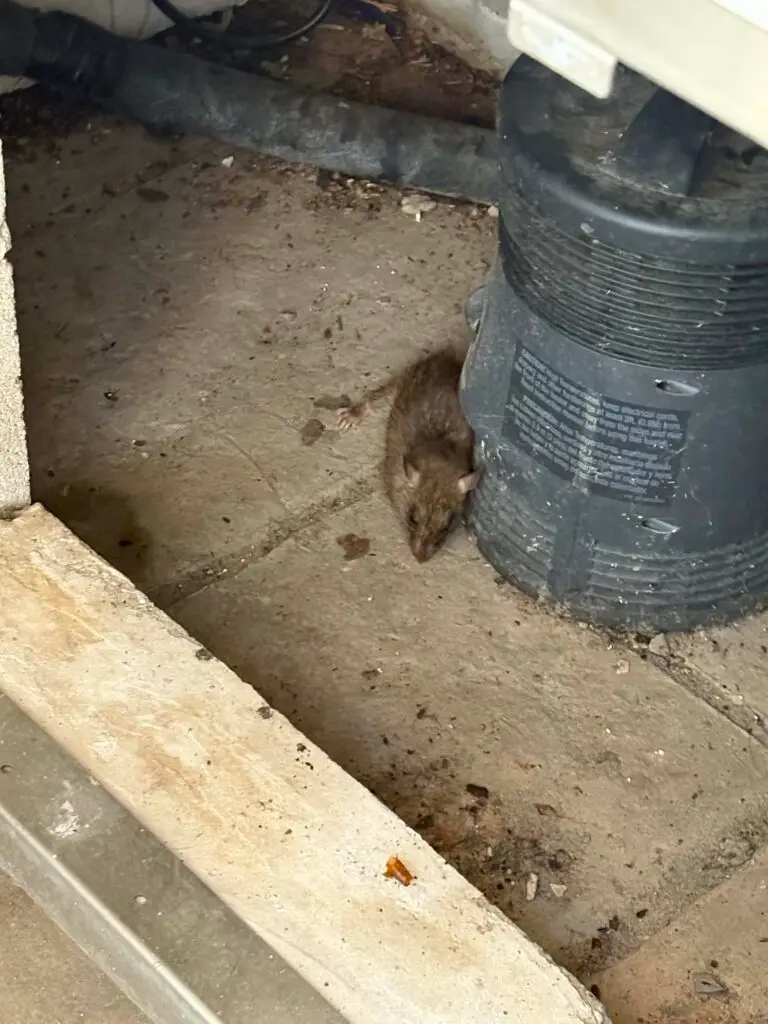
As temperatures begin to fall, rats and mice often shift their behavior in search of shelter. Homes offer stable temperatures, food, water, and protected nesting spaces. Garages, attics, wall voids, storage rooms, and crawl spaces can become attractive as outdoor conditions become less comfortable. Effective rodent control is not simply about reacting after a mouse or rat appears. A reliable approach identifies how rodents are getting close to the structure, where they may be entering, and what makes the property appealing. Addressing those factors early can help prevent seasonal movement from turning into a hidden infestation. Why Cooler Weather Increases Rodent Pressure Rodents remain active throughout the year, but falling temperatures can change where they spend their time. Outdoor food sources may become less predictable, vegetation can thin, and nighttime temperatures can make sheltered areas more valuable. A small opening that was ignored during summer may become a route indoors. Conditions that can increase fall and winter rodent pressure include: Rodents avoid open areas when possible. They prefer to travel along edges, behind objects, and inside protected spaces. One sighting may not show the full extent of activity. Scratching, gnawing, droppings, and rub marks can reveal movement before a nest is discovered. When activity reaches concealed structural spaces, the problem can become harder to trace. Learning about rats inside walls helps explain why noises behind drywall, unexplained odors, or recurring droppings near wall edges deserve closer attention. Entry Points And Shelter Matter More Than A Single Sighting Rodents can use surprisingly small structural openings. Mice need very little space to squeeze through, while rats may exploit damaged vents, roofline gaps, garage-door openings, or access points around pipes and cables. Once inside, they can move through areas that are rarely inspected. Professional inspection often focuses on: Shelter is just as important as entry. A home with quiet storage areas, undisturbed boxes, insulation, and nearby food can support rodents even when outdoor temperatures fluctuate. Rats and mice may establish nests in attics, wall cavities, garages, cabinets, or other low-traffic spaces. This is why seasonal rodent control should consider the entire structure rather than a single room. If one entry point is addressed while another remains active, rodents can continue moving through the property. A professional evaluation helps connect exterior access with interior evidence, which makes the control plan more precise. Once nesting begins, evidence may appear in several places at once. Understanding where indoor rat nests are commonly found can help homeowners recognize why shredded material, concentrated droppings, or repeated noises should not be treated as isolated signs. Early Warning Signs Should Be Taken Seriously Rodent activity often becomes noticeable through indirect evidence. Because rats and mice are mostly active when homes are quiet, homeowners may hear or find signs before seeing an animal directly. Repeated clues are especially important as temperatures continue dropping. Watch for signs such as: These signs can indicate that rodents are already using the structure regularly. Waiting for more obvious activity can allow nesting, contamination, and property damage to continue behind walls or above ceilings. Professional rodent control becomes valuable when evidence appears in multiple locations, when entry points are difficult to identify, or when activity continues despite changes around the property. Technicians can inspect travel routes, nesting areas, structural gaps, and environmental conditions together rather than treating each symptom separately. Long-term protection also depends on follow-up. Rodent pressure can change as weather shifts, landscaping changes, or new gaps develop. Monitoring known problem areas helps determine whether activity is declining or whether rodents have simply moved to another part of the structure. Acting before colder weather settles in gives homeowners a better chance to address vulnerabilities before rodents become established indoors. The goal is not only to remove current activity but also to reduce the access, food, water, and shelter that make a home attractive in the first place. Keep Cold-Weather Rodents Outside If you are noticing droppings, gnaw marks, nighttime noises, or suspected entry points, contact Fullscope Pest Control for professional rodent control focused on inspection, exclusion, monitoring, and long-term prevention.
Common Rodent Entry Points Around Residential Properties

Rodents rarely need a large opening to enter a home. Mice can squeeze through very small gaps, while rats often use rooflines, utility openings, garages, crawl spaces, and foundation transitions to reach sheltered areas. Once inside, they may move through wall voids, attics, storage areas, and other low-disturbance spaces. Effective rodent control starts by identifying the route, not just the animal. Professional inspections look for droppings, rub marks, gnawing, nesting material, odors, and repeated travel patterns, then connect that evidence with specific structural openings. That approach helps prevent the same problem from returning after trapping or removal. It also helps prioritize repairs so time and materials are directed toward openings that show real evidence of use. Foundation Gaps And Utility Penetrations Are Common Access Routes The lower perimeter of a home contains many openings that are easy to overlook. Water lines, gas lines, cable entries, electrical conduit, HVAC connections, and other service penetrations may leave gaps where materials meet. Professionals typically inspect: Summer storms can make these routes more important. Heavy rainfall may flood outdoor shelter and push rodents toward drier structures. Understanding rain-driven pest movement helps explain why entry-point checks should be repeated after weather changes rather than treated as a one-time task. Garage Doors And Thresholds Often Leave Hidden Gaps Garages are frequent rodent entry zones because the door opening is wide, frequently used, and exposed to wear. Even when the door appears closed, damaged seals, uneven concrete, or worn weatherstripping can leave enough space for mice or rats to investigate. Professionals look closely at the bottom corners of garage doors, side seals, thresholds, and transitions into attached living areas. They also check whether storage, pet food, bird seed, or clutter gives rodents a reason to stay once they enter. The key is to distinguish a cosmetic gap from an active travel route. Fresh droppings, gnaw marks, greasy rub marks, or repeated noises near the same section of wall can help confirm where activity is concentrated. Sealing is most effective when it follows that evidence. Rooflines, Vents, And Attic Openings Need Equal Attention Rodents do not always enter at ground level. Roof rats can use fences, trees, utility lines, and adjoining structures to reach upper parts of a home. High-risk locations include: Attic activity often becomes noticeable through scratching, nesting material, droppings, or odor. A professional inspection follows those signs back toward likely entry points instead of assuming the nearest visible gap is responsible. This matters because sealing the wrong opening can leave the active route untouched or, in some situations, trap rodents inside the structure. Odor And Contamination Can Reveal Long-Term Rodent Activity Sometimes the first clue is not a sighting but a persistent smell. Rat urine can soak into insulation, framing, drywall, subflooring, or hidden cavities and create an ammonia-like odor that remains after the visible area is cleaned. A review of rat urine contamination shows why odor should be treated as evidence of a broader rodent problem rather than only a housekeeping issue. Professionals evaluate where contamination has spread and whether active entry routes are still present. This is also where rodent control and sanitation overlap. Cleanup is more effective after active rodents are removed and access points are addressed. Otherwise, fresh contamination can return even after affected materials are cleaned or replaced. Long-Term Rodent Control Depends On Exclusion And Follow-Up Trapping or removing rodents addresses the animals currently inside. Exclusion changes the structure so new rodents have fewer opportunities to enter. A complete plan may include: Professional rodent control adds precision because technicians can compare the original inspection with follow-up findings. If droppings disappear in one area but appear near another wall, the pattern may indicate an alternate route that still needs attention. The strongest rodent-prevention strategy is not a collection of random patches. It is a coordinated process that combines evidence, removal, exclusion, sanitation, and monitoring. By understanding how rodents move through the property and which openings they actually use, homeowners can reduce repeat activity and avoid spending time on repairs that do not address the real source. Close The Openings Rodents Keep Finding If mice or rats are getting into your home, contact Fullscope Pest Control for professional inspection, exclusion, sanitation guidance, trapping, and long-term rodent control.
Why Rodents Can Become a Serious Problem in Winter

As temperatures drop, rodent activity rarely slows down. In fact, winter often marks the period when rodent issues become more concentrated and more damaging for homes and businesses. Cold weather shifts food availability, nesting behavior, and movement patterns, driving rodents indoors where warmth and shelter are easier to find. Understanding why this seasonal change increases risk is essential for addressing problems before they escalate. Rodents are highly adaptive pests. Once inside, they can remain hidden for long periods, causing structural damage, contaminating living spaces, and increasing health concerns. Winter conditions create an environment where infestations grow quietly, making early awareness and proper rodent control planning especially important. How Cold Weather Changes Rodent Behavior Winter forces rodents to adjust quickly. Outdoor food sources diminish, soil hardens, and exposure becomes dangerous. These pressures push rodents to seek stable environments, and buildings provide everything they need to survive. Several behavioral shifts commonly occur: Unlike seasonal insects, rodents remain active throughout winter. Once established indoors, they conserve energy and focus on reproduction. As explained in our previous blog post on seasonal rodent movement, this transition often begins before homeowners notice any visible signs. Common Indoor Areas Rodents Target During Winter Rodents prefer spaces that offer warmth, limited disturbance, and easy access to food. Winter heating systems unintentionally make many indoor areas more attractive, especially those that remain unused or poorly monitored. High-risk indoor locations include: These areas allow rodents to move undetected while expanding nesting sites. Because winter reduces ventilation and outdoor inspections, infestations often grow quietly until spring reveals the damage. By that point, populations may already be well established. Health and Structural Risks Increase in Winter Rodents introduce more than noise and inconvenience. Their presence can create serious risks that intensify during winter when indoor exposure increases. Key concerns include: During colder months, windows stay closed and indoor air circulation is limited. This allows contaminants to accumulate more easily. In our article on commercial rodent challenges, the connection between hidden activity and long-term damage is highlighted, especially in shared or multi-use structures. Why Winter Infestations Are Harder to Detect Winter infestations often go unnoticed because rodent activity shifts deeper into structures. Reduced outdoor noise, shorter daylight hours, and limited access to exterior areas all contribute to delayed detection. Rodents also adapt their behavior to avoid detection by: Because signs are subtle, homeowners may dismiss early indicators such as faint sounds or mild odors. Unfortunately, these early warnings often signal broader activity that requires careful assessment. The Role of Strategic Rodent Control in Winter Winter rodent activity is rarely random. As outdoor conditions become harsher, rodents follow predictable patterns driven by warmth, food access, and shelter. Strategic rodent control focuses on understanding these patterns and addressing the root causes of winter infestations rather than reacting to surface-level signs. This approach is especially important during colder months when rodents are more likely to remain hidden for extended periods. Effective winter-focused rodent control involves several key elements: Strategic rodent control also accounts for the fact that winter infestations often remain unnoticed until populations grow. Rodents can establish nests early in the season and remain active behind walls for months without obvious signs. By the time scratching noises, droppings, or odors become noticeable, the infestation is often well established. A structured approach helps limit property damage, contamination risks, and repeated infestations once warmer weather returns. Rather than focusing on isolated symptoms, strategic rodent control evaluates how winter conditions influence behavior, movement, and nesting habits. This broader perspective allows for more reliable results and stronger protection throughout the colder months and beyond. A Smarter Approach Before Activity Escalates If colder weather has raised concerns about rodent activity or unusual indoor signs, timely evaluation matters. Contact Fullscope Pest Control to discuss professional insight and guidance designed to protect your space throughout the winter season.
Rodents On The Move: Why They Enter Homes When Weather Changes

As the weather shifts from one season to another, homeowners may notice rodents becoming more active or appearing in unexpected places. Rodents are masters of adaptation, and when outdoor conditions become less favorable, they seek warmth, food, and shelter indoors. Understanding the motivations behind this movement and how to respond effectively offers better protection for homes and families. Seasonal Triggers That Drive Rodent Behavior Rodents react to a number of environmental cues when the weather changes. Their instincts tell them to leave exposed outdoor areas and find safer, stable indoor zones. Recognising these triggers helps in anticipating infestations before damage occurs. Key seasonal prompts for rodent migration include: In each of these situations, rodents are not merely moving; they are preparing for extended periods of habitation and breeding. Once they gain access to indoor environments, families and property owners face increased risks of contamination, damage, and difficult elimination scenarios. For deeper insight into professional rodent programs in commercial settings, readers can refer to this explanation of professional rodent control in commercial properties. Common Entry Paths Rodents Use During Weather Changes Rodents exploit even the smallest weakness when the weather pushes them indoors. Seemingly insignificant gaps or openings in a home’s structure become inviting under changing weather conditions. Identifying and closing these entry paths is essential to an effective rodent control plan. Frequent rodent entry routes include: Regular exterior inspection and maintenance help reduce the risk of entry. In addition, a simple homeowner checklist, such as the one found in our quick tips on keeping rodents away, provides practical measures for prevention. Signs That Rodents Are Already Moving Indoors By the time rodents are noticed in living spaces, the infestation may already be established. Early detection helps catch them before they spread widely and cause damage. Key indicators include: These signs signal the need for urgent action. Simple home traps or DIY attempts may capture a few rodents but rarely eliminate the population or block further entry. A robust rodent control plan includes inspection, exclusion, and monitoring to fully resolve the issue. Why DIY Efforts Often Fall Short Once The Weather Changes Many homeowners attempt DIY rodent control when they notice activity, but the changing weather complicates those efforts. Rodents become more mobile, access point risk increases, and traditional traps or bait stations may fail without structural exclusion. A professional approach offers greater efficiency and long-term results. Consider the following limitations of DIY methods: Professionals bring tools, training, and strategy to manage rodent behavior when weather changes trigger movement. They also provide monitoring and documentation, which proves vital in preventing future infestations. How A Professional Rodent Control Plan Works Best A professional rodent control program is designed to respond to seasonal changes and rodent behaviour proactively. It focuses on three core functions: inspection, exclusion, and ongoing monitoring. This ensures homes remain protected even when the weather pushes rodents indoors. Elements of the professional service typically include: By combining these elements, homeowners benefit from a comprehensive approach rather than reactive fixes. Professional involvement becomes particularly valuable when weather changes increase rodent pressure and the risk of infestation rises. Let Us Help You Secure Your Home Weather changes signal a shift in rodent behavior and an increased risk of indoor infestation. Ensuring proper exclusion, monitoring, and expert rodent control before the problem expands protects your home and family. Contact Fullscope Pest Control for professional inspection and tailored rodent control solutions today.
Effective Rodent Control in Commercial Properties Explained

Key Highlights Here is a quick look at the key takeaways from our guide to effective rodent control for your commercial property: Introduction As a commercial property manager, you have to handle a lot each day. One of the most important things is rodent control. This is something you cannot ignore. Even the sight of one rodent, like a mouse or rat, can turn a small issue into a big one fast. This can hurt how happy your tenants feel. It can also cause problems with the rules you must follow. The look of your building can even get worse because of rodent activity. These pests do more than cause damage. They can stop people from working the way they need to. This brings stress to you and your tenants. The best thing to do is be ahead of the problem instead of waiting until it gets bad. Taking steps early to manage the rodent problem at your commercial property not only helps protect your building. It also keeps the space safe, clean, and good for everyone who is there. It’s about keeping your investment safe and making sure people feel well in the place where they live or work. Why Rodent Control Matters for Commercial Properties In any commercial property, rodents are more than just a simple pest. They are a big threat to the building and all the people inside. Rodents chew on wiring and insulation. They also leave waste on surfaces, which can cause a lot of property damage. The health hazards in this situation are serious. In a commercial setting, these problems can lead to failed inspections and even shutting down operations. This costs you both money and time. It is not only about the building. If you do not have good rodent control, your reputation can get hurt. Bad news about a rodent problem travels quickly to others. You may get complaints from tenants, and see negative reviews online. This can take away people’s trust in you and the business. That’s why having strong commercial rodent control is so important for pest management. It protects your property, your brand, and your business ties. Taking care of this part of management shows that you care about your property and your future. The next parts will talk about what risks rodents bring and how you can spot them. Risks Posed by Rodents to Businesses Rodents can cause many problems in a business or other commercial property. They do more than just hurt your building. Their gnawing keeps happening all the time, and this can bring a lot of property damage. The pests can chew up drywall and insulation, and the way they make nests can ruin things over the years. Their infestation can get bigger if no one deals with it, and then the bill to fix the damage gets expensive. One big problem is what rodents can do to wiring. If rodents chew at the wiring in your commercial property, there is a real danger of fire and it puts people who work or visit in harm’s way. Their droppings and urine get on surfaces, and this causes clear health hazards to everyone—employees and customers. These rodent problems can hurt inventory and spoil food in shops or restaurants, making you lose money fast. It’s very important to deal with rodents quickly and use experts to help you get rid of them. Some of the biggest risks are: Impact on Health, Safety, and Reputation Rodent problems are not just about the damage they do to buildings. They also affect the people in your commercial space in big ways. Rodents carry many diseases that can harm health. Their droppings, urine, and skin flakes get into the air and onto surfaces. This can cause allergies, asthma attacks, and spread bacteria to people nearby. So, the health and safety of your tenants, employees, and customers could be at risk with these health hazards. If someone sees even one rodent in your building, it can make your property look bad. Tenants might feel worried or think the place is not clean. They could also wonder if the building is managed the right way. With social media and online reviews, a bad experience can travel fast. This means other people might not want to rent space or do business with you. Fixing a damaged reputation takes more work and money than protecting your space with pest control or pest management from the start. This is a good reason why commercial pest control and commercial pest control services are so important. A skilled team will clear out rodents and stop more problems from coming up later. They help keep your space free of pests and help everyone feel safe. With commercial pest control, you protect people, follow safety rules, and keep the reputation that took time to build. Taking action early shows you care about your tenants and customers. People see this and may want to stay or do business with you, because they know you look out for them. Identifying Signs of Rodent Activity in Your Facility Rodents are often busy at night. They hide very well, so you may have a rodent infestation even before you see a mouse or rat. That is why you need to spot the small signs of rodent activity early. If you find signs fast, you can fix the problem before it leads to a big infestation that is harder and more costly to fix. If you take care of a business building, make sure you check often for these common signs of rodent activity. You should know what you need to look for and where you need to look. This can help you the most. Do you know the signs to see or hear that point to a rodent problem? Let us talk about what there is you should look for to spot them. Visual and Auditory Clues of Infestation Spotting a rodent problem often starts with the small things they leave behind. You
How to Make Your Home Uninviting to Rodents in Under 15 Minutes

Key Highlights Introduction Discovering a rodent in your home can be unsettling. These pests are more than just a nuisance; they pose significant health and property risks. Across North America, millions of homes face a rodent problem each year, especially as the weather cools and these critters seek warmth and food. The good news is that you don’t need to spend hours on pest control. With just a few minutes, you can take simple yet effective steps to make your home an unwelcome place for rodents. Most Common Rodents Found in Conroe Homes Do you know what kind of pest you’re dealing with? Identifying the different types of rodents is the first step toward effective removal. In most homes, the primary culprits are house mice, roof rats, and Norway rats. Each of these pests has distinct habits, nesting preferences, and signs they leave behind. Understanding whether you have a nimble mouse or a burrowing rat can help you target your prevention efforts more effectively. Let’s explore the characteristics of these common household invaders so you know what to look for. House Mice and Their Behavior The house mouse is one of the most common rodents you might find. These small, grayish-brown critters are excellent climbers and can fit through openings as small as a dime. They prefer to build nests in dark, secluded areas like wall voids, attics, and cluttered storage spaces. Because they reproduce so quickly, a small issue can escalate into a full-blown rodent infestation in no time. What signs should you look for? The most obvious indicators are rodent droppings, which look like small, dark pellets. You might also find gnaw marks on food packaging, furniture, or even drywall. A faint, musky odor from their urine is another tell-tale sign that house mice have moved in. Their poor vision is compensated by their other sharp senses, which help them navigate your home in search of food and shelter. Keeping areas clean and free of clutter is essential, as it removes their preferred hiding spots and nesting materials. Norway Rats and Roof Rats Explained While often grouped together, Norway rats and roof rats have very different behaviors. Knowing the difference can help you solve your rat problem more efficiently. Norway rats are the larger and bulkier of the two. They are burrowers, often creating nests in basements, crawlspaces, or under concrete slabs. These critters are known for their destructive gnawing, which can damage everything from lead pipes to building foundations. On the other hand, roof rats are agile climbers, true to their name. They prefer to nest in upper areas of a structure, such as attics, ceilings, and even in fruit trees outdoors. They are slightly smaller than Norway rats and have tails that are longer than their bodies. These pests are notorious for chewing on electrical wires, creating a serious fire hazard. The main difference between a rat and a mouse infestation often comes down to the signs. Rats leave larger droppings and cause more significant gnaw damage. No matter which of these pests you have, both pose serious threats and require immediate attention. Why Rodents Are Attracted to Your House Have you ever wondered why rodents chose your home? The answer is simple: they are looking for food, water, and shelter. Your house provides a perfect environment, protecting them from predators and harsh weather while offering a steady supply of resources. Easy-to-access food sources like unsecured trash, pet food left out overnight, or even birdseed can turn your home into a rodent magnet. They get inside through small entry points you might not even notice. Once they find a reliable source of food and a safe place to nest, they are unlikely to leave. Understanding these attractions is the key to making your home less inviting. Top Food Sources That Invite Rodents One of the quickest ways to prevent a rodent problem is to cut off their food supply. Rodents are not picky eaters and will take advantage of any available food sources in and around your home. Leaving food out on counters, storing it in easily chewable containers, or having a messy pantry can attract these unwanted guests. Pay close attention to your storage areas. Rodents can easily chew through cardboard boxes and thin plastic bags to get to grains, cereals, and other pantry staples. Even fallen fruit from fruit trees in your yard can attract pests like roof rats. To make your home less appealing, secure all food in airtight, rodent-proof containers and maintain clean cupboards. Here are some top food sources to secure: Entry Points Rodents Use to Get Inside You might be surprised by how easily rodents can slip into your home. Mice can squeeze through holes the size of a dime, while rats only need an opening the size of a quarter. These entry points are often found in areas you wouldn’t normally check, making it easy for an infestation to start unnoticed. They can enter through cracks in the foundation, gaps around pipes, and unscreened vents. Once inside, they can cause significant damage. Rodents often chew on electrical wires, which can create a fire risk, and tear up insulation to build their nests. Sealing these small holes is one of the most effective ways to stop an infestation before it begins. A quick inspection around your home’s exterior can reveal these vulnerable spots. Here’s a table of common entry points to check: Location of Entry Point What to Look For Foundation Look for any cracks or gaps, especially where the siding meets the concrete. Utility Lines Check the areas where pipes, cables, and wires enter your home. Vents Ensure that all dryer vents and attic vents are securely screened. Under Doors Gaps under garage doors or exterior doors can provide easy access. Quick Steps to Make Your Home Less Inviting to Rodents Ready to take action in just a few minutes? Making your home less appealing to rodents doesn’t require a massive overhaul. Simple, quick tasks focused on cleanliness
Rodent Hotspots Inside & Out

How to Make Your Home Uninviting to Rats and Mice Introduction If you’re spotting signs of rats or mice in your home—scratching noises in the attic, droppings in the pantry, or chewed wires—you’re not alone. Rodents are resourceful, and once they find a cozy spot with food and shelter, they tend to stick around. At FullScope Pest Control, we help homeowners not only remove rodents but also prevent them from returning. In this post, we’ll walk you through the most common rodent hotspots and what you can do to make your home less inviting. 🏠 Indoor Rodent Hotspots 1. Attics and Crawl Spaces Warm, quiet, and often undisturbed—these areas are prime nesting spots. Look for shredded insulation, droppings, or gnaw marks around beams and entry points. Prevention Tip: Seal gaps around roof vents, install metal mesh behind attic fans, and avoid storing open bags of pet food or seed. 2. Pantries and Kitchens Food access is a major draw. Rodents can squeeze into cabinets, behind appliances, and even through wall gaps to reach dry goods. Prevention Tip: Store all food in sealed containers and clean up crumbs and spills promptly. Regularly inspect under sinks and stoves for droppings or signs of chewing. 3. Garages and Utility Rooms These areas often have open boxes, clutter, and entry points near doors or pipes. Prevention Tip: Keep items off the floor, seal around utility lines, and use rodent-proof storage bins. 🌳 Outdoor Rodent Hotspots 4. Overgrown Vegetation & Wood Piles Rodents love hiding in dense bushes, tall grass, and stacks of firewood. Prevention Tip: Keep vegetation trimmed at least 2–3 feet from the foundation. Store firewood 20 feet from the house and at least 12 inches off the ground. 5. Unsealed Crawl Space Vents or Foundation Gaps Mice can squeeze through holes as small as a dime. Prevention Tip: Inspect and seal cracks around the home’s base, use hardware cloth over vents, and ensure doors and weather stripping fit tightly. 6. Pet Food Bowls and Bird Feeders Food left out—even outdoors—can invite rats and mice to linger nearby. Prevention Tip: Feed pets indoors when possible, and bring food bowls in at night. Use squirrel-proof bird feeders and clean up spilled seed regularly. Recommended Read: 5 Signs You Need Effective Rodent Control Right Now 🛠️ What to Do If You Suspect Rodent Activity If you’re seeing or hearing signs of rodents, it’s important to act quickly. Rodents reproduce rapidly and can cause serious damage to insulation, wiring, and even HVAC systems. At FullScope Pest Control, we offer: ✅ Final Thoughts Rodent control isn’t just about traps—it’s about making your home unwelcoming to pests in the first place. If you’re unsure where to start, let our team at FullScope help you build a custom prevention plan that works for your space. Contact us today for a free inspection or rodent consultation. 📞 832-898-0190 | 🌐 fullscopepestcontrol.pestcontrolseos.co/
Identifying and Sealing Common Entry Points for Rodents
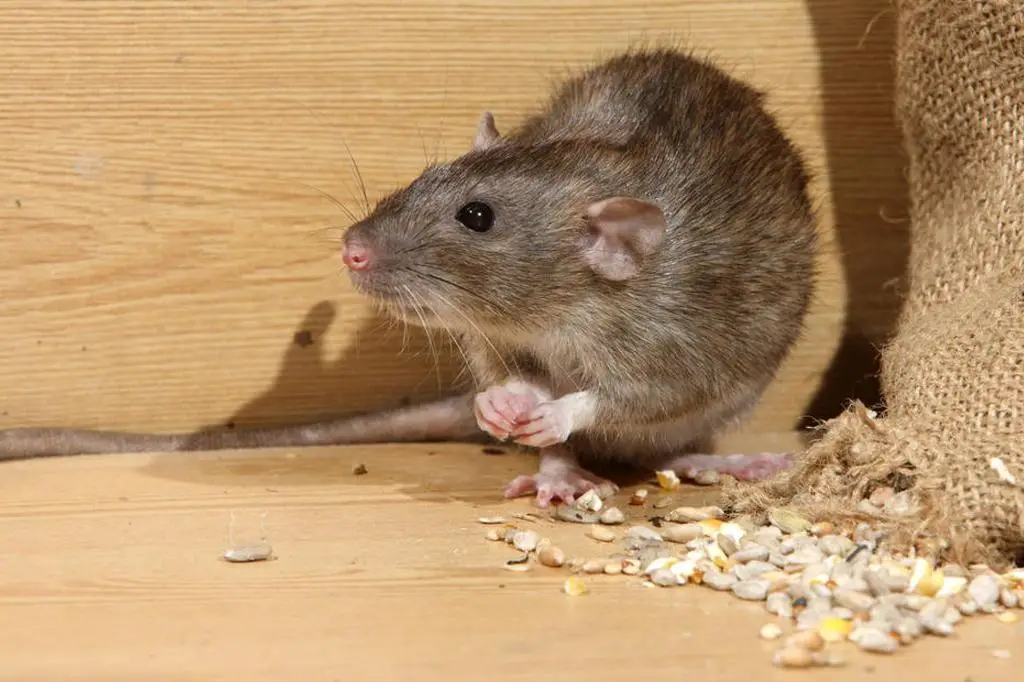
Rodents are resourceful creatures capable of squeezing through tiny openings to find warmth, food, and shelter indoors. In areas like Texas, where urban development continues to expand and disrupt natural habitats, sightings of mice and rats in homes and businesses have become increasingly common. Addressing rodent problems starts with understanding how they get inside in the first place. Identifying and sealing their entry points is a key strategy in long-term prevention and can significantly reduce the risk of infestation. This article explores where to look, what to seal, and how exclusion works as a foundational step in rodent control. How Rodents Find Their Way Inside Rodents possess remarkable agility and adaptability, allowing them to exploit even the smallest structural weaknesses in a building. Mice can enter through holes as small as a dime, and rats can compress their bodies to fit through openings the size of a quarter. They are also excellent climbers and jumpers, which means they’re not limited to ground-level access. These pests are often drawn by smells from food waste, pet food, or warm indoor air escaping through cracks and vents. Once inside, they can quickly establish nests and reproduce, making early intervention essential. As discussed in the context of urban development impact, habitat disruption frequently pushes rodents closer to human dwellings, increasing the importance of physical barriers. Most Common Entry Points to Check When conducting a rodent-proofing inspection, it’s important to think like a pest. Rodents are naturally curious and persistent, so they will test multiple spots around your property. Focus on areas that connect indoor and outdoor environments or where utility lines enter the home. Inspecting these areas thoroughly during daylight and again at dusk is a smart practice. Rodents tend to be more active at night, and you may spot signs of activity such as droppings, gnawed materials, or rub marks near openings. How to Properly Seal Entry Points Sealing entry points, also known as exclusion, is one of the most effective long-term solutions for preventing rodents. This process focuses on making the home as physically impenetrable as possible while maintaining necessary ventilation and utility functions. Materials should be chosen for durability and resistance to gnawing. Be cautious with soft materials like plastic or wood, as rodents can easily chew through these. Ensure all materials are rated for pest exclusion and installed securely. Why Sealing Is More Effective With Prevention Sealing alone can reduce entry, but pairing exclusion with ongoing prevention makes the strategy more effective. Reducing attractants is just as critical as blocking access. Rodents are less likely to test your home if there’s no incentive for them to do so. Even if you’ve sealed known points of entry, ongoing vigilance is important. Periodic reinspection ensures that new vulnerabilities aren’t being created over time. Know When It’s Time to Call a Professional While homeowners can manage basic sealing tasks, more complex rodent problems may require expert support. Rodents often nest in areas that are difficult to access, such as crawl spaces or attics, and a single missed opening can render exclusion efforts ineffective. In addition, tracking and trapping rodents inside the home often demands a strategic plan. If signs of rodent activity persist even after exclusion efforts, it may be time for a professional inspection. As emphasized in the article on why professional rodent control matters, trained technicians can identify hidden access points, apply commercial-grade sealing materials, and implement comprehensive treatment plans. The result is faster control, reduced property damage, and a much lower risk of recurrence. Seal the Problem at Its Source Rodents only need a small gap to cause big problems. By identifying and sealing common entry points, you can take control of your space before an infestation begins. Long-term success starts with physical barriers, regular maintenance, and the right professional insight.For expert rodent exclusion and year-round protection, contact Fullscope Pest Control and secure your home against unwanted invaders.
Why You Need Professional Rodent Control Before It Gets Worse
Rodents don’t wait. They move fast, hide well, and multiply quickly. One day, you see a few droppings, and the next, you’re dealing with chewed wires, ruined insulation, and a smell you can’t get rid of. Acting early with help from a rat exterminator prevents the damage that they could potentially do from spreading. Here’s why waiting only makes things worse and what real solutions look like. Rodents: More Than a Nuisance Rodents aren’t just annoying. They’re destructive and risky. Mice and rats chew through almost anything, including wires, walls, pipes, and even furniture. They have an incessant need to gnaw and chew because their teeth are always growing, which can lead to: But that’s not all. Rodents carry bacteria and diseases. Your family or customers are always at risk whenever rodents are present because their droppings and urine can contaminate floors, food preparation surfaces, and even the food you eat. How Rodents Get Inside Rodents are small and flexible. They can contort their bodies enough to squeeze through a hole as small as a size of a dime. Meanwhile, rats are just as flexible. They only need a gap as big as a quarter. Most people don’t realize how many entry points a home or business has. Common rodent entry points include: A professional inspection finds these weak spots. Experts know where to look, even in places you’d never think to check. The Real Cost of Waiting Ignoring rodent infestations and hoping they go away on their own never works. Here’s what can happen if you wait: Early action saves money and stress. Professionals can stop the problem before it gets out of hand. What Professional Rodent Control Looks Like 1. Inspection and Assessment Experts start with a thorough inspection. They look for signs of rodents, such as droppings, gnaw marks, nests, and tracks. They also identify entry points and assess how severe the infestation is. 2. Exclusion and Proofing Sealing up entry points is critical. Technicians use durable materials to close gaps, cracks, and holes. This keeps new rodents from getting in. They focus on: 3. Trapping and Removal Professionals set up traps in strategic locations. They use methods that are safe for people and pets. Once rodents are caught, they’re removed quickly to prevent further contamination. 4. Monitoring and Follow-Up After removal, experts monitor the property. They may use bait stations or tracking tools to make sure no rodents return. Follow-up visits help keep your space rodent-free. 5. Cleaning and Sanitizing Rodents leave behind waste and bacteria. Professional cleaning removes droppings, urine, and nesting materials. This step reduces odors and health risks. Why DIY Fails It’s tempting to try traps or bait from the store and we can’t blame you for trying to see if you can eliminate rodents at home yourself. But these solutions rarely work for long. Here’s why: Professionals use proven methods. They know how to outsmart rodents, as well as other pests, and keep them out for good. Signs You Need Professional Help Not sure if you have a rodent problem? Watch for these signs: If you notice any of these, it’s time to call an expert. Preventing Future Problems Once rodents are gone, you want to keep it that way. Here’s what you can do to save yourself from rodent trouble in the future: Professionals can give you more tips based on your property’s layout. The Bottom Line Rodents don’t just go away. They hide, breed, and cause damage you might not see until it’s too late. Professional rodent control stops the problem at the source. Pest experts find and seal entry points, remove rodents, clean up waste, and help you prevent future issues. Fast action protects your property, saves money, and keeps everyone inside your home safe.
5 Signs You Need Effective Rodent Control Right Now
Rodents are more than a simple nuisance; they take your peace of mind, threaten your health, and can severely damage your property. This gives you yet another reason to get effective rodent control very fast if you see signs of any rodent in your house. Here are five primary signs indicating that assistance is urgently needed. Signs You Need Effective Rodent Control 1. Increased Rodent Activity Around Your Home Seeing and hearing rodents more frequently are some of the most obvious indicators you have an infestation. Because rodents are most active at night, you might hear them rustling around in your attic, walls, or ceilings. Spotting them during the day signals an active, growing infestation. The more frequent the sightings or sounds, the worse the problem. 2. Droppings and Urine Stains in Key Areas Once a rodent has moved around, its droppings and urine leave a trail. Infestations often cause these symptoms, especially in areas where food is kept, such as kitchens, pantries, and even attics on occasion. Rodent droppings are small, dark pellets, while urine has a strong ammonia smell. Finding these signs in hidden areas, like behind furniture or inside cabinets, indicates it’s time to act before the problem worsens. 3. Gnaw Marks on Furniture, Wires, or Structures Rodents enjoy gnawing to keep their teeth from growing long, and in the process, they damage furniture, wiring, even insulation, and the structure of your house. If you notice gnaw marks on electrical wires, this raises a serious fire hazard, thus requiring immediate action. These indicators show the probability of rodents living in your house, which presents problems. 4. Strange Smells or Unusual Odors One cannot ignore the unique, musty smell left by rodents. Rats’ urine and excrement rapidly soak into walls, insulation, and other unreachable areas as they break down. Once any strange odor is sensed, rodents have already made themselves home, jeopardizing your residence’s air quality and hygiene. 5. Unexplained Damage to Food or Packaging Rodents are naturally known scavengers in search of food. Chewed food packages or missing food in your pantry would be a clear invitation for trouble. Rodents can chew through plastic, cardboard, and metal in pursuit of food. Therefore, the matter must be treated immediately, or these rats will urinate, defecate, and get hairs in your meals, putting your health at risk. How Can Professional Rodent Control Services Help You? Though these do-it-yourself methods give temporary relief, the ultimate remedy for dealing with a rodent infestation is effective rodent control. Pest control professionals wield tools and expertise to discern avenues of entry, remove rodents, and advise on sustained prevention methods. They also offer the safe and humane forces of rodent removal to protect your home without risks to your family or pets. Wrap Up Rodent infestations can multiply to larger numbers within a short time, and the longer you let the issue lay, the more damage they will cause. Fullscope Pest Control appreciates the urgent situation due to the fast action required. Our expert team recognizes the importance of effective rodent control, applying the latest tools and techniques for solutions that last. Contact Fullscope Pest Control today to help restore your family’s safe, clean, pest-free environment.