1500+ reviews

Tea tree oil can kill bed bugs on direct contact when the oil is undiluted, and its scent typically fades within 2–4 hours indoors. That makes it a poor way to eliminate an infestation, and in real homes it can even push bed bugs into new hiding places instead of solving the problem.
A lot of online advice gets this backward. People hear that a natural oil can kill bed bugs and assume it can clear a bedroom. It can't. A major problem isn't the bug you can see on a sheet or pillow. The persistent issue is the hidden population inside seams, joints, cracks, and furniture where DIY sprays almost never reach.
If you're in Southeast Texas, that distinction matters. Homeowners in places like Magnolia often lose valuable time trying home remedies while bed bugs keep spreading. The safest path is to understand what tea tree oil can do, what it can't do, and which steps support a successful treatment.
The Hard Truth About Tea Tree Oil and Bed Bugs
Yes, tea tree oil can kill a bed bug it hits directly. No, that doesn't make it a bed bug solution.
That sounds harsh, but it's the practical answer homeowners need. When people ask, can Tea Tree oil kill bed bugs, they're usually not asking whether it can kill one exposed insect on a surface. They're asking whether it can stop bites, clear the room, and end the infestation. That's where the answer changes.
Contact kill isn't the same as control
A contact killer works only when it touches the insect. A true bed bug treatment has to do more than that. It has to reach bugs that are hiding, deal with newly emerging activity, and stop the infestation from surviving in places you can't easily access.
Practical rule: If a product only works on the bugs you can see, it won't solve the bugs you can't.
Bed bugs are built for staying out of sight. They don't line up on top of a mattress waiting for a spray bottle. They stay tucked into tight areas, then come out when the room is quiet. That's why so many DIY efforts feel promising at first and disappointing a week later.
Why online folklore keeps spreading
Tea tree oil gets recommended because it sounds safer, simpler, and more natural than professional treatment. For a worried homeowner, that's appealing. But appealing and effective are not the same thing.
The bigger risk is false confidence. If you rely on tea tree oil as your main response, you may postpone the treatment that effectively addresses the infestation as a whole. By the time individuals realize the oil didn't work, the bugs have had more time to spread through the room or into nearby areas.
How Tea Tree Oil Works And Why It Fails in Reality
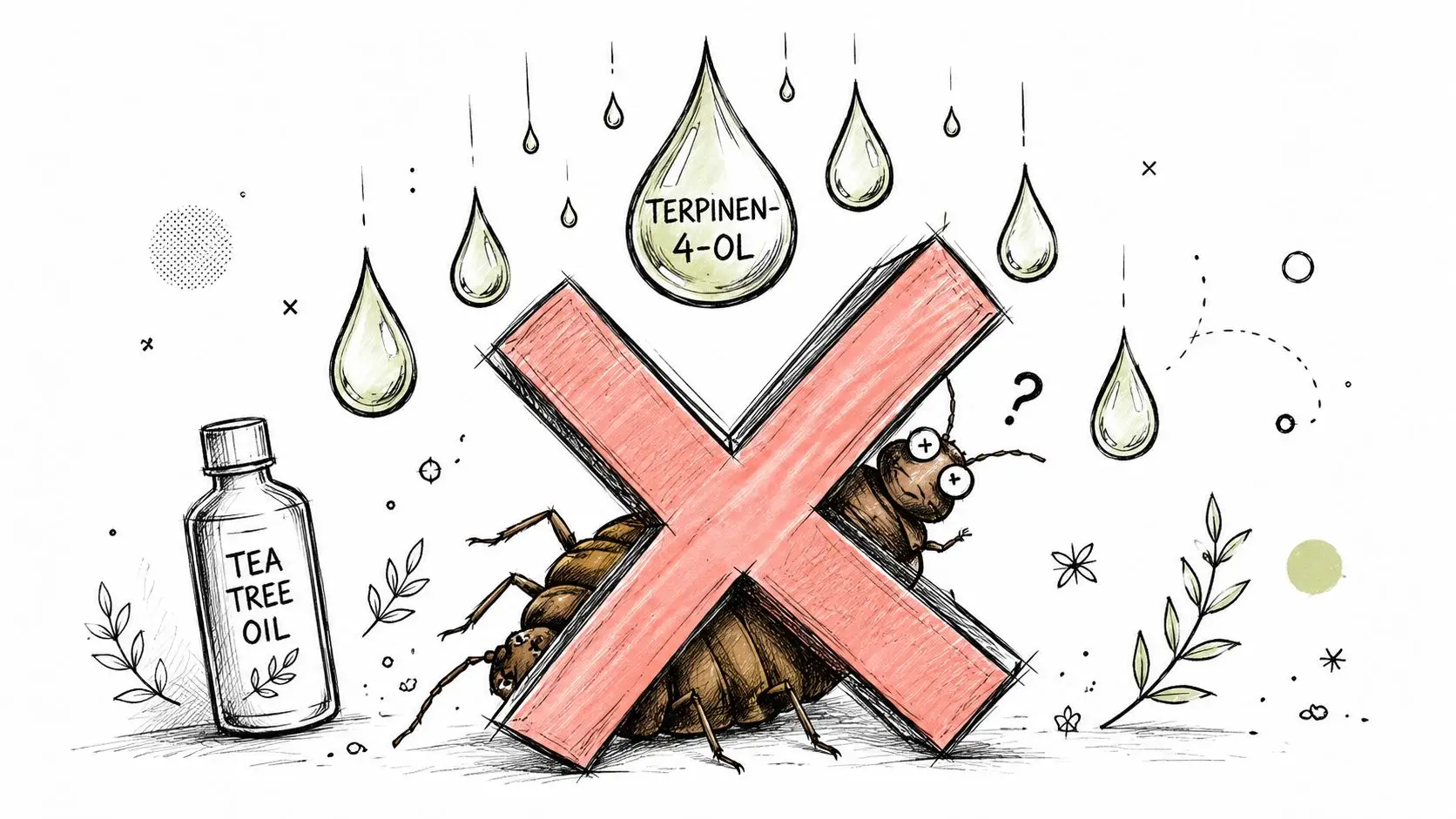
Tea tree oil has a real contact-kill effect. Its active compounds can kill bed bugs and some immature stages if the undiluted oil hits them directly. That sounds promising until you look at how bed bugs behave inside a home.
Direct contact is too limited to solve an infestation
In the field, direct-contact products have a narrow use. They kill the bug you hit. They do very little for the bugs sealed inside screw holes, tucked behind headboards, hidden under trim, or packed into furniture joints where a household spray never reaches.
That gap is why homeowners in Magnolia and the rest of Southeast Texas get misled by a few early results. You may see fewer live bugs for a day or two after spraying exposed seams and edges. Meanwhile, the population that matters is still sheltered and breeding out of sight.
For people trying to understand how bed bugs keep showing back up after surface treatment, this bed bug life cycle guide shows why eggs, nymphs, and hidden adults make shallow treatments fail.
Bed bugs live in places oil does not cover well
Tea tree oil does not spread through wall voids, furniture cavities, or every crack around a bed setup. It also does not leave behind dependable control once the treated surface dries. In real homes, that matters more than the label appeal of a natural product.
I see the same pattern with DIY work. People spray the mattress, the bed frame, and maybe the baseboards. The bugs stay in the protected spots they missed, then resume feeding once the disturbance settles down.
Scent is not control
A strong smell can make people feel like something powerful is happening. With bed bugs, odor is not the same as reach, and it is not the same as residual control.
At best, repeated oil applications turn into a maintenance routine that never fully clears the room. At worst, the delay gives the infestation time to spread into nearby furniture or adjacent units. Renters dealing with that kind of delay may also need to review their tenant rights for ignored repairs if a landlord is slow to respond.
Bed bug control succeeds when the treatment reaches hidden harborages and keeps working long enough to catch what emerges next. Tea tree oil does neither well enough on its own.
The Hidden Dangers of DIY Bed Bug Treatments
The biggest problem with tea tree oil isn't just that it underperforms. It's that DIY use can create new problems for the people in the home and for the treatment itself.
Household safety and property risks
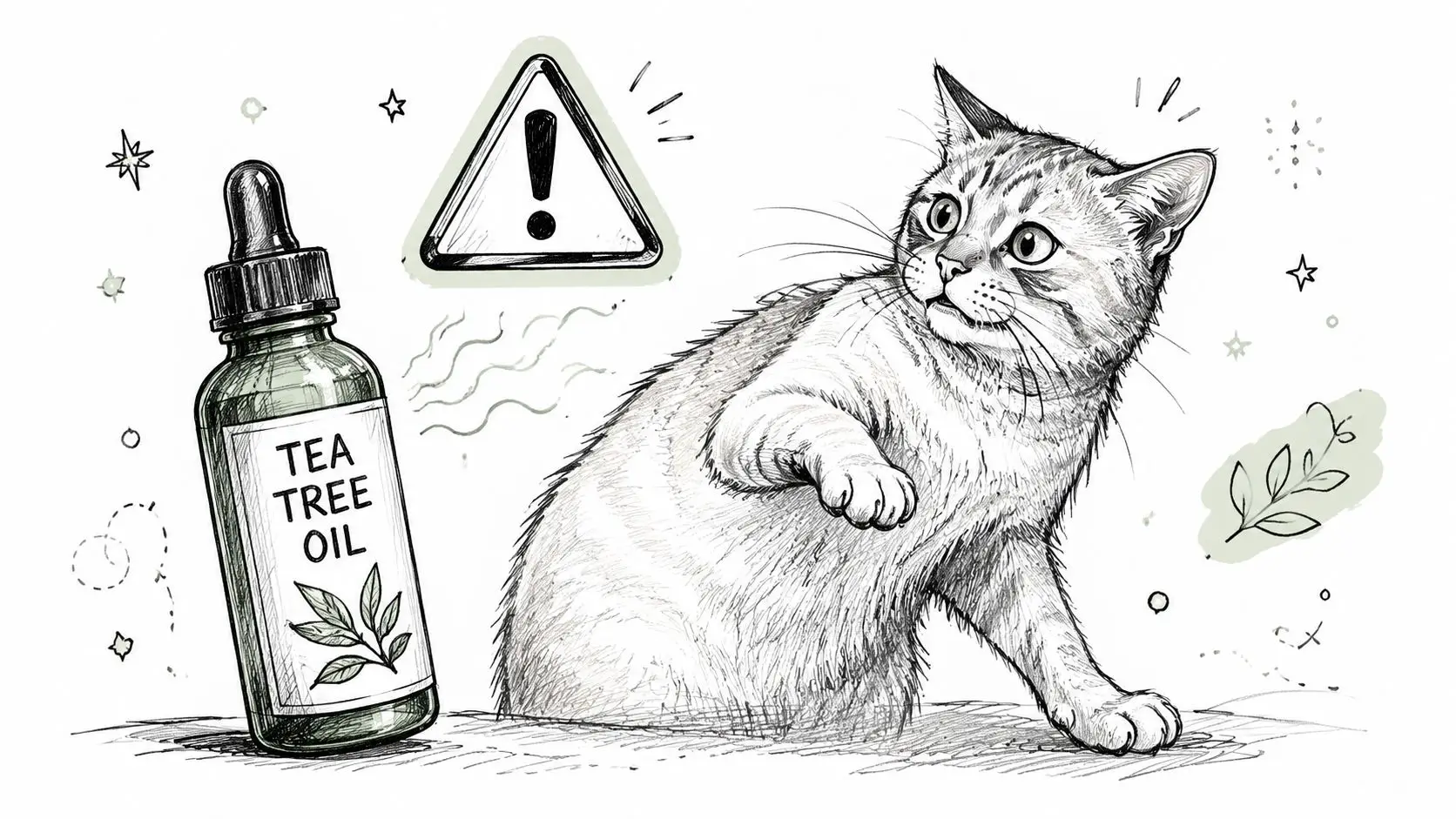
Undiluted essential oils can irritate skin, trigger reactions, and create avoidable exposure issues for children and pets. Even when people try to be careful, they often overapply because they believe stronger means better. On mattresses, upholstered furniture, and finished wood, oil can also leave stains or residue.
Those side effects matter because bed bug work already puts people under stress. The last thing you need is damaged belongings on top of an infestation.
Renters face another issue. If a landlord ignores a pest problem, it helps to understand tenant rights for ignored repairs before the infestation grows or spreads into adjacent units.
Repellency can scatter the infestation
This is the point many DIY articles skip. A repellent doesn't have to kill bugs to create trouble. It only has to make them move.
According to these pest control professionals discussing tea tree oil and bed bugs, tea tree oil lacks the potency to eliminate active infestations and may inadvertently spread them by deterring bugs from treated zones into untreated areas of the home.
If you spray one bedroom heavily, the bugs may not politely stay there and die. They may shift into nearby furniture, baseboard gaps, or another room. What started as a concentrated problem can become a wider, more complicated one.
If you've ever seen a home remedy backfire, examples of DIY pest control gone wrong show why improvising with the wrong product often makes professional cleanup harder.
A short visual overview helps reinforce that point:
Tea Tree Oil Versus Professional Treatments
Tea tree oil loses on the one point that matters most. Bed bugs do not stay out in the open long enough for a surface spray to solve the problem.
DIY Tea Tree Oil vs. Professional Bed Bug Treatment
| Feature | DIY Tea Tree Oil | Professional Treatment (FullScope Pest Control) |
|---|---|---|
| Effectiveness | May kill a bug you hit directly, but does little for the population hidden nearby | Built to treat the infestation in the places bed bugs actually live and travel |
| Reach | Limited to visible seams, surfaces, and whatever you can access by hand | Uses heat or targeted products to reach cracks, joints, voids, and other hidden harborage areas |
| Residual Effect | Little to no lasting control once the spray dries or dissipates | Treatment plans can include products and follow-up designed to catch remaining activity |
| Safety | Easy to overapply on mattresses, fabrics, and areas used by children or pets | Applied through an inspection-based process with product selection and placement matched to the site |
| Guarantee | None | Service process may include follow-up depending on the treatment plan |
What professional methods do differently
Professional bed bug work is built around inspection, access, and coverage. That is the difference.
For established infestations, pest control companies use methods such as whole-room or whole-home heat and targeted treatment applications because those methods are meant to reach the places bed bugs hide, not just the places a homeowner can see. In practice, that matters far more than scent, repellent effect, or whether a spray sounds natural.
A good service call also starts with confirmation. I have seen homes treated repeatedly for "bed bugs" that turned out to involve fleas, carpet beetles, or no active pest at all. Once bed bugs are confirmed, the plan changes based on the room setup, bed type, surrounding furniture, clutter, and how far the activity has spread.
That is also why preparation matters. A treatment is only as good as access to baseboards, bed frames, nightstands, upholstered furniture, and stored items near sleeping areas. If you need help getting ready, this bed bug extermination prep checklist shows what to bag, wash, move, and leave in place before service.
For homeowners in Southeast Texas, including Magnolia, the practical choice is not between "natural" and "chemical." It is between a contact spray that depends on luck and a treatment plan designed to clear the infestation without scattering it through the rest of the house.
The goal is to eliminate the infestation at its hiding points and travel routes, not to keep chasing bites from room to room.
Safe Steps You Can Take While Waiting for a Professional
Homeowners usually want something productive to do right away. That's reasonable. The key is choosing steps that support treatment instead of disrupting it.
What helps
- Reduce clutter carefully: Clear loose items from floors and around the bed so there are fewer hiding places and easier access for inspection.
- Wash and dry bedding and clothing: Use the highest heat setting your fabrics allow. Heat is more useful than spraying scented products onto linens.
- Vacuum methodically: Vacuum mattress seams, box springs, bed frames, carpet edges, and nearby cracks. Empty or seal the contents promptly and dispose of them outside.
- Keep items contained: Bag cleaned items so they stay separated from potentially infested ones.
- Document where you found signs: Note which rooms, beds, or furniture pieces showed activity. That helps the inspection stay focused.
What usually makes things worse
- Don't move infested items into other rooms: That can spread bugs through the home.
- Don't throw furniture out too quickly: You may contaminate hallways, vehicles, or other spaces during removal.
- Don't keep testing random sprays: Repeated DIY treatments can interfere with a clean assessment.
- Don't sleep in a different room without guidance: Bed bugs may follow the host and expand the problem.
For households getting ready for service, this bed bug extermination prep checklist is a practical place to start.
The mindset that helps most
Stay organized. Avoid panic cleaning. Focus on containment, laundering, vacuuming, and preparation.
Those steps won't replace treatment, but they can make treatment more effective.
Get Professional Bed Bug Help in North Houston
If you see one bed bug, you have an infestation. The time to call is now.
That advice matters even more in Southeast Texas, where residents often try to manage the problem on their own for too long. A delayed response gives bed bugs more opportunities to stay hidden, spread, and keep biting.
Specific help for Magnolia, Texas
For homeowners who want a local option, bed bug and pest control service in Magnolia, Texas is available through a dedicated service location. FullScope Pest Control explicitly lists Magnolia as a service hub with a physical office at 30225 Tudor Way Suite A, Magnolia, TX 77355, and states it is now serving the Magnolia, Texas Area with a full line of professional solutions. Magnolia residents also have a dedicated local phone number, (832) 346-7269, on that service page.

Magnolia isn't treated as a vague part of a large region. It's listed as a direct service location. That matters when you need inspection scheduling, local response, and a team that understands the housing patterns in North Houston communities.
What the professional process should look like
A sound bed bug service call usually includes:
- Inspection and identification: Confirm the pest and map the affected areas.
- Treatment selection: Choose heat, targeted chemistry, or a combined plan based on the site.
- Application and access planning: Reach the places DIY sprays don't.
- Follow-up guidance: Make sure the home stays on track after the initial work.
For residents in Magnolia, Conroe, Kingwood, and nearby North Houston communities, local access matters as much as treatment quality. You want a company that can inspect the problem, explain the plan clearly, and apply methods that are built for hidden infestations rather than visible bugs alone.
Tea tree oil may kill the bed bug you happen to hit. It won't solve the infestation that's hiding from you.
If you're dealing with suspected bed bugs in Magnolia, Texas, the practical next step is local inspection and treatment planning through the Magnolia service location at 30225 Tudor Way Suite A, Magnolia, TX 77355 or the dedicated Magnolia number (832) 346-7269.