1500+ reviews

You walk into the bathroom at night, flip on the light, and a big dark bug shoots along the baseboard and disappears behind the vanity. In Magnolia, that usually sends people to the same question: was that a water bug, or do I have roaches?
That question matters, but not for the reason you might think. The bug itself is only half the story. The issue is what that sighting says about the house. A single insect that wandered in during wet weather is one situation. Repeated activity around drains, laundry lines, slab penetrations, or a damp garage wall is a different one.
Around Southeast Texas, I look at these calls as a moisture and entry-point problem first, identification problem second. That approach saves time. It also keeps homeowners from wasting money on broad sprays that smell strong, kill a few visible bugs, and leave the source untouched. If you're already dealing with a slow drain, a sweating pipe, or a soft area in the yard near the foundation, it can help to check Texas plumbing services near you before the insect issue turns into a repeat problem.
Introduction to Water Bugs Found Inside Texas Homes
You hit the bathroom light after a hard Magnolia rain, and a big dark insect cuts across the floor toward the vanity. That sighting gets labeled a water bug fast. What matters more is what the house is telling you.
In this part of Texas, a so-called water bug indoors is often less of a naming problem and more of a moisture and entry-point clue. One insect that wandered in during wet weather calls for a different response than repeat activity around the same drain, garage wall, or pipe opening. I treat these calls as a house-condition check first, because that is what separates a one-off visitor from a recurring roach issue.
The label causes confusion because true water bugs are aquatic insects. The insects homeowners usually mean are large roaches that favor damp, protected areas and use small gaps to get inside. The exact species matters later. At the start, the better question is simple: did this bug come in by chance, or is the house giving it water, cover, and access?
That is where Magnolia homes have some patterns. After heavy rain, I pay attention to a short list:
- Pipe penetrations under sinks and behind toilets with visible gaps
- Laundry areas and utility rooms that stay humid or have a slow leak
- Garage door edges, back doors, and weathered sweeps that leave light underneath
- Crawl spaces, slab edges, and mulch lines that stay wet longer than they should
A bug at the threshold after a storm can be a visitor. The same bug showing up near the same damp spot more than once usually points to a condition that needs correction.
If you already have a slow drain, a sweating line, or wet soil holding near the foundation, it can help to check Texas plumbing services near you before you spend money on sprays that only hit the insects you can see.
What Homeowners Actually Mean by Water Bugs
In Magnolia, the phrase "water bug" usually means one of three very different insects: an American cockroach, an Oriental cockroach, or a true giant water bug. That label matters less for bragging rights on identification and more for what it tells you about the house. Two of those point back to moisture, shelter, and an entry gap. One is usually a stray that wandered in.
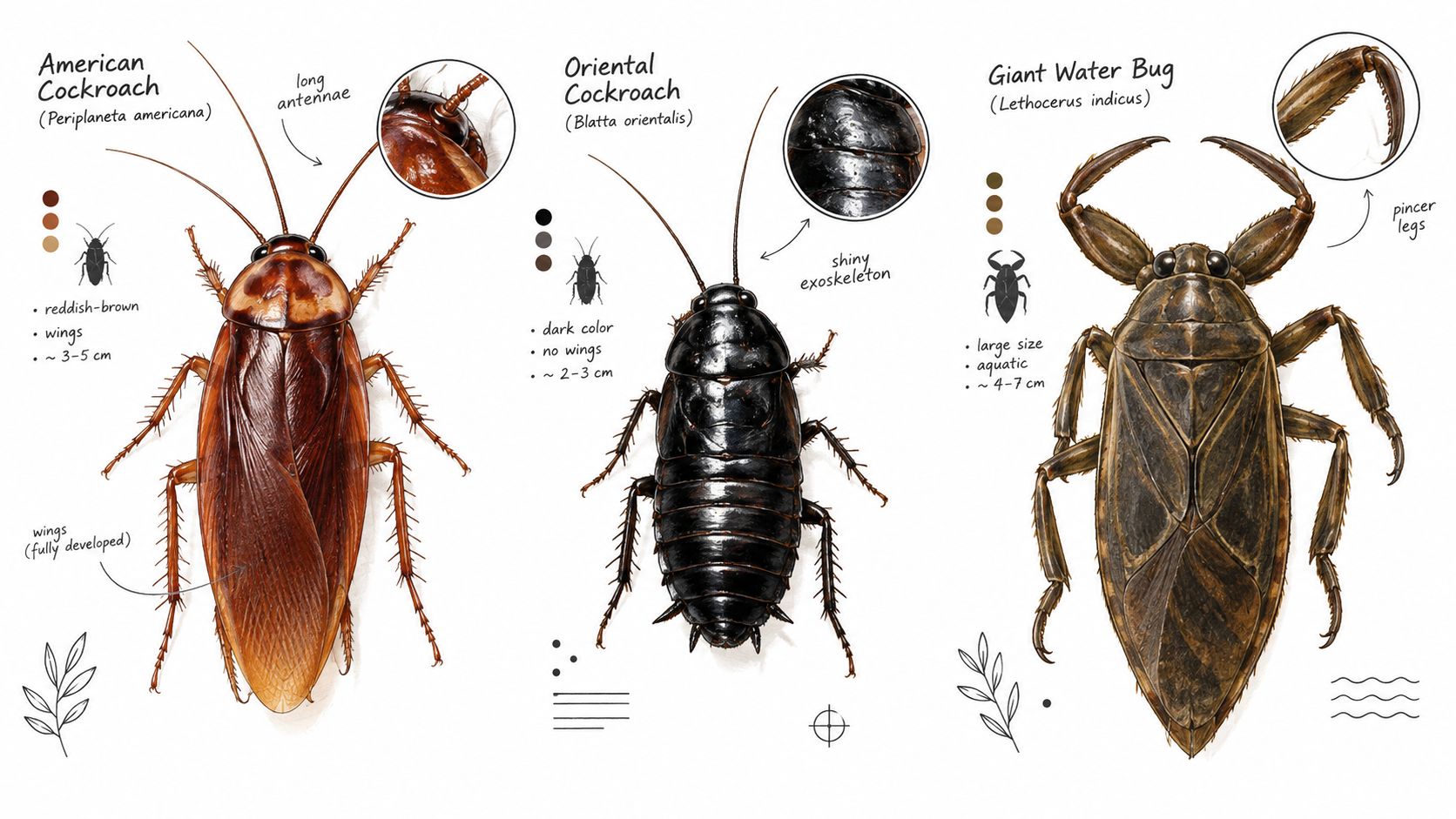
The large roach homeowners in Southeast Texas usually describe
The American cockroach is the insect Texas homeowners commonly call a water bug. It is large, reddish-brown, fast, and comfortable around plumbing chases, utility areas, and other damp routes into the home. University extension sources and pest references also note that people often call it a palmetto bug.
If you need a quick visual check before comparing species, this guide on what cockroaches look like helps separate basic roach features from other insects.
One American roach by a back door after a hard rain can be a visitor. Repeated sightings around the same bathroom, laundry room, or garage wall usually mean the insect is using a consistent moisture source or entry point.
The darker roach tied to chronic dampness
The Oriental cockroach gets called a water bug too, and this one usually fits the name more closely from a homeowner's point of view. It is darker, stockier, and more tied to cool, wet hiding spots. When I hear that the bug showed up near a floor drain, crawl-space access door, hose bib wall, or a garage that stays humid, Oriental roach is high on the list.
That trade-off matters. An American roach often points to access from outside or from sewer-linked voids. An Oriental roach pushes me to look harder at standing moisture, wet debris, or a drainage issue that is not drying out.
The true water bug
A true giant water bug is an aquatic insect, not a roach. It can fly, it may end up indoors by mistake, and it does not usually set up shop in the way roaches do. If you find one near a lighted entry or after weather changes, remove it and inspect the opening it used. If you keep finding "water bugs" inside, especially near damp indoor zones, the odds shift back toward roaches and a house-condition problem.
Water Bug or Cockroach Quick Identification Table
| Feature | American Cockroach | Oriental Cockroach | True Giant Water Bug |
|---|---|---|---|
| Overall look | Large, long-bodied roach | Darker, heavier roach | Flat-bodied aquatic insect |
| Color | Reddish-brown | Very dark brown to black | Brownish aquatic insect coloring |
| Antennae | Long, obvious antennae | Long antennae | Different head and front-leg shape than roaches |
| Wings | Winged adult | Not the same long-winged look people notice on American roaches | Built for aquatic life, not indoor harborage |
| Movement | Fast runner | More tied to low, damp hiding spots | Usually an accidental indoor visitor |
| Where found | Drains, pipes, basements, warm moist zones | Damp garages, crawl spaces, drains | Near water outdoors, rarely settled indoors |
| What it usually means | Moisture, sewer, plumbing, or entry-point issue | Chronic dampness and harborage nearby | Remove it and check how it got inside |
Calling a roach a water bug can cause homeowners to miss the real issue. In Magnolia houses, the better question is whether that insect marks a one-time entry after weather, or a repeat route tied to moisture and access.
Why Water Bugs Show Up and Signs of a Bigger Problem
The bug didn't choose your house by accident. It followed moisture, shelter, or a gap.
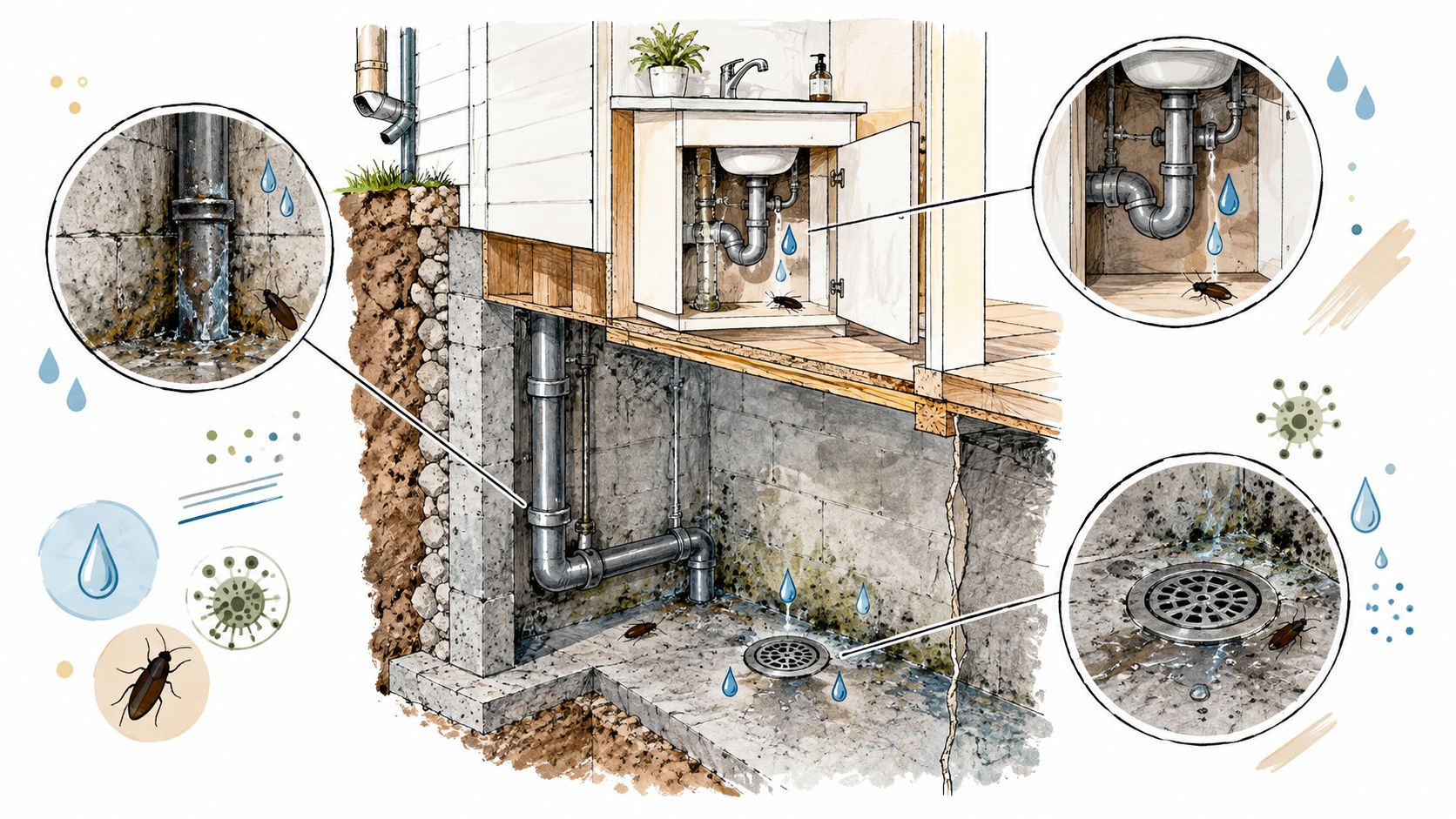
The biggest mistake I see is assuming water bugs in the house show up because a home is dirty. That's not the main driver with these large roaches. Authoritative pest references tie the American cockroach strongly to damp infrastructure, stating it is the most common cockroach species in city sewer systems, and one reported sewer manhole contained more than 5,000 individuals. The same source also notes they can run up to 3 miles per hour and are associated with at least 33 kinds of bacteria, six kinds of parasitic worms, and at least seven other human pathogens. That's why control advice focuses on sealing entry points and reducing moisture, not just surface cleaning, according to this American cockroach fact sheet.
The house conditions that predict repeat sightings
Repeated activity usually points to a pattern, not bad luck. In Magnolia homes, I'd inspect these areas first:
- Under sinks and behind dishwashers where slow leaks soak cabinet bottoms
- Washer connections and water heater closets that stay humid
- Garage wall penetrations where plumbing or conduit enters
- Floor drains, tub traps, and pipe chases that connect interior spaces to damp voids
- Crawl spaces or low slab edges that hold water after storms
If yard drainage is poor and water pushes toward the slab, that pressure often shows up later as indoor pest activity. If standing water or runoff is part of your problem, it's worth reviewing ways to protect your home from flooding so you're not treating insects without fixing the wet conditions around the structure.
Another good reference for root causes is this page on where roach infestation come from in my home.
How to tell one visitor from a recurring issue
A one-off visitor usually has a simple story. A door was left open. Heavy rain pushed outdoor insects around. Lights attracted something that wandered in.
A recurring problem looks different:
- Same room repeatedly means a nearby harborage or entry point
- Sightings after rain suggest moisture movement or drain pressure
- More than one bug points away from random chance
- Most activity at night near plumbing usually means hidden access
This quick video gives a useful visual sense of where moisture-linked pests tend to turn up indoors:
Immediate Steps to Remove Water Bugs Safely
If you found water bugs in the house, don't start with a whole-can spray treatment. Start by learning where they're coming from, then treat the pressure points.
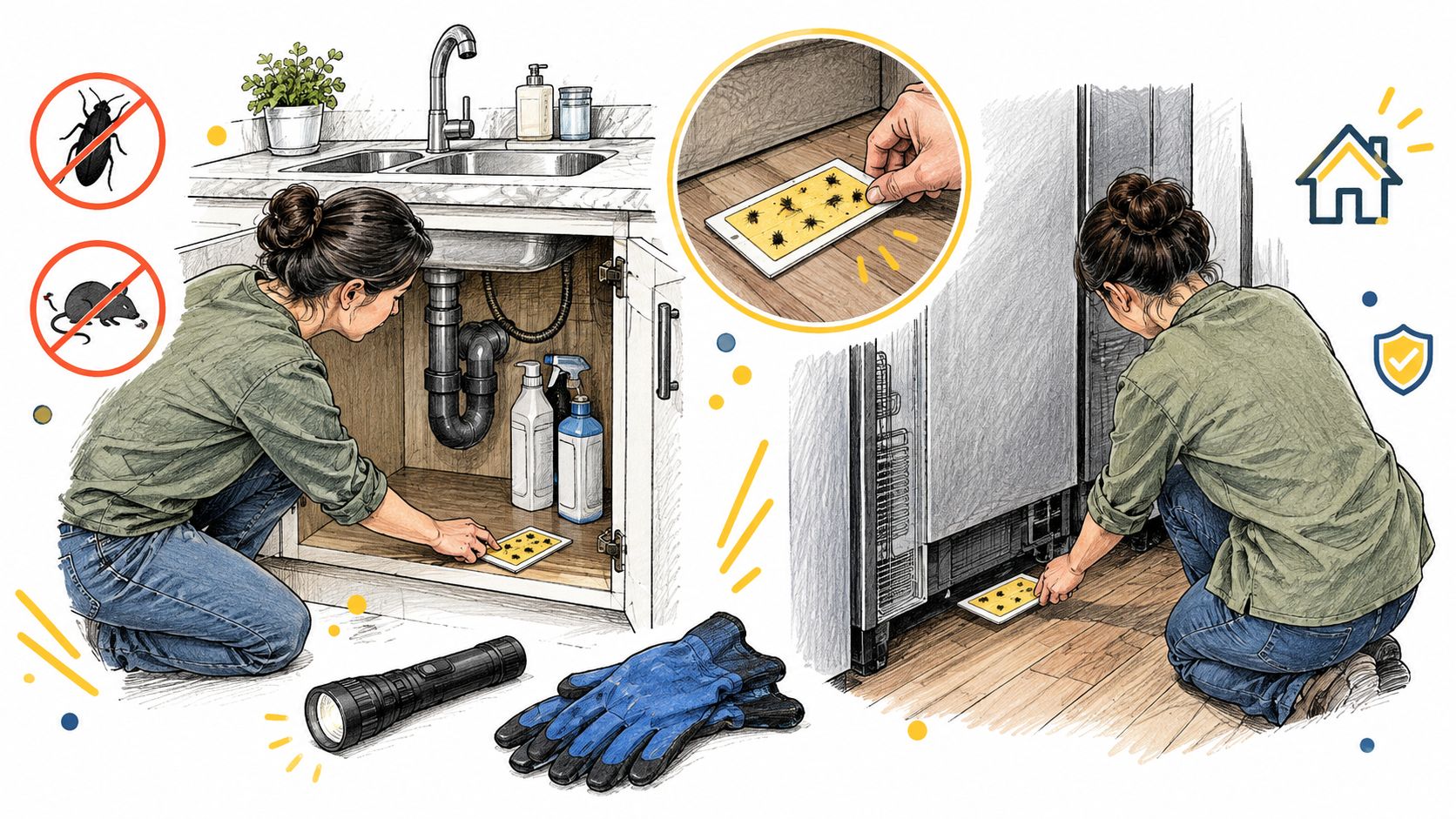
Start with inspection and monitoring
The EPA frames indoor cockroach IPM as a four-part cycle of inspection, monitoring, treatment, and follow-up, and extension guidance says to begin with a room-by-room inspection, placing sticky traps under sinks and along walls and appliances while you identify food, water, and shelter sources in the home, according to EPA guidance on integrated pest management.
That means you should:
- Check the damp rooms first. Kitchen sink base, bathroom vanity, utility room, garage corners.
- Place sticky traps where walls meet floors. Also under sinks and beside appliances.
- Watch the pattern for several days. The trap location tells you more than the bug you saw running.
Remove what supports them
A lot of DIY work fails because people treat the insect and ignore the conditions.
Focus on these fixes:
- Dry the area: Wipe standing water, fix drips, empty overflow pans if they're holding water.
- Clean hidden food residue: Pull the stove out, clean under the fridge, clear pet food at night.
- Vacuum live insects and debris: This is simple and effective for visible bugs and crumbs in cracks.
- Seal obvious gaps: Plumbing penetrations under sinks, loose escutcheon plates, cabinet wall voids, baseboard breaks.
Use targeted treatment, not broadcast spraying
The same EPA and extension guidance repeatedly emphasizes sticky traps, gel or paste baits, and crack-and-crevice treatments over broad indoor sprays. Broadcast sprays often miss the harborage, contaminate bait placement, and leave the homeowner thinking the job was done when the source is still active.
Use products and methods that fit the hiding places. A bait placed inside a cabinet void or under a sink lip is doing real work. Fogging the whole room usually isn't.
Practical rule: If your treatment doesn't also address water, shelter, and entry, you're not doing pest control. You're just chasing sightings.
Know when your DIY plan is stalling
If traps keep catching activity in the same zone, that's useful information. If you've dried the area, cleaned properly, sealed the easy gaps, and the same room still produces bugs, stop adding more spray.
A professional visit should include inspection, a treatment plan, and follow-up. One local option is FullScope Pest Control, which states it uses integrated pest management and targeted chemistry, with low-toxicity options for homes with children and pets and service plans that can be quarterly or biannual depending on need.
If activity keeps returning to the same drain wall, garage corner, or utility-room line set, the house is telling you where the problem lives.
Proven Tips to Keep Water Bugs From Coming Back in Magnolia
Getting rid of the visible bugs is only half the job. The long-term win in Magnolia is making the house drier, tighter, and less connected to outdoor moisture.
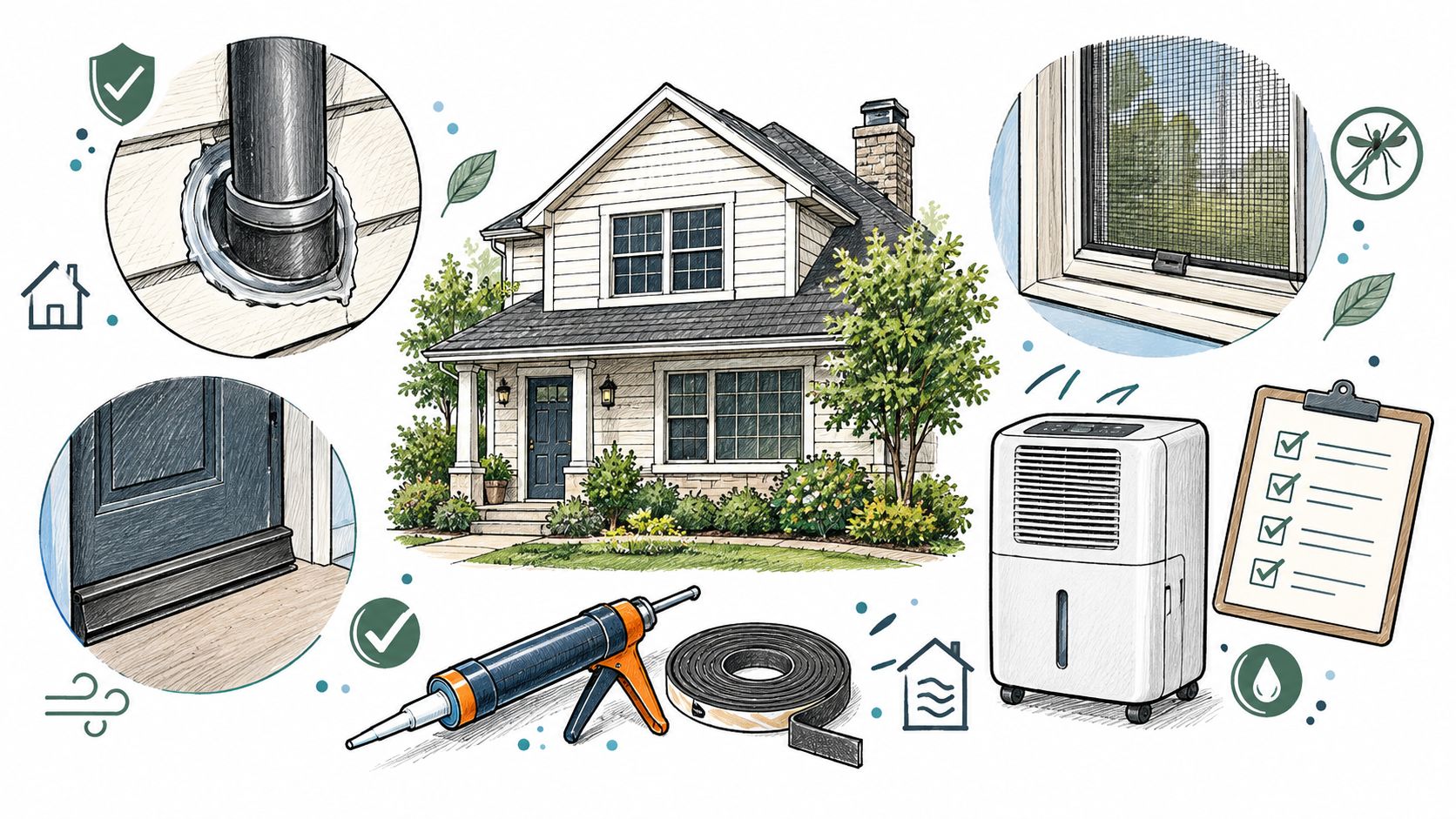
The Magnolia prevention routine
Magnolia sits in southwest Montgomery County according to the City of Magnolia, and the homes here deal with the same Southeast Texas pattern: humidity, hard rains, and lots of opportunities for pests to move through plumbing and exterior gaps.
A practical routine looks like this:
- Seal plumbing penetrations: Especially under kitchen and bath sinks where wall gaps are common.
- Upgrade door sweeps: Garage side doors and back doors are frequent weak spots.
- Fix leaks quickly: Don't leave slow drips under sinks or at hose bib connections.
- Run exhaust fans: Bathrooms and laundry areas stay attractive when humidity lingers.
- Keep drains and low areas dry: If a drain area stays damp, track down why.
- Trim perimeter clutter: Leaf buildup, stacked lumber, and wet mulch against the wall make hiding spots.
For more on exclusion and prevention habits, this page on how to prevent cockroach infestation lines up with what works in the field.
A simple monthly checklist
Use this once a month, especially after heavy rain:
- Inside the house: Check under sinks, behind toilets, around washer hookups, and along garage walls.
- At doors and windows: Look for worn sweeps, torn screens, and light showing under thresholds.
- Outside the structure: Make sure water isn't collecting near the slab or crawl-space vents.
- At drains and utility entries: Confirm covers fit well and openings around lines are sealed.
Magnolia service area details that matter
If you're trying to judge whether advice applies to your part of town, Magnolia's ZIP codes are 77353, 77354, and 77355, with 77354 and 77355 listed as standard delivery ZIP codes and 77353 as a P.O. Box code according to Magnolia ZIP code details. A verifiable municipal anchor in town is 18111 Buddy Riley Blvd., Magnolia, TX 77354-5864, listed in the Magnolia city directory.
That local context matters because a damp older home near tree cover in 77354 may show a different pattern than a newer build with tight weather sealing. The checklist is the same. The pressure points aren't always.
When to Call Professional Pest Control in Magnolia Texas
Some sightings don't need panic. Some do need help.
Call for professional pest control if you've already handled sanitation and moisture basics and you're still seeing activity. The same goes for bugs showing up in multiple rooms, repeated sightings near drains or plumbing lines, or anything that suggests a sewer-linked access point instead of a single outdoor intruder.
If children or pets are in the home, I'd also move faster rather than experimenting with repeated over-the-counter sprays. The better approach is a structured inspection, targeted treatment plan, and follow-up.
In Magnolia, that means service centered on southwest Montgomery County, with nearby operational coverage extending through Cleveland, Kingwood, Conroe, and Porter. A proper visit should identify where the insects are harboring, what moisture or structural conditions are keeping them active, and whether the home needs a one-time correction or an ongoing plan such as quarterly or biannual service.
The calm way to look at it is simple. If you saw one large bug after a storm, monitor and inspect. If water bugs in the house keep showing up in the same damp zones, treat that as a roach and moisture problem until proven otherwise.
If you're in Magnolia and want an inspection that focuses on entry points, moisture, and targeted treatment instead of guesswork, schedule a local pest evaluation and keep your prevention routine going between visits.